

Optimizing Anti-Aging Product Layering for Maximum Client Results?
For over 15 years in the dynamic world of beauty fashion, I've had the privilege of guiding countless clients through their anti-aging journeys. What I've consistently observed, and often had to correct, is a fundamental misunderstanding of how anti-aging products truly work together. It’s not just about what you use, but profoundly how you use it.
Many clients invest heavily in cutting-edge serums, potent creams, and innovative treatments, yet they often feel frustrated, seeing only minimal or inconsistent improvements. The core issue? A lack of strategic product layering. Without a thoughtful approach to application order, ingredient interaction, and absorption dynamics, even the most powerful formulations can underperform, leaving both clients and practitioners bewildered.
This isn't just about applying products; it's about orchestrating a symphony of active ingredients to achieve their maximum potential. In this definitive guide, I will share the precise frameworks, scientific principles, and expert insights I've honed over years to transform how you approach optimizing anti-aging product layering for maximum client results. Prepare to unlock radiant, youthful skin for your clients through intelligent, evidence-based application.
Understanding the Skin's Barrier and Absorption Dynamics
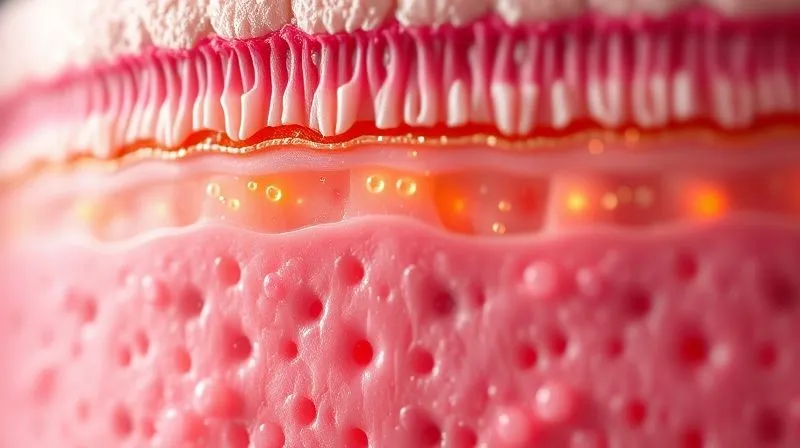
Before we dive into the 'how,' we must first grasp the 'why.' The skin is an incredible organ, a protective barrier designed to keep irritants out and moisture in. This barrier, primarily the stratum corneum, dictates how effectively active ingredients can penetrate and exert their effects. Understanding its structure is foundational to successful anti-aging product layering.
The Science Behind Product Penetration
Think of your skin as a brick wall, where skin cells are the bricks and lipids are the mortar. For an active ingredient to work, it generally needs to pass through this wall. Factors like molecular size, pH, formulation vehicle (serum vs. cream), and the presence of penetration enhancers all play critical roles. A well-designed layering strategy respects these physiological realities, ensuring each product has the best chance to be absorbed where it's needed most.
The Golden Rules of Layering: From Thinnest to Thickest
The most fundamental principle in product layering is simple: apply products from the thinnest consistency to the thickest. This isn't arbitrary; it's based on how different formulations interact with the skin and each other.
- Cleanse & Tone: Always start with a clean canvas. A gentle cleanser removes impurities without stripping the skin, followed by an optional toner to balance pH and prepare the skin for subsequent steps.
- Essences/Mists: These are typically water-light and help hydrate and prep the skin, allowing serums to penetrate more effectively.
- Serums (Water-based): These are concentrated formulations of active ingredients, often with a low molecular weight, designed to deliver targeted benefits deep into the skin. Apply these first.
- Oil-based Serums/Facial Oils: If using an oil-based serum, it generally goes after water-based serums but before heavier creams. Oils create an occlusive layer that can impede water-based products if applied first.
- Eye Cream: The delicate skin around the eyes requires specific attention. Apply your eye cream after serums but before your main moisturizer.
- Moisturizer: This is your protective barrier, locking in all the goodness applied beforehand. It hydrates and strengthens the skin barrier.
- SPF (Daytime Only): The final, non-negotiable step in your morning routine. SPF sits on top to shield your skin from UV damage.
Adhering to this sequence ensures optimal absorption and prevents products from simply sitting on the surface, which is a common pitfall I see that hinders optimizing anti-aging product layering for maximum client results.
Decoding Active Ingredients: What Goes First?
Beyond consistency, understanding the star players – your active ingredients – is crucial. Certain actives have specific pH requirements or work best when applied at particular times of the day or in a certain order to avoid irritation or inactivation.
Vitamin C: The Morning Shield
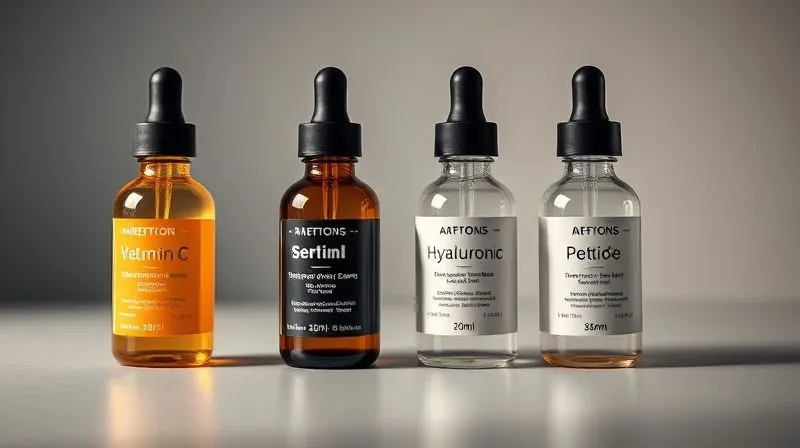
L-Ascorbic Acid (pure Vitamin C) is a potent antioxidant that brightens, protects against free radical damage, and boosts collagen. It thrives in an acidic environment and is best applied in the morning after cleansing/toning, before other serums. Its protective qualities are amplified when used under sunscreen. For optimal efficacy, look for formulations with a pH between 2.5 and 3.5.
Retinoids: The Nighttime Powerhouse
Retinoids (Retinol, Tretinoin, etc.) are unparalleled for cellular turnover, collagen production, and treating fine lines and hyperpigmentation. They are photosensitive and can increase sun sensitivity, making them ideal for nighttime use. Apply retinoids to clean, dry skin after cleansing, allowing a few minutes for absorption before following with a moisturizer to buffer potential irritation. This strategic application is key to optimizing anti-aging product layering for maximum client results without discomfort.
Peptides, Hyaluronic Acid, and AHAs/BHAs: Strategic Placement
Peptides are versatile and generally play well with most ingredients. They can be layered after Vitamin C in the morning or before retinoids at night. Hyaluronic Acid, a humectant, can be applied at almost any stage to draw moisture into the skin, often after lighter serums and before heavier creams. AHAs (Alpha Hydroxy Acids) and BHAs (Beta Hydroxy Acids) are chemical exfoliants. They should typically be applied to clean skin to maximize their exfoliating action. If using strong retinoids, alternate nights with AHAs/BHAs to prevent over-exfoliation and irritation. Never layer them directly with retinoids unless specifically formulated to do so, as this can lead to significant skin barrier compromise. This careful consideration of active ingredient compatibility is paramount for client safety and results.
Common Layering Mistakes and How to Avoid Them
Even with the best intentions, I've observed several common missteps that can sabotage an otherwise perfect anti-aging routine. Avoiding these is crucial for optimizing anti-aging product layering for maximum client results.
- Applying Oils Too Early: Oils create an occlusive barrier. If applied before water-based serums, they can prevent those serums from penetrating effectively. Always apply oils after water-based serums but before or mixed with your moisturizer.
- Over-Exfoliation: Combining multiple strong exfoliants (e.g., a strong AHA toner, a BHA serum, and a retinoid) daily can strip the skin barrier, leading to redness, sensitivity, and dryness. Space out your exfoliating actives.
- Mixing Incompatible Ingredients: While some ingredients can be layered, others should be used cautiously or on alternate days. For instance, high concentrations of Vitamin C and Retinoids can sometimes irritate when used immediately together, though modern formulations are increasingly addressing this. Always patch test and introduce new actives slowly.
- Not Allowing Absorption Time: Rushing through your routine can mean products don't have adequate time to penetrate. Give each product 30-60 seconds to absorb before applying the next.
Case Study: How Sarah Transformed Her Anti-Aging Results
Sarah, a 48-year-old client, was disheartened. She used a high-end Vitamin C serum, a popular retinol, and a peptide complex, but her skin still lacked radiance and her fine lines persisted. Upon review, I discovered she was applying her facial oil immediately after cleansing, followed by her water-based serums, and then her retinol. This "oil-first" approach was effectively creating a barrier, preventing her potent actives from reaching their targets.
We restructured her routine: cleansing, then Vitamin C (morning), then a hydrating serum, followed by eye cream, moisturizer, and finally SPF. At night, it was cleansing, retinol (on dry skin), wait time, then a hydrating serum, eye cream, and moisturizer. Within 8 weeks, Sarah's skin showed remarkable improvement: reduced fine lines, a brighter complexion, and a significant boost in overall radiance. This simple adjustment in layering order was the game-changer, demonstrating the power of proper sequencing.
"The true artistry of anti-aging skincare lies not just in selecting the finest ingredients, but in orchestrating their application to work in perfect synergy. It's about creating a 'delivery system' for maximum impact."
Building a Personalized Anti-Aging Regimen: A Step-by-Step Framework
Every client's skin is unique, with varying concerns, sensitivities, and goals. Therefore, a truly effective anti-aging strategy requires personalization. Here's a framework I use to build bespoke layering routines.
- Assess Skin Type & Concerns: Is their skin oily, dry, combination, sensitive? What are their primary concerns: fine lines, wrinkles, hyperpigmentation, loss of firmness, texture issues?
- Identify Key Actives: Based on concerns, select the core active ingredients. For example, Vitamin C for brightening, Retinoids for renewal, Peptides for firmness, Hyaluronic Acid for hydration.
- Determine AM/PM Schedule: Assign actives to morning or night based on their properties (e.g., Vitamin C AM, Retinoids PM).
- Map the Layering Order: Apply the "thinnest to thickest" rule, integrating the active ingredient considerations.
- Introduce Gradually: Especially with potent actives like retinoids or strong acids, advise clients to start slowly (e.g., 2-3 times a week) and gradually increase frequency as tolerance builds.
- Educate on Application Technique: Teach clients how much product to use (a pea-sized amount for serums, nickel-sized for moisturizer) and the importance of gentle application.
- Monitor & Adjust: Skincare is dynamic. Encourage clients to observe their skin's response and be prepared to adjust the routine as needed.
This structured approach ensures that the client's specific needs are met, leading to genuinely transformative results. Here's an example of how a personalized layering guide might look:
| Step | AM Routine (Dry/Sensitive) | PM Routine (Dry/Sensitive) |
|---|---|---|
| 1. Cleanse | Gentle Cream Cleanser | Gentle Cream Cleanser |
| 2. Tone/Essence | Hydrating Toner | Hydrating Toner |
| 3. Targeted Serum 1 | Vitamin C Serum | Peptide Serum |
| 4. Targeted Serum 2 | Hyaluronic Acid Serum | Retinoid (2-3x/week, otherwise another hydrating serum) |
| 5. Eye Cream | Hydrating Eye Cream | Nourishing Eye Cream |
| 6. Moisturizer | Rich Hydrating Cream | Barrier Repair Cream |
| 7. SPF (AM Only) | SPF 30-50 Mineral Sunscreen | N/A |
Enhancing Efficacy: Tools and Techniques for Better Absorption
Beyond the products themselves, certain tools and techniques can significantly enhance the absorption and overall efficacy of your anti-aging regimen. This is where we move beyond simple application to truly amplifying results.
One technique I often recommend is gentle facial massage during product application. This not only aids in lymphatic drainage and circulation but can also help work products deeper into the skin. According to a study published in the Journal of Cosmetic Dermatology, regular facial massage can improve skin elasticity and muscle tone, indirectly boosting product penetration. [Source]
Furthermore, devices like sonic cleansing brushes (used sparingly, once or twice a week) can ensure a deeper clean, creating a better canvas for product absorption. Microcurrent devices, while not directly aiding absorption, can improve muscle tone and overall skin firmness, enhancing the visible results of your anti-aging products. Always ensure any device used is clean and used according to manufacturer instructions to prevent irritation or damage to the skin barrier.
Navigating Product Interactions: When Less is More
In the quest for optimal results, there's a temptation to layer every potent active available. However, some ingredients, when combined or overused, can lead to irritation, redness, or even reduced efficacy. This is where the 'less is more' philosophy often rings true, especially for those new to anti-aging or with sensitive skin.
A classic example is the potential interaction between high concentrations of Vitamin C (L-Ascorbic Acid) and Retinoids. While both are phenomenal anti-aging ingredients, their optimal pH ranges differ, and combining them immediately can sometimes lead to irritation for sensitive skin types. A common expert recommendation, if using both, is to use Vitamin C in the morning and Retinoids at night, or to alternate them on different evenings. Similarly, combining strong AHAs/BHAs with Retinoids every night can lead to over-exfoliation and a compromised skin barrier, hindering rather than helping the skin's anti-aging efforts. [Source: American Academy of Dermatology]
Another key consideration is the use of Benzoyl Peroxide with Retinoids. Benzoyl Peroxide can oxidize and inactivate Retinoids, particularly Tretinoin, when applied at the same time. If both are necessary for a client's concerns (e.g., adult acne with anti-aging goals), they should be used at different times of the day or on alternating days. Being mindful of these potential clashes is a critical aspect of optimizing anti-aging product layering for maximum client results, ensuring skin health and comfort remain paramount.
| Ingredient 1 | Ingredient 2 | Interaction Notes |
|---|---|---|
| Vitamin C | Retinoids | Can cause irritation; best used AM (Vit C) and PM (Retinoid) or alternate nights. |
| AHAs/BHAs | Retinoids | High risk of over-exfoliation and irritation; alternate nights or use milder forms. |
| Benzoyl Peroxide | Retinoids | Benzoyl Peroxide can inactivate Retinoids; use at different times of day or alternate days. |
| Niacinamide | Vitamin C (L-Ascorbic Acid) | Historically thought to inactivate; modern formulations often compatible. If sensitive, apply separately or use buffered Vit C. |
| Peptides | Most Actives | Generally compatible with most ingredients; can be layered with confidence. |
The Role of Consistency and Patience in Anti-Aging
Finally, and perhaps most importantly, is the understanding that anti-aging skincare is a marathon, not a sprint. Even with the most meticulously optimized anti-aging product layering, results don't appear overnight. Cellular turnover takes time, collagen production is a gradual process, and fading hyperpigmentation requires consistent effort.
I always set realistic expectations with my clients. Typically, it takes at least 6-12 weeks of consistent use to see noticeable improvements with most active ingredients, and sometimes longer for deeper concerns. Patience is a virtue in skincare. Clients who stick with a well-structured, consistent routine almost always see superior results compared to those who frequently switch products out of impatience. Remember, skin health is a journey, and dedication to the process is as vital as the products themselves. For more on the science of skin aging, explore resources from reputable institutions like National Institutes of Health (NIH).
Frequently Asked Questions (FAQ)
Q: Can I mix different brands of anti-aging products in my layering routine? A: Absolutely, and in fact, it's often encouraged! Different brands excel in different formulations or specific active ingredients. The key is to understand the active ingredients and their compatibility, not to stick to one brand. Focus on the science of the ingredients and their optimal layering order, rather than brand loyalty.
Q: How long should I wait between applying each anti-aging product? A: While there's no strict rule, I generally advise waiting 30-60 seconds between light, water-based layers (like serums) to allow for proper absorption. For more potent actives like retinoids, I recommend applying to completely dry skin and waiting 5-10 minutes before applying your next layer to minimize irritation and maximize efficacy. This wait time is crucial for optimizing anti-aging product layering for maximum client results, especially with sensitive skin.
Q: Is it really necessary to use so many products for anti-aging? Can't I just use one? A: While a minimalist routine can be effective for some, targeting multiple signs of aging (e.g., fine lines, sun spots, loss of firmness) often requires a combination of active ingredients that perform different functions. For example, Vitamin C offers antioxidant protection and brightening, while retinoids focus on cellular renewal and collagen. A well-layered routine allows you to address various concerns comprehensively, leading to more dramatic and holistic anti-aging results than a single product typically can.
Q: My skin feels sticky after layering. Am I doing something wrong? A: A sticky feeling can indicate a few things: you might be using too much product, not allowing enough absorption time between layers, or some product formulations simply have a naturally tackier finish. Try reducing the amount of each product, increasing the wait time, or gently pressing products into the skin rather than just spreading. Sometimes, a lighter moisturizer can help seal everything without feeling heavy.
Q: What if a client has extremely sensitive skin but wants to use potent anti-aging actives? A: For sensitive skin, the approach to optimizing anti-aging product layering for maximum client results must be extra cautious. Introduce one new active at a time, starting with very low concentrations and using it infrequently (e.g., once or twice a week). Prioritize barrier-supporting ingredients (ceramides, hyaluronic acid) and use a 'sandwich method' for retinoids (moisturizer, then retinoid, then more moisturizer). Patch testing is non-negotiable, and always listen to the skin's feedback, reducing frequency or discontinuing if irritation persists.
Key Takeaways and Final Thoughts
Mastering the art and science of anti-aging product layering is not just about following a set of rules; it's about understanding your client's skin, knowing your ingredients, and applying them with precision and purpose. It's the difference between merely applying products and truly optimizing anti-aging product layering for maximum client results.
- Prioritize "Thinnest to Thickest": This foundational rule ensures proper absorption.
- Understand Active Ingredient Timing: Apply Vitamin C in the AM, Retinoids in the PM, and strategize other actives.
- Avoid Incompatible Combinations: Be mindful of ingredients that can cause irritation or reduce efficacy.
- Personalize Every Regimen: Tailor routines to individual skin types and concerns.
- Embrace Consistency and Patience: Anti-aging is a long-term commitment.
- Educate Your Clients: Empower them with the knowledge to maintain their results.
As a specialist, I've seen firsthand the profound impact a well-orchestrated anti-aging routine can have – not just on the skin, but on a client's confidence and well-being. By embracing these expert strategies, you're not just selling products; you're delivering transformative experiences. Continue to learn, adapt, and empower your clients, and you'll consistently achieve those coveted, radiant, and youthful results.
Recommended Reading
- Unlock the Past: How to Construct a Historically Accurate Corset Pattern?
- 5 Expert Strategies: Stop Minimalist Accessories from Dull Professional Outfits
- 7 Proven Strategies: Minimize Dead Stock in Kids' Seasonal Apparel Lines
- 7 Proven Strategies for Consistent Waste Streams in Upcycled Fashion
- Zero Waste Fashion Wardrobe: Your Ultimate Start-Up Guide


Your email address will not be published. Required fields are marked *