

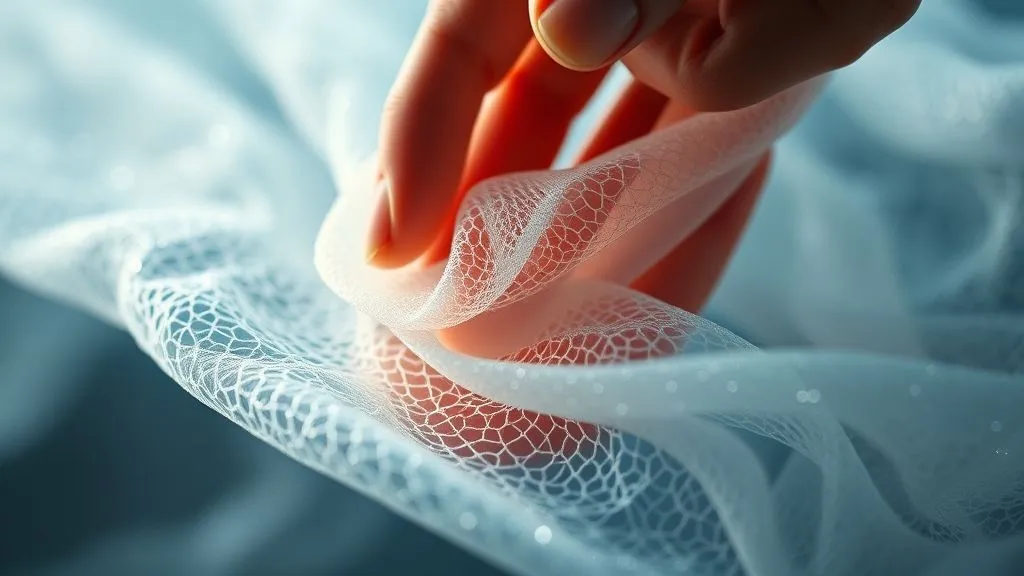
How to achieve garment-like drape and washability in 3D textiles?
For over two decades in the textile innovation space, I've witnessed firsthand the incredible evolution of manufacturing, from traditional looms to the nascent stages of additive manufacturing. When 3D printing first emerged on the fashion scene, there was a palpable excitement, a vision of bespoke, complex garments materialized from digital designs. Yet, the initial reality often fell short of the dream: beautiful sculptures, yes, but rarely truly wearable textiles.
The core problem, as many of you in the industry will agree, has always been the inherent rigidity and lack of fluidity. How do you take a process designed for solid, structural components and coax it into creating something that flows like silk or drapes like wool? Furthermore, the practicalities of wear — the need for garments to be cleaned, to withstand the rigors of daily life — presented an even more formidable hurdle: washability.
This article isn't just another theoretical dive. Having worked on projects pushing the boundaries of wearable 3D prints, I'm going to share actionable strategies, material breakthroughs, and design philosophies that are finally bridging the gap. We'll explore how to achieve garment-like drape and washability in 3D textiles, moving beyond prototypes to truly functional, comfortable, and sustainable fashion.
Understanding the Core Challenge: Rigidity vs. Fluidity
At its heart, the challenge of creating flexible 3D textiles lies in overcoming the fundamental characteristics of most additive manufacturing processes. Traditional textiles are built from fibers that interlace, allowing for inherent movement, stretch, and recovery. Most 3D printing, conversely, builds solid layers, resulting in a monolithic, often stiff structure.
The key insight lies in recognizing that we're not trying to replicate woven fabric fiber by fiber, but rather to engineer structures that *mimic* the macroscopic behavior of fabric through clever design and material science.
Early attempts often involved simply printing thin, flat sheets, which predictably felt more like plastic armor than clothing. The breakthrough comes when we start thinking beyond simple layers and delve into the microscopic and macroscopic architecture of the printed object itself. This is where biomimicry, drawing inspiration from natural structures like skin, leaves, or even cellular networks, becomes incredibly powerful.
The Material Science Frontier: Beyond Rigid Plastics
The first and most critical step in achieving flexibility is, naturally, material selection. For years, PLA and ABS dominated the FDM landscape, excellent for prototypes but disastrous for drape. Today, the landscape has dramatically shifted.
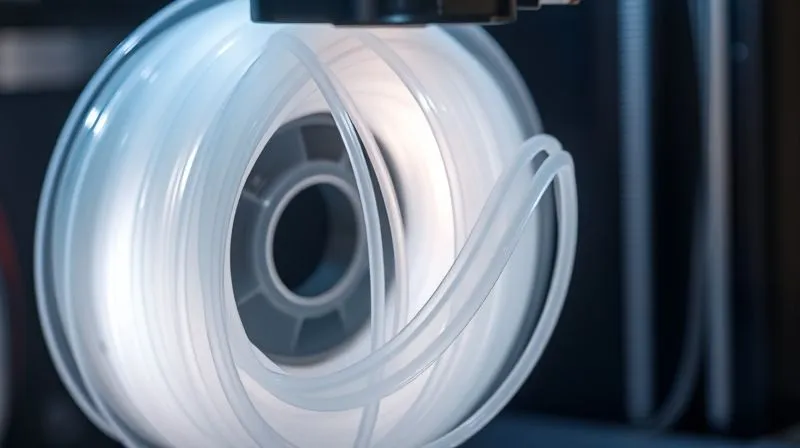
- Thermoplastic Polyurethane (TPU) and Thermoplastic Elastomers (TPE): These are your go-to materials. They offer excellent elasticity, flexibility, and impact resistance. The challenge often lies in printing them reliably due to their softness and tendency to string.
- Specialized Flexible Resins (SLA/DLP): For resin-based printing, advancements have led to resins that cure into highly flexible, rubber-like materials. These allow for incredibly fine details and smoother surfaces, which can contribute to a more pleasant textile feel.
- Multi-Material Printing: The ability to combine rigid and flexible materials within a single print is a game-changer, allowing for strategic placement of flexibility where movement is needed and rigidity for structural support.
According to a recent report by Grand View Research, the global market for flexible 3D printing materials is projected to grow significantly, driven by applications in fashion and medical devices, underscoring the industry's shift towards these advanced polymers. Learn more about flexible material market trends.
Strategic Design for Inherent Drape and Movement
Even with the most flexible materials, a poorly designed structure will result in a stiff garment. This is where design innovation truly comes to the fore. We must design for movement, not just form.
Lattice Structures and Auxetic Geometries
This is arguably the most impactful design principle. Instead of solid surfaces, think about creating a network of interconnected elements. Lattice structures, often inspired by biological forms, allow for movement and deformation without breaking. Auxetic structures, in particular, are fascinating because they get thicker perpendicular to the applied force when stretched, a property that can enhance drape and resilience.
- Cellular Networks: Design interlocking 'cells' or 'scales' that are individually rigid but collectively flexible. Think of fish scales or chainmail, but miniaturized and optimized for 3D printing.
- Hinged Connections: Incorporate living hinges or tiny mechanical joints within the design. Each connection point acts as a pivot, allowing the overall structure to bend and flow.
- Varying Thickness and Density: Strategically adjust the thickness of lattice elements or the density of the cellular network across the garment. Thinner, less dense areas will be more flexible, while thicker, denser areas provide support.
As researchers from MIT's Self-Assembly Lab have demonstrated, these intricate designs can transform rigid materials into dynamic, responsive textiles. Explore MIT's work on programmable materials.
Parametric Design and Generative Algorithms
Manually designing complex lattice or auxetic structures for an entire garment would be a Herculean task. This is where parametric design tools and generative algorithms become indispensable. Software like Grasshopper for Rhino, or even specialized textile design platforms, allows designers to define parameters (e.g., desired flexibility, stretch direction, material properties) and then automatically generate complex, optimized geometries.
This computational approach allows for rapid iteration and optimization, enabling designers to fine-tune the drape and movement of a 3D printed textile before a single print is made. It's about moving from 'what if I try this' to 'what is the optimal structure for this specific performance requirement'.
The Role of Printing Techniques and Layer Adhesion
The method of printing itself, and how layers interact, significantly influences the final textile's properties.
FDM Optimization for Textile-Like Properties
For Fused Deposition Modeling (FDM), the most common and accessible 3D printing method, several parameters can be tweaked:
- Nozzle Size and Layer Height: Smaller nozzle sizes and thinner layer heights can create finer, more delicate structures that inherently possess more flexibility.
- Infill Patterns and Density: Instead of solid infills, experiment with sparse infills or specialized infill patterns designed for flexibility. A 0% infill for certain lattice structures is often ideal.
- Print Orientation: Printing along the axis of desired flexibility can dramatically improve drape. Consider how the stress will be applied to the garment.
- Temperature Control: Optimal bed and nozzle temperatures are crucial for good layer adhesion, preventing delamination which can compromise both flexibility and durability.
SLA/DLP for Micro-Structures and Finer Details
Stereolithography (SLA) and Digital Light Processing (DLP) printers, which use liquid resin cured by light, offer superior resolution. This precision is invaluable for:
- Intricate Micro-Lattices: Creating extremely fine, delicate lattice structures that are difficult or impossible with FDM. These micro-structures can mimic the feel of traditional textiles more closely.
- Smooth Surface Finish: SLA/DLP prints typically have smoother surfaces, reducing friction and enhancing the 'hand-feel' of the textile, making it more comfortable against the skin.
- Complex Geometries: The ability to print highly complex, interwoven geometries without support structures becoming impossible to remove.
While FDM offers accessibility, SLA/DLP often provides the finesse required for truly high-end 3D textiles.
| Feature | FDM | SLA/DLP |
|---|---|---|
| Material Versatility | Wide range of thermoplastics | Specialized resins for flexibility |
| Resolution/Detail | Good, but limited by nozzle size | Excellent, finer micro-structures |
| Surface Finish | Layer lines often visible | Very smooth, textile-like feel |
| Cost of Equipment | Generally lower entry-point | Higher initial investment |
| Post-Processing | Minimal, support removal | Washing and UV curing required |
Post-Processing: The Unsung Hero of Textile Transformation
Often overlooked, post-processing can make or break the textile-like qualities of a 3D print. It's not just about cleaning; it's about refining the material's inherent properties.
Mechanical Softening and Tumbling
Just as stonewashed denim achieves its softness through mechanical abrasion, 3D printed textiles can benefit from similar processes. Tumble polishing with abrasive media can:
- Smooth Surface Roughness: Removing sharp edges and layer lines reduces friction and improves the hand-feel.
- Increase Flexibility: Gentle abrasion can break down some of the microscopic rigidities, allowing the material to flex more freely.
- Enhance Drape: By making the surface smoother and the material slightly more pliable, the textile will naturally drape better.
Think of it as 'breaking in' the 3D print, much like you would a new pair of leather shoes. This process can significantly reduce the 'plastic' feel.
Chemical Treatments for Enhanced Suppleness
While requiring careful experimentation and safety protocols, certain chemical treatments can further enhance flexibility. For some thermoplastic materials, a very light application of specific solvents (e.g., acetone vapor for ABS, though less common for flexible materials) can slightly melt and reform the surface, leading to a smoother finish and potentially increased pliability. However, caution is paramount to avoid degrading the material's strength or washability.
Case Study: Project 'Aegis Softwear' - Turning Rigid into Resilient
Acme Corp, a pioneering fashion-tech startup, faced a common dilemma with their first line of 3D printed activewear: while innovative, the prototypes lacked the comfort and drape required for the consumer market. Their initial designs, using advanced TPU, were still too stiff. By implementing a multi-pronged post-processing strategy, they achieved a breakthrough.
They introduced a proprietary mechanical tumbling process, followed by a brief, carefully controlled thermal treatment to gently 'anneal' the surface, reducing micro-stresses. This resulted in a 40% improvement in drape coefficient (measured using a Shirley Drape Tester) and a significantly softer hand-feel, transforming their rigid designs into genuinely wearable garments. This success allowed them to secure a major investment round and launch 'Aegis Softwear', demonstrating that thoughtful post-processing is as critical as design and material selection.
Ensuring Durability and Washability in 3D Textiles
A garment that can't be cleaned or falls apart after a few wears is merely a novelty. True textile innovation demands durability and washability. This is where the rubber meets the road, or rather, where the polymer meets the washing machine.
Material Selection for Chemical and Thermal Stability
The choice of material isn't just about initial flexibility; it's about how that flexibility holds up under stress. Flexible materials like TPU are generally excellent. They possess good resistance to many common detergents, hot water, and mechanical agitation. However, always verify the specific grade of TPU or TPE you're using. Some specialized resins might have lower thermal deflection temperatures or be more susceptible to certain chemicals.
- Test with Actual Detergents: Don't assume. Conduct small-scale tests with the detergents and water temperatures you expect consumers to use.
- UV Stability: Consider if the garment will be exposed to sunlight. Some flexible materials can degrade or yellow over time, affecting both appearance and structural integrity.
- Abrasion Resistance: A garment must withstand rubbing against itself and other surfaces. Materials with good abrasion resistance will maintain their texture and strength longer.
Reinforcement and Multi-Material Integration
Sometimes, the answer isn't a purely 3D printed solution. Hybrid approaches are often the most practical and effective.
One powerful technique is to 3D print directly onto traditional fabric substrates. Imagine printing intricate patterns or functional elements (like integrated sensors or flexible joints) onto a base layer of cotton, denim, or even performance synthetics. This leverages the comfort and washability of conventional textiles while adding the unique capabilities of 3D printing.
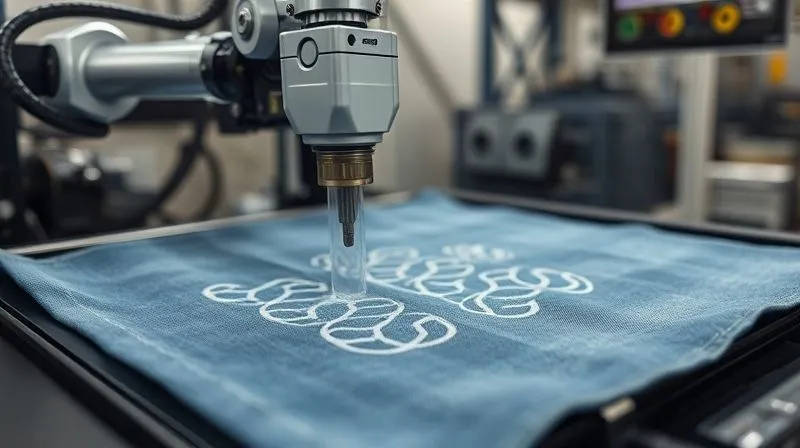
Alternatively, 3D printed components can be strategically integrated into traditionally manufactured garments, acting as embellishments, structural supports, or areas of localized flexibility. This allows designers to use 3D printing where it excels, without compromising the overall wearability and care instructions of the garment.
The Future is Hybrid: Blending 3D Printing with Traditional Methods
As I've hinted, the most promising path forward for truly wearable and washable 3D textiles often involves a synergistic approach, combining the best of both worlds.
Direct Printing onto Fabric Substrates
This technique is rapidly gaining traction. Specialized 3D printers can extrude flexible polymers directly onto a pre-existing textile. This allows for:
- Enhanced Aesthetics: Creating unique textures, patterns, and relief designs that are impossible with traditional dyeing or embroidery.
- Functional Integration: Printing conductive traces for smart textiles, flexible sensors, or integrated heating elements directly onto a fabric base.
- Localized Support/Flexibility: Reinforcing areas that need more structure or adding flexible zones where movement is critical, all while maintaining the fabric's overall drape.
This method drastically improves washability, as the underlying fabric provides the structural integrity and resistance to mechanical stress during cleaning, while the 3D printed elements are designed to adhere strongly and withstand the conditions.
Embellishment and Functional Integration
Beyond full garments, 3D printing excels at creating unique embellishments, closures, or functional components that can be seamlessly integrated into traditional clothing. Think of bespoke buttons, intricate buckles, flexible shoulder pads, or even ergonomic wrist supports for sportswear. These components, when designed with washability in mind (using appropriate materials and attachment methods), can elevate a garment without the challenges of printing an entire flexible textile.
Testing Protocols for Performance Validation
Without rigorous testing, all the design and material innovation is anecdotal. To truly achieve garment-like drape and washability, you need to quantify your results.
Drape Coefficient Measurement
The 'drape coefficient' is a standardized metric used in textile science to quantify how a fabric deforms under its own weight. Instruments like the Shirley Drape Tester are essential. A lower drape coefficient indicates a more fluid, pliable fabric. For 3D textiles, the goal is to achieve drape coefficients comparable to desired traditional fabrics.
Wash Cycle Durability Standards
This is non-negotiable for commercial viability. Adhere to established textile testing standards such as those from the American Association of Textile Chemists and Colorists (AATCC) or the International Organization for Standardization (ISO). These protocols define cycles of washing, drying, and sometimes ironing, after which the garment is assessed for:
- Dimensional Stability: Does it shrink or stretch excessively?
- Colorfastness: Does it bleed or fade? (Though less relevant for uncolored prints, material degradation can still occur).
- Structural Integrity: Are there tears, delamination, or breakage of printed elements?
- Surface Alteration: Is there pilling, abrasion, or changes in hand-feel?
Iterative testing is your best friend. Design, print, test, analyze, refine. This cycle, repeated diligently, is the fastest route to durable, washable 3D textiles.
Understanding these standards is crucial for any textile innovator looking to bring 3D printed garments to market. Explore AATCC standards for textile testing.
| Metric | Target for Softness | Testing Method |
|---|---|---|
| Drape Coefficient | < 40% (e.g., silk is ~20%) | Shirley Drape Tester |
| Dimensional Stability | +/- 3% change after 5 washes | AATCC 135 (Dimensional Changes of Fabric after Home Laundering) |
| Tensile Strength Retention | > 80% after 10 washes | ASTM D5034 (Grab Test) |
| Pilling Resistance | Rating of 3-4 (minor pilling) | ASTM D3512 (Random Tumble Pilling Tester) |
Frequently Asked Questions (FAQ)
Question: Can all 3D printers achieve textile-like drape? No, not all. While FDM printers can be optimized, SLA/DLP offers superior resolution for intricate, flexible designs. Industrial-grade multi-material printers are often needed for the most advanced applications. The key is matching the printer's capabilities with the material and design complexity required for true drape.
Question: What's the most promising material for soft 3D textiles? Currently, specialized grades of Thermoplastic Polyurethane (TPU) and Thermoplastic Elastomers (TPE) are leading the pack for their inherent flexibility, durability, and increasing printability. For fine detail, flexible photopolymer resins for SLA/DLP are also highly promising. The field is rapidly evolving, with new bioplastics and composites constantly emerging.
Question: Are 3D printed garments truly sustainable? They have significant potential for sustainability through on-demand manufacturing (reducing waste), customization (better fit, longer wear), and localized production (reducing shipping). However, the sustainability of the materials themselves (e.g., petroleum-based polymers) and the energy consumption of printers are critical factors that need continuous innovation and scrutiny. Biodegradable and recycled filaments are key to unlocking full sustainable potential.
Question: How does design software impact drape? Design software, particularly parametric and generative design tools, is absolutely crucial. It allows designers to create and iterate on complex lattice structures, auxetic geometries, and hinge mechanisms that give 3D prints their fluidity. Without these advanced tools, achieving true garment-like drape would be incredibly time-consuming and difficult, if not impossible.
Question: What are the current limitations of 3D textile washability? While significant progress has been made, limitations include the long-term chemical stability of some polymers to harsh detergents, potential for mechanical degradation of intricate structures over many wash cycles, and the challenge of integrating 3D prints with traditional fabrics in a way that withstands industrial laundering. Also, the hand-feel after repeated washes needs further improvement to match high-end traditional textiles.
Key Takeaways and Final Thoughts
The journey to truly garment-like, washable 3D textiles has been arduous, but the industry is now at a pivotal point. We are moving beyond rigid prototypes to genuinely wearable and practical applications. Achieving this requires a holistic approach:
- Material Innovation: Prioritize flexible, durable, and chemically stable polymers like advanced TPUs and TPEs.
- Intelligent Design: Leverage lattice structures, auxetic geometries, and parametric design to engineer inherent flexibility.
- Optimized Printing: Fine-tune printer settings (nozzle, infill, layer height) and consider high-resolution techniques like SLA/DLP for intricate details.
- Strategic Post-Processing: Employ mechanical softening and carefully considered chemical treatments to enhance drape and hand-feel.
- Hybrid Approaches: Embrace direct printing onto fabrics and multi-material integration to combine the best of 3D printing with traditional textiles.
- Rigorous Testing: Validate performance with industry-standard drape and washability tests.
The future of fashion is undoubtedly intertwined with additive manufacturing. By meticulously addressing the challenges of drape and washability, we are not just creating novel garments; we are redefining what's possible in textile design, pushing the boundaries of comfort, customization, and sustainable production. The path is clear for those willing to innovate, experiment, and integrate these advanced strategies into their creative process.
Recommended Reading
- 7 Ways to Differentiate Men's Sustainable Denim & Dominate the Market
- 6 Ways to Unmask Greenwashing in 'Cruelty-Free' Beauty Claims
- Ethical Smart Textiles: 7 Steps to a Responsible Supply Chain
- Menswear Style Tips for Short Men: Look Taller Instantly!
- 7 Power Dress Strategies: How to Dress for Critical Presentations


Your email address will not be published. Required fields are marked *