

How to Design for Garment Disassembly and Material Recovery?
For over 15 years in the sustainable fashion trenches, I've witnessed firsthand the industry's struggle with its own success. We've mastered rapid production, but often at the cost of foresight – specifically, what happens when a garment reaches its end-of-life? The linear 'take-make-dispose' model has created a colossal waste problem, with mountains of textiles ending up in landfills, a stark reminder of design decisions made without the future in mind.
The pain point is palpable: brands face increasing pressure from consumers, regulators, and their own consciences to reduce environmental impact. Yet, the complexity of modern garments, with their intricate blends of materials and fasteners, makes effective recycling and material recovery a logistical and technical nightmare. It's a disconnect between initial design intent and ultimate environmental outcome.
This article isn't just another theoretical discussion. I'm going to walk you through a pragmatic, actionable framework, born from years of experience, that directly addresses how to design for garment disassembly and material recovery. You'll gain expert insights, discover practical strategies, and learn from real-world (albeit fictionalized) examples to transform your design process into a truly circular one.
Understanding the 'Why': The Imperative of Circularity in Fashion
Before diving into the 'how,' it's crucial to solidify the 'why.' The fashion industry is one of the largest polluters globally, with textile waste being a significant contributor. According to a report by the Ellen MacArthur Foundation, less than 1% of clothing is recycled into new clothing, representing a loss of more than $100 billion worth of materials annually. This staggering figure underscores a profound inefficiency and a missed economic opportunity.
My experience tells me that simply 'recycling' isn't enough if garments aren't designed with their eventual recycling in mind. We need to shift from end-of-pipe solutions to upstream design interventions. This means embedding circular principles from the very first sketch, ensuring that materials can be easily recovered and re-enter the production loop, rather than becoming waste.
“Designing for disassembly isn't just an environmental responsibility; it's a strategic imperative for future-proofing your brand and unlocking new value streams in a resource-constrained world.”
The Foundational Principles of Disassembly-Oriented Design
At its core, designing for disassembly means creating products that can be easily taken apart at the end of their useful life, allowing their components and materials to be reused, repaired, or recycled efficiently. For garments, this translates into a few critical principles:
1. Monomateriality & Material Purity
One of the biggest hurdles in textile recycling is material blends. A T-shirt made from 50% cotton and 50% polyester, for example, is incredibly difficult and often uneconomical to recycle into new fibers of similar quality. The different polymers require distinct recycling processes.
Monomateriality advocates for using a single type of fiber (e.g., 100% cotton, 100% polyester, 100% wool) for the main fabric of a garment. This significantly simplifies the sorting and recycling process. Where blends are unavoidable, consider using materials that are chemically compatible for recycling or mechanical separation.
2. Modular Design for Easy Separation
Think of a garment not as a single, monolithic item, but as a collection of separable modules. Could a lining be easily detached? Can different fabric panels be unzipped or unbuttoned? Modular design facilitates the separation of components with different end-of-life pathways. For instance, a durable outer shell might have a longer lifespan than a replaceable inner lining, or a decorative element could be easily removed before recycling the main body.
Selecting Materials for End-of-Life Performance
The choice of material is perhaps the most critical decision in circular design. It dictates not only the garment's aesthetic and performance but also its recyclability. I always advise designers to think beyond the immediate functional requirements and consider the material's entire lifecycle.
When selecting materials, prioritize:
- Recyclability: Opt for fibers that have established recycling streams and technologies. Virgin polyester and cotton, for instance, are widely recyclable, but their blended counterparts often are not. Innovative materials like cellulosic fibers (e.g., Tencel, Lyocell) also offer good recyclability.
- Durability: A durable garment has a longer first life, delaying its entry into the waste stream. Design for quality and longevity, resisting fast fashion trends.
- Renewability/Biodegradability: For materials that cannot be recycled into new fibers (e.g., certain natural fibers), ensure they are biodegradable and can safely return to the earth without harmful residues.
- Certifications: Look for certifications like GOTS (Global Organic Textile Standard), Oeko-Tex, or Cradle to Cradle, which provide third-party verification of sustainable practices and material safety.
The goal is to select materials that retain their value and purity throughout their lifecycle. For more on material innovation, I recommend exploring resources like the Ellen MacArthur Foundation's Make Fashion Circular initiative, which offers deep insights into material circularity.
| Material Type | Recyclability Potential | Disassembly Impact | Longevity Factor |
|---|---|---|---|
| 100% Organic Cotton | High (Mechanical/Chemical) | Low (Natural fiber, easily separated) | Medium-High |
| 100% Recycled Polyester | High (Chemical/Mechanical) | Low (Synthetic, easily separated) | High |
| Cotton-Polyester Blend | Very Low (Complex separation) | High (Difficult to recover pure fibers) | Medium |
| Wool/Cashmere | Medium (Mechanical) | Low (Natural fiber) | High |
Fastenings and Components: The Unsung Heroes of Disassembly
Often overlooked, fastenings and trimmings are critical bottlenecks in the recycling process. A zipper made of metal teeth on a polyester tape, attached to a cotton garment with polyester thread, creates a complex cocktail of materials that is nearly impossible to separate efficiently in a recycling plant. This is where truly innovative design thinking comes into play.
Rethinking Zippers, Buttons, and Adhesives
My advice is always to simplify and harmonize. Consider these actionable steps:
- Monomaterial Fastenings: Can your zipper be made entirely of a single plastic (e.g., PET) that matches the garment's main fabric? Or can buttons be made from the same fiber as the fabric?
- Easily Removable Fastenings: Design fastenings that can be quickly and non-destructively removed. This could involve snap buttons, easily unscrewed components, or even innovative magnetic closures.
- Minimizing Adhesives: Adhesives are notorious for contaminating recycling streams. Wherever possible, replace them with mechanical joining methods like stitching, heat bonding with compatible materials, or clever garment construction.
- Standardization: Use standardized sizes and types of fastenings. This can streamline the disassembly process, as recycling facilities can invest in automated systems designed for common components.
- Integrated Components: Explore designs where components are integrated into the fabric itself, reducing the need for separate, dissimilar parts.
It's about making the deconstruction process as simple as the construction process, if not simpler. Think about how a child's toy is often designed to snap apart easily for battery replacement – apply that same logic to garment end-of-life.
Manufacturing Processes that Enable Disassembly
The way a garment is assembled directly impacts its potential for disassembly. Traditional sewing methods, while robust, can often create permanent bonds that are difficult to undo without damaging the fabric. Here's where we need to innovate:
Case Study: How ReThread Apparel Revolutionized Jacket Recycling
ReThread Apparel, a mid-sized outerwear brand, faced a significant challenge: their highly technical jackets, made from multiple layers and components, were virtually unrecyclable. Their existing manufacturing involved complex stitching patterns, welded seams, and a variety of dissimilar fastenings.
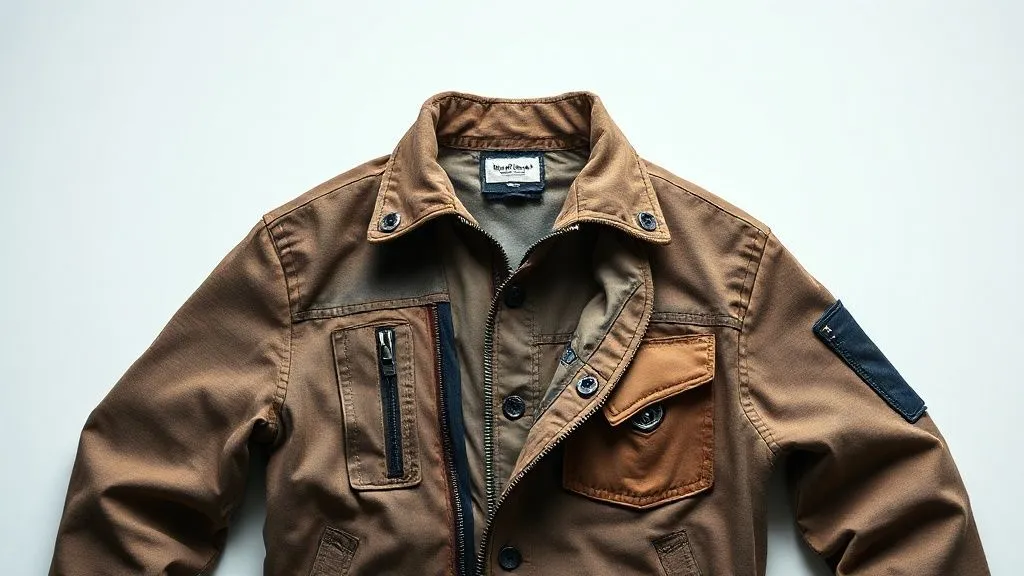
By implementing a new design philosophy focused on disassembly, ReThread made several key changes. They transitioned to a modular design for their jacket linings and outer shells, allowing them to be separated via a series of strategically placed, easily unzipped fasteners. They also replaced multi-material zippers with monomaterial alternatives and standardized their snap buttons. Crucially, they adopted a heat-bonding technique using a compatible polymer for certain seams, which could be reversed with targeted heat, rather than permanent stitching.
This resulted in a staggering 70% increase in material recovery rates for their end-of-life jackets within two years. Their pilot recycling program, in partnership with a specialized facility, now successfully separates and recycles the outer fabric, lining, and even the monomaterial zippers, significantly reducing landfill waste and creating a new revenue stream from recovered materials. This demonstrates that with thoughtful design and manufacturing choices, circularity is not just a dream but a tangible reality.
Consider techniques like:
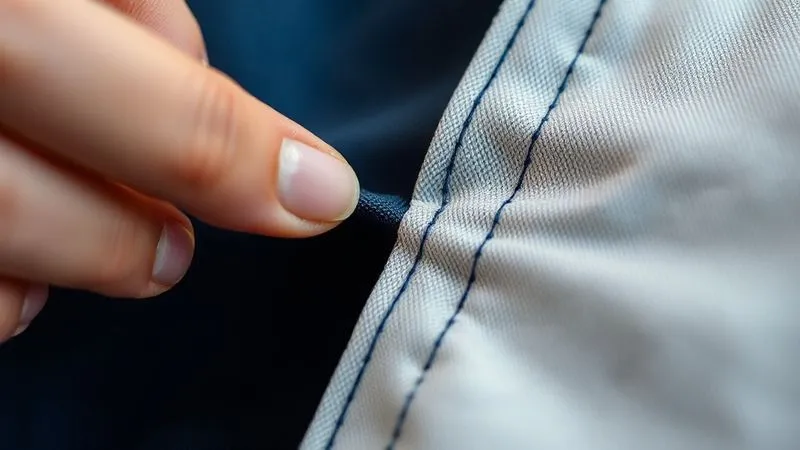
- Reversible Seams: Designing seams that can be easily unstitched or unbonded without damaging the fabric.
- Heat Bonding with Compatible Polymers: For certain applications, using heat-activated adhesives or bonding agents that are made from the same material as the fabric, allowing for easier separation or co-recycling.
- Minimal Stitching: Where possible, reduce the number of stitches or use longer stitch lengths in non-load-bearing areas to facilitate unpicking.
For deeper dives into advanced manufacturing techniques for circularity, I often refer to the insights from academic research institutions focusing on textile engineering, like those found in journals on sustainable manufacturing processes.
Designing for Repair, Reuse, and Longevity
Disassembly for material recovery is the ultimate end-of-life strategy, but before that, we must extend the garment's first life as much as possible. A truly circular garment is one that is designed for longevity, repairability, and multiple cycles of reuse.
This means:
- Durability: Using high-quality, robust materials and construction techniques that withstand wear and tear.
- Timeless Design: Creating styles that transcend fleeting trends, encouraging longer ownership.
- Repairability: Designing garments with easily replaceable components (e.g., buttons, patches) and clear instructions for repair. Can a sleeve be easily reattached? Are common wear points reinforced?
- Versatility: Garments that can be styled in multiple ways or adapted for different seasons tend to be kept longer.
“The most sustainable garment is the one already in your closet, and the second most sustainable is the one designed to stay there for a very, very long time.”
By prioritizing these aspects, we reduce the frequency with which garments enter the waste stream, buying time for material recovery technologies to mature and for behavioral shifts to take hold.
Leveraging Digital Tools for Circular Design
The complexity of designing for disassembly can be significantly managed and optimized through the intelligent use of digital tools. From material databases to lifecycle assessment (LCA) software, technology is a powerful ally in the circular design journey.
In my practice, I've found these tools invaluable:
- Material Databases: Platforms that provide comprehensive data on material composition, recyclability, environmental impact, and end-of-life pathways for various fibers and components.
- Product Lifecycle Management (PLM) Systems: Integrating circular design principles into PLM software allows designers to track material choices, component origins, and intended end-of-life routes from conception.
- 3D Design Software: Virtual prototyping allows designers to experiment with modularity and disassembly concepts without physical waste, testing how easily components can be separated.
- Digital Product Passports: Emerging technologies like blockchain can create digital passports for garments, containing information about their materials, manufacturing, repair history, and recycling instructions, making end-of-life management much more efficient.
These tools empower designers to make informed decisions early in the process, moving beyond guesswork to data-driven circularity. For instance, platforms like the Materials Circularity Indicator (MCI) can help assess the circularity of products.
| Digital Tool | Primary Benefit | Design Impact |
|---|---|---|
| Material Databases (e.g., Higg MSI) | Informed material selection for circularity | Reduces reliance on non-recyclable blends |
| PLM Systems (e.g., Centric PLM) | End-to-end lifecycle tracking and data management | Ensures circularity is embedded from concept to end-of-life |
| 3D Design & Prototyping (e.g., CLO3D) | Virtual testing of disassembly and modularity | Minimizes physical waste in development, accelerates innovation |
| Digital Product Passports (Blockchain-based) | Enhanced transparency and end-of-life guidance | Facilitates efficient sorting and recycling for consumers and recyclers |
Collaboration and Supply Chain Integration
Designing for disassembly isn't a solo act. It requires deep collaboration across the entire supply chain – from material suppliers to manufacturers, recyclers, and even consumers. As an industry specialist, I've seen that the most successful circular initiatives are those built on strong partnerships.
Key areas for collaboration include:
- Supplier Engagement: Work closely with material suppliers to develop monomaterial fabrics and compatible fastenings. Push for innovation in recycled and recyclable inputs.
- Manufacturing Partners: Engage manufacturers in adapting assembly lines for disassembly-friendly techniques. Share knowledge and invest in new machinery together.
- Recycling Facilities: Partner with textile recyclers to understand their capabilities and limitations. Design garments that fit into existing recycling infrastructure or co-develop new solutions.
- Consumer Education: Educate consumers on how to care for, repair, and properly dispose of (or return) their garments to enable circularity.
True circularity demands a systemic shift, and that only happens when every link in the chain is aligned and working towards a common goal. This often involves open innovation and sharing best practices, even with competitors, to advance the industry as a whole. For instance, the Global Fashion Agenda provides a platform for such industry-wide collaboration.
Frequently Asked Questions (FAQ)
What is the biggest challenge in designing for garment disassembly? In my experience, the biggest challenge lies in overcoming the ingrained habits of linear design and the complexity introduced by multi-material components and permanent fastenings. It requires a fundamental shift in mindset, prioritizing end-of-life considerations from the very beginning, and often necessitates new material and manufacturing innovations.
Is it more expensive to design and produce garments for disassembly? Initially, there can be higher upfront costs associated with researching new materials, retooling manufacturing processes, and investing in new design software or training. However, in the long run, designing for disassembly can lead to significant savings through reduced waste disposal costs, potential revenue from recovered materials, and enhanced brand reputation. It's an investment in future sustainability and economic resilience.
How can small brands implement circular design principles without extensive resources? Small brands can start by focusing on monomateriality for their core products and simplifying fastenings. Partnering with local recycling initiatives or upcycling businesses, and clearly communicating care and end-of-life instructions to customers, are also low-cost, high-impact strategies. Leveraging open-source resources and collaborating with other small brands can also amplify impact.
What role do consumers play in the success of garment disassembly? Consumers play a vital role. Their choices to buy durable, repairable, and circular-designed garments directly influence market demand. Furthermore, their participation in take-back schemes, proper garment care, and informed disposal ensures that garments can re-enter the circular economy rather than ending up in landfills. Education and clear communication from brands are key to empowering consumers.
Are there any universal standards for designing for disassembly in fashion yet? While there isn't one universally adopted mandatory standard yet, several frameworks and certifications are emerging. Initiatives like the Cradle to Cradle Certified Product Standard, the Ellen MacArthur Foundation's circular design principles, and various industry alliances are working towards establishing best practices and guidelines. The industry is moving towards greater standardization, but it's an evolving landscape.
Key Takeaways and Final Thoughts
Mastering how to design for garment disassembly and material recovery is not just a trend; it's the future of responsible fashion. It demands a holistic approach, integrating material science, innovative construction, and collaborative supply chains. Here are the critical takeaways:
- Prioritize Monomateriality: Simplify material composition to enable efficient recycling.
- Embrace Modular Design: Create garments with easily separable components.
- Rethink Fastenings: Choose monomaterial, easily removable, or compatible fasteners.
- Innovate Manufacturing: Adopt assembly techniques that facilitate non-destructive disassembly.
- Design for Longevity: Extend garment life through durability, repairability, and timeless aesthetics.
- Leverage Digital Tools: Utilize software for material data, lifecycle assessment, and virtual prototyping.
- Foster Collaboration: Work across the supply chain to create systemic change.
The journey to full circularity is complex, but it's incredibly rewarding. As an industry veteran, I've seen the power of intentional design to transform challenges into opportunities. By committing to these principles, you're not just creating better garments; you're building a more sustainable, resilient, and responsible fashion industry for generations to come. Your design choices today will shape the fashion ecosystem of tomorrow – let's make them count.
Recommended Reading
- The Ultimate Guide: How to Keep Your Wedding Dress Wrinkle-Free on Your Big Day
- 7 Strategies to Drastically Cut Returns from AI Fashion Recommendations
- 7 Steps: Rapid Jewelry Inventory Pivoting Amid Shifting Trends
- 7 Ways Retailers Adapt Teen Fashion for Micro-Trends & Boost Sales
- Shine On: How to Clean Diamond Jewelry at Home Safely (Easy Guide)




Your email address will not be published. Required fields are marked *