


How to Quickly Pivot Jewelry Inventory When Trends Shift Rapidly?
For over 15 years in the dynamic world of fashion accessories, particularly within jewelry, I've witnessed firsthand how quickly fortunes can turn. Businesses, both large and small, either soar or sink based on their agility – their ability to respond to the market's fickle whims.
The brutal reality for jewelers today is that trends don't just evolve; they often detonate, leaving a trail of outdated stock and lost potential profit in their wake. The pain of seeing beautifully crafted pieces gather dust, becoming 'dead stock,' is a common lament I hear from countless entrepreneurs. This rapid pace demands more than just good taste; it requires a strategic, proactive approach to inventory management.
This guide isn't just a collection of tips; it's a robust framework forged from years of industry experience. I'll share actionable strategies, real-world insights, and practical steps on how to quickly pivot jewelry inventory when trends shift rapidly, ensuring your business not only survives but thrives amidst market volatility.
The Imperative of Early Trend Detection
The first line of defense against rapidly shifting trends is not reaction, but anticipation. Being able to spot an emerging trend before it becomes mainstream gives you a critical head start. This requires a blend of art and science, combining intuitive understanding with robust data analysis.
Leveraging Data Analytics and AI for Foresight
In today's digital age, data is your crystal ball. It allows you to move beyond guesswork and make informed decisions about what's gaining traction and what's fading. Ignoring this invaluable resource is like navigating a ship without a compass.
- Social Listening: Actively monitor social media platforms (Instagram, TikTok, Pinterest) for emerging aesthetics, popular hashtags, and influencer endorsements. Tools can help you track mentions and sentiment around specific jewelry styles.
- Sales Data Analysis: Dive deep into your own sales figures. Are certain materials, colors, or motifs seeing a sudden spike? Conversely, which items are consistently underperforming? This internal data is gold.
- Fashion & Lifestyle Blogs: Follow leading fashion publications, trend forecasting agencies like WGSN or Fashion Snoops, and influential lifestyle blogs. They often highlight nascent trends before they hit the mass market.
- Predictive Analytics Tools: Consider investing in AI-powered tools that analyze vast datasets to predict consumer behavior and trend trajectories. While an investment, for larger operations, it can be a game-changer.
By systematically gathering and analyzing these data points, you build a comprehensive picture of the market landscape. This proactive intelligence allows you to adjust your buying and production plans well in advance.

Cultivating a Network of Trend Watchers
Beyond data, human intelligence remains irreplaceable. I've always found immense value in building relationships with individuals who live and breathe fashion. These are your eyes and ears on the ground.
- Fashion Scouts & Buyers: Engage with professionals who attend international fashion weeks and trade shows. Their insights on runway trends and buyer sentiment are invaluable.
- Influencer Collaborations: Work with micro and macro-influencers in the jewelry and fashion space. They often have their finger on the pulse of what their audience desires, offering direct feedback.
- Retail Staff: Empower your frontline sales associates. They interact directly with customers, hear their requests, and see what catches their eye. Their observations are a treasure trove of real-time market feedback.
"In the jewelry business, waiting to react is often waiting to fail. Proactive trend detection isn't a luxury; it's the bedrock of sustainable profitability."
Implementing Agile Sourcing and Production
Once you've identified a shifting trend, the next challenge is to respond swiftly. Traditional, long lead-time supply chains are the enemy of agility. You need to build flexibility into your sourcing and production processes.
Embracing Small Batch Manufacturing
Gone are the days when jewelers could afford to order thousands of units of a single design, hoping it would sell. Small batch manufacturing is a powerful strategy to mitigate risk and increase responsiveness.
- Reduced Risk: By producing smaller quantities, you minimize the financial exposure to any single design. If a trend fades faster than expected, your losses are contained.
- Faster Turnaround: Smaller orders can often be produced and delivered more quickly, allowing you to capitalize on emerging trends while they're hot.
- Market Testing: Small batches enable you to test the market's reception to new designs without significant upfront investment. Scale up production only for proven winners.
Diversifying Your Supplier Base
Relying on a single supplier, especially for critical components or finished goods, is a significant vulnerability. A diversified supplier base provides options and resilience.
I advise establishing relationships with both local and international manufacturers, and even individual artisans. This allows you to choose suppliers based on speed, cost, and minimum order quantities, tailoring your approach to the specific demands of a trend. For instance, a local artisan might be perfect for a quick, limited-edition run, while an overseas partner handles larger, more established lines.
| Criteria | Local Supplier | International Supplier | Artisan |
|---|---|---|---|
| Lead Time | 2-4 Weeks | 8-12 Weeks | 1-3 Weeks |
| Minimum Order Quantity (MOQ) | Low (50-100 units) | High (500-1000 units) | Very Low (1-10 units) |
| Cost per Unit | Moderate-High | Low-Moderate | High |
| Flexibility | High | Moderate | Very High |
| Quality Control | Direct & Easy | Requires Oversight | Personalized |
Dynamic Inventory Management Strategies
Even with the best trend detection and agile sourcing, effective inventory management is crucial. This isn't just about counting stock; it's about intelligent allocation, movement, and optimization.
Real-Time Stock Monitoring
You can't manage what you can't see. Implementing a robust inventory management system that provides real-time data across all your sales channels is non-negotiable. This means knowing exactly what you have, where it is, and its sales velocity at any given moment.
- Integrated Systems: Ensure your POS, e-commerce platform, and warehouse management systems are integrated. This prevents discrepancies and provides a single source of truth.
- Regular Audits: Even with advanced systems, regular physical inventory checks are important to catch errors and prevent 'ghost stock.'
The 'First In, First Out' (FIFO) Principle
While fundamental, the FIFO principle is often overlooked in fashion. For jewelry, where trends can date items quickly, ensuring older stock moves out before newer items is paramount. This minimizes the risk of items becoming obsolete and requiring steep discounts.
Cross-Channel Inventory Visibility
If you operate both online and brick-and-mortar stores, a unified inventory view is critical. This allows you to fulfill orders from any location, prevent overselling, and identify opportunities to move stock from slower-moving channels to faster ones. Imagine transferring a slow-selling necklace from a quiet boutique to a bustling online promotion – that's agility in action.
Mastering Rapid Liquidation and Repurposing
Despite best efforts, some inventory will inevitably become 'off-trend.' The art here is not to panic, but to have a clear, pre-defined strategy for rapid liquidation and creative repurposing to recover maximum value.
Strategic Discounting and Promotions
Discounting isn't a sign of failure; it's a strategic tool. The key is to be deliberate and timely, rather than reactive and desperate. I've seen businesses hold onto outdated stock for too long, only to be forced into deeper discounts later.
- Tiered Discounts: Start with a moderate discount (e.g., 20-30%) and gradually increase it if items don't move.
- Bundling: Pair a less popular item with a best-seller at an attractive combined price.
- Flash Sales: Create urgency with limited-time promotions.
- Exclusive Offers: Target specific customer segments (e.g., VIPs) with early access to sales.
Repurposing and Upcycling
This is where creativity meets sustainability. Many jewelry pieces, even if their design is dated, contain valuable components. Don't just discard them!
Case Study: How Gemstone Revival Co. Transformed Slow Sellers
Gemstone Revival Co., a mid-sized independent jeweler, found themselves with a significant inventory of chunky, brightly colored gemstone necklaces when minimalist, delicate designs surged in popularity. Rather than deep discounting, they implemented a repurposing strategy. They carefully deconstructed the necklaces, salvaging the high-quality gemstones and precious metal findings. Their in-house artisans then used these components to create new, on-trend delicate pendants, stackable rings, and earrings. This initiative not only cleared their outdated stock but also created a new 'Revived Collection,' which resonated with their eco-conscious customers and became a best-seller, turning potential losses into significant profit and enhancing their brand image for sustainability.
Exploring Wholesale and B2B Channels
Sometimes, the best way to clear bulk inventory is through channels outside your primary retail focus. Consider selling to:
- Wholesale liquidators: While margins will be lower, it's an effective way to clear large quantities quickly.
- B2B clients: Businesses looking for bulk gifts or promotional items might be interested in your off-trend stock at a reduced price.
Building a Resilient Supply Chain Ecosystem
An agile inventory pivot relies heavily on a robust and flexible supply chain. This isn't just about your direct suppliers but the entire network that supports your operations.
Fostering Strong Vendor Relationships
Your suppliers are partners, not just vendors. Investing in strong, trusting relationships can pay dividends when trends shift. I've often seen suppliers go the extra mile for partners they value, offering:
- Flexible MOQs: Negotiating lower minimum order quantities for new or experimental designs.
- Faster Production Ramps: Prioritizing your urgent orders when a trend explodes.
- Payment Term Flexibility: Offering extended terms during periods of rapid inventory turnover.
As a Harvard Business Review article on supply chain resilience emphasizes, collaborative relationships are key to navigating disruptions.
Contingency Planning and Smart Buffer Stock
While we aim for lean inventory, a complete absence of buffer stock can leave you vulnerable. The trick is 'smart' buffer stock – not excessive, but strategic.
- Core Components: Keep a small buffer of universal components (e.g., standard chains, clasps, basic metal stock) that can be quickly assembled into various designs.
- Emergency Suppliers: Have vetted backup suppliers for critical items, even if they're slightly more expensive.
Cultivating a Culture of Continuous Learning and Adaptation
Ultimately, a business's ability to pivot quickly is a reflection of its internal culture. It's about fostering an environment where learning, experimentation, and adaptation are not just encouraged, but expected.
Regular Trend Review Meetings
Make trend analysis a regular, structured activity. Monthly or even bi-weekly meetings dedicated to reviewing market shifts, sales data, and competitor activity are essential. Involve cross-functional teams – design, marketing, sales, and operations – to ensure a holistic perspective.
Investing in Team Training
Empower your team with the knowledge and tools they need. This could include training on new inventory management software, trend forecasting methodologies, or agile project management principles. A well-informed team is a responsive team.
"The only constant in fashion is change. Your greatest asset isn't your inventory, but your team's capacity to learn and adapt." As marketing guru Seth Godin often says, "The market rewards those who show up, not those who wait." This applies perfectly to jewelry trends. Learn more about embracing change from Seth Godin's insights.
Leveraging Digital Platforms for Agility
In the modern retail landscape, digital platforms are not just sales channels; they are powerful tools for agility, feedback, and rapid response.
E-commerce Responsiveness
Your online store should be a dynamic entity, capable of rapid updates. This means:
- Quick Product Launches: The ability to photograph, describe, and list new products within hours, not days.
- Dynamic Merchandising: Easily rearrange product displays, highlight trending items, and create themed collections in response to market shifts.
- Personalized Recommendations: Use AI-driven tools to suggest relevant products to customers, even as your inventory changes.
Social Media as a Feedback Loop
Social media platforms offer an unparalleled opportunity for real-time customer engagement and feedback. Use them not just for promotion, but for insight.
- Polls and Surveys: Ask your audience directly what they prefer, what styles they're looking for, or which new designs they'd like to see.
- Comment Analysis: Pay close attention to comments on your posts and those of competitors. What are customers loving? What are their pain points?
- Direct Messaging: Engage in one-on-one conversations to understand individual preferences and sentiments.
Case Study: "Glimmer & Grace" Navigates a Pearl Revival
Let me share a fictional yet realistic scenario that illustrates how these strategies come together. "Glimmer & Grace" was a well-established jewelry boutique known for its minimalist silver and gold pieces. For years, chunky, colorful statement necklaces were slow sellers, becoming a significant portion of their dead stock.
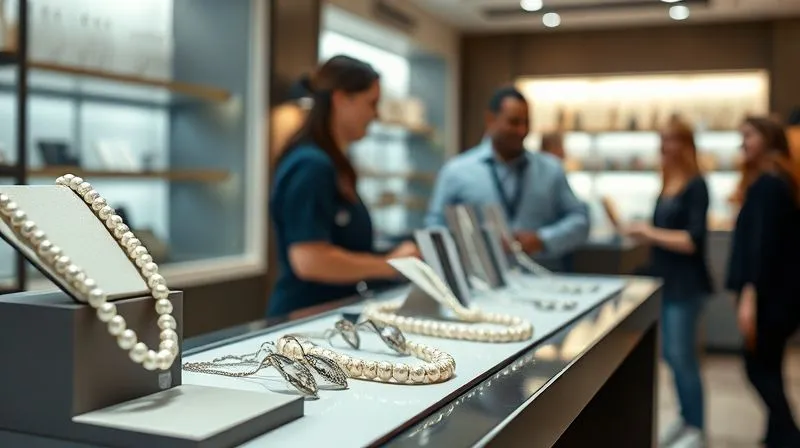
Then, driven by celebrity endorsements and TikTok trends, a "pearl-core" aesthetic began to emerge, featuring modern interpretations of pearls. Initially, Glimmer & Grace was caught off guard, having minimal pearl inventory. However, their new internal 'Trend Watch' team, fueled by social listening and influencer tracking, quickly identified the nascent shift.
They immediately leveraged their agile sourcing. Instead of large orders, they placed small batch orders with two different suppliers for contemporary pearl earrings and delicate pearl necklaces. Simultaneously, they initiated a "Revive & Reimagine" campaign for their chunky statement necklaces. Instead of discounting them heavily, they offered customers the option to have the gemstones from these necklaces repurposed into custom-designed, delicate pearl and gemstone pieces, charging a small design fee. This turned a liability into an opportunity for personalized service.
Within three months, their pearl sales soared, and the "Revive & Reimagine" campaign not only cleared old stock but also created a new revenue stream and strengthened customer loyalty. This success was a direct result of their proactive trend detection, agile sourcing, and creative repurposing strategies, demonstrating exactly how to quickly pivot jewelry inventory when trends shift rapidly.
Frequently Asked Questions (FAQ)
How often should I review my jewelry inventory for trend shifts? I recommend a formal review at least monthly, but daily informal checks through sales data and social media monitoring are crucial. For fast-moving items, weekly checks might even be necessary. The frequency depends on the speed of your specific niche.
What's the biggest mistake jewelers make when trends shift rapidly? The biggest mistake is inaction or delayed action. Holding onto outdated stock, hoping it will eventually sell, is a guaranteed way to erode profits and tie up capital. Fear of discounting or accepting a loss often leads to much larger losses down the line.
Is it better to discount heavily or hold onto stock for a potential trend revival? Generally, it's better to discount strategically and move the stock. While some classic styles do cycle back, the specific designs and materials often don't return in the exact same way. Liquidating allows you to free up capital to invest in current, profitable trends. Only hold onto truly timeless, high-value pieces if you have significant storage capacity and no immediate capital needs.
How can small jewelry businesses compete with larger brands in pivoting quickly? Small businesses actually have an advantage in agility! They can make decisions faster, implement changes more quickly, and often have closer relationships with both customers and local suppliers. Focus on niche trends, personalized service, and leveraging social media for direct feedback – areas where larger brands can be slower.
What role does sustainability play in pivoting jewelry inventory? A massive role. As seen in our case study, repurposing and upcycling not only clears old stock but also resonates deeply with environmentally conscious consumers. It transforms a potential waste problem into a brand-enhancing, revenue-generating opportunity, aligning with a growing market demand for ethical and sustainable practices. You can read more about sustainable practices in the fashion industry from resources like the Deloitte Fashion and Luxury Private Equity and Investor Survey.
Key Takeaways and Final Thoughts
- Anticipate, Don't React: Proactive trend detection through data and human intelligence is your most powerful tool.
- Build Agile Foundations: Embrace small batch production and diversify your supplier base for flexibility.
- Optimize Inventory Flow: Implement real-time monitoring and stick to FIFO principles to prevent stagnation.
- Master Liquidation & Repurposing: Develop strategic plans for clearing outdated stock, including creative upcycling.
- Foster Resilience: Cultivate strong vendor relationships and smart buffer stock strategies.
- Cultivate Adaptability: Make continuous learning and quick decision-making part of your business culture.
- Leverage Digital: Use e-commerce and social media for rapid deployment and feedback.
The jewelry industry will always be characterized by its ever-changing landscape. Rather than viewing rapid trend shifts as a threat, I urge you to see them as opportunities. By adopting these expert strategies on how to quickly pivot jewelry inventory when trends shift rapidly, you're not just protecting your business; you're positioning it for dynamic growth, ensuring your creations continue to sparkle in the eyes of an evolving market. Stay curious, stay agile, and keep those beautiful pieces moving!
Recommended Reading
- Biotech Cosmetics: 5 Steps to Clear Regulatory Hurdles & Launch Faster
- 5 Rapid Methods: Urgent Costume Breakdown to Age Denim Fast Realistically
- Unlock the Secret to Sustainable Vintage Clothing Care: A Definitive Guide
- 5 Ways to Afford Quality Eco-Friendly Kids' Clothes: No Compromises
- The Ultimate Guide: How to Find Practical Kids Wear That Lasts & Grows





Your email address will not be published. Required fields are marked *