

How to make eco-friendly kids' clothes affordable without sacrificing quality?
For over 15 years in the fashion industry, specializing in the dynamic world of kids' apparel, I've seen a recurring dilemma plague well-meaning parents: the desire to dress their children in sustainable, eco-friendly clothing often clashes with the practical realities of a household budget. It's a question I hear constantly, a silent plea from parents who want to do right by the planet and their children, but feel priced out of the market.
The perception is that 'eco-friendly' automatically translates to 'expensive,' creating a barrier that forces many to compromise their values. They believe they must choose between affordability and quality, or between sustainability and practicality. This isn't just a challenge; it's a genuine pain point for families striving for a more conscious lifestyle.
But what if I told you that this perceived trade-off is often a misconception? In my experience, it's entirely possible to embrace sustainable kids' fashion without emptying your wallet or sacrificing the durability and comfort our children need. In this definitive guide, I'll share expert strategies, actionable frameworks, and real-world insights to empower you to make informed, budget-friendly, and truly eco-conscious choices for your kids' wardrobes. We're going to crack the code on making sustainable kids' fashion accessible for everyone.
1. Embrace the Power of Pre-Loved and Second-Hand
The Circular Economy for Kids' Wear: Your First Stop for Savings
One of the most impactful ways to make eco-friendly kids' clothes affordable is to look beyond new purchases. The circular economy, where resources are kept in use for as long as possible, is a game-changer for children's fashion. Kids grow so quickly that many items are barely worn before they're outgrown, making second-hand clothing an absolute treasure trove of quality garments.
When you choose pre-loved, you're not just saving money; you're significantly reducing your environmental footprint. You're extending the life cycle of clothing, preventing it from ending up in landfills, and reducing the demand for new production, which consumes vast amounts of water, energy, and raw materials. It's a win-win for your wallet and the planet.
- Significant Savings: Second-hand items are typically a fraction of their original retail price.
- Reduced Environmental Impact: Less textile waste, lower demand for new manufacturing.
- Access to Premium Brands: Often, you can find high-quality, even organic or ethical brands, at deeply discounted prices.
- Unique Finds: Discover charming, often one-of-a-kind pieces you wouldn't find in mainstream stores.
But how do you navigate the world of pre-loved effectively? It's about knowing where to look and what to prioritize.
- Online Marketplaces: Platforms like eBay, Poshmark, and specialized kids' consignment sites (e.g., Kidizen, ThredUp) offer a vast selection. Filter by brand, size, and condition.
- Local Consignment Stores: Many local shops curate high-quality second-hand children's clothing. Visiting in person allows you to inspect items thoroughly.
- Community Swaps & Groups: Facebook Marketplace, local parenting groups, and community events often host clothing swaps, providing free or very low-cost options.
- Charity Shops/Thrift Stores: While requiring more sifting, these can yield incredible finds at rock-bottom prices. Look for natural fibers and solid construction.
- Prioritize Quality: Even when buying second-hand, prioritize items made from durable, natural materials like organic cotton, linen, or wool. Check for intact seams, working zippers, and minimal pilling.
2. Invest in Durability and Timeless Design
Quality Over Quantity: A Long-Term Saving Strategy
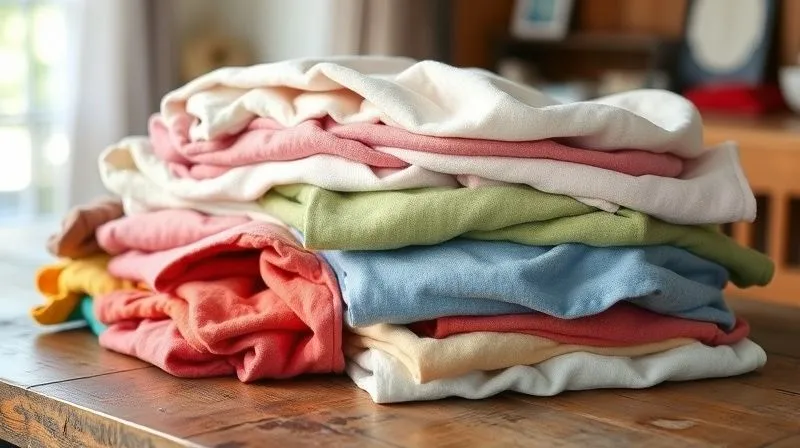
It might seem counterintuitive to suggest spending more upfront when the goal is affordability. However, in the realm of eco-friendly kids' clothes, investing in durability and timeless design is one of the most powerful long-term money-saving strategies. Cheap, fast-fashion items often unravel, fade, or lose shape after just a few washes, forcing you to replace them constantly. This 'cost per wear' quickly adds up.
High-quality, sustainably made garments are built to last. They withstand countless washes, active play, and the inevitable wear and tear of childhood. This means fewer replacements, less waste, and ultimately, a lower overall cost over the lifespan of the garment. Furthermore, well-made, classic designs are more likely to be loved longer and passed down, extending their value even further.
- Extended Lifespan: Durable clothes last longer, reducing the frequency of purchases.
- Better Resale Value: High-quality items retain their value better for second-hand selling or swapping.
- Hand-Me-Down Potential: Well-made clothes can be passed down to younger siblings, cousins, or friends, maximizing their utility.
- Reduced Environmental Footprint: Less production means less resource consumption and waste.
"The true cost of clothing isn't just its price tag, but its impact on the planet and its longevity in your wardrobe. Investing in quality is an investment in sustainability and long-term savings." - Industry Veteran Insight
When selecting clothes, look for strong stitching, reinforced knees (for pants!), and high-quality, natural fabrics that can stand up to repeated washing. Organic cotton, hemp, and Tencel are excellent choices for their durability and softness. As a recent report by The Ellen MacArthur Foundation on circular textiles highlights, extending the life of clothing is crucial for a sustainable future.
| Item | Price | Expected Wears | Cost Per Wear |
|---|---|---|---|
| Fast Fashion Play Tee | $8 | 10 | $0.80 |
| Durable Organic Cotton Tee | $28 | 70 | $0.40 |
| Mid-Range Cotton Leggings | $15 | 25 | $0.60 |
| Reinforced Hemp Play Pants | $45 | 150 | $0.30 |
3. Master the Art of Smart Sales and Discounts
Strategic Shopping: When and Where to Buy
Even eco-conscious brands have sales! Being strategic about when and where you buy can significantly reduce the cost of new, sustainable kids' clothes. This isn't about impulse buying; it's about planning your purchases around predictable discount cycles and leveraging loyalty programs.
Many sustainable brands, particularly smaller ones, offer seasonal sales to clear inventory, or special promotions for subscribers. By signing up for newsletters and following your favorite brands on social media, you can be among the first to know about these opportunities. Planning ahead for major holidays or end-of-season clearances can lead to substantial savings on high-quality items.
- End-of-Season Sales: Stock up on next year's sizes during winter or summer clearances.
- Black Friday/Cyber Monday: Many ethical brands participate in these major shopping events.
- Newsletter Sign-ups: Get exclusive discounts and early access to sales.
- Loyalty Programs: Accumulate points for discounts on future purchases.
- Bundle Deals: Some brands offer discounts when you buy multiple items.
Case Study: The Green Sprout Boutique's Seasonal Strategy
The Green Sprout Boutique, a small online retailer specializing in organic baby and toddler wear, faced the challenge of making their premium products accessible to more families. By implementing a strategic sales calendar, they transformed their affordability perception. They announced a 'Sustainable Summer Refresh' sale in late July, offering 30% off all past-season items, and a 'Winter Wardrobe Warm-up' in January for 25% off. They also introduced a loyalty program where customers earned points for every purchase, redeemable for discounts. Within a year, their sales conversion rate increased by 15%, and repeat customer purchases jumped by 20%, proving that strategic discounts don't devalue a brand but rather expand its reach and loyalty.
Don't be afraid to wait for sales, especially for non-urgent items. A little patience can yield significant savings, allowing you to acquire those coveted eco-friendly pieces without the full price tag. Always compare prices and consider the 'cost per wear' even with discounted items.
4. Explore Ethical DIY and Upcycling
Beyond Buying: Creating Value at Home
Sometimes, the most affordable and eco-friendly clothes are the ones you make or modify yourself. For those with a knack for sewing or a creative spirit, DIY and upcycling offer incredible opportunities to save money, personalize clothing, and drastically reduce waste. This approach aligns perfectly with the principles of slow fashion, emphasizing craftsmanship and longevity over mass production.
Upcycling involves transforming old or discarded clothing into new, functional, and often stylish items. A pair of outgrown adult jeans can become durable shorts or overalls for a child. A stained t-shirt can be dyed and embellished. This not only saves money on new purchases but also gives a second life to textiles that might otherwise end up in a landfill. The environmental benefits are substantial, as discussed in numerous reports on textile waste by organizations like the EPA.
- Zero Cost (or Very Low Cost): Utilize existing materials, saving money on new fabric.
- Customization: Create unique, personalized pieces for your child.
- Reduced Waste: Divert textiles from landfills, contributing to a circular economy.
- Skill Development: Develop valuable sewing and crafting skills.
- Repair and Reinforce: Don't discard clothes with minor tears or holes. Patch them creatively. Reinforce knees on new pants before they wear out.
- Size Up/Down: Learn basic alterations to extend the life of clothes. Hemming pants that are too long, or adding elastic to waistbands that are too big.
- Transform Adult Clothes: Old shirts, dresses, or even bedsheets can be refashioned into children's garments. Look for natural fibers like cotton or linen.
- Dyeing and Embellishing: Give new life to faded or stained items with natural dyes (e.g., avocado pits, onion skins) or fun fabric paints and embroidery.
- Scrap Fabric Projects: Use small fabric scraps to make accessories, patches, or even doll clothes.
5. Leverage Clothing Swaps and Rental Services
Community and Innovation in Sustainable Kids' Fashion
Beyond buying and making, two innovative models are gaining traction in the sustainable kids' fashion space: clothing swaps and rental services. Both offer excellent ways to access high-quality, eco-friendly clothes without the commitment or cost of outright purchase, especially for items that are quickly outgrown or only needed for special occasions.
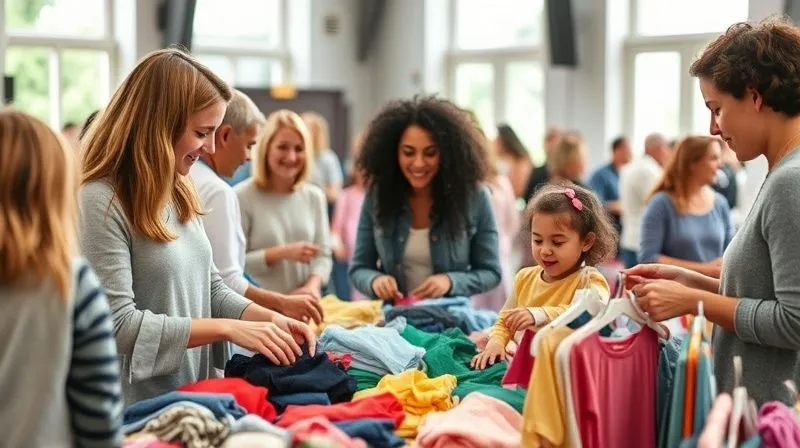
Clothing swaps are community-driven events where parents exchange outgrown clothing with others. It's a fantastic way to refresh your child's wardrobe for free, connect with other eco-conscious families, and ensure clothes are used to their maximum potential. Rental services, on the other hand, provide access to a rotating wardrobe of premium eco-friendly clothing for a monthly fee, ideal for newborns or for constantly growing toddlers.
- Cost-Effective Wardrobe Updates: Get 'new' clothes without spending money (swaps) or for a predictable monthly fee (rentals).
- Reduced Clutter: No need to store outgrown clothes; simply return them or swap them.
- Access to High-End Brands: Experience premium sustainable brands that might otherwise be out of budget.
- Flexibility: Easily size up or down as your child grows without repeat purchases.
"The sharing economy, when applied to children's clothing, not only makes sustainability more affordable but also fosters community and reduces the environmental burden of overconsumption." - Fashion Sustainability Advocate
Participating in a swap is simple: gather your child's gently used, clean clothing, and exchange them for items others have brought. For rental services, research reputable companies that offer organic or ethical brands. Many offer different subscription tiers based on the number of items you need.
| Option | Upfront Cost | Environmental Impact | Flexibility |
|---|---|---|---|
| Purchasing New Eco-Friendly Outfit | $75 | Medium | Low (fixed size) |
| Second-Hand Eco-Friendly Outfit | $25 | Very Low | Medium (can resell) |
| Eco-Friendly Clothing Rental (Monthly) | $30/month | Very Low | High (easy sizing) |
| Community Clothing Swap | $0 | Extremely Low | Medium (depends on availability) |
6. Understand Certifications and Materials: Be an Informed Buyer
Decoding Labels: What Truly Matters for Eco-Friendliness and Durability
Navigating the world of 'eco-friendly' claims can be overwhelming. As an expert in this niche, I've seen countless brands greenwash their products. To truly make eco-friendly kids' clothes affordable without sacrificing quality, you need to be an informed buyer. This means understanding what certifications actually mean and which materials genuinely offer both sustainability and durability.
When you know what to look for, you can prioritize purchases that offer real value and longevity, avoiding misleading labels that often come with a premium price tag but lack substance. This knowledge empowers you to make smarter choices, ensuring your investment truly aligns with your values and budget.
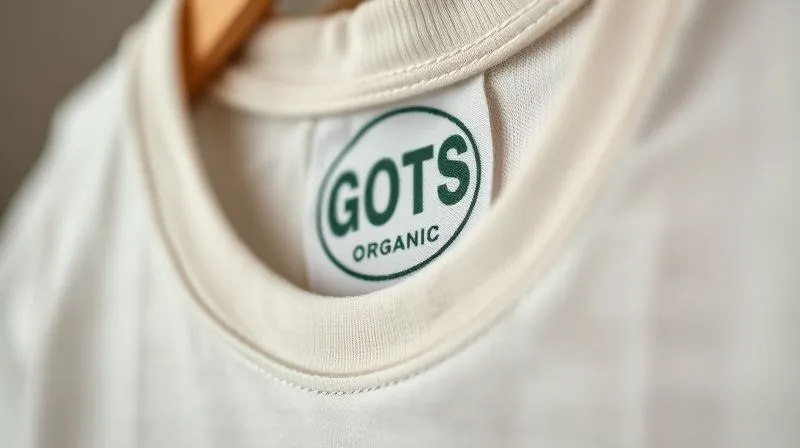
- GOTS (Global Organic Textile Standard): This is the gold standard for organic textiles, covering environmental and social criteria throughout the supply chain. If it's GOTS certified, you can trust it. More details can be found on the official GOTS website.
- Oeko-Tex Standard 100: This certification ensures that textiles are free from harmful substances. While not an 'organic' standard, it's crucial for your child's health and safety.
- Fair Trade Certified: Focuses on ethical production and fair wages for workers. This ensures the 'people' aspect of sustainability.
Beyond certifications, understanding materials is key:
- Organic Cotton: Grown without harmful pesticides or synthetic fertilizers, it's soft, breathable, and durable.
- Hemp: Incredibly durable, grows quickly with minimal water, and softens with wear. Excellent for play clothes.
- Bamboo (Lyocell/Modal): When processed sustainably (e.g., Lyocell or Modal methods), bamboo fabric is incredibly soft, breathable, and has natural anti-bacterial properties. Avoid rayon bamboo, which uses harsh chemicals.
- Linen: Made from flax plants, linen is strong, breathable, and becomes softer over time. It's naturally sustainable.
- Recycled Materials: Look for recycled polyester (RPET) or recycled cotton, ensuring they meet safety standards for children's wear.
By focusing on these certifications and materials, you can confidently identify truly sustainable and high-quality garments that will last, proving to be more affordable in the long run. Don't be swayed by vague 'natural' or 'green' claims without the backing of robust standards.
7. Prioritize Versatility and Gender-Neutrality
Maximizing Wear: From Playdate to Party
One often-overlooked strategy for making eco-friendly kids' clothes affordable is to curate a versatile and, where possible, gender-neutral wardrobe. This approach maximizes the 'cost per wear' for each item and significantly extends its potential lifespan within your family or community.
Versatile clothing can be dressed up or down, layered for different seasons, and mixed and matched with ease. Gender-neutral items, on the other hand, have the immense benefit of being easily passed down between siblings, regardless of gender, or to friends' children. This dramatically increases the number of wears a single garment gets, reducing the need for new purchases and making your initial investment go much further.
- Increased Hand-Me-Down Potential: Gender-neutral items can be used by all children in a family or friend group.
- Simplified Wardrobe: Easier to mix and match, reducing the need for excessive items.
- Year-Round Use: Layering pieces can transition from season to season, extending their utility.
- Reduced Consumption: Less pressure to buy new clothes for each child or occasion.
"The most sustainable garment is the one you already own, or the one that can be used by multiple children. Simplicity and adaptability are the hallmarks of an affordable, eco-conscious wardrobe." - Sustainable Fashion Expert
Think about classic cuts, solid colors, and subtle patterns that don't scream 'boy' or 'girl.' A well-made pair of organic cotton leggings in a neutral tone can be worn by a son or daughter, paired with different tops for various occasions. A sturdy denim jacket, a timeless striped tee, or comfortable joggers are perfect examples of versatile, gender-neutral staples. This strategy isn't just about saving money; it's about fostering a mindful approach to consumption, teaching children the value of their belongings, and contributing to a less wasteful future.
Frequently Asked Questions (FAQ)
Q: Is "eco-friendly" just a marketing gimmick when it comes to kids' clothes? A: While greenwashing exists, genuine eco-friendly kids' clothes are far from a gimmick. Reputable brands use certified organic materials, sustainable production processes, and ethical labor practices. Understanding certifications like GOTS and Oeko-Tex 100 is crucial to distinguishing authentic sustainable products from marketing ploys. It's about informed choices, not just buzzwords.
Q: How do I know if a brand is genuinely sustainable and not just 'greenwashing'? A: Look beyond vague claims. A genuinely sustainable brand will be transparent about its supply chain, certifications (e.g., GOTS, Fair Trade, B Corp), materials sourcing, and manufacturing processes. They'll often provide detailed information on their website about their environmental and social impact, and may even publish sustainability reports. If information is scarce or overly vague, it's a red flag.
Q: What's the minimum I should spend to get good quality eco-friendly clothes? A: There isn't a fixed minimum, as it depends on the item and brand. However, focus on 'cost per wear' rather than just the initial price. A $30 organic cotton tee that lasts for 70 wears (costing $0.43/wear) is more affordable than a $10 fast-fashion tee that lasts 10 wears (costing $1.00/wear). Your budget should prioritize durability and material quality, which often means a slightly higher upfront cost for significant long-term savings.
Q: Can I really save money by buying durable clothes if they cost more upfront? A: Absolutely. This is one of the core tenets of making eco-friendly fashion affordable. Durable clothes last longer, reducing the frequency of purchases. They can also be passed down to younger siblings or have a higher resale value. Over several years, the total expenditure on a few high-quality, long-lasting items will almost always be less than repeatedly buying and replacing cheaper, less durable alternatives.
Q: What about hand-me-downs from non-eco brands? Are they still sustainable? A: Yes, absolutely! The most sustainable garment is one that already exists. Extending the life of any piece of clothing, regardless of its original manufacturing process, is a highly sustainable act. By accepting and using hand-me-downs, you're preventing textile waste and reducing the demand for new production, which are key principles of sustainability. Combine these with new, consciously chosen eco-friendly items for a truly balanced and affordable sustainable wardrobe.
Key Takeaways and Final Thoughts
Navigating the world of eco-friendly kids' clothes on a budget doesn't have to be a daunting task. As an industry veteran, I've seen the power of informed choices transform wardrobes and budgets alike. The perceived conflict between affordability, quality, and sustainability is, in many ways, a myth perpetuated by a fast-fashion mindset. By adopting a more conscious and strategic approach, you can effortlessly align your values with your spending.
- Embrace the Circular Economy: Prioritize second-hand, swaps, and rental services to significantly reduce costs and environmental impact.
- Invest Wisely: Focus on durability and timeless design. A higher upfront cost often translates to lower 'cost per wear' and greater longevity.
- Shop Smart: Leverage sales, discounts, and loyalty programs from reputable sustainable brands.
- Get Creative: Explore DIY and upcycling to personalize and extend the life of existing garments.
- Be an Informed Consumer: Understand certifications and materials to identify genuinely eco-friendly and high-quality products.
- Maximize Versatility: Opt for versatile, gender-neutral pieces that can be used by multiple children and for various occasions.
Remember, every conscious choice you make contributes to a larger movement. You are not just dressing your child; you are investing in a healthier future for them and the planet. By implementing these strategies, you'll not only discover how to make eco-friendly kids' clothes affordable without sacrificing quality, but you'll also cultivate a more mindful and sustainable lifestyle for your entire family. Start small, be consistent, and enjoy the journey of building a truly green wardrobe for your little ones.
Recommended Reading
- 7 Sustainable Strategies: Differentiating a Luxury Men's Skincare Line
- 5 Proven Strategies to Conquer Kids Accessory Supply Chain Delays
- The Ultimate Guide: How to Prevent Eye Infections from Contact Lenses
- 7 Steps: Ethically Sourcing Sustainable School Uniforms for Your School
- Mastering Menswear: 7 Ways to Blend Classic Style & Modern Trends


Your email address will not be published. Required fields are marked *