

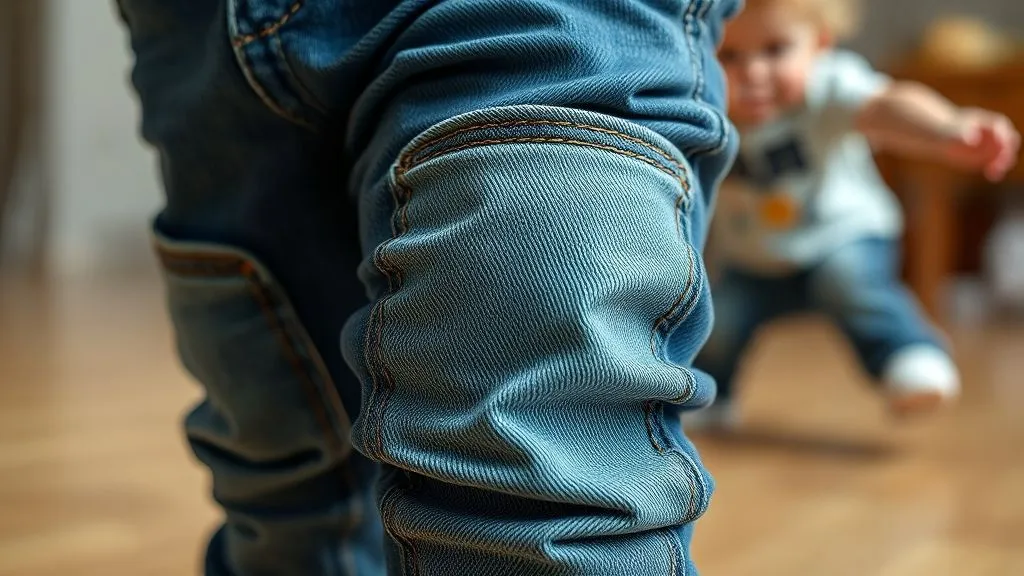
What design features prevent rapid wear in practical kids' everyday apparel?
For over two decades in the dynamic world of kids' fashion, I've witnessed countless parents grappling with a familiar frustration: clothes that barely survive a few washes, let alone the rigors of childhood play. It's a cycle of buying, wearing out, and replacing that feels both financially draining and environmentally unsustainable. I've seen brands cut corners, prioritizing fleeting trends over enduring quality, and the impact on families is palpable.
The problem is clear: children are bundles of boundless energy, and their clothing needs to keep up. From scraped knees on the playground to spilled juice at the dinner table, everyday apparel faces an onslaught of challenges. Standard designs often fall short, leading to faded colors, torn seams, and threadbare patches long before an item has truly lived out its useful life. This isn't just an inconvenience; it's a testament to a disconnect between design and real-world application.
But there's a better way. In this definitive guide, I'll pull back the curtain on the specific, often overlooked, design features that are engineered to prevent rapid wear. You'll learn the actionable frameworks and expert insights I've gathered over my career, empowering you to identify and choose garments that offer true longevity, resilience, and value for your active little ones. Let's explore how thoughtful design can transform your kids' wardrobe from fragile to formidable.
1. Fabric Selection: The Unsung Hero of Durability
In my experience, the foundation of any long-lasting garment lies in its fabric. It’s not just about how it feels, but how it stands up to abrasion, tension, and countless washing cycles. Choosing the right material is the first, and arguably most critical, step in preventing rapid wear.
The Power of High-Density Weaves and Blends
I've seen many parents gravitate towards 100% cotton for its softness, but not all cotton is created equal. For durability, look for high-density cotton weaves like twill (think denim) or canvas. These weaves are inherently stronger and more resistant to tearing and abrasion than looser weaves like jersey.
Furthermore, intelligent fabric blends often offer the best of both worlds. A blend of cotton with a small percentage of synthetic fibers like polyester or nylon can significantly enhance durability, elasticity, and quick-drying properties without compromising comfort. For instance, a cotton-polyester blend often resists pilling and fading much better than pure cotton. As textile engineers at Oecotextiles often emphasize, fiber composition and weave density are paramount.
"Durability in kids' wear isn't about making it indestructible; it's about making it resilient enough to handle the everyday adventures of childhood without premature failure."
Considerations for Specific Garments
- Bottoms (Pants, Shorts): Denim (heavyweight cotton twill), Corduroy, Canvas, or durable cotton-spandex blends are excellent choices.
- Tops (T-shirts, Sweaters): While soft, ensure jersey knits are of a higher GSM (grams per square meter) to prevent thinness and rapid pilling. Interlock knits offer more stability and less curling.
- Outerwear: Water-resistant nylon, ripstop polyester, or durable cotton blends are ideal.
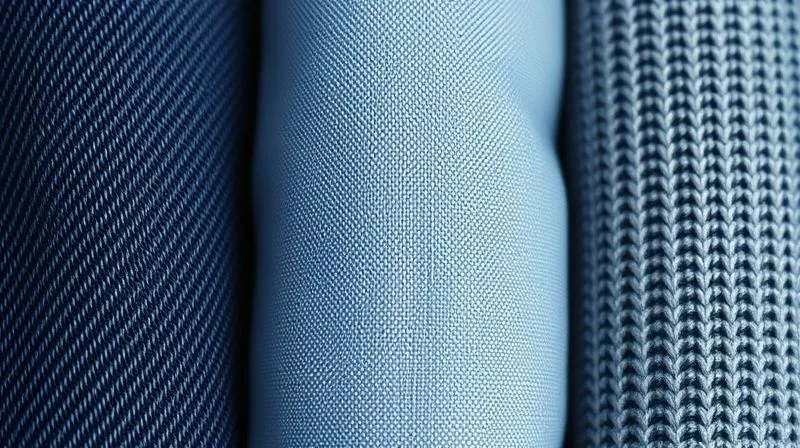
Here's a quick comparison of common fabric choices for kids' wear durability:
| Fabric Type | Durability Score (1-5) | Abrasion Resistance | Typical Use |
|---|---|---|---|
| Heavyweight Cotton Twill (Denim) | 5 | Excellent | Jeans, Overalls |
| Cotton-Polyester Blend | 4 | Very Good | T-shirts, Sweatpants |
| Ripstop Nylon | 5 | Exceptional | Jackets, Outerwear |
| Interlock Cotton Knit | 3.5 | Good | Tops, Dresses |
2. Strategic Reinforcements: Building for Impact
Kids are constantly moving, crawling, kneeling, and sliding. This means certain areas of their clothing bear the brunt of their activity. Smart design anticipates these high-stress points and reinforces them, significantly extending the garment's life.
Reinforced Knees and Elbows
This is a non-negotiable feature for any practical kids' bottom wear or long-sleeved tops. I've seen countless pants with perfectly good fabric everywhere except for gaping holes at the knees. Reinforcements can take several forms:
- Double-Layered Fabric: An extra layer of the same or a complementary durable fabric sewn onto the knee or elbow area.
- Abrasion-Resistant Patches: Often made from a tougher material like Cordura nylon or a dense canvas, strategically placed and securely stitched.
- Internal Knee Pads: Some high-performance outdoor wear includes pockets for removable knee pads, offering superior protection.
When evaluating, feel the thickness and check the stitching around these reinforced areas. It should be robust and secure, not merely tacked on.
Bar-Tacks and Rivets at Stress Points
Think about where zippers end, where pockets are attached, or where belt loops meet the waistband. These are areas of intense strain. Quality kids' apparel will feature bar-tacks (dense zig-zag stitching) or small metal rivets at these junctions. These tiny details distribute tension and prevent fabric from tearing away, a common failure point I've observed in cheaper garments.
3. Seam Strength and Construction: The Unsung Heroes
Seams are the backbone of any garment. Weak seams lead to rapid unraveling and tears, making the garment unwearable. Understanding seam construction is key to identifying durable apparel.
Flat-Felled Seams and French Seams
I always advocate for garments with robust seam construction. Flat-felled seams, commonly found in quality denim jeans, are incredibly strong. They involve folding and stitching the raw edges inward, creating a flat, durable seam that can withstand significant stress. Similarly, French seams encase the raw edges within the seam itself, preventing fraying and offering a clean, strong finish, often seen in more delicate but still durable items.
In contrast, simple overcast or serged seams, while quick to produce, are more prone to unraveling under stress, especially with active kids.
Double-Stitching and Chain Stitching
Look for double-stitching along major seams (sides, inseams, arm seams). This means two parallel lines of stitching, providing extra security and strength. Chain stitching, often used on hems and some major seams, offers a degree of elasticity and strength that can endure stretching and pulling without popping threads.
Case Study: How 'ToughTots Apparel' Conquered Wear-and-Tear
ToughTots Apparel, a small but innovative children's clothing brand, faced initial struggles with customer retention due to garments wearing out too quickly. After implementing feedback, they overhauled their design strategy, focusing heavily on what design features prevent rapid wear in practical kids' everyday apparel. They switched from standard cotton jersey to a high-density cotton-spandex interlock for their leggings, introduced double-layered knees with Cordura patches, and adopted flat-felled seams for all their denim-style pants. Within 18 months, their customer satisfaction scores related to durability skyrocketed by 40%, and repeat purchases increased by 25%, proving that investment in quality design pays dividends in brand loyalty and reduced returns.
4. Adjustable and Grow-With-Me Features: Extending Lifespan
Kids grow at an astonishing rate. Apparel that can adapt to their changing size not only offers better value but also reduces the frequency of replacements due to outgrowing, rather than wearing out.
Adjustable Waists and Cuffs
Internal elastic waistbands with buttonhole adjustments are a godsend for pants and shorts. They allow the garment to fit snugly as a child grows, preventing sagging and premature wear from ill-fitting clothing. Similarly, adjustable cuffs with snaps or elastic drawstrings on jackets and sleeves extend their usability as arms and legs lengthen.
Convertible and Roll-Up Features
Some clever designs include convertible features, such as pants that zip off into shorts, or sleeves that can be rolled up and secured with tabs. While not directly preventing wear, these features extend the garment's functionality across seasons and growth spurts, making them practical for a longer period.
5. Smart Fastenings and Closures: Durability in Detail
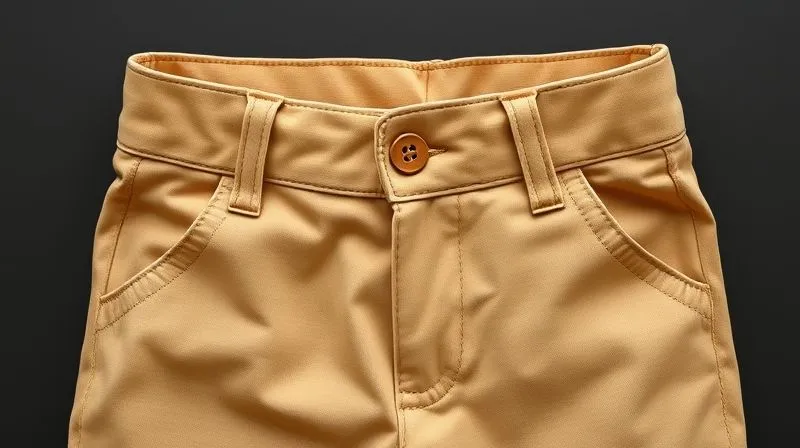
The small details often make the biggest difference. Zippers, buttons, and snaps are high-use components and weak ones can lead to a garment's early demise.
High-Quality Zippers and Snaps
I always look for YKK zippers, or comparable heavy-duty brands. Cheap plastic zippers are prone to breaking, jamming, or having teeth come off track. Similarly, sturdy metal snaps or reinforced plastic snaps are far superior to flimsy ones that pull through the fabric or cease to function after a few uses. The quality of the stitching attaching these closures is also critical; it should be dense and secure.
Reinforced Buttonholes
Buttonholes on shirts, skirts, and pants should be tightly stitched and ideally reinforced with a bar-tack at each end. This prevents fraying and stretching, ensuring the button stays securely fastened and the fabric around the hole doesn't tear.
"The true test of a kids' garment isn't how it looks on the hanger, but how it holds up to a child's relentless curiosity and activity."
6. Dyeing and Printing Techniques: Resisting Fade and Crack
Faded colors and cracked prints are often the first signs of wear, making a garment look old and tired even if the fabric is still intact. Thoughtful design extends to how colors and patterns are applied.
Reactive Dyes and Colorfastness
I've learned that not all dyes are created equal. Reactive dyes, for instance, form a covalent bond with the fabric fibers, making them highly resistant to fading from washing and sunlight. This ensures colors stay vibrant longer. Look for indications of 'colorfastness' in product descriptions, though this can be harder to verify without direct testing. High-quality brands generally invest in superior dyeing processes.
Durable Printing Methods
For graphic tees and printed patterns, screen printing with high-quality, flexible inks or digital printing with durable pigments will outlast cheap heat transfers or iron-ons that crack, peel, and fade after a few washes. The print should feel integrated into the fabric, not like a stiff layer sitting on top.
7. Ergonomic Design for Active Play: Freedom Without Failure
A garment designed for movement is less likely to be stressed to its breaking point. Ergonomics play a huge role in preventing wear by allowing children to move naturally without putting undue strain on seams and fabric.
Gussets and Articulated Knees/Elbows
In high-movement areas like the crotch, armpits, and knees, a gusset (a diamond or triangular piece of fabric) can be inserted. This provides extra room and flexibility, reducing tension on seams during crawling, climbing, or squatting. Similarly, articulated (pre-shaped or seamed) knees and elbows allow for natural bending without pulling or stretching the fabric excessively.
Generous Sizing and Fit
While not a 'feature' in the traditional sense, a fit that allows for ease of movement is paramount. Clothing that is too tight restricts movement and puts immense stress on seams and fabric, leading to premature tearing. I always advise parents to consider a slightly more generous fit, especially for play clothes, to accommodate movement and growth, as recommended by pediatric physiotherapists for healthy development.
The Role of Sustainable Practices in Garment Longevity
Beyond individual design features, the broader commitment of a brand to sustainability often correlates with garment longevity. Brands that prioritize ethical manufacturing and eco-friendly materials tend to also invest in durable construction, knowing their products are designed to last, reducing waste and the need for constant consumption. This aligns with the principles of a circular economy, where what design features prevent rapid wear in practical kids' everyday apparel becomes a core tenet.
As Forbes often highlights, consumers increasingly seek out brands that offer both quality and conscious production. This transparency in supply chains and material sourcing can be a strong indicator of a garment's inherent quality and durability.
| Durability Feature | Impact on Wear | Check For |
|---|---|---|
| Fabric Choice (High-Density Weaves) | Reduces tearing, abrasion, and pilling | Denim, canvas, interlock knits, poly-blends |
| Reinforced Knees/Elbows | Prevents holes in high-impact areas | Double layers, patches, bar-tacks |
| Strong Seam Construction | Prevents unraveling and seam bursts | Flat-felled seams, French seams, double-stitching |
| Adjustable Features | Extends garment life as child grows | Buttonhole elastic waists, adjustable cuffs |
| Quality Fastenings | Ensures closures last as long as garment | YKK zippers, sturdy snaps, reinforced buttonholes |
Frequently Asked Questions (FAQ)
Are natural or synthetic fabrics better for preventing rapid wear in kids' clothes? It's not an either/or situation; often, a blend is best. Natural fibers like high-density cotton offer comfort and breathability, but synthetics like polyester or nylon add remarkable strength, abrasion resistance, and quick-drying properties. For ultimate durability, look for blends that harness the best qualities of both, or choose specific natural weaves like heavy twill that are inherently robust.
How much more should I expect to pay for durable kids' clothing with these features? While durable clothing might have a higher initial price tag, think of it as an investment. Quality construction, premium fabrics, and thoughtful design features naturally cost more to produce. However, this investment typically pays off by reducing the frequency of replacements, saving you money in the long run. I've found that a garment lasting twice as long for 50% more cost is a clear win.
Can I extend the life of existing clothes that don't have these design features? Absolutely! While you can't add flat-felled seams, you can reinforce knees with iron-on patches or sew on decorative fabric patches. Learning basic mending skills like darning small holes or re-stitching popped seams can significantly extend the life of garments. Proper care, like washing in cold water, line drying, and avoiding harsh detergents, also plays a crucial role in preventing rapid wear.
Are there any certifications or labels I should look for that indicate durability? Unfortunately, there isn't a universal 'durability' certification in the same way there are organic or fair-trade labels. However, brands that emphasize sustainability, quality, and ethical production often build durability into their core values. Look for brands that are transparent about their fabric sourcing, manufacturing processes, and offer warranties or guarantees on their products. Reviewing independent product tests and customer reviews can also provide valuable insights.
Does 'eco-friendly' automatically mean durable in kids' fashion? Not always, but there's a strong correlation. Many eco-friendly brands prioritize longevity as a key aspect of sustainability, aiming to reduce textile waste. They often invest in higher quality, ethically sourced materials and robust construction. However, some natural fibers, while eco-friendly, might not be as inherently durable as certain synthetic blends unless specifically designed for strength (e.g., hemp or organic cotton canvas vs. a flimsy organic cotton jersey). Always check for the specific design features mentioned in this article, even within eco-friendly ranges.
Key Takeaways and Final Thoughts
Navigating the world of kids' fashion can feel like a losing battle against wear and tear, but it doesn't have to be. By understanding what design features prevent rapid wear in practical kids' everyday apparel, you gain the power to make informed choices that benefit your wallet, the environment, and your child's comfort.
- Prioritize Fabric: High-density weaves and intelligent blends are your first line of defense.
- Look for Reinforcements: Double knees, elbows, and bar-tacks at stress points are crucial.
- Inspect Seams: Flat-felled or French seams and double-stitching indicate superior construction.
- Embrace Adjustability: Grow-with-me features extend garment lifespan significantly.
- Demand Quality Closures: Durable zippers, snaps, and reinforced buttonholes prevent early failure.
- Consider Dye & Print Longevity: Reactive dyes and quality printing resist fading and cracking.
- Opt for Ergonomic Design: Gussets and a comfortable fit allow for unrestricted, stress-free movement.
Remember, investing in well-designed, durable clothing is not just about saving money in the long run; it's about supporting sustainable practices, reducing waste, and freeing up more time for your kids to simply be kids, without you worrying about their clothes falling apart. Choose wisely, and watch their apparel endure countless adventures.
Recommended Reading
- Unlock the Secrets: How to Write an Engaging Fashion Blog Post That Captivates
- 7 Steps: Forecast Bridal Micro-Trends, Halt Inventory Losses Now
- 7 Strategies for Profitable Pricing in Organic Kids Clothing
- Unlock Your Worth: The Ultimate Guide to Negotiating Rates for Fashion Blog Collaborations
- 5 Strategic Pillars: What to do when luxury handbag fakes erode brand exclusivity?

Your email address will not be published. Required fields are marked *