


How to Ensure Profitable Pricing for Organic Kids Clothing?
For over 15 years in the fashion industry, particularly witnessing the rise of sustainable practices, I've seen countless passionate brands struggle not with product quality or mission, but with the fundamental challenge of pricing. The organic kids clothing niche, while noble and in high demand, often faces a unique dilemma: how do you honor ethical production costs and premium materials without alienating a price-sensitive market?
Many entrepreneurs enter this space with a heart full of purpose, only to find their margins squeezed thin, unable to reinvest or even sustain operations. They grapple with the perceived higher cost of organic materials, fair labor practices, and certifications, often underpricing their offerings in an attempt to compete, ultimately jeopardizing their long-term viability.
This article isn't just about slapping a number on a tag; it's about building a sustainable, thriving business. I'll share a comprehensive framework, actionable strategies, and real-world insights designed to help you confidently navigate the pricing landscape and ensure profitable pricing for organic kids clothing, transforming your passion into a financially robust enterprise.
1. Understanding Your True Costs: Beyond the Fabric
Before you can even think about a selling price, you must have an ironclad understanding of your costs. In the organic kids clothing sector, this goes far beyond the raw material price. It encompasses a complex web of ethical sourcing, certifications, and sustainable practices that inherently carry a higher initial outlay.
Direct vs. Indirect Costs: A Granular View
Direct costs are those directly attributable to producing a single garment: the organic cotton fabric, non-toxic dyes, trims (buttons, zippers), cutting and sewing labor, and packaging. These are relatively straightforward to calculate per unit. However, the 'organic premium' for materials and fair-wage labor significantly impacts these.
Indirect costs, or overheads, are often overlooked but critical. These include rent, utilities, marketing, website maintenance, administrative salaries, insurance, shipping, and, crucially, the cost of certifications like GOTS or Oeko-Tex. These certifications, while vital for trust and authenticity, involve application fees, audits, and ongoing compliance costs. Failing to allocate these overheads accurately across your product lines can lead to significant underpricing.
"Pricing is not about guessing; it's about knowing your numbers inside out, then strategically adding value. For organic brands, this 'knowing' must extend to every ethical choice made along the supply chain."
I recommend a detailed breakdown:
| Cost Category | Example Item | Per Unit Cost Estimate |
|---|---|---|
| Raw Materials (Organic Cotton) | GOTS-certified organic cotton jersey | $5.00 - $8.00 |
| Manufacturing Labor | Fair-wage sewing (per hour/unit) | $3.00 - $6.00 |
| Trims & Notions | Organic cotton thread, nickel-free snaps | $0.50 - $1.50 |
| Packaging | Recycled poly bags, hang tags | $0.20 - $0.75 |
| Certifications & Audits | Annual GOTS audit fee (amortized) | $0.10 - $0.30 |
| Shipping/Logistics | Inbound freight, warehousing | $0.50 - $1.00 |
| Marketing & Sales | Digital ads, photography (amortized) | $1.00 - $3.00 |
| Operational Overhead | Rent, utilities, admin salaries (amortized) | $1.00 - $2.50 |
The 'Organic Premium' and its Justification
The higher cost of organic kids clothing isn't just a burden; it's a selling point. The 'organic premium' reflects healthier soil, no harmful pesticides, fair labor conditions, and a reduced environmental footprint. This is your brand's core value proposition. Don't shy away from it; embrace it. Your customers are often willing to pay more for these benefits, provided they understand the 'why'.
It's crucial to understand that these additional costs are investments in your brand's integrity and the health of children and the planet. When you factor these in thoroughly, you're not just setting a price; you're valuing your mission.
2. Value-Based Pricing: Communicating the 'Why'
Once you know your costs, the next step in ensuring profitable pricing for organic kids clothing is to shift your mindset from cost-plus to value-based pricing. This means pricing your products based on the perceived value to the customer, rather than simply adding a markup to your production costs.
Educating Your Customer on Sustainability
Your target audience for organic kids clothing is likely educated and values sustainability. However, they still need to understand *specifically* what makes your product worth its price. This isn't about guilt-tripping; it's about transparently sharing the benefits.
- Health Benefits: Emphasize the absence of harsh chemicals, pesticides, and heavy metals, crucial for a baby's delicate skin.
- Environmental Impact: Highlight water savings, reduced carbon footprint, and support for biodiversity.
- Ethical Production: Share stories of fair wages, safe working conditions, and empowerment of artisans.
- Durability & Longevity: Organic cotton often lasts longer and withstands more washes, offering better value over time.
Crafting a Compelling Brand Story
As marketing guru Simon Sinek often says, "People don't buy what you do; they buy why you do it." Your brand story is your most powerful tool for justifying a premium price. It connects emotionally with your customers and differentiates you from conventional brands.
- Identify Your Core Purpose: Beyond selling clothes, what problem are you solving? (e.g., providing safe, gentle clothing; supporting sustainable farming).
- Share Your Journey: How did you start? What challenges did you overcome? Personal anecdotes build trust.
- Highlight Your Values: Emphasize transparency, ethics, and sustainability throughout your narrative.
- Show, Don't Just Tell: Use visuals, videos, and testimonials to bring your story to life.
- Be Consistent: Weave your story into every touchpoint – website, social media, product tags, customer service.
By effectively communicating your 'why', you transform a higher price tag from a barrier into a reflection of shared values and superior product benefits.
3. Market Research & Competitive Analysis: Knowing Your Landscape
Even with a strong value proposition, you can't price in a vacuum. Thorough market research and competitive analysis are indispensable for positioning your brand and ensuring profitable pricing for organic kids clothing.
Identifying Your Niche and Target Audience
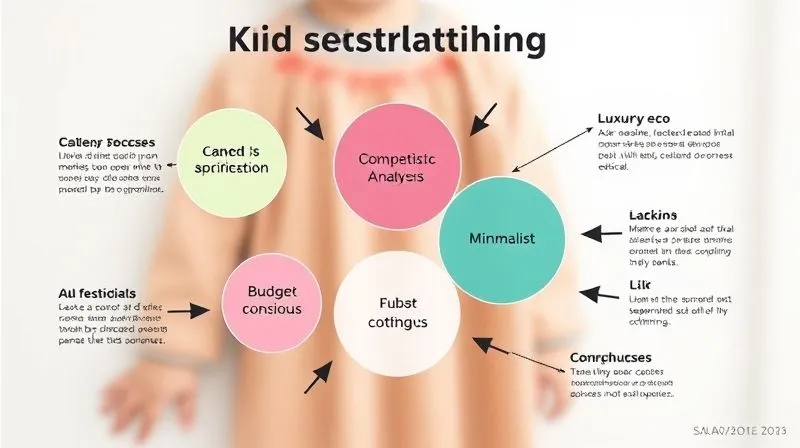
The 'organic kids clothing' market isn't monolithic. Are you targeting luxury eco-conscious parents, budget-conscious but ethical shoppers, or a specific demographic (e.g., urban, minimalist, bohemian)? Understanding your ideal customer's demographics, psychographics, and purchasing power is paramount.
- Surveys & Interviews: Directly ask potential customers about their spending habits, values, and what they'd pay for your product.
- Online Communities: Monitor forums and social media groups where your target audience congregates to understand their needs and concerns.
- Buyer Personas: Create detailed profiles of your ideal customers to guide pricing and marketing decisions.
Analyzing Competitor Pricing & Value Propositions
You need to know who your direct and indirect competitors are. Direct competitors offer similar organic kids clothing. Indirect competitors might be conventional kids clothing brands or even other sustainable product categories vying for your customer's disposable income.
Conduct a thorough analysis:
- Identify Key Competitors: List 5-10 brands, both established and emerging, in your niche.
- Map Their Product Ranges: Compare similar items (e.g., organic cotton onesies, t-shirts, pajamas).
- Analyze Their Pricing: Note their price points, discounts, and bundling strategies.
- Assess Their Value Proposition: What do they emphasize? Price, quality, design, sustainability, certifications?
- Identify Gaps & Opportunities: Where can your brand differentiate itself? Is there an underserved segment you can target with a unique price-value offering?
This analysis helps you understand the perceived market value and identify where your pricing can be competitive while remaining profitable. It's not about being the cheapest, but about being the best value for your specific target market.
4. Strategic Pricing Models for Organic Kids Wear
With costs understood and the market analyzed, it's time to select the pricing model that best aligns with your brand and profitability goals. There isn't a one-size-fits-all answer, but rather a strategic choice.
Cost-Plus vs. Value-Based vs. Penetration Pricing
- Cost-Plus Pricing: This is the simplest method: calculate total unit cost and add a desired profit margin. While easy, it ignores market demand and perceived value. It's a starting point, but rarely the optimal long-term strategy for premium organic products.
- Value-Based Pricing: As discussed, this sets prices primarily based on the customer's perceived value of the product's benefits (health, ethics, durability). This is often the most effective for organic kids clothing, allowing for higher margins by justifying the 'why' effectively.
- Penetration Pricing: Setting a low initial price to quickly gain market share. This can be risky for organic brands due to high production costs, potentially eroding profitability. It might be viable for a new, highly scalable product line if you have significant funding and a clear path to raising prices later.
Tiered Pricing and Bundling Opportunities
To maximize revenue and appeal to different customer segments, consider tiered pricing and bundling.
- Tiered Pricing: Offer different versions or collections at varying price points. For example, a 'Essentials' line at a slightly lower premium, and a 'Signature' collection with unique designs or advanced features at a higher price.
- Bundling: Combine complementary products (e.g., a onesie, hat, and blanket set) at a slightly reduced price compared to buying them individually. This increases the average order value (AOV) and provides perceived value to the customer.
Case Study: EcoThreads' Bundling Success
EcoThreads, a fictional organic baby clothing brand, struggled with attracting new customers and increasing their average order value. Their individual onesies, while high-quality, were a single-item purchase for many. By implementing a 'Newborn Essentials Bundle' which included two organic cotton onesies, a matching beanie, and a pair of booties at a 15% discount compared to individual purchases, they saw remarkable results. Within three months, their average order value increased by 25%, and new customer acquisition improved by 18% as the bundle offered a compelling entry point. This demonstrated that strategic bundling could enhance profitability without compromising perceived value.
5. Optimizing Your Supply Chain for Efficiency and Ethics
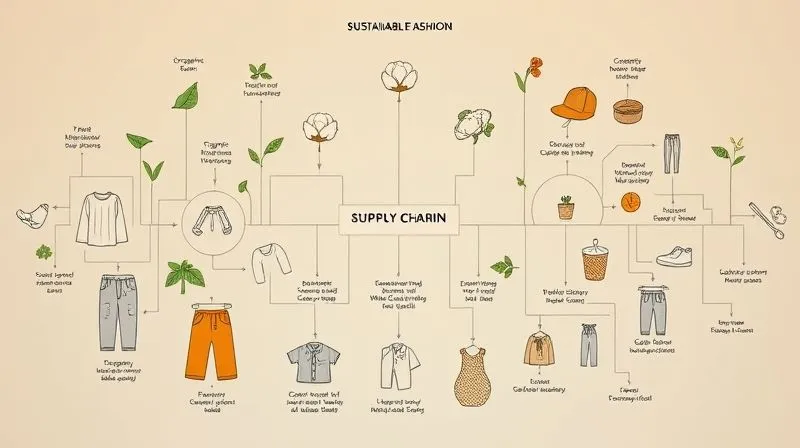
Profitability isn't just about setting the right price; it's also about managing your costs effectively. In organic kids clothing, this means a relentless focus on an efficient yet ethical supply chain.
Building Strong Relationships with Ethical Suppliers
Your suppliers are partners, not just vendors. Cultivating strong, long-term relationships with GOTS-certified fabric mills and ethical manufacturers can lead to better pricing, improved lead times, and greater flexibility. Transparency and trust are key.
- Negotiate Fairly: Understand their costs and negotiate for mutually beneficial terms, especially as your order volumes grow.
- Consolidate Orders: Where possible, combine orders for different product lines to achieve volume discounts.
- Regular Communication: Maintain open lines of communication to foresee and mitigate potential issues like material shortages or production delays.
Bulk Purchasing and Inventory Management
While overstocking is a risk, strategic bulk purchasing of frequently used organic materials can significantly reduce your per-unit cost. However, this must be balanced with smart inventory management to avoid tying up capital in unsold stock.
- Forecast Demand Accurately: Use historical sales data, seasonal trends, and marketing plans to predict future demand.
- Implement Just-In-Time (JIT) Principles: Where feasible, minimize inventory holding costs by ordering materials and producing goods only as needed, without compromising ethical production timelines.
- Utilize Inventory Management Software: Tools can help track stock levels, reorder points, and identify slow-moving items.
By optimizing your supply chain, you create a leaner operation that supports your ethical commitments while directly improving your profit margins. Every dollar saved ethically is a dollar added to your bottom line, directly contributing to profitable pricing for organic kids clothing.

6. Marketing & Branding: Justifying the Investment
Effective marketing and branding are not mere expenses; they are investments that justify your premium pricing and build customer loyalty. For organic kids clothing, your marketing must tell a compelling story that resonates with your target audience.
Leveraging Digital Channels and Influencers
In today's digital age, your online presence is paramount. Focus on channels where your target parents spend their time:
- Social Media: Platforms like Instagram and Pinterest are highly visual and ideal for showcasing your products' aesthetics and ethical story. Use high-quality imagery and engaging content.
- Content Marketing: Blog posts (like this one!), guides, and videos that educate parents on the benefits of organic clothing build trust and authority.
- Influencer Collaborations: Partner with parent influencers or micro-influencers who genuinely align with your brand's values. Their authentic endorsements can drive significant traffic and sales.
Showcasing Certifications and Transparency
Your certifications are your badges of honor. Don't hide them; display them prominently on your website, product pages, and even on product tags. Certifications like GOTS (Global Organic Textile Standard) or Oeko-Tex Standard 100 are third-party validations of your claims, offering immense trust to consumers.
Beyond logos, be transparent about your entire production process. Share behind-the-scenes glimpses of your factory, your suppliers, and the people who make your clothes. This level of openness builds a powerful connection with conscious consumers who value authenticity. For more information on GOTS, you can visit their official website: Global Organic Textile Standard.
7. Customer Lifetime Value (CLV) & Retention Strategies
Acquiring new customers is expensive. Retaining existing ones, especially in a values-driven market, is far more profitable. Focusing on Customer Lifetime Value (CLV) is a cornerstone of ensuring profitable pricing for organic kids clothing in the long run.
Building Brand Loyalty in a Conscious Market
Parents who buy organic often do so out of deeply held values. If you deliver on your promises and exceed expectations, they become incredibly loyal. This loyalty translates into repeat purchases, positive word-of-mouth, and reduced marketing costs.
- Exceptional Customer Service: Be responsive, empathetic, and go the extra mile. A positive experience solidifies trust.
- Personalized Communication: Segment your email lists and send tailored recommendations based on past purchases or child's age.
- Community Building: Create a sense of belonging around your brand. Host online events, create private groups, or share user-generated content.
Subscription Models and Repeat Purchases
Consider innovative models to encourage repeat purchases. A subscription box for organic kids essentials (e.g., socks, underwear, basic tees) that refreshes every few months can provide predictable revenue and convenience for busy parents. Loyalty programs that offer points, exclusive discounts, or early access to new collections also incentivize repeat business.
The organic kids clothing market is one where trust and values drive purchasing decisions. By nurturing your existing customer base, you build a resilient and profitable business model. As a study by Deloitte found, customers who are emotionally connected to a brand have a 306% higher lifetime value. See more insights on customer loyalty here: Deloitte Insights on Customer Loyalty.
8. Monitoring, Adapting, and Scaling Profitability
The pricing journey for organic kids clothing isn't static. It requires continuous monitoring, adaptation, and a readiness to scale your strategies as your brand grows and the market evolves.
Key Performance Indicators (KPIs) to Track
Regularly analyze your data to understand what's working and what isn't. Key KPIs include:
- Gross Profit Margin: (Revenue - Cost of Goods Sold) / Revenue. This tells you the profitability of your products before overheads.
- Net Profit Margin: (Revenue - Total Expenses) / Revenue. Your ultimate measure of profitability.
- Average Order Value (AOV): Total Revenue / Number of Orders. Track how bundling or promotions impact this.
- Customer Acquisition Cost (CAC): Total Marketing Spend / Number of New Customers. Compare this to CLV.
- Customer Retention Rate: Measures how many customers you keep over a period.
By tracking these metrics, you gain actionable insights that inform your pricing adjustments and marketing efforts. Don't be afraid to experiment with small price changes or A/B test different offers to optimize your profitability.
The Agility of Pricing in a Dynamic Market
The market for organic kids clothing is dynamic, influenced by consumer trends, economic shifts, and supply chain innovations. Your pricing strategy must be agile. This means being prepared to:
- Adjust for Inflation: When raw material or labor costs increase, you may need to subtly adjust prices or optimize other areas.
- Respond to Competitors: Not by blindly matching, but by understanding their moves and reinforcing your unique value.
- Leverage Seasonal Demand: Implement seasonal promotions or limited-edition collections that can command a premium or drive volume.
The goal is sustainable growth. By consistently monitoring your performance and being willing to adapt, you ensure that your pricing strategy remains aligned with your ethical mission and financial objectives. For further reading on business agility, Harvard Business Review offers valuable insights: Harvard Business Review on Business Agility.

Frequently Asked Questions (FAQ)
How much higher can organic kids clothing prices be compared to conventional? In my experience, organic kids clothing can typically command a price premium of 20% to 50% over conventional, mass-produced items. This range varies significantly based on brand reputation, unique design, specific certifications, and the effectiveness of communicating the added value (e.g., health benefits, ethical production, durability). Some luxury organic brands can even go higher. The key is justifying that premium through transparency and quality.
What role do certifications like GOTS play in pricing justification? Certifications like GOTS (Global Organic Textile Standard) are incredibly valuable for pricing justification. They act as independent third-party verification of your ethical and organic claims, building immense trust with consumers. This trust allows you to confidently charge a premium, as customers are assured they are getting what they pay for. Without such certifications, justifying a higher price solely on your word becomes significantly harder. They are an investment that pays off in credibility and pricing power.
Is it possible to compete with fast fashion pricing for organic products? Directly competing with fast fashion on price for organic products is generally not a sustainable or advisable strategy. Fast fashion relies on low-cost materials, rapid production cycles, and often exploitative labor practices, which are antithetical to organic and ethical principles. Instead of competing on price, focus on competing on value: superior quality, health benefits, environmental responsibility, and ethical production. Your target customer for organic clothing isn't looking for the cheapest option, but the best value that aligns with their values.
How do I handle potential customer pushback on higher prices? Handling price pushback requires proactive communication and confidence in your value proposition. First, ensure your website and marketing materials clearly articulate 'why' your products are priced as they are (e.g., organic materials, fair labor, durability). Equip your customer service team with clear talking points. When faced with direct pushback, reiterate the unique benefits (health, ethics, longevity) and the true cost of conventional alternatives. Offer payment plans or tiered options if feasible, but primarily focus on educating the customer about the long-term value and impact of their purchase.
Should I offer discounts for organic kids clothing? Strategic discounting can be effective, but it should be used judiciously to avoid devaluing your brand. Occasional, well-planned discounts (e.g., seasonal sales, loyalty program rewards, bundles) can drive sales and clear inventory. However, frequent or deep discounting can erode perceived value and profit margins. Consider offering value-added promotions (e.g., free shipping, a free accessory with purchase) instead of just price cuts. Always ensure any discount still allows for a healthy profit margin above your true costs.
Key Takeaways and Final Thoughts
Navigating the pricing landscape for organic kids clothing can feel like a tightrope walk, balancing ethical commitments with financial viability. Yet, as I've seen over the years, it's entirely possible to build a thriving, profitable brand in this space.
- Know Your Numbers: Understand every direct and indirect cost, especially the 'organic premium' and certification expenses.
- Communicate Your Value: Articulate the 'why' behind your product – the health, ethical, and environmental benefits – to justify your pricing.
- Strategic Positioning: Use market research and competitive analysis to find your niche and differentiate your offerings.
- Optimize Operations: Build strong supplier relationships and manage inventory efficiently to control costs.
- Nurture Loyalty: Focus on customer lifetime value through exceptional service and community building.
Remember, your organic kids clothing brand isn't just selling garments; it's selling a promise of a healthier future for children and the planet. Price your products with the confidence and integrity that reflects this profound mission, and you'll attract customers who not only appreciate your offerings but are willing to invest in your vision. With these strategies, you're not just ensuring profitability; you're building a legacy.
Recommended Reading
- Unlocking Perfect Fit: How to Integrate 3D Body Scan Data Effectively
- Mastering Realistic Digital Twins for Virtual Fashion Showcases: A 7-Step Guide
- 5 Urgent Steps: Rapidly Clear Stress Breakouts Before Your Big Pitch
- The Ultimate Guide: How to Keep Your Wedding Dress Wrinkle-Free on Your Big Day
- 5 Steps to Guarantee Quality in Outsourced Fashion Photo Retouching




Your email address will not be published. Required fields are marked *