


What to do when haute couture client demands last-minute changes?
For over two decades in the rarefied world of haute couture, I've witnessed the exquisite dance between artistic vision and client desire. There's an unparalleled thrill in seeing a dream garment come to life, a testament to countless hours of meticulous craftsmanship. However, this journey is rarely without its unique challenges, and perhaps none are as universally vexing as the dreaded last-minute client change request.
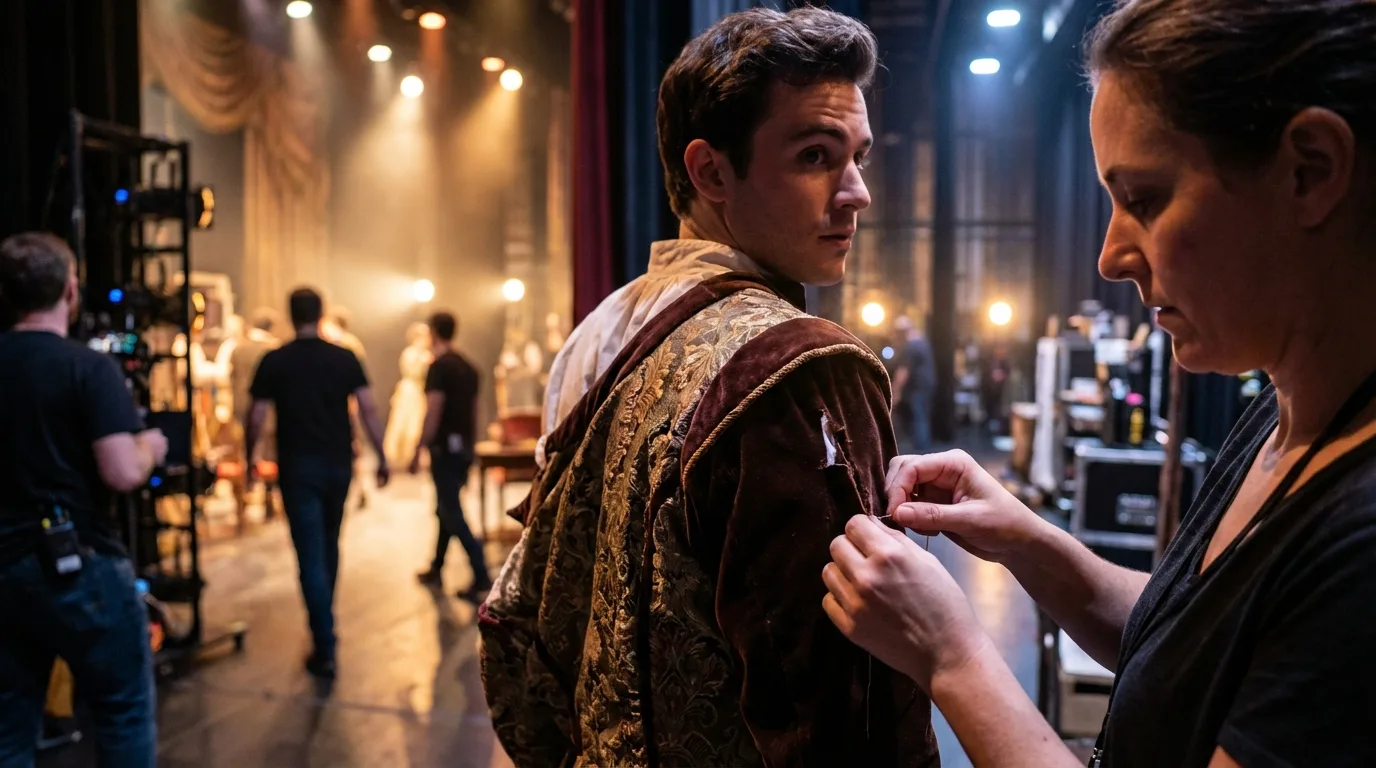
The pressure in haute couture is immense; perfection is not just a goal, it's an expectation. When a client, often after multiple fittings and approvals, suddenly asks for a significant alteration just days before delivery, it can send ripples of panic through even the most seasoned atelier. This isn't merely about adjusting a seam; it risks unraveling a complex structure, impacting material integrity, and jeopardizing the entire timeline and the sanity of the team.
This article isn't about avoiding these situations entirely—they are an inherent part of personalized luxury. Instead, I will equip you with a robust, expert-backed framework, drawing from my own experience and industry best practices. You'll learn not just what to do when haute couture client demands last-minute changes, but how to anticipate, manage, and even gracefully navigate these moments, turning potential crises into opportunities to reinforce client trust and respect for your unparalleled craft.
1. The Unspoken Contract: Setting Expectations Early
In haute couture, the foundation of a successful project is laid long before the first stitch. It begins with a clear, comprehensive understanding between designer and client. I've seen countless misunderstandings arise from vague initial agreements, which then fester into last-minute demands.
Proactive communication is your most powerful tool. From the very first consultation, establish a transparent dialogue about the design process, timelines, and, critically, the implications of changes. Think of it as an unspoken contract, a mutual understanding that underpins the entire creative journey.
- Detailed Design Briefs: Document every aspect of the client's vision. Use sketches, fabric swatches, mood boards, and detailed descriptions. Ensure the client signs off on these at each major stage.
- Phased Approval Process: Structure the project into distinct phases—concept, toile (muslin), first fitting, second fitting, final fitting. Clearly state that significant changes become increasingly difficult and costly as you progress.
- Change Clause in Contract: Include a specific clause in your legal agreement outlining the procedure for changes, potential costs, and impact on delivery. This isn't adversarial; it's professional clarity. As Forbes often emphasizes, clear communication fosters stronger client relationships.
- Educate on the Craft: Gently educate your client on the intricate nature of haute couture. Explain that a seemingly small change can require dismantling hours, if not days, of handwork. This builds appreciation and respect for your artistry.

Case Study: Atelier Lumiere's Phased Approach Success
Atelier Lumiere, renowned for its intricate bridal gowns, faced recurring issues with clients requesting major silhouette changes after the second fitting. This led to significant overtime, material wastage, and immense stress. By implementing a revised client onboarding process that included a mandatory 'Design Lock' after the toile fitting, they saw a dramatic reduction in late-stage changes. Clients were presented with a visual timeline mapping out the increasing difficulty and cost of changes at each stage, reinforced by a clear contractual clause. This not only streamlined their workflow but also enhanced client trust, as expectations were managed proactively and transparently. Their client satisfaction scores, surprisingly, improved because clients felt more informed and in control earlier in the process.
2. Strategic Communication: Navigating the Change Request
When a last-minute change request does arrive, your immediate response is critical. Panic is a luxury you cannot afford. Instead, adopt a calm, collected, and strategic approach to communication.
- Listen Actively: First, truly understand the client's request. Ask open-ended questions: "Can you describe exactly what you envision?" "What prompted this idea now?" Sometimes, a client's expressed desire isn't their true underlying need.
- Acknowledge and Validate: "I understand you'd like to explore a different neckline for the evening gown. That's an interesting idea." This validates their input without immediately agreeing to it. It shows respect for their vision.
- Avoid Immediate Commitments: Never say "yes" or "no" on the spot. Your immediate response should be, "Let me assess the full impact of this request on the design, materials, timeline, and our team's capacity. I will get back to you with a comprehensive plan and options within [specific timeframe, e.g., 2-4 hours]."
- Set a Clear Follow-Up: Stick to your promised timeframe. This demonstrates professionalism and control.
"In the realm of luxury, communication isn't just about conveying information; it's about curating an experience. Every interaction, especially concerning challenges, shapes the client's perception of your brand's integrity and expertise." - Industry Mentor
3. The Anatomy of a Last-Minute Change: What's the Real Ask?
Before you can effectively respond to a change request, you must dissect it. What is the client truly asking for, and why now? Often, a superficial request masks a deeper anxiety or a newly discovered desire. This is where your expertise as a consultant truly shines.
- Is it a Minor Tweak or a Major Overhaul? Distinguish between a small adjustment (e.g., shortening a hem by an inch) and a fundamental redesign (e.g., changing a mermaid silhouette to an A-line).
- What's the Motivation? Has the client seen something new? Are they feeling insecure? Is there external pressure from an event or another opinion? Understanding the 'why' can help you address the root cause, not just the symptom. Sometimes, a reassuring conversation is all that's needed.
- Is it Feasible? Consider the garment's construction. Haute couture garments are often engineered with specific materials, interlinings, and hand-sewn details that make significant structural changes incredibly difficult, if not impossible, without compromising the integrity of the design and craftsmanship.
- Impact on Aesthetics: Will the change genuinely enhance the garment, or will it detract from the original vision and balance? As the expert, you have a responsibility to guide the client.

4. Assessing Impact: Time, Cost, and Craftsmanship
Once you understand the request, the next crucial step is to objectively assess its full impact. This is not just about measuring fabric; it's about evaluating the ripple effect across your entire atelier, your schedule, and your reputation.
- Time Impact: How many additional hours will be required from each artisan involved (draper, pattern maker, seamstress, embroiderer)? What existing projects will be delayed? Can the original delivery date still be met?
- Material Impact: Will new materials be needed? Can existing materials be salvaged? Are replacement materials readily available, especially for bespoke or limited-edition textiles?
- Cost Impact: Translate time and material impacts into a clear financial figure. Include labor, new materials, and any expedited shipping costs. Don't forget the opportunity cost of delaying other projects.
- Craftsmanship Impact: This is paramount in haute couture. Will the change compromise the garment's structural integrity, its exquisite finish, or the artistic vision? Some changes are simply not compatible with the level of craftsmanship expected.
- Team Morale: Constant last-minute changes can be incredibly demoralizing for your highly skilled artisans. Factor this intangible cost into your assessment.
To aid in this, I often use a quick impact assessment matrix:
According to a study by Harvard Business Review, balancing client needs with operational realities is key to sustainable success in high-touch service industries. This assessment helps you find that balance.
5. Presenting Solutions: Options, Not Obstacles
Once you've thoroughly assessed the impact, you're ready to communicate back to the client. The goal is to present options, not just problems. Frame your response as a collaborative effort to achieve their vision while upholding your atelier's standards.
- Reiterate Understanding: Begin by reaffirming your understanding of their desired change. "Following our conversation, I've thoroughly reviewed your request for..."
- State the Impact Clearly and Concisely: Present the factual impact on time, cost, and craftsmanship. "Implementing this change would require an additional X hours of handwork, necessitate Y amount of new material, and would incur an additional cost of Z. It would also shift your delivery date by [number] days."
- Offer Solutions and Alternatives: This is where you demonstrate your expertise and commitment to their satisfaction.
- Option A (Full Implementation): Detail the exact costs and timeline extensions for fully implementing their requested change, emphasizing any potential craftsmanship risks.
- Option B (Compromise/Modification): Propose a modified version of their request that achieves a similar aesthetic or functional goal with less impact. "While a complete silhouette change is highly challenging at this stage, we could explore a subtle volume adjustment here that would give a similar effect, with X cost and Y days."
- Option C (Maintain Original Design): Clearly state the benefits of adhering to the approved design, perhaps reminding them of the initial vision and why it was chosen.
- Be Prepared to Say No (Gracefully): If a change is truly impossible without compromising the garment's integrity or your atelier's reputation, you must be prepared to decline. "Unfortunately, at this advanced stage, making this particular structural change would irreparably compromise the garment's intricate foundation and the exquisite hand-embroidery. My commitment to delivering a flawless, heirloom-quality piece means I cannot recommend proceeding with that specific alteration."
- Document Everything: Once a decision is made, send a formal email or addendum to the contract, detailing the agreed-upon changes, costs, and revised timeline.

6. The Art of the Compromise: When to Bend, When to Hold Firm
Negotiation is an integral part of client management in haute couture. It's about finding common ground that respects both your artistic integrity and the client's aspirations. This requires a delicate balance of empathy, firmness, and creative problem-solving.
- Identify Non-Negotiables: Understand your atelier's absolute limits regarding time, cost, and design integrity. These are your red lines.
- Focus on Mutual Benefit: Frame the discussion around what's best for the garment and the client's ultimate satisfaction. "My primary goal is for you to look absolutely breathtaking. To achieve that, we need to ensure the garment maintains its structural harmony."
- Offer Value-Added Solutions: Sometimes, a client's desire for change can be partially met with a less disruptive, value-added solution. For instance, if they want more sparkle, perhaps an additional, removable accessory could be suggested instead of re-embroidering the entire gown.
- Stand Your Ground Professionally: If a client insists on a change that you know will result in a substandard garment, it's crucial to politely but firmly decline. Your reputation for excellence is your most valuable asset. A poorly executed change reflects on your name, not just the client's fleeting desire.
This dynamic is often explored in leadership literature, highlighting the importance of principled negotiation, as taught in programs like those at Harvard Law School's Program on Negotiation.
7. Documentation is Your Dearest Ally: Protecting Your Vision
In the high-stakes world of haute couture, thorough documentation is not merely a formality; it's your professional shield. Every conversation, every decision, every change—especially last-minute ones—must be meticulously recorded.
- Written Confirmation: Always follow up verbal agreements with a written summary (email is often sufficient). State the agreed-upon changes, revised costs, and new deadlines. Request the client's explicit written approval.
- Change Order Forms: For significant alterations, use a formal change order form. This document should detail the original specification, the requested change, the impact (time, cost, materials), and the client's signature of approval.
- Progress Photography: Maintain a visual record of the garment's progress at each critical stage. These photographs can serve as invaluable evidence of the garment's state before a change request, protecting you against disputes.
- Internal Communication: Ensure your entire atelier team is updated on any approved changes. Miscommunication internally can be as damaging as external client issues.

8. Post-Delivery Debrief: Learning from Every Challenge
The journey doesn't end with the garment's delivery. Every project, especially those with last-minute changes, offers invaluable lessons. A structured debrief can significantly enhance your atelier's resilience and efficiency for future endeavors.
- Internal Team Review: Gather your artisans and discuss what went well, what could have been handled better, and what new insights were gained. Focus on processes, communication, and problem-solving strategies.
- Client Feedback (Strategic): While direct feedback on 'last-minute changes' might be sensitive, you can subtly gather insights. "What aspects of the design process did you find most helpful?" or "Is there anything we could have done to make the experience even more seamless?"
- Update Protocols: Based on your debrief, update your client contract clauses, internal communication protocols, and change management procedures. This continuous improvement is vital.
- Analyze Trends: Are certain types of changes recurring? Are specific clients more prone to them? Identifying patterns can help you refine your proactive expectation-setting.
This commitment to continuous improvement is a hallmark of truly exceptional service, a principle often highlighted in the luxury sector where client experience is paramount. McKinsey & Company consistently points to adaptability and learning as key drivers for success in the evolving luxury market.
Frequently Asked Questions (FAQ)
Question? Should I always charge a fee for last-minute changes, even small ones?
Answer: Not necessarily always, but strategically. For truly minor tweaks that don't significantly impact time or materials, waiving a fee can be a gesture of goodwill, especially for a valued client. However, for anything beyond a trivial adjustment, it's crucial to charge. Your artisans' time and expertise are valuable. Transparency is key: explain the cost is for the additional labor and materials, not a penalty. Having a clear change clause in your contract makes this conversation much easier.
Question? What if the client refuses to pay for the additional costs of a last-minute change?
Answer: This is where your detailed contract and documentation become indispensable. Refer back to the signed agreement that outlines the terms for changes and additional charges. Politely but firmly explain that the work cannot proceed without agreement on the revised terms. If they still refuse, you may need to offer to complete the garment as originally agreed, or, in extreme cases, consider the project terminated, adhering to the termination clauses in your contract. It's a difficult conversation, but protecting your business is paramount.
Question? How can I maintain a positive client relationship when having to decline a change or charge extra?
Answer: Empathy and professionalism are your allies. Frame your communication around ensuring the highest quality outcome for them. "My priority is to deliver a piece that is truly perfect for you, and to do that, we need to respect the intricate process." Offer alternatives when declining, and explain costs in terms of value provided (expert labor, rare materials, expedited service). Reiterate your commitment to their satisfaction within the agreed parameters. A strong, respectful relationship is built on clear boundaries and mutual understanding.
Question? Are there any technological tools that can help manage client changes more effectively in haute couture?
Answer: Absolutely. While haute couture is deeply traditional, technology can enhance management. Project management software (like Asana or Trello) can track timelines and tasks. Digital sketching and 3D modeling software can visualize changes more quickly and accurately for clients, reducing misunderstandings. Secure client portals can facilitate document sharing and approvals. Even high-resolution photography and video conferencing can improve communication during fitting stages, especially for international clients, reducing the need for last-minute in-person changes.
Question? How do I manage the emotional toll these last-minute changes take on my atelier team?
Answer: This is often overlooked but crucial. Acknowledge their hard work and the stress these situations cause. Ensure they feel heard and supported. Offer fair compensation for overtime. Implement clear internal protocols to minimize confusion. Celebrate successes and provide opportunities for rest. A strong, resilient team is your greatest asset, and protecting their well-being is part of your leadership role. Remember, the quality of your craft is intrinsically linked to the well-being of your artisans.
Key Takeaways and Final Thoughts
- Proactive Expectation Setting: Your contract and initial consultations are your first line of defense against last-minute changes.
- Strategic Communication: Listen, assess, and then present solutions, never reacting impulsively.
- Thorough Impact Assessment: Objectively evaluate time, cost, materials, and craftsmanship before responding.
- Offer Options, Not Obstacles: Provide clear alternatives, including the option to decline gracefully when necessary.
- Document Everything: Protect your atelier with meticulous records of all agreements and changes.
- Continuous Learning: Use every challenge as an opportunity to refine your processes and strengthen your team.
Navigating last-minute client changes in haute couture is an intricate art form in itself. It demands not only a profound understanding of your craft but also exceptional diplomacy, business acumen, and unwavering professionalism. By adopting these strategies, you can transform these challenging moments into demonstrations of your atelier's unparalleled expertise and dedication, ultimately strengthening your client relationships and solidifying your reputation as a master of your domain. Remember, every challenge overcome adds another layer of brilliance to your legacy.
Recommended Reading
- Stylish Glasses for Sensitive Eyes: The Ultimate Guide to Comfort and Style
- 7 Strategies for Profitable Pricing in Organic Kids Clothing
- 7 Smart Moves: Elevate Your Casual Menswear Style Beyond Basics
- 7 Strategies: Price Ethical Fashion Competitively, Uphold Your Values
- Elevating Couture: 7 Proven Strategies for Fine Art Gallery Recognition




Your email address will not be published. Required fields are marked *