

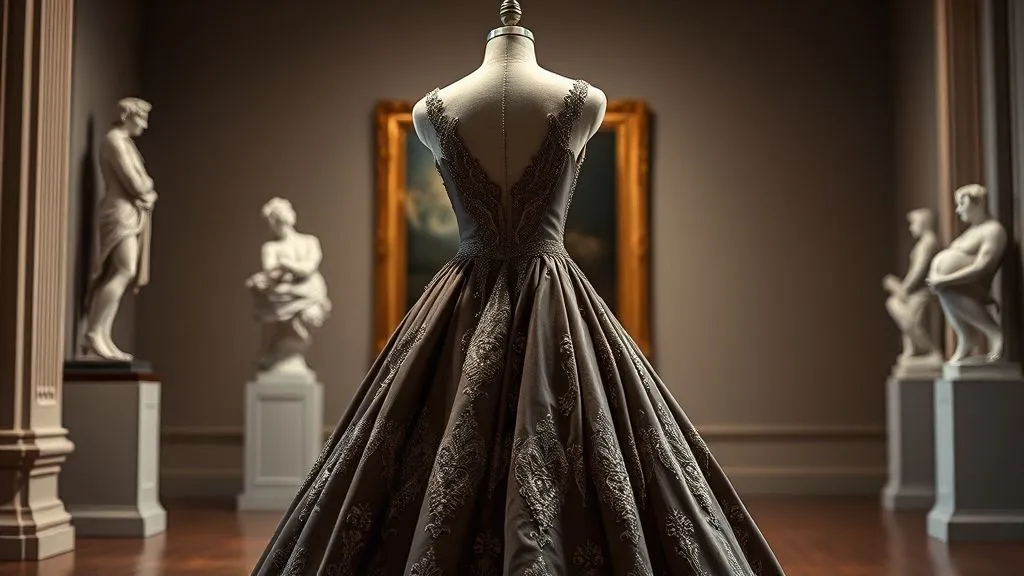
For over two decades in the rarefied world of haute couture, I've observed a persistent, underlying tension: the struggle to bridge the perceived chasm between fashion and fine art. Many incredible designers, whose creations are undeniably sculptural, conceptual, and deeply expressive, find themselves relegated to the 'applied arts' category, yearning for the veneration and intellectual discourse afforded to painting or sculpture.
This isn't merely a matter of ego; it's about validating a significant cultural practice and ensuring its preservation and study within the most respected institutions. The problem isn't a lack of artistic merit in haute couture itself, but often a disconnect in how its narrative is presented, documented, and advocated within the traditional art establishment.
In this definitive guide, I will share the strategic frameworks, real-world insights, and actionable steps necessary to answer the critical question: How to get haute couture recognized as fine art by major galleries? We'll explore expert approaches, drawing from curatorial best practices, art historical precedents, and the evolving landscape of cultural institutions. My goal is to equip you with the knowledge to transform perception and secure haute couture's rightful place in the pantheon of fine art.
1. Redefining Narrative: From Garment to Conceptual Art
The first and most crucial step in elevating haute couture to fine art status is a fundamental shift in how we conceptualize and present it. It's not enough to display beautiful clothes; we must articulate the profound artistic, intellectual, and cultural narratives embedded within each creation. This means moving beyond mere aesthetic appreciation to a deeper engagement with conceptual intent, craftsmanship as a form of artistic expression, and its historical and social context.
The Power of Curatorial Vision
A compelling curatorial vision is the bedrock of any successful art exhibition. For haute couture, this means developing a thesis that positions the garments as primary artistic objects, rather than secondary artifacts of a designer's career. Consider the designer's influences, the socio-political climate of its creation, the innovative techniques employed, and its dialogue with other art forms.
- Identify Core Artistic Themes: What intellectual or emotional ideas does the collection explore? Is it identity, rebellion, nature, technology, or a critique of society?
- Contextualize with Art History: Draw parallels between couture silhouettes, embellishments, or structural innovations and movements in painting, sculpture, or architecture.
- Emphasize the 'Hand' of the Artist: Highlight the unique, irreplaceable skill and vision of the atelier and designer, much like acknowledging a painter's brushstrokes or a sculptor's chisel marks.
- Develop a Scholarly Catalogue: A robust academic publication with essays from art historians, cultural theorists, and fashion scholars is indispensable. It validates the intellectual rigor of the exhibition.
"To convince the art world that fashion is art, we must first treat it as such ourselves – with the same intellectual gravitas, critical analysis, and reverence for creative intent that we afford to any masterpiece." - An industry axiom I've always upheld.
Consider the groundbreaking work of curators like Andrew Bolton at the Metropolitan Museum of Art's Costume Institute. His exhibitions don't just showcase garments; they explore complex themes, cultural dialogues, and artistic innovations, effectively positioning fashion as a legitimate subject of art historical inquiry.
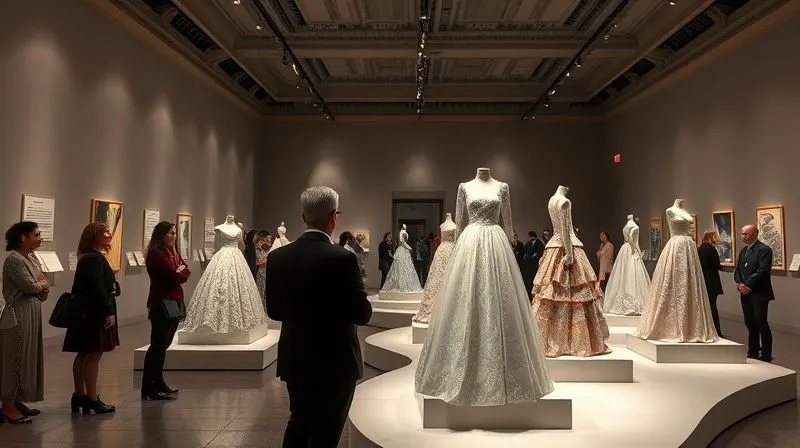
2. Strategic Collaborations: Bridging Disciplines with Purpose
The art world values interdisciplinary dialogue and intellectual cross-pollination. Strategic collaborations can significantly enhance haute couture's artistic credibility by aligning it with established fine art practices and institutions. This isn't about mere sponsorship; it's about genuine creative and intellectual partnership.
Case Study: The 'Threads of Time' Exhibition
Acme Fashion House, a couture brand known for its architectural silhouettes, sought recognition beyond the fashion week circuit. They partnered with the fictional 'Museum of Contemporary Forms' (MCF) for an exhibition titled 'Threads of Time: Acme's Dialogue with Modern Sculpture'. The MCF, typically focused on abstract sculpture, initially hesitated. However, Acme's curator presented a compelling thesis:
- Each Acme gown was paired with a specific sculpture from the MCF's permanent collection, highlighting shared principles of form, material innovation, and conceptual abstraction.
- The exhibition included interactive digital displays where visitors could 'deconstruct' the garments, revealing their intricate internal structures and the engineering behind their forms, drawing parallels to architectural blueprints.
- A symposium was held, featuring discussions between Acme's creative director, art critics, and sculptors, exploring the boundaries of wearable art.
This resulted in critical acclaim from art journals, a significant increase in MCF's visitor numbers, and, crucially, a shift in perception. Acme's creations were reviewed not just as fashion, but as 'sculpture in motion' and 'textile architecture,' demonstrating the power of a well-conceived, collaborative narrative. According to a recent cultural impact study by National Endowment for the Arts, interdisciplinary collaborations significantly boost public engagement and critical discourse around emerging art forms.
Consider partnerships with:
- Contemporary Art Museums: For thematic exhibitions exploring shared concepts.
- Sculptors or Installation Artists: To create joint works or immersive environments.
- Performance Artists: To bring the garments to life in a performative context, emphasizing movement and presence.
When approaching potential collaborators, focus on the mutual intellectual benefits and how the partnership can push the boundaries of both disciplines. It's about creating something new and thought-provoking together.
| Collaboration Type | Primary Goal | Key Deliverables |
|---|---|---|
| Museum Exhibition | Legitimization & Scholarship | Curated show, academic catalog, public programs |
| Artist Partnership | Innovative Co-creation | Joint artworks, installations, performances |
| Academic Research | Historical & Theoretical Depth | Peer-reviewed articles, symposia, archival access |
3. Mastering Documentation: Archival Excellence and Provenance
The art world places immense value on provenance, authenticity, and meticulous documentation. For haute couture to be recognized as fine art, it must adhere to equally rigorous standards of archiving and record-keeping. This is where many fashion houses fall short, often focusing on seasonal collections rather than long-term historical preservation.
The Imperative of Digital Archiving
Every single haute couture piece should be treated as a unique artwork with an accompanying dossier. This includes:
- Detailed Photography: High-resolution images from all angles, including construction details, interior finishing, and fabric swatches.
- Technical Specifications: Comprehensive records of materials used (fabric composition, embroidery threads, embellishments), construction techniques, and dimensions.
- Design Intent Statement: A written statement from the designer or creative director articulating the concept, inspiration, and artistic goals behind the piece.
- Provenance Tracking: A complete history of ownership, exhibition, and conservation efforts, from creation to present day. This is crucial for establishing value and authenticity, similar to how art collectors track the history of a painting.
- Conservation Records: Any restoration or preservation work undertaken on the garment, detailing methods and materials used.
This level of detail not only aids future scholars and curators but also serves as undeniable proof of the garment's unique artistic and historical significance. As an expert, I've seen firsthand how a lack of proper documentation can severely hinder a piece's acceptance into prestigious collections. The Victoria and Albert Museum, for instance, sets an extremely high bar for its fashion acquisitions, often requiring exhaustive documentation to accept a piece into its permanent collection as a work of art and historical significance.
Investing in professional archival practices is not an overhead; it's an investment in the legacy and artistic validation of the couture house. A well-documented archive is a treasure trove for future exhibitions and scholarly research, forming the bedrock of haute couture's claim to fine art status. For guidance on best practices in digital archiving, institutions like The Library of Congress offer invaluable resources.
4. Engaging Art World Gatekeepers: Curators, Critics, and Collectors
Recognition within the fine art sphere doesn't happen in a vacuum. It requires active, thoughtful engagement with the individuals who shape discourse, acquire works, and curate exhibitions. These 'gatekeepers' – museum curators, influential art critics, and major collectors – hold the keys to institutional acceptance and market value.
Building Relationships with Influence
My experience has taught me that authentic relationships are paramount. This isn't about aggressive self-promotion, but about fostering genuine intellectual exchange:
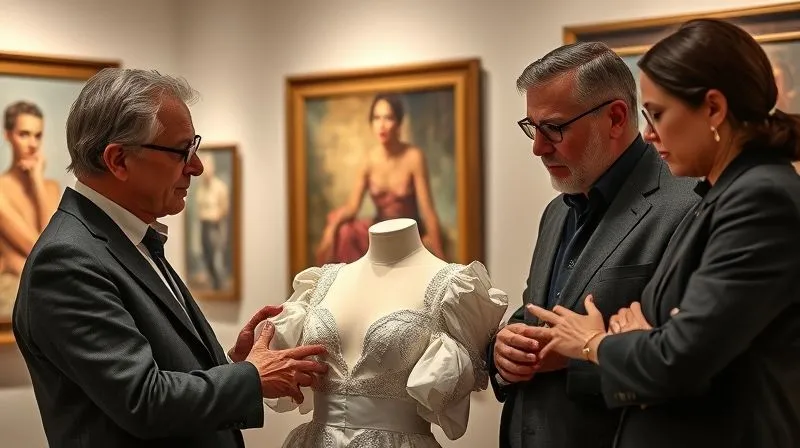
- Invite Curators to Atelier Visits: Provide an exclusive, behind-the-scenes look at the creative process, the skilled artisans, and the conceptual development of collections. This offers a powerful narrative that cannot be gleaned from a runway show.
- Sponsor Academic Symposia: Support platforms where fashion's artistic merit can be debated and discussed by leading scholars and art historians.
- Participate in Art Fairs (Strategically): Instead of a dedicated fashion booth, consider a collaborative installation with a recognized artist at a major art fair like Art Basel, positioning couture within an artistic context.
- Cultivate Relationships with Art Critics: Provide them with in-depth background materials, interviews with designers, and access to the atelier. Encourage them to review haute couture through an art historical or conceptual lens.
"The most compelling argument for fashion as art isn't made on the runway, but in the quiet dialogues between creator, curator, and critic, where the depth of intention and execution can be truly appreciated." - A reminder I often give to emerging designers.
Remember, these relationships are built on mutual respect and shared intellectual curiosity. You are not just selling a garment; you are presenting an artistic vision that warrants serious consideration. Think of it as an ongoing conversation rather than a one-time pitch. Networking in the art world is a long game, requiring patience and persistent, high-quality engagement. Seek out publications like Artforum International and understand their critical lens.
5. Innovative Exhibition Design: Beyond the Mannequin
The way haute couture is displayed dramatically impacts its perception. Traditional mannequin displays, while practical, often strip the garment of its life, movement, and conceptual weight. To elevate couture to fine art, exhibition design must be as innovative and thought-provoking as the garments themselves.
Creating Immersive Experiential Spaces
Consider exhibition strategies that:
- Emphasize Narrative Arc: Design spaces that guide the viewer through a story, revealing the evolution of a designer's vision or a particular theme.
- Integrate Multimedia: Use video projections, soundscapes, and interactive elements to provide context, showcase the garment in motion, or illustrate the intricate making process.
- Sculptural Presentation: Employ custom-designed armatures or abstract forms that highlight the garment's architectural qualities, rather than merely mimicking the human body.
- Control Lighting and Environment: Treat each piece as a precious artifact, using museum-quality lighting to reveal texture, color, and detail, and controlling temperature and humidity for preservation.
The goal is to create an immersive experience that encourages prolonged contemplation, much like one would engage with a painting or sculpture. This approach transforms a viewing into a profound encounter, cementing the garment's status as an artistic object. The pioneering work of institutions like the Kyoto Costume Institute exemplifies this, often presenting fashion with the same reverence and aesthetic consideration as any other art form.
By investing in groundbreaking exhibition design, you're not just showcasing clothes; you're creating a powerful artistic statement that resonates with gallery visitors and critics alike. This is a critical factor in how to get haute couture recognized as fine art by major galleries.
| Exhibition Element | Traditional Approach | Innovative Approach |
|---|---|---|
| Mannequin/Armature | Standard display forms | Custom sculptural forms, invisible supports, dynamic poses |
| Lighting | General room lighting | Focused spotlights, atmospheric washes, UV protection |
| Contextualization | Text plaques only | Multimedia installations, interactive digital guides, soundscapes, archival footage |
6. Academic Integration: Fostering Scholarly Discourse
For any art form to gain lasting recognition and intellectual legitimacy, it must be subjected to rigorous academic study. Haute couture needs to move beyond fashion studies departments and become a subject of inquiry within art history, cultural studies, and even philosophy departments at leading universities.
Partnerships with Universities and Research Institutions
My advice is to actively seek out and foster relationships with academic institutions:
- Endow Research Fellowships: Fund scholars to conduct in-depth research on specific designers, periods, or techniques within haute couture, leading to publications and lectures.
- Support Doctoral Dissertations: Encourage PhD candidates to explore haute couture through art historical or theoretical lenses, providing access to archives and experts.
- Guest Lectures and Seminars: Designers and atelier heads can deliver lectures at universities, sharing their artistic process and conceptual frameworks with students and faculty.
- Collaborate on Publications: Work with university presses to publish academic books and journals dedicated to the artistic merit of haute couture.
"Academic validation isn't merely a stamp of approval; it's the engine that drives critical discourse, establishes historical precedent, and ensures the enduring intellectual legacy of an art form." - A principle I've seen play out across various creative fields.
When haute couture is taught, researched, and debated within the hallowed halls of academia, its status as a significant cultural and artistic phenomenon becomes undeniable. This intellectual infrastructure is vital for securing its long-term recognition as fine art. It provides the critical framework and historical context that art galleries and museums expect for inclusion.
7. Leveraging Digital Platforms: Virtual Galleries and AR Experiences
In the 21st century, digital platforms offer unprecedented opportunities to showcase haute couture's artistic merit to a global audience and engage with new forms of artistic presentation. This isn't just about marketing; it's about creating new exhibition spaces and interactive experiences.
Expanding Reach in a Digital Age
Consider these digital strategies:
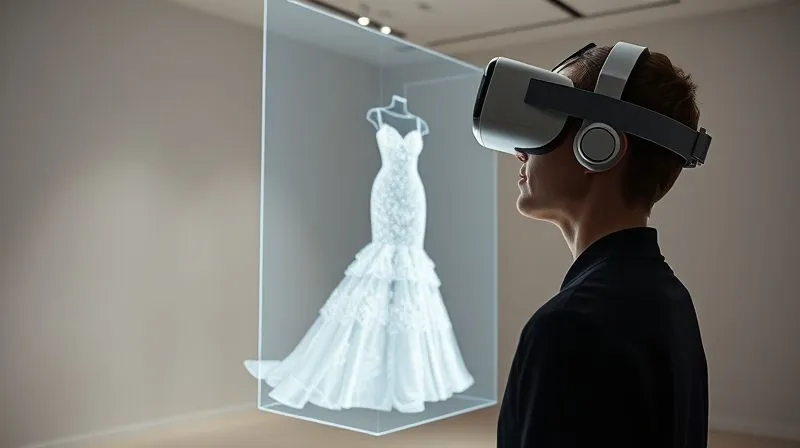
- High-Fidelity Virtual Exhibitions: Create stunning 3D virtual galleries where haute couture pieces can be displayed with interactive elements, allowing viewers to zoom in on details, rotate garments, and access rich contextual information.
- Augmented Reality (AR) Experiences: Develop AR apps that allow users to 'try on' digital couture pieces or place them virtually in their own environments, blurring the lines between digital art and fashion.
- Documentary Storytelling: Produce high-quality short films or documentaries that delve into the artistic process, the inspiration, and the skilled craftsmanship behind couture pieces, making them accessible online.
- Online Scholarly Journals: Launch or support online journals that publish peer-reviewed articles on haute couture as art, fostering a global academic community.
These digital initiatives not only expand reach but also demonstrate a forward-thinking approach that aligns with contemporary art practices. They offer new avenues for curators to explore and for the public to engage with haute couture as an art form, transcending geographical and institutional boundaries. This proactive engagement with technology is a modern answer to how to get haute couture recognized as fine art by major galleries, particularly those with a focus on contemporary and new media art.
Frequently Asked Questions (FAQ)
Question? Is 'wearability' a barrier to haute couture being considered fine art?
Answer: Not necessarily. While haute couture is designed for the human form, many pieces are created with such conceptual complexity or extreme craftsmanship that their primary function shifts from mere wearability to artistic expression. Think of performance art or sculptural installations that are meant to be 'experienced' rather than 'used.' The key is to emphasize the artistic intent and the conceptual framework over its practical application. Many fine art objects, from intricate jewelry to ceremonial garments, are also 'wearable' but recognized for their artistic merit.
Question? How important is the designer's personal 'artistic statement' in this recognition process?
Answer: Extremely important. Just as an artist's statement provides insight into their creative process and philosophical underpinnings, a designer's articulation of their artistic vision for a haute couture collection or individual piece is crucial. It helps curators and critics understand the conceptual depth, inspirations, and technical innovations, elevating the work beyond mere craft to a deliberate artistic endeavor. It's about demonstrating conscious artistic intent.
Question? Do economic factors, like price or exclusivity, play a role in art gallery acceptance?
Answer: While the financial value of a piece is often a secondary consideration for art galleries (their primary focus is artistic merit and cultural significance), the high value and exclusivity of haute couture can sometimes inadvertently reinforce its perceived 'luxury' status over 'art' status. The challenge is to reframe this exclusivity not as a consumer good, but as a reflection of unparalleled craftsmanship, unique artistic vision, and rarity – qualities also highly valued in the fine art market. The focus should always remain on the artistic and intellectual value, not just the monetary.
Question? What's the difference between a fashion exhibition and a fine art exhibition of haute couture?
Answer: The distinction lies primarily in the curatorial approach and the narrative. A fashion exhibition might focus on a designer's career, stylistic evolution, or the trends of a period. A fine art exhibition of haute couture, however, would prioritize the garments as individual artworks, exploring their conceptual depth, material innovation, and dialogue with broader art historical or cultural themes. It would employ art historical methodologies in its analysis and presentation, often drawing parallels to other recognized art forms and engaging with art theory.
Question? Should haute couture pieces be conserved differently if they are to be considered fine art?
Answer: Absolutely. If haute couture is to be recognized as fine art, its conservation must align with museum-quality standards for delicate artifacts. This involves meticulous environmental control (temperature, humidity, light), specialized storage solutions, and professional textile conservators who understand both the fragility of the materials and the artistic integrity of the original design. Treating a piece with the highest level of conservation demonstrates its inherent value and commitment to its long-term preservation as an artistic object.
Key Takeaways and Final Thoughts
- Redefine the Narrative: Position haute couture as conceptual art, emphasizing artistic intent and intellectual depth.
- Forge Strategic Collaborations: Partner with art institutions and artists to bridge disciplines and gain credibility.
- Master Documentation: Implement rigorous archival practices, treating each piece as a unique artwork with full provenance.
- Engage Gatekeepers: Cultivate genuine relationships with influential curators, critics, and collectors.
- Innovate Exhibition Design: Create immersive, art-focused displays that transcend traditional fashion presentations.
- Integrate Academically: Foster scholarly research and discourse within art history and cultural studies.
- Leverage Digital Platforms: Utilize virtual galleries and AR to expand reach and engage new audiences.
The journey to get haute couture recognized as fine art by major galleries is not a sprint, but a sustained, strategic endeavor. It requires a profound commitment to artistic excellence, intellectual rigor, and a willingness to challenge established perceptions. As an industry veteran, I've witnessed the transformative power of a well-articulated vision. By meticulously applying these strategies, you can not only elevate haute couture to its rightful place alongside other revered art forms but also enrich the cultural landscape for generations to come. The artistry is undeniable; it's now about making its voice heard in the grand galleries of the world.
Recommended Reading
- Haute Couture: Is Exclusive Design Investment a Smart Move?
- 7 Pro Tips: How to Pack Professional Fashion Accessories Without Damage
- 7 Signs: How to Spot Real Hand-Stitched Quality in Luxury Bespoke Garments?
- Unlock Your Radiance: Discovering Your Unique Personalized Beauty Needs
- 7 Proven Strategies to Differentiate Your Bridal Brand in a Saturated Market


Your email address will not be published. Required fields are marked *