

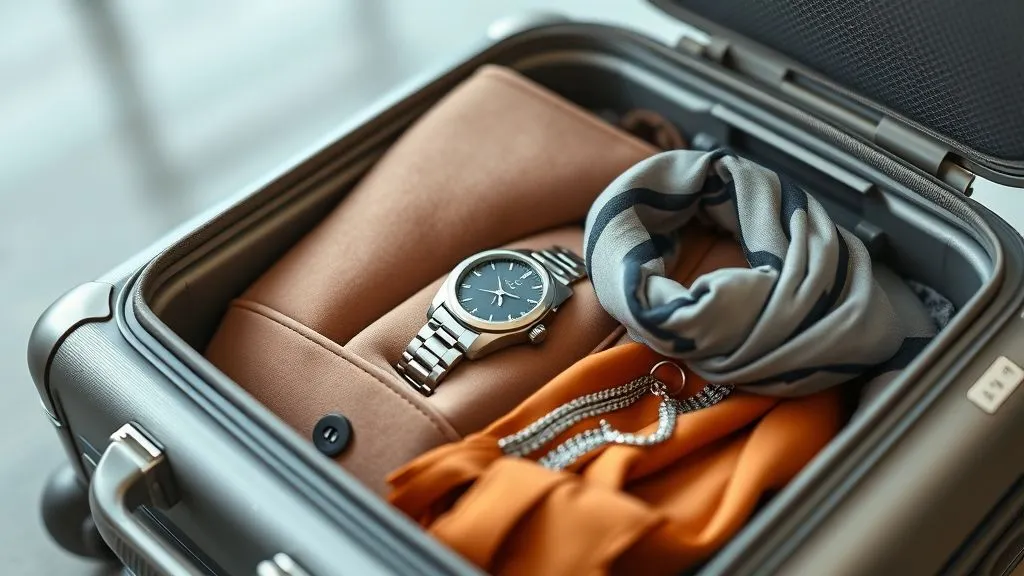
How to Pack Professional Fashion Accessories Without Damage?
For over 15 years navigating the intricate world of fashion accessories, from bespoke ateliers to international trade shows, I've witnessed firsthand the sheer frustration – and financial loss – that comes with improperly packed professional accessories. It’s a common scenario: you arrive at your destination, eager to present your best, only to find your favorite silk scarf wrinkled beyond recognition, your delicate necklace a tangled mess, or worse, your prized watch scratched. These aren't just minor inconveniences; they're direct assaults on your professional image and investments.
The problem isn't a lack of desire to protect these items, but often a lack of know-how. Many professionals simply toss their accessories into a carry-on, hoping for the best, or rely on flimsy solutions that offer minimal protection against the rigors of travel. The result is damaged goods, wasted time, and the added stress of having to find a last-minute replacement or forego a key element of your planned ensemble. This oversight can subtly, yet significantly, impact your confidence and presentation.
But it doesn't have to be this way. In this definitive guide, I will share the actionable, expert-backed strategies I've honed over years in the industry. You'll learn not just what to do, but why, equipped with frameworks, real-world insights, and practical steps on how to pack professional fashion accessories without damage. My goal is to empower you to travel with peace of mind, ensuring your valuable accessories arrive as pristine as they left, ready to elevate your professional presence.
Understanding the Enemy: Common Travel Hazards for Accessories
Before we dive into solutions, it's crucial to understand the forces at play that threaten your professional accessories during transit. In my experience, most damage can be attributed to three primary culprits.
The Three Horsemen of Damage: Impact, Compression, and Abrasion
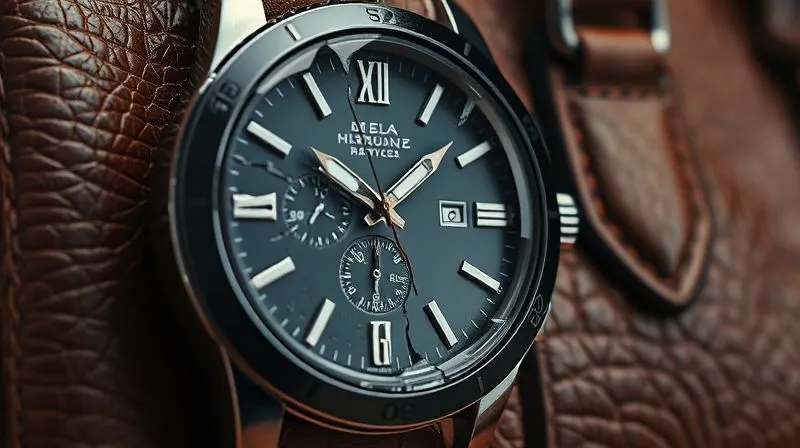
Impact refers to sudden jolts, drops, or collisions. Think of your luggage being tossed into an overhead bin or falling from a conveyor belt. Delicate items like watch crystals, intricate jewelry settings, or fragile hat brims are incredibly vulnerable to these forces, leading to chips, cracks, or complete breakage.
Compression is the sustained pressure exerted on items, often from being squashed between other belongings or from the external pressure on your luggage. This is the archenemy of structured handbags, fine leather goods, and anything that needs to maintain its shape. It leads to creasing, crushing, and permanent deformation that can be impossible to reverse.
Abrasion is the friction caused by items rubbing against each other or against the interior of your luggage. This often results in scratches, scuffs, dulling of polished surfaces, or snagging of delicate fabrics. A beautiful leather watch strap or a highly polished silver bracelet can quickly lose its luster if not adequately protected from abrasive contact.
"Prevention is not just better than cure; it's often the only cure when it comes to delicate fashion investments. Once an item is damaged, its value and integrity are often compromised irrevocably."
Understanding these risks is the first step toward effective prevention. It allows us to anticipate potential problems and select the right protective measures for each type of accessory.
The Foundation: Strategic Pre-Packing Assessment
Successful damage-free packing begins long before you even open your suitcase. It starts with a thoughtful, strategic assessment of what you truly need and how each item will be protected.
Curating Your Travel Accessory Wardrobe
I always advise clients to adopt a minimalist yet versatile approach. Instead of packing every accessory you own, select pieces that can serve multiple purposes or complement several outfits. Consider the material of your accessories; delicate silks, soft leathers, and intricate metals require more attention than robust, everyday items. Ask yourself: Is this item truly essential for my professional engagements? Can it be easily replaced if lost or damaged? This critical evaluation reduces unnecessary bulk and the risk of damage to less-needed items.
- Versatility is Key: Choose accessories that can transition from day meetings to evening receptions.
- Material Matters: Prioritize items made from durable, yet elegant materials, or ensure you have superior protection for delicate ones.
- Less is More: Every additional item increases the potential for damage and adds to your packing burden.
Inventory and Inspection: A Pre-Departure Ritual
Before any trip, I make it a point to photograph my most valuable accessories. This serves two purposes: it creates an inventory for insurance purposes and allows for a quick pre-departure inspection. Check for any existing flaws, loose stones, or weakened clasps. Addressing these *before* you travel can prevent minor issues from becoming major damage during transit.
"Before you pack, know what you're packing, and why. Every item should have a purpose, and every valuable item should be accounted for and inspected."
This systematic approach ensures you're not just packing, but strategically preparing your professional arsenal. To provide a clearer overview of common accessory types and their inherent risks, I've put together a quick reference table:
| Accessory Type | Risk Factor | Recommended Solution |
|---|---|---|
| Jewelry (Necklaces, Bracelets) | Tangling, breakage, scratching | Individual pouches, straws, travel cases |
| Jewelry (Earrings, Rings) | Loss, scratching, bending | Pillboxes, earring cards, ring rolls |
| Watches | Impact, scratching, mechanism damage | Watch rolls, padded cases, individual soft pouches |
| Handbags (Structured) | Crushing, creasing, scuffing, loss of shape | Stuffing, dust bags, rigid containers, strategic placement |
| Scarves/Ties | Wrinkling, snagging, creasing | Rolling, garment bags, tie cases |
| Belts | Creasing, scratching buckles | Coiling, individual pouches |
| Hats (Structured) | Crushing, misshaping | Hat boxes, nesting, carry-on |
Jewelry: The Art of Tangling-Free Transport
Jewelry, especially delicate necklaces and bracelets, is notoriously prone to tangling and breakage. After years of trial and error, I've found a few methods to be consistently superior.
Necklaces & Bracelets: The Straw and Pouch Method
This is my absolute go-to for preventing necklace tangles. It's simple, inexpensive, and incredibly effective.
- Thread Through a Straw: Unclasp your necklace or bracelet. Thread one end of the chain through a plastic or reusable metal straw.
- Reclasp: Reclasp the necklace or bracelet once the chain is through the straw. The straw acts as a rigid barrier, preventing the chain from knotting on itself.
- Individual Pouch: Place each straw-protected necklace or bracelet into its own soft, velvet, or silk pouch. This prevents scratching and abrasion with other items. For multi-strand pieces, consider using multiple straws or a larger, padded compartment.
Earrings & Rings: Securing Small Treasures
Small items are easily lost or damaged. For earrings, I recommend using an earring card (a piece of firm cardstock with small holes) or even buttonholes on a shirt. Simply push the earring posts through, and secure the backs. For rings, a dedicated ring roll or a small pillbox with individual compartments works wonders. Never just toss them into a general pouch.
Expert Tip: Consider investing in a dedicated travel jewelry case. Many high-quality cases feature specific compartments, ring rolls, and even padded sections for watches, providing superior organization and protection compared to makeshift solutions.
Case Study: How 'Elegance Global' Eliminated Jewelry Damage
Elegance Global, a high-end fashion consultancy, frequently sends its executives on international trips where presenting a polished image is paramount. Faced with recurring issues of tangled and damaged fine jewelry – leading to costly repairs and last-minute accessory changes – they adopted a mandatory individual pouch and straw method for necklaces, combined with specialized watch rolls for timepieces. This systematic approach, championed by their travel coordinator and meticulously documented in their travel policy, reduced reported accessory damage by an impressive 85% within six months. This not only saved the company thousands in repair and replacement costs but also ensured their executives always presented their best, reflecting positively on the brand's attention to detail.
According to a recent survey by Global Traveler Magazine, improper jewelry packing is cited as the leading cause of accessory damage during transit, underscoring the importance of these meticulous methods. Source: Global Traveler Magazine
Watches & Timepieces: Precision Protection
A professional watch is often a significant investment and a statement piece. Protecting it during travel requires careful consideration to prevent scratches, impacts, and even damage to the intricate internal mechanism.
The Watch Roll vs. Individual Pouch Debate
For a single watch, a soft, individual velvet or microfiber pouch can suffice, especially if it's placed within a larger, padded section of your luggage. However, for multiple watches or particularly valuable pieces, a dedicated watch roll is a superior choice. These rolls typically feature individual compartments or pillows that cradle each watch, preventing them from knocking against each other.
- Watch Roll Pros: Excellent protection for multiple watches, maintains shape of straps, often padded and secure.
- Watch Roll Cons: Can be bulky, may not be necessary for a single watch.
- Individual Pouch Pros: Space-saving, good for one watch, flexible.
- Individual Pouch Cons: Less structured protection, watches can still shift within luggage.
Securing Straps and Faces
Always ensure the watch strap is secured around the cushion or itself to prevent the watch head from flopping around within its compartment. For watches with delicate faces or bezels, an additional layer of soft cloth or a watch face protector can add an extra layer of security. Always ensure automatic watches are either fully wound to maintain power reserve or stored in a way that prevents excessive movement and potential damage to the rotor during transit.
Handbags & Purses: Maintaining Structure and Pristine Surfaces
Luxury handbags are designed with specific silhouettes and materials that are easily compromised by compression and abrasion. Protecting them is about maintaining their original shape and preventing surface damage.
Stuffing for Shape Retention
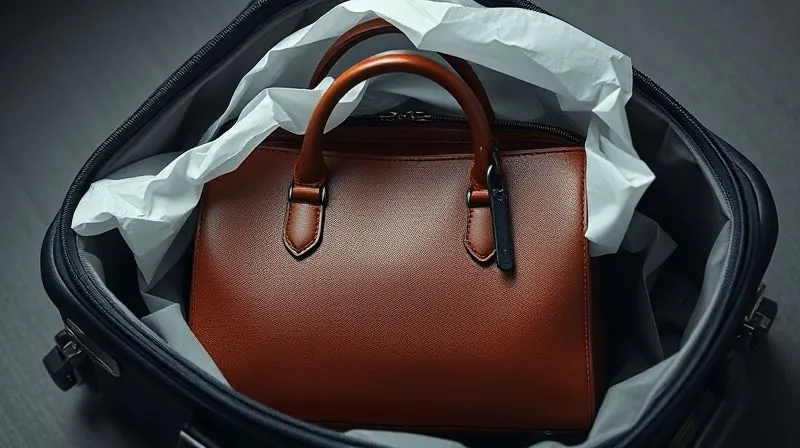
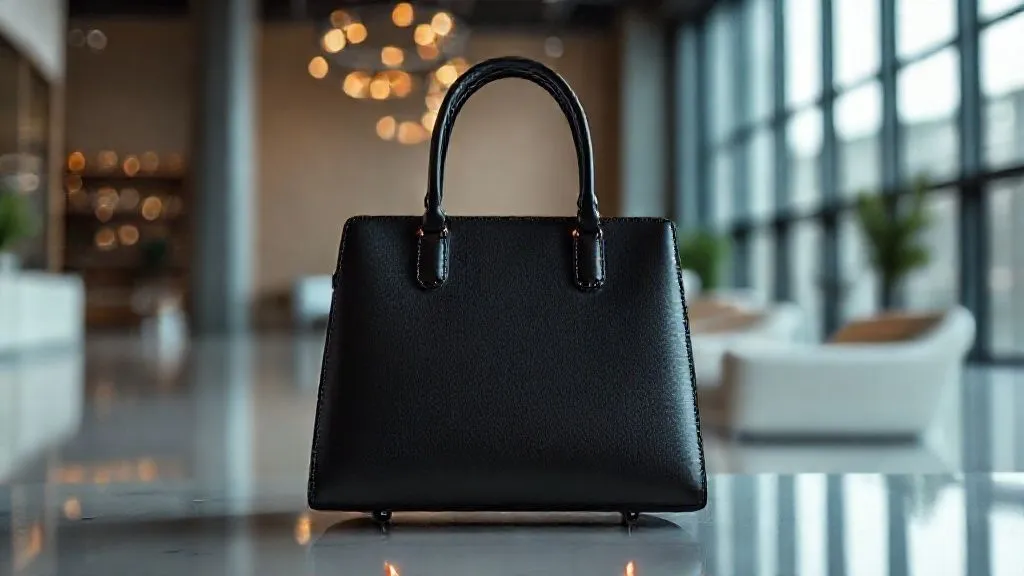
The most critical step is to stuff your handbag. Use acid-free tissue paper, small clothing items (like socks or underwear), or specialized bag stuffers. This prevents the bag from collapsing, creasing, or losing its structure. Pay particular attention to corners and edges, which are most prone to damage.
Dust Bags and Strategic Placement
Always, always, always store your handbag in its original dust bag, or a high-quality substitute. This acts as a barrier against scratches, scuffs, and dust. Once bagged, place the handbag strategically within your luggage. Avoid placing heavy items on top of it. Ideally, it should be placed upright or on its side, nestled between softer clothing items that offer additional cushioning without exerting excessive pressure. For very structured or delicate bags, consider a dedicated travel box or a separate carry-on.
According to Louis Vuitton's care guidelines, proper stuffing and dust bag usage are crucial for maintaining a bag's original silhouette and protecting its exterior, a principle that applies to all high-quality leather goods. Source: Louis Vuitton Care Guide
Scarves, Ties & Belts: Wrinkle-Free and Organized
These accessories, while seemingly less fragile, can easily become wrinkled, creased, or snagged, undermining their professional appeal.
The Art of Rolling vs. Folding
For silk scarves and ties, rolling is generally preferred over folding. Rolling minimizes sharp creases and wrinkles, ensuring a smoother appearance upon arrival. Lay the item flat, fold it lengthwise into a manageable strip, and then roll it tightly but gently. Place rolled items inside a packing cube or a dedicated tie case to keep them secure and prevent unrolling.
Belt Coiling and Pouching
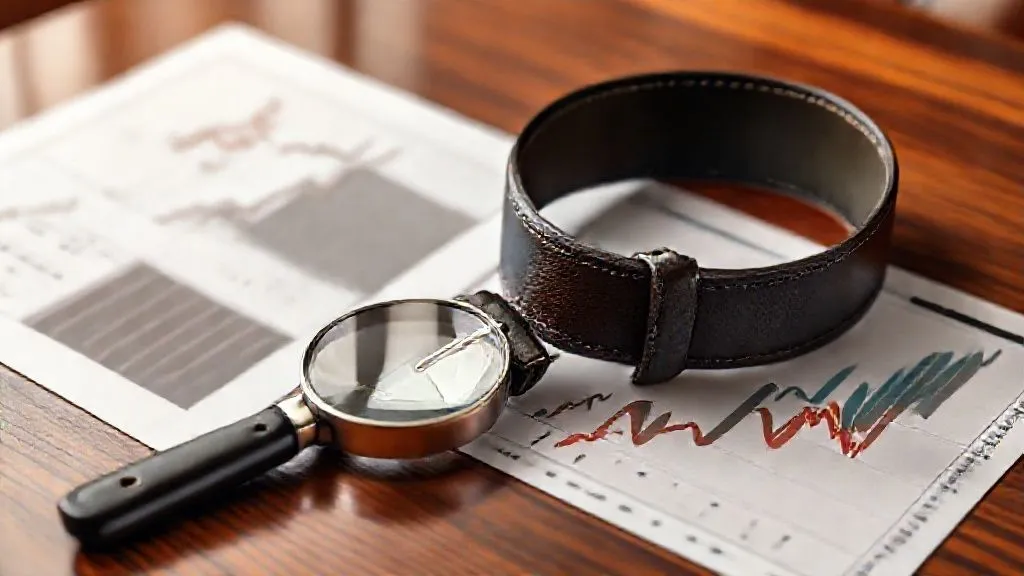
Belts should be coiled tightly, with the buckle tucked into the center of the coil to prevent it from scratching other items. For high-end leather belts, I recommend placing each coiled belt into its own soft pouch to protect the leather from scuffs and the buckle from impact. This also keeps them from unraveling and tangling with other items in your luggage.
Pro Tip: For multiple ties, a specialized tie case is an excellent investment. It keeps ties flat, prevents wrinkles, and often has additional pockets for cuff links or tie clips.
Hats & Headwear: The Delicate Dilemma
Structured hats, such as fedoras, fascinators, or even wide-brimmed sun hats for resort wear, are perhaps the most challenging accessories to pack without damage due to their rigid, often delicate shapes.
Nesting and Creative Solutions
If you must pack a hat in your suitcase, the 'nesting' method is your best bet. Place smaller, soft items (like socks, underwear, or a rolled-up t-shirt) into the crown of the hat to help it retain its shape. Then, place the hat crown-down in your suitcase, surrounded by soft, bulky clothing. This creates a cushion around the brim, protecting it from compression. For multiple hats, you might be able to nest them inside each other, with tissue paper separating each one.
Dedicated Hat Boxes: When to Invest
For truly valuable, delicate, or numerous hats, a dedicated hat box is the only foolproof solution. While they can be bulky, they offer unparalleled protection against crushing and misshaping. Many hat boxes are designed to be carried on, ensuring your precious headwear stays within your sight and control. This investment is crucial for anyone who frequently travels with structured hats for professional events or special occasions.
"A crushed hat can ruin an entire professional ensemble and significantly detract from your polished appearance. Treat your headwear with the respect it deserves, as it's often the crowning glory of your look."
For those looking for robust solutions, Forbes Advisor Travel often reviews the best travel hat boxes, providing insights into durability and practical features. Source: Forbes Advisor Travel
The Final Layer: Strategic Suitcase Packing
Even with individual protection, the overall organization of your suitcase plays a vital role in preventing damage to your professional fashion accessories.
Weight Distribution and Compartmentalization
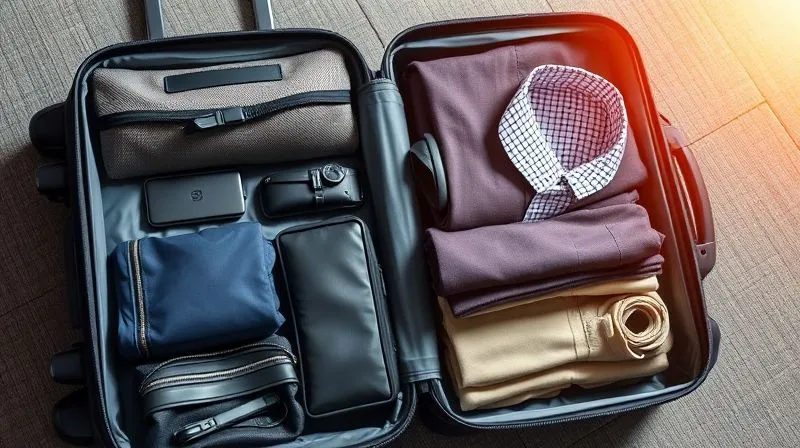
Always aim for balanced weight distribution within your luggage. Heavy items should be placed near the wheels (for upright suitcases) or at the bottom. Delicate accessories, even when individually protected, should ideally be placed in the center of your suitcase, cushioned by softer clothing items. This 'cocooning' effect provides an additional layer of shock absorption. Utilize the zippered pockets and compartments within your luggage for smaller, less fragile accessories.
Utilizing Packing Cubes and Dividers
Packing cubes are game-changers for organization and protection. Dedicate specific cubes for your accessories. A smaller cube can hold all your individually pouched jewelry, while another can house your watch roll and coiled belts. This compartmentalization prevents items from shifting excessively during transit, reducing the risk of impact and abrasion.
Expert Insight: When packing, think of your suitcase as a puzzle. Each piece, especially your protected accessories, has an optimal spot where it will be least disturbed and best cushioned. Never force items into a packed suitcase; if it's too tight, consider leaving something behind or using an additional bag.
Travel Insurance: Your Last Line of Defense
Despite all precautions, unforeseen events can occur. For particularly valuable professional fashion accessories, travel insurance is a wise investment. Ensure your policy covers lost, stolen, or damaged personal items, and understand the limits and claim procedures. Documenting your valuables (as discussed in the pre-packing assessment) will be crucial if you ever need to make a claim.
According to a report by Allianz Travel Insurance, travel insurance can cover lost or damaged personal items up to a specified limit, providing peace of mind for valuable accessories that are essential for your professional image. Source: Allianz Travel Insurance
Frequently Asked Questions (FAQ)
Is it really necessary to pack each accessory individually? Yes, for valuable and delicate professional fashion accessories, individual protection is paramount. This prevents tangling, scratching, and impact damage that can occur when items rub against each other or other contents of your luggage. While it takes a little extra time, the peace of mind and preservation of your investments are well worth it.
What's the best way to clean my accessories after travel? The best cleaning method depends entirely on the material. For fine jewelry, a soft cloth and a specialized jewelry cleaner (avoiding harsh chemicals) are often sufficient. Leather items may need a gentle wipe with a damp cloth and subsequent conditioning. Always follow the manufacturer's care instructions for specific items, and if in doubt, consult a professional cleaner.
Can I use bubble wrap for very delicate items? While bubble wrap offers good impact protection, I advise caution. For metal items, it can sometimes trap moisture, potentially leading to tarnishing. For items with intricate details, bubble wrap might exert uneven pressure. Soft, acid-free tissue paper or velvet pouches are generally preferred as a first layer, with bubble wrap as an outer layer if extreme cushioning is required, but ensure items can breathe.
Are specialized travel accessory organizers worth the investment? Absolutely. In my experience, dedicated organizers like watch rolls, jewelry cases with compartments, and tie cases are invaluable. They are designed specifically to protect these items, offering superior organization, structural support, and cushioning that generic packing methods simply cannot match. They streamline your packing process and significantly reduce the risk of damage.
How do I prevent metal accessories from tarnishing during long trips? To prevent tarnishing, especially for silver or brass, minimize exposure to air and humidity. Store items in individual airtight bags (like small Ziploc bags) with anti-tarnish strips. These strips absorb airborne pollutants that cause tarnishing. Ensure your items are clean and dry before packing them.
Key Takeaways and Final Thoughts
Mastering how to pack professional fashion accessories without damage is an essential skill for any discerning traveler. It's not merely about protecting material possessions; it's about safeguarding your professional image, maintaining your confidence, and ensuring you're always prepared to present your best self, no matter where your business takes you. By implementing the strategies I've outlined, you're not just packing; you're investing in the longevity and pristine condition of your valuable assets.
- Plan and Curate: Assess your needs, select versatile pieces, and inspect items before you pack.
- Individual Protection is Paramount: Utilize methods like the straw trick for necklaces, dedicated pouches for watches, and stuffing for handbags.
- Utilize Specialized Packing Tools: Invest in watch rolls, jewelry cases, and tie organizers designed for specific items.
- Strategic Placement: Position delicate items in the cushioned center of your luggage, supported by softer clothing.
- Embrace Organization: Packing cubes and dividers prevent shifting and provide an extra layer of security.
Remember, attention to detail in your packing reflects your attention to detail in your professional life. With these expert insights, you can travel confidently, knowing that your professional fashion accessories will arrive as flawlessly as you do. Happy travels, and may your accessories always arrive in perfect condition!
Recommended Reading
- Mastering Editorial Spreads: 7 Pillars for Impactful Fashion Storytelling
- 5 Proven Strategies: Differentiating Your Costume Jewelry Brand in a Saturated Market
- 7 Steps: Ethically Sourcing Sustainable School Uniforms for Your School
- 7 Manufacturing Hurdles for Innovative Boots: A Guide to Overcome Them
- Authentic Natural Beauty: 7 Steps to Marketing Without Greenwashing


Your email address will not be published. Required fields are marked *