

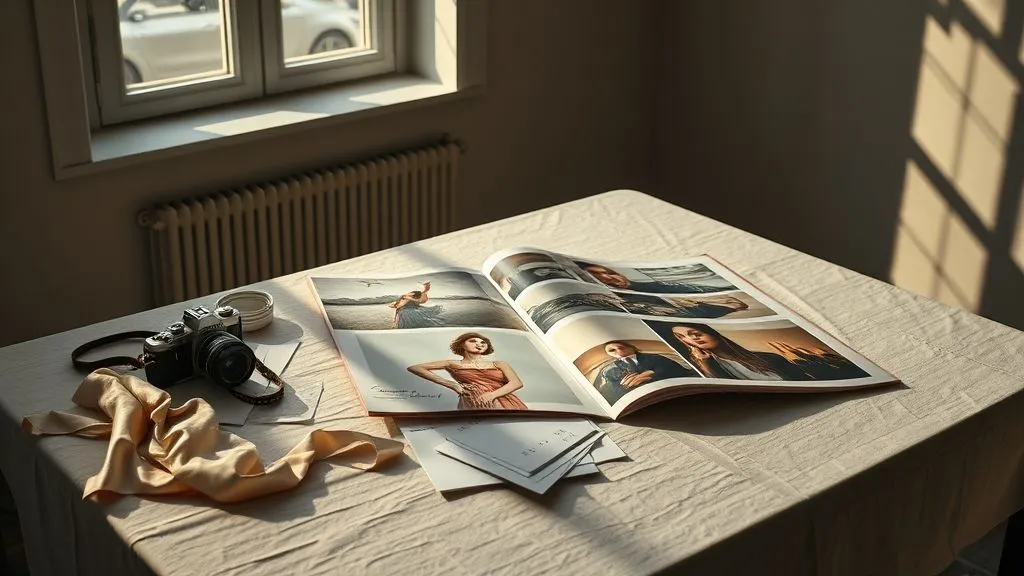
Crafting Compelling Editorial Spreads: My Journey and Your Blueprint
For over two decades in the dynamic world of fashion photography, I've had the privilege of witnessing extraordinary talent emerge and evolve. Yet, I've also observed a common hurdle for many aspiring and even seasoned photographers: the leap from capturing stunning individual shots to constructing truly cohesive and impactful editorial spreads.
It's a familiar pain point. You might have an incredible eye for detail, a knack for lighting, or a unique way of directing models, but when it comes to weaving those individual frames into a compelling visual narrative that spans multiple pages, the process can feel daunting, even overwhelming.
Through this guide, I want to share my accumulated wisdom and practical frameworks. You'll gain not just theoretical knowledge, but actionable strategies, real-world case studies, and expert insights that will empower you to conceptualize, execute, and deliver editorial spreads that don't just fill pages, but tell unforgettable stories.
1. The Genesis: Unearthing Your Editorial Concept
Every truly memorable editorial spread begins with a powerful concept. This isn't just a theme; it's the underlying narrative, the emotional core, and the visual direction that will unify every single element of your shoot.
In my experience, the strongest concepts often emerge from a blend of current trends, timeless inspirations, and a touch of personal vision. It's about finding that spark that ignites your creativity and offers a fresh perspective.
From Brief to Vision Board: Sculpting Your Narrative
Whether you're working with a client brief or developing a personal project, the first step is always deep exploration. Ask yourself: What story do I want to tell? What emotions do I want to evoke? Who is the target audience?
Once you have a nascent idea, it's time to build a robust vision board. This isn't just a collection of pretty pictures; it's a strategic tool that visually articulates your concept.
- Mood & Atmosphere: Include colors, textures, lighting styles, and overall feelings.
- Styling References: Detail wardrobe, hair, makeup, and prop inspirations.
- Posing & Direction: Show examples of desired model expressions and body language.
- Location & Set Design: Visual cues for the environment your story unfolds in.
- Narrative Arc: Consider how the story progresses across pages.
"A concept isn't just an idea; it's the invisible thread that connects every image in your editorial spread, giving it purpose and profound meaning. Without it, you're just shooting pretty pictures; with it, you're crafting a legacy."
This meticulous preparation ensures that everyone involved in the project, from stylists to models, understands and aligns with your overarching vision. It becomes the north star for your entire production.

2. Assembling Your Dream Team: Collaboration is Key
No truly impactful editorial spread is the work of a single individual. It's a symphony of talent, a collaborative effort where each member brings their unique expertise to the fore. Building the right team is paramount to translating your concept into reality.
I've learned that chemistry and mutual respect are just as important as individual skill. A team that communicates openly and shares a common vision will always outperform a collection of disconnected talents.
Roles and Responsibilities: The Pillars of Production
Understanding who does what, and when, is crucial for a smooth production. Each role is a vital cog in the machine, contributing to the overall success of your editorial spreads.
- Stylist: Curates clothing, accessories, and props that align with the concept.
- Hair & Makeup Artist (HMUA): Transforms models to fit the desired aesthetic.
- Model(s): The canvas for your narrative, bringing emotion and movement.
- Art Director/Creative Director: Often the visionary leader, ensuring the concept's integrity.
- Photo Assistant: Supports the photographer with lighting, gear, and logistics.
- Digital Tech: Manages image capture, backup, and on-set color accuracy.
When selecting your team, look beyond just portfolios. Seek out individuals who are passionate about the concept, reliable, and excellent communicators. A strong team can elevate even a simple idea into something extraordinary. For further insights on effective creative collaboration, I often refer to resources like Harvard Business Review's articles on teamwork, which emphasize shared purpose and trust.
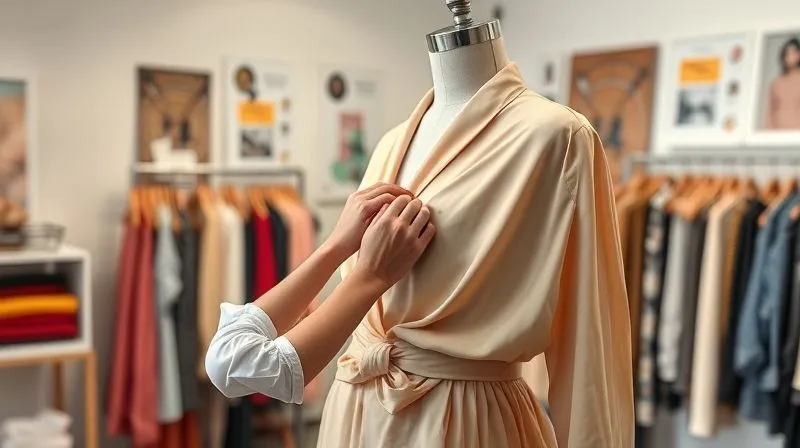
3. Styling the Narrative: Beyond Just Clothes
Styling for an editorial spread is far more nuanced than simply picking out fashionable garments. It's about using clothing, props, and location to deepen the narrative, enhance the mood, and create visual interest that guides the viewer's eye across the pages.
In my early days, I often saw photographers underestimate the power of styling, treating it as an afterthought. It's a mistake I quickly learned to rectify, recognizing its critical role in telling a complete story.
Wardrobe, Props, and Location Synergy: Crafting the Scene
Every item chosen, every backdrop selected, contributes to the overall story. There should be a deliberate connection between the model's attire, the props they interact with, and the environment they inhabit.
Consider the interplay of these elements:
- Wardrobe as Character: Does the clothing reflect the model's persona or the narrative arc? Is it aspirational, edgy, classic, or rebellious?
- Props as Storytellers: Are props integrated naturally? Do they add context, emotion, or a sense of place? Avoid props that feel arbitrary or distracting.
- Location as Setting: Does the location enhance or contrast with the styling? A derelict building can amplify the drama of a high-fashion gown, for instance.
- Color Palette Cohesion: Ensure the colors across wardrobe, props, and setting work harmoniously, or deliberately create tension where desired.
- Texture and Material Play: Introduce varied textures (silk, leather, wool, concrete) to add visual richness and tactile appeal to your images.
A successful stylist is not just a shopper; they are a visual architect, building layers of meaning into each frame. Their contribution is indispensable to the depth and impact of your editorial spreads.
4. The Shoot Day: Orchestrating Visual Harmony
The shoot day itself is where all the meticulous planning comes to fruition. It's a high-energy environment that demands clear communication, decisive direction, and the ability to adapt on the fly. As the photographer, you are the conductor of this orchestra.
I've learned that a calm, confident demeanor, even when things go awry (and they sometimes do!), is crucial. Your energy sets the tone for the entire team.
Directing Models and Managing Light: Capturing the Moment
Your role extends beyond just pressing the shutter. You're responsible for guiding the model's performance, shaping the light, and ensuring every shot contributes to the editorial's narrative.
Model Direction:
- Communicate the Concept: Remind the model of the story and emotion you're aiming for.
- Provide Clear Guidance: Use specific, actionable instructions rather than vague terms.
- Encourage Collaboration: Allow the model to offer input; their unique movement can be gold.
- Show, Don't Just Tell: Demonstrate poses or expressions if needed.
- Maintain Energy: Keep the atmosphere positive and inspiring throughout the day.
Light Management:
- Pre-visualize: Know the lighting you want before you even set up.
- Adapt to Conditions: Be ready to adjust to changing natural light or technical issues with artificial lights.
- Shape and Sculpt: Use light to highlight textures, define contours, and create mood.
- Consistency: Aim for a consistent lighting style across shots within the spread, unless a deliberate change is part of the narrative.
"The magic of a shoot day isn't just in the perfect exposure; it's in the intangible connection you forge with your team and the model, coaxing out the very essence of your story through light and expression."
Case Study: How 'Chic Magazine' Elevated Its Spreads
Chic Magazine, a prominent fashion publication, was struggling with editorial spreads that felt disjointed and lacked a strong narrative. Their shoots often resulted in beautiful individual images, but they didn't coalesce into a compelling story across pages. By implementing a more rigorous pre-production planning phase, focusing on concept development, and empowering their photographers to act as true creative directors on set, they saw a dramatic transformation.
They introduced detailed shot lists linked directly to the editorial concept, ensuring every frame served a purpose. Photographers were encouraged to direct models with the spread's flow in mind, not just individual poses. This resulted in a 40% increase in reader engagement and a significant boost in positive feedback regarding the narrative quality of their fashion features.
A well-prepared shoot day, guided by a strong concept, minimizes costly reshoots and maximizes creative output. Here's a simplified checklist:
| Task | Status | Notes |
|---|---|---|
| Confirm Team Call Times | Completed | All confirmed via email/text |
| Charge All Batteries (Camera, Lighting) | Completed | Double-checked spares |
| Format Memory Cards | Completed | Clean cards ready |
| Pack Essential Gear (Lenses, Modifiers) | Completed | Checked against gear list |
| Review Mood Board/Shot List | Completed | Printed copies for team |
| Location Access Confirmed | Completed | Keys/permits obtained |
| Styling Racks/Steamer Ready | Completed | On-site setup planned |
5. Post-Production Mastery: Weaving the Story Together
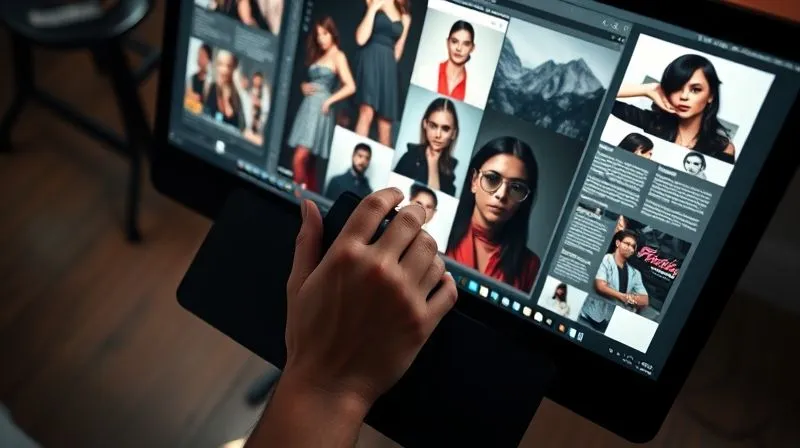
The shoot day might be over, but the story is far from complete. Post-production is where the individual frames are meticulously refined, curated, and sequenced to form the cohesive narrative of your editorial spreads. This phase requires a keen eye for detail, technical proficiency, and a deep understanding of visual storytelling.
I often tell my mentees that a great photograph can be made even better in post, but a bad photograph cannot be saved. The goal here is enhancement, not resuscitation.
Culling, Editing, and Retouching for Impact: The Final Polish
This stage involves several critical steps, each contributing to the final polished product:
- Culling: The first, and often most challenging, step is selecting the strongest images. Look for shots that align with your concept, demonstrate strong composition, and evoke the desired emotion. Don't be afraid to be ruthless; fewer, stronger images are always better.
- Basic Adjustments: This includes correcting exposure, white balance, contrast, and color grading to establish a consistent look and feel across all selected images. This consistency is vital for editorial cohesion.
- Retouching: Focus on enhancing the model and clothing without over-processing. Remove distractions, smooth skin naturally, and ensure garments look pristine. The goal is perfection, not artificiality.
- Cropping & Straightening: Refine composition to guide the viewer's eye and ensure all elements are balanced.
- Color Harmony: Ensure the color palette chosen during concept development is beautifully rendered and consistent throughout the spread.
Effective post-production is an art form itself. It requires not just technical skill in software like Adobe Photoshop or Capture One, but also an artistic sensibility to know when to stop. The goal is to elevate the image, not to strip it of its authenticity. Learn more about advanced retouching techniques for fashion photography through industry-leading tutorials and resources like those found on PRO EDU.
6. Sequencing & Layout: The Art of the Page Turn
Once your images are polished, the next crucial step is arranging them into a compelling sequence that flows beautifully across the pages. This is where the narrative truly comes alive, guided by visual hierarchy, pacing, and emotional rhythm. It's about creating an experience for the reader, encouraging them to turn the page.
I've seen many stunning individual images lose their impact when poorly sequenced. The layout isn't just about placing photos; it's about choreographing a visual dance.
Flow, Pacing, and Visual Hierarchy: Guiding the Reader's Eye
Think of your editorial spread as a book, with each page turn revealing a new chapter or a deeper insight. The sequence should build anticipation, offer moments of reflection, and ultimately deliver a satisfying conclusion.
- Opening Impact: Your first spread (often a double-page spread) needs to grab attention instantly. It sets the tone and introduces the core theme.
- Varying Composition: Mix wide shots, close-ups, full-body images, and detail shots to maintain visual interest. Avoid monotony.
- Pacing: Introduce high-impact images followed by calmer, more reflective ones. Create a rhythm that feels natural and engaging.
- Visual Pathways: Use elements within your images (lines, gazes, colors) to subtly direct the viewer's eye from one page to the next.
- Whitespace: Don't underestimate the power of negative space. It allows images to breathe and prevents the spread from feeling cluttered.
- Story Arc: Ensure the sequence follows a logical or emotional progression, from introduction to climax to resolution.
"A truly great editorial spread doesn't just display images; it orchestrates a journey. Each page turn is a beat in the rhythm of your visual story, inviting the reader deeper into your world."
Collaborate closely with a graphic designer, if possible. Their expertise in typography, grid systems, and print considerations can elevate your visual story to new heights. Understanding how text and images interact is crucial for truly professional editorial spreads.
7. Pitching Your Vision: Getting Your Editorial Published
You've poured your heart and soul into creating an exceptional editorial spread. Now, the final, yet equally critical, step is getting it seen by the right people. Pitching your work to magazines, online platforms, or brands requires strategic thinking, professionalism, and a compelling presentation.
I've learned that a beautifully executed editorial is only half the battle; knowing how to articulate its value and unique appeal is the other half.
Crafting a Winning Proposal: Beyond Just Pretty Pictures
Your pitch isn't just a collection of your best images; it's a concise, persuasive argument for why your editorial deserves to be published. It demonstrates your understanding of the publication's aesthetic and audience.
- Research the Publication: Thoroughly understand their style, target demographic, and typical content. Tailor your pitch specifically to them.
- Craft a Compelling Subject Line: Make it clear, concise, and intriguing. Include the title of your editorial and your name.
- Write a Professional Introduction: Briefly introduce yourself and express your admiration for their work.
- Summarize Your Editorial Concept: In 2-3 sentences, articulate the core idea, theme, and unique selling proposition of your spread.
- Highlight Key Images (Low-Res): Attach a small selection (5-10) of your strongest, low-resolution images as a preview. Do not send high-res files initially.
- Mention Team & Credits: Briefly list the key creatives involved (stylist, HMUA, model agency).
- Call to Action: Clearly state what you are seeking (e.g., "I believe this editorial would be a perfect fit for your upcoming issue and would love to discuss it further.")
- Follow Up Professionally: If you don't hear back within a reasonable timeframe (e.g., 1-2 weeks), a polite follow-up email is acceptable.
Remember, rejection is a part of the process. Learn from it, refine your approach, and keep pitching. Persistence, combined with genuinely high-quality work, will eventually open doors. For more detailed advice on pitching creative work, resources like Forbes Agency Council offer valuable insights.
Frequently Asked Questions (FAQ)
How do I find the right team members for an editorial spread if I'm just starting out? Networking is key. Attend local fashion events, reach out to fashion schools for emerging stylists and HMUAs, and explore online platforms like Model Mayhem or Instagram. Start with test shoots to build rapport and chemistry before committing to a full editorial. Look for individuals who share your aesthetic and are eager to collaborate and build their portfolios.
What's the biggest mistake photographers make when creating editorial spreads? In my experience, the most common mistake is a lack of cohesive narrative. Many photographers focus on individual 'pretty pictures' rather than how those images collectively tell a story or evoke a unified mood across multiple pages. This leads to disjointed spreads that lack impact. A strong concept and meticulous planning are the antidotes.
How important is location scouting for an editorial? Location scouting is incredibly important, often overlooked. The right location can be a character in your story, setting the mood and providing context. It impacts lighting, logistics, and the overall aesthetic. Never rely solely on photos; always visit the location in person to assess light, access, and potential challenges before the shoot day.
Can I create an impactful editorial on a limited budget? Absolutely. Resourcefulness is a hallmark of great creatives. Focus on strong concepts that don't rely on expensive locations or elaborate sets. Utilize natural light, collaborate with emerging talents willing to work for portfolio-building, and be creative with styling (e.g., vintage finds, DIY props). A compelling story and strong execution always trump a massive budget.
How do I balance artistic vision with commercial viability in my editorial spreads? This is a dance every fashion photographer learns. Your artistic vision is your unique voice, but commercial viability ensures your work is publishable and resonates with a broader audience. The key is to infuse your unique style into concepts that are still relevant to current trends or brand aesthetics. Learn to translate your artistic ideas into a language that clients and editors understand and value.
Key Takeaways and Final Thoughts
Creating compelling editorial spreads is a multi-faceted art form, demanding not just photographic skill, but also strategic thinking, collaborative spirit, and a deep understanding of visual storytelling. It's a journey that transforms individual images into a powerful, cohesive narrative.
- Concept is King: Start with a strong, well-defined narrative that guides every decision.
- Teamwork Makes the Dream Work: Cultivate a talented, communicative, and aligned creative team.
- Styling Tells the Story: Use wardrobe, props, and location to deepen your narrative.
- Orchestrate the Shoot: Direct with clarity, manage light expertly, and maintain a positive atmosphere.
- Post-Production Refines: Meticulously cull, edit, and retouch to enhance, not alter, your vision.
- Layout Guides the Eye: Sequence images thoughtfully to create flow, pacing, and impact.
- Pitch Strategically: Present your work professionally and persistently to the right audiences.
Remember, every editorial spread is an opportunity to push boundaries, experiment, and leave your unique mark on the fashion world. Embrace the challenges, celebrate the collaborations, and never stop honing your craft. The industry awaits your next great story – go out there and tell it with confidence and conviction!
Recommended Reading
- 5 Proven Strategies: Preventing Dead Womenswear Inventory from Misjudged Trends
- 7 Ways Cultural Shifts Are Redefining Fashion Eyewear Design
- Why Advanced Skincare Fails? 5 Secrets to Unlock Lasting Radiance
- 7 Ways to Halt Antimicrobial Fabric Degradation Post-Wash Cycles
- Mastering Elegance: Your Ultimate Guide to a Thorough Luxury Fashion Review


Your email address will not be published. Required fields are marked *