

How to Prevent Dead Inventory from Misjudged Womenswear Trends?
For over 15 years in the dynamic world of womenswear, I've seen firsthand how exhilarating and equally perilous fashion trends can be. The thrill of spotting the next big thing, the rush of bringing it to market – it's what makes this industry so vibrant. Yet, I've also witnessed countless businesses, from budding boutiques to established brands, stumble and even fail under the weight of a silent killer: dead inventory.
The problem is insidious. It starts with a misjudgment, an overestimation of a trend's longevity or appeal. Perhaps it's the 'must-have' item that never quite took off, or the color palette that consumers simply weren't ready for. Whatever the cause, the result is the same: racks of unsold garments, capital tied up, storage costs mounting, and ultimately, a significant hit to profitability and brand reputation. It's a cycle that can be incredibly difficult to break, particularly when seasonal pressures demand constant newness.
But what if there was a way to navigate these treacherous waters with greater confidence? What if you could significantly reduce your exposure to misjudged trends and transform your inventory from a liability into a strategic asset? In this definitive guide, I'm going to share the actionable frameworks, expert insights, and proven strategies I've honed over years in the trenches. We'll delve into everything from advanced forecasting techniques to agile supply chain models, empowering you to make smarter buying decisions and ensure your womenswear inventory truly reflects what your customers want, when they want it.
Mastering Trend Forecasting: Beyond the Hype Cycle
In womenswear, trends are the lifeblood, but they can also be the poison if not handled with care. The biggest mistake I've observed is equating 'trend' with 'guaranteed sales'. True forecasting is far more nuanced than simply following what's on the runway or in popular magazines. It requires a deep dive into data, cultural shifts, and consumer psychology.
The Pitfalls of Reactive Buying
Many businesses fall into the trap of reactive buying. They see a trend explode, panic, and then rush to produce or procure large quantities, often missing the peak or overestimating its market penetration. This leads to a glut of merchandise that quickly becomes obsolete. Instead, we need to cultivate a proactive, data-driven approach.
Here are my actionable steps for cultivating a proactive forecasting strategy:
- Integrate Multiple Data Streams: Don't rely on a single source. Combine social media analytics, search trend data (Google Trends), retail sales data, fashion week reports, and even macroeconomic indicators. Look for convergence points across these diverse data sets.
- Understand the Trend Lifecycle: Every trend has a birth, adoption, peak, and decline. Your goal is to identify trends early enough to capitalize on their growth phase, but not so early that you're producing for a non-existent market. Tools like WGSN or similar trend forecasting services can be invaluable here.
- Segment Your Customer Base: Not all trends appeal to all demographics. Understand which trends resonate with your core customer segments. A bohemian trend might fly with one group, while a minimalist aesthetic appeals to another. Tailor your forecasts accordingly.
- Pilot and Test: Before committing to large production runs, consider small-batch pilot programs or A/B testing with your audience. This could involve limited edition drops or gauging interest through online polls.
- Monitor Micro-Trends: While macro-trends provide direction, micro-trends can offer specific product opportunities. These are often niche but can indicate emerging shifts that will eventually become broader trends.
"The future of fashion isn't about predicting specific hemlines; it's about understanding the underlying cultural currents that shape consumer desires." – An insight from my early days, observing the shift from rigid seasonal calendars to a more fluid, consumer-driven market.
Leveraging Data Analytics: Your Crystal Ball for Demand
In today's digital age, relying solely on intuition in womenswear is akin to sailing without a compass. Data analytics offers a powerful lens through which to understand past performance and project future demand. It's not just about knowing what sold; it's about understanding *why* it sold, and *who* bought it.
Implementing Predictive Analytics
Predictive analytics moves beyond descriptive reporting (what happened) to prescriptive insights (what will happen and what to do about it). This involves using historical sales data, web traffic, social engagement, and even external factors like weather patterns or cultural events to forecast demand for specific styles, colors, and sizes.
Consider how a robust analytics platform can illuminate your inventory challenges:
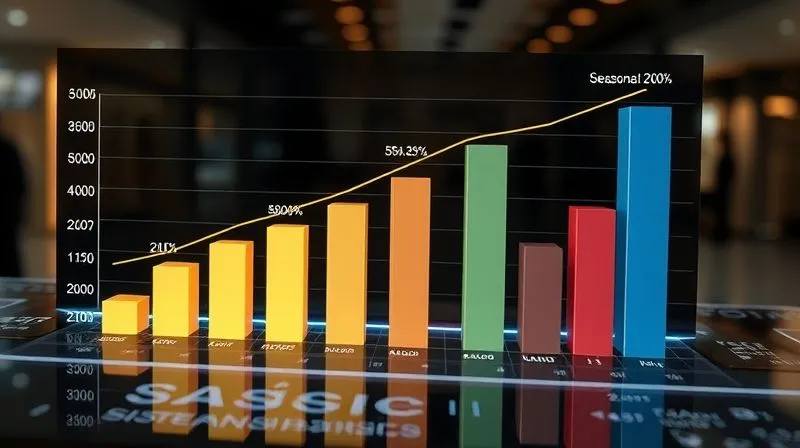
For instance, a detailed analysis might reveal that while a certain dress style was popular last spring, a significant portion of its sales came from a specific geographic region or was heavily influenced by a celebrity endorsement that is unlikely to be repeated. Without this granular data, you might mistakenly reorder based on overall historical performance, leading to dead stock.
According to a McKinsey report on the State of Fashion, companies leveraging advanced analytics often see a significant improvement in inventory turnover and reduction in stockouts. It's about moving from guesswork to informed decision-making.
| Metric | Value | Impact on Inventory |
|---|---|---|
| Forecast Accuracy (Previous) | 65% | High Overstock/Understock |
| Forecast Accuracy (With Analytics) | 88% | Reduced Dead Stock, Fewer Stockouts |
| Inventory Turnover Rate (Previous) | 2.5x/year | Slow Capital Cycle |
| Inventory Turnover Rate (With Analytics) | 4.0x/year | Faster Capital Cycle, Higher Profit |
Agile Supply Chains: Speed and Flexibility are Your Allies
Even with the best forecasting, the fashion world is famously unpredictable. An agile supply chain is your insurance policy against sudden shifts in trends or unforeseen market disruptions. It's about being able to react quickly, adjust production, and minimize risk.
The Power of Small-Batch Production
Gone are the days when massive upfront orders were the norm. Small-batch production, or 'test and repeat' models, allow you to introduce new styles in limited quantities. If a style performs well, you can quickly reorder. If it doesn't, your exposure to dead inventory is minimal. This strategy aligns perfectly with the fast-paced nature of womenswear trends.
I've seen companies transform their profitability by adopting this model. Instead of committing to 5,000 units of a new dress, they might start with 500. This not only reduces financial risk but also creates a sense of exclusivity and urgency among consumers.
Case Study: How 'ModaFlex' Revolutionized Their Buying
ModaFlex, a mid-sized online womenswear retailer, faced a recurring issue of 25-30% of their seasonal collection becoming dead stock. This was largely due to committing to large orders based on early trend predictions that sometimes fizzled out. By implementing a three-phase agile supply chain model, they achieved remarkable results.
Their new approach involved: Phase 1: Concept & Sample (10-20 units) for internal review and limited influencer seeding. Phase 2: Test Drop (100-200 units) for direct-to-consumer market validation, gathering early sales data and customer feedback. Phase 3: Scaled Production (500+ units) for best-performing items, with rapid reorder capabilities. Within two years, ModaFlex reduced their dead stock percentage to under 10%, freed up significant working capital, and increased their average inventory turnover by 50%. This resulted in a 15% boost in net profit margins, proving the power of flexibility over rigid planning.
Strategic Inventory Management: The Art of Balance
Even with the best forecasting and an agile supply chain, effective inventory management is crucial. It’s about more than just counting stock; it’s about strategically optimizing every SKU to ensure you have the right product, in the right quantity, at the right time, in the right place.
Dynamic Replenishment and Allocation
Traditional inventory models often assume static demand. However, womenswear trends are anything but static. Dynamic replenishment uses real-time sales data to trigger reorders automatically, adjusting quantities based on current velocity rather than fixed schedules. This minimizes both stockouts on hot items and overstock on slow movers.
Here are my recommended steps for optimizing your inventory:
- Implement ABC Analysis: Categorize your inventory based on value and sales volume. 'A' items are your high-value, fast-moving bestsellers; 'B' items are moderate; 'C' items are low-value, slow-moving. Focus your management efforts most intensely on 'A' items.
- Set Dynamic Reorder Points: Instead of fixed reorder points, use algorithms that consider lead times, sales velocity, and demand variability to adjust reorder points dynamically.
- Optimize Store/Warehouse Allocation: Use data to understand regional or channel-specific demand patterns. Don't send a high volume of a trend item to a region where it historically underperforms. Optimize distribution to match predicted local demand.
- Regularly Review Slow-Moving Inventory: Don't let slow movers gather dust. Implement a clear strategy for markdown, bundling, or liquidation. The faster you move it, the less it costs you in holding fees and lost opportunity.
- Cross-Channel Integration: Ensure your online and offline inventory systems are fully integrated. This allows for 'click and collect,' 'ship from store,' and a unified view of available stock, preventing missed sales and reducing the need for excess buffer stock.
As renowned supply chain expert Yossi Sheffi often emphasizes, the key to resilient supply chains (and by extension, inventory management) is a combination of efficiency and redundancy. Striking this balance is critical for navigating the unpredictable nature of fashion. You can learn more about these principles in various Harvard Business Review articles on supply chain strategy.
Customer-Centric Design: Co-Creation and Feedback Loops
The ultimate safeguard against misjudged trends is to involve your customer. Who better to tell you what they want than the people who will actually buy it? Moving towards a customer-centric design and buying process significantly reduces the guesswork.
Engaging Your Community for Insights
This isn't just about sending out surveys; it's about creating meaningful dialogue and even co-creation opportunities. Social media platforms, dedicated online communities, and even in-store feedback mechanisms can provide invaluable, real-time insights.
Consider:
- Polls and Surveys: Ask your audience directly about preferred styles, colors, fabrics, and even price points for upcoming collections.
- Focus Groups & Beta Testing: Invite loyal customers to test samples and provide detailed feedback before mass production.
- User-Generated Content (UGC) Analysis: Monitor what your customers are already wearing, styling, and talking about on social media. This is organic trend validation.
- Comment Section Mining: Pay attention to comments on your product pages and social media posts. Are there recurring requests or complaints?
"Your customers are your most valuable trend forecasters. Listen to them, empower them, and they will tell you exactly what to create." – A principle I've lived by, realizing that the best insights often come from outside the boardroom.
Embracing Digital Transformation: From AI to Virtual Try-Ons
Technology isn't just an enabler; it's a game-changer in preventing dead inventory. The rapid advancements in AI, machine learning, and immersive technologies offer unprecedented opportunities to refine trend predictions, optimize inventory, and engage customers in new ways.
The Role of Technology in Trend Validation
AI algorithms can sift through vast amounts of data – social media chatter, news articles, runway show reviews, sales figures – to identify emerging patterns and predict trend trajectories with a level of accuracy human analysts simply cannot match. This allows for earlier identification of potential hits and misses.
Furthermore, technologies like virtual try-on (VTO) are revolutionizing the customer experience and reducing returns, which indirectly impacts inventory. By allowing customers to 'try on' garments virtually, they can make more informed purchasing decisions, leading to fewer returns due to poor fit or style dissatisfaction. This means less returned stock that needs to be reprocessed or potentially marked down.
The integration of these technologies creates a more responsive and efficient ecosystem, allowing brands to respond to trends with precision rather than speculation. It’s about creating a feedback loop where data from customer interaction directly informs design and production decisions.
| Technology | Benefit | Impact on Inventory |
|---|---|---|
| AI-Powered Trend Forecasting | Increased forecast accuracy by 20-30% | Significantly reduced risk of overstock for new trends |
| Virtual Try-On (VTO) | Reduced online returns by 15-25% | Lower return processing costs, less unsellable returned stock |
| Demand Sensing Software | Real-time sales velocity adjustments | Optimized replenishment, minimized stockouts and excess |
| RFID Inventory Tracking | 99% inventory accuracy | Eliminated 'lost' stock, improved stock visibility for allocation |
Building Resilience: Diversification and Contingency Planning
Even with all the tools and strategies, the fashion industry remains inherently dynamic. True expertise lies not just in preventing problems but in building a resilient system that can absorb shocks and adapt. This means diversifying your offerings and having robust contingency plans in place.
Beyond the Best-Sellers: A Balanced Portfolio
It's tempting to put all your eggs in the 'bestseller' basket, but over-reliance on a few hero products or fleeting trends can be dangerous. A balanced womenswear portfolio includes a mix of:
- Core Staples: Timeless, seasonless pieces that consistently sell well (e.g., well-fitting jeans, classic white shirts, versatile blazers). These provide a stable revenue base.
- Transitional Pieces: Items that bridge seasons or can be styled in multiple ways, extending their shelf life.
- Trend-Led Items: A carefully curated, smaller selection of high-risk, high-reward pieces.
- Sustainable/Ethical Lines: Increasingly, consumers value brands with a conscience. These lines can attract a loyal customer base and offer long-term appeal beyond seasonal trends.
This diversification acts as a buffer. If one trend fails, your core business remains strong, and you have other avenues for revenue generation.
My actionable steps for building resilience:
- Develop a 'Good, Better, Best' Strategy: Offer variations of popular styles at different price points to cater to a broader market and capture more demand.
- Cultivate Manufacturer Relationships: Build strong, trust-based relationships with multiple manufacturers, ideally in different regions. This reduces reliance on a single source and provides flexibility during supply chain disruptions.
- Implement Markdown Strategies Early: Don't wait until inventory is truly 'dead' to start markdowns. Have a tiered markdown strategy in place that triggers based on sales velocity and age of inventory.
- Explore New Sales Channels: Don't limit yourself to your primary sales channel. Consider pop-up shops, collaborations, or even wholesale partnerships to move excess inventory strategically.
- Invest in Circularity: Look into resale, rental, or upcycling programs for garments that don't sell. This not only aligns with sustainability goals but also provides an alternative revenue stream and enhances brand perception.
Frequently Asked Questions (FAQ)
Question: How often should I update my trend forecasting models to stay relevant? Detailed answer: In the fast-paced womenswear market, I recommend a dynamic approach. While major updates might occur seasonally (4 times a year), you should be continuously monitoring micro-trends and consumer sentiment on a weekly or bi-weekly basis. Key performance indicators (KPIs) like social media engagement, search queries, and early sales data should be reviewed constantly, allowing for agile adjustments to your buying and production plans. Relying on outdated models is a surefire way to misjudge trends.
Question: What's the ideal inventory turnover rate for a womenswear brand? Detailed answer: The 'ideal' rate varies significantly by brand and product category. However, for most fast-fashion or trend-driven womenswear, a turnover rate of 4-6 times per year is generally considered healthy. For more classic or staple-oriented brands, 2-3 times might be acceptable. The goal isn't just a high number, but a rate that maximizes sales while minimizing holding costs and avoiding stockouts. Regularly compare your rate against industry benchmarks and your own historical performance.
Question: How can small businesses compete with larger brands in implementing these strategies without a huge budget? Detailed answer: Small businesses can absolutely implement these strategies, often with greater agility. Focus on low-cost data sources like Google Trends, social media listening tools (many have free tiers), and direct customer feedback. Leverage small-batch production with local manufacturers. Prioritize strong relationships with a few key suppliers. Instead of expensive AI, start with robust Excel analysis of your own sales data. The core principles of data-driven decisions and agility are accessible to all, regardless of budget.
Question: When should I consider liquidating dead stock versus trying to salvage it through discounts? Detailed answer: This is a critical decision. My rule of thumb is to assess the 'opportunity cost' of holding onto dead stock. If an item has shown no significant movement for 60-90 days, even after initial markdowns, it's likely costing you more in storage, insurance, and lost opportunity (capital tied up) than its potential salvage value. At this point, aggressive liquidation (e.g., through outlet channels, flash sales, or even donation for tax benefits) is often the most financially sound decision to free up capital for new, viable inventory.
Question: Are sustainable fashion practices compatible with fast-paced trend management? Detailed answer: Absolutely, and increasingly, they are synergistic. Sustainable practices often involve higher quality materials, circular design principles, and ethical production – which naturally align with reducing waste and dead inventory. By focusing on longevity, versatility, and producing 'just enough' through agile methods, brands can be both trend-aware and sustainable. Consumers are increasingly demanding both, making it a competitive advantage rather than a trade-off.
Key Takeaways and Final Thoughts
- Proactive Forecasting is Paramount: Move beyond reactive buying by integrating diverse data streams and understanding the full trend lifecycle.
- Data Analytics is Your Compass: Leverage predictive analytics to transform historical data into actionable insights for future demand.
- Agility is Your Armor: Embrace small-batch production and flexible supply chains to react swiftly to market shifts and minimize risk.
- Strategic Inventory Management is an Art: Implement dynamic replenishment, ABC analysis, and timely markdown strategies to optimize your stock.
- Customer Insights are Gold: Engage your community through feedback loops and co-creation to ensure your designs resonate with actual demand.
- Technology is Your Accelerator: Utilize AI, VTO, and demand sensing to enhance precision and efficiency across your operations.
- Build a Resilient Portfolio: Diversify your offerings with core staples, transitional pieces, and carefully selected trend items to weather market volatility.
Preventing dead inventory from misjudged womenswear trends isn't a singular fix; it's a holistic approach, a mindset shift. It demands vigilance, a willingness to embrace data, and the courage to challenge traditional practices. I've seen brands thrive by adopting these principles, transforming their challenges into opportunities for innovation and sustained growth. The womenswear landscape will always be dynamic, but by equipping yourself with these strategies, you're not just reacting to trends – you're shaping a profitable, resilient future for your brand. It's time to turn those potential liabilities into assets and truly understand what your customer desires.
Recommended Reading
- Cracking the Code: 7 Ways to Design Kids' Fashion Parents Actually Buy
- 7 Steps to Optimize Seasonal Womens Accessory Inventory & Boost Profits
- Craft Believable Characters: Costume Design Secrets Revealed!
- Unlock Ageless Style: How to Create Womenswear for Every Generation
- Fashion's Power: How Does It Empower Women at Work?



Your email address will not be published. Required fields are marked *