

How to create womenswear that successfully spans all age groups?
In my extensive career spanning over fifteen years in womenswear design, I've observed a pervasive misconception: that creating garments truly appealing to all age groups is an insurmountable challenge. Many believe it necessitates a 'lowest common denominator' approach, stripping away character. However, this couldn't be further from the truth. The real secret lies not in compromise, but in **elevated design principles** that resonate universally, transcending fleeting trends and demographic divides. It’s about building a foundation of style that allows for individual expression, regardless of age. One of the most potent strategies I consistently employ is a rigorous focus on **timeless silhouettes**. These are the architectural anchors of any successful wardrobe, offering inherent flattery and comfort across diverse body shapes and life stages.- A-line Skirts and Dresses: Their gentle flare provides ease of movement and balances proportions beautifully, appealing to a youthful energy while offering sophisticated coverage.
- Straight-Leg or Bootcut Trousers: These cuts elongate the leg without being overly restrictive or aggressively trendy, providing a polished foundation for any outfit.
- The Classic Shirt Dress: Inherently versatile, it can be cinched for a defined waist or worn loose for a more relaxed, contemporary feel, making it a chameleon for different body types and style preferences.
- Wrap Styles: Whether a top or a dress, the adjustable nature of a wrap allows for a custom fit, celebrating the figure in a universally flattering manner.
- Neutrals (Black, White, Cream, Navy, Grey, Tan): These form the backbone of any adaptable wardrobe, allowing for easy mixing and matching, and serving as a canvas for accessories.
- Deep Jewel Tones (Emerald, Sapphire, Ruby, Amethyst): These colors exude richness and sophistication, elevating a garment without being overly loud or trend-specific. They flatter a wide range of skin tones.
- Muted Earth Tones (Olive, Terracotta, Dusty Rose): These shades offer a grounded, organic feel that is both contemporary and enduring, providing a softer alternative to bolder hues.
- Quality Hardware: Substantial buttons, well-crafted zippers, and durable clasps elevate a garment, signaling attention to quality that appeals to all ages.
- Adjustable Features: Elasticated back waists, internal drawstrings, or adjustable sleeve tabs offer comfort and a customized fit, accommodating natural body changes over time.
- Well-Placed Pockets: Functional, discreet pockets are universally appreciated for convenience and practicality, adding a layer of utility without compromising aesthetics.
- Comfortable Necklines and Armholes: Ensuring necklines are neither too restrictive nor too revealing, and armholes provide ample movement, directly impacts comfort and confidence across generations.
"Designing for all ages isn't about diluting style; it's about refining it to its purest, most elegant form. It's about creating pieces so inherently good, so universally flattering, that age simply becomes irrelevant to their appeal."Consider the ubiquitous trench coat. It's a prime example of a design that flawlessly spans generations. Its classic silhouette, practical features like a storm flap and belt, and durable gabardine fabric make it a perennial favorite. A teenager wears it over jeans, a professional over a suit, and a retiree over smart casuals – each person making it their own, yet the core design remains universally stylish. Ultimately, creating womenswear that successfully spans all age groups requires a philosophy rooted in respect for the wearer. It demands a designer to look beyond transient trends and focus on the enduring qualities of **comfort, quality, versatility, and timeless elegance**. When these elements converge, age truly becomes just a number in the lexicon of style.
How can I ensure my designs appeal to both younger and older demographics?
The challenge of creating designs that resonate across generations is one I've navigated for over a decade and a half in womenswear. It demands a nuanced approach, moving beyond superficial trend adoption to a deeper understanding of universal appeal and the core principles of excellent design. In my experience, the secret lies not in designing 'for everyone' – which often results in blandness – but in crafting pieces with inherent versatility and a foundation of timeless design principles. Think of it as building a robust core, then offering adaptable layers and thoughtful styling options.A common mistake I see emerging designers make is chasing hyper-specific, trend-driven silhouettes that alienate broader markets. Instead, focus on classic, flattering proportions as your bedrock.
Consider the A-line skirt or a well-tailored straight-leg pant. These shapes inherently flatter various body types and age groups, offering a canvas that can be updated through fabric, color, or styling for different demographics.
- The Classic Trench Coat: Universally appreciated for its structure and functionality. Younger demographics might style it oversized with sneakers, while older women might pair it with tailored trousers and heels. The coat itself remains a constant, adaptable piece.
- The Empire Waist Dress: Can be elegant and sophisticated for mature women, or bohemian and youthful depending on print, fabric choice, and how it's accessorized. Its ability to skim the body without clinging is widely appealing.
Fabric choice is perhaps the most critical, yet often underestimated, element in multi-generational appeal. Quality, drape, and comfort are non-negotiables for all ages, though their priorities might subtly shift.
Younger consumers appreciate the tactile experience and often the sustainability aspects of good fabric, while older demographics often prioritize comfort, durability, and a luxurious feel that drapes gracefully and maintains its shape.
- Merino Wool: Soft, breathable, and temperature-regulating, merino is a textile chameleon. A fine merino knit sweater appeals to a college student for its casual comfort and to a retiree for its warmth without bulk and its elegant drape.
- Tencel/Lyocell Blends: Offer a beautiful drape, exceptional softness, and eco-friendly credentials that appeal to younger, conscious consumers. Simultaneously, they provide a sophisticated, comfortable wear for older women, often with a subtle sheen that elevates the garment.
Details can make or break a design's cross-generational appeal. Avoid overt, 'youthful' embellishments or overly conservative features. Instead, opt for subtle, thoughtful details that add interest without dictating an age.
Think about the placement of a pocket, the finish of a seam, or the choice of button. These elements communicate quality and design integrity, which are valued universally, rather than fleeting trends.
- Hardware: A high-quality, minimalist buckle on a belt or bag is timeless and signifies craftsmanship. In contrast, chunky, brightly colored plastic hardware might instantly pigeonhole a design as youthful and less sophisticated.
- Necklines: A classic boat neck or a refined V-neck offers elegance for all ages, framing the face beautifully. Deep plunging necklines or overly embellished, ruffly collars can be polarizing and limit broader appeal.
While trends dictate specific color palettes each season, smart designers understand the power of universally flattering hues and adaptable print scales.
A core palette of sophisticated neutrals (navy, charcoal, camel, ivory) provides a foundation that can be injected with seasonal pops of color. Prints should be chosen carefully; overly whimsical or abstract prints might have limited appeal, whereas classic patterns can be reinterpreted.
- Classic Stripes: Breton stripes or fine pinstripes are perennially chic. A younger person might wear a striped tee with distressed jeans and sneakers, while an older person might pair it with tailored trousers and classic loafers. The stripe itself transcends age.
- Botanical Prints: These can be modernized with abstract elements and bolder colors for younger tastes or rendered in classic, softer tones and scales for a more mature, elegant aesthetic. The key is in the scale, color saturation, and fluidity of the design.
Design pieces that invite different styling interpretations. This means considering how a garment functions not just on its own, but as part of a larger wardrobe ecosystem.
Modular design principles, where items can be mixed and matched to create various outfits, are incredibly powerful. This offers value and flexibility, appealing to both the budget-conscious younger consumer and the discerning older buyer who values longevity and versatility.
- The Convertible Dress: A dress with removable sleeves, an adjustable hem, or a tie-waist that can be styled in multiple ways allows for different looks and levels of formality, appealing to diverse needs and preferences across generations.
- Co-ord Sets: A matching blazer and trousers or skirt can be worn together for a polished, cohesive look. Separated, the blazer might be paired with jeans and a graphic tee by a younger woman, while the trousers could be styled with a silk blouse by an older woman, offering immense versatility.
How your designs are presented in campaigns and lookbooks significantly impacts their perceived appeal. A single garment can be styled in myriad ways to speak to different demographics.
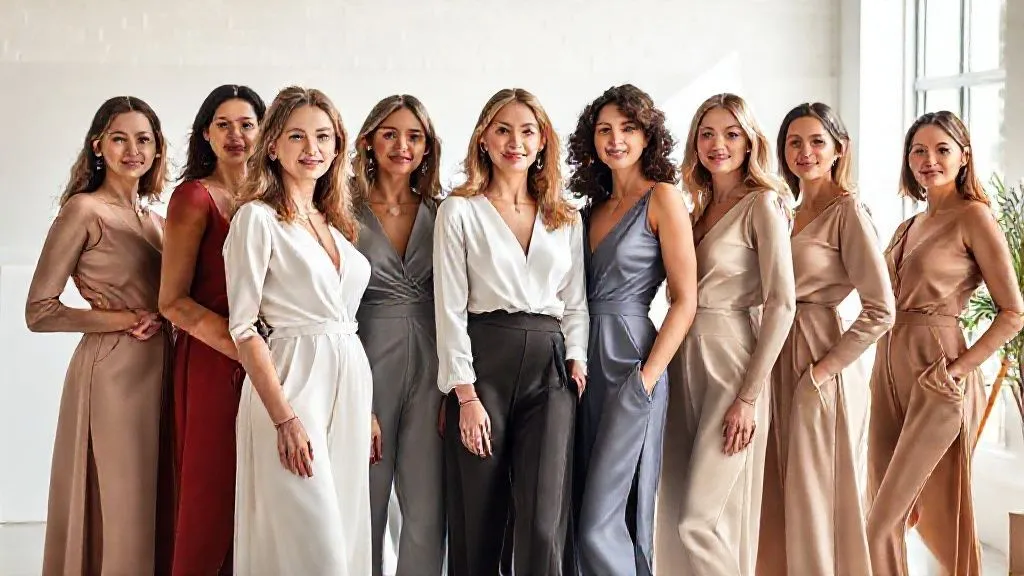
Feature models from various age groups, showcasing the same piece styled differently. This visually communicates versatility and inclusivity, breaking down preconceived notions of age-appropriateness and demonstrating the true breadth of your design's appeal.
"In my three decades in this industry, I've learned that a perfectly designed garment is only half the battle. The other half is the story you tell about it, and who you show wearing it. Representation isn't just ethical; it's smart business."
Ultimately, ensuring designs appeal to a wide age range boils down to a deep respect for women at every stage of life. It's about designing with empathy and understanding their evolving needs, desires, and self-expression.
Focus on creating garments that empower, flatter, and stand the test of time, both in quality and style. This holistic approach is what truly unlocks ageless appeal and builds a loyal customer base across generations.
Are there specific fabrics or silhouettes that work best for all ages?
In my extensive experience designing and consulting for diverse womenswear brands, the question of truly ageless fabrics and silhouettes is one I encounter constantly. While trends ebb and flow, there absolutely are foundational elements that transcend generational divides, offering both comfort and enduring style. It's less about a magic bullet and more about understanding the inherent qualities that make a garment versatile, durable, and universally flattering.
When it comes to **fabrics**, the secret lies in investing in natural fibers or high-quality blends known for their drape, breathability, and longevity. A common mistake I see is prioritizing cheap synthetics for a fleeting trend, which often pill, lose shape, and frankly, feel unpleasant against the skin, regardless of age.
-
Merino Wool: This is a true hero fabric. Its fine fibers offer incredible thermoregulation – cooling in summer, warming in winter – and a beautiful, fluid drape that skims the body without clinging. From fine-gauge knitwear to tailored trousers, merino adapts effortlessly across seasons and occasions, making it a cornerstone for any age.
-
High-Quality Cotton (e.g., Supima, Pima): Not all cotton is created equal. Premium long-staple cottons are exceptionally soft, breathable, and durable. They hold dyes well and maintain their shape, making them ideal for everything from crisp shirting to comfortable jersey essentials. Their versatility allows for easy styling, from casual to polished.
-
Tencel™ Lyocell and Modal: These regenerated cellulose fibers offer an exquisite, silken drape and incredible softness, often mistaken for silk. They are highly breathable, resist wrinkling better than many natural fibers, and take color beautifully. For dresses, blouses, and relaxed trousers, their luxurious feel and easy care appeal to every demographic seeking comfort with elegance.
-
Linen Blends: While pure linen can be prone to creasing, intelligent blends with cotton or viscose retain linen's beautiful texture and breathability while mitigating its wrinkle factor. This makes them perfect for lightweight jackets, wide-leg trousers, and relaxed dresses that exude an effortless sophistication desired by all ages.
“The fabric is the first conversation a garment has with the wearer. Choose fibers that speak of quality, comfort, and respect for the skin, and you've already won half the battle for ageless appeal.”
Turning to **silhouettes**, the key is balance, proportion, and adaptability. Forget rigid, trend-driven cuts that only flatter a very specific body type for a very brief moment. Instead, focus on classic lines that offer comfort without sacrificing structure, and that can be easily styled up or down.
-
A-Line Shapes: Whether a skirt, dress, or coat, the A-line silhouette is universally flattering. It cinches at the natural waist (or just above) and gently flares out, skimming over hips and thighs. This creates a balanced, elegant line that is comfortable, allows for movement, and suits virtually every body shape through all stages of life.
-
Straight-Leg and Wide-Leg Trousers: These are the unsung heroes of ageless style. A well-cut straight-leg trouser offers a clean, elongated line that is both professional and comfortable. Wide-leg trousers, when crafted from a fabric with good drape, provide an effortlessly chic and comfortable alternative, balancing the figure and offering a modern yet timeless appeal.
-
Wrap Styles: The wrap dress or top is a sartorial masterpiece for all ages. Its adjustable nature means it can be tailored to fit perfectly, accommodating fluctuating body shapes with ease. It creates a flattering V-neckline and accentuates the waist, offering an elegant, feminine silhouette that is both comfortable and sophisticated.
-
Classic Blazers and Trench Coats: These foundational layering pieces add instant polish and structure to any outfit. A well-tailored blazer, perhaps in a slightly oversized but still structured fit, can elevate jeans or add authority to a dress. The trench coat, with its timeless design and practical functionality, is an investment piece that truly transcends generations, offering a sophisticated outer layer for any age.
In my professional opinion, the true genius of ageless style lies in this strategic selection. It’s about building a wardrobe not on fleeting fads, but on garments that offer inherent quality, thoughtful design, and a comfortable, confident fit. These are the pieces that will be cherished and worn for years, adapting seamlessly to the wearer's evolving life and style.
Reading Recommendations:
- Unlock the Secret: How to Balance Oversized Streetwear for a Perfect Look
- Uncover the Hidden Impact: How Wartime Rationing Reshaped 1940s Fashion
- Predicting Activewear Profits: 7 Steps to Next Season's Hot Trends
- Unlock the Secrets: How Do Brands Achieve Sustainable Textile Sourcing?
- The Ultimate Fix: Why Do Your Heels Slip Out of Women's Shoes?
Key Points and Final Thoughts
As we conclude our exploration of ageless style, it's crucial to distill the essence of what it truly means to design womenswear that resonates across generations. In my fifteen years in this industry, I've observed that the most enduring and successful brands don't just chase trends; they understand the fundamental human need for clothing that empowers, comforts, and expresses individuality, regardless of age.
The bedrock of truly ageless design is a profound sense of empathy for the wearer. A common mistake I see is designers creating for a demographic, rather than for the multifaceted individual within it. This requires moving beyond superficial age-based assumptions and delving into lifestyle, values, and evolving physical comfort needs.
"To design for every generation is to design with a deep understanding of the human journey, not just the fleeting trends of the season."
In my experience, no elements are more critical to achieving ageless appeal than fabric and fit. A luxurious silk blouse, for instance, can be a staple for a 25-year-old professional and a 65-year-old seeking refined comfort, provided the cut flatters various body types and the fabric drapes beautifully without clinging inappropriately.
Consider the impact of material choice. For younger demographics, synthetics might be acceptable for their trend-driven affordability, but for an older consumer, the demand for natural fibers like merino wool, organic cotton, or linen often increases due to their breathability, hand-feel, and perceived quality. Moreover, the inclusion of strategic stretch, such as elastane in woven fabrics, can transform a rigid garment into one that offers unparalleled comfort and ease of movement, a feature universally appreciated but increasingly vital as we age.
Fit, too, is not a static concept. A garment designed for a youthful, often slimmer silhouette will alienate a mature customer whose body shape has naturally evolved. This doesn't mean resorting to 'boxy' or oversized; it means meticulous pattern-making that considers:
- Waistline placement: Often slightly higher for comfort and to flatter the natural waist.
- Armhole depth and sleeve width: Ensuring ease of movement without excess fabric.
- Hem lengths: Providing options that offer coverage and confidence without being dowdy.
- Darting and shaping: Strategically placed to enhance natural curves rather than fight them.
The concept of versatility and longevity is paramount. Ageless pieces are those that can be styled in multiple ways and transcend fleeting trends. Think of the classic trench coat or a perfectly tailored white shirt – these aren't age-specific; their appeal lies in their adaptability.
Designing for longevity also means investing in quality construction. Fast fashion, by its very nature, often struggles to achieve this ageless ideal because its focus is on rapid consumption. For true ageless style, garments must withstand the test of time, both aesthetically and physically.
One of the most significant pitfalls I've observed is the tendency to stereotype older women's fashion, often leading to uninspired, shapeless designs or, conversely, an attempt to 'youthify' them inappropriately. Ageless style is about empowerment through choice, offering sophisticated options that acknowledge and celebrate the journey of womanhood, not attempting to erase it.
In my consultancy work with brands, I often describe the sweet spot of ageless design as the 'intersection of timeless elegance and contemporary relevance'. It’s not about being bland or overly conservative; it’s about subtly integrating current trends into classic silhouettes, or reimagining classics with modern fabrics and finishes. For example, a wide-leg trouser, a trend now, can be crafted from a luxurious, durable fabric with an elasticated back waist for comfort, making it appealing to both a 20-year-old and a 70-year-old.
To truly unlock ageless style in your womenswear collections, consider these actionable strategies:
- Diversify Your Design Team and Research Panels: Ensure your team and your research participants represent a broad age spectrum. Their insights are invaluable.
- Focus on Modular and Layering Systems: Design pieces that can be easily layered or combined, offering adaptability for different climates, occasions, and personal style preferences across generations.
- Prioritize Comfort Without Compromising Style: Integrate features like elasticated waistbands, soft linings, and non-restrictive cuts in a way that enhances the garment's aesthetic, rather than detracting from it.
- Invest in Quality Materials and Construction: This is non-negotiable for longevity and perceived value, crucial for consumers who are making thoughtful purchasing decisions.
- Embrace Subtle Adaptations, Not Radical Reinvention: A classic silhouette might need a slightly different armhole, a softer shoulder, or a more forgiving waist for a mature customer, but the core design aesthetic remains.
Ultimately, designing womenswear for every generation is not merely a commercial strategy; it's a testament to inclusive and thoughtful design. It challenges us as creators to look beyond fleeting fads and connect with the universal desire for clothing that makes us feel confident, comfortable, and authentically ourselves, at every stage of life. This is where true mastery in womenswear lies.


Your email address will not be published. Required fields are marked *