

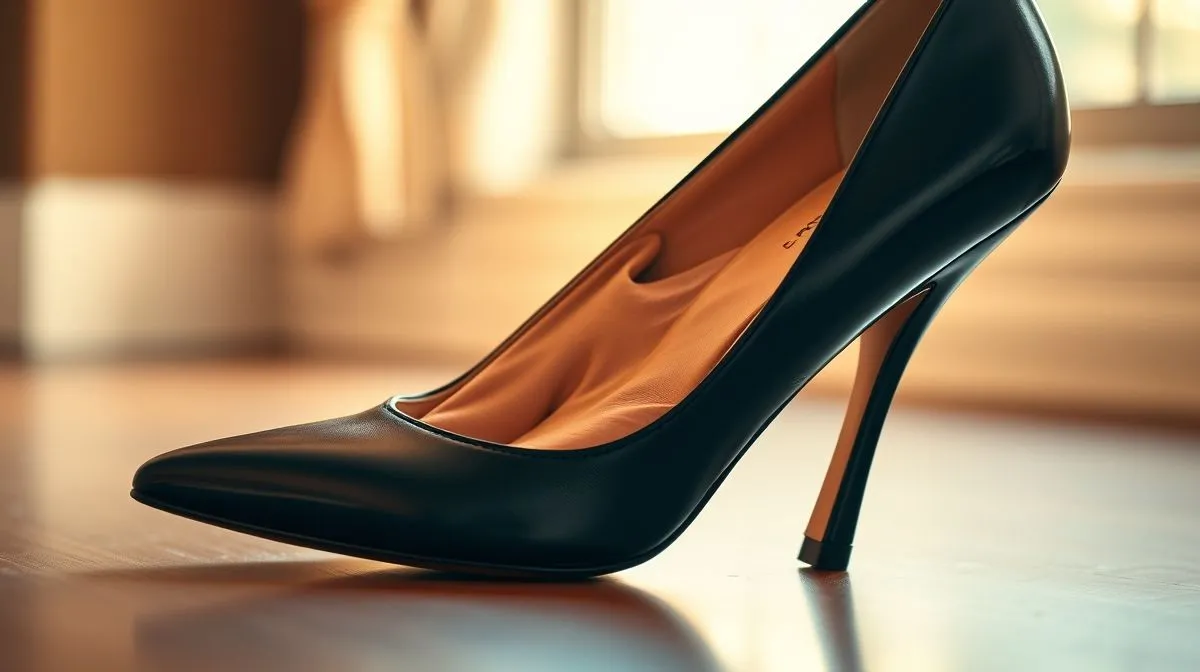
Why Do My Heels Always Slip Out of Women's Shoes? The Ultimate Guide to a Secure Fit
Picture this: you've just found the perfect pair of shoes. They're stylish, they match your outfit, and you feel fantastic. But then, with every step, your heel slides out, creating an irritating flap-flap sound and an awkward gait. It's a common, frustrating experience that can turn a dream pair of shoes into a nightmare of discomfort and self-consciousness.
This persistent problem of heels slipping out of women's shoes isn't just an annoyance; it can lead to blisters, instability, and even impact your posture. Many believe it's simply a matter of the shoes being too big, but the truth is far more complex. It involves a fascinating interplay between your unique foot anatomy, the shoe's design, and even your walking style.
By the end of this comprehensive guide, you'll not only understand the myriad reasons why your heels are always slipping out of women's shoes but also gain a powerful arsenal of practical, expert-backed solutions. Prepare to transform your walking experience from frustrating to flawlessly comfortable, ensuring your shoes stay exactly where they belong: on your feet.
Understanding the Anatomy of Your Foot and Shoe Fit
To truly solve the mystery of the slipping heel, we must first appreciate the intricate design of the human foot and how it interacts with footwear. Your foot isn't just a simple block; it's a dynamic structure of bones, muscles, and ligaments, each playing a role in how a shoe fits.
The Peculiarities of Your Heel
The heel, specifically the calcaneus bone, varies significantly from person to person. Some individuals have a very narrow heel in relation to the rest of their foot, while others have a wider heel. This anatomical variation is a primary reason why a standard-sized shoe might fit perfectly in length but still allow the heel to slip out.
Furthermore, the height of your arch can influence how your foot sits within a shoe. A high arch might cause your foot to sit higher in the shoe, reducing the contact area with the heel counter. Conversely, a flat arch might lead to your foot spreading more, potentially affecting the overall fit and stability at the heel.
The Science of Shoe Sizing
Shoe sizing is not just about length; width and volume are equally crucial, yet often overlooked. Many people incorrectly assume that if their toes aren't jammed, the shoe fits. However, a shoe that is too wide in the midfoot or heel area, even if the length is correct, will inevitably lead to heel slippage.
It's important to measure both feet, as slight differences in size are common. Tools like the Brannock Device, found in professional shoe stores, measure not only length but also arch length and width, providing a more accurate assessment of your foot's dimensions. Understanding these measurements is the first step in diagnosing why your heels might be slipping.
Common Culprits: Why Your Heels Slip Out
While foot anatomy plays a role, several common factors related to the shoes themselves are often the primary cause of heel slippage. Identifying these can help you make better footwear choices in the future.
Incorrect Shoe Size or Width
This is arguably the most straightforward reason. If a shoe is too long, your foot will slide forward, leaving a gap at the heel. More commonly, however, the problem lies with the shoe being too wide, particularly in the heel cup or midfoot. Even if the shoe's length is correct, excessive width allows your heel to lift with each step.
It's also worth noting that shoes, especially those made of natural materials like leather, tend to stretch over time. A shoe that initially fit snugly might become loose after a few weeks or months of wear, leading to new or exacerbated heel slippage.
Shoe Style and Design Flaws
Certain shoe styles are inherently more prone to heel slippage. Pumps, ballet flats, and loafers, which lack laces or straps to secure the foot, rely heavily on the precise fit of the heel cup. If the heel cup is too shallow, too wide, or poorly structured, it offers insufficient grip.
Shoes with a very rigid sole can also contribute. If the sole doesn't flex with your foot as you walk, your heel will naturally lift out of the shoe more readily. This is particularly noticeable in stiff dress shoes or some types of boots.
Material Matters
The material of the shoe's lining and upper can significantly impact heel retention. Smooth, synthetic linings, while sometimes comfortable, offer less friction than natural materials like leather or suede. This reduced friction allows the heel to slide out more easily.
Conversely, very stiff or unyielding upper materials, especially around the heel counter, can also be problematic. If the material doesn't conform to the shape of your heel, it can create a gap or push your heel upwards, leading to slippage.
The Impact of Shoe Material and Construction
Beyond just size and style, the intricate details of a shoe's construction and the materials used play a pivotal role in how well it holds your heel. These elements are often overlooked but are critical to a secure fit.
Sole and Heel Construction
The flexibility of a shoe's sole dictates how naturally your foot can move through its gait cycle. A very stiff sole can prevent the shoe from bending with your foot, forcing your heel to lift out of the shoe as you push off the ground. Look for shoes with a degree of flexibility in the forefoot area.
Additionally, the height and shape of the shoe's heel can influence stability. Higher heels often shift your body weight forward, potentially causing your foot to slide down into the toe box and creating a gap at the back of the shoe. A well-balanced heel, regardless of height, should provide stable support.
Inner Lining and Counter
The material and design of the shoe's inner lining, particularly around the heel counter (the stiff part at the back of the heel), are crucial. Smooth, glossy linings made of synthetic materials like polyester or satin offer minimal friction, allowing your heel to slide out effortlessly.
In contrast, linings made of suede, un-smooth leather, or even some textured fabrics provide better grip. The heel counter itself should be firm enough to provide support but not so rigid that it pushes your heel out. A well-designed heel counter should cup your heel comfortably and securely.
Break-in Period and Wear
New shoes often feel stiff and might cause initial slippage until they are properly broken in. Leather and other natural materials need time to mold to the unique contours of your foot. During this period, minor slippage might be normal.
However, as shoes age and materials wear down, they can lose their original structure and support. The heel counter might soften, the sole might become overly flexible, or the upper might stretch excessively. This wear and tear can lead to increased heel slippage in shoes that once fit perfectly.
Beyond the Basics: Less Obvious Reasons for Heel Slippage
Sometimes, the issue isn't just the shoe or your foot's static dimensions. Dynamic factors and subtle habits can also contribute to your heels slipping out of women's shoes.
Foot Swelling and Fluctuations
Our feet are not static. They can swell throughout the day, especially after prolonged standing or activity. Hormonal changes, heat, and certain medical conditions can also cause temporary swelling. A shoe that fits perfectly in the morning might feel loose by evening, leading to slippage.
It's always advisable to try on shoes in the afternoon or evening when your feet are typically at their largest. This ensures a more accurate fit that accommodates daily fluctuations.
Gait and Walking Style
Your unique gait, or walking style, can significantly impact how your shoes perform. If you have a pronounced heel-to-toe strike, where your heel hits the ground first with considerable force, it can push your foot forward in the shoe, causing the heel to lift upon push-off.
Conditions like overpronation (where your foot rolls excessively inward) or supination (where your foot rolls outward) can also alter the way your foot interacts with the shoe's sole and upper, potentially leading to instability and slippage at the heel. A podiatrist can perform a gait analysis to identify such issues.
Sock Choice
Believe it or not, the socks you wear can make a difference. Thin, silky, or synthetic socks offer less friction than cotton or wool blends. If you frequently wear no-show socks or hosiery, their smooth surface can contribute to your heel sliding around inside the shoe.
Consider experimenting with different sock materials and thicknesses. Sometimes, a slightly thicker sock can fill out a shoe just enough to prevent slippage without making it feel too tight.
Empowering Solutions: Practical Fixes for Slipping Heels
The good news is that many instances of heel slippage can be remedied with simple, effective solutions. These fixes aim to improve the fit and provide the necessary friction to keep your heel securely in place.
Inserts and Grips
One of the most popular and effective solutions is the use of shoe inserts and grips:
- Heel Liners/Grips: These are adhesive pads, often made of suede, silicone, or foam, that stick to the inside back of your shoe. They provide extra cushioning and friction, filling the gap around your heel.
- Ball-of-Foot Cushions: Placing a cushion under the ball of your foot can push your foot slightly backward in the shoe, reducing the space at the heel.
- Full Insoles: A full-length insole can reduce the overall volume of the shoe, making it fit more snugly. Opt for insoles with some arch support for added comfort.
- Non-Slip Patches: For very smooth linings, small adhesive patches with a textured surface can be applied to key areas to increase friction.
Strategic Padding
Sometimes, all it takes is a little strategic padding. Moleskin, felt, or even cotton pads can be cut and placed inside the shoe where extra volume is needed, or where your heel needs more grip. This DIY approach can be surprisingly effective for minor slippage.
Lacing Techniques (for lace-up shoes)
If you're experiencing heel slippage in lace-up shoes, especially sneakers or boots, a specific lacing technique known as the "runner's loop" or "heel lock" can make a world of difference. This technique uses the top eyelets to create a tighter, more secure fit around the ankle, effectively locking your heel in place.
Professional Alterations
For more persistent or severe cases, a skilled cobbler can often perform alterations. They might be able to:
- Add extra padding to the heel counter.
- Shorten the shoe slightly (though this is more complex).
- Adjust the last of the shoe, if feasible.
It's always worth consulting a reputable shoe repair specialist before giving up on a favorite pair.
Choosing the Right Shoes: Prevention is Key
While fixes are helpful, the best strategy is prevention. Making informed choices when purchasing new footwear can significantly reduce the likelihood of your heels always slipping out of women's shoes.
The Golden Rules of Shoe Shopping
Follow these guidelines to ensure a better fit from the start:
- Shop in the Afternoon/Evening: Your feet swell throughout the day, so trying on shoes when they are at their largest ensures a comfortable fit at all times.
- Try on Both Shoes: Feet are rarely identical. Always try on both shoes and walk around the store for a few minutes.
- Wear Appropriate Socks: Wear the type of socks or hosiery you intend to wear with the shoes.
- Check the Heel Fit: When walking, your heel should feel snug but not tight. There should be minimal, if any, slippage.
- Consider Brand Sizing: Be aware that sizing can vary significantly between brands. Don't rely solely on the number; trust how the shoe feels.
Prioritizing Fit Over Fashion
It's tempting to sacrifice comfort for style, but a poorly fitting shoe can lead to long-term foot problems, including bunions, hammertoes, and chronic pain. Investing in shoes that fit well is an investment in your overall health and well-being.
Remember that a shoe should feel comfortable from the moment you try it on. While some materials, like leather, will stretch and mold to your foot, a shoe that feels tight or allows significant heel slippage from the outset is unlikely to ever be truly comfortable. Prioritize finding shoes that accommodate your unique foot shape, even if it means exploring different brands or styles than you're used to. Your feet will thank you for it, and you'll avoid the common frustration of having your heels slip out of women's shoes.
When to Seek Professional Help: Orthotics and Podiatry
While many heel slippage issues can be resolved with simple solutions, some cases warrant professional attention, especially if accompanied by pain or discomfort.
Custom Orthotics
If your heel slippage is due to specific biomechanical issues, such as a very high arch, flat feet, or significant gait abnormalities, custom orthotics might be the answer. These are custom-made inserts prescribed by a podiatrist that are designed to support and align your foot, improving stability and fit within your shoes.
Orthotics can fill excess volume in the shoe, provide targeted cushioning, and correct foot mechanics that contribute to slippage, offering a more permanent and tailored solution than over-the-counter inserts.
Consulting a Podiatrist
If you've tried various solutions and still experience persistent heel slippage, or if it's accompanied by pain, blisters, or other foot discomfort, it's highly recommended to consult a podiatrist. A foot specialist can:
- Accurately diagnose underlying anatomical or biomechanical issues.
- Recommend appropriate footwear for your foot type.
- Prescribe custom orthotics.
- Offer advice on specific exercises or therapies to improve foot strength and gait.
Their expert assessment can provide insights and solutions that go beyond what can be achieved with off-the-shelf products.
Frequently Asked Questions (FAQ)
Why do my shoes suddenly start slipping when they used to fit perfectly? Shoes, especially those made of leather or fabric, can stretch and loosen over time with wear, leading to increased volume inside the shoe and subsequent heel slippage. Your feet can also change shape or size due to swelling, weight fluctuations, or age.
Can different sock types affect heel slippage? Yes, absolutely. Smooth, thin materials like nylon or silk hosiery offer less friction, allowing your heel to slide more easily. Thicker, textured socks made of cotton or wool can provide better grip and fill out excess space in the shoe.
Are all heel grips the same? No, heel grips vary in material (silicone, foam, suede), thickness, and adhesive strength. Silicone grips offer more stickiness, while suede or foam can provide better cushioning and friction. Experiment to find what works best for your specific shoe and foot.
Should I buy a smaller size if my heels slip out of women's shoes? Generally, no. Buying a smaller size might solve heel slippage but could lead to cramped toes, blisters, and other painful issues. It's usually better to address the width or volume issue with inserts or heel grips, or by choosing a shoe with a narrower heel cup.
How can I tell if my shoes are too wide, rather than just too long? If your toes aren't touching the end of the shoe but your foot still slides forward, or if you can pinch a significant amount of material at the sides of the shoe, it's likely too wide. Heel slippage without toe discomfort is a strong indicator of excessive width.
Recommended Reading
- Unlock the Past: How to Construct a Historically Accurate Corset Pattern?
- The Ultimate Guide: How to Preserve Your Wedding Veil Long Term, Flawlessly
- The Ultimate Guide: How to Ensure Perfect Custom Bridal Gown Fit for Your Big Day
- Style a Pearl Necklace Everyday? The Ultimate Style Guide!
- The Ultimate Guide: How to Select Durable Fabrics for Active Stage Costumes?
Conclusion
The frustration of having your heels always slip out of women's shoes is a common, yet solvable, problem. As we've explored, it's rarely a single issue but rather a combination of factors related to your unique foot anatomy, the shoe's design, its materials, and even your walking patterns. From finding the perfect fit to understanding the nuances of shoe construction, and from simple inserts to professional interventions, a world of solutions awaits.
By applying the knowledge and practical tips shared in this guide, you can transform your footwear experience. Don't let ill-fitting shoes dictate your comfort or confidence. Invest the time to understand your feet and your shoes, and step out with the assurance that your shoes will stay securely and comfortably in place, allowing you to walk through life with ease and elegance.


Your email address will not be published. Required fields are marked *