

How to Spot Real Hand-Stitched Quality in Luxury Bespoke Garments?
For over two decades, I've navigated the intricate world of luxury fashion, a realm where craftsmanship isn't just a detail, but the very soul of a garment. I've witnessed the evolution of bespoke tailoring, from the hallowed halls of Savile Row to the quiet ateliers of master artisans around the globe. This journey has taught me that while many claim 'bespoke' and 'handmade,' true hand-stitched quality in luxury garments is a nuanced art, often elusive to the untrained eye.
The market today is flooded with terms like 'hand-finished' or 'custom-made,' creating a confusing landscape for discerning clients. Without a keen understanding of what genuine hand-stitching entails, it's easy to fall prey to marketing ploys, paying premium prices for garments that lack the soul, durability, and unparalleled fit that only true artisan handwork can provide. This isn't just about aesthetics; it's about the very integrity of your investment.
This guide isn't just a checklist; it's an education. I will equip you with the expert insights, actionable frameworks, and visual cues necessary to confidently identify authentic hand-stitched quality in luxury bespoke garments. You'll learn not only what to look for, but *why* these details matter, transforming you from a mere consumer into a true connoisseur.
The Soul of Bespoke: Understanding Hand Stitching vs. Machine Stitching
At the heart of bespoke tailoring lies a fundamental distinction: the method of construction. While machines offer speed and uniformity, the human hand imparts a unique character, flexibility, and longevity that no automated process can truly replicate. It's a difference born from centuries of tradition and a deep understanding of fabric dynamics.
The Philosophy of the Hand
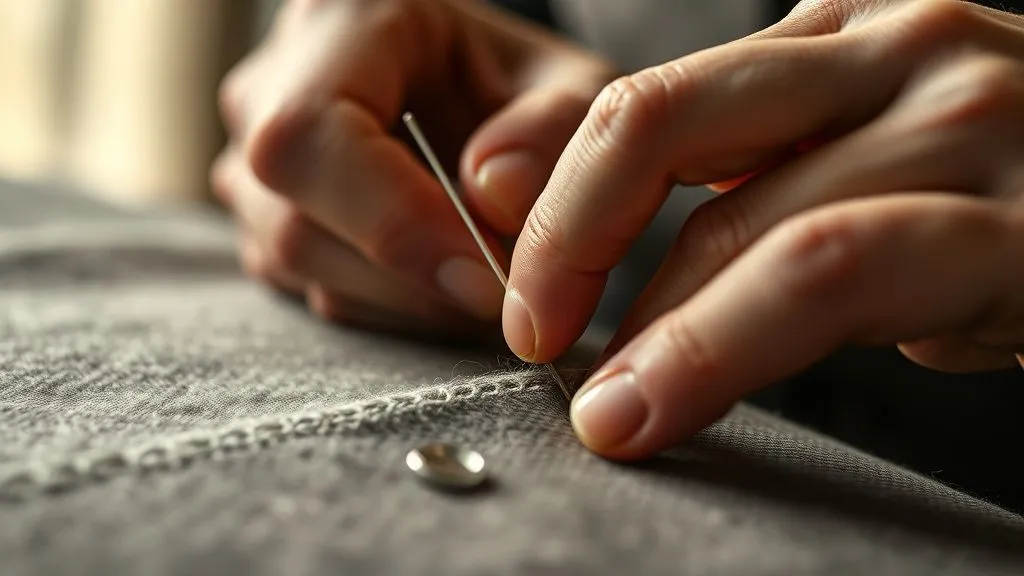
When an artisan hand-stitches, each stitch is a deliberate act, a conscious decision to shape the fabric to the body's contours. This method allows for a subtle tension and elasticity that machine stitching, by its very nature, cannot achieve. The garment breathes, moves, and conforms in a way that feels organic, almost alive.
Machine's Precision, Hand's Imperfection (and why it's good)
Machine stitches are perfectly uniform, rigid, and often very tight. While this might seem desirable, it can restrict movement and make a garment feel stiff. Hand stitches, conversely, possess a slight, almost imperceptible irregularity. This 'imperfection' is actually their strength, allowing the fabric to roll, drape, and adapt to the wearer's movements with unmatched grace.
"True luxury in bespoke tailoring isn't about flawless uniformity; it's about the nuanced, adaptive beauty that only the human hand can imbue into a garment, allowing it to become a second skin."
The Tell-Tale Signs: Visual Cues of True Handwork
The journey to discerning hand-stitched quality often begins with visual inspection. These are the details that betray the presence of a master's touch, visible even to the burgeoning connoisseur once you know where to look.
Inspecting the Lapels: Milanese Buttonholes and Pad Stitching
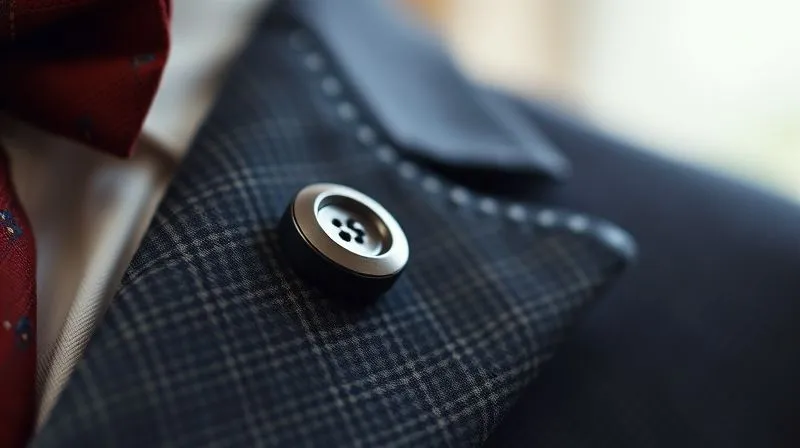
The lapel is often the first canvas for a tailor's artistry. A genuine hand-stitched Milanese buttonhole is a marvel of precision and patience. It's characterized by a perfectly formed 'keyhole' at the end, with incredibly fine, tightly packed purl stitches that give it a raised, rope-like appearance. It feels substantial and looks deeply integrated into the fabric, not merely cut and sewn.
- Milanese Buttonhole: Look for a slightly raised, perfectly formed keyhole shape with dense, even purl stitches. It should appear almost carved from the fabric.
- Pad Stitching: Gently roll the lapel. If it feels soft, pliable, and rolls gracefully without a hard crease, it's likely hand pad-stitched. This technique attaches the canvas to the lapel facing with thousands of tiny, invisible stitches, creating a natural, three-dimensional roll.
Seam Examination: The Gentle Irregularity
Examine the seams, particularly on the sleeves, shoulders, and side panels. Machine stitches are relentlessly uniform, a straight line of identical perforations. Hand-stitched seams, however, will reveal a subtle, almost rhythmic irregularity. The stitches might vary fractionally in length or angle, a testament to the human hand's natural motion. This isn't a flaw; it's a signature of authenticity.
"The beauty of hand-stitching isn't in its machine-like perfection, but in its human fingerprint – a subtle, almost lyrical rhythm that allows the fabric to flow rather than resist."
Button Attachment: Shank and Crow's Foot
True bespoke buttons are almost always hand-attached with a 'shank' – a small thread stem that allows the fabric beneath to lay flat without puckering. On the exterior, a 'crow's foot' stitch pattern (three diagonal stitches forming a bird's foot) is a common, though not exclusive, indicator of handwork. The stitches should feel secure, yet not overly tight, allowing the button a slight, natural give.
Lining Integration: Flow and Freedom
The lining of a hand-stitched garment is typically attached with meticulous 'felling' stitches, which are small, almost invisible stitches that allow the lining to float freely within the jacket. This prevents tension and ensures the lining moves with the outer fabric, contributing to the garment's overall drape and comfort. Pull gently on the lining; it should have a slight give, indicating it's not rigidly fixed.
Beyond the Surface: Structural Hand-Stitching Indicators
While external cues are important, the true genius of hand-stitching often lies beneath the surface, in the unseen architecture of the garment. This is where the bespoke artisan truly excels, building a foundation that ensures longevity and an unparalleled fit.
The Canvas Interlining: The Heart of the Jacket
A fully canvassed jacket is the hallmark of luxury bespoke. The canvas – a blend of horsehair, wool, and cotton – is hand-stitched to the outer fabric, creating a foundational layer that molds to your body over time. To check for this, gently pinch the fabric on the lapel between the button and the edge. If you feel three distinct layers (outer fabric, canvas, lining) that move independently, it's a good sign. A fused garment will feel stiff and glued, with no separation.
Hand-Felled Hems and Cuffs
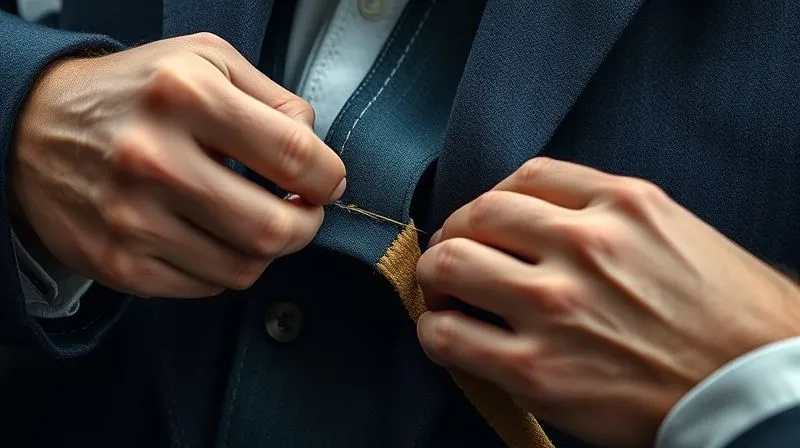
Turn up the bottom hem of a jacket or the cuff of trousers. A hand-felled hem will have small, almost invisible stitches on the inside, allowing the fabric to hang naturally without a hard crease. Machine-stitched hems often show a more visible, uniform stitch line and can create a slightly stiffer edge. This detail contributes significantly to the garment's drape and how it moves with you.
The Armhole: A Symphony of Movement
The armhole of a truly bespoke jacket is often hand-set, allowing for greater freedom of movement without pulling across the back or shoulders. Run your hand around the armhole seam on the inside. You might feel a subtle, rounded seam that conforms perfectly to the sleeve head. This careful integration ensures comfort and prevents the 'boxy' feel of many off-the-rack garments.
| Feature | Hand-Stitched | Machine-Stitched |
|---|---|---|
| Stitch Uniformity | Subtle, rhythmic irregularity | Perfectly uniform, rigid |
| Lapel Roll | Soft, natural, three-dimensional roll | Stiffer, flatter, often creased |
| Interlining | Fully canvassed, hand-padded, conforms to body | Fused (glued), stiff, no molding over time |
| Buttonholes | Milanese (raised, 'keyhole'), dense purl stitches | Flat, often coarse, simple slit |
| Lining Attachment | Hand-felled, floating, allows movement | Machine-stitched, often rigid or pulled |
| Seam Flexibility | Elastic, allows fabric to breathe and move | Tight, can restrict movement, prone to puckering |
The Tactile Test: Feeling the Difference
Beyond what the eye can see, the sense of touch provides invaluable clues to discerning genuine hand-stitched quality. True luxury bespoke isn't just worn; it's experienced through its feel.
The Drape and Flow of the Fabric
Pick up the garment and let it hang. A hand-stitched jacket, especially one with a full canvas, will exhibit a remarkable drape. The fabric will flow smoothly, cascading elegantly without stiffness or unnatural bunching. This is due to the flexible nature of hand-stitching and the way the canvas molds the fabric, allowing it to move with gravity and the body's natural lines.
The Softness of the Roll
Gently run your hand over the lapels and collar. They should feel soft, supple, and naturally rolled, not stiff or pressed flat. This 'soft roll' is a direct result of meticulous hand pad-stitching, which builds dimension and flexibility into these critical areas. It's a sensation of gentle support, not rigid construction.
"A truly hand-stitched garment doesn't just fit your body; it feels like an extension of it, moving with an effortless grace that only the human touch can create."
The Bespoke Journey: What to Expect from a True Master
Understanding the process of true bespoke tailoring is as crucial as identifying the finished product. The journey itself is a testament to the quality you will receive, revealing the expertise and dedication of the artisan.
Consultation and Measurements: A Collaborative Art
A genuine bespoke experience begins with an in-depth consultation. The tailor won't just take measurements; they'll discuss your lifestyle, preferences, posture, and even your aspirations for the garment. I've found that master tailors often take 20-30 individual measurements, observing your stance and unique physical nuances, ensuring the pattern created is truly unique to you.
Fittings: The Evolution of Form
Expect at least 2-3 fittings, sometimes more, depending on the complexity of the garment and your body's specific requirements. These aren't merely adjustments; they are collaborative sessions where the garment evolves. The tailor will pin, chalk, and reshape the garment directly on your body, ensuring every curve and angle is perfectly accommodated.
- Baste Fitting: The first fitting, often with the garment basted together, allows for major adjustments to the silhouette and balance.
- Forward Fitting: Subsequent fittings refine the details, ensuring sleeve length, collar fit, and overall drape are impeccable.
- Final Fitting: The last opportunity for minor tweaks, ensuring the garment is perfect before final finishing.
Case Study: How 'The Sartorial Connoisseur' Identified a True Bespoke Artisan
Mr. Alistair Finch, a seasoned collector of luxury menswear, once shared his experience with a tailor claiming 'bespoke' services. Initially impressed by the lavish showroom, Alistair noticed during the first fitting that the jacket felt unyielding, lacking the fluid movement he associated with true handwork. He specifically asked to examine the lapel roll and the canvas. The tailor, hesitant, revealed a 'fused' construction, where the interlining was glued, not stitched. Alistair, recalling my advice, politely declined to proceed. Later, he found an unassuming artisan whose meticulous measurements, multiple fittings, and visible hand-stitching on a sample piece instantly signaled authenticity. The resulting garment became his most cherished, a testament to the value of knowing how to spot real hand-stitched quality.
Common Misconceptions and Pitfalls to Avoid
In the luxury market, terminology can be a minefield. Understanding what certain terms truly mean, and what they don't, is vital for protecting your investment and ensuring you receive genuine value.
"Hand-Finished" vs. "Hand-Stitched"
This is perhaps the most common deception. 'Hand-finished' simply means some final touches, like button attachment or hem stitching, were done by hand. The core construction – the internal canvas, the major seams – can still be machine-made or fused. 'Hand-stitched,' in its purest bespoke sense, implies the vast majority of the garment's construction, especially its internal architecture, is executed by hand.
The Price Tag Fallacy
While true hand-stitched bespoke garments are undeniably expensive due to the immense labor and skill involved, a high price tag alone does not guarantee authenticity. I've seen countless instances where exorbitant prices are charged for made-to-measure or even high-end ready-to-wear garments with minimal hand finishing. Always look for the signs of craftsmanship, not just the zeros on the invoice. As Harvard Business Review often discusses, genuine luxury is about intrinsic value, not just perceived exclusivity.
Your Toolkit for Discerning Quality: A Checklist
To summarize, here's a practical checklist you can use when evaluating a luxury bespoke garment or tailor's claims. Keep this in mind during consultations or when inspecting a finished piece:
- Lapel Roll: Is it soft, natural, and three-dimensional, indicating hand pad-stitching?
- Buttonholes: Are they Milanese, with a distinct 'keyhole' and dense, raised purl stitches?
- Seams: Do they show subtle, rhythmic irregularity, a hallmark of handwork?
- Buttons: Are they hand-attached with a visible shank?
- Lining: Does it float freely, indicating hand-felling?
- Canvas: Can you feel three distinct layers when pinching the lapel?
- Drape: Does the garment flow elegantly, adapting to movement?
- Fittings: Were there multiple, collaborative fittings?
- Tailor's Knowledge: Can the tailor articulate the specifics of their hand-stitching process?
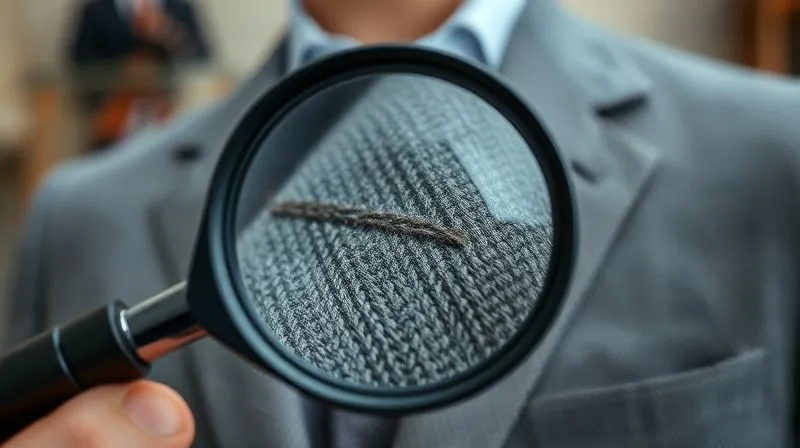
Remember, the pursuit of quality is an ongoing education. Understanding the intricacies of textile construction and the labor involved is key to appreciating true value. For further reading on the science of textiles and their properties, resources like the Textile Institute's publications offer invaluable insights.
The Ethics of Craftsmanship: Supporting True Artisans
Choosing genuine hand-stitched bespoke isn't just about personal luxury; it's about supporting an ecosystem of highly skilled artisans and preserving invaluable craftsmanship. In an era of fast fashion and mass production, the dedication to handwork represents a commitment to sustainability, longevity, and ethical production.
The Value of Time and Skill
A true bespoke suit can take 80-100 hours or more of dedicated handwork. This time represents not just labor, but decades of inherited skill, artistic vision, and an unwavering commitment to excellence. When you invest in hand-stitched quality, you are directly valuing and sustaining this rare human expertise.
Sustainability and Longevity
Hand-stitched garments are built to last a lifetime, often becoming heirlooms. Their construction allows for easier repairs and alterations, extending their lifespan far beyond that of a fused or machine-made garment. This inherent longevity is a powerful statement against disposable consumption, aligning with the principles of sustainable luxury. Organizations like the Global Fashion Agenda continually highlight the importance of quality and durability in sustainable fashion practices.
Frequently Asked Questions (FAQ)
Q: Why is hand-stitching so much more expensive than machine stitching? A: Hand-stitching is significantly more labor-intensive, requiring immense skill, precision, and time from a highly trained artisan. A single bespoke suit can involve 80-100+ hours of handwork, compared to just a few hours for a machine-made garment. This human capital and expertise are the primary drivers of the higher cost, reflecting true value rather than just material price.
Q: Can a machine replicate a hand-stitch perfectly? A: While modern machines can produce very fine stitches, they cannot perfectly replicate the nuanced flexibility and subtle irregularity of a true hand-stitch. Hand-stitches allow for a unique elasticity and three-dimensional shaping that a machine's rigid, uniform tension cannot achieve. This difference is crucial for the garment's drape, comfort, and how it molds to the wearer over time.
Q: What's the difference between bespoke and made-to-measure? A: Bespoke involves creating a unique paper pattern from scratch for an individual client, with multiple fittings and extensive hand-stitching for internal structure. Made-to-measure uses an existing block pattern that is modified to the client's measurements, with limited customization and typically more machine-based construction. True bespoke offers unparalleled fit and personalization.
Q: How long should a quality bespoke garment last? A: A truly hand-stitched bespoke garment, with proper care, is designed to last decades, often becoming an heirloom. The robust, flexible hand-construction allows for greater durability and easier repairs compared to fused or machine-made garments, which tend to degrade more quickly and are harder to alter without compromising integrity.
Q: Are there specific fabrics that benefit most from hand-stitching? A: While hand-stitching elevates all fabrics, it truly shines with natural fibers like fine wools (e.g., Super 150s+), cashmere, silks, and linens. These fabrics have natural qualities of drape and breathability that are enhanced by the flexibility and shaping capabilities of hand-stitching, allowing them to flow and conform beautifully to the body.
Key Takeaways and Final Thoughts
Discerning true hand-stitched quality in luxury bespoke garments is a skill that enriches your appreciation for craftsmanship and ensures you make truly valuable investments. It's a journey into the subtle art of tailoring, where every stitch tells a story of dedication and expertise.
- Look for the 'human touch': Subtle irregularities in stitches, soft lapel rolls, and floating linings are key indicators.
- Understand internal construction: A fully canvassed jacket, hand-padded, is the foundation of true bespoke quality.
- Engage with the process: Multiple fittings and a collaborative relationship with your tailor are hallmarks of authenticity.
- Value the artisan: Your investment supports a dying art and ensures longevity and sustainability.
By applying the insights I've shared, you're not just buying a garment; you're investing in a piece of wearable art, a testament to enduring craftsmanship. May your sartorial journey be filled with the unparalleled luxury of genuine, hand-stitched quality.
Recommended Reading
- Unlock Radiant Skin: Your Ultimate Morning Skincare Routine for Oily Skin
- Unlock the Secrets: How to Create Dramatic Fashion Photography Lighting Outdoors?
- 7 Proven Strategies: Solving Textile Art Degradation in Theatrical Costumes
- 7 Master Steps: Invisibly Repairing Haute Couture Hand-Sewn Details
- Unlock Loyalty: How to Build a Thriving Fashion Blog Reader Community

Your email address will not be published. Required fields are marked *