

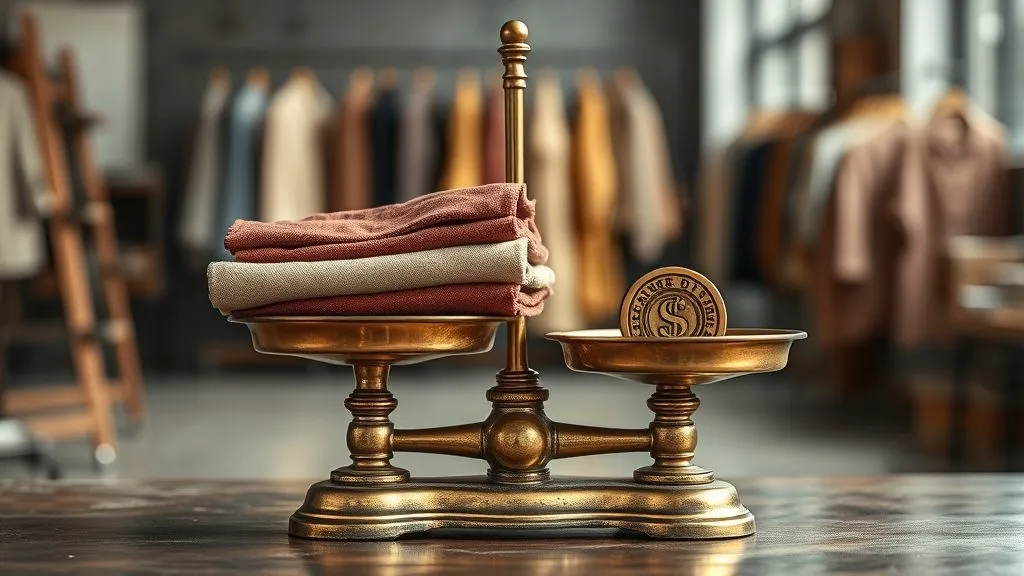
How to Price Ethical Fashion Competitively Without Compromising Values?
For over 18 years in the sustainable fashion industry, I've witnessed countless passionate brands launch with incredible vision, only to falter at the critical juncture of pricing. The dilemma is real: how do you honor the true cost of ethical production – fair wages, sustainable materials, transparent supply chains – while remaining competitive in a market often driven by fast fashion's race to the bottom?
This isn't just a business challenge; it's an ethical tightrope walk. Many believe that 'ethical' automatically means 'expensive' and therefore 'uncompetitive.' This perception often leads brands to either compromise on their values by cutting corners or price themselves out of the market, ultimately stifling their positive impact.
But what if I told you there's a proven path to navigate this complexity? This comprehensive guide will equip you with actionable frameworks, real-world insights, and expert strategies to price your ethical fashion competitively, amplify your brand's unique value, and thrive without ever compromising the core values that define you. We'll move beyond mere cost calculations to embrace a holistic approach that educates, inspires, and ultimately secures your place in the conscious consumer's wardrobe.
Understanding Your True Costs: Beyond the Fabric
Before you can even think about competitive pricing, you must have an uncompromising understanding of your *true* costs. I've seen brands stumble because they only account for material and basic labor, overlooking the crucial elements that make them ethical. This isn't just about P&L; it's about integrity.
Transparent Supply Chain Mapping
Your supply chain isn't just a series of transactions; it's a network of lives and environmental impact. Fully mapping it means understanding every step, from seed to stitch. This includes:
- Raw Material Sourcing: What's the true cost of organic cotton, recycled polyester, or innovative bio-materials? Factor in certifications, ethical farming practices, and environmental impact assessments.
- Manufacturing Processes: Are your factories using renewable energy? Are wastewater treatments in place? These sustainable practices often come with higher initial investments but yield long-term benefits and justify a premium.
- Logistics & Shipping: Opting for sea freight over air, or consolidated shipments, can reduce carbon footprint but might affect lead times and therefore inventory costs.
Fair Wages and Living Incomes
This is often the most significant differentiator and a non-negotiable for ethical brands. Fair wages mean paying above minimum wage, ensuring a living wage that covers basic needs (food, housing, healthcare, education) for your artisans and factory workers. This directly impacts your labor costs, which in my experience, can be 2-3 times higher than exploitative practices. This isn't a cost to cut; it's an investment in human dignity and quality.
Sustainable Sourcing & Production Costs
Beyond materials, consider the broader environmental impact. Are you paying for specific certifications (GOTS, Fair Trade, B Corp)? Are you investing in circular design principles, minimizing waste, or using non-toxic dyes? These choices have a financial implication that must be factored into your base cost.
“Ethical pricing begins with radical transparency about your true costs, not just market averages. If you don't know your full ethical cost, you can't truly price ethically.”
To illustrate, here's a simplified breakdown of how an ethical brand's cost structure might look compared to a conventional one:
| Cost Category | Ethical Brand (% of total) | Conventional Brand (% of total) |
|---|---|---|
| Raw Materials (Organic Cotton) | 30% | 15% |
| Fair Labor & Living Wage | 25% | 5% |
| Sustainable Production (Energy, Waste) | 10% | 2% |
| Certifications & Impact Reporting | 5% | 0% |
| Overhead & Marketing | 20% | 30% |
| Profit Margin | 10% | 48% |
As you can see, the ethical brand allocates significantly more to foundational ethical practices, resulting in a different baseline for pricing. For further reading on fair labor standards, I highly recommend exploring the Fair Labor Association's resources.
Value-Based Pricing: Shifting Consumer Perception
Once you understand your true costs, the next step is to pivot from cost-plus thinking to value-based pricing. This means pricing your products not just on what they cost to make, but on the perceived value they deliver to your target customer. For ethical fashion, this value extends far beyond aesthetics.
Educating Your Customer on Value
Your customer isn't just buying a dress; they're investing in a story, a philosophy, and a better world. It's your job to articulate this value clearly. This includes:
- Durability & Longevity: Ethical garments are often made with higher quality materials and craftsmanship, designed to last longer. Emphasize this 'cost-per-wear' benefit.
- Environmental Impact: Highlight how their purchase contributes to reduced waste, lower carbon footprint, and preservation of natural resources.
- Social Impact: Share the stories of the artisans, the communities supported, and the fair wages paid. This human connection is a powerful motivator.
- Health Benefits: For items made with organic, non-toxic materials, emphasize the benefits for the wearer's skin and overall health.
The Power of Storytelling (Crafting a Compelling Narrative)
Humans are wired for stories. Your ethical brand has a powerful narrative that conventional brands simply cannot replicate. Use it to your advantage.
Think about the journey of your garment: the hands that spun the yarn, the natural dyes used, the cultural heritage infused into the design. Share behind-the-scenes content, artisan profiles, and impact reports. This narrative transforms a transactional purchase into an emotional investment.

As marketing guru Seth Godin often says, “People do not buy goods and services. They buy relations, stories and magic.” Your brand's ethical story is its magic. A study by the Harvard Business Review underscores the importance of value-based pricing, noting that it allows companies to capture more revenue by aligning price with customer benefits, not just internal costs.
Strategic Pricing Models for Ethical Brands
Moving beyond a simple cost-plus-margin approach, ethical brands can employ several sophisticated pricing models to reflect their unique value proposition and compete effectively.
Cost-Plus with an Ethical Premium
This is your baseline. Calculate your true ethical cost (materials, fair labor, sustainable processes, certifications). Then, add a justifiable premium that reflects the added value of your ethical practices. This premium isn't arbitrary; it's backed by the quality, transparency, and impact you offer. Clearly communicate *why* this premium exists.
Tiered Pricing & Membership Models
Consider offering different tiers for products or services. For example, a basic ethical tee, a premium ethical tee with unique artisan details, and a limited-edition, highly sustainable collection. Membership models, where customers pay a recurring fee for exclusive access, discounts, or early releases, can foster loyalty and provide predictable revenue.
- Identify Core Offerings: Pinpoint your flagship products that resonate most with your ethical mission.
- Define Value Tiers: What additional benefits can you offer at higher price points? (e.g., custom sizing, limited edition prints, donation per purchase).
- Communicate Clearly: Explain the value proposition of each tier, showing how higher tiers offer more impact or exclusivity.
- Test and Iterate: Monitor which tiers perform best and gather customer feedback to refine your offerings.
Psychological Pricing Tactics (with Transparency)
While ethical brands should avoid manipulative pricing, certain psychological tactics can be used transparently. For instance, 'charm pricing' (e.g., $99.99 instead of $100) can still be effective, especially when paired with a clear breakdown of where that $99.99 goes (e.g., 'Of this, $20 goes directly to artisan wages'). Highlighting the 'investment' rather than 'cost' can also shift perception.
Case Study: 'Verdant Threads' and Their Tiered Impact Model
Verdant Threads, a fictional ethical apparel brand specializing in organic linen, faced the challenge of competing with conventionally priced linen. Instead of lowering their prices, they introduced a tiered impact model. Their 'Core Collection' was priced competitively for organic linen, with transparent cost breakdowns. They then introduced a 'Heritage Collection' at a 30% premium, featuring hand-dyed fabrics by indigenous artisans, with 10% of proceeds directly funding community projects. Finally, a 'Pioneer Membership' offered early access to limited-edition capsule collections and exclusive workshops for an annual fee. This tiered approach allowed them to capture different segments of the ethical market, maintain profitability, and amplify their social impact, proving that strategic pricing can drive both profit and purpose.
Optimizing Operations Without Compromising Ethics
Competitive pricing isn't solely about increasing perceived value; it's also about smart internal operations. Ethical doesn't have to mean inefficient. In fact, many sustainable practices inherently lead to long-term cost savings.
Lean Production and Waste Reduction
Implementing lean manufacturing principles in your ethical supply chain can significantly reduce waste – of materials, energy, and time. This means:
- Made-to-Order or Small Batch Production: Minimizes unsold inventory and prevents overproduction, a major source of waste in fashion.
- Pattern Efficiency: Smart pattern cutting techniques can reduce fabric waste by up to 15-20%.
- Upcycling & Recycling Scraps: Turning textile waste into new products or fibers can create new revenue streams and reduce disposal costs.
Bulk Sourcing Ethical Materials (Economies of Scale)
While ethical materials might be more expensive per unit, strategic bulk purchasing can lead to significant cost reductions. Building strong, long-term relationships with your ethical suppliers can also open doors to better pricing agreements and collaborative innovation. This requires careful forecasting and inventory management, but the savings are substantial.
Efficient Logistics and Distribution
Review your shipping and distribution channels. Can you consolidate shipments? Partner with logistics providers committed to carbon-neutral shipping? While premium ethical logistics might have a higher upfront cost, optimizing routes and reducing returns through accurate sizing guides and detailed product descriptions can lead to overall savings and a better customer experience.

Leveraging Certifications and Brand Story for Premium Positioning
In the ethical fashion landscape, credibility is currency. Third-party certifications and a compelling brand story are not just 'nice-to-haves'; they are essential tools for justifying your price point and building unwavering customer trust.
The Role of Third-Party Certifications
Certifications like GOTS (Global Organic Textile Standard), Fair Trade Certified, B Corp, OEKO-TEX, or PETA-Approved Vegan act as independent verifiers of your ethical claims. They assure consumers that your products meet stringent social and environmental standards, giving them confidence in their purchase.
Think of them as a 'trust badge' that validates your premium. When a customer sees a GOTS label, they understand that the organic cotton was produced without harmful chemicals and processed ethically. This external validation simplifies their decision-making process and justifies the higher price tag that reflects these standards.
Building an Unshakeable Brand Identity
Your brand identity goes beyond your logo; it encompasses your values, mission, aesthetics, and voice. For ethical fashion, this identity must be authentic, transparent, and consistent across all touchpoints. When your brand story is compelling and consistently communicated, it creates an emotional connection with your audience, making them willing to pay more for what you represent.
- Mission-Driven Messaging: Clearly articulate your 'why.' What problem are you solving? What impact are you making?
- Visual Consistency: Ensure your photography, website, and social media reflect your brand's ethical and aesthetic values.
- Authentic Voice: Speak with conviction, transparency, and passion. Avoid jargon and greenwashing.
“Certifications aren't just badges; they're trust signals that justify your premium by independently verifying your ethical commitments.”
For more insights into how businesses can balance profit and purpose, exploring the B Corp certification website offers valuable perspective on what it means to be a truly responsible business.
Marketing and Communication: Justifying the Price Tag
Even with impeccable ethics and strategic pricing, your efforts won't translate to sales if you don't effectively communicate your value. This is where expert marketing and transparent communication become paramount.
Transparent Impact Reporting
Don't just tell customers you're ethical; show them. Create clear, concise impact reports that detail:
- Social Impact: Number of artisans employed, fair wages paid, community projects supported.
- Environmental Impact: Water saved, carbon emissions reduced, waste diverted from landfills.
- Material Sourcing: Origins of your materials, certifications, and why they matter.
This data-driven transparency builds trust and provides concrete reasons for your pricing. It moves the conversation from 'expensive' to 'investment in impact.'
Engaging with Your Community
Build a loyal community around your brand. Engage with customers on social media, host virtual events, and solicit feedback. A strong community becomes your most vocal advocate, sharing your story and justifying your prices through word-of-mouth. This organic marketing is invaluable.
Collaborations with Like-Minded Influencers
Partner with influencers, content creators, and journalists who genuinely align with your ethical values. Their endorsement carries significant weight with their followers, introducing your brand to new audiences who are already predisposed to sustainable choices. Ensure these collaborations are authentic and impact-focused, not just transactional.
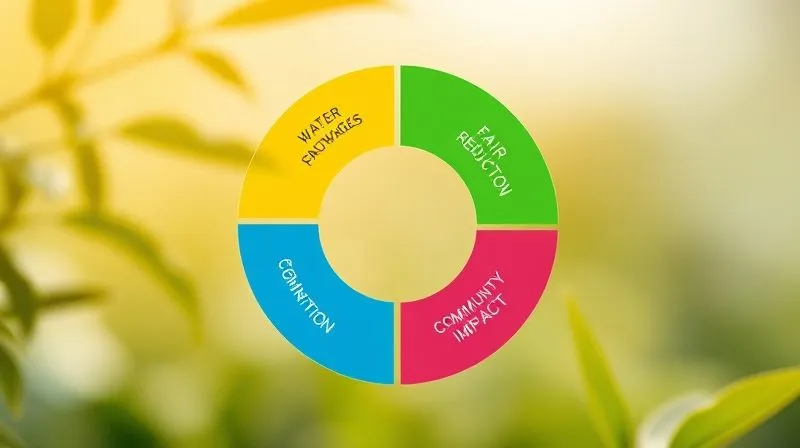
Adapting to Market Dynamics and Consumer Feedback
The fashion landscape is ever-evolving, and consumer preferences for ethical goods are maturing. To maintain competitive pricing without compromising values, you must remain agile and responsive.
Monitoring Competitor Pricing (Ethical and Conventional)
While your pricing is value-driven, it's crucial to be aware of what both ethical competitors and conventional brands are charging. This isn't about matching their prices, but understanding the perceived value in the market. Ask yourself:
- How do my ethical claims stack up against theirs?
- Are there gaps in the market I can fill with unique ethical offerings?
- Where do my prices sit relative to products of similar quality (even if not ethical)?
This analysis helps you position your brand effectively, identifying where your premium is justified and where you might need to further articulate your unique selling proposition.
Collecting and Responding to Customer Feedback
Your customers are your best resource for understanding perceived value and price sensitivity. Actively solicit feedback through surveys, social media polls, and direct conversations. Pay attention to comments about price, value, and quality. Use this feedback to:
- Refine Product Offerings: Are customers willing to pay more for a specific sustainable feature?
- Adjust Communication: Is your value proposition clear enough to justify your prices?
- Address Pain Points: If customers consistently feel a product is overpriced, is there a way to optimize production or communicate its value more effectively?
Being responsive shows your commitment to your community and helps you fine-tune your pricing strategy over time. The ability to adapt and respond to market signals is a hallmark of successful businesses, as highlighted in articles on market-driving strategies.
| Competitor Name | Price Point (Similar Product) | Key Ethical Differentiators | Marketing Approach |
|---|---|---|---|
| EcoChic Co. (Ethical) | $$$ | GOTS, Fair Trade, Recycled Materials | Storytelling, Impact Reports |
| Sustainable Style (Ethical) | $$ | Organic Cotton, Local Production | Community Focus, DIY Workshops |
| FastFashion Giant (Conventional) | $ | None stated | Trend-driven, Volume Sales |
| Premium Boutique (Conventional) | $$ | Luxury fabrics, Designer label | Exclusivity, Brand Heritage |
Frequently Asked Questions (FAQ)
Is it ever okay to discount ethical fashion? Discounting ethical fashion requires careful consideration. While promotional sales can attract new customers, frequent or deep discounts can devalue your brand's ethical premium and send mixed signals about your commitment to fair wages and sustainable costs. Instead, consider offering limited-time promotions, bundle deals, or loyalty rewards that align with your values. Transparently explaining *why* a discount is offered (e.g., 'end-of-season to make space for new collection, supporting sustainable inventory management') is crucial.
How do I communicate higher prices to price-sensitive customers? Focus on education and long-term value. Explain the 'cost per wear' benefit, the durability of your products, and the positive impact their purchase makes. Use compelling storytelling about artisans, environmental benefits, and quality craftsmanship. Offer payment plans if feasible, or highlight entry-level ethical products to onboard new customers. Emphasize that they are investing, not just spending.
What's the biggest mistake ethical brands make with pricing? The biggest mistake I've observed is underpricing their products out of fear of being uncompetitive. This leads to unsustainable business models, compromises on ethical standards, or burnout. It also devalues the immense effort and integrity that goes into ethical production. Another common error is failing to clearly articulate *why* their products cost more, leaving customers to assume it's just arbitrary markup.
How important are certifications for justifying price? Certifications are incredibly important. They provide independent, third-party verification of your ethical claims, building immediate trust and credibility with consumers. This external validation helps justify a higher price point by assuring customers that they are indeed paying for genuine ethical practices, not just marketing claims. They act as a shortcut for consumers to understand and trust your brand's commitment.
Can ethical fashion ever truly compete with fast fashion prices? Directly, no, and it shouldn't try to. Fast fashion's low prices are built on exploitation and environmental degradation. Ethical fashion competes on different values: quality, durability, positive impact, and transparency. The goal isn't to match fast fashion's price, but to offer a compelling alternative that provides superior value in the long run, shifting consumer mindset from disposable trends to conscious investment.
Key Takeaways and Final Thoughts
- Know Your True Costs: Radical transparency about your supply chain, fair wages, and sustainable processes is the foundation of ethical pricing.
- Embrace Value-Based Pricing: Shift the narrative from cost to the holistic value and impact your brand delivers.
- Utilize Strategic Models: Explore cost-plus with an ethical premium, tiered pricing, and membership models to cater to diverse customer segments.
- Optimize Operations Ethically: Implement lean production, bulk ethical sourcing, and efficient logistics to reduce costs without compromising values.
- Leverage Credibility & Story: Use third-party certifications and a compelling brand narrative to justify your premium and build trust.
- Communicate with Transparency: Actively share impact reports, engage your community, and collaborate with aligned influencers.
- Stay Agile: Continuously monitor market dynamics and customer feedback to refine your pricing strategy.
The journey of pricing ethical fashion competitively without compromising values is undoubtedly challenging, but it is also incredibly rewarding. It requires courage, transparency, and a deep commitment to your mission. By implementing these strategies, you're not just setting a price; you're articulating your values, empowering your community, and building a sustainable business that genuinely makes a difference. Remember, your price is a reflection of your principles – wear it with pride, educate with passion, and watch your impact grow.
Recommended Reading
- 7 Key Factors: How to Choose a Versatile Men's Watch for Diverse Business Settings
- 7 Pillars: Retaining Master Artisan Skills for Luxury Brand Legacy
- 7 Smart Strategies: Stop Overstocking Fleeting Jewelry Trends in Your Boutique
- Unleash Your Style: How to Incorporate Bold Prints into Streetwear Outfits
- Stop Struggling: 6 Steps to Scale Apparel Repair Profitably




Your email address will not be published. Required fields are marked *