


How to Retain Master Artisan Skills for Future Luxury Brand Legacy?
For over two decades in the rarefied world of luxury fashion, I've witnessed the quiet erosion of what truly defines a brand's soul: the irreplaceable human touch of its master artisans. From the intricate stitching of a bespoke leather bag to the delicate hand-embroidery on a haute couture gown, these skills are not merely techniques; they are the very DNA of luxury, passed down through generations.
The challenge isn't merely about production capacity; it's about preserving the very hands and minds that imbue each piece with unparalleled value and narrative. We're facing an aging workforce, a dwindling pipeline of new talent, and the pervasive pressure of mass production threatening to dilute the essence of true craftsmanship. This isn't just an operational hurdle; it's an existential threat to the legacy of every luxury brand.
This article will reveal actionable frameworks and strategic pillars, drawing from my own insights and industry best practices, to safeguard these irreplaceable skills. You’ll learn how to cultivate a thriving ecosystem where master artisans are not just retained but celebrated, ensuring your brand's heritage flourishes for future generations. It's time to move beyond reactive solutions and embrace a proactive, holistic approach.
Understanding the Imminent Threat to Craftsmanship
The luxury fashion industry, despite its opulent facade, is grappling with a silent crisis. The hands that craft the world's most coveted items are growing older, and the traditional pathways for knowledge transfer are faltering. I've seen countless ateliers where the average age of a master artisan is well into their 60s, with few apprentices ready to step into their formidable shoes.
This isn't just a demographic issue; it's compounded by the allure of faster-paced, digitally-driven careers and the societal undervaluation of manual skills. The patience, precision, and dedication required to master a craft over decades often clash with the instant gratification culture. Furthermore, the economic pressures of globalized manufacturing can sometimes push brands towards efficiency over enduring artistry, inadvertently sidelining the very individuals who define their exclusivity.
"True luxury is not just about rarity of materials, but the rarity of human skill that transforms those materials into art. Losing that skill is to lose the very soul of the brand." - Industry Veteran Insight
The threats are multifaceted:
- Aging Workforce: A significant portion of master artisans are nearing retirement, taking with them decades of tacit knowledge and unique techniques.
- Lack of Succession Planning: Many brands lack formal, structured programs to identify, train, and mentor the next generation of craftspeople.
- Erosion of Traditional Apprenticeships: The informal, often familial, transfer of skills is less common today, leaving a void.
- Economic Pressures: The drive for cost efficiency can inadvertently deprioritize investment in long-term skill development.
- Perception Gap: Manual craftsmanship is sometimes not seen as a prestigious or lucrative career path by younger generations.
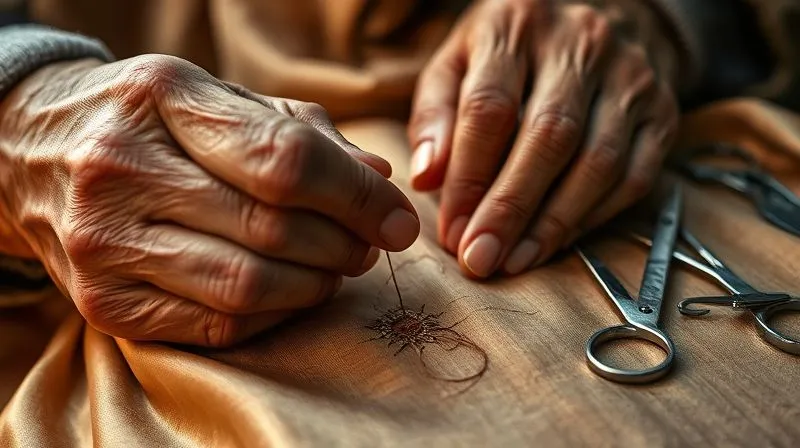
Cultivating a Culture of Valued Craft: Beyond Compensation
In my experience, financial compensation, while important, is rarely the sole motivator for master artisans. Their work is a calling, a passion, and a source of profound identity. To truly retain these invaluable individuals, luxury brands must foster a culture that deeply respects, celebrates, and empowers their craft. This goes beyond a paycheck; it's about creating an environment where their expertise is central to the brand's identity and future.
I've observed that when artisans feel their contribution is genuinely valued, when their voice is heard, and when they are recognized as indispensable pillars of the brand, their loyalty and dedication soar. This involves integrating them into the brand narrative, providing opportunities for creative input, and ensuring their working conditions reflect the prestige of their output.
Empowering the Artisan's Voice and Craft
True empowerment means more than just acknowledging their presence; it means actively involving artisans in the creative process and strategic decisions. They possess an intimate understanding of materials, techniques, and possibilities that designers often overlook. By bringing them to the table, brands can unlock new levels of innovation and authenticity.
- Integrate Artisans into Design Teams: Facilitate direct collaboration between designers and artisans from conception to execution. Their practical insights can refine designs and push creative boundaries.
- Establish 'Artisan Councils' or 'Guilds': Create internal forums where master artisans can share knowledge, discuss challenges, and contribute ideas for product development and skill preservation.
- Provide Creative Autonomy: Offer opportunities for artisans to develop limited-edition pieces or special projects, allowing them to express their unique vision and expertise.
- Promote Mentorship Beyond Production: Encourage master artisans to mentor not just apprentices, but also designers, marketing teams, and even leadership, to instill a deeper appreciation for craftsmanship across the organization.
- Ensure Ergonomic & Inspiring Workspaces: Invest in ateliers that are not just functional but also aesthetically pleasing, well-lit, and equipped with the best tools, reflecting the value placed on their work environment.
According to a study published in the Harvard Business Review, companies that empower employees and foster a sense of belonging see significantly higher rates of innovation and employee retention. For luxury brands, this translates directly to preserving unique skills.
The Apprenticeship Revival: Structured Knowledge Transfer
The traditional, often informal, apprenticeship model is struggling to keep pace with the demands of the modern luxury industry. To effectively retain master artisan skills, brands must invest in robust, structured apprenticeship programs that formalize knowledge transfer and provide clear career pathways. I've seen firsthand how a well-designed program can transform a brand's talent pipeline, ensuring a continuous flow of skilled craftspeople.
These programs should go beyond simply teaching techniques; they must instill the philosophy, the patience, and the passion that define true mastery. It's about cultivating not just skilled hands, but also discerning eyes and creative minds, capable of upholding and evolving the brand's aesthetic heritage. This requires a long-term vision and significant commitment.
Designing Robust Apprenticeship Programs
A successful apprenticeship program is a multi-generational commitment, weaving together structured learning with hands-on experience, and fostering a deep bond between mentor and mentee. It’s an investment in the brand’s future, not just a training cost.
- Formalize Curriculum and Milestones: Develop a clear curriculum outlining specific skills, techniques, and knowledge to be acquired at each stage, with measurable milestones and assessments.
- Dedicated Mentorship Structure: Pair apprentices with specific master artisans who are compensated and trained for their mentoring role. Regular feedback sessions are crucial.
- Multi-Generational Learning: Encourage interaction between apprentices and multiple master artisans, exposing them to diverse techniques and perspectives within the brand.
- Cross-Disciplinary Exposure: Allow apprentices to spend time in different departments (design, materials sourcing, quality control) to understand the broader context of their craft.
- Certification and Recognition: Offer internal or external certifications upon completion, validating their expertise and providing a sense of achievement and professional growth.
- Long-Term Career Pathways: Outline clear progression paths for apprentices post-program, demonstrating the brand's commitment to their future within the company.
I've observed many brands struggle with the initial investment, but the long-term returns in terms of skill preservation, brand authenticity, and reduced reliance on external talent are undeniable.
| Element | Traditional Approach | Modern Structured Approach |
|---|---|---|
| Mentorship | Informal, ad-hoc | Dedicated, trained mentors; scheduled feedback |
| Curriculum | Learning by observation | Formalized modules; skill milestones |
| Duration | Often lifelong, undefined | Defined periods (e.g., 3-5 years) with progression |
| Recognition | Peer acknowledgement | Certifications, clear career paths |
| Support | Limited, self-funded | Stipends, benefits, dedicated learning resources |
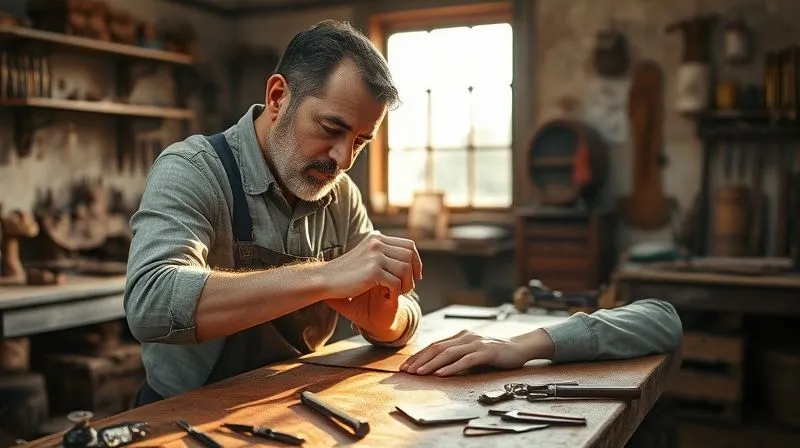
Leveraging Technology Without Compromising Authenticity
In the luxury sector, there's often a misconception that technology is antithetical to artisan craftsmanship. In my view, this couldn't be further from the truth. When applied thoughtfully, technology can be a powerful ally in preserving and even enhancing traditional skills, rather than replacing them. The key is to leverage it as a tool for documentation, training, and efficiency, allowing artisans to focus on the truly irreplaceable creative and manual aspects of their work.
I've seen brands successfully integrate advanced digital tools to archive intricate techniques, create precise templates, and even simulate complex processes, thereby safeguarding knowledge that might otherwise be lost. This isn't about automation; it's about augmentation.
Digital Archiving of Techniques and Designs
One of the most immediate and impactful applications of technology is the comprehensive digital archiving of master artisan techniques. This creates an invaluable repository of knowledge that can be accessed for training, historical reference, and even inspiration for future collections.
- 3D Scanning and Modeling: Use high-resolution 3D scanning to capture intricate details of prototypes, tools, and finished products. This creates digital twins that can be studied, replicated, and used for teaching.
- Virtual Reality (VR) and Augmented Reality (AR) for Training: Develop VR simulations that allow apprentices to practice complex movements and sequences in a safe, repeatable environment before working with precious materials. AR can overlay instructions onto real-world tasks.
- High-Definition Video Documentation: Film master artisans performing their craft from multiple angles, with detailed voiceovers explaining each step, nuance, and secret. This creates an evergreen library of expertise.
- Digital Libraries of Patterns and Templates: Digitize all historical and current patterns, templates, and specifications, making them easily searchable and accessible, ensuring consistency and preserving design heritage.
- AI-Powered Material Analysis: Utilize AI to analyze material properties and predict their behavior under different crafting conditions, aiding artisans in selection and manipulation.
"Technology should be the servant of craft, not its master. It helps us remember, replicate, and refine, but the soul of the creation remains in the human hand." - Luxury Tech Innovator
By embracing these digital tools, luxury brands can create a robust backup system for their most valuable asset – their artisans' knowledge – while still celebrating the hands-on process. This is about building a bridge between tradition and innovation, ensuring the longevity of skills in an evolving world. For more insights on digital preservation, consider exploring resources from institutions like UNESCO's Cultural Heritage programs.
Fostering Internal Communities and External Collaborations
In my experience, isolation is the enemy of innovation and skill transfer. Master artisans, like all experts, thrive in environments where they can connect, share, and learn from peers. Luxury brands must actively cultivate internal communities and seek external collaborations to enrich their artisan ecosystem, preventing knowledge silos and fostering a vibrant culture of shared expertise.
Creating internal 'guilds' or 'forums' allows artisans from different departments or product lines to interact, share best practices, and even engage in cross-craft learning. This cross-pollination of ideas can lead to unexpected innovations and a deeper appreciation for the collective artistry within the brand.
Case Study: Preserving the Legacy of "Éclat Couture"
Éclat Couture, a venerable French haute couture house, faced a critical challenge: their most skilled embroiderers, some of whom had worked for the brand for over 40 years, were nearing retirement with no clear successors. The brand's signature intricate beadwork and silk-thread techniques were at risk of being lost.
By implementing a multi-pronged approach, Éclat Couture achieved remarkable success. They established an 'Atelier des Maîtres' – an internal guild for their master artisans. This guild met quarterly to discuss challenges, share new techniques, and even critique new designs, making the artisans integral to the creative process. They also launched a formal 'Passage de Savoir' (Knowledge Transfer) program, pairing each retiring master with two apprentices and a junior artisan. This structured mentorship, combined with comprehensive video documentation of their specific stitches and methods, created a robust learning environment.
The result? Not only did Éclat Couture successfully transfer crucial skills, but the apprentices, feeling deeply valued and supported, brought fresh perspectives, leading to innovative adaptations of traditional techniques. The brand saw a 25% increase in artisan retention over five years and a renewed sense of pride and collaboration across the ateliers. This demonstrated that investing in internal community and structured transfer wasn't just about preservation, but also about growth and innovation.
- Increased Innovation: Cross-disciplinary discussions often spark new ideas and applications of techniques.
- Enhanced Problem Solving: A collective pool of experience can more effectively tackle complex crafting challenges.
- Stronger Brand Identity: A cohesive artisan community reinforces the brand's commitment to craftsmanship.
- Improved Morale and Retention: Artisans feel more connected, valued, and less isolated in their highly specialized roles.
- Organic Skill Transfer: Informal learning and peer mentorship flourish within a strong community.
Strategic Investment: Funding and Incentivizing Skill Preservation
Retaining master artisan skills is not a passive endeavor; it requires significant, strategic financial investment. I've often seen brands underestimate the true cost and long-term value of skill preservation, treating it as an overhead rather than a core strategic asset. To truly secure a luxury brand's legacy, financial commitment must extend beyond basic salaries to encompass comprehensive programs for training, development, and recognition.
This means allocating dedicated budgets for apprenticeship programs, advanced training, modernizing ateliers, and creating incentive structures that reward loyalty, expertise, and the willingness to mentor. It's about demonstrating, through tangible investment, that the brand views its artisans as invaluable long-term assets, not just employees.
Creating a "Legacy Fund" for Artisan Development
A dedicated 'Artisan Legacy Fund' can provide the necessary financial infrastructure to support long-term skill preservation initiatives. This fund can be structured to cover various aspects of artisan development and retention.
- Apprenticeship Grants: Provide stipends and educational support for apprentices, making the career path more accessible and attractive.
- Master Artisan Mentorship Bonuses: Compensate master artisans specifically for their time and effort in mentoring, recognizing the additional responsibility.
- Continuous Professional Development: Fund opportunities for artisans to attend specialized workshops, learn new techniques, or visit historical sites relevant to their craft, fostering ongoing growth.
- Equipment Modernization: Invest in state-of-the-art tools and technologies that complement traditional methods, improving efficiency and working conditions without compromising authenticity.
- Recognition and Awards: Establish internal awards or bonuses for long-serving artisans, those who demonstrate exceptional skill transfer, or those who innovate within their craft.
- Research & Development in Craft: Allocate funds for exploring new materials, sustainable practices, or advanced techniques that align with traditional craftsmanship.
According to a report by Deloitte, companies that invest in talent development and employee well-being see higher productivity, innovation, and significantly reduced turnover. For luxury brands, this translates directly into preserving unique, high-value skills and the brand's authentic heritage. Investing in your artisans is investing in your future. For further insights on sustainable business practices and corporate social responsibility, consider resources from publications like Forbes.
Marketing and Storytelling: Elevating the Artisan's Narrative
In today's market, luxury consumers are increasingly sophisticated. They seek authenticity, provenance, and a compelling story behind the products they purchase. This presents an incredible opportunity for luxury brands to not just retain artisan skills, but to elevate them into a central pillar of their brand narrative. I've found that when the story of the artisan is told with genuine respect and detail, it resonates deeply with clients, creating a stronger emotional connection to the brand.
Moving beyond generic claims of 'handcrafted,' brands must provide transparency and specific narratives about the individuals who imbue their products with soul. This not only celebrates the artisans but also educates the consumer on the true value and rarity of master craftsmanship, justifying the premium associated with luxury goods.
Showcasing the Human Element in Luxury
By making the artisan visible, brands can differentiate themselves in a crowded market and build enduring trust and admiration.
- Artisan Biographies: Feature detailed profiles of master artisans on your website, in boutique displays, and in brand publications, highlighting their journey, expertise, and personal connection to the craft.
- 'Making Of' Content: Create high-quality videos and photographic essays showcasing the intricate, step-by-step process of creation, focusing on the hands and techniques of the artisans.
- Boutique Demonstrations: Organize live demonstrations by artisans in flagship stores, allowing clients to witness the craftsmanship firsthand and interact with the creators.
- Transparent Supply Chains: Clearly communicate the origin of materials and the journey of the product, emphasizing the points where artisan skill adds value.
- Limited Edition 'Artisan Series': Launch exclusive collections where specific artisans are credited and celebrated, making their personal touch a unique selling proposition.
- Collaborations with External Artisans: Partner with independent master craftspeople to create unique pieces, broadening the brand's artistic network and showcasing diverse skills.
"The ultimate luxury is the human touch, the story of a hand that creates. Brands that fail to tell this story miss the very essence of what they sell." - Luxury Marketing Strategist
By making the artisan's journey and skill a central part of the brand's communication, luxury houses can not only retain these precious skills but also build a more authentic, resonant, and ultimately more valuable brand legacy. This storytelling isn't just marketing; it's an act of cultural preservation.
| Channel | Strategy |
|---|---|
| Website/E-commerce | Dedicated 'Artisans' section, video series, product story tags |
| Social Media | Behind-the-scenes reels, artisan takeovers, Q&A sessions |
| In-Store Experience | Live demonstrations, artisan meet-and-greets, display narratives |
| Print/Editorial | Feature articles, interviews, photo essays in brand magazines |
| PR/Events | Media visits to ateliers, artisan-led workshops, launch events |
Global Perspective: Learning from International Models
As I've traveled the world, exploring diverse luxury markets, one truth has become abundantly clear: the challenge of retaining master artisan skills is universal, yet the solutions often draw from unique cultural and historical contexts. By looking beyond our immediate industry and geographical boundaries, we can gain invaluable insights and adapt best practices that have proven successful in other regions. This global perspective is crucial for developing truly comprehensive and resilient strategies.
From the meticulous precision of Japanese master craftsmen to the generational ateliers of Italy, different cultures have developed distinct, yet equally effective, approaches to safeguarding their heritage crafts. Understanding these models allows us to identify transferable frameworks and avoid reinventing the wheel.
Adapting Best Practices for Local Contexts
No single model fits all, but the underlying principles of respect, investment, and structured transfer are universally applicable.
- The Italian Atelier System: Many Italian luxury brands thrive on a network of small, highly specialized family-run ateliers, where skills are passed down through generations. This model emphasizes deep specialization and strong community ties. Brands can foster similar 'micro-atelier' structures internally or through close partnerships.
- Japanese 'Living National Treasures' (Ningen Kokuh?): Japan's system of designating and supporting 'Living National Treasures' for their mastery of traditional arts and crafts provides a powerful model for official recognition and financial support. Luxury brands could lobby for similar governmental or industry-led initiatives, or create internal 'Master Artisan Fellowships.'
- French 'Métiers d'Art': The French tradition of 'Métiers d'Art' (artistic crafts) emphasizes the preservation of unique, often rare, skills vital to haute couture and luxury goods. Brands can learn from their structured educational institutions and the integration of these crafts into high fashion.
- German 'Meister' System: Germany's 'Meister' (master craftsman) qualification system provides a rigorous, standardized pathway for skill mastery and recognition. Adopting elements of such a structured certification can elevate the perceived value and professional standing of artisans.
- Indigenous Craft Revival Programs: Many programs globally focus on reviving and sustaining indigenous crafts, often integrating cultural education and sustainable practices. These models offer lessons in community engagement and holistic preservation.
By studying these diverse approaches, luxury brands can extract core principles—such as the importance of formal training, societal recognition, and dedicated funding—and adapt them to their specific brand heritage, product categories, and regional contexts. This global lens allows for a more informed and innovative approach to skill retention, ensuring that the legacy of master craftsmanship continues to inspire and define luxury worldwide.
Frequently Asked Questions (FAQ)
What is the most immediate threat to master artisan skills in luxury fashion? The most immediate threat is the aging workforce combined with a significant gap in succession planning. Many master artisans are nearing retirement, and there aren't enough skilled apprentices or formal programs in place to effectively transfer their highly specialized, often tacit, knowledge before it's lost forever. This creates a critical skill vacuum that impacts production quality and brand authenticity.
Can technology truly help retain traditional artisan skills, or does it risk replacing them? Technology, when used strategically, can be a powerful tool for skill retention without replacing the artisan. Its role is to augment, not automate. For example, 3D scanning can archive intricate designs, VR can simulate training, and advanced software can create precise templates. These tools safeguard knowledge, improve efficiency, and allow artisans to focus on the irreplaceable creative and manual aspects of their craft, ensuring their unique touch remains central.
How can luxury brands make artisan careers more attractive to younger generations? To attract younger talent, brands must elevate the prestige and visibility of artisan careers. This involves offering competitive compensation and benefits, providing clear career progression pathways, investing in modern, inspiring ateliers, and actively showcasing artisans as creative contributors through marketing and storytelling. Additionally, structured, recognized apprenticeship programs and opportunities for creative input can make these roles highly desirable.
Is it more effective to train new artisans internally or acquire external talent? While external talent can fill immediate gaps, a robust internal training program, particularly structured apprenticeships, is far more effective for long-term skill retention and legacy building. Internal programs ensure that the brand's specific heritage, unique techniques, and philosophical approach to craftsmanship are deeply embedded in new artisans. It fosters loyalty, cultivates a unique brand identity, and provides a sustainable pipeline of expertise that cannot be replicated by external hires alone.
What role does storytelling play in preserving artisan skills? Storytelling is crucial. By transparently showcasing the artisans, their journeys, and the intricate processes behind luxury products, brands educate consumers on the true value of craftsmanship. This not only justifies premium pricing but also creates a deeper emotional connection between the consumer and the brand. More importantly, it elevates the status of the artisan, inspiring future generations to pursue these crafts and reinforcing the brand's commitment to its heritage.
Key Takeaways and Final Thoughts
The future of luxury fashion hinges on our ability to safeguard the master artisan skills that define its very essence. This isn't just about preserving tradition; it's about ensuring authenticity, fostering innovation, and securing a unique competitive advantage in an increasingly commoditized world. As an industry veteran, I can tell you that the time for proactive, strategic action is now.
- Cultivate a Culture of Value: Beyond wages, empower artisans, involve them in design, and celebrate their indispensable contributions.
- Invest in Structured Apprenticeships: Formalize knowledge transfer with dedicated mentorship, clear curricula, and defined career paths.
- Leverage Technology Wisely: Use digital tools for archiving, training, and efficiency, augmenting rather than replacing human skill.
- Foster Community & Collaboration: Create internal guilds and seek external partnerships to enrich the artisan ecosystem.
- Make Strategic Financial Investments: Establish dedicated funds for artisan development, training, and recognition.
- Elevate the Artisan's Narrative: Tell compelling stories that highlight the human touch, connecting consumers deeply with your brand's heritage.
- Learn from Global Models: Adapt best practices from international examples of craft preservation to strengthen local strategies.
Retaining master artisan skills is a profound commitment – a journey that requires patience, investment, and a deep reverence for the human hand. But the reward is immeasurable: a luxury brand legacy that is not just built on exquisite products, but on the enduring spirit, wisdom, and unparalleled artistry of its people. Embrace this challenge, and your brand will not merely survive, but truly thrive, for generations to come.
Recommended Reading
- 7 Proven Strategies to Effectively Upsell Premium Progressive Lens Optical Frames
- Unlock Radiant Skin: Your Ultimate Morning Skincare Routine for Oily Skin
- The Unseen Value: Best Heritage Luxury Brands for Investment Revealed
- Unlock Your Style: How to Chicly Dress Diverse Body Types (7 Pro Tips)
- Cracking the Teen Code: 7 Steps to Forecast Volatile Fashion Trends



Your email address will not be published. Required fields are marked *