

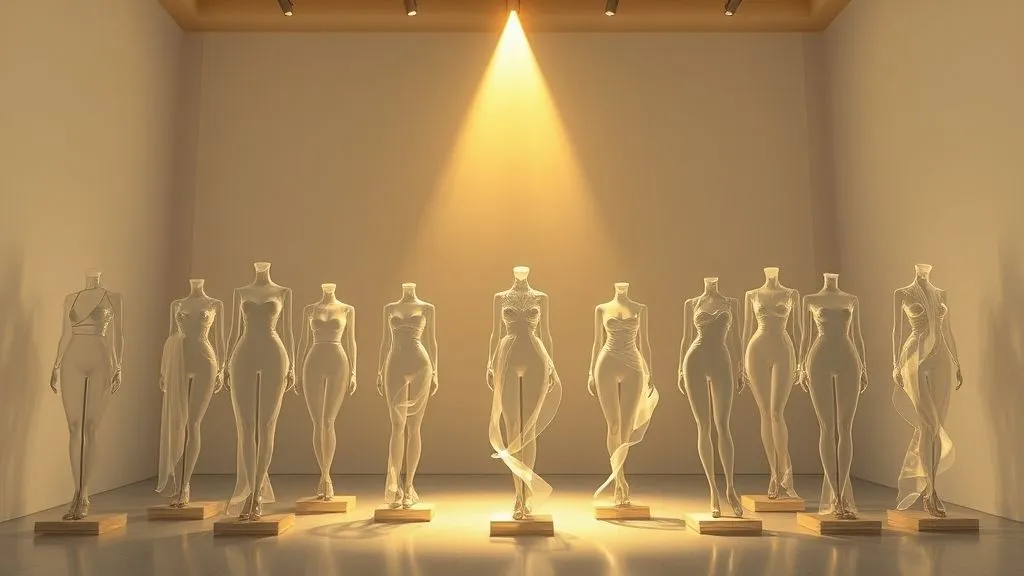
How to style chic womenswear for diverse body types?
The journey to chic dressing for diverse body types begins not with a set of rigid rules, but with a foundational shift in perspective. For over 15 years, I've seen how women transform their approach from "hiding flaws" to "celebrating assets," and this is where true style mastery lies. Before any garment is even considered, it's crucial to understand your own unique blueprint. This isn't about fitting into a category, but about identifying your natural proportions and where your body carries its volume and length. In my experience, the single most impactful styling tool is understanding **proportion**. It's the art of creating visual balance and harmony, ensuring that no single part of your outfit overwhelms or underwhelms another. Think of it like an architect designing a building; every element serves a purpose in the overall structure. For instance, a common and effective technique is the "rule of thirds," where you aim for a 1/3 to 2/3 split in your top and bottom halves, rather than a 50/50 split which can often look stumpy. One of the most powerful ways to achieve flattering proportions, regardless of your natural shape, is by strategically defining the waist. Even if you don't have a naturally cinched waist, creating the *illusion* of one can transform your silhouette.- Wrap Dresses and Tops: These are universally flattering, cinching at the narrowest part of your torso while allowing for adjustability.
- High-Waisted Bottoms: They elongate the leg and draw the eye to a higher, often narrower, point on the body.
- Belts: A well-placed belt can be a game-changer, whether worn over a dress, a blazer, or a flowy top, to create an hourglass effect.
- Structured Fabrics: Materials like stiff cotton, tweed, or heavy denim hold their shape, which can be excellent for creating definition or adding volume where desired (e.g., A-line skirts, tailored jackets).
- Fluid Fabrics: Silks, rayons, and soft knits skim the body without clinging, offering a graceful drape that can beautifully camouflage or soften lines. They are ideal for creating an elegant flow.
- Avoid Cling: For areas you prefer to de-emphasize, steer clear of overly thin or stretchy fabrics that cling to every curve, as these can highlight rather than flatter.
This means choosing shapes that either follow your natural lines or create new, more flattering ones.“The right silhouette doesn't just fit your body; it dances with it, creating movement and visual interest that enhances your natural form.”
- Vertical Lines: Open cardigans, long necklaces, and vertical stripes create an illusion of height and slenderness.
- A-Line Shapes: Flaring gently from the waist or hips, A-line skirts and dresses are superb for balancing wider hips or adding subtle volume to a more straight figure.
- V-Necklines: These universally flattering necklines elongate the neck and draw the eye upwards, creating a beautiful focal point.
Understanding the Root of the Problem: Why Does Styling for Diverse Body Types Feel So Challenging?
In my fifteen years as a Womenswear Expert, one question consistently surfaces: 'Why does dressing well feel so incredibly difficult for *my* body?' It's a sentiment I hear from women across all sizes, shapes, and ages. The truth is, this challenge isn't a reflection of your body; it's a symptom of deeper systemic issues and ingrained societal beliefs about fashion.
A significant root of the problem lies in the historical evolution of the fashion industry itself. For decades, the dominant narrative, from runways to magazines, presented an incredibly narrow ideal of beauty and body shape. This created a pervasive 'one-size-fits-few' mentality that continues to influence design, marketing, and even our own self-perception.
This narrow lens meant that clothing was often designed, fitted, and showcased on a very specific, often unattainable, physique. Consequently, many women have been led to believe that *their* body is the problem when clothes don't fit, rather than acknowledging that the clothes themselves, or the industry's approach, are often the misfits.
Beyond the industry's historical bias, a critical missing piece is the fundamental education in personal styling principles. Most women are taught to follow trends or mimic celebrity looks, rather than understanding the core elements of dressing for *their* unique proportions and preferences.
A common mistake I see is the absence of knowledge in areas such as:
- Understanding your true body shape beyond generic labels (e.g., apple, pear).
- Mastering the art of proportion and balance—how to visually harmonise your silhouette.
- Recognising the impact of fabric drape and texture on how a garment sits on the body.
- Knowing how to properly assess fit, not just size, and when a simple alteration can transform a piece.
Perhaps the most insidious challenge is the emotional and psychological baggage we carry into the dressing room. Years of media messaging, comparison, and sometimes even well-meaning but misguided advice from others, can lead to deeply ingrained body image issues.
'Fashion should be about self-expression and joy, yet for so many, it's a battlefield of self-criticism and inadequacy. We internalise the idea that our bodies are 'wrong' instead of celebrating their unique beauty.'
This emotional component often manifests as a desire to 'hide flaws' rather than highlighting assets and creating a cohesive, confident look. We spend energy trying to camouflage parts of ourselves, instead of understanding how to use clothing to create visual interest, elongating lines, or celebrating curves in a sophisticated way.
Finally, despite the apparent diversity in the market today, actually finding well-designed, high-quality clothing that genuinely flatters a wide range of body types can still be a struggle. While brands are slowly expanding sizes, the design philosophy often remains rooted in a limited archetype, leading to ill-fitting garments even in larger or smaller sizes.
It's a complex interplay of historical bias, a lack of practical knowledge, and deeply personal emotional hurdles. Recognising these underlying issues is the crucial first step toward dismantling the barriers and empowering you to truly 'Unlock Your Style' for your unique body.
Misunderstanding Your Unique Body Shape
In my fifteen years guiding women to unlock their personal style, a pervasive and often debilitating hurdle I consistently observe is the fundamental misunderstanding of one's own unique body shape. It's an issue far deeper than simply mislabeling oneself as an 'apple' instead of a 'pear'; it's about a profound disconnect between perception and reality. A common mistake I see is clients focusing intensely on a single perceived 'flaw' – perhaps a slightly wider hip or a less defined waist – and allowing that one feature to dictate their entire understanding of their silhouette. This tunnel vision prevents them from seeing their body as an integrated, proportional whole.This misperception is often fueled by a combination of factors. Firstly, the media's relentless promotion of a singular, often unattainable, ideal body type can lead individuals to scrutinize their own form through a distorted lens, highlighting perceived deficiencies rather than appreciating their inherent structure. Secondly, a lack of objective self-assessment means many rely on guesswork or outdated advice, rather than taking the time for a proper evaluation.
The consequences of this misunderstanding are far-reaching and incredibly frustrating. It manifests most acutely in the dressing room, where garments that "should" fit or flatter based on a mistaken body type repeatedly fail to do so. This leads to a cycle of disappointment, wasted money on ill-fitting clothes, and a pervasive feeling of "nothing looks good on me.""Dressing your unique body shape isn't about conforming to an ideal; it's about understanding your architecture and designing a wardrobe that celebrates its inherent beauty and balance."
Consider the analogy of an architect. They wouldn't dream of designing a house without first understanding the land's topography, the foundation's strength, and the existing structural elements. Similarly, building a truly chic and functional wardrobe requires an accurate blueprint of your body's individual lines and proportions. Without this, you're essentially building on shifting sands.
Many women cling to simplistic body shape categories – the fruit or geometric shapes – and while these can be a starting point, they often don't capture the nuance of a real human body. For instance, a client once came to me convinced she was a classic 'apple' due to her fuller midsection. However, upon objective measurement, we discovered her shoulders and hips were almost perfectly aligned, indicating more of a 'rectangle' base with added softness. This subtle shift in understanding completely transformed her approach to dressing, moving her from shapeless tunics to structured pieces that actually created the waist definition she craved.
To move past this common pitfall, it requires a conscious, objective assessment. I always advise my clients to:
- Measure objectively: Use a tape measure for your shoulders, bust (fullest part), waist (narrowest part), and hips (fullest part). Write these down.
- Observe your lines: Stand in front of a full-length mirror in form-fitting clothing (or underwear). Look at your silhouette. Where is your widest point? Your narrowest? Where do your curves begin and end?
- Focus on proportions, not just size: Two women can be the same dress size but have vastly different proportions. It's the relationship between these measurements that truly defines your shape.
- Acknowledge fluidity: Your body shape can evolve due to age, weight fluctuations, or lifestyle changes. What worked five years ago might not be your most flattering option today, and that's perfectly normal.
Embracing this objective perspective is the first, most critical step toward unlocking a truly chic and confident personal style. It's about empowering yourself with knowledge, rather than being limited by assumptions or societal pressures.
Overwhelmed by Generic Fashion Advice
You’ve likely scrolled through countless articles and social media feeds, diligently absorbing tips like "wear dark colors to look slimmer" or "avoid horizontal stripes." While these sound simple, in my 15+ years in womenswear, I've seen firsthand how such generic advice often leaves women feeling more confused and frustrated than empowered.
The core issue is that mainstream fashion advice, by its very nature, tends to be a one-size-fits-all prescription. It operates under the flawed assumption that all bodies within a perceived 'type' (e.g., "apple," "pear," "hourglass") are identical, ignoring the incredible nuances of individual bone structure, muscle tone, and personal style.
A common mistake I see is women trying to meticulously follow these blanket rules, only to find that the suggested garments don't quite 'work' for them. This isn't a failure on their part; it’s a failure of the advice itself, which often overlooks the critical interplay of fabric, cut, drape, and individual proportions.
The most liberating truth in fashion is this: Your body is not a problem to be solved or hidden, but a unique canvas to be understood and celebrated. Generic advice rarely allows for this.
Consider the age-old "avoid horizontal stripes" dictum. On the surface, it seems logical. Yet, I've dressed countless women, including those told to steer clear, in horizontal stripes that looked utterly chic and flattering. The secret? It wasn't about the stripe itself, but its width, spacing, color contrast, and crucially, the garment's cut and how it draped on their specific frame.
Similarly, the advice to "always wear an A-line skirt if you're a pear shape" can be limiting. While often a great option, a well-tailored pencil skirt in a structured fabric with strategic seaming can look incredibly sophisticated and balance proportions beautifully on the very same body type. The difference lies in the individual garment's engineering, not merely its silhouette category.
The danger of generic advice isn't just that it's often ineffective; it's that it can inadvertently stifle your personal style evolution. It encourages you to think in terms of limitations rather than possibilities, focusing on "fixing" perceived flaws instead of highlighting your unique assets. This prescriptive approach strips away the joy of dressing and experimenting.
My goal, and the true path to unlocking your style, is to move beyond these superficial rules. Instead, we'll delve into the underlying principles of dressing for your specific architecture, understanding how different elements interact with *your* body's unique lines and curves. This deeper insight is what transforms dressing from a chore into an art form.
Step-by-Step: A Practical Framework to Master Chic Styling for Every Figure
In my fifteen years guiding women to their ultimate style, I’ve distilled the process into a repeatable framework. This isn't about rigid rules, but rather understanding principles that empower you to consistently create looks that flatter and express your authentic self.
A common misconception I encounter is the belief that chic styling is an innate talent. On the contrary, it’s a skill, honed through deliberate practice and a deep understanding of how garments interact with the human form.
The very first step, and arguably the most crucial, is to develop an intimate understanding of your own body. This goes beyond simply identifying a "fruit" shape; it's about recognizing your unique proportions, assets, and areas you wish to de-emphasize.
Forget the outdated labels for a moment. Instead, embark on a practical self-assessment:
- Take Precise Measurements: Grab a measuring tape and a full-length mirror. Accurately measure your bust (around the fullest part), natural waist (the narrowest point), hips (around the fullest part), shoulder width, and inseam. Document these figures.
- Observe Your Proportions: Stand relaxed in front of a mirror. Note the relationship between your upper and lower body. Are your legs proportionally longer or shorter than your torso? Where is your natural waistline positioned – high, medium, or low?
- Identify Your Assets: What features do you genuinely love? Is it your collarbones, your defined waist, strong shoulders, or long legs? Knowing this helps you strategically highlight them.
In my experience, many women skip this foundational step, leading to frustration when clothes don't fit as expected. Knowing your measurements and proportions empowers you to shop smarter, both online and in-store, by cross-referencing size charts and understanding where alterations might be needed.
Once you understand your canvas, the next layer involves mastering the language of fabric, drape, and fit. The material composition of a garment dictates how it drapes, stretches, and ultimately, how it interacts with your body’s contours.
Consider these crucial elements:
- Fabric Weight and Texture: Heavier, structured fabrics like denim, tweed, or thick cotton can add volume and hold shape, beneficial for those wishing to create curves or structure. Lighter, fluid fabrics such as silk, rayon, or soft knits drape and skim the body, ideal for creating a streamlined, elongating effect.
- Drape Dynamics: Observe how a fabric falls. Does it cling, skim, or stand away from the body? A fabric with good drape will flow elegantly, enhancing movement, whereas a stiff fabric might create unwanted bulk or restrict motion.
- The Precision of Fit: A perfectly tailored garment, even if it's a simple t-shirt, will always look more polished than an ill-fitting designer piece. Pay close attention to shoulder seams, waist placement, and hem lengths – these are the hallmarks of a truly chic ensemble.
"The most expensive garment can look cheap if the fit is wrong, and the simplest piece can look luxurious when tailored to perfection." – This is a mantra I live by.
For example, a woman seeking to add volume to a narrow hip might benefit from a structured A-line skirt in a stiffer cotton, while someone aiming for a lengthened, streamlined silhouette might opt for a flowing crepe wide-leg pant.
This is where the artistry truly begins: learning to manipulate visual perception through proportion and balance. Our eyes are naturally drawn to certain lines and shapes, and we can strategically use clothing to create desired illusions.
To achieve visual harmony, focus on:
- The Rule of Thirds: Instead of dividing your body in half, aim for an outfit that creates a 1/3 to 2/3 ratio. This could be a longer top over shorter pants, or a cropped jacket over a longer dress, creating a more dynamic and visually appealing balance than a 50/50 split.
- Vertical and Horizontal Lines: Use vertical lines (e.g., open cardigans, pinstripes, unbroken color columns) to create length and slimness. Horizontal lines (e.g., wide belts, boat necks, color blocks) can add width or define sections.
- Waist Definition: For many body types, highlighting the narrowest part of the torso can create an hourglass effect, even if it's not naturally pronounced. Belts, peplum tops, well-placed ruching, or empire waists are powerful tools here to create shape.
Consider a mini case study: A client with a broader upper body and narrower hips often felt unbalanced. By introducing an A-line skirt (adding width to the lower half) and an open V-neck top (creating a vertical line on the upper body), we balanced her proportions beautifully, drawing the eye upwards while subtly expanding her lower silhouette.
Accessories are not mere afterthoughts; they are critical tools in your styling arsenal, capable of transforming an outfit and drawing the eye strategically. They act as punctuation marks, completing your sartorial sentence and enhancing the power of accessories.
Mastering their use involves:
- Strategic Focal Points: A statement necklace or a pair of bold earrings can draw attention upwards to the décolletage and face, diverting focus from areas you might wish to de-emphasize. Conversely, a unique belt can highlight a defined waist.
- Balancing Proportions: For a taller woman, a larger, more structured handbag can complement her stature without looking disproportionate. A petite individual, however, might opt for a smaller, more delicate cross-body bag to avoid overwhelming her frame.
- Footwear Finesse: Nude heels can visually extend the leg, creating an illusion of height and slenderness. Chunky boots can ground an outfit and add perceived weight to the lower half, balancing a broader upper body or adding an edgy counterpoint to delicate fabrics.
A common mistake I see is underestimating their impact. A thoughtfully chosen scarf can add color and texture near the face, instantly brightening a complexion, while the right pair of glasses can frame your features and elevate your entire look.
The art of layering and texture play is a sophisticated technique that adds depth, dimension, and adaptability to any outfit. It's not just for warmth; it's a powerful styling tool to create flattering silhouettes and introduce visual interest.
Key principles for effective layering and texture integration:
- Sculpting the Silhouette: By strategically adding or subtracting layers, you can sculpt your silhouette. A tailored blazer over a soft blouse can create structure and define the waist, while an open cardigan or vest can provide a flattering vertical line, elongating the torso and camouflaging mid-sections.
- Introducing Dimension: Don't shy away from mixing textures. The interplay of a smooth silk blouse with a chunky knit cardigan, or a leather skirt with a cashmere sweater, adds a luxurious complexity that elevates the entire look. This tactile variety makes an outfit feel rich and considered.
- Color and Pattern Continuity: Use layers to break up or continue patterns and colors. A solid-colored base layer under a patterned jacket can simplify the look, while a patterned scarf over a solid top can introduce a playful element without overwhelming the figure.
In my professional styling work, I often advise clients to think about layering as building an architectural structure around their body. Each piece contributes to the overall form and visual flow, allowing for dynamic adjustments based on occasion and mood.
While frameworks and rules provide invaluable guidance, true chic styling culminates in confident experimentation and personalization. This is where you move beyond simply dressing your body and begin to truly express your unique identity.
To cultivate your individual style, embrace these practices:
- Dedicated Style Play: I encourage all my clients to dedicate time to "style play" in front of their mirror. Try combinations you wouldn't normally consider. What happens when you belt that oversized dress? How does a bold pattern change the perception of your frame? Document what works and what doesn't.
- The Feedback Loop: Pay attention to how you *feel* in an outfit. Confidence is palpable. If a garment doesn't make you feel amazing, it doesn't belong in your wardrobe, regardless of how "flattering" it's supposed to be.
- Evolving Narrative: Your personal style is an evolving narrative, not a fixed destination. Embrace the journey of discovery. The most stylish women I know are those who are not afraid to break a "rule" when it feels right for them, because their confidence is their ultimate accessory.
"Style is a way to say who you are without having to speak." – Rachel Zoe. This sentiment perfectly encapsulates the goal: to create a wardrobe that speaks volumes about you, authentically and beautifully, making every outfit a personal statement.
Step 1: Discover Your Body Shape & Proportions
In my fifteen years guiding women to unlock their personal style, I've seen one truth consistently hold: the journey begins not with trends, but with a profound understanding of your own form. This foundational step, discovering your unique body shape and proportions, is the most crucial, acting as your personal blueprint for chic dressing.
A common mistake I observe is women trying to fit their bodies into pre-conceived notions or chasing looks designed for entirely different frames. Instead, our goal here is objective assessment, not judgment. It’s about gathering information, much like an architect meticulously studies a site before designing a masterpiece.
To accurately identify your body's characteristics, you'll need a soft measuring tape. Stand relaxed in front of a mirror, ideally in form-fitting undergarments, to get the clearest view. This isn't about numbers on a scale; it's about the relationships between key points.
- Bust: Measure around the fullest part of your bust, ensuring the tape is level across your back.
- Waist: Find the narrowest part of your torso, usually just above your belly button. This is your natural waistline.
- Hips: Measure around the fullest part of your hips and buttocks.
- Shoulders: While not a tape measurement, observe your shoulder width relative to your hips. Are they noticeably broader, narrower, or similar?
These measurements, when compared, will reveal the dominant characteristics of your silhouette. For instance, a significantly smaller waist compared to bust and hips often indicates an hourglass, while a similar measurement across all three might suggest a rectangle. This initial assessment helps you identify broad categories like apple, pear, hourglass, rectangle, or inverted triangle, serving as a valuable starting point.
While body shapes provide a helpful initial framework, true expert styling delves deeper into proportions. This is where the nuance lies, allowing for truly personalized advice that goes beyond generic shape categories. Proportions refer to the visual relationship between different parts of your body, influencing how garments will fall and flatter.
- Vertical Proportions: Are your legs significantly longer or shorter than your torso? This impacts where hemlines, waistlines, and jacket lengths should ideally sit to create visual harmony. A long torso might benefit from higher waistlines, while long legs can carry lower rises more easily.
- Horizontal Proportions: Beyond the bust-waist-hip ratio, consider the width of your shoulders relative to your hips. Are your shoulders noticeably broader than your hips (often an inverted triangle characteristic), or vice versa (a pear shape)? This dictates where to add volume or streamline.
- Scale: Are you petite (typically under 5'4"), average, or tall? This influences the appropriate scale of prints, accessories, and the overall volume and cut of garments you can comfortably wear without being overwhelmed or underwhelmed.
Understanding these finer points allows us to manipulate visual lines with clothing, creating balance and emphasizing your most beautiful features, rather than simply 'hiding' perceived flaws. For example, a woman with a shorter torso and longer legs might strategically use a cropped jacket to visually extend her upper body, even if her overall body shape is hourglass.
The ultimate goal of this discovery phase isn't to label yourself, but to gain practical, actionable knowledge. It’s about identifying your body’s natural lines and understanding how clothing interacts with them. This insight empowers you to make conscious choices, selecting garments that drape beautifully, fit comfortably, and enhance your natural elegance.
"Your body is not a trend to follow, but a unique structure to understand and adorn. True style emerges from this self-awareness, not from trying to conform."
Resist the urge to categorize yourself too rigidly. In my experience, many women are a beautiful blend of shapes and proportions. The key is to identify your *dominant* characteristics and the areas you wish to highlight or balance. This personalized data is your secret weapon for unlocking truly authentic and chic style.
Step 2: Master the Art of Fabric, Fit, and Silhouette
After you've genuinely understood your unique body architecture – not just your size, but your proportions, your natural lines, and where your curves naturally fall – the next crucial step in truly unlocking your style is mastering the triumvirate of **fabric, fit, and silhouette**. In my 15+ years in womenswear, I've seen countless women transform their wardrobes from merely functional to truly fabulous by paying meticulous attention to these three elements. They are not merely details; they are the bedrock of sophisticated dressing.
The Power of Fabric: Your First Touchpoint with Style
Fabric is the often-underestimated hero of any garment. It dictates how a piece drapes, moves, and ultimately, how it interacts with your body. A common mistake I see is focusing solely on color or pattern, overlooking the fabric's inherent properties.
Consider the **drape** and **weight** of a fabric. A fluid jersey or silk will skim the body, highlighting curves gently without clinging uncomfortably. Conversely, a structured wool crepe or a crisp cotton poplin will hold its shape, providing architectural lines that can define or create volume where needed.
“The right fabric is like a second skin – it should not only feel good but also move with you, enhancing your natural grace, not fighting against it.”
Here’s how to think about fabric strategically for diverse body types:
- For areas you wish to minimize: Opt for fabrics with a beautiful, soft drape but a bit of weight, like a high-quality rayon blend, silk, or certain wool crepes. These glide over the body without adding bulk or clinging to every curve. Avoid thin, clingy knits unless layered strategically.
- For areas you wish to highlight or add subtle volume: Structured fabrics like a heavier linen, tweed, or a stiffer cotton can create definition. For instance, a beautifully tailored tweed jacket can create an hourglass illusion on a straighter figure.
- The magic of stretch: Modern blends with a touch of Lycra or spandex offer incredible comfort and shaping. They allow garments to conform to your unique contours without restricting movement, providing a custom-like feel that's hard to beat.
In my experience, investing in quality fabrics is never a waste. They not only look better but also last longer and maintain their shape, making them a more sustainable choice in the long run.
The Precision of Fit: The Non-Negotiable Foundation
Fit is arguably the single most important factor in how chic and polished you look. It doesn't matter how expensive or beautiful a garment is; if it doesn't fit you correctly, it simply won't flatter. This goes beyond the size on the label; it’s about how the garment sits on *your* unique frame.
My golden rule: **tailoring is not a luxury; it's a necessity for true style.** Very few garments will fit you perfectly off the rack. A simple hem adjustment, taking in the waist of a dress, or shortening sleeves can elevate a piece from "okay" to "absolutely stunning."
When assessing fit, pay attention to these critical areas:
- Shoulders: The seam should sit precisely at the edge of your shoulder bone. If it's too wide, you'll look swamped; too narrow, and it will pull.
- Bust: No gaping buttons, no pulling across the chest. There should be enough room to move comfortably without excess fabric.
- Waist: If the garment is designed to have a waist, it should cinch at your natural waistline, or where you want to create the illusion of one.
- Hips: Skirts and trousers should skim over your hips without tightness or restrictive pulling.
- Length: Hems of trousers, skirts, and dresses should be appropriate for your height and the shoe you'll wear, creating an unbroken, elegant line.
A common mistake I’ve observed is wearing clothes that are either too tight or too loose. Too tight garments create bulges and restrict movement, while overly loose pieces can add visual weight and obscure your natural shape, making you look larger than you are. Aim for a "just right" fit that allows for ease of movement while gently following your body's contours.
The Art of Silhouette: Crafting Your Visual Story
The silhouette is the overall outline or shape a garment creates on your body. It's the visual story your clothes tell about your figure, and mastering it allows you to strategically highlight assets, create balance, or even completely transform your perceived shape.
Understanding different silhouettes and how they interact with diverse body types is key. For example, an **A-line silhouette** (narrow at the top, gradually widening towards the hem) is universally flattering. It accentuates the waist and skims over hips and thighs, making it ideal for pear shapes or those who want to create a subtle hourglass effect.
Consider these silhouette strategies:
- To create an hourglass illusion: Focus on silhouettes that define the waist, such as wrap dresses, peplum tops, or tailored jackets with a cinched waist. A full skirt paired with a fitted top also achieves this beautifully.
- To elongate a frame: Column silhouettes (straight lines from shoulder to hem), monochromatic outfits, and high-waisted trousers or skirts can create an illusion of height. Vertical elements like pleats or stripes also contribute.
- To balance broad shoulders: Opt for A-line or full skirts to balance the lower body with the upper. Avoid overly structured shoulders or wide necklines that emphasize width.
- To minimize the midsection: Empire waistlines (cinching just under the bust), straight-cut shift dresses, or garments with strategic ruching can be very effective.
Ultimately, the art of silhouette is about understanding how shapes interact with your body's natural lines. It’s about choosing forms that harmonize with your unique structure, allowing you to create the most flattering and stylish visual narrative for yourself, every single day.
Case Study: How Sarah Embraced Her Figure and Transformed Her Style in 30 Days
In my fifteen years as a stylist, I've encountered countless women who, like Sarah, felt their bodies were the problem, rather than their approach to dressing. Sarah, a vibrant woman in her late 30s, initially presented as someone who actively tried to "hide" her figure. She was classic pear-shaped – smaller on top, with wider hips and thighs – a common silhouette that, when dressed incorrectly, can lead to feelings of frumpiness and self-consciousness. A common mistake I see, and one Sarah was making, is buying oversized clothing in an attempt to camouflage perceived flaws. This strategy almost always backfires, adding visual bulk and obscuring the natural waist, which is often a pear shape's best asset. Our 30-day journey together was designed to dismantle these misconceptions and rebuild her wardrobe with intention. The first week, Days 1-7, was dedicated to a crucial exercise: **understanding her true body architecture**. This isn't about fitting into arbitrary categories, but about recognizing where her natural proportions lie.- We took precise measurements, focusing on her bust, waist, and hip ratios.
- She learned to identify her natural waistline – often higher than people assume.
- We discussed how different necklines and sleeve styles could visually broaden her shoulders, creating balance.
"Style isn't about changing your body; it's about changing how you dress the body you have with confidence and intelligence."The second phase, Days 8-15, involved a **ruthless wardrobe audit**. Sarah had a closet full of garments that either didn't fit, were unflattering, or simply didn't align with her desired aesthetic. We focused on fit above all else. A well-fitted garment, even in a basic style, instantly elevates an outfit.
We purged items that were too tight on her hips, creating unflattering creases, or too baggy, making her appear larger than she was. Instead, we prioritized pieces that **skimmed her curves** without clinging, offering both comfort and elegance.
For a pear shape like Sarah, this meant embracing **A-line skirts** and dresses that float away from the hips, and **straight-leg or bootcut trousers** that balance the lower body. On top, we looked for structured shoulders, boat necks, and statement details that drew the eye upwards, broadening her frame.
Days 16-22 were about **strategic shopping and building a capsule collection** tailored to her new understanding. We focused on foundational pieces in versatile colors, ensuring each item could be mixed and matched. This wasn't about buying more, but buying *smarter*.- Investment in well-fitting jeans (straight or bootcut) and tailored trousers.
- Several tops with interesting necklines or sleeve details to add visual interest to her upper body.
- A structured blazer or jacket to add definition to her shoulders and waist.
- A few A-line dresses that celebrated her waist and skimmed her hips elegantly.
The transformation was palpable. Within 30 days, Sarah wasn't just wearing different clothes; she was carrying herself differently. She discovered the joy of dressing for her unique figure, not against it. Her confidence soared, and her new style truly reflected the vibrant woman she always was, now beautifully showcased.
This case study underscores a critical point: **true style transformation comes from understanding and embracing your unique body, not from trying to conform to an unrealistic ideal.** By applying practical, expert-guided principles, anyone can unlock a wardrobe that not only looks fantastic but feels empowering.
Frequently Asked Questions (FAQ)
In my fifteen years of styling, I've seen firsthand that relying solely on simplistic labels like 'apple' or 'pear' can often be misleading. True body type identification is about understanding your unique proportions and silhouette, not just a single defining characteristic.
Start by taking accurate measurements: bust (fullest part), waist (narrowest part), and hips (fullest part). Then, stand in front of a mirror in form-fitting clothing and observe. Are your shoulders broader than your hips? Is your waist defined, or more straight? Are your legs relatively long or short compared to your torso?
A more nuanced approach involves recognizing where you carry weight, where your natural waistline sits, and the overall balance of your frame. For instance, a woman might be categorized as an 'apple' due to a fuller midsection, but if she has long, lean legs, styling advice should leverage that asset. It's about a holistic view, not a single data point.
"Your body type isn't a rigid box; it's a dynamic blueprint of your unique architecture. Learn to read it with an expert eye, and you'll unlock endless styling possibilities."
The biggest misconception I encounter is the belief in rigid, outdated 'rules' like 'don't wear horizontal stripes if you're curvy' or 'always hide your midsection if you're an apple.' These broad generalizations often stifle creativity and lead to women feeling limited in their choices. In reality, it's about strategic application and optical illusion.
For example, horizontal stripes can actually be incredibly flattering when used strategically. A wide horizontal stripe on a fitted top can create the illusion of a more defined waist on a straight body type. Similarly, an 'apple' shape doesn't always need to hide; a well-chosen empire waist or A-line silhouette can beautifully skim the midsection while highlighting other assets like the décolletage or legs.
To avoid these pitfalls, I always advise focusing on balance and proportion. Instead of thinking "I can't wear X," ask "How can I wear X in a way that flatters my unique proportions?" This might involve:
- Playing with fabrics: Stiffer fabrics hold shape; softer drapes.
- Strategic layering: A structured jacket over a flowing top can define a waist.
- Accessorizing wisely: Belts, statement necklaces, and scarves draw the eye to specific areas.
- Understanding fit: It's not about tight or loose, but about where the garment meets your body and how it flows.
Absolutely, and frankly, it's a skill every stylish woman should cultivate. Dismissing a trend outright because it's not "for your body type" means missing out on a lot of fashion fun. My philosophy is that trends are suggestions, not commandments; they can almost always be adapted.
The key lies in understanding the core element of the trend you love and then integrating it in a way that flatters your unique shape. For instance, if oversized blazers are trending but you're petite and fear being swamped, consider:
- Proportion Play: Opt for a blazer that's oversized in fit but cropped in length, or pair a longer blazer with tailored trousers and heels to elongate your line.
- Fabric Choice: A structured fabric will hold its shape better than a slouchy one, giving a more intentional, less overwhelming look.
- Strategic Styling: Cinch an oversized blazer with a belt at your natural waist to create definition, or push up the sleeves to reveal your wrists and add a touch of ease.
It's about translating the *spirit* of the trend into your personal style language. Don't let a garment wear you; you wear the garment.
This is a crucial question, as bodies are wonderfully dynamic. The secret to a lasting, versatile wardrobe isn't about buying new clothes every time your shape shifts, but rather investing in adaptable, high-quality pieces and developing a flexible styling mindset. In my experience, women who embrace this approach feel more confident and less stressed about fashion.
Start by building a foundation of timeless, well-constructed pieces made from fabrics with some give or drape. Look for items that aren't overly rigid in their fit. Think about:
- Wrap Dresses and Skirts: Their adjustable nature means they can accommodate minor fluctuations beautifully.
- Separates with Elastication or Drawstrings: Trousers or skirts with comfortable waistbands offer flexibility.
- Layering Pieces: Cardigans, open blazers, and versatile jackets can alter a silhouette or provide coverage as needed.
- Stretch Fabrics: A touch of spandex or elastane in quality knits and woven fabrics ensures comfort and a flattering fit through subtle changes.
The goal is to cultivate a wardrobe that serves you, not one that dictates how you should look. Regularly assess what truly fits and flatters, and don't be afraid to tailor existing pieces or explore new silhouettes that celebrate your current self. Style is an evolution, just like your body.
What are the common body shapes and how do I identify mine?
In my extensive career working with countless women, I've observed a foundational truth: truly understanding your body shape is the linchpin to unlocking your personal style. It's not about dictating what you can or cannot wear, but rather about empowering you to make informed choices that celebrate your unique silhouette.
A common misconception I often encounter is confusing body shape with body size. Let me be clear: your body shape refers to your skeletal structure and the distribution of your weight, irrespective of the number on the scale. It's about your proportions, not your dimensions.
Let's begin with the Pear or Triangle body shape. This silhouette is characterized by hips that are wider than your bust and shoulders, often accompanied by a well-defined waist.
To identify this, measure your hips at their widest point and compare them to your bust and shoulder measurements. If your hip measurement is significantly larger, you likely fall into this category. Think of it as a natural, grounded elegance, where the lower body is the most prominent feature.
Next, we have the Inverted Triangle body shape. Here, your shoulders and/or bust are noticeably wider than your hips. You might have a less defined waist and often possess athletic shoulders.
Measure your shoulders across the widest point and your bust, then compare these to your hip measurement. If your upper body measurements dominate, this is your shape. I often advise clients to visualize an athletic swimmer's physique, strong and commanding up top.
The Rectangle or Column body shape is characterized by fairly consistent measurements across your bust, waist, and hips. There isn't a significant difference between these areas, resulting in a straighter, often athletic, silhouette.
When you measure your bust, waist (at its narrowest), and hips, you'll find these numbers are quite close. My clients often describe feeling 'straight up and down,' and the goal here is often to create the illusion of curves where desired or to embrace the sleekness.
The coveted Hourglass body shape is defined by a bust and hip measurement that are roughly equal, coupled with a significantly smaller, well-defined waist. This creates a balanced, curvy silhouette.
To confirm, measure your bust and hips; they should be within an inch or two of each other. Crucially, your waist measurement should be at least 8-10 inches smaller than both. This shape naturally lends itself to emphasizing the waist, a key styling principle.
Finally, we consider the Oval or Apple body shape. This shape is characterized by a fuller midsection, where the waist is wider than or similar to the bust and hips. Often, you'll have narrower shoulders and hips, with a tendency to carry weight around the stomach area.
If your waist measurement is the largest, or very close to your bust and hip measurements, this is likely your shape. In my experience, women with this shape often have great legs and arms, which are fantastic assets to highlight.
"Understanding your body shape is not about fitting into a box, but about creating your own unique sartorial language." - A principle I've lived by for decades.
Now that we've outlined the common shapes, let's talk about how you can accurately identify yours. This isn't a one-and-done exercise; it's a mindful observation that informs your style journey.
Here’s a simple, effective method I guide my clients through:
- Gather Your Tools: You'll need a flexible tape measure, a full-length mirror, and ideally, wear minimal clothing (underwear or a fitted camisole and shorts) to get a true silhouette.
- Stand Naturally: Stand relaxed, facing the mirror. Avoid sucking in or standing rigidly.
- Take Key Measurements:
- Shoulders: Measure across the widest point of your shoulders.
- Bust: Measure around the fullest part of your bust.
- Waist: Measure around the narrowest part of your torso, typically just above your belly button.
- Hips: Measure around the fullest part of your hips and buttocks.
- Compare and Analyze: Write down your measurements. Now, compare them to the descriptions above. Which shape's proportions most closely align with your numbers?
- Visual Confirmation: Step back from the mirror. What do you *see*? Is your upper body wider? Your lower body? Is your waist defined? Does your midsection feel like the widest part? This visual assessment is crucial for reinforcing your measurements.
Remember, the goal is to observe, not to judge. This exercise is purely for informational purposes, a foundation for building a wardrobe that makes you feel incredible.
It's important to acknowledge that not every woman will fit perfectly into one of these archetypes. Many women are a blend, or their shape might evolve due to lifestyle changes, age, or motherhood. This is entirely normal and part of the beautiful diversity of the female form.
In my experience, using these categories is a starting point, a framework. The true artistry of dressing comes from understanding your unique variations and adapting these guidelines to flatter your individual contours. Ultimately, the most chic outfit is one that makes you feel confident and comfortable in your own skin.
Can I wear horizontal stripes if I'm apple-shaped?
Absolutely! This is one of the most persistent style myths I encounter, and as an expert with over 15 years in womenswear, I can tell you that the answer is a resounding "yes," with a few crucial caveats. The idea that horizontal stripes universally make you look wider is a gross oversimplification of optical illusion and fabric dynamics.In my experience, it's not about *if* you can wear horizontal stripes, but *how* you choose them and *where* you place them on your apple-shaped frame. The key is to understand how lines direct the eye and how fabric behaves.
“Fashion rules are merely guidelines; true style is about understanding your body and manipulating design elements to your advantage.”
A common mistake I see is fixating on the stripe itself, rather than the garment's overall silhouette and the stripe's characteristics. For an apple shape, where the midsection tends to be the widest part, the goal is often to create a more defined waist or to visually lengthen the torso.
Here are my expert tips for embracing horizontal stripes gracefully:
-
Opt for Thinner, Closely Spaced Stripes: Wider, high-contrast horizontal stripes can indeed draw attention and potentially add visual volume. However, thinner, more numerous stripes, especially those with lower contrast (e.g., navy and dark grey), tend to have a more elongating and even slimming effect. Think of it like a tightly woven texture rather than distinct, bold bands.
-
Strategic Placement is Paramount: Avoid garments where bold horizontal stripes are concentrated directly across the widest part of your midsection. Instead, look for tops or dresses where the stripes are located above the bust, on the sleeves, or closer to the hem. An empire-waist top with stripes only on the bodice can be incredibly flattering.
-
Consider the Fabric and Drape: Stiff, structured fabrics will hold the horizontal stripe rigidly, potentially emphasizing width. Conversely, soft, fluid fabrics like jersey, rayon, or a fine knit that gently drape over your curves will be far more forgiving. The way the fabric falls can soften the visual impact of the stripe.
-
Embrace Vertical Elements: Layering is your secret weapon. Wear a horizontally striped top under an open, solid-colored cardigan, blazer, or vest. The vertical lines of the outer layer will create a strong, elongating frame, effectively breaking up the horizontal pattern and drawing the eye up and down, rather than side to side.
-
Play with Asymmetry and Angled Stripes: Not all "horizontal" stripes are perfectly straight. Garments with slightly angled stripes, or those where the stripes curve due to the cut of the fabric (like a wrap dress), can create dynamic visual interest that is much more flattering than rigid straight lines. Asymmetrical hemlines can also work wonders.
-
Balance with Silhouette: Pair a subtly striped top with a flared A-line skirt or wide-leg trousers. This creates a balanced silhouette, drawing attention to the lower body and away from the midsection. Similarly, a striped dress with an A-line cut or a slight peplum can be very effective.
Remember, the goal for an apple shape is often to create the illusion of a more defined waist and to balance the silhouette. Horizontal stripes, when chosen and styled thoughtfully, can be a fantastic tool in your fashion arsenal. Don't let outdated rules dictate your personal style. Experiment, observe, and find what makes you feel confident and chic.
How do I build a versatile wardrobe that flatters my unique figure?
Building a versatile wardrobe that truly flatters your unique figure is less about following fleeting trends and more about understanding the architecture of your own body. In my 15 years in womenswear, I’ve found that the most stylish women aren't those with the biggest budgets, but those who possess a deep, intuitive knowledge of what works for *them*.
The first critical step, and one often overlooked, is to move beyond simplistic body shape labels. While "apple" or "pear" can be starting points, your figure is far more nuanced. Consider your vertical proportions (long vs. short torso, long vs. short legs), your horizontal proportions (shoulder width, bust, waist, hips), and even your bone structure.
A common mistake I see is focusing solely on hiding perceived flaws. Instead, I encourage my clients to identify their favorite features and learn how to highlight them. This positive approach shifts the entire mindset, leading to more confident and authentic style choices.
"Your wardrobe should be an extension of your confidence, not a collection of compromises."
Once you have a deeper understanding of your body's unique blueprint, you can begin to curate a wardrobe with intention. Here’s my expert breakdown:
-
Master Your Foundations: The Wardrobe Workhorses. These are the core pieces that form the backbone of your style. They should be classic, well-made, and perfectly fitted. Think of them as the canvas upon which you paint your daily look.
-
The Perfect Pair of Trousers: For a long torso, a mid-to-high rise can balance proportions. For curvier hips, a straight-leg or boot-cut in a fabric with good drape works wonders, avoiding cling and creating a long line.
-
A Flattering Skirt: An A-line skirt is almost universally flattering, cinching the waist and gracefully skimming over hips. For those with narrower hips, a pencil skirt can create curves, especially when paired with a peplum top.
-
Versatile Tops: V-necks elongate the neck and balance a larger bust. Scoop necks are great for showcasing a beautiful décolletage. Fitted but not tight tops, in quality fabrics like merino wool or a substantial cotton blend, offer polish and versatility.
-
The Essential Dress: A wrap dress is a perennial favorite for its ability to define a waist on almost any figure. An empire-waist dress can be excellent for those with a shorter torso or who prefer to skim over their midsection.
Investing in these pieces means they will last longer and provide endless styling opportunities, making them incredibly cost-effective in the long run.
-
-
Strategic Silhouettes and Fabric Choices. The way a garment is cut and the material it's made from profoundly impact how it sits on your body. Structure, drape, and stretch are your allies.
-
Structure: Tailored blazers or structured jackets can create definition where you want it. For example, a structured shoulder can balance wider hips.
-
Drape: Fabrics like silk, rayon, or a soft jersey that flow gracefully can soften lines and skim over areas without adding bulk. They are excellent for creating elegant movement.
-
Stretch: A small percentage of elastane in a fabric can provide comfort and a better fit without clinging unattractively. It allows garments to move with you, not against you.
When trying on clothes, pay attention to how the fabric moves. Does it feel stiff and restrictive, or does it flow and adapt to your body's curves? A well-draped fabric can make an inexpensive garment look luxurious, while a poor one can make a costly piece look cheap.
-
-
The Art of Layering and Accessorizing. These are your secret weapons for versatility and personalization. Layers add depth and can strategically enhance or minimize areas, while accessories draw the eye and define proportions.
-
Layering: A longline cardigan can create a vertical line, visually elongating the figure. A denim jacket worn over a dress can define a waist. Pay attention to the lengths and textures of your layers to create balance.
-
Belts: A well-placed belt is transformative. For those with a defined waist, cinching it is a no-brainer. If your waist isn't your narrowest point, a wider belt worn higher (empire style) or lower (on the hips) can still create shape and interest.
-
Jewelry and Scarves: Long necklaces draw the eye downwards, elongating the torso. Statement earrings bring attention to the face. A colorful scarf can add a pop of personality and strategically fill a neckline.
In my experience, many women underestimate the power of a simple belt. It can take a shapeless dress or tunic and instantly create an hourglass silhouette, making the entire outfit look more polished and intentional.
-
-
Harnessing Color and Print Psychology. Colors and prints aren't just for aesthetics; they are powerful tools for shaping perception. Darker colors tend to recede, while lighter colors and bold prints advance.
-
Strategic Color Blocking: Use darker shades on areas you wish to minimize and lighter, brighter shades on areas you want to highlight. For example, a dark skirt with a light top can draw attention upwards.
-
Print Placement: A print placed strategically, like a patterned panel on the side of a dress, can create a slimming effect. A bold print on a top can draw the eye to your upper body, balancing a heavier bottom.
-
Tonal Dressing: Wearing different shades of the same color creates a long, unbroken line, making you appear taller and leaner. It's a sophisticated way to achieve visual harmony.
My clients often discover the magic of wearing a single color head-to-toe, or tonal variations, to create a cohesive and incredibly flattering look that feels effortlessly chic.
-
Ultimately, building a versatile and flattering wardrobe is an ongoing journey of self-discovery and thoughtful curation. It's about empowering yourself with knowledge and making conscious choices that reflect your unique style and celebrate your individual beauty.
Reading Recommendations:
- Find Your Perfect Hat: The Ultimate Guide to Choosing the Right Style for Your Face Shape
- Mastering Remote Haute Couture: 7 Steps for Perfect Client Fit & Satisfaction
- Unlock the Secret: How to Make Unique Jewelry Designs Truly Stand Out
- Haute Couture Tailoring: Unveiling Hidden Flaws in Meticulous Work
- Unlock the Secret: Choosing Perfect Kids' Outfits for Outdoor Summer Weddings
Key Points and Final Thoughts
Having navigated the intricate world of womenswear for over 15 years, I've witnessed firsthand the transformative power of truly understanding how to dress your unique silhouette. It's not merely about covering your body; it's about an intelligent conversation between fabric, form, and personal expression.
A common mistake I see, and one I'm passionate about correcting, is the relentless pursuit of fleeting trends without considering individual body architecture. While trends are exciting, true style longevity comes from mastering the timeless principles of proportion, balance, and impeccable fit.
In my experience, the most impactful shifts in a woman's wardrobe often stem from a few core realizations. These aren't just tips; they are foundational pillars for building a chic, confident presence that transcends seasons:
- The Non-Negotiable Power of Tailoring: This is where good style becomes great. A ready-to-wear garment, even an expensive one, rarely fits perfectly off the rack. Investing in minor alterations – hemming trousers, taking in a waist, adjusting shoulder seams – elevates an outfit from "okay" to "exquisite" and makes you look polished and intentional.
- Fabric First, Always: The drape, texture, and weight of a fabric significantly impact how a garment falls on your body and the lines it creates. Stiffer fabrics like heavy cottons or structured wools build form and hold shape, while fluid silks, rayons, or soft knits will skim and flow. Understanding this interaction is key to highlighting assets and creating desired silhouettes.
- Strategic Use of Color and Print: These aren't just decorative elements; they are powerful tools for visual manipulation. Darker colors tend to recede, making areas appear smaller, while lighter colors advance, drawing attention. Similarly, the scale and density of a print can either overwhelm or enhance, depending on where it's placed and your overall frame.
I recall a client, a woman with a prominent bust, who always felt her upper body looked disproportionately large in blouses. By simply guiding her towards V-necks in softer, drapier fabrics that skimmed rather than clung, and ensuring the shoulder seams sat perfectly, we transformed her appearance. It wasn't about drastic changes, but precise, informed adjustments.
"True style isn't about conforming to an external ideal, but about intelligently celebrating the unique geometry of *your* body. It's an art of gentle persuasion and enhancement, not forceful alteration."
Ultimately, dressing chicly across diverse body types boils down to a few final, profound thoughts. Embrace experimentation; your personal style is an evolving journey, not a fixed destination. Don't be afraid to try combinations you hadn't considered, to play with silhouettes, and to step outside your comfort zone. This is how you discover what truly resonates.
Build a foundational wardrobe of versatile, well-fitting pieces that make you feel incredible, then layer trends and personality on top. Remember, confidence is the ultimate accessory. When you feel good in what you're wearing – when it aligns with who you are – it radiates outwards, making any outfit instantly more captivating and chic.
My final piece of advice: trust your intuition. After years of guiding women, I've learned that deep down, most already know what feels good and what doesn't. Listen to that inner voice, combine it with these expert insights, and you'll unlock a style that is authentically, beautifully yours.



Your email address will not be published. Required fields are marked *