

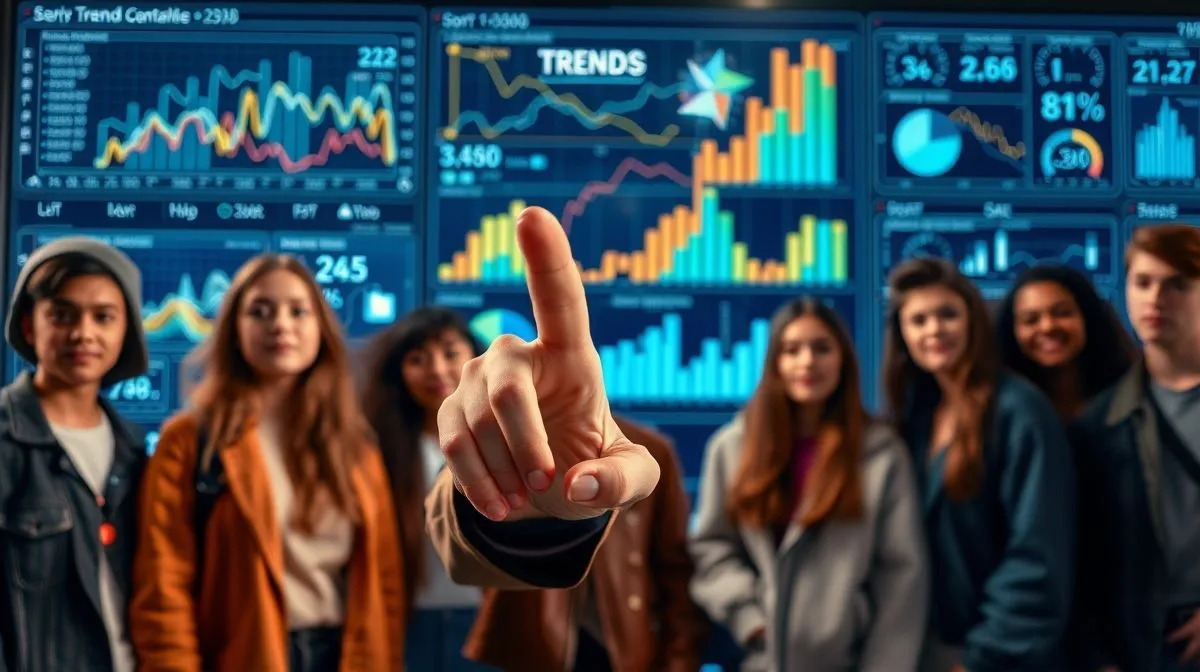
How to Accurately Forecast Volatile Teen Fashion Trends?
For over 15 years in the dynamic world of kids and teen fashion, I've witnessed countless brands stumble, not due to a lack of creativity, but from a fundamental misreading of the market. The teen fashion landscape, in particular, is a whirlwind of rapid shifts, fleeting fads, and powerful subcultures, making traditional forecasting methods feel like trying to catch smoke.
The pain point is palpable: launching collections that miss the mark, grappling with excess inventory of outdated styles, and constantly playing catch-up to what seems like an unpredictable demographic. This isn't just about lost sales; it's about eroding brand relevance and trust with a generation that values authenticity and speed.
Today, I'm going to share the actionable frameworks, real-world insights, and expert strategies I've honed over my career to genuinely help you understand how to accurately forecast volatile teen fashion trends. We'll move beyond guesswork to embrace a holistic, data-driven, yet intuitively-guided approach that positions your brand at the forefront of what's next.
Understanding the Gen Z Psyche: More Than Just Clothes
Before we dive into tactics, it's crucial to grasp the core drivers behind teen fashion. Gen Z, born roughly between 1997 and 2012, isn't just a demographic; they're a cultural force. Their relationship with fashion is deeply intertwined with their identity, values, and digital lives.
Digital Natives & Identity Expression
Unlike previous generations, Gen Z has grown up with social media as an extension of their reality. Platforms like TikTok, Instagram, and Pinterest aren't just for sharing; they're stages for self-expression, identity experimentation, and trend discovery. A single viral video can ignite a global trend overnight, proving how quickly things can change.
Values-Driven Consumption
This generation cares deeply about authenticity, inclusivity, and sustainability. They're not just buying clothes; they're investing in brands that align with their ethical stance. Brands that are transparent about their supply chains, promote diversity, and champion social causes often resonate more powerfully than those solely focused on aesthetics.
“Authenticity isn't just a buzzword for Gen Z; it's a non-negotiable expectation. They can spot a performative brand a mile away.”
Understanding these foundational elements is the first step in decoding their fashion choices. Their clothing is often a visual declaration of who they are and what they believe in.
Harnessing the Power of Social Listening & Influencer Analytics
Traditional market research often falls short when dealing with the rapid pulse of teen fashion. My experience has shown that the real insights lie where teens live, interact, and create: social media.
Leveraging TikTok, Instagram, and Pinterest
These platforms are living, breathing trend boards. You need to be actively listening, not just broadcasting. Here’s how:
- Utilize Advanced Listening Tools: Invest in social listening platforms that can track mentions, analyze sentiment, and identify emerging keywords and hashtags related to fashion. Look beyond direct brand mentions to broader conversations around style, lifestyle, and teen culture.
- Monitor & Analyze Trending Sounds & Challenges: On TikTok, sounds and challenges often precede visual trends. Pay attention to what's gaining traction and how it's being interpreted visually through clothing and accessories.
- Visual Trend Spotting: Manually scroll through feeds, paying close attention to user-generated content (UGC). What are teens actually wearing in their daily lives, not just what brands are pushing? Look for recurring patterns in color palettes, silhouettes, and styling cues.
Identifying Micro-Influencers and Trendsetters
While mega-influencers have reach, micro and nano-influencers (those with smaller but highly engaged followings) often dictate the next wave of trends. They are seen as more authentic and relatable by their peers.
- Look for Niche Communities: Identify groups and individuals focused on specific aesthetics (e.g., 'dark academia,' 'cottagecore,' 'Y2K revival,' 'gorpcore'). These subcultures are incubators for future mainstream trends.
- Analyze Engagement, Not Just Follower Count: High engagement rates (likes, comments, shares, saves) indicate true influence and resonance, which is far more valuable than a high follower count.
- Track Content Creation Patterns: Are they consistently experimenting with new styles, or simply replicating what's already popular? True trendsetters are innovators.
According to a Deloitte report on Gen Z consumer behavior, this generation places immense value on peer recommendations and authentic content, underscoring the power of these digital insights.
Decoding Data: Analytics Beyond Sales Numbers
While social listening provides qualitative insights, robust data analytics gives you quantitative validation. It's not just about what sold; it's about understanding the 'why' and the 'what's next.'
Website Analytics & Search Trends
Your own digital footprint holds a treasure trove of information.
- Internal Site Search: What are teens typing into your search bar? These direct queries reveal unfulfilled demand and emerging interests.
- Page Views & Engagement: Which product categories or styles are receiving the most attention, even if they haven't converted to sales yet? High engagement can signal a nascent trend.
- Google Trends & Keyword Research: Use tools like Google Trends to monitor the search volume for specific fashion terms, styles, and even cultural phenomena that might influence fashion. Spikes in search interest can be early indicators.
Point-of-Sale Data & Return Rates
Beyond basic sales figures, dig deeper into your transaction data.
- Velocity of Sale: Which items are selling out fastest, regardless of initial volume? These are your true 'hot' items.
- Return Reasons: High return rates on a particular style might indicate a design flaw, a fit issue, or simply that the trend didn't resonate as expected in reality. Understanding these reasons is critical for refining future designs.
- Cross-Purchasing Patterns: What items are often bought together? This reveals styling habits and potential bundled trends.
“Data is merely organized intuition. It validates your hunches and reveals patterns you might otherwise miss. But without human interpretation, it's just numbers.”
The Art of Cultural Trend Spotting & Macro Shifts
Fashion doesn't exist in a vacuum. It's a mirror of broader societal and cultural shifts. To truly forecast, you must look beyond the runway and into the world teens inhabit.
Monitoring Pop Culture & Entertainment
Music, television shows, movies, and even gaming significantly influence teen fashion. Think about the impact of shows like 'Euphoria' or specific music artist aesthetics. These cultural touchstones introduce new styles, revive old ones, and legitimize fashion choices.
- Analyze Character Costuming: Pay attention to the outfits worn by popular characters in teen-focused media.
- Music Video Aesthetics: Music artists are often at the forefront of visual trends.
- Gaming Skins & Virtual Fashion: The metaverse and gaming platforms are increasingly influencing real-world style, particularly for digital-first Gen Z.
Observing Global Events & Socio-Economic Factors
Major events can subtly or overtly shape fashion. Economic downturns might lead to a rise in thrifted fashion or a focus on versatile, durable pieces. Climate change concerns fuel sustainable fashion movements. Political shifts can inspire protest wear or specific color palettes. These are macro trends that have long-term implications.
Case Study: How 'EcoChic Teens' Predicted the Rise of Sustainable Streetwear
EcoChic Teens, a small online boutique specializing in youth apparel, was grappling with the increasingly saturated market for fast fashion. Instead of competing on price, they decided to lean into their values. By deeply engaging with niche Gen Z online communities on Reddit and Discord, and closely following the 'fashion activism' hashtags on TikTok, they noticed early signals. Teens weren't just talking about sustainability; they were actively seeking out unique, upcycled, and repurposed fashion that expressed their individuality and environmental consciousness, particularly within the streetwear aesthetic. This went beyond just organic cotton; it was about a distinct style. By cross-referencing these insights with reports from organizations like Fashion Revolution and their own internal search data showing queries for 'reworked denim' and 'vintage streetwear,' EcoChic Teens launched a limited capsule collection featuring recycled denim, repurposed graphic tees, and ethically sourced accessories. Their early adoption of this authentic, values-driven trend allowed them to capture significant market share and build a loyal following before larger brands caught on. This strategic pivot resulted in a 40% increase in sales within six months and a powerful, differentiated brand identity.
Building Agility: Rapid Prototyping & Feedback Loops
In a volatile market, speed is your superpower. My years have taught me that waiting for traditional seasons is a death sentence. You need to be nimble.
Small Batch Production & Test Launches
Gone are the days of massive, speculative orders. Implement a strategy of smaller production runs for new styles. This allows you to test the market's appetite without committing significant resources. If a style performs well, you can quickly scale up. If it doesn't, your losses are minimized.
Direct Customer Feedback & Co-Creation
Involve your teen customers in the design process. They are your ultimate consultants.
- Online Polls & Surveys: Use social media stories or email campaigns to get direct feedback on potential designs, colors, or fabrics.
- Focus Groups (Virtual or In-Person): Organize small groups of your target demographic to discuss styles, fit, and pricing.
- Co-Creation Initiatives: Some brands invite teens to submit design ideas or vote on concepts, fostering a sense of ownership and loyalty.
As Harvard Business Review highlights, agile supply chains and rapid feedback loops are becoming essential for success in modern fashion.
The Human Element: Expert Intuition & Industry Networks
While data is indispensable, it’s not enough. The nuances of fashion, the subtle shifts in taste, and the predictive leap often come from seasoned human insight. This is where my experience truly comes into play.
Leveraging Industry Veteran Insights
Talk to people who've been in the trenches for decades. Senior designers, buyers, and merchandisers often possess an intuitive understanding of trends, built on years of observation and market immersion. Their 'gut feeling' is often a synthesis of countless subconscious data points.
Attending Trade Shows & Fashion Weeks (Virtually or In-Person)
These events, while sometimes seen as traditional, still offer invaluable opportunities to observe emerging styles, network with industry peers, and gauge the collective sentiment. Pay attention to what's being worn by attendees, not just what's on the runway.
- Observe Street Style: Often, the most influential trends emerge from the streets around these events.
- Network with Suppliers & Manufacturers: They often have early insights into what fabrics, colors, and cuts are being ordered by a wide range of brands.
- Attend Trend Forecasting Seminars: Many major events feature presentations from leading trend forecasting agencies.
The Business of Fashion consistently emphasizes the blend of art and science in effective trend forecasting, highlighting the irreplaceable role of human expertise.
Avoiding Common Pitfalls in Teen Trend Forecasting
Even with the best tools and intentions, missteps can happen. From my vantage point, these are the most common pitfalls when trying to understand how to accurately forecast volatile teen fashion trends:
- Over-reliance on Past Data: What sold last season isn't necessarily a predictor for this one. Teen fashion is about novelty and progression.
- Ignoring Subcultures: Trends often bubble up from niche communities before hitting the mainstream. Dismissing them as 'too niche' means missing the next big thing.
- Slow Response Times: The teen trend cycle is incredibly fast. If you're not agile, you'll always be chasing.
- Adult-Centric View: Designing for teens through an adult lens. Their priorities, body image, and social dynamics are fundamentally different.
- Failing to Distinguish Fads from Trends: Not every viral moment translates into a lasting fashion shift. A fad is short-lived; a trend has underlying cultural resonance and longevity.
“The graveyard of fashion is paved with brands that couldn't tell a fleeting viral moment from a genuine cultural shift. Longevity is key.”
Frequently Asked Questions (FAQ)
Question: How often should we re-evaluate our teen fashion forecasts?
Answer: In the teen fashion sector, quarterly re-evaluation is often the bare minimum, but for truly volatile segments, a monthly or even bi-weekly pulse check on social media trends is advisable. This isn't about completely overhauling your strategy every month, but rather fine-tuning product assortments, marketing messages, and identifying micro-trends that could indicate larger shifts. Your core strategic direction might be set annually, but tactical adjustments need to be far more frequent.
Question: What's the biggest difference between forecasting adult vs. teen trends?
Answer: The primary difference lies in the speed of adoption and the sources of influence. Adult trends tend to evolve more slowly, often influenced by runway shows, high-end designers, and established media. Teen trends, conversely, are incredibly fast-paced, driven by peer influence, social media virality, and subcultures. They also embrace novelty and identity expression more overtly, making their choices less about 'dressing up' and more about 'being themselves,' which can lead to unpredictable shifts.
Question: Can AI truly predict fashion trends, or is human insight still essential?
Answer: AI is a powerful tool for analyzing vast datasets – social media mentions, sales data, web searches, and even visual patterns. It can identify correlations and predict probabilities with incredible efficiency. However, AI lacks the nuanced understanding of human culture, emotion, and creativity. It can tell you 'what' is trending, but not always 'why' or 'what it means' for human identity and expression. Human insight is absolutely essential for interpreting AI outputs, understanding the underlying cultural context, and making creative, strategic decisions that resonate emotionally. It's a partnership, not a replacement.
Question: How do I distinguish between a fleeting fad and a lasting trend?
Answer: A key indicator is the depth of its cultural roots. Fads typically emerge quickly, gain intense but superficial popularity, and fade just as fast (think certain dance crazes or novelty items). Lasting trends, however, are often connected to broader societal shifts, values, or technological advancements. They may start as a fad, but if they tap into a deeper need for self-expression, comfort, sustainability, or authenticity, they evolve and persist. Look for sustained interest across multiple platforms, adaptation by various subcultures, and integration into different product categories beyond just clothing.
Question: What role do celebrity endorsements play in teen fashion today?
Answer: While celebrity endorsements still hold some sway, their role has shifted significantly. Teens today are savvier and more discerning. They often prefer influencers who feel authentic and relatable over traditional celebrities. A celebrity wearing a specific brand might generate initial buzz, but sustained interest and sales depend on whether the style genuinely resonates with the teen's values and identity, and whether it's adopted by their trusted peer group or micro-influencers. Authenticity and organic integration are far more powerful than paid endorsements alone.
Recommended Reading
- Most Flattering Denim Wash for Men: Look Your Best!
- Unlock the Secret: How to Properly Clean & Maintain School Uniforms for Longevity
- Style a Pearl Necklace Everyday? The Ultimate Style Guide!
- Unlock High-Paying Wearable Art Commissions: 7 Expert Strategies
- Unlock the Secret: How to Translate Jewelry Sketches into Stunning 3D Designs
Key Takeaways and Final Thoughts
Mastering how to accurately forecast volatile teen fashion trends is less about a crystal ball and more about a robust, multi-faceted strategy. It demands a blend of rigorous data analysis, keen social listening, deep cultural understanding, and the invaluable wisdom of human intuition. Here are the critical takeaways:
- Embrace the Gen Z Mindset: Understand their values, digital habits, and desire for authenticity and self-expression.
- Become a Social Listening Expert: Leverage platforms like TikTok and Instagram to identify early signals and micro-trends from the ground up.
- Mine Your Data Deeply: Go beyond sales figures to analyze web traffic, search queries, and return reasons for true insights.
- Connect Fashion to Culture: Recognize that fashion is a mirror of broader societal shifts, entertainment, and global events.
- Prioritize Agility & Feedback: Implement small batch production and involve your teen customers in the design process to stay nimble.
- Value Human Expertise: Combine data with the intuitive insights of industry veterans and your own cultivated understanding.
The teen fashion market will always be dynamic, but by integrating these strategies, you can transform unpredictability into opportunity. You're not just predicting trends; you're actively participating in their evolution, ensuring your brand remains relevant, resonant, and truly connected to the pulse of the next generation.




Your email address will not be published. Required fields are marked *