

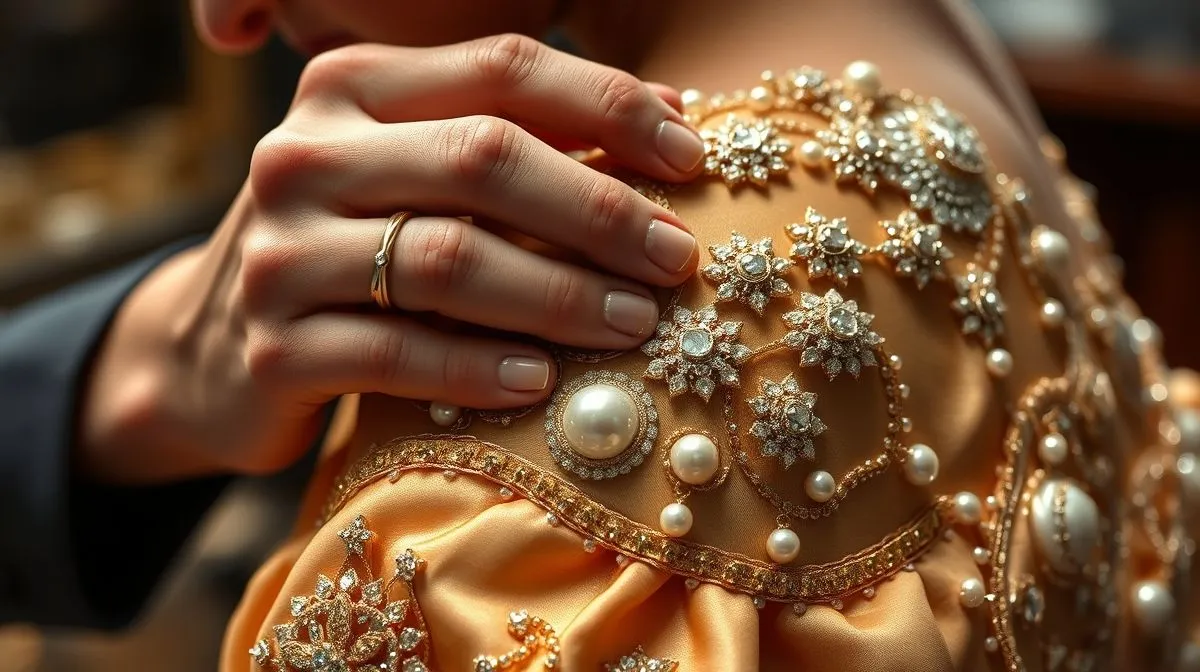
How to Secure High-Paying Commissions for Custom Wearable Art?
For over three decades in the intricate world of costume design and wearable art, I've witnessed countless artists pour their heart and soul into their creations, only to struggle with earning what their extraordinary talent truly deserves. It's a disheartening reality to see magnificent, bespoke pieces undervalued, and artists trapped in a cycle of chasing low-budget projects.
The problem isn't a lack of skill or passion; it's often a lack of strategic understanding of the luxury market, effective client acquisition, and confident negotiation. Many artists, myself included in my early days, make the mistake of focusing solely on the craft, overlooking the crucial business acumen required to thrive.
In this definitive guide, I'll share the proven frameworks, insider insights, and actionable steps I've developed and refined over my career. You'll learn not just how to create stunning wearable art, but how to strategically position yourself, attract discerning clients, and ultimately, how to secure high-paying commissions for custom wearable art that reflect your true worth.
Understanding Your Value Proposition in the Luxury Market
Securing high-paying commissions begins with a profound understanding of your unique value. In the luxury wearable art market, clients aren't just buying fabric and thread; they're investing in unparalleled craftsmanship, exclusivity, a compelling narrative, and a piece of your artistic vision. Your art isn't a commodity; it's a bespoke experience.
Defining Your Niche and Signature Style
In my experience, generalists often struggle to command top dollar. Specialists, however, become the go-to experts in their field, allowing them to dictate their terms. What makes your wearable art truly unique? Is it a specific historical period, a revolutionary material, a distinctive embellishment technique, or a particular aesthetic that no one else can replicate?
- Haute Couture Embellishment: Specializing in intricate, hand-beaded or embroidered elements for high fashion houses.
- Theatrical & Film Costume Prototyping: Becoming the expert in developing complex, functional, and visually stunning costumes for specific media.
- Wearable Sculpture: Creating sculptural pieces that transcend traditional clothing, blurring the lines between art and fashion.
- Sustainable & Ethical Artwear: Focusing on high-end pieces crafted exclusively from reclaimed or ethically sourced materials.
Identifying and refining this niche empowers you to speak directly to a specific, high-value clientele who are actively seeking your unique expertise.
The Psychology of Luxury Pricing
Pricing wearable art isn't simply about calculating material costs and hourly wages. In the luxury sector, pricing is a psychological art form. Clients are often buying into the perceived value, the exclusivity, the story, and the aspiration associated with owning a piece by a renowned artist.
"Luxury isn't just about the price tag; it's about the narrative, the scarcity, and the unparalleled experience it offers. Your pricing should reflect this intangible value."
Research comparable high-end art, fashion, and bespoke services. Understand that a higher price can, paradoxically, increase perceived desirability for luxury consumers. It signals quality, exclusivity, and a premium experience. Never undersell your talent or the hours of dedication that go into each unique piece.
Crafting an Irresistible Portfolio and Brand Story
Your portfolio is your silent salesperson, and in the realm of high-paying commissions, it needs to speak volumes about your artistic prowess and professionalism. It's not merely a collection of your past work; it's a curated narrative designed to captivate and convert.
I've seen too many brilliant artists present their work with amateur photography or incomplete descriptions, instantly diminishing their perceived value. Invest in professional photography that captures the intricate details, textures, and overall impact of your pieces. Lighting, styling, and model choice can elevate your work from good to extraordinary.
- Showcase Your Best: Include only your most ambitious, complex, and visually stunning custom wearable art pieces. Quality over quantity is paramount.
- Detail the Process: Beyond the final product, include "behind-the-scenes" glimpses – sketches, material sourcing, intricate handwork. This highlights the bespoke nature and labor of love.
- Contextualize the Work: If possible, show pieces in their intended environment or on a wearer, demonstrating how they come alive.
- Include Testimonials: Feature glowing endorsements from past high-profile clients or collaborators. Social proof is incredibly powerful.
Weaving Your Narrative
Every piece of wearable art tells a story, and so should your brand. Your brand story is the emotional connection you forge with your potential clients. What inspires you? What unique vision do you bring to life? What is the philosophy behind your craft?
As marketing guru Seth Godin often says, "People do not buy goods and services. They buy relations, stories, and magic." Your brand narrative should articulate the magic you create. It should be consistent across your website, social media, and any interactions with potential clients.
A compelling story differentiates you from others, making your work not just beautiful, but also meaningful and memorable. This emotional resonance is key to attracting clients willing to pay a premium for a deeply personal and significant piece of art.
Strategic Client Acquisition: Beyond the Usual Channels
To secure high-paying commissions, you need to go where the high-paying clients are. This often means looking beyond general art fairs or online marketplaces that cater to a broad audience. Your focus should be on exclusive networks and targeted outreach.
- High-End Galleries & Boutiques: Forge relationships with galleries specializing in avant-garde fashion or sculptural art. Luxury boutiques might also be interested in showcasing unique pieces.
- Private Events & Galas: Attend exclusive art auctions, fashion shows, charity galas, and private club events where discerning collectors and patrons gather.
- Direct Outreach to Stylists & Designers: Collaborate with celebrity stylists, fashion designers, and interior designers who frequently work with high-net-worth individuals or luxury brands.
- Luxury Publications & Blogs: Seek features in niche luxury magazines, art journals, or influential blogs that cater to your target demographic.
Leveraging Personal Networks and Referrals
In the luxury sector, trust and personal connections are paramount. Word-of-mouth referrals from satisfied high-profile clients are gold. Always aim to exceed expectations, as every successful commission can lead to several more through their network.
Nurture relationships with past clients, collaborators, and industry peers. Send personalized thank-you notes, follow up periodically, and offer exclusive previews of new work. Remember, a satisfied client is your best marketing asset.
Engaging with Art Patrons and Collectors
Many high-paying commissions come from dedicated art patrons and collectors who are passionate about supporting unique talent. These individuals often seek out artists who align with their aesthetic sensibilities and values. It's about building long-term relationships, not just transactional sales.
Research and identify potential patrons. Attend exclusive art events, join art societies, and engage in thoughtful conversations. Show genuine interest in their collections and passions. For insights into the world of art patronage, consider exploring resources on the history and evolution of art patronage, which can offer valuable context on how these relationships are built.
Mastering the Art of Proposal and Negotiation
The proposal is often where high-paying commissions are won or lost. It's your opportunity to clearly articulate your vision, the value you bring, and the precise terms of engagement. A vague or unprofessional proposal signals a lack of confidence and can deter serious clients.
I've learned that a detailed, professionally presented proposal establishes immediate credibility. It sets the stage for a smooth working relationship and minimizes misunderstandings down the line. It's not just about listing costs; it's about showcasing the investment.
- Detailed Scope of Work: Clearly define what the commission entails, including design concepts, materials, dimensions, and any specific client requests. Leave no room for ambiguity.
- Transparent Pricing Breakdown: Itemize costs for design, materials (specifying luxury materials), labor (your hourly rate or project fee), and any additional services like fitting or delivery.
- Project Timeline & Milestones: Outline key phases of the project, from initial concept to final delivery, with clear deadlines. This manages client expectations.
- Payment Terms: Crucially, specify an upfront deposit (typically 50% for custom work) and a schedule for subsequent payments tied to milestones.
Navigating Price Objections
It's inevitable that some clients might question your pricing. Your response should be confident and value-driven, not defensive. Reiterate the unique aspects of your work, the quality of materials, the hours of skilled labor, and the exclusivity of a bespoke piece.
"Never apologize for your price when it genuinely reflects your value, expertise, and the unparalleled quality of your custom wearable art."
Focus on the return on investment for the client – the prestige, the unique aesthetic, the statement they will make. Sometimes, offering a tiered proposal (e.g., a base package with optional premium additions) can help clients see the value at different price points.
Case Study: "Artisan Attire" Secures a Landmark Commission
Artisan Attire, a bespoke wearable art studio specializing in illuminated textiles, often faced clients balking at their initial quotes. Their proposals were detailed but lacked a compelling value narrative. After working with a mentor, they revised their proposal structure to lead with the "vision" and "impact" of the piece, rather than just the "cost." They started incorporating high-fidelity conceptual renderings and mood boards that vividly showed the proposed piece's elegance and how it would enhance the client's public image. For a prominent gala commission, they presented a proposal that focused on the unique light-play and the "unforgettable impression" the gown would create, rather than just material costs. This strategic shift, combined with a clear payment schedule and a 60% upfront deposit requirement, enabled them to secure a multi-figure commission, valuing their artistry and complex technical skills appropriately. The client was delighted and became a repeat customer, recognizing the superior experience and outcome.
Legal & Financial Safeguards: Contracts and Payment Structures
Protecting your artistic integrity and financial well-being is non-negotiable when securing high-paying commissions. A robust, legally sound contract is your best friend. It clarifies expectations, defines responsibilities, and provides recourse should disputes arise.
Essential Contract Clauses
I've learned the hard way that a handshake agreement is not enough, especially when dealing with significant sums and complex custom work. Every contract should be tailored to the specific commission but generally include:
- Scope of Work: A detailed breakdown of what is being created, including materials, dimensions, and design elements.
- Payment Schedule: Clear dates and amounts for deposits, milestone payments, and final payment.
- Revision Policy: Define the number of included revisions and the cost of additional changes. This prevents scope creep.
- Intellectual Property Rights: Clearly state who owns the design rights, reproduction rights, and the final physical piece.
- Material & Labor Costs: Outline how material sourcing, specialized labor, and any unforeseen costs will be handled.
- Cancellation & Refund Policy: What happens if either party cancels the commission at various stages.
- Force Majeure: Clauses covering unforeseen circumstances that might delay or prevent completion.
For detailed guidance on drafting contracts for artists, resources like the Artists' Rights Society or reputable art law firms offer valuable insights and templates. Always consider having a legal professional review your standard contract.
Structuring Payments for Large Commissions
For high-paying commissions, a single lump-sum payment is rarely advisable. Implement a structured payment plan that protects your cash flow and ensures you're compensated for work as it progresses.
- Initial Deposit (50% or more): This covers initial design work, material procurement, and ensures client commitment.
- Milestone Payments: Break down the project into logical stages (e.g., design approval, major fabrication completed, final fitting). A portion of the fee is paid upon completion of each milestone.
- Final Payment: The remaining balance is due upon successful completion and delivery of the wearable art piece.
This phased payment approach provides financial security, allows you to manage cash flow effectively, and ensures the client remains invested throughout the creation process.
Building Long-Term Relationships and Referrals
The most successful wearable artists I know don't just complete commissions; they cultivate relationships. Repeat business and referrals from satisfied clients are the bedrock of a sustainable, high-paying career. A single, truly exceptional experience can lead to a lifetime of opportunities.
- Exceptional Post-Delivery Service: Follow up after the commission is complete. Offer care instructions, advice on maintenance, or even a personalized thank-you note.
- Exclusive Offers & Previews: Invite past high-value clients to private showings of new work or offer them first dibs on limited-edition pieces.
- Personalized Communication: Remember birthdays, anniversaries, or significant events. A thoughtful, personalized touch reinforces the relationship.
- Encourage Testimonials & Referrals: When a client expresses satisfaction, gently ask if they'd be willing to provide a testimonial or introduce you to their network. Make it easy for them.
Clients who feel valued and appreciated are far more likely to return for future commissions and enthusiastically recommend your services to others within their influential circles. This organic growth is invaluable for securing high-paying commissions for custom wearable art without relying solely on constant new lead generation.
Continuous Evolution: Staying Ahead in a Niche Market
The world of art, fashion, and technology is constantly evolving. To remain at the pinnacle of your field and consistently attract high-paying commissions, continuous learning and adaptation are essential. Stagnation is the enemy of innovation and premium pricing.
Investing in Your Craft and Business Acumen
Never stop honing your skills. Attend advanced workshops, experiment with new materials and techniques, or even explore adjacent crafts that can inform your wearable art. Furthermore, invest in your business knowledge. Courses on negotiation, luxury marketing, or intellectual property law can significantly enhance your ability to manage and grow your art business.
Your expertise is your most valuable asset. The more you learn and innovate, the more unique and desirable your work becomes, justifying higher price points.
Monitoring Market Trends and Value Perception
Stay attuned to the broader luxury market, fashion trends, and art world movements. What materials are gaining popularity? What themes are resonating with high-end collectors? Understanding these shifts allows you to anticipate demand and adapt your offerings.
Regularly review your pricing structure against the market. As your reputation grows and your portfolio strengthens, your value increases, and your rates should reflect that. According to a report by Deloitte on the luxury market, consumer preferences are shifting towards unique, personalized, and sustainable products, all areas where custom wearable art excels. Position your work accordingly.
Frequently Asked Questions (FAQ)
How do I determine a fair price for a truly unique, custom piece? Determining a fair price for unique custom wearable art involves more than just material and labor costs. Factor in your years of experience, reputation, the complexity of the design, the rarity of specialized techniques you employ, and the exclusivity of the piece. Research what similar, high-end bespoke items or collectible art pieces sell for. Ultimately, the price should reflect the perceived value and the emotional connection the client has with your unique artistic vision. Don't be afraid to price for the luxury market.
What's the best way to approach high-net-worth individuals or luxury brands directly? Direct outreach to high-net-worth individuals or luxury brands requires a highly personalized and professional approach. Research their existing collections, brand aesthetics, or personal interests to tailor your pitch. Focus on how your unique wearable art can fulfill a specific need or enhance their image/brand. A beautifully designed, concise digital portfolio, followed by a polite, direct email or a referral from a mutual acquaintance, is often more effective than a generic cold call. Networking at exclusive events where these individuals congregate is also crucial.
How do I handle requests for extensive revisions or scope creep without losing profit? The key to managing revisions and scope creep lies in a meticulously detailed contract signed before work begins. Clearly define the number of revisions included in the initial fee (e.g., two rounds of minor revisions). For any additional or significant changes that deviate from the approved design or original scope, refer back to your contract. Politely explain that these changes fall outside the initial agreement and provide a clear, fair quote for the additional work, justifying it based on your hourly rate and estimated time. Maintaining professionalism while firmly adhering to your contract terms is vital.
Is it necessary to have an agent or gallery representation to secure high-paying commissions? While not strictly necessary, an agent or gallery representation can significantly streamline the process of securing high-paying commissions. They often have established networks within the luxury art market, expertise in negotiation, and can handle the business side, allowing you to focus on your craft. However, many successful wearable artists operate independently, leveraging strong personal branding, direct marketing, and referrals. Your decision depends on your personal business goals, networking capabilities, and whether you prefer to manage client relations directly or delegate them.
What are common mistakes artists make when trying to secure high-paying commissions? One of the most common mistakes is significantly underpricing their work due to a lack of confidence or market understanding. Other pitfalls include presenting an unprofessional or uncurated portfolio, failing to define a clear artistic niche, lacking a comprehensive contract, and not actively networking within high-value circles. Many artists also fall into the trap of focusing solely on the creation process and neglecting the essential business and marketing strategies required to thrive in a competitive market.
Recommended Reading
- Unlock Profit: How to Avoid Missing Crucial Fashion Trend Shifts?
- 5 Strategic Pillars: What to do when luxury handbag fakes erode brand exclusivity?
- Find Your Perfect Look: Which Iconic Eyeglass Frames Suit My Face Shape?
- Unlock the Secrets: How Do Brands Achieve Sustainable Textile Sourcing?
- Unlock Style: Integrating Luxury Runway Trends into Your Classic Wardrobe
Key Takeaways and Final Thoughts
Mastering how to secure high-paying commissions for custom wearable art is a journey that blends artistic excellence with shrewd business strategy. It requires a shift in mindset, from simply creating to strategically positioning and valuing your unparalleled talent.
- Define Your Unique Value: Specialize, articulate your niche, and understand the psychology of luxury pricing.
- Curate an Irresistible Presence: Invest in a professional portfolio and weave a compelling brand story that resonates with discerning clients.
- Target Your Outreach: Go where high-paying clients are, leveraging exclusive networks and direct, personalized approaches.
- Command Your Worth: Craft detailed proposals and confidently negotiate, always articulating the immense value you deliver.
- Protect Your Craft: Utilize robust contracts and structured payment plans to safeguard your financial and intellectual assets.
- Cultivate Relationships: Build long-term connections that foster repeat business and invaluable referrals.
- Embrace Evolution: Continuously refine your skills and stay ahead of market trends to remain at the pinnacle of your field.
Your wearable art is a testament to your vision, skill, and dedication. By implementing these expert strategies, you're not just creating beautiful pieces; you're building a thriving, respected career that honors the true worth of your extraordinary craft. Go forth and create, knowing your value is recognized and rewarded.


Your email address will not be published. Required fields are marked *