

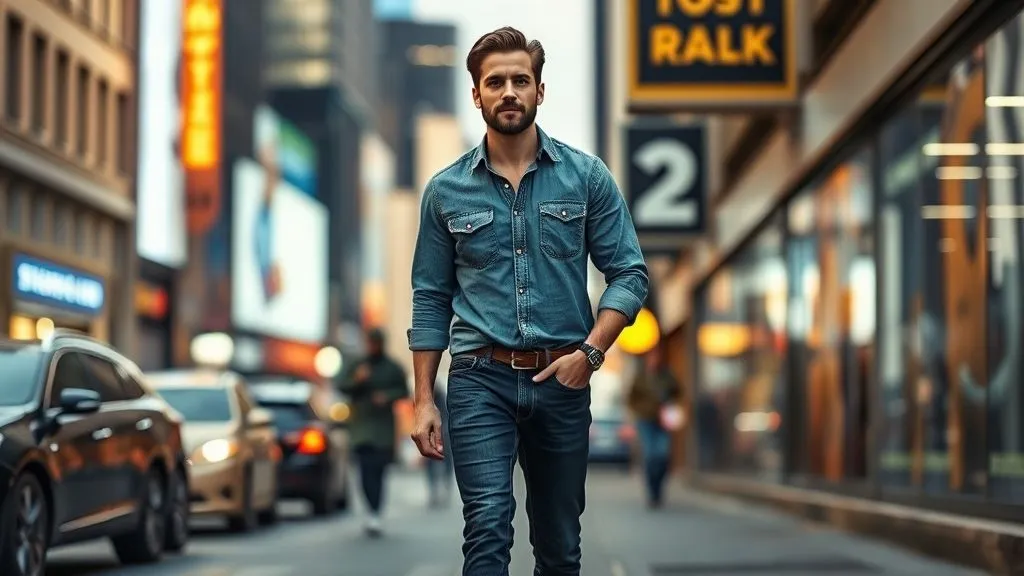
Introduction: Mastering Casual Menswear in a Modern World
For over two decades in the fashion industry, specializing in menswear, I've observed a fascinating evolution: the lines between formal and informal attire have blurred considerably. What was once considered 'dressing down' is now the accepted norm in many professional and social settings. Yet, despite this newfound freedom, I've seen countless men struggle with one fundamental challenge: how to truly master casual menswear without resorting to looking sloppy, uninspired, or simply 'un-put-together'.
The problem isn't a lack of options; it's often a lack of understanding of the underlying principles. Many men default to t-shirts and ill-fitting jeans, believing 'casual' equates to 'effortless' in the wrong sense. This leads to wardrobes filled with pieces that don't quite work together, a feeling of being perpetually underdressed or overdressed for the occasion, and ultimately, a missed opportunity to express personal style and confidence.
In this definitive guide, I will share the invaluable insights I've gathered throughout my career. You'll learn not just what to wear, but *why* certain choices work, complete with actionable frameworks, real-world analogies, and expert strategies to transform your approach to casual menswear. My goal is to equip you with the knowledge to build a versatile, stylish, and authentic casual wardrobe that serves you in every facet of your life.
Understanding the Core Principles of Elevated Casual Menswear
Before we dive into specific garments, it's crucial to grasp the foundational philosophy behind truly great casual style. It’s not about throwing on the first comfortable thing you find; it's about intentionality, comfort, and authenticity. I always tell my clients that the best casual outfits look effortless precisely because thought went into them.
The Pillars of Intentional Casual Dressing
- Comfort is King, But Not the Only King: Yes, casual wear should be comfortable. But comfort doesn't mean shapeless or baggy. It means fabrics that move with you, fits that allow ease, and pieces that feel good against your skin.
- Versatility is Your Best Friend: Invest in pieces that can be mixed and matched across multiple outfits and occasions. A great pair of dark wash jeans, for instance, can go from a weekend brunch to a smart casual dinner with a simple change of top and shoes.
- Quality Over Quantity: A smaller wardrobe of high-quality, well-made items will always outperform a closet overflowing with cheap, fast-fashion pieces. Better fabrics, construction, and fit pay dividends in longevity and appearance. As fashion expert Tim Gunn famously said, "Buy less, choose well."
- Personal Expression: Your casual style should reflect who you are. Don't chase every trend; instead, adapt trends that genuinely resonate with your personality and lifestyle.
I've seen many men make the mistake of prioritizing fleeting trends over timeless principles. While it's good to be aware of what's current, true style endures. Focus on building a robust foundation, and then sprinkle in trend-forward elements that speak to you.
The Foundation: Building Your Essential Casual Wardrobe
Every great structure needs a solid foundation, and your casual wardrobe is no different. These are the non-negotiable items that form the backbone of versatile, stylish casual menswear. Think of these as your core building blocks.
Key Categories and Must-Have Items
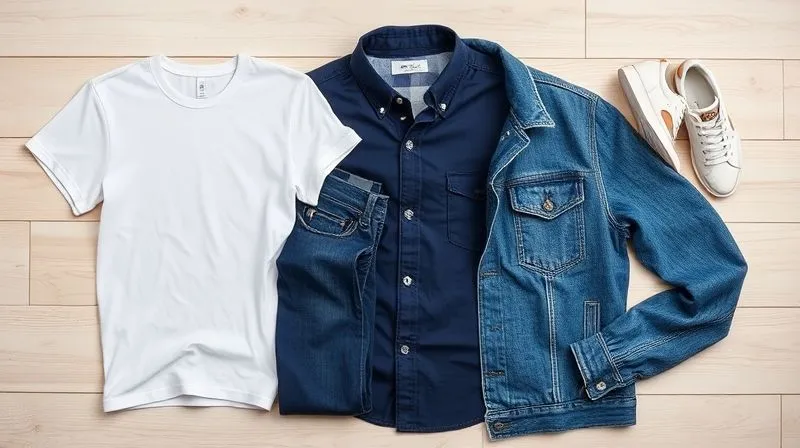
- High-Quality T-Shirts: Not all t-shirts are created equal. Opt for premium cotton (Pima, Supima), linen blends, or merino wool. Focus on crew neck and V-neck in neutral colors like white, black, navy, and grey. Ensure the fit is neither too tight nor too baggy.
- Versatile Casual Shirts: Include well-fitting chambray, oxford cloth button-downs (OCBDs), and perhaps a sturdy flannel or a refined linen shirt. These instantly elevate an outfit beyond a simple tee.
- Dark Wash & Light Wash Jeans: A pair of dark wash, slim-straight or tapered jeans is arguably the most versatile item in any casual wardrobe. Add a lighter wash for warmer weather or a more relaxed vibe. Selvedge denim, while an investment, offers superior quality and character.
- Chinos/Casual Trousers: Khaki, navy, olive, and grey chinos offer a slightly more polished alternative to jeans. Look for a modern, tapered fit.
- Sweaters & Knitwear: Crewneck and V-neck sweaters in merino wool, cashmere, or high-quality cotton are essential for layering. A classic cardigan can also add sophistication.
- Outerwear Essentials: A versatile jacket like a denim jacket, a bomber jacket, a field jacket, or a clean, minimalist overshirt can instantly complete and elevate a casual look.
- Footwear: A pair of clean, minimalist leather sneakers, versatile leather boots (e.g., Chelsea, chukka), and perhaps some stylish loafers or espadrilles for warmer weather.
When selecting these items, I recommend a cohesive color palette. By sticking to a range of complementary neutrals and perhaps one or two accent colors, you maximize your mixing and matching potential. This strategic approach ensures that almost every piece you own can work with several others, simplifying your daily dressing routine.
Mastering Fit and Fabric: The Unsung Heroes of Casual Style
I cannot stress this enough: fit is paramount. You can wear the most expensive designer clothes, but if they don't fit well, they will look cheap and unflattering. Conversely, well-fitting budget items can look incredibly sharp. This is where many men falter in their approach to casual menswear.
The Golden Rules of Fit
- Shoulders: For shirts and jackets, the shoulder seam should align perfectly with the end of your shoulder bone.
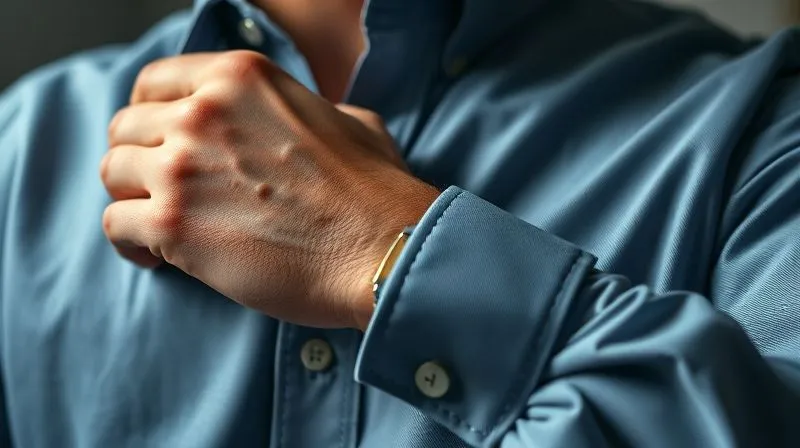
- Sleeves: Shirt sleeves should end at your wrist bone. T-shirt sleeves should hit about mid-bicep.
- Torso: Shirts should skim your body without being tight or baggy. You should be able to pinch about an inch or two of fabric on either side of your waist.
- Trousers/Jeans: The waist should fit without a belt. The length is crucial: for a casual look, a slight break (where the fabric just touches the top of your shoe) or no break (ending just above the shoe) is ideal. Avoid excessive bunching at the ankles.
Beyond fit, fabric choice is equally critical. Natural fibers like cotton, linen, wool, and cashmere generally look and feel better than synthetics, and they breathe more effectively. They also tend to drape better and hold their shape longer, contributing to a more sophisticated aesthetic.
"The difference between a good outfit and a great outfit often comes down to two things: fit and fabric. Neglect either, and you're leaving significant style points on the table." - My personal philosophy after years in the industry.
Case Study: Revitalizing 'The Slacker's' Wardrobe
I once worked with a client, Mark, who insisted he 'didn't care about fashion' and just wanted to be comfortable. His wardrobe was a sea of baggy t-shirts, ill-fitting cargo shorts, and stretched-out hoodies. His biggest complaint? He felt invisible and unconfident in social settings. Our first step was a ruthless purge of anything that didn't fit. We then invested in 5 key pieces: two well-fitting Pima cotton tees, a tailored dark wash jean, a crisp OCBD, and a pair of minimalist leather sneakers. The transformation was immediate. Simply by focusing on fit and upgrading to better fabrics, Mark not only looked sharper but reported a significant boost in confidence, proving that thoughtful casual menswear isn't about vanity, but about self-respect and presence.
Layering Like a Pro: Adding Depth and Versatility
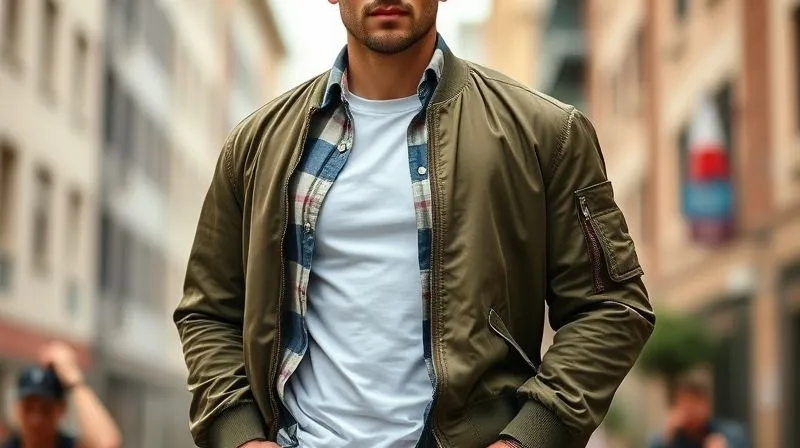
Layering is perhaps the most powerful tool in your casual style arsenal. It adds visual interest, allows for adaptability to changing temperatures, and provides an opportunity to play with textures and colors. Done correctly, it elevates a simple outfit into something much more compelling.
Effective Layering Strategies for Casual Menswear
- Start Thin, Build Up: Begin with a thin base layer like a t-shirt or a lightweight long-sleeve.
- Introduce a Mid-Layer: This could be an open button-down shirt, a light sweater, or a thin denim jacket.
- Top with Outerwear: Finish with a more substantial jacket or coat, depending on the weather and desired aesthetic.
- Play with Proportions: Ensure each layer is slightly longer or shorter than the one beneath it to create visual depth, but avoid extreme differences that look messy.
- Consider Texture and Color: Mix different textures (e.g., a smooth cotton tee under a chunky knit sweater) and use complementary colors to create a harmonious look.
A common mistake I observe is wearing layers that are too bulky, too similar in length, or clashing in color. The goal is a seamless, comfortable flow, not a bundled-up look. According to a study published by the Harvard Business Review, personal presentation, including clothing, plays a subtle yet significant role in how individuals are perceived in both professional and social contexts, influencing perceptions of competence and trustworthiness.
Accessorizing Smartly: Elevating the Everyday Look
Accessories are the finishing touches that transform an outfit from good to great. In casual menswear, they're not about extravagance, but about adding subtle personality, functionality, and polish. A few well-chosen accessories can speak volumes about your attention to detail and personal style.
Essential Casual Accessories and How to Use Them
- Watches: A classic field watch, a minimalist leather strap watch, or a modern diver's watch can add sophistication. Match the strap material (leather/metal) to other leathers in your outfit (e.g., belt, shoes) for a cohesive look.
- Belts: A good quality leather belt (brown and black) is indispensable. For casual wear, a braided leather belt or a canvas belt can add a relaxed touch. Ensure your belt color generally complements your shoes.
- Socks: This is an often-overlooked area! Ditch the old white athletic socks unless you're actually at the gym. Invest in quality no-show socks for sneakers, or stylish patterned/colored socks to add a pop of personality with boots or loafers.
- Eyewear: Both sunglasses and prescription glasses can be powerful style statements. Choose frames that suit your face shape and personal aesthetic.
- Bags: A stylish backpack, a quality leather messenger bag, or a canvas tote can be both functional and a key accessory.
- Scarves/Beanies: For colder weather, a well-chosen scarf or beanie not only provides warmth but can add texture and color to an otherwise simple outfit.
I advise clients to think of accessories as conversation starters or subtle indicators of personal taste. They complete the picture without overpowering the main outfit. Less is often more; focus on quality over quantity.
Color, Pattern, and Texture: Injecting Personality
Once you have your foundational pieces and understand fit and layering, it's time to inject personality through color, pattern, and texture. This is where your individual style truly shines in casual menswear.
Playing with Visual Elements
- Color Theory Basics: Start with a base of neutrals (black, white, grey, navy, khaki) and then introduce accent colors. Understand complementary colors (opposite on the color wheel) for bold contrasts, or analogous colors (next to each other) for harmonious blends.
- Mastering Patterns: Begin with subtle patterns like thin stripes, faint checks, or small prints. As you gain confidence, experiment with bolder plaids, floral prints, or abstract designs. Remember, if one item is heavily patterned, keep the rest of the outfit relatively plain to avoid visual clutter.
- Embracing Texture: This is a powerful, yet often underutilized, element. Think about mixing a smooth cotton t-shirt with a chunky knit cardigan, or a crisp denim jacket over a soft flannel shirt. Textural contrast adds depth and richness to an outfit without needing extra layers or bold colors. Examples include raw denim, corduroy, tweed, linen, suede, and various knits.
As Seth Godin, the renowned marketing guru, often emphasizes, standing out isn't about being loud, but about being distinct. In fashion, this translates to making intentional choices that reflect who you are. Don't be afraid to experiment, but always with an eye towards balance and harmony.
| Element | Impact on Casual Menswear | Expert Tip |
|---|---|---|
| Color | Sets mood, creates harmony/contrast, reflects personality. | Build a neutral core, then add 1-2 accent colors that suit your complexion. |
| Pattern | Adds visual interest, breaks monotony, can make a statement. | Start with subtle patterns like stripes/checks; balance bold patterns with solid pieces. |
| Texture | Adds depth, richness, and tactile appeal. Enhances perceived quality. | Mix rough with smooth, soft with crisp. E.g., knit sweater with selvedge denim. |
Navigating Different Casual Scenarios: From Weekend to Smart Casual
The term 'casual' is broad, encompassing everything from lounging at home to a relaxed dinner out. Understanding the nuances of different casual scenarios is key to dressing appropriately and stylishly.
Decoding the Casual Dress Codes
- Pure Casual (Weekend/Lounging): This is where comfort truly reigns, but still with a touch of intention. Think well-fitting joggers, premium t-shirts, comfortable hoodies, and clean sneakers. The emphasis is on relaxed silhouettes and soft fabrics.
- Everyday Casual (Errands/Informal Gatherings): This steps it up slightly. Dark wash jeans or chinos, a quality t-shirt or casual button-down, a stylish jacket, and clean sneakers or chukka boots. This is your go-to for most daytime activities.
- Smart Casual (Dinner/Dates/Creative Workplaces): This is where the 'smart' aspect comes in. It requires more polish. Think tailored chinos or dark trousers, an OCBD or a polo shirt, a blazer or a refined bomber jacket, and leather loafers, dress boots, or clean minimalist sneakers. This is where you elevate your casual menswear to a more sophisticated level.
My advice is always to err slightly on the side of being overdressed rather than underdressed. It shows respect for the occasion and the people you're with. A blazer, for instance, can instantly transform an everyday casual outfit into a smart casual ensemble, demonstrating incredible versatility.
Developing Your Personal Casual Style: Authenticity is Key
Ultimately, the goal isn't just to wear stylish clothes, but to develop a personal style that feels authentic to you. This is a journey of self-discovery, observation, and experimentation. Your casual menswear should be an extension of your identity.
Steps to Cultivating Your Unique Style
- Identify Your Style Icons: Who in the public eye or in your personal life has a style you admire? What elements do you like? Don't copy, but draw inspiration.
- Understand Your Lifestyle: Your wardrobe should suit your daily activities. Do you work from home? Are you often outdoors? Do you frequent casual social events?
- Experiment and Reflect: Try new combinations, step outside your comfort zone occasionally. Pay attention to how different outfits make you feel. Do you feel confident? Comfortable?
- Seek Feedback (Carefully): Ask a trusted friend or partner for their honest opinion. A professional stylist can also offer invaluable, objective insights.
- Refine and Evolve: Style isn't static. It changes as you grow and as trends shift. Regularly review your wardrobe and make adjustments.
I've seen firsthand how a well-developed personal style can impact a man's confidence and how he navigates the world. It's not about being trendy; it's about being intentional and presenting the best version of yourself, comfortably and authentically. For further insights on the psychological impact of clothing, consider exploring resources like Psychology Today, which often features articles on fashion and self-perception.
Frequently Asked Questions (FAQ)
What's the absolute minimum I need to start building a great casual wardrobe? In my experience, you can start with 5-7 core items: one pair of dark wash, well-fitting jeans; two high-quality, neutral-colored t-shirts; one versatile casual button-down (like an OCBD or chambray); one comfortable yet stylish sweater or lightweight jacket; and one pair of clean, minimalist leather sneakers. These pieces are highly interchangeable and will form a solid foundation for your casual menswear journey.
How do I know if my clothes fit correctly without a tailor? While a tailor is always recommended for perfection, you can do a lot yourself. For shirts, check that the shoulder seams align with your natural shoulder bone, and you can pinch 1-2 inches of fabric at your waist. For trousers, ensure the waistband sits comfortably without a belt, and the hem has a slight break or no break. If you can’t easily do up a button, it's too small; if there's excessive fabric pooling, it's too big.
Are athletic wear items ever appropriate for casual menswear outside the gym? Yes, but with strict caveats. High-quality, tailored athletic wear – like technical fabric joggers, minimalist hoodies, or clean, modern sneakers – can be integrated into casual outfits. The key is to ensure they are clean, well-maintained, and paired with more traditional casual pieces to elevate the look. Avoid anything overly branded, faded, or clearly designed solely for performance. Think 'athleisure' rather than 'gym clothes'.
What are some common mistakes men make with casual style? The most frequent errors I see are: ill-fitting clothes (especially baggy jeans or oversized t-shirts), neglecting footwear (worn-out sneakers or formal shoes with casual outfits), ignoring basic grooming, and failing to understand the occasion. Another big one is a lack of cohesion – having many individual pieces that don't work together. This article aims to address all these pitfalls.
Should I follow trends or stick to classic casual styles? I always advocate for a balanced approach. Build your core wardrobe around timeless, classic casual menswear pieces that will always be in style. Then, sprinkle in a few trend-driven items each season that genuinely appeal to you and complement your existing wardrobe. This allows you to stay current without constantly overhauling your entire style, ensuring longevity and authenticity.
Key Takeaways and Final Thoughts
Navigating the world of casual menswear doesn't have to be a daunting task. With the right mindset and a few strategic adjustments, you can transform your wardrobe into a source of confidence and personal expression. Here are the most critical takeaways:
- Prioritize Fit Above All Else: A well-fitting garment elevates any outfit, regardless of its price tag.
- Invest in Quality Basics: A curated collection of versatile, high-quality staples will serve you far better than a closet full of disposable fashion.
- Embrace Layering: It adds depth, texture, and adaptability to your casual looks.
- Don't Underestimate Accessories: They are the subtle details that complete and personalize your ensemble.
- Develop Your Authentic Style: Let your casual clothes reflect who you are and how you want to present yourself to the world.
Remember, style is a journey, not a destination. It evolves with you. By applying these expert insights and focusing on intentional choices, you'll not only dress better but also feel better, projecting an image of quiet confidence and effortless sophistication in every casual setting. Now go forth, experiment, and truly own your casual style.
Recommended Reading
- Unmasking Souls: What Costume Details Reveal Character Backstory?
- Zero Waste Fashion Wardrobe: Your Ultimate Start-Up Guide
- 7 Ways to Balance Aesthetic & Ergonomics in Contemporary Sandals
- Beyond Sales: 7 Key Metrics to Measure Digital Fashion ROI Accurately
- Find Your Perfect Look: Which Iconic Eyeglass Frames Suit My Face Shape?



Your email address will not be published. Required fields are marked *