

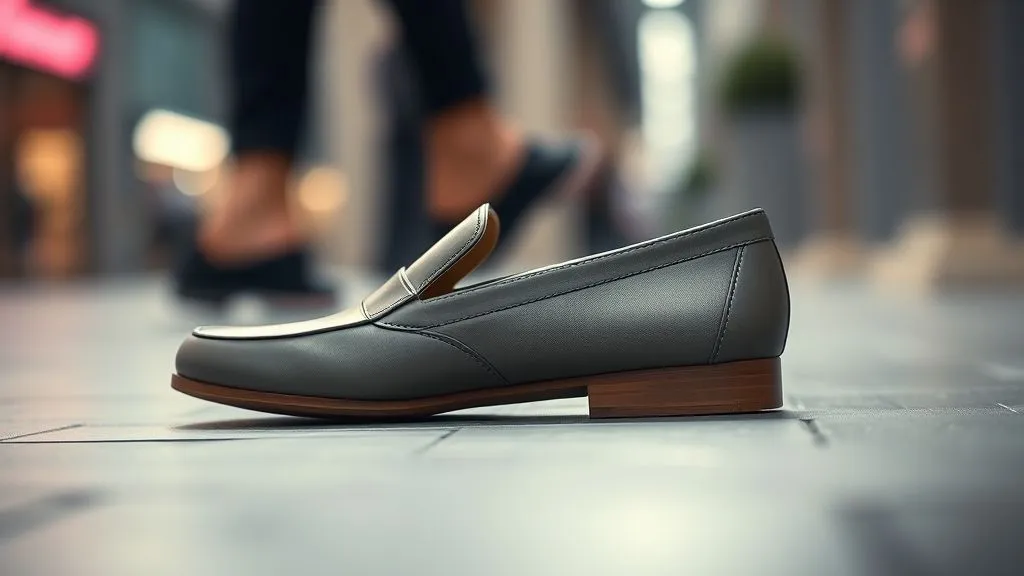
What Design Adjustments Make Fashionable Shoes Orthotic-Friendly?
For over two decades in the footwear industry, I've witnessed a persistent dilemma: the battle between style and support. Time and again, I've seen individuals, often my own clients, compromise their foot health for the sake of fashion, or conversely, resign themselves to 'sensible' shoes that lacked any aesthetic appeal. It's a choice no one should have to make.
The pain point is clear: custom orthotics are essential for many, providing crucial support and alignment. Yet, finding fashionable shoes that can comfortably accommodate these devices without looking clunky or feeling restrictive has been a monumental challenge. This struggle often leads to discomfort, non-compliance with orthotic use, and ultimately, worsening foot conditions.
But the landscape is changing. As an industry specialist, I've been at the forefront of this evolution, observing and advising on the innovative strides designers are making. In this definitive guide, I'll walk you through the precise design adjustments that make fashionable shoes genuinely orthotic-friendly, offering actionable insights and frameworks that will empower you to find footwear that marries style with unparalleled support.
1. The Foundation: Removable Footbeds and Adequate Depth
The single most crucial adjustment for orthotic compatibility begins with the shoe's internal architecture: the removable footbed. Many conventional shoes have fixed insoles, making it impossible to insert an orthotic without creating an uncomfortable, cramped fit or forcing the foot too high out of the shoe.
Adequate depth is the corollary to a removable footbed. Even with a removable insole, if the shoe's internal volume isn't generous enough, your orthotic will simply push your foot too high, leading to heel slippage, pressure points, and overall instability. Designers must engineer shoes with a deeper profile to truly accommodate the added volume of an orthotic.
Deep Dive: The Removable Footbed Advantage
A removable footbed acts as a blank canvas, allowing your custom orthotic to sit directly on the shoe's base. This ensures your orthotic functions as intended, providing optimal support and alignment directly beneath your foot, rather than battling for space with an existing insole.
- Seamless Integration: Your orthotic replaces the factory insole, maintaining the shoe's intended fit and volume.
- Optimal Functionality: Allows the orthotic to provide its full therapeutic benefit without interference.
- Hygiene and Longevity: Removable footbeds can be aired out or replaced, extending the life of your shoes and maintaining freshness.
When searching for shoes, always check if the insole can be easily removed. A good test is to pull it out and place your orthotic inside the shoe. Then, try on the shoe with your orthotic. Your foot should feel secure, not cramped, and your heel should sit comfortably within the shoe's heel cup, not riding high.
2. The Art of the Last: Accommodating Volume Without Bulk
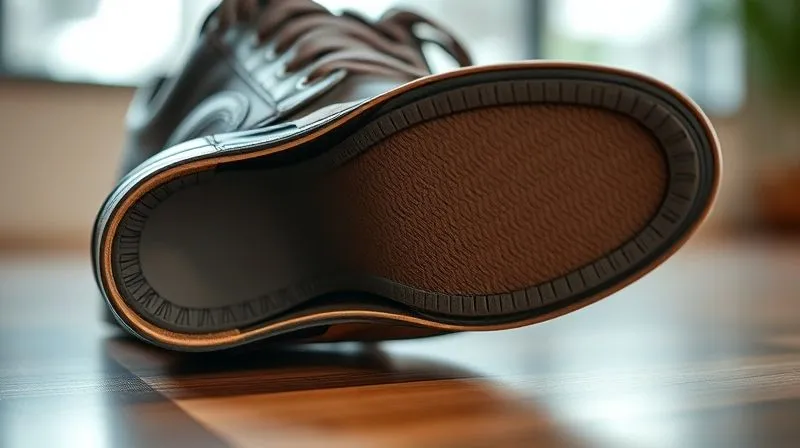
The 'last' is the foundational mold around which a shoe is built, dictating its shape, fit, and internal volume. Traditional fashion lasts prioritize sleekness, often at the expense of foot-friendly dimensions. For orthotic compatibility, the last must be thoughtfully re-engineered to provide crucial space where it's needed most, without making the shoe appear overtly bulky.
This isn't about simply making a shoe wider; it's about intelligent volume distribution. A well-designed orthotic-friendly last will have increased depth and girth in specific areas, particularly over the instep and ball of the foot, to comfortably house the orthotic and the foot together. It's a delicate balance that separates truly innovative designs from mere 'wide fit' approximations.
Engineering a Generous Last
In my experience, the finest orthotic-friendly designs emerge from brands that invest heavily in developing bespoke lasts. They understand that a slight alteration here or there can make all the difference, transforming a restrictive shoe into a haven of comfort.
- Wider Ball Girth: Provides ample space across the widest part of the foot, preventing lateral compression.
- Increased Instep Height: Crucial for accommodating the arch rise of an orthotic without pressure on the top of the foot.
- Straighter Forefoot Line: Allows toes to splay naturally, reducing common issues like bunions and hammertoes, especially when combined with a wider toe box.
- Deeper Toe Box Volume: Ensures toes aren't cramped, particularly important when an orthotic slightly elevates the foot.
Think of it like tailoring a custom suit. You don't just add fabric everywhere; you strategically adjust dimensions to fit the unique contours of the individual. Similarly, an orthotic-friendly last is sculpted to fit the foot *with* its prescribed support, ensuring a harmonious fit that looks and feels natural.
| Last Feature | Benefit for Orthotics | Impact on Style |
|---|---|---|
| Wider Ball Girth | Prevents compression and discomfort | Can be subtly integrated with clever upper design |
| Increased Instep Height | Accommodates orthotic volume without pressure | Requires careful upper design to avoid bulkiness |
| Straighter Forefoot Line | Promotes natural toe splay and alignment | Modern, ergonomic aesthetic, often perceived as sleek |
| Deeper Toe Box Volume | Ensures ample toe room above the orthotic | Achievable through smart last shaping without looking 'boxy' |
3. Support Systems: Integrated Arch Support and Shank Reinforcement
While orthotics provide targeted, custom support, a well-designed shoe should also offer foundational stability. This means looking beyond just the removable footbed to the inherent structural integrity of the shoe itself. Integrated arch support, even if subtle, can complement an orthotic, while a robust shank is non-negotiable for overall foot health.
The shank is a rigid component typically embedded in the midsole, running from the heel to the ball of the foot. Its primary role is to provide structural support to the arch and prevent excessive flexing of the shoe in the midfoot. A weak shank allows the shoe to bend in the wrong place, negating the stability an orthotic aims to provide and potentially leading to foot fatigue and pain.
Beyond the Insert: Internal Support Structures
Many brands are now incorporating subtle, built-in arch support contours into the base of the shoe, even beneath the removable footbed. This provides a supportive 'bed' for the orthotic, enhancing its effectiveness. This isn't about replacing your orthotic, but rather creating a more stable environment for it.
"A shoe's inherent support structure, particularly a well-engineered shank, acts as the silent guardian of foot health. It's the unsung hero that ensures your orthotic can perform its job optimally, providing a stable platform upon which your entire body can align." - My long-standing observation in footwear design.
When assessing a shoe, try to bend it. A high-quality, orthotic-friendly shoe should only flex at the ball of the foot, where your toes naturally bend. If it bends easily in the middle, it indicates a weak or absent shank, which is detrimental to foot health, especially for orthotic users. According to a study published by the American Academy of Orthopaedic Surgeons, proper shoe structure, including a firm shank, is critical for supporting the foot's natural mechanics and reducing strain. Learn more about shoe structure and foot health here.
4. Stability First: Deep Heel Cups and Firm Heel Counters
The heel is the anchor of the foot, and its stability is paramount for overall body alignment, especially when wearing orthotics. A deep heel cup and a firm heel counter are two critical design features that work in tandem to cradle the heel, prevent excessive pronation or supination, and ensure your orthotic remains properly positioned.
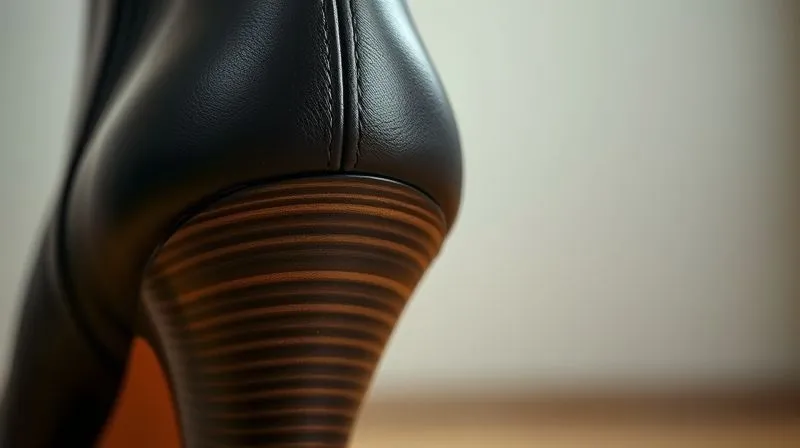
A deep heel cup effectively 'seats' the heel, preventing it from sliding around or riding up out of the shoe. This is particularly important for orthotics, which often have a contoured heel section designed to stabilize the foot. The heel counter, the stiff material around the back of the heel, provides the necessary rigidity to hold the heel upright and prevent it from rolling inwards or outwards during gait.
Anchoring the Foot: The Heel's Role
I often tell designers that a shoe is only as good as its foundation, and the heel is the first point of contact and stability. Neglecting these elements can undermine even the most perfectly fitted orthotic.
- Deep Heel Cup: Cradles the heel bone, enhancing stability and ensuring the orthotic stays in place.
- Firm Heel Counter: Provides lateral and medial support, preventing the heel from rocking and promoting proper alignment.
- Reduced Heel Slippage: A well-designed heel section minimizes movement, preventing blisters and discomfort.
Case Study: 'Solace Footwear' Redefines Orthotic Style
Solace Footwear, a boutique brand specializing in women's professional shoes, initially struggled with high customer returns due to perceived comfort issues, despite their elegant designs. After consulting with podiatrists and footwear engineers, they discovered that their lasts lacked sufficient heel depth and their heel counters were too soft. By investing in redesigning their core collection to feature deeper heel cups and incorporating robust, yet discreetly integrated, firm heel counters, they transformed their comfort profile.
Within a year, Solace Footwear reported a 40% reduction in comfort-related returns and a remarkable 25% increase in repeat customers, who praised the 'invisible support' that allowed them to wear stylish shoes all day without pain. This demonstrated a clear market demand for fashion-forward footwear that prioritizes stability and orthotic compatibility, proving that style and substance can coexist beautifully.
5. Forefoot Freedom: Wider Toe Boxes and Flexible Uppers
One of the most common complaints I hear from orthotic users is the feeling of cramped toes. This often stems from the combination of an orthotic slightly elevating the foot and the shoe's toe box being too narrow or shallow. A truly orthotic-friendly shoe must prioritize 'forefoot freedom'—meaning ample space for your toes to splay naturally, uninhibited by the shoe's structure.
This extends beyond just width; depth is equally critical. The toe box needs enough vertical volume to prevent toes from rubbing against the top of the shoe, especially when an orthotic is in place. Furthermore, the upper material in the forefoot should be flexible and yielding, adapting to the foot's natural contours rather than constricting it.
Unrestricted Movement: Toe Box and Upper Design
The trend towards pointed or overly tapered toe boxes in fashion has long been a nemesis for foot health. Progressive designers are now finding ingenious ways to incorporate a more anatomically correct toe box shape without sacrificing elegance. This often involves a subtly rounded or almond-shaped toe that provides genuine space.
According to podiatric research, allowing for natural toe splay is vital for balance, propulsion, and preventing common foot deformities like bunions and hammertoes. The American Podiatric Medical Association (APMA) frequently emphasizes the importance of proper toe box dimensions for overall foot health.
When trying on shoes with your orthotics, I always recommend a simple three-step assessment:
- Thumb Test: With your orthotic in the shoe and your foot inserted, press your thumb across the top of your toes. There should be at least half an inch of space between your longest toe and the end of the shoe.
- Wiggle Room: You should be able to comfortably wiggle all your toes without any feeling of constriction, both width-wise and depth-wise.
- Pressure Check: Walk around for a few minutes. Pay attention to any pressure points on the top or sides of your toes. There should be none.
6. Entry and Closure: Thoughtful Openings and Adjustable Fasteners
The journey into an orthotic-friendly shoe should be as smooth and accommodating as the fit itself. This means paying close attention to the shoe's opening and its closure mechanism. Many fashionable shoes, particularly slip-ons or those with rigid openings, simply don't offer the necessary flexibility to comfortably insert a foot with an orthotic, let alone adjust for optimal fit.
Adjustable fasteners are key. Laces, buckles, straps with hook-and-loop closures, or even strategically placed zippers allow for a customized fit that can be tightened or loosened as needed. This adjustability is crucial because orthotics can alter the volume of the foot, and a shoe needs to adapt to these subtle changes throughout the day.
Securing Your Fit: Laces, Straps, and Zippers
I've seen countless instances where an otherwise well-designed shoe fails the orthotic-friendly test simply because the entry is too narrow or the closure system is inadequate. It's like having a perfectly fitted engine but a faulty ignition – it won't get you where you need to go.
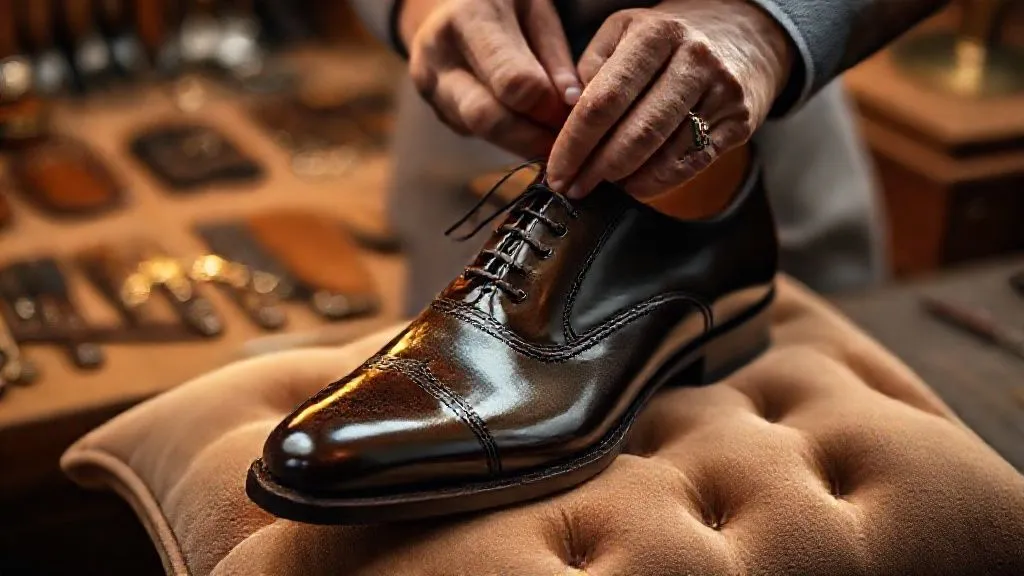
- Laces: Offer the most versatile adjustability, allowing for precise tension across the instep and forefoot. Look for designs that allow for wide opening.
- Adjustable Straps: Velcro, buckles, or elastic straps provide flexibility and easy on-off, particularly beneficial for those with dexterity issues.
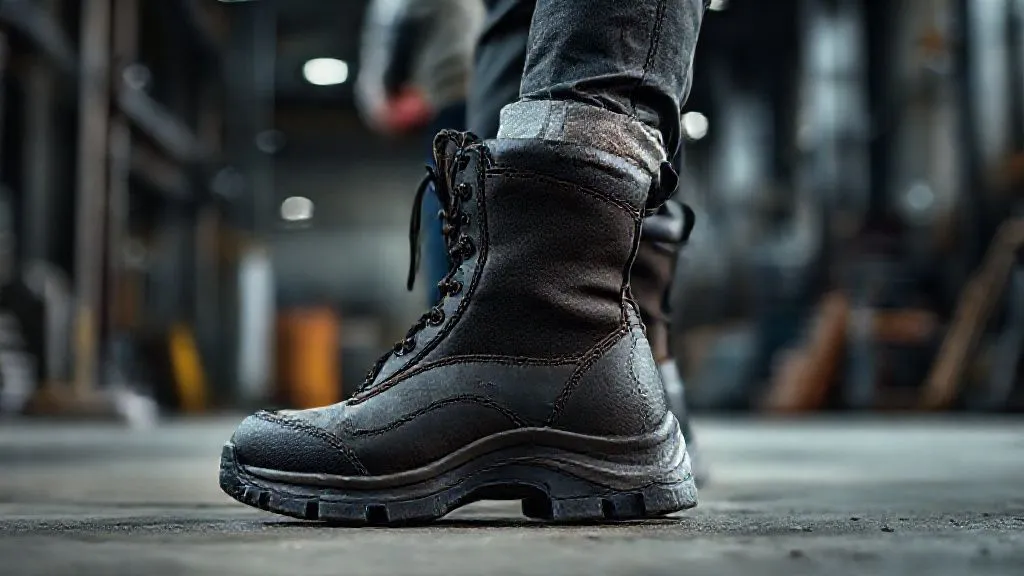
- Strategically Placed Zippers: While not offering the same adjustability as laces, a full-length side or back zipper can provide a wide opening for easy entry, especially in boots.
- Elasticized Gussets: In certain loafer or ballet flat styles, discreet elastic panels can offer a degree of stretch and accommodation without compromising aesthetics.
The goal is to find a shoe that not only fits well but also securely holds your foot and orthotic in place without excessive pressure or slippage. A shoe that can be customized to your foot's unique needs will always outperform a rigid, one-size-fits-all design.
7. Material Matters: Cushioning, Breathability, and Durability
The choice of materials plays a pivotal role in the overall comfort, health, and longevity of orthotic-friendly footwear. It's not just about aesthetics; materials directly impact breathability, cushioning, flexibility, and how well the shoe accommodates and supports your orthotic.
Soft, pliable leathers or advanced breathable textiles for the upper can conform to the foot and orthotic without causing friction or pressure points. The midsole and outsole materials are equally vital, providing crucial cushioning and shock absorption that complements the support offered by your orthotic, protecting your joints and muscles from impact.
Selecting Superior Shoe Materials
In my consultations, I always emphasize that premium materials are an investment in foot health. They allow the foot to breathe, reduce the risk of skin irritation, and provide the necessary give and support. As Forbes contributor and retail expert Pamela N. Danziger often highlights, consumers are increasingly prioritizing comfort and wellness in their purchasing decisions, driving demand for high-quality, functional materials in fashion footwear. Explore more insights on consumer trends in luxury and fashion.
| Material Type | Benefit | Orthotic Relevance |
|---|---|---|
| Upper Leather (Soft & Pliable) | Molds to foot and orthotic, breathable, durable | Reduces friction, adapts to foot shape, prevents pressure points |
| Mesh/Knit Fabrics (Engineered) | Highly breathable, flexible, lightweight | Reduces heat buildup, stretches for wider feet/orthotics, ideal for active styles |
| Midsole (EVA/PU Blends) | Excellent cushioning, shock absorption, lightweight | Complements orthotic support, reduces impact on joints, enhances overall comfort |
| Outsole (Rubber/TPR) | Durable, good traction, flexible where needed | Provides stable base, prevents slipping, contributes to shoe longevity |
8. The Aesthetics of Integration: Blending Function with Form
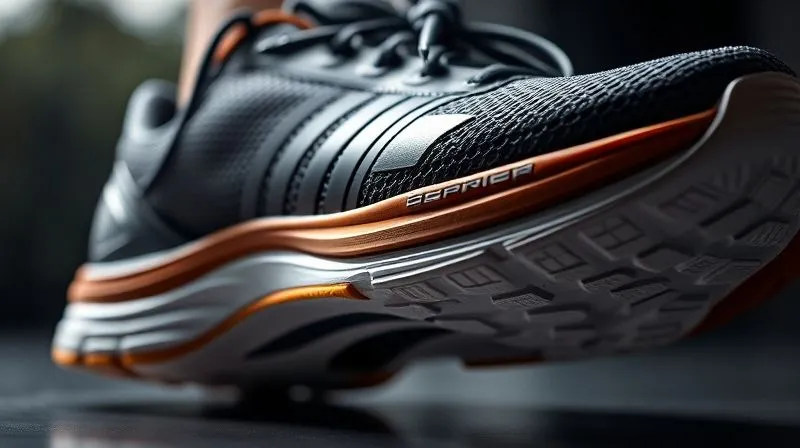
Perhaps the greatest challenge, and indeed the greatest triumph, in creating orthotic-friendly shoes is the seamless integration of these functional adjustments into truly fashionable designs. For too long, 'orthopedic' was synonymous with 'unattractive.' However, designers are now proving that this dichotomy is a thing of the past.
The key lies in intelligent design that disguises or reinterprets the necessary adjustments. For example, a slightly wider last can be visually narrowed through clever stitching, color blocking, or material choices. A deeper toe box can be balanced by a streamlined midfoot or heel design. The goal is to make the functional elements virtually invisible, allowing the shoe's style to shine through.
Designing for Desire: Style Without Compromise
I've seen design teams spend countless hours finessing proportions, experimenting with new materials, and employing innovative construction techniques to achieve this delicate balance. It's a testament to the growing demand for shoes that don't force a choice between health and aesthetics.
"True design innovation for orthotic-friendly footwear isn't about adding features; it's about artfully concealing them, making comfort an inherent, almost invisible, quality rather than a visible compromise. It's about designing for desire, where function elevates form." - My philosophy on modern footwear design.
Many brands are now embracing a minimalist aesthetic, clean lines, and premium finishes that inherently lend themselves to orthotic compatibility. They understand that a beautifully crafted shoe, regardless of its underlying support, will always be in demand. The secret is to ensure that beauty never comes at the cost of well-being. This shift signifies a maturation of the footwear industry, acknowledging that consumers expect—and deserve—both style and genuine comfort. The principles of design thinking, as discussed in Harvard Business Review, are increasingly being applied to solve complex problems like integrating health features into consumer products without sacrificing appeal.
Frequently Asked Questions (FAQ)
Q: Can any shoe be made orthotic-friendly with just an insert? A: Not truly. While an insert can add some support, a shoe must have a removable footbed, sufficient depth, and a stable structure (like a firm heel counter and shank) to properly accommodate a custom orthotic. Forcing an orthotic into an ill-fitting shoe can create new problems.
Q: What's the difference between built-in arch support and orthotic compatibility? A: Built-in arch support is a general contouring within the shoe's footbed designed to offer generic arch support. Orthotic compatibility, however, refers to a shoe's ability to comfortably and effectively house a custom-made orthotic, which provides personalized support tailored to an individual's specific foot mechanics. While built-in support can be a nice bonus, it doesn't replace the need for true orthotic compatibility for many.
Q: Are orthotic-friendly shoes always bulky or "medical-looking"? A: Absolutely not! This is a common misconception that modern design adjustments are actively dispelling. Today's orthotic-friendly shoes leverage clever last design, premium materials, and aesthetic integration techniques to look just as sleek and fashionable as their conventional counterparts, proving that comfort doesn't have to compromise style.
Q: How do I know if a shoe will accommodate my specific custom orthotics? A: The best way is to try them on together. Remove the shoe's factory insole, insert your orthotic, and then try the shoe on your foot. Walk around. Pay attention to overall comfort, heel stability, toe room, and whether your foot feels securely seated without undue pressure or slippage. If possible, consult with a footwear specialist or podiatrist.
Q: What materials are best for orthotic-friendly uppers? A: Soft, pliable leathers (like nappa or calfskin) and engineered breathable textiles (like knit fabrics or advanced meshes) are excellent choices. They conform well to the foot and orthotic, reduce friction, allow for natural movement, and promote air circulation, minimizing heat and moisture buildup. Avoid overly stiff or synthetic materials that don't offer any give.
Key Takeaways and Final Thoughts
The journey to finding fashionable, orthotic-friendly footwear no longer has to be a compromise. As an industry specialist, I've seen firsthand the incredible advancements in shoe design that allow you to prioritize both your foot health and your personal style. It's about understanding the specific adjustments that truly make a difference.
- Removable Footbeds & Depth: Essential for seamlessly integrating your orthotics.
- Intelligent Last Design: Provides necessary volume without sacrificing aesthetics.
- Robust Support: Integrated arch support and a strong shank offer foundational stability.
- Heel Stability: Deep heel cups and firm heel counters anchor your foot and orthotic.
- Forefoot Freedom: Wider, deeper toe boxes and flexible uppers prevent cramping.
- Adjustable Entry: Laces, straps, and clever openings ensure a customized, secure fit.
- Premium Materials: Soft, breathable, and durable materials enhance comfort and longevity.
- Aesthetic Integration: Smart design hides functional elements, making comfort invisible.
Empower yourself with this knowledge. You deserve shoes that look fantastic and make your feet feel even better. Don't settle for less. By seeking out brands and designs that genuinely embrace these orthotic-friendly adjustments, you're not just buying a pair of shoes; you're investing in your long-term comfort, mobility, and overall well-being. Step forward with confidence, knowing you can have both style and unparalleled support.
Recommended Reading
- 7 Pro Strategies: Navigating Unrealistic Bridal Beauty Client Expectations
- 7 Proven Strategies: Banish Uninspired Fashion Content Ideas Forever
- Mastering Professional & Trendy Glasses: Your 7-Step Style Guide
- Unlock the Secret: Tips for Long-Lasting Professional Stage Makeup?
- How Do Luxury Streetwear Retailers Verify Authenticity? 7 Expert Methods Revealed



Your email address will not be published. Required fields are marked *