


How to Pick Stylish Glasses Balancing Professionalism and Trend?
For over two decades in the dynamic world of eyewear fashion, I've witnessed a recurring dilemma among countless professionals: the struggle to select glasses that truly reflect their personal style without undermining their professional gravitas. It’s a tightrope walk between wanting to express individuality and needing to command respect in the boardroom or client meeting. Many fall into the trap of either opting for overtly trendy frames that lack professionalism or settling for unimaginative, 'safe' options that do little to enhance their personal brand.
This isn't just about aesthetics; it's about confidence, first impressions, and how you're perceived in your career. The wrong pair of glasses can inadvertently send mixed signals, suggesting a lack of seriousness or, conversely, a resistance to modern sensibilities. The challenge lies in finding that sweet spot where your eyewear acts as a powerful, silent ally, amplifying both your expertise and your contemporary flair.
In this definitive guide, I will share my accumulated wisdom and a practical, step-by-step framework to navigate this nuanced challenge. You'll gain actionable insights, learn how to assess your unique professional context, understand the art of frame selection, and discover how to integrate current trends intelligently. My goal is to empower you to choose glasses that don't just correct your vision, but also elevate your professional image and express your authentic, stylish self.
Understanding Your Professional Identity & Context
Before even considering frames, it's crucial to deeply understand your professional environment and the personal brand you wish to project. Your eyewear is an extension of your identity, and its impact varies significantly depending on your industry and role.
The Corporate vs. Creative Spectrum: Tailoring Your Eyewear
A lawyer in a conservative firm will have different eyewear needs than a graphic designer in a tech startup. The key is to assess where you fall on this spectrum:
- Conservative Professions (e.g., Law, Finance, Medicine): Here, professionalism takes precedence. Frames should be classic, refined, and understated. Think traditional shapes, neutral colors, and high-quality materials.
- Business Casual/Hybrid Roles (e.g., Marketing, HR, Education): This offers more flexibility. You can introduce subtle trends, interesting textures, or slightly bolder colors without crossing the line.
- Creative/Tech Industries (e.g., Design, Arts, Startups): These environments often encourage self-expression. You have more leeway for avant-garde shapes, vibrant colors, and unique materials, as long as they align with your personal brand.
“Your glasses are often the first thing people notice about you, framing your face and, by extension, your professional persona. They speak volumes before you even utter a word.”<
Defining Your Personal Brand Aesthetic
Beyond your industry, consider your personal style. Are you minimalist, classic, edgy, or bohemian? Your glasses should ideally complement this. If your wardrobe leans towards timeless elegance, a minimalist metal frame might be perfect. If you love bold accessories, a statement acetate frame could be your signature.
Actionable Step: Take a moment to articulate three words that describe your professional brand and three words that describe your personal style. Your ideal eyewear should bridge these two descriptions.

Face Shape First: The Foundation of Flattery
This might sound like old advice, but its fundamental truth remains: understanding your face shape is the bedrock of choosing flattering eyewear. The right frame shape can balance your features, soften angles, or add definition, creating a harmonious look.
Identifying Your Face Shape and Complementary Frames
Stand in front of a mirror and trace the outline of your face with a washable marker or lipstick. Step back and observe the shape:
- Round Face: Characterized by soft curves and equal width and length. Recommendation: Angular or geometric frames (rectangular, square) add definition and make the face appear longer and thinner.
- Square Face: Strong, angular jawline, broad forehead, and equal width and length. Recommendation: Round or oval frames soften strong features. Cat-eye frames can also work well.
- Oval Face: Considered the most versatile, with balanced proportions and a gently rounded chin and forehead. Recommendation: Most frame shapes work. Experiment with various styles, but ensure the frames are no wider than the broadest part of your face.
- Heart-Shaped Face: Broad forehead, high cheekbones, and a narrow chin. Recommendation: Frames that are wider at the bottom or have detailing on the lower half (e.g., rimless, aviator, or light-colored frames) balance the narrow chin.
- Oblong/Long Face: Longer than it is wide, with a straight cheek line. Recommendation: Taller frames or those with decorative temples add width and shorten the face. Wayfarers or oversized frames are often suitable.
- Diamond Face: Narrow forehead and jawline, with wide cheekbones. Recommendation: Cat-eye, oval, or browline frames highlight the eyes and soften the cheekbones.
Expert Tip: Don't be afraid to try on many different shapes. Sometimes, a style you thought wouldn't suit you can be surprisingly flattering.
Decoding Frame Materials & Colors: Beyond Basic Black
The material and color of your frames are paramount in conveying your desired image. They influence durability, weight, comfort, and, most importantly, the overall aesthetic.
Popular Frame Materials and Their Professional Impact
Each material offers distinct advantages and contributes to a different professional vibe:
| Material | Professional Impact | Pros | Cons | |
|---|---|---|---|---|
| Acetate (Plastic) | Versatile, wide range of colors/patterns, can be bold or understated. Good for creative roles or adding a stylish touch to conservative looks. | Lightweight, durable, hypoallergenic, endless design possibilities. | Can be bulky in thicker styles, may stretch over time. | |
| Metal (Titanium, Stainless Steel) | Sleek, sophisticated, minimalist. Ideal for highly conservative environments or a refined, understated look. | Lightweight, strong, hypoallergenic (titanium), durable, thin profiles. | Less color variety, can bend if mishandled. | |
| Mixed Materials (e.g., Metal & Acetate) | Modern, balanced, offers the best of both worlds. Great for business casual or adding a contemporary edge. | Unique aesthetic, often more durable, combines benefits of both materials. | Can be more expensive, design complexity varies. | |
| Wood/Horn | Unique, eco-conscious, artisanal. Best for creative or niche professional settings where individuality is valued. | Distinctive, lightweight, natural feel. | Less durable, can be expensive, requires special care. | Less common for traditional corporate settings. |
The Power of Subtle Color and Texture
While black, brown, and tortoise are timeless professional choices, don't shy away from subtle color. A deep navy, an elegant burgundy, or a sophisticated grey can add personality without being distracting. Translucent or frosted frames can offer a modern, minimalist look that is both stylish and professional.
“Color isn't just about vibrancy; it's about nuance. A rich, deep hue can communicate confidence and thoughtfulness far more effectively than a stark, uninspired neutral.”
Actionable Step: Consider your skin tone and hair color when choosing frame colors. Warm skin tones often suit earthy tones, gold, and warm reds, while cool skin tones might prefer silver, blue, black, or jewel tones. A quick online search for 'eyewear color palette for skin tone' can provide valuable guidance.
The 'Trend' Factor: Integrating Modernity Wisely
Trends come and go, but professionalism is timeless. The art lies in incorporating current styles in a way that feels fresh and contemporary, not fleeting or inappropriate.
Identifying Professional-Friendly Trends
Not all trends are suitable for the workplace. Focus on those that offer a modern twist on classic shapes or introduce subtle design elements:
- Thin Metal Frames: Minimalist and elegant, these are a strong professional trend.
- Transparent/Translucent Acetate: Offers a modern, understated look that can lighten a heavy face.
- Geometric Shapes (Subtle): Softened hexagons or octagons can add interest without being outlandish.
- Browline Frames: A retro classic making a strong comeback, offering a smart and intellectual vibe.
- Subtle Oversized Frames: When done right, they can be chic and authoritative, but avoid anything that dominates your face.
Case Study: Sarah's Style Evolution: From Bland to Brilliant
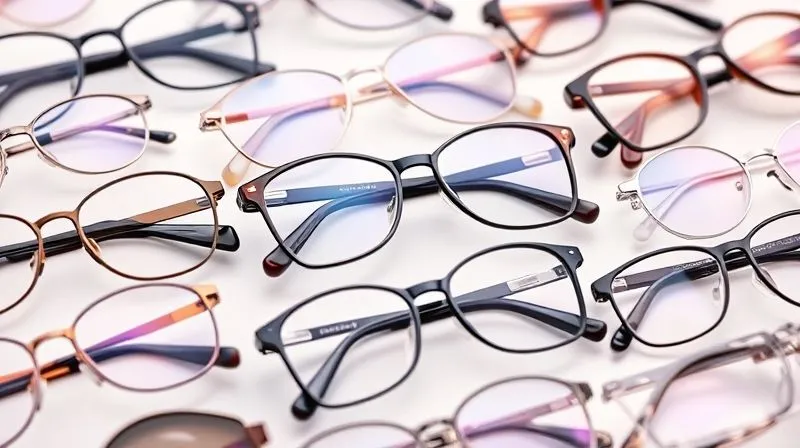
Sarah, a 32-year-old marketing manager, initially wore a pair of generic, rectangular black frames. While functional, they did little to enhance her vibrant personality or forward-thinking role. After applying the principles of balancing professionalism and trend, she opted for a slightly oversized, translucent grey acetate frame with a subtle cat-eye lift. The shape flattered her oval face, the material felt modern without being flashy, and the color complemented her cool skin tone.
The result? Sarah reported feeling more confident and receiving compliments on her 'sharp new look.' Her new glasses subtly communicated both her professionalism and her awareness of contemporary style, aligning perfectly with her brand as an innovative marketer. This demonstrates how a thoughtful eyewear choice can significantly impact self-perception and external perception.
Lens Considerations: Clarity, Comfort, and Confidence
While frames steal the show, the lenses are the unsung heroes of your eyewear. High-quality lenses with appropriate coatings are crucial for visual comfort, eye health, and, ultimately, your professional performance.
Choosing the Right Lens Features for the Modern Professional
- Anti-Reflective (AR) Coating: This is non-negotiable for professionals. AR coating eliminates glare from screens, overhead lights, and photography flashes, making your eyes more visible and reducing strain. It’s vital for virtual meetings and client presentations.
- Blue Light Filter: With increasing screen time, a blue light filter helps reduce digital eye strain, fatigue, and potential sleep disruption. It's a smart investment for anyone working with computers for extended periods.
- High-Index Lenses: If you have a strong prescription, high-index lenses are thinner and lighter, preventing the 'coke bottle' effect. Thinner lenses look more aesthetically pleasing and feel more comfortable, especially in stylish, lightweight frames.
- Photochromic Lenses (Transition Lenses): While convenient, these lenses darken in UV light. Consider if this aligns with your professional image, as they can appear like sunglasses indoors or in varying light conditions, which might be perceived as less formal in some settings.
- Progressive Lenses: For presbyopia, modern progressive lenses offer seamless vision at all distances without visible lines, maintaining a youthful and professional appearance.
“Your lenses are more than just vision correction; they are your window to the world and how the world sees your eyes. Invest in quality for unparalleled clarity and comfort.”<
The "Try Before You Buy" Imperative & Expert Consultation
No matter how well you understand theory, there's no substitute for trying frames on. The way a frame sits on your face, its weight, and how it interacts with your facial features and skin tone can only truly be assessed in person.
Virtual Try-Ons vs. In-Store Experience
- Virtual Try-Ons: Useful for initial exploration and narrowing down choices. Many online retailers offer this feature. However, they can't accurately convey comfort, weight, or how the frame truly fits your nose bridge and temples.
- In-Store Experience: Absolutely essential. Visit a reputable optical store.
Actionable Steps for In-Store Shopping:
- Bring a Friend or Colleague: A trusted second opinion can be invaluable.
- Dress as You Would for Work: This helps you visualize how the glasses will look in your professional attire.
- Consider Your Hair and Makeup: If you typically wear makeup or style your hair a certain way for work, try on frames with that look.
- Test for Comfort: Do the frames pinch your nose? Are they too tight behind your ears? Do they slide down your nose when you move? Comfort is paramount for all-day wear.
- Ask for Expert Advice: An experienced optician can offer insights into fit, material suitability, and even suggest styles you hadn't considered, leveraging their deep knowledge of facial anatomy and eyewear trends.
Building an Eyewear Wardrobe: Beyond Just One Pair
Just as you wouldn't wear the same shoes for every occasion, having a small collection of glasses can be incredibly advantageous for the modern professional. An eyewear wardrobe allows you to perfectly match your frames to your mood, outfit, and the specific demands of your day.
The Strategic Eyewear Wardrobe Matrix
Consider having at least two to three pairs:
Having this versatility ensures you're always presenting your best self, whether you're leading a high-stakes meeting or engaging in a creative problem-solving session. It communicates thoughtfulness and attention to detail, which are highly valued professional traits.
Frequently Asked Questions (FAQ)
Question: Are bold-colored frames ever appropriate in a professional setting? Detailed answer: Yes, but with careful consideration. A deep jewel tone like emerald green, sapphire blue, or a rich burgundy can add a sophisticated pop of color without being distracting. The key is saturation and shape; avoid neon or overly bright colors in highly formal settings. A bold color in a classic shape often works better than a bold color in an avant-garde shape. Always consider your industry and personal brand – a creative director has more leeway than a financial analyst.
Question: What about oversized frames? Can they look professional? Detailed answer: Oversized frames can absolutely be professional, provided they are proportioned correctly to your face and the style is refined. Avoid frames that are so large they obscure your eyebrows or rest on your cheeks. Thin-rimmed oversized metal frames or slightly oversized acetate frames in a classic shape (like a softened square or round) can convey a chic, intellectual, and authoritative look. The material and color play a huge role here; lighter colors or translucent materials can make larger frames less imposing.
Question: Is it okay to wear blue light blocking glasses if I don't need a prescription? Detailed answer: Absolutely. Many professionals, especially those spending significant time on screens, opt for non-prescription blue light filtering glasses purely for eye comfort and health benefits. This is a practical and increasingly common choice that demonstrates awareness of wellness, and it can contribute to a polished, professional appearance. Ensure the frames are stylish and well-fitted.
Question: How often should I update my glasses to stay 'on-trend'? Detailed answer: You don't need to chase every fleeting trend. Instead, focus on timeless styles with modern updates. I recommend updating your primary professional pair every 2-3 years, or when your prescription changes significantly. For your 'stylish' or 'statement' pair, you might update more frequently, perhaps every 1-2 years, to reflect current fashion. The goal is to evolve your style, not constantly overhaul it. High-quality frames can last for many years, so choose wisely.
Question: My workplace is very casual. Do I still need to consider 'professionalism' in my glasses? Detailed answer: Even in highly casual environments, a sense of intentionality and good taste is always appreciated. While you have more freedom for expressive styles, ensuring your glasses are clean, well-maintained, and flatter your face still conveys professionalism in a broader sense – that you pay attention to detail and care about your presentation. It’s about elevating your casual look, not making it sloppy.
Key Takeaways and Final Thoughts
- Know Your Context: Your industry and personal brand are the starting points for any eyewear decision.
- Face Shape is Fundamental: Choose frames that balance and flatter your unique facial features.
- Material & Color Matter: These elements dictate the overall tone and impact of your frames.
- Trend Smart, Not Hard: Integrate modern styles subtly and thoughtfully to enhance, not overshadow, your professionalism.
- Lenses Are Key: Invest in quality lenses and coatings for optimal vision, comfort, and a polished look.
- Try Before You Buy: In-person fitting and expert advice are invaluable.
- Build a Wardrobe: Consider multiple pairs to suit different professional and personal occasions.
Picking stylish glasses that balance professionalism and trend isn't about following rigid rules; it's about making informed, intentional choices that empower you. Your eyewear is a powerful accessory, a subtle yet significant component of your professional image. By applying these expert insights and frameworks, you're not just choosing glasses; you're crafting a visual statement that speaks to your competence, confidence, and sophisticated sense of style. Embrace the opportunity to let your eyewear elevate your entire professional presence. For further reading on the psychological impact of appearance in the workplace, consider resources like Harvard Business Review's articles on personal branding or studies on the psychology of first impressions. You can also explore current fashion psychology insights from sources like Psychology Today or industry reports from leading eyewear authorities like The Vision Council or Edel-Optics Magazine for the latest trends. Your journey to perfect eyewear starts now.
Recommended Reading
- 7 Proven Pathways: Sourcing Rare Materials for Epic Fantasy Costume Authenticity
- Why Advanced Skincare Fails? 5 Secrets to Unlock Lasting Radiance
- Bridesmaid Dress Disaster? 7 Steps When Wrong Sizes Arrive on Your Big Day
- 7 Ways to Differentiate Men's Sustainable Denim & Dominate the Market
- Fashion Campaign Photo Shoot Planning Tips: The Ultimate Guide



Your email address will not be published. Required fields are marked *