

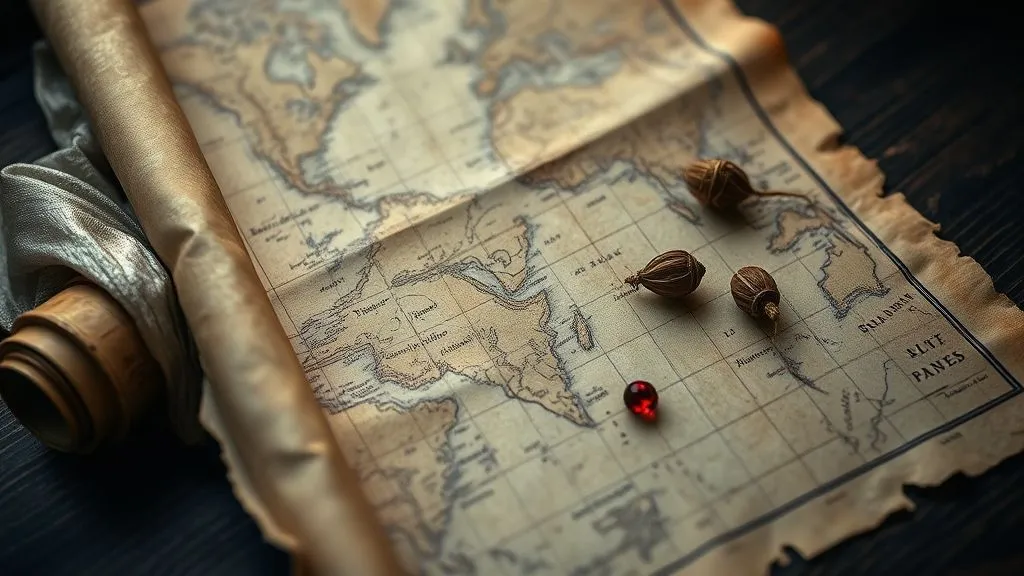
Where to source rare materials for epic fantasy costume authenticity?
For over two decades in the realm of costume design, particularly within the fantastical genres, I've witnessed a recurring challenge: the quest for true authenticity in materials. Many aspiring and even seasoned designers often find themselves trapped in a cycle of readily available, generic fabrics and embellishments, leading to costumes that, while visually appealing, lack that ineffable quality of genuine historical or fantastical resonance.
The pain point is palpable: you envision a character draped in fabrics that tell a story, adorned with elements that feel ancient, otherworldly, or intrinsically tied to their lore, only to be met with the limitations of commercial supply chains. This struggle often results in a compromise, where the final costume, despite its intricate design, falls short of its epic potential because the materials don't speak the language of its world.
In this definitive guide, I will share my accumulated wisdom and practical strategies for where to source rare materials for epic fantasy costume authenticity. We’ll delve into unconventional pathways, ethical considerations, and innovative techniques that will not only elevate your designs but also imbue them with an unparalleled depth and believability. Prepare to transform your approach to material sourcing, moving beyond the ordinary to craft truly unforgettable fantasy costumes.
Unearthing the Past: The Power of Historical and Archival Research
My journey into costume authenticity began with a deep dive into history. The first, and arguably most crucial, step in sourcing truly rare and authentic materials is to understand what 'authentic' means for your specific fantasy world. Often, the best fantasy draws heavily from real-world historical periods, cultures, and natural elements. This is where diligent historical and archival research becomes your most potent tool.
I've seen countless designers overlook this foundational step, opting for what 'looks' fantasy. However, by grounding your understanding in actual historical textiles, dyes, and embellishments, you gain a vocabulary that transcends mere aesthetics. You learn about the weight of certain silks, the texture of hand-spun wools, the subtle shimmer of naturally dyed linen, and the intricate patterns of historical embroidery that can then be adapted or replicated for your fantastical vision.
Delving into Period-Specific Textiles and Embellishments
To truly unearth the past, you must become a textile archaeologist. This involves exploring museum archives, university special collections, and digitized historical fashion plates. These resources offer a treasure trove of information on materials, weaves, and decorative techniques that are often forgotten or deemed too complex for modern mass production.
- Visit Museum Collections: Institutions like the Victoria and Albert Museum or the Metropolitan Museum of Art house extensive textile and costume archives. Many now offer high-resolution digital access, allowing you to zoom in on fabric textures, stitching, and embellishments.
- Consult Academic Papers and Historical Texts: Libraries and online academic databases are rich with studies on historical textile production, trade routes, and dyeing processes. These can reveal not just what materials were used, but *how* they were made and what made them rare even in their own time.
- Explore Historical Reenactment Communities: These communities are often passionate about historical accuracy and have already done much of the legwork in identifying and even recreating period-accurate materials and techniques. Their forums and suppliers can be invaluable.
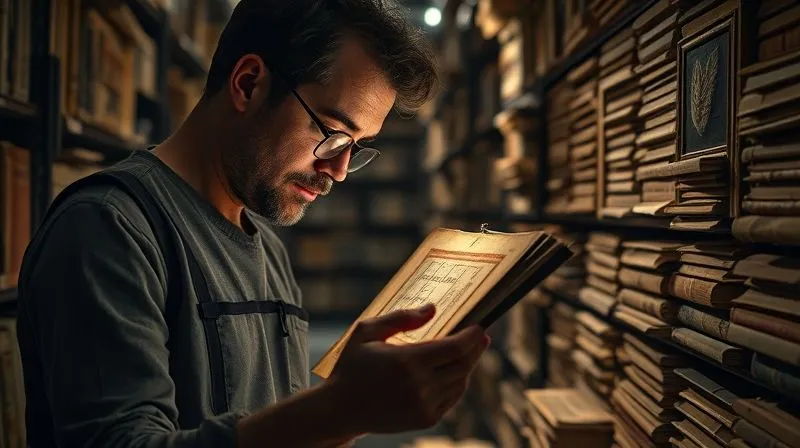
Once you understand the historical precedent, you can then seek modern equivalents, or, more thrillingly, commission artisans who specialize in reviving these ancient crafts. This research phase isn't just about finding facts; it's about cultivating an informed sensibility that will guide all your subsequent sourcing decisions.
The Global Bazaar: Navigating International Markets and Artisans
The world is a tapestry of diverse cultures, each with its own unique textile traditions, natural resources, and artisanal crafts. When seeking truly rare materials for fantasy costumes, limiting yourself to local or national suppliers is a grave oversight. My most memorable costume projects often involved materials sourced from continents away, each carrying a story and an aesthetic impossible to replicate otherwise.
This path, however, requires patience, a keen eye for quality, and a commitment to ethical sourcing. It's not simply about finding the cheapest option, but about connecting with the heart of a craft and respecting the hands that create it. The authenticity of a material is often intrinsically linked to its origin and the traditional methods of its production.
Direct-Sourcing from Indigenous Craftsmen and Specialized Regions
Direct sourcing involves reaching out to artisans or small-scale producers in regions renowned for specific materials or techniques. Think of the exquisite silks from Uzbekistan, the intricate embroidery from India, the hand-woven wools from the Andes, or the natural dyes from West Africa. These aren't just materials; they are cultural artifacts imbued with generations of skill and tradition.
- Specialized Online Marketplaces: Websites like Etsy, Novica, and even smaller, niche platforms dedicated to fair trade or artisanal goods can be starting points. Filter by country of origin or specific craft type.
- Trade Fairs and Exhibitions: International textile and craft fairs, though requiring travel, offer unparalleled opportunities to meet artisans face-to-face, feel the materials, and build direct relationships.
- Ethical Sourcing Organizations: Partnering with organizations that support indigenous craftspeople ensures fair wages and sustainable practices, adding a layer of ethical integrity to your costume.
Case Study: The Serpent Queen's Iridescent Scales
I once worked on a Serpent Queen costume where the client demanded an iridescent, scale-like texture that felt organic and ancient, not plastic. Traditional sequin fabrics were out of the question. Through extensive research and networking, I discovered a small collective of artisans in Southeast Asia who specialized in crafting garments from sustainably harvested fish leather, treated with natural dyes and polished to a shimmering, iridescent finish. The process was slow, and communication was challenging, but the resulting material was utterly unique, catching the light like genuine scales. It wasn't just a fabric; it was a conversation piece, elevating the costume from 'well-made' to 'legendary'. This demonstrated the power of going beyond conventional suppliers and investing in truly unique, artisan-made materials.
| Sourcing Method | Pros | Cons |
|---|---|---|
| Local Suppliers | Convenient, faster shipping, easier communication | Limited variety, less unique, mass-produced feel |
| International Artisans | Unique materials, cultural richness, ethical impact | Longer lead times, shipping costs, potential communication barriers, import duties |
| Vintage/Upcycled | Sustainable, cost-effective, inherent character | Inconsistent supply, condition variability, requires cleaning/restoration |
"Authenticity isn't just about what something looks like, but what it feels like, where it comes from, and the story it carries. True rarity often lies in the narrative embedded within the material itself."
Forging the Unseen: Custom Creation and Fabrication
Sometimes, the rare material you envision simply doesn't exist – or at least, not in a form you can readily purchase. This is where the true alchemy of costume design comes into play: the ability to custom create and fabricate. As an experienced industry specialist, I've often found that the most impactful 'rare materials' are those that are born from a specific vision, painstakingly crafted to meet the unique demands of a fantasy world.
This approach moves beyond sourcing to actual creation, requiring a different set of skills: collaboration, innovation, and a willingness to experiment. It's a path for the truly ambitious designer who isn't afraid to push the boundaries of what's possible with materials.
Collaborating with Specialized Artisans: Weavers, Leatherworkers, Jewelers
You don't have to be a master of every craft to bring your vision to life. The key is to know your limitations and leverage the expertise of others. Building a network of specialized artisans is an invaluable asset for any costume designer seeking rarity.
- Textile Weavers and Dyers: If you need a specific weave, color gradient, or fiber blend that isn't commercially available, commission a hand-weaver or natural dyer. They can create bespoke fabrics with unparalleled texture and depth.
- Leatherworkers and Armorers: For unique leathers, embossed patterns, or intricate scale mail, collaborate with a skilled leather artisan. They can manipulate leather in ways mass production cannot, creating truly unique textures and forms.
- Jewelers and Metalworkers: For fantastical adornments, buckles, or armor components, a jeweler or metalworker can fabricate custom pieces in brass, copper, silver, or even less common alloys, often incorporating semi-precious stones or unique patinas.
- Prop Fabricators and Sculptors: For organic elements like horns, claws, or highly detailed fantasy props, working with a sculptor specializing in resins, foams, or even wood carving can yield incredible results.
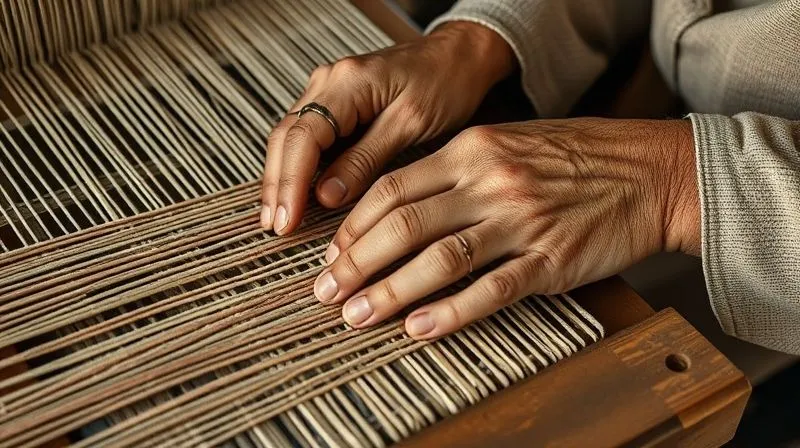
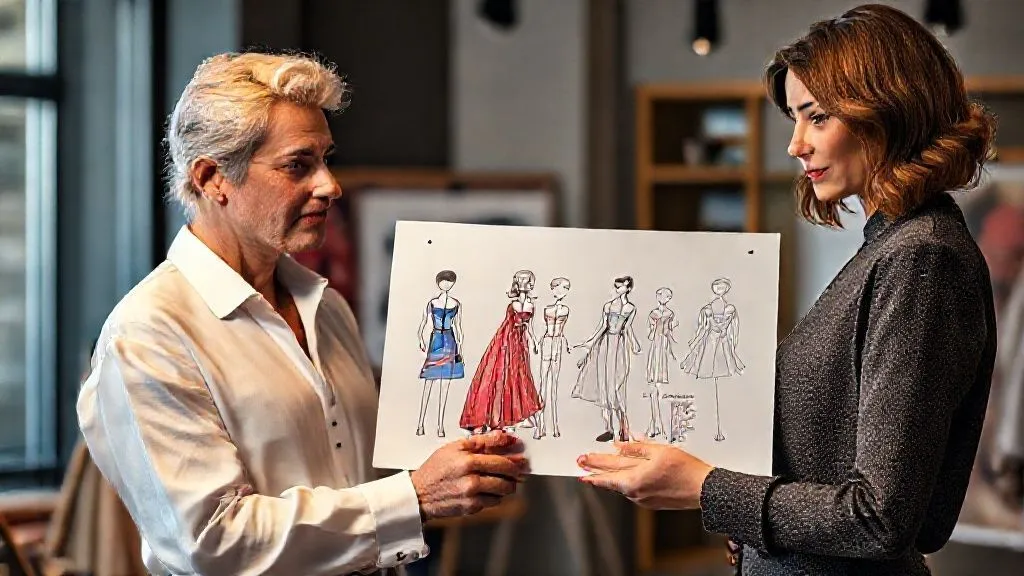
This collaborative process is not just about commissioning a product; it's about a dialogue. Clearly communicate your vision, provide detailed sketches and reference images, and be open to the artisan's expertise and suggestions. The resulting material will be not only rare but also intrinsically tied to your creative process.
Sustainable Scavenging: Repurposing, Upcycling, and Vintage Finds
In my long career, I've learned that 'rare' doesn't always mean newly produced or exotic. Sometimes, the most authentic and unique materials are those that have already lived a life. Repurposing, upcycling, and judiciously hunting for vintage finds offer a sustainable and often surprisingly rich avenue for acquiring materials that possess an inherent character and history unmatched by anything new off the bolt.
This approach taps into a different kind of authenticity – one rooted in the patina of age, the stories whispered by worn threads, and the unexpected beauty of transformation. It also aligns beautifully with modern ethical considerations, reducing waste and giving new life to forgotten treasures.
The Art of Transformation: Giving New Life to Old Treasures
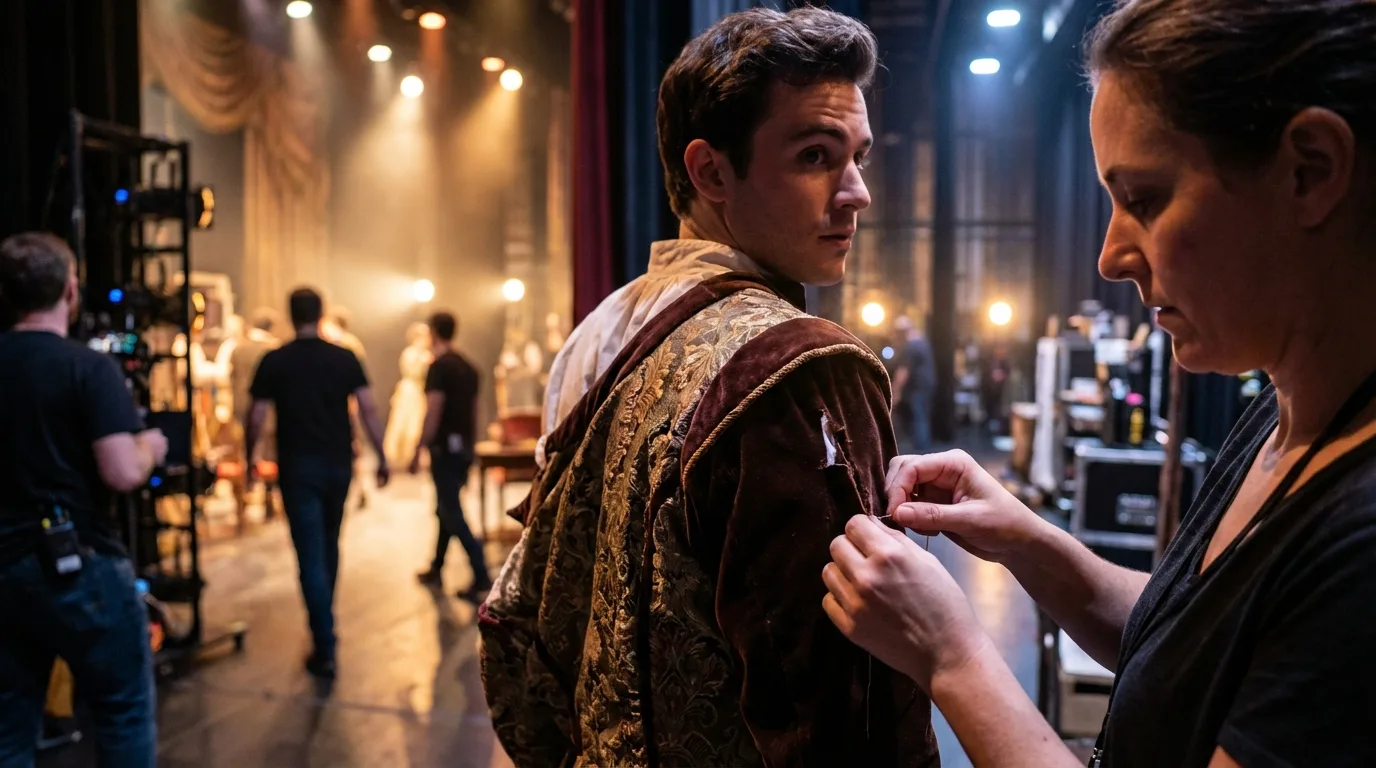
Think beyond just finding a fabric; think about finding a *story*. A vintage tapestry can become a regal cloak, old leather bags can be deconstructed for unique armor elements, and antique lace can add delicate, intricate details. The key is to see potential where others see only wear and tear.
- Estate Sales and Antique Markets: These are goldmines for unique textiles, old garments, and decorative objects that can be disassembled or re-imagined. Look for quality fabrics, interesting textures, and unique embellishments.
- Thrift Stores and Second-Hand Shops: While often needing more extensive searching, these can yield surprisingly high-quality garments or household linens with interesting weaves, prints, or trims that can be repurposed.
- Architectural Salvage Yards: For non-fabric elements like metalwork, unique wood pieces, or glass, salvage yards can offer components with an authentic aged look that's impossible to fake.
- Textile Waste Streams: Some textile manufacturers offer their offcuts or 'dead stock' at reduced prices. These might be limited in quantity but can contain high-quality or unusual fabrics.
As sustainability expert Kate Fletcher often emphasizes, "The most sustainable garment is the one you already own." This philosophy extends brilliantly to costume design, where 'owning' can mean reclaiming and reinventing materials with a past.
The beauty of this method lies in its inherent uniqueness. No two vintage finds are exactly alike, and the process of transforming them imbues your costume with a singular character. It requires vision and often some restoration work, but the results are often breathtakingly authentic.
The Digital Frontier: Leveraging Online Communities and Specialized Forums
In our increasingly interconnected world, the quest for rare materials extends far beyond physical markets. The digital realm has opened up unprecedented opportunities to connect with niche suppliers, specialized artisans, and fellow enthusiasts who can point you towards elusive components. As an industry veteran, I've seen the power of these online communities transform sourcing from a solitary hunt into a collaborative expedition.
The internet, when used strategically, can democratize access to materials that were once only available through exclusive networks or extensive travel. It requires a different kind of detective work, but the rewards can be substantial.
Networking for Niche Materials: From Reddit to Ravelry
The key to success in the digital frontier is knowing where to look and how to engage. These aren't just shopping sites; they are communities built around shared passions for specific crafts and materials.
- Specialized Craft Forums and Groups: Platforms like Ravelry (for knitters/crocheters), specific historical costuming forums, or prop-making communities on sites like The RPF (The Replica Prop Forum) often have 'materials' or 'sourcing' sections where members share leads.
- Reddit Subreddits: Subreddits such as r/costuming, r/historicalcostuming, r/fabric, r/leathercraft, or even more niche ones, can be excellent places to ask specific questions about rare material sourcing. The collective knowledge is immense.
- Social Media Niche Groups: Facebook groups dedicated to specific historical periods, fantasy genres (e.g., 'Lord of the Rings Costuming'), or material types (e.g., 'Natural Dyers Guild') can connect you directly with artisans or individuals selling unique materials.
- Online Auctions and Classifieds: Beyond eBay, look for specialized auction sites for textiles, historical artifacts, or even scientific surplus stores that might carry unusual components adaptable for costume use.

When engaging in these communities, remember to be respectful, clear about your needs, and offer to share your own knowledge where appropriate. Building trust within these networks can open doors to materials and suppliers you might never find through conventional searches. Always verify the reputation of sellers and be mindful of payment security when dealing with independent sources.
Mastering Material Alchemy: Dyeing, Embellishing, and Texturing
Even with the most exhaustive sourcing efforts, there will be times when the perfect material remains elusive. This is where the magic of 'material alchemy' comes into play – the art of transforming readily available, perhaps even common, materials into something extraordinary. In my experience, some of the most 'rare' and authentic-looking costume elements aren't sourced; they are *created* through innovative techniques of dyeing, embellishing, and texturing.
This approach empowers you to control every aspect of the material's appearance, allowing for a level of customization and uniqueness that pre-made fabrics simply cannot offer. It requires experimentation, a willingness to learn new crafts, and a keen artistic eye.
Beyond the Bolt: Transforming Common Materials into Extraordinary Ones
The secret lies in understanding the inherent properties of different materials and how they react to various treatments. A simple cotton canvas, for instance, can be distressed, dyed, painted, waxed, or embroidered to achieve a completely different character – from ancient leather to weathered bark.
- Natural Dyeing: Using plant-based dyes (indigo, madder, cochineal, onion skins) can create incredibly rich, nuanced, and historically accurate color palettes that synthetic dyes often struggle to replicate. The subtle variations in natural dyes add an organic authenticity.
- Distressing and Aging: Techniques like sanding, tearing, burning (carefully!), painting with thin washes, or treating with chemicals (e.g., rust solutions) can make new fabrics look centuries old, adding character and history.
- Surface Embellishment: Hand embroidery, beading, appliqué, couching, and fabric painting can transform a plain fabric into a highly detailed, unique piece. Think of intricate elven cloaks or barbarian tribal wear.
- Texturing with Additives: Applying glues, waxes, resins, or even latex to fabrics can create unique textures, from hardened armor elements to organic, plant-like surfaces.
- Mold-Making and Casting: For non-fabric elements, learning basic mold-making and casting techniques (using materials like resin, latex, or even thermoplastic) allows you to replicate complex forms or create unique embellishments that appear carved or grown.
| Technique | Material Application | Effect |
|---|---|---|
| Natural Dyeing | Cotton, Linen, Silk, Wool | Organic, nuanced colors; historical authenticity |
| Distressing/Aging | Canvas, Leather, Denim, Wool | Worn, ancient, battle-damaged look; adds character |
| Surface Embellishment | Most fabrics | Intricate details, texture, unique patterns |
| Texturing with Additives | Various fabrics, foam | Hardened surfaces, organic textures, scale-like effects |
This approach not only allows you to create truly rare materials but also offers a profound sense of artistic satisfaction. You become the creator, not just the sourcer, of your costume's most unique elements. It's a skill set that will continually expand your creative horizons.
Navigating the Legal and Ethical Landscape of Rare Material Sourcing
As an experienced industry specialist, I cannot stress enough the importance of navigating the legal and ethical landscape when sourcing rare materials for epic fantasy costume authenticity. The pursuit of uniqueness must never come at the expense of environmental responsibility, cultural sensitivity, or legal compliance. Overlooking these aspects not only carries significant risks but also undermines the very integrity of your craft.
True authenticity, in my view, encompasses not just the aesthetic but also the provenance and impact of your materials. A material sourced unethically, or illegally, carries a negative story that can taint even the most beautiful design.
Ensuring Compliance and Cultural Sensitivity
When you venture into global markets or deal with materials from endangered species or cultural heritage, specific regulations and ethical considerations come into play. Ignorance is not an excuse.
- CITES Regulations: If you are considering materials derived from animals or plants, be intimately familiar with the Convention on International Trade in Endangered Species of Wild Fauna and Flora (CITES). Many 'rare' leathers (e.g., certain reptile skins), furs, or woods are strictly regulated or outright prohibited from international trade. Always request appropriate documentation from suppliers.
- Cultural Appropriation vs. Appreciation: When drawing inspiration from indigenous cultures, ensure you are doing so respectfully. Understand the context and significance of patterns, symbols, and materials. Whenever possible, seek to collaborate with or directly purchase from artisans of that culture, providing fair compensation and acknowledging their heritage.
- Fair Trade Practices: For materials sourced from developing countries, prioritize suppliers who adhere to fair trade principles. This ensures that artisans are paid fairly, work in safe conditions, and that local communities benefit from the trade. Organizations like the World Fair Trade Organization can provide guidance.
- Intellectual Property: Be mindful of copyright and intellectual property when replicating specific designs, patterns, or symbols, especially if they are part of a specific cultural tradition or contemporary artistic work.
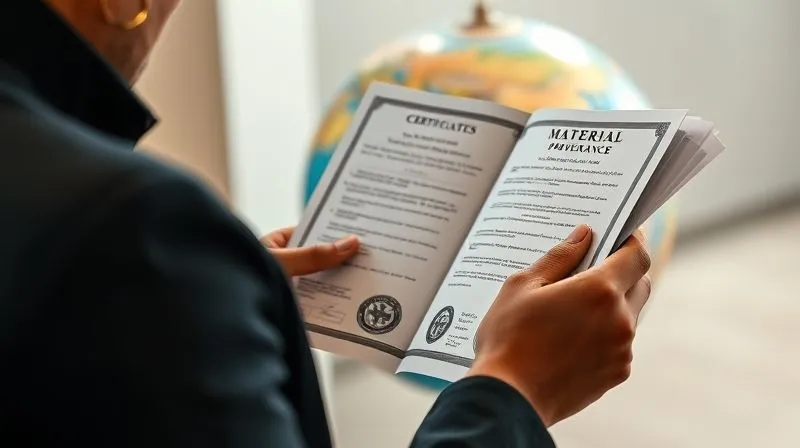
"Ethical sourcing is not a limitation; it is an expansion of your creative canvas. It forces innovation and imbues your work with a deeper, more meaningful authenticity."
By actively engaging with these legal and ethical considerations, you not only protect yourself and your reputation but also contribute to a more responsible and sustainable global creative industry. Your epic fantasy costume will not only look authentic but will also embody a truly ethical narrative.
Frequently Asked Questions (FAQ)
How do I verify the authenticity of a rare material purchased internationally? Verifying authenticity can be challenging. Request detailed documentation from the seller, including origin certificates, CITES permits (if applicable), and clear descriptions of the material's composition and processing. For fabrics, ask for swatches to perform your own burn tests (for fiber content) or microscopic analysis if possible. Building a relationship with trusted, reputable suppliers over time is crucial.
What are common pitfalls in international sourcing and how can I avoid them? Common pitfalls include language barriers, unexpected customs duties and taxes, shipping delays, quality control issues, and payment security concerns. To avoid these, use reputable payment methods with buyer protection, clearly communicate specifications in writing, factor in extra time for shipping and customs, and work with suppliers who have positive reviews or who come recommended by trusted networks. Consider using a sourcing agent for larger or more complex orders.
How can I make rare materials more affordable for my costume projects? Rarity often comes with a higher price tag. To manage costs, consider buying smaller quantities for key accents rather than entire garments. Explore sustainable scavenging (vintage, upcycled) as detailed above. Learn material alchemy techniques to transform less expensive base materials into unique ones. Also, factor the cost of rare materials into your project budget from the outset, viewing them as an investment in authenticity.
Are there sustainable alternatives to traditionally rare materials, especially those with ethical concerns? Absolutely. The field of sustainable material science is rapidly evolving. For exotic leathers, explore innovative alternatives like mushroom leather (Mylo), pineapple leather (Piñatex), or sustainably sourced fish leather. For rare woods, look for reclaimed or certified sustainable timber. Natural dyes are an excellent sustainable alternative to many synthetic pigments. Always research and prioritize materials with transparent supply chains and ethical certifications.
What legal considerations should I be aware of when shipping rare materials globally? Beyond CITES, be aware of import/export regulations in both the origin and destination countries. These can include tariffs, taxes (VAT, sales tax), specific labeling requirements, and restrictions on certain types of goods (e.g., animal products, untreated plant materials). Always declare the true nature and value of your goods to avoid legal complications and delays. Consulting with a customs broker for complex shipments can be beneficial.
Key Takeaways and Final Thoughts
The journey to sourcing rare materials for epic fantasy costume authenticity is an adventure in itself, demanding curiosity, patience, and an unwavering commitment to your craft. It’s a process that will push you beyond the conventional, connect you with global artisans, and challenge you to innovate.
- Begin with deep research: Understand the historical and cultural context of your desired aesthetic.
- Explore global markets: Connect directly with specialized artisans for unique, culturally rich materials.
- Embrace custom creation: Collaborate with skilled craftspeople to forge truly bespoke elements.
- Champion sustainability: Repurpose and upcycle vintage finds for character and eco-consciousness.
- Leverage digital networks: Utilize online communities to uncover niche suppliers and expert advice.
- Master material alchemy: Transform common materials through dyeing, embellishing, and texturing.
- Prioritize ethics and legality: Ensure your sourcing respects environmental, cultural, and legal standards.
Remember, the goal isn't just to find a material; it's to find a story, a texture, a history that breathes life into your fantasy creation. By embracing these pathways, you're not just designing a costume; you're crafting a legend, one meticulously sourced, authentically resonant material at a time. Go forth, explore, and let your imagination soar, grounded by the tangible magic of truly rare and epic materials.
Recommended Reading
- The Ultimate Guide: How to Prevent Glasses from Slipping Down Your Nose Permanently!
- 7 Proven Strategies: Retaining Master Artisans for Unparalleled Couture Quality
- Boost Trust: How to Integrate Blockchain for Transparent Beauty Supply Chains
- The Secret Playbook: How to Get Early Access to New Shoe Launches
- Unlock Ageless Style: How to Create Womenswear for Every Generation

Your email address will not be published. Required fields are marked *