

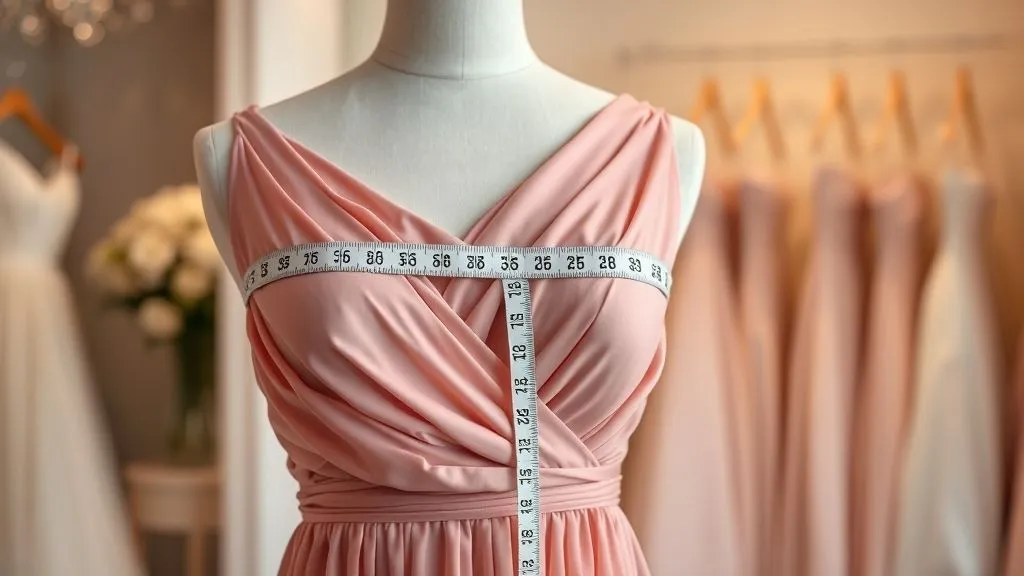
What to do when bridesmaid dress orders arrive wrong sizes?
For over 15 years in the bridal fashion industry, I've witnessed countless magical moments, but I've also been there when panic sets in. One of the most common, and frankly, terrifying, scenarios is when those eagerly anticipated bridesmaid dress orders finally arrive, only to reveal a glaring sizing discrepancy. It's a situation that can send even the calmest bride into a spiral.
The vision of your bridal party, perfectly coordinated and radiant, suddenly feels threatened. You've followed the guides, taken the measurements, and placed the order, yet here you are, days or weeks before the wedding, with dresses that are either too snug to zip or swimmingly large. The clock is ticking, and the fear of an uncomfortable or ill-fitting bridal party looms large.
But take a deep breath. In my extensive experience, this isn't an insurmountable disaster. This comprehensive guide is designed to transform that initial panic into a clear, actionable plan. I’ll walk you through expert-backed strategies, from immediate contact protocols to smart alteration solutions, and even last-minute fixes, ensuring your bridesmaids look and feel their absolute best, no matter what size tag is sewn into their gown. We'll navigate what to do when bridesmaid dress orders arrive wrong sizes with confidence and grace.
Immediate Protocol: The First 24-48 Hours After Discovery
The moment you realize a bridesmaid dress order has arrived in the wrong size, speed and precision are your greatest allies. I always advise my clients to act immediately, as delays can severely limit your options regarding exchanges, reorders, or even specific alteration timelines.
Your initial reaction might be to panic, but resist that urge. Instead, channel that energy into methodical action. Documenting everything from the outset is crucial, creating a clear record should any disputes arise later. This proactive approach sets the stage for a smoother resolution process.
- Verify the Discrepancy: First, confirm it's truly a wrong size. Have the bridesmaid try on the dress immediately. Compare the dress size tag against the order confirmation. Sometimes, what feels wrong is actually within the expected fit range for bridal wear, which often runs smaller than street clothes.
- Document Everything: Take clear photos and videos of the dress on the bridesmaid, highlighting the fit issues. Capture close-ups of the size tag, the order confirmation, and any packaging labels. This visual evidence is invaluable when communicating with the retailer or boutique.
- Review Purchase Agreement: Locate your original purchase agreement, receipt, or order confirmation. Pay close attention to sections on returns, exchanges, sizing guarantees, and any specified timelines for reporting issues. Knowing your rights and the store's policies is paramount.
- Do Not Alter (Yet): Under no circumstances should you attempt or authorize any alterations until you've spoken with the retailer. Altering the dress, even slightly, can void return or exchange policies, leaving you without recourse.
- Contact the Retailer/Boutique: Reach out to the store or online vendor immediately. I always recommend calling first for a direct conversation, followed up by an email detailing the issue and attaching all your documentation. This creates a written record. Be polite but firm, clearly stating the problem and referring to your documentation.
Remember, time is of the essence. The sooner you report the issue, the better your chances of a favorable outcome. This initial phase is about gathering facts and opening a clear line of communication.
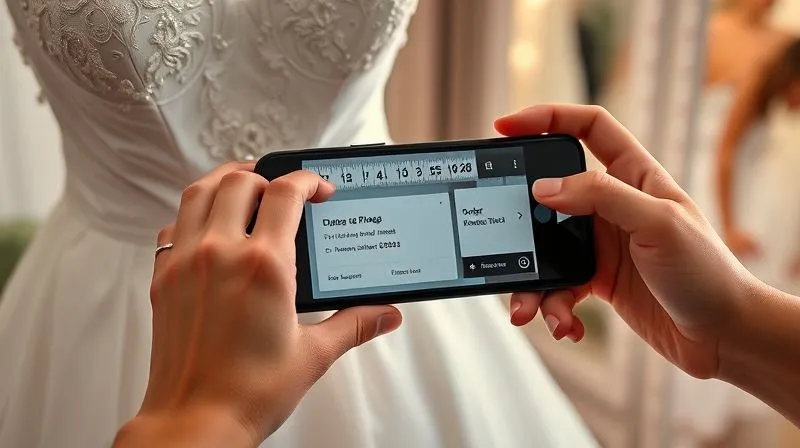
Understanding the 'Why': Common Causes of Sizing Errors
Before diving into solutions for what to do when bridesmaid dress orders arrive wrong sizes, it's helpful to understand why these discrepancies occur. From my vantage point, the reasons are often multifaceted, ranging from human error to industry-specific nuances. Identifying the root cause can sometimes guide your approach to resolution.
One primary culprit is the notorious inconsistency in sizing across different brands. A size 8 from one designer might be equivalent to a size 6 or 10 from another. This 'vanity sizing' phenomenon is prevalent in retail, but it's particularly pronounced in bridal and formal wear. It's why I always stress the importance of using a brand's specific size chart, not just a general assumption.
- Incorrect Measurements: The most common issue. Measurements might have been taken incorrectly by an amateur, or the bridesmaid's body shape might have been misinterpreted. Bodies fluctuate, and even a slight gain or loss can impact fit.
- Brand-Specific Sizing: As mentioned, bridal wear often runs small. A bridesmaid who is a 'street size' 10 might comfortably fit into a designer's size 12 or 14. Failing to consult the specific brand's size chart is a frequent pitfall.
- Ordering Error: Sometimes, it's a simple mistake – the wrong size was accidentally entered during the order process by the customer, the consultant, or the manufacturer. This is where your order confirmation and documentation become vital.
- Manufacturing Defect: Less common, but possible. A dress could be mislabeled or cut incorrectly during production. This is often identifiable if the dress's actual measurements deviate significantly from the brand's size chart for the label it bears.
- Body Changes: Life happens! A bridesmaid's body can change between the time measurements were taken and when the dress arrives, due to diet, exercise, pregnancy, or other factors.
According to a study published by the Journal of Fashion Marketing and Management, sizing inconsistencies are a significant source of customer dissatisfaction in online apparel purchases, highlighting the universal nature of this challenge. Understanding these potential causes empowers you to approach the retailer with informed questions, rather than just frustration.
| Brand Type | Street Size 8 | Bridal Size 8 (Example Brand A) | Bridal Size 8 (Example Brand B) |
|---|---|---|---|
| High Street Fashion | Bust 34 | Bust 32 | Bust 33 |
| Bridal Wear | Bust 36 | Bust 34 | Bust 35 |
| Luxury Bridal | Bust 38 | Bust 36 | Bust 37 |
Navigating Retailer and Boutique Policies: Exchange, Return, and Reorder
Once you've identified the sizing issue and documented it, the next critical step is to engage with the retailer or boutique. Their policies on exchanges, returns, and reorders will dictate your path forward when bridesmaid dress orders arrive wrong sizes. This is where your careful review of the purchase agreement truly pays off.
Most bridal boutiques and online retailers have specific, often strict, policies for formal wear. This is due to the made-to-order nature of many dresses, limited stock, and the delicate handling required. Don't assume a standard retail return policy applies; bridal fashion operates differently.
- Review the Return/Exchange Window: Many stores have a very short window (e.g., 7-14 days) to report issues and initiate returns or exchanges. Missing this deadline can mean you're stuck with the dress.
- Original Condition: Dresses must typically be unworn, unaltered, with all tags attached, and in original packaging. Be extremely careful when trying on and handling the dress.
- Manufacturer vs. Store Error: If the store or manufacturer made an error (e.g., sent the wrong size than what was ordered), they are generally obligated to rectify it, often by reordering at no additional cost to you. This is where your photo evidence of the size tag vs. order confirmation is crucial.
- Customer Error: If the incorrect size was ordered due to a bridesmaid's inaccurate measurements or a misinterpretation of the size chart on your part, the situation becomes more complex. The store may not be obligated to accept a return or exchange, or they might charge a restocking fee.
- Reorder Timelines: If a reorder is necessary, inquire about the lead time immediately. Bridal dresses can take months to produce and ship. Factor in potential rush fees if the wedding date is approaching rapidly.
"In the bridal world, clarity is king. Always get policy details in writing before purchasing, and don't hesitate to ask specific 'what-if' questions about sizing errors. It's not being difficult; it's being prepared."
Always communicate in a calm, professional manner. Present your evidence clearly and state your desired resolution. If you've been a loyal customer or ordered multiple dresses, you might have more leverage for a favorable outcome, even in cases of customer error. For guidance on consumer rights, especially concerning significant purchases, you might consult resources like the Federal Trade Commission's consumer protection guides.
The Alteration Solution: When to Hem, Take In, or Let Out
When an exchange or reorder isn't feasible, or if the sizing discrepancy is minor, professional alterations become your primary solution. In my career, I've seen skilled seamstresses work miracles, transforming ill-fitting gowns into perfectly tailored masterpieces. However, it's vital to understand the limits and possibilities of alterations.
Not all dresses are created equal when it comes to alteration potential. The fabric, construction, and seam allowances play a significant role. A good seamstress will be able to assess the dress and advise on what's realistic. My golden rule: always consult a professional seamstress specializing in formal wear.
Common Alteration Scenarios:
- Taking In (Too Big): This is generally the easiest alteration. A seamstress can take in seams at the sides, bust, or waist. Dresses with intricate beading or delicate lace require more time and expertise, but typically, taking in a dress by one or two sizes is very achievable.
- Letting Out (Too Small): This is far more challenging and depends heavily on the dress's construction. High-quality dresses often have generous seam allowances (extra fabric folded inside the seams) that can be let out. Cheaper dresses or those with minimal seam allowances offer little to no room for expansion. Letting out more than half a size is often difficult or impossible without compromising the dress's integrity or appearance.
- Hemming (Too Long): This is a standard alteration for almost all formal gowns. The length can be adjusted to accommodate different shoe heights. However, consider the design – intricate lace hems or layered skirts can make hemming more complex and costly.
- Adjusting Straps/Bust: Straps can be shortened or lengthened, and bust darts can be adjusted to improve fit. This is usually a straightforward alteration.
Case Study: How Sarah's Bridesmaids Saved Their Dresses
Sarah, a bride I worked with last spring, faced a classic 'what to do when bridesmaid dress orders arrive wrong sizes' dilemma. Three of her six bridesmaids received dresses that were a size too large, and one dress was a full size too small. With only six weeks until the wedding, a reorder was out of the question due to production times.
We immediately contacted a trusted local bridal alterations specialist. For the three larger dresses, the seamstress easily took them in at the side seams and adjusted the straps, achieving a perfect fit. For the dress that was too small, the seamstress carefully inspected the garment. Luckily, it was a well-made dress with a 1-inch seam allowance. She was able to let out the side seams by about half an inch on each side, which, combined with a slight adjustment to the bust darts, provided just enough room for the bridesmaid to comfortably zip it up. The total cost for all four dresses was significant, but far less than purchasing new gowns, and it saved the day.
Always get a quote before proceeding with alterations, and ensure your seamstress has experience with formal wear. They can provide an honest assessment of what's possible and what's not.
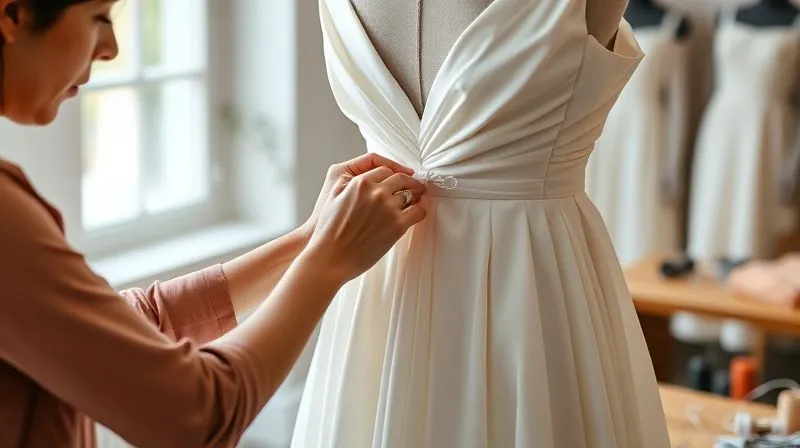
Last-Minute Lifelines: Emergency Fixes and Backup Plans
Even with the best planning and prompt action, sometimes you find yourself in a true last-minute bind with bridesmaid dresses. This is when you need to activate your emergency playbook. As a specialist, I've learned that having backup strategies can alleviate immense stress, especially when the wedding day is just around the corner and you're still wondering what to do when bridesmaid dress orders arrive wrong sizes.
The key here is flexibility and resourcefulness. While ideal solutions might be out of reach, there are often creative ways to ensure every bridesmaid looks presentable and feels comfortable.
Immediate Emergency Solutions:
- Fashion Tape & Safety Pins: For minor fit issues (e.g., a gaping neckline, a slightly loose strap), high-quality fashion tape or strategically placed safety pins can be temporary saviors. Keep an emergency sewing kit on hand for small rips or popped seams.
- Shapewear: For dresses that are just a touch too snug, good quality shapewear can make a remarkable difference, smoothing lines and offering a bit more compression. Conversely, padded bras or bustiers can fill out a slightly too-large bust.
- Scarves & Wraps: If a dress is slightly too big or has an awkward fit around the shoulders, a beautiful coordinating scarf or pashmina can be draped to hide imperfections while adding an elegant touch.
- Borrow a Dress: If a dress is truly beyond repair or alteration in time, consider if another bridesmaid (perhaps one with a similar body type) has a dress that could work, even if it's not the exact same style but in the same color palette.
Backup Plan Considerations:
- Rent a Dress: Services like Rent the Runway or local formal wear rental shops might have dresses in the correct color and size available for immediate pickup. This can be a more affordable and quicker solution than buying new.
- Off-the-Rack Purchase: As a last resort, explore department stores or online retailers with fast shipping for a ready-to-wear dress in the correct color. While it might not be the exact style, matching the color is often the most important factor for visual cohesion.
- Embrace the Mix-and-Match: If you initially aimed for uniformity, a last-minute sizing crisis might be an opportunity to pivot to a 'mix-and-match' bridesmaid look. Allow the affected bridesmaid to choose a different dress in the same color family or fabric, creating an intentional, fashion-forward aesthetic.
As bridal fashion expert Mindy Weiss often advises, "Always have a Plan B, C, and D for your wedding day. Expect the unexpected, and you'll navigate challenges with grace." For further insights on managing wedding day emergencies, I recommend exploring articles from reputable sources like The Knot's Wedding Planning section.
Preventative Measures: How to Avoid Future Sizing Nightmares
While this guide focuses on what to do when bridesmaid dress orders arrive wrong sizes, my ultimate goal is to help you avoid this stressful situation altogether. Prevention is always better than cure, especially in the high-stakes world of wedding planning. Drawing from years of experience, I've developed a robust set of best practices to minimize sizing errors.
The foundation of accurate sizing lies in meticulous measurement and informed decision-making. Don't rush this process, and empower your bridesmaids with the right tools and information. A little extra effort upfront can save a lot of heartache (and money) down the line.
- Professional Measurements are Key: Strongly encourage bridesmaids to get measured by a professional tailor or seamstress, not just relying on self-measurements. Ensure they provide bust, waist, and hip measurements, as well as hollow-to-hem (from the hollow of the neck to the floor).
- Consult the Brand's Specific Size Chart: This is non-negotiable. Every brand has its own unique sizing. Do not assume. Compare the bridesmaid's actual measurements to the specific size chart for the dress designer you are ordering from.
- Order Based on the Largest Measurement: If a bridesmaid's measurements fall between two sizes, or if their bust, waist, and hips align with different sizes on the chart, always order the size that accommodates their largest measurement. It is always easier and more affordable to take a dress in than to let it out.
- Factor in Body Changes: If ordering far in advance, discuss potential body changes with your bridesmaids. If someone anticipates significant weight loss or gain, consider ordering closer to the wedding date or choosing a style with more forgiving fabric (e.g., stretchy crepe, flowy chiffon).
- Read Reviews for Sizing Feedback: For online purchases, always read customer reviews specifically pertaining to sizing. Many customers will mention if a dress runs true to size, small, or large.
- Communicate Clearly with the Boutique/Retailer: If ordering through a boutique, ensure the consultant double-checks the measurements against the brand's chart and clearly explains their sizing recommendations and policies. Get everything in writing.
- Consider Try-On Samples: If possible, order a sample dress or utilize a try-on program if available from the retailer. This allows bridesmaids to physically try on various sizes and styles before the final order is placed.
By implementing these preventative measures, you significantly reduce the likelihood of facing the dreaded 'wrong size' scenario. It's about empowering your bridal party with accurate information and making informed choices from the start.
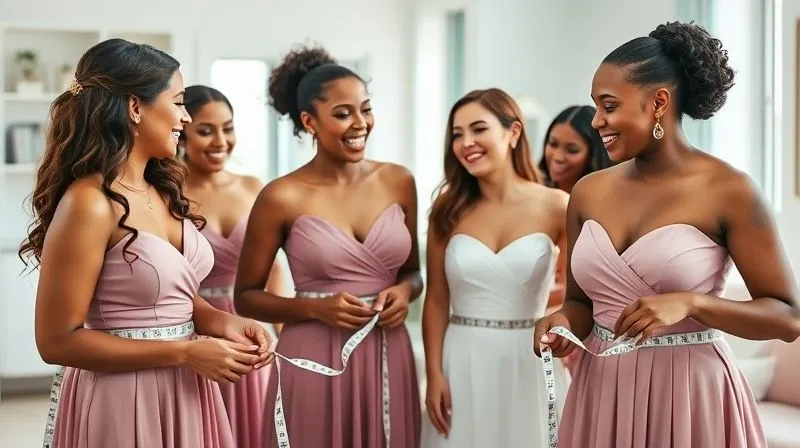
Communicating with Your Bridal Party: Empathy and Transparency
When you're dealing with the stress of what to do when bridesmaid dress orders arrive wrong sizes, it's easy to overlook the emotional impact on your bridal party. Remember, your bridesmaids are investing time, money, and emotional energy into your special day. Open, empathetic, and transparent communication is paramount, not just for problem-solving, but for maintaining positive relationships.
A bridesmaid receiving an ill-fitting dress can feel self-conscious, frustrated, or even guilty, especially if they believe their measurements were the issue. Your role as the bride, or as the lead planner, is to offer support and reassurance, not blame.
- Lead with Empathy: Start by acknowledging their feelings. Phrases like, "I know this is frustrating, and I'm so sorry you're dealing with this," can go a long way. Reassure them that it's a common issue and not their fault.
- Share the Plan: Once you have a clear action plan (e.g., contacting the retailer, exploring alterations), communicate it clearly. This reduces anxiety and shows you're actively working towards a solution.
- Discuss Financial Implications Transparently: Be upfront about who will bear the cost of reorders, rush fees, or alterations. If the store is covering it, great. If not, discuss a fair division of costs. It's a sensitive topic, but avoiding it only leads to resentment.
- Offer Solutions, Not Just Problems: Instead of simply stating, "Your dress is too small," present it with a solution: "Your dress arrived a bit snug, but I've already researched an amazing seamstress, and we can get it perfectly fitted."
- Check In Regularly: Keep the affected bridesmaid updated on progress. Even a quick text saying, "Still waiting to hear back from the boutique, but I'll let you know as soon as I do!" can make a difference.
- Remind Them of Their Importance: Reiterate that their presence and support are what truly matter, and the dress is just a small part of the celebration. Their comfort and confidence are your priority.
As relationship expert Dr. John Gottman emphasizes, "Trust is built in small moments." How you handle this stressful situation with your bridesmaids can strengthen or strain your bonds. Choose to build trust through understanding and proactive problem-solving.
Budgeting for the Unexpected: Financial Implications and Planning
One of the most overlooked aspects of wedding planning, particularly concerning bridesmaid dresses, is budgeting for the unexpected. When bridesmaid dress orders arrive wrong sizes, financial implications can quickly escalate. From rush shipping to alteration costs, these unforeseen expenses can strain an already tight wedding budget. My advice is always to build a contingency fund.
As an industry veteran, I've seen too many couples blindsided by these costs. Proactive financial planning isn't just about saving money; it's about reducing stress and allowing you to make rational decisions under pressure, rather than being forced into cheaper, less effective solutions.
Potential Unforeseen Costs:
- Alteration Fees: This is the most common unexpected cost. Complex alterations (e.g., intricate beading, multiple layers, letting out seams) can be expensive.
- Rush Fees: If a reorder is needed close to the wedding date, manufacturers and retailers often charge substantial rush fees for expedited production and shipping.
- Shipping Costs: For returns, exchanges, or reorders, shipping fees (especially international) can add up, particularly if the original error wasn't the retailer's fault.
- Restocking Fees: Some retailers charge a restocking fee for returns, even if the dress is in perfect condition, especially if the return is due to customer error.
- Emergency Dress Purchase/Rental: In extreme cases, you might need to purchase or rent a new dress entirely, which is a significant unbudgeted expense.
I recommend setting aside a dedicated 'contingency fund' for your wedding budget, specifically for unforeseen bridal party expenses. A good rule of thumb is to allocate 5-10% of your total bridesmaid dress budget for these potential issues. This fund can cover a portion of alteration costs, a rush fee, or even contribute towards a new dress if absolutely necessary.
| Action Required | Estimated Cost Range |
|---|---|
| Basic Hem | $40 - $75 |
| Take In (1-2 Sizes) | $75 - $150 |
| Let Out (Minor) | $100 - $200+ |
| Complex Alterations (Lace, Beading) | $150 - $300+ |
| Rush Reorder Fee (if applicable) | $50 - $150 per dress |
Having this buffer provides immense peace of mind. It allows you to address problems head-on without the added stress of financial strain. For more comprehensive wedding budgeting advice, consider consulting resources like Brides.com's wedding budget guides.

Frequently Asked Questions (FAQ)
Can I really fix a dress that's two sizes too small? Unfortunately, fixing a dress that's genuinely two sizes too small (meaning the measurements are significantly off in multiple areas) is often impossible. Formal wear typically has limited seam allowances, meaning there isn't enough extra fabric to let out for such a significant increase in size. Attempting it can compromise the garment's integrity, drape, and overall appearance. It's usually more practical to explore reordering (if time allows) or finding an alternative dress.
Who pays for alterations if the store made a mistake? If the store or manufacturer sent a dress that does not match the size you ordered, or if there's a clear manufacturing defect, they are typically responsible for rectifying the error. This often includes covering the cost of a new dress, rush shipping, or professional alterations to fix their mistake. Always ensure you have documentation (order confirmation, size tag photos) to prove their error.
What if we ordered online and the sizing chart was misleading? This can be a tricky situation. If the sizing chart provided by the online retailer demonstrably led to an incorrect size based on accurate measurements, you might have a case for the retailer to cover the costs. However, proving a 'misleading' chart can be difficult. It's always best practice to consult customer reviews for sizing feedback and, if possible, order a try-on sample before committing to the full order. Documenting your measurements and how they aligned (or didn't align) with the chart will be crucial in your communication with customer service.
How much time do I realistically need for emergency alterations? For standard alterations like hemming and minor taking-in, a skilled seamstress might need 1-2 weeks. For more complex fixes, or if the seamstress is busy, it could be 3-4 weeks. For true 'emergency' alterations (e.g., within a week of the wedding), you'll likely incur significant rush fees, and the seamstress might only be able to perform essential adjustments. Always communicate your wedding date upfront to set realistic expectations.
Is it ever better to just buy a new dress? Yes, absolutely. If the dress is significantly too small, beyond alteration capabilities, or if the cost of complex alterations (especially with rush fees) approaches or exceeds the cost of a new, reasonably priced dress, then buying a new one might be the most practical and least stressful solution. This is particularly true if time is very short. Always weigh the cost-benefit of alterations versus replacement.
Key Takeaways and Final Thoughts
Navigating the unexpected challenge of bridesmaid dress orders arriving in wrong sizes can feel overwhelming, but as an industry expert, I want to assure you that it is a solvable problem. My years in bridal fashion have taught me that with a calm approach, meticulous documentation, and a clear action plan, you can transform a potential disaster into a manageable bump in the road.
Here are the most critical, actionable steps to remember:
- Act Swiftly & Document Everything: Time is your enemy; evidence is your friend.
- Understand the 'Why': Knowing the cause helps in finding the right solution.
- Know Your Rights & Retailer Policies: Read the fine print before you buy.
- Embrace Professional Alterations: A skilled seamstress is a miracle worker within limits.
- Have Backup Plans: From fashion tape to rental options, prepare for the unforeseen.
- Prioritize Prevention: Accurate measurements and specific size charts are your best defense.
- Communicate with Empathy: Support your bridesmaids through the stress.
- Budget for Contingencies: Financial preparedness reduces panic.
Your wedding day is a celebration of love and joy, and your bridal party plays a significant role in that magic. While dress dilemmas can arise, they don't have to overshadow the excitement. By following these expert strategies, you're not just fixing a dress; you're ensuring your bridesmaids feel confident, beautiful, and ready to stand by your side, making memories that truly fit perfectly.
Recommended Reading
- 7 Steps: How to Implement a Transparent Supply Chain for Ethical Jewelry
- 7 Pillars: How to Maintain Luxury Footwear Exclusivity Online
- The Ultimate Guide: How to Choose Comfortable Fabrics for Kids Wear
- How to Maintain Creative Integrity with Restrictive Fashion Briefs
- 7 Steps: Selecting Eyewear to Elevate Your Professional Brand


Your email address will not be published. Required fields are marked *