

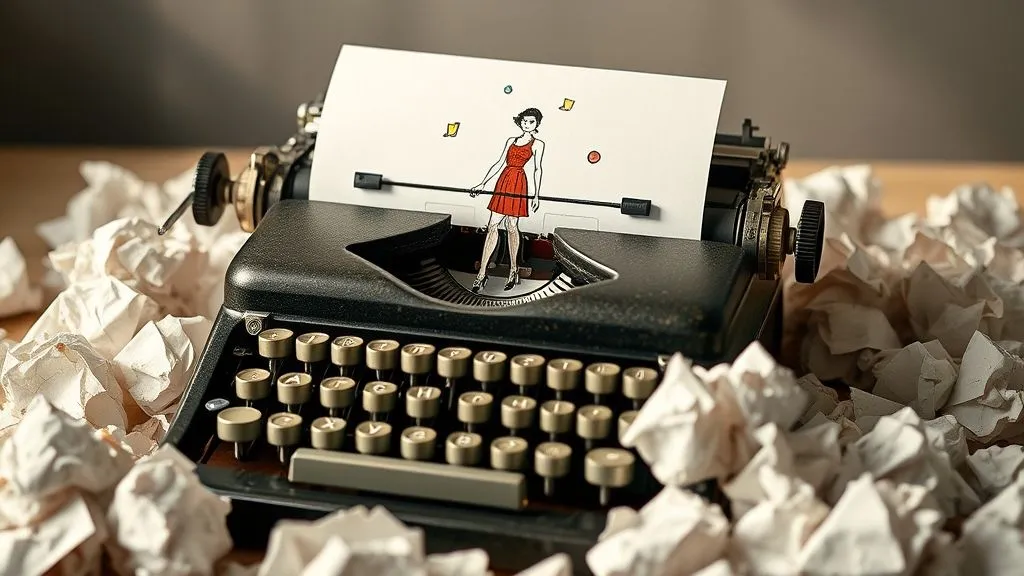
What to do when fashion content ideas feel uninspired?
For over 15 years in the dynamic world of fashion blogging and content creation, I've witnessed countless talented individuals hit a wall. It's that familiar, frustrating moment when you stare at a blank screen, your mind a barren landscape, wondering: What to do when fashion content ideas feel uninspired?
This isn't just a minor inconvenience; it's a creative block that can stifle growth, erode passion, and ultimately impact your connection with your audience. The fashion industry moves at lightning speed, demanding constant innovation, yet the well of inspiration can sometimes feel inexplicably dry.
But here's the good news: feeling uninspired is a common challenge, not a permanent sentence. In this definitive guide, I'll share battle-tested strategies, actionable frameworks, and expert insights that I've personally used and taught to help fashion bloggers like you reignite your creative spark, generate an endless stream of fresh ideas, and elevate your content to new, engaging heights. We'll move beyond generic advice to truly transformative approaches.
Diagnosing the Root Cause of Your Creative Slump
Before we can fix the problem, we need to understand it. In my experience, a creative slump in fashion content often stems from deeper issues than simply 'not having ideas.' It's crucial to identify these underlying causes to apply the right remedies.
Are You Consuming Too Much or Too Little?
It sounds counterintuitive, but both overconsumption and underconsumption of content can lead to creative stagnation. If you're constantly scrolling through Instagram, Pinterest, and other blogs, you might be filling your mind with too much external noise, making it hard for original thoughts to surface. Conversely, not engaging with trends, industry news, or diverse perspectives can leave you out of touch and with a limited idea pool.
The Solution: Practice mindful consumption. Set aside specific times for research and trend analysis, but also schedule periods of digital detox to allow your own thoughts to percolate. Seek inspiration from unexpected sources, not just other fashion blogs.
The Echo Chamber Effect: Why Originality Suffers
When everyone in the fashion blogging space seems to be covering the same topics, wearing the same brands, or adopting the same aesthetic, it's easy to fall into the 'echo chamber.' This creates a sense of pressure to conform, leading to homogenous content that struggles to stand out. Your unique voice gets lost amidst the noise, and suddenly, all your ideas feel recycled.
My Insight: True originality often comes from combining disparate ideas or applying a fresh perspective to a familiar concept. Don't be afraid to deviate from the mainstream; your audience craves authenticity.
Burnout: The Silent Killer of Creativity
The relentless pace of content creation, coupled with the demands of social media, can lead to genuine burnout. When you're exhausted, stressed, and constantly pushing, your brain simply doesn't have the energy reserves for innovative thought. This isn't laziness; it's a biological response to sustained pressure.
"Creativity is not a faucet you can turn on and off at will. It's a well that needs to be replenished."
Recognize the signs: persistent fatigue, lack of enthusiasm, difficulty concentrating, and a general feeling of being overwhelmed. Addressing burnout is paramount, as no strategy for idea generation will work effectively if your mind and body are depleted.
Reigniting Your Inner Spark: Mindset Shifts for Fashion Bloggers
Sometimes, the biggest block isn't a lack of external ideas, but an internal resistance. Shifting your mindset can be a powerful catalyst when you're wondering what to do when fashion content ideas feel uninspired.
Embrace Imperfection and Iteration
Many bloggers get stuck because they're waiting for the 'perfect' idea. This perfectionism is a creative killer. Understand that not every idea will be a viral hit, and that's okay. The goal is to create consistently, learn from each piece, and iterate. Think of content creation as a continuous experiment, not a series of flawless masterpieces. As marketing guru Seth Godin often says, "Ship the work."
Redefine "Inspiration" Beyond Trends
Inspiration doesn't solely come from the latest runway shows or celebrity outfits. It can be found in art, history, architecture, nature, personal experiences, conversations, or even a walk through a vibrant market. Expand your definition of what 'fashion' truly encompasses. It's about culture, identity, and expression. Tap into these broader themes to unlock a richer vein of content.
The Power of a Digital Detox
I've personally found immense clarity after unplugging. Dedicate specific time each week, or even a full day, to disconnect from all digital devices. Go for a walk, read a physical book, visit a museum, or simply sit in silence. This allows your mind to rest, process information, and make new connections without the constant barrage of notifications and external stimuli. It's a crucial step in discovering what to do when fashion content ideas feel uninspired.
Strategic Content Generation: Beyond the Obvious Outfit Post
Once your mindset is recalibrated, it's time to apply strategic approaches to content generation. This moves beyond simply hoping for an idea to strike and instead creates a structured system for innovation.
Deep Dive into Niche Micro-Trends
Instead of broad trends like 'sustainable fashion,' delve into micro-trends within that niche. For example, 'upcycled denim techniques,' 'vintage sportswear revival,' or 'gender-neutral tailoring for Gen Z.' These specific angles offer fresh content opportunities and attract highly engaged audiences.
- Identify a Broad Trend: Start with a widely discussed fashion theme (e.g., 'athleisure').
- Brainstorm Sub-Categories: What are the smaller components or specific aesthetics within athleisure (e.g., 'technical fabrics,' 'retro sportswear,' 'lounge sets')?
- Research Emerging Angles: Use tools like Google Trends, Pinterest Predicts, and fashion forecasting sites like WGSN to spot nascent shifts within these sub-categories.
- Connect to Audience Needs: How can this micro-trend solve a problem or fulfill a desire for your specific audience?
- Develop a Unique Angle: Combine the micro-trend with your personal style or expertise to create genuinely original content.
Focusing on these granular aspects can provide a wealth of unique perspectives, helping you discover exactly what to do when fashion content ideas feel uninspired.
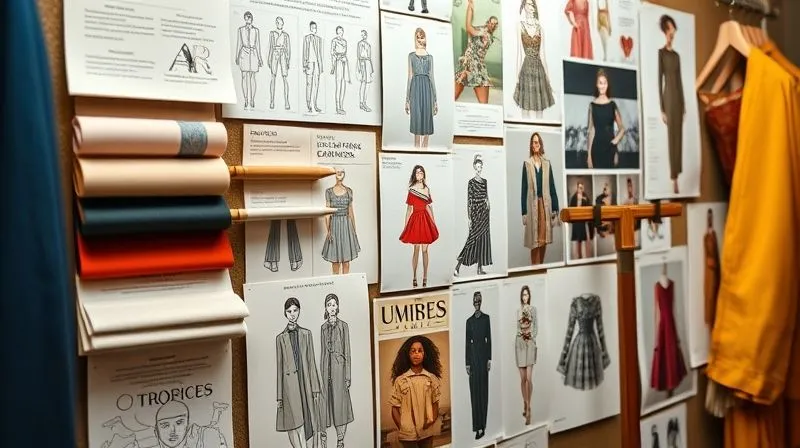
Repurposing and Refreshing Evergreen Content
Don't reinvent the wheel every time. Your existing content library is a goldmine. Identify your top-performing evergreen posts – those that remain relevant over time – and find ways to update, expand, or repurpose them. A popular blog post could become a video series, an infographic, a podcast episode, or a series of Instagram carousels. Update statistics, add new images, or incorporate fresh insights. This not only saves time but also extends the life and reach of your most valuable assets.
Audience-Centric Content: Ask, Listen, Create
Your audience is your best source of ideas. They tell you what they want, what they struggle with, and what inspires them, if you only listen. Conduct polls on Instagram Stories, ask open-ended questions in your blog comments, or send out surveys to your email list. Pay attention to the questions they ask in DMs and comments. These direct insights are invaluable for generating highly relevant content.
| Method | Benefit | Frequency |
|---|---|---|
| Instagram Polls | Quick, visual feedback on preferences | Weekly/Bi-weekly |
| Blog Comments Analysis | Uncover deeper questions and pain points | Ongoing |
| Email Surveys | Detailed insights on complex topics | Quarterly |
| DM/Q&A Sessions | Direct interaction, real-time problem solving | Monthly |
Case Study: Elevating 'The Style Seeker' Blog
Case Study: How 'The Style Seeker' Blog Bounced Back from Stagnation
'The Style Seeker,' a popular fashion blog, faced a significant dip in engagement and traffic. The blogger, Sarah, felt her content had become repetitive, and she struggled with what to do when fashion content ideas feel uninspired. After implementing a two-pronged strategy – a deep dive into micro-trends and enhanced audience engagement – her blog saw a remarkable turnaround. She started by focusing on 'vintage street style in specific European cities,' a niche she identified through Google Trends and Pinterest analysis. Concurrently, she launched weekly Instagram Q&A sessions asking readers about their biggest style dilemmas. This resulted in a series of highly original posts like 'Parisian Chic on a Budget: Decoding the Vintage Boutiques' and 'London's Hidden Gems: Sustainable Finds for the Modern Minimalist.' Within three months, her organic traffic increased by 40%, and her engagement rate soared by 60%, proving the power of targeted content and active listening.
Visual Storytelling: Elevating Your Fashion Narrative
Fashion is inherently visual, and your content should reflect that. When you're stuck on what to do when fashion content ideas feel uninspired, think about how you can tell a story through imagery that goes beyond a simple outfit shot.
Beyond the Basic Flat Lay: Creative Photography Concepts
While flat lays have their place, pushing your photography boundaries can unlock new content avenues. Experiment with different angles, lighting, locations, and props. Can you create a series based on 'fashion through the decades' with period-appropriate styling and settings? Or a 'style challenge' where you transform a single garment in five different ways, each with a distinct visual mood? Consider sequential shots that tell a mini-narrative, or abstract close-ups that highlight textures and details.
Video Content: Short-Form Power and Long-Form Depth
Video is no longer optional; it's essential. TikTok and Instagram Reels thrive on short, engaging fashion snippets – quick styling tips, 'get ready with me' sequences, or trend breakdowns. For deeper dives, YouTube offers a platform for 'haul' videos, 'how-to' guides, or 'behind-the-scenes' looks at your creative process. Don't be intimidated; start with what you have and focus on clear communication and authenticity.
Infographics and Data Visualization for Fashion Insights
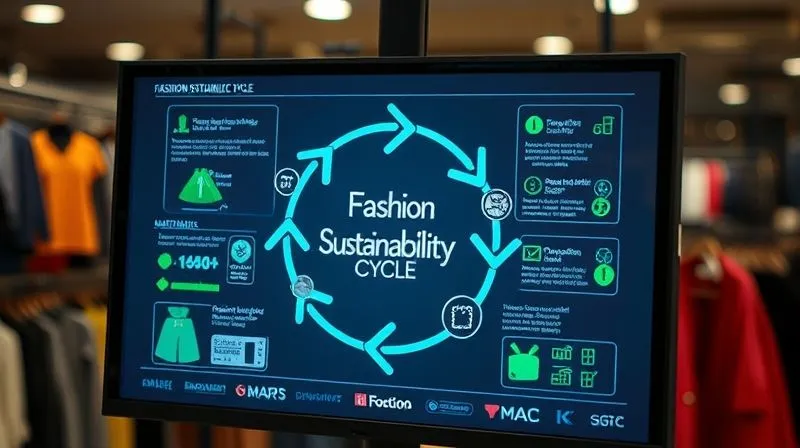
Not all fashion content needs to be glossy photos. Infographics can be incredibly engaging for explaining complex trends, historical fashion timelines, sustainable fashion impact, or even 'how to build a capsule wardrobe' step-by-step. Visualizing data makes it digestible and shareable, providing a valuable service to your audience. According to Forbes, visual content is 40 times more likely to be shared on social media.
Leveraging Data and Analytics for Unseen Opportunities
Data isn't just for tech companies; it's a powerful tool for fashion bloggers. When you're pondering what to do when fashion content ideas feel uninspired, your analytics hold a treasure trove of answers.
Uncovering Untapped Keyword Niches with SEO Tools
SEO isn't just about ranking; it's about understanding what people are searching for. Tools like Google Keyword Planner, Ahrefs, or SEMrush can reveal long-tail keywords related to fashion that have high search volume but low competition. For instance, instead of 'winter coats,' you might discover 'sustainable wool coats for petite women' or 'how to style a puffer jacket for formal events.' These niche keywords are goldmines for targeted content.
- Start with Broad Fashion Keywords: Input terms like 'fashion trends,' 'style tips,' 'outfit ideas.'
- Filter by Long-Tail and Questions: Look for phrases that are 3+ words long, especially those framed as questions (e.g., 'how to,' 'what is,' 'best X for Y').
- Analyze Search Volume and Competition: Prioritize keywords with decent search volume but relatively low competition.
- Explore Related Terms (LSI): Look at 'People also ask' sections on Google and related searches suggested by your SEO tool.
- Map Keywords to Content Ideas: Each viable keyword can be the foundation for a new blog post, video, or series.
Analyzing Competitor Gaps and Successes
Don't just replicate what your competitors are doing; analyze *why* they are succeeding and where their gaps lie. Which of their posts perform best? What topics are they neglecting? Are there common questions in their comments section that they haven't addressed? This competitive analysis helps you identify opportunities to create superior or entirely new content that resonates with a similar audience.
Understanding Your Own Performance Metrics
Dive into your Google Analytics and social media insights. Which of your past posts received the most traffic, comments, or shares? What time of day do your posts perform best? Which content formats resonate most with your audience (e.g., photo dumps, detailed reviews, video tutorials)? Understanding your own data is crucial for replicating success and avoiding topics that don't perform well, giving you clear direction on what to do when fashion content ideas feel uninspired.
| Metric | Insight | Action |
|---|---|---|
| Page Views | Indicates overall content appeal and discoverability. | Replicate high-performing topics/formats. |
| Bounce Rate | High rate suggests content isn't engaging or relevant. | Improve intro hooks, readability, internal linking. |
| Time on Page | Measures reader engagement and value received. | Add more depth, visuals, interactive elements. |
| Social Shares | Shows content virality and resonance. | Analyze shared content for common themes/angles. |
Collaborations and Community: Expanding Your Creative Horizon
Sometimes, breaking free from a creative rut means looking beyond your own bubble. Engaging with others can inject fresh perspectives and open up new content avenues.
Cross-Promotional Partnerships with Complementary Brands
Collaborate with brands or creators whose audience aligns with yours but isn't directly competitive. This could be a jewelry designer, a sustainable beauty brand, a local boutique, or even a home decor influencer for a 'fashion meets interior' series. Joint projects bring new ideas, expand your reach, and offer a unique perspective that you couldn't achieve alone. A study by Deloitte highlights the growing impact of influencer collaborations.
Engaging with Your Audience for User-Generated Content
Encourage your audience to share their style, using a specific hashtag or theme. Feature their looks on your blog or social media, giving them credit. This not only provides authentic, diverse content but also fosters a strong sense of community and loyalty. It takes the pressure off you to constantly generate all the ideas and gives your audience a voice.
Mentorship and Masterminds: Learning from Peers
Join a mastermind group or seek mentorship from an experienced blogger. Discussing challenges, sharing strategies, and receiving constructive feedback from peers who understand your journey can be incredibly invigorating. These connections can provide fresh eyes on your content, spark new ideas, and offer emotional support when you're feeling uninspired.
Structured Brainstorming Techniques for Fresh Ideas
Waiting for inspiration to strike is a passive approach. Proactive brainstorming techniques can reliably generate a wealth of ideas even when you're asking what to do when fashion content ideas feel uninspired.
Mind Mapping and Freewriting for Idea Flow
Mind Mapping: Start with a central theme (e.g., 'Spring Fashion') and branch out with related concepts (colors, fabrics, events, moods, accessories). From each branch, create sub-branches. This visual technique helps connect ideas you might not have consciously linked. Freewriting: Set a timer for 10-15 minutes and write continuously about fashion without stopping or editing. Don't worry about grammar or coherence. The goal is to uncork your thoughts and see what emerges. You'll be surprised by the hidden gems.
The SCAMPER Method Applied to Fashion
SCAMPER is a creative thinking tool that can transform existing ideas into new ones:
- Substitute: What can you substitute in a classic outfit? (e.g., leather pants instead of jeans)
- Combine: What two fashion elements can you combine? (e.g., streetwear with formal wear)
- Adapt: How can you adapt a historical fashion trend for today? (e.g., 80s power dressing for the modern workplace)
- Modify (Magnify/Minify): How can you modify a style? (e.g., oversized accessories, minimalist color palette)
- Put to another use: How can a fashion item be used differently? (e.g., a scarf as a top)
- Eliminate: What can you eliminate from a common look? (e.g., 'no-accessories challenge')
- Reverse/Rearrange: How can you reverse a trend or rearrange elements? (e.g., wearing innerwear as outerwear)
Trend Forecasting Resources and Their Application
Beyond WGSN, explore publications like Harper's Bazaar Trends, Vogue Business, or even global retail reports. These resources provide macro and micro trend insights, color palettes, and cultural shifts that will influence fashion. Don't just report on them; interpret them for your audience. How do these trends apply to real-life styling? How can your readers integrate them into their existing wardrobes? This expert interpretation is where your unique value lies.
Maintaining Momentum: Sustainable Creativity Practices
Finding new ideas is one thing; sustaining that creative flow is another. These practices ensure you rarely have to ask what to do when fashion content ideas feel uninspired again.
Batching Content and Scheduling Breaks
Batching involves dedicating specific blocks of time to specific tasks (e.g., one day for photography, one day for writing, one day for editing). This minimizes context switching and boosts efficiency. Crucially, intersperse these intense periods with scheduled breaks – not just short ones, but longer periods of rest and rejuvenation. A well-rested mind is a creative mind.
Building a 'Swipe File' of Inspiration
Create a digital or physical 'swipe file' – a collection of anything that sparks your interest: magazine clippings, saved Instagram posts, interesting color palettes, architectural photos, art pieces, compelling headlines, or even inspiring quotes. When you feel a creative lull, browse your swipe file. It's a personal reservoir of inspiration that you can tap into anytime. Harvard Business Review suggests that allowing your mind to wander is crucial for creative problem-solving.
Continuous Learning and Skill Development
The world of fashion and digital content is constantly evolving. Commit to continuous learning. Take an online course in advanced photography, learn new video editing techniques, delve deeper into SEO, or study fashion history. New skills open new doors for content creation and keep your mind engaged and curious, preventing stagnation. This proactive approach ensures you're always equipped to generate fresh, relevant ideas.
Frequently Asked Questions (FAQ)
Question: How do I overcome the fear of judgment when trying new, unconventional fashion content ideas? The fear of judgment is universal, especially in a visual industry like fashion. My advice is to focus on your unique voice and perspective. Remember, not every piece of content is for everyone. The more authentic you are, the more you will attract an audience that truly resonates with your style. Start small, test out unconventional ideas on a smaller platform or with a specific segment of your audience, and build confidence from there. True innovators often face initial skepticism, but their unique vision eventually breaks through.
Question: My niche is very specific (e.g., vintage modest fashion). How can I ensure a constant stream of fresh ideas without becoming repetitive? For highly niche content, the key is to expand your definition of 'fresh.' Instead of always focusing on new outfits, explore different angles. This could include historical context (e.g., 'Modest Fashion Through the Decades'), interviews with collectors or designers in your niche, styling challenges (e.g., 'One Vintage Piece, Five Modern Looks'), deep dives into specific fabrics or silhouettes, or even content around the ethical sourcing of vintage items. Cross-reference your niche with broader cultural trends to find unique intersections.
Question: How often should I conduct a digital detox, and what if I feel I can't afford to disconnect? The frequency of a digital detox depends on your personal needs and workflow. Even an hour a day, or a full half-day on a weekend, can make a significant difference. If you feel you can't afford to disconnect, that's often a strong indicator that you need it most. Start by delegating small tasks, pre-scheduling social media posts, or setting clear boundaries with your audience about your availability. Think of it not as lost time, but as an essential investment in your mental well-being and long-term creative output.
Question: What's the best way to track my content ideas so I don't lose them? A dedicated system is crucial. I recommend using a combination of tools. For quick captures, a simple notes app on your phone (like Google Keep or Apple Notes) is great for on-the-go ideas. For more structured planning, use a digital project management tool like Trello, Asana, or Notion. Create boards or pages for 'Idea Backlog,' 'In Progress,' and 'Published.' Categorize ideas by theme, format, or season. Regularly review and organize your ideas to keep the pipeline clear and actionable.
Question: How can I leverage AI tools to help with idea generation without losing my authentic voice? AI can be a powerful brainstorming partner. Use tools like ChatGPT to generate lists of sub-topics for a broad theme, create outlines, or even suggest different angles for a piece of clothing. For example, 'Give me 10 unique ways to style a denim jacket.' However, always use AI as a starting point, not a finishing line. Filter its suggestions through your unique perspective, add your personal anecdotes, and infuse your distinct voice and style. The AI provides raw material; you craft the masterpiece.
Key Takeaways and Final Thoughts
Navigating the ebb and flow of creative inspiration is a universal challenge for fashion bloggers. But as an experienced specialist, I can assure you that feeling uninspired isn't a dead end; it's an opportunity for growth and strategic reinvention. If you've been wondering what to do when fashion content ideas feel uninspired, remember these core principles:
- Diagnose the Root Cause: Address burnout, overconsumption, or the echo chamber effect before seeking solutions.
- Shift Your Mindset: Embrace imperfection, broaden your definition of inspiration, and prioritize digital detoxes.
- Strategize Your Content: Dive into micro-trends, repurpose evergreen content, and actively listen to your audience.
- Elevate Visual Storytelling: Push photographic boundaries, embrace video, and utilize infographics.
- Leverage Data: Use SEO insights, competitor analysis, and your own metrics to uncover opportunities.
- Collaborate and Connect: Seek partnerships, engage your community, and learn from peers.
- Employ Brainstorming Techniques: Use mind mapping, freewriting, and the SCAMPER method.
- Maintain Momentum: Batch content, schedule breaks, build a swipe file, and commit to continuous learning.
Your journey as a fashion blogger is a marathon, not a sprint. There will be moments of creative abundance and moments of drought. By applying these comprehensive strategies, you're not just finding temporary fixes; you're building a resilient, sustainable framework for endless inspiration. Trust your expertise, listen to your audience, and never stop experimenting. Your unique voice is your greatest asset – go forth and share it with the world!
Recommended Reading
- Unlock the Future: Do Self-Cleaning Clothes Truly Eliminate Laundry?
- Thrift Store Gold: 7 Quick Ways to Spot Undervalued Vintage Gems
- 7 Ways to Elevate Your Professional Style Without Trends
- Fashion's Power: How Does It Empower Women at Work?
- 7 Expert Steps: Authenticating Rare Vintage Designer Pieces Without Labels




Your email address will not be published. Required fields are marked *