

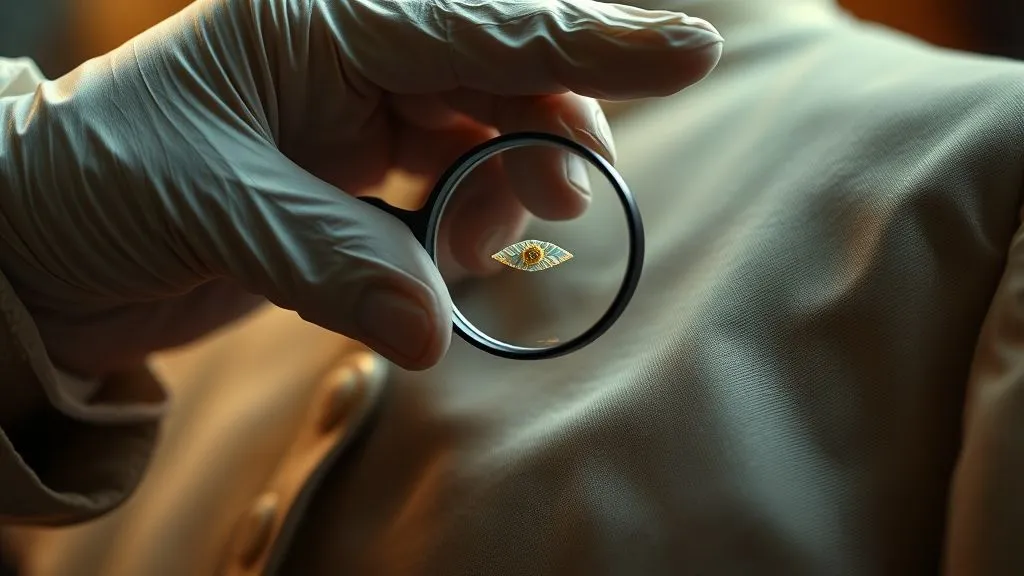
How to Authenticate Rare Vintage Designer Pieces Without Original Labels?
For over two decades in the vintage fashion world, I've had the immense privilege of unearthing some truly extraordinary pieces. There’s a distinct thrill in discovering a garment that whispers tales of a bygone era, a piece of fashion history waiting to be re-loved. However, I’ve also witnessed the heartbreak and financial loss when what seemed like a dream find turns out to be a cleverly crafted replica, or worse, a misattributed piece.
The challenge of authenticating rare vintage designer items becomes exponentially more complex when the original labels are missing. In an era where replicas are increasingly sophisticated and historical documentation can be scarce, the absence of that crucial brand tag can leave even seasoned collectors feeling vulnerable. The fear of investing significantly in a piece that lacks the provenance of a label is a very real pain point for many.
That’s why I’ve distilled my years of experience into this definitive guide. You're about to learn a holistic framework, a forensic methodology that goes far beyond surface-level inspection. We'll dive deep into the tangible, often overlooked details that reveal a garment's true identity, equipping you with actionable steps, expert insights, and the confidence to authenticate rare vintage designer pieces without original labels, ensuring your investments are genuine and your passion truly rewarded.
1. The Anatomy of Authenticity: Beyond the Brand Tag
When I first started in vintage fashion, my initial instinct, like most, was to look for the label. It’s the obvious identifier, the brand’s stamp of approval. But I quickly learned that the true essence of a designer piece, especially a rare vintage one, lies in its intrinsic 'DNA' – the sum of its parts, its construction, its feel. Authenticity isn't just a logo; it's a symphony of subtle details.
My approach shifted from seeking out a single identifier to understanding the complete signature of a designer or atelier from a specific era. This involves immersing yourself in the historical context of a brand, appreciating their manufacturing philosophies, and recognizing the consistent 'tells' that permeate their creations. It’s about developing an educated eye that instinctively recognizes quality and design integrity.
Understanding Designer DNA: The 'Tell' Signatures
Every major designer, especially in the haute couture and luxury ready-to-wear space, developed signature techniques, preferred materials, and distinct aesthetic codes. Think of Cristóbal Balenciaga’s architectural precision, Madame Grès’ masterful draping, or Coco Chanel's revolutionary use of tweed and functional details. These aren't just design choices; they are intrinsic markers of authenticity.
The absence of a label forces us to become true connoisseurs, to look past the branding and engage with the garment on a deeper, more tactile, and intellectual level. It's where the real detective work begins, and where genuine expertise is forged.
This means researching the specific era a garment appears to belong to. What were the predominant silhouettes? What materials were innovative at the time? Which closures were in vogue? This historical context forms the bedrock of our authentication process, allowing us to compare the unlabeled piece against known characteristics of a particular designer's work during that period.
2. Fabric Forensics: Decoding Material Quality and Weave
The fabric itself is often the first and most telling clue when trying to authenticate rare vintage designer pieces without original labels. High-end vintage designer garments almost always utilized superior quality materials, often custom-milled or sourced from exclusive suppliers. This isn't just about 'silk' versus 'polyester'; it's about the specific type of silk, its weight, its hand, and its drape.
I've encountered countless instances where a fabric's quality immediately screamed 'designer' even before I looked at any other detail. The way it feels against the skin, the way it catches the light, its resilience – these are not easily replicated in mass-produced items, even today. Vintage luxury fabrics often possess a depth and character that modern equivalents struggle to match.
Actionable Steps for Examining Fabric:
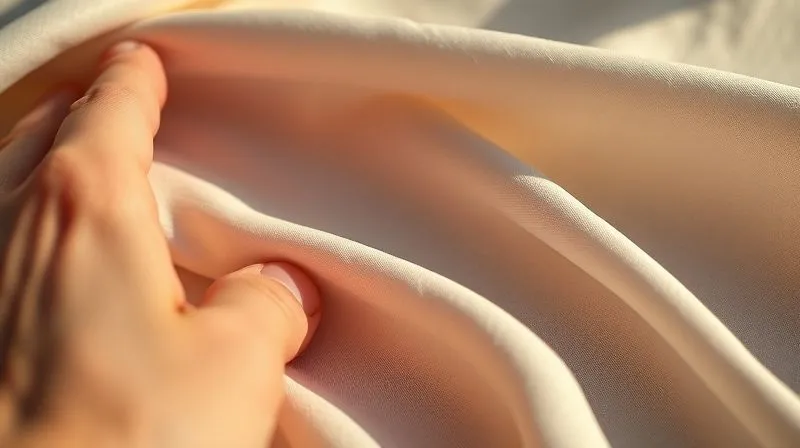
- The Touch Test (Hand): Gently run your fingers over the fabric. Does it feel soft, luxurious, substantial, or thin and coarse? High-quality wools, silks, and cashmeres have a distinct 'hand' that is difficult to fake.
- The Drape Test: Hold a section of the garment up and observe how the fabric falls. Does it drape fluidly and elegantly, or does it feel stiff and lifeless? Designer fabrics are engineered for specific drapes.
- Examine the Weave/Knit: Look closely at the individual threads. Is the weave tight, consistent, and even? Are there any irregularities or loose threads? High-end fabrics exhibit meticulous construction.
- Fiber Content (Burn Test - *caution needed*): If a tiny, unnoticeable thread can be safely removed, a burn test can indicate fiber type (e.g., silk smells like burning hair, synthetics melt). This is an advanced technique and should only be done by experienced individuals on a very small, non-critical thread.
- Pattern Integrity: If patterned, is the pattern crisp, well-aligned, and does it show consistency across seams? Designer patterns are often perfectly matched.
Common vintage luxury fabrics include crepe de chine, silk chiffon, heavy silk satin, fine merino wool, cashmere, French lace, and specific types of brocade or jacquard. Familiarize yourself with the look and feel of these materials. According to a study published in the Metropolitan Museum of Art's Journal, textile innovations and material choices were often defining characteristics of haute couture houses in the mid-20th century, making fabric a crucial historical marker.
3. Construction Clues: Stitching, Seams, and Structure
The internal construction of a garment is arguably the most reliable indicator of its authenticity, especially when a label is absent. This is where a designer's true craftsmanship and attention to detail shine through. Fakes often cut corners here because these details are less visible to the casual observer, but to an expert, they are glaring.
I've often found myself turning a garment inside out, examining every seam, every hem, and every finish. The quality of the stitching, the way seams are finished, and the overall structural integrity tell a story of the hands that created it. Haute couture, in particular, often features extensive hand-finishing that is simply not present in mass-produced items.
Hand vs. Machine Stitching: A Historical Perspective
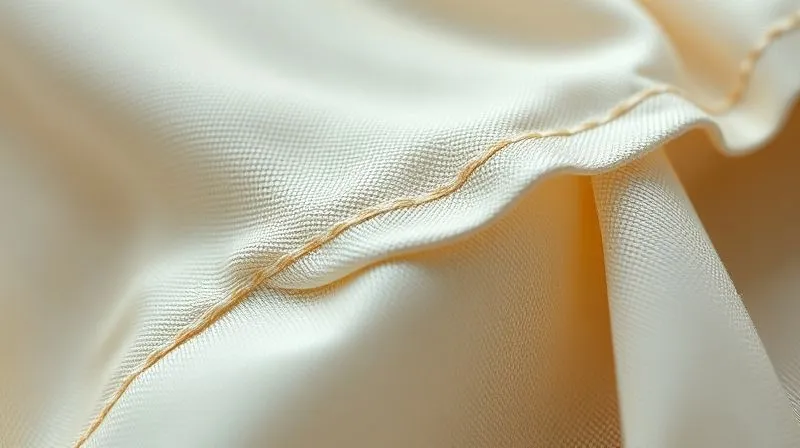
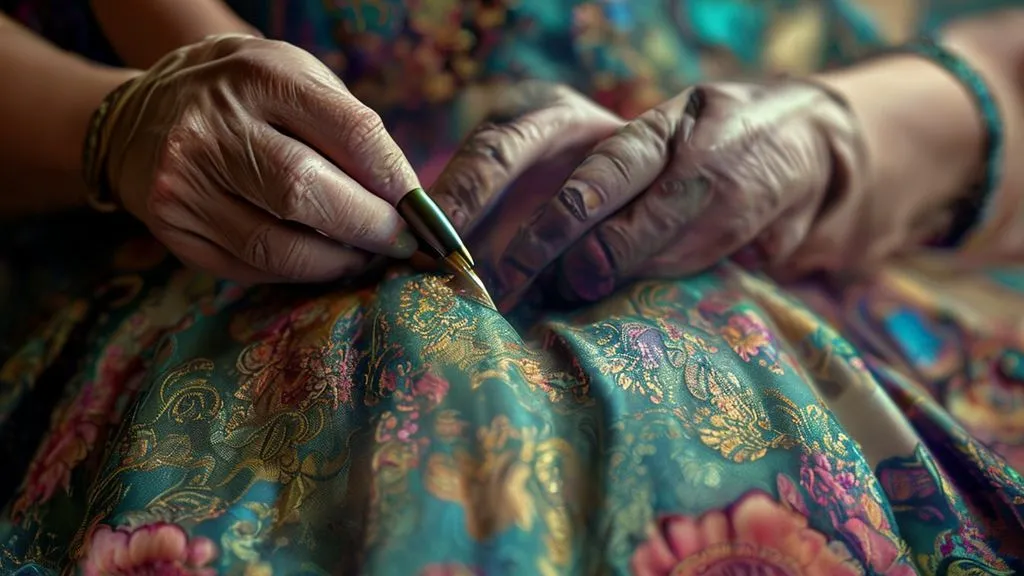
Many vintage designer pieces, especially from before the 1970s, incorporated significant amounts of hand-stitching. This is not just about aesthetics; it provides a different level of flexibility, strength, and finish. Identifying genuine hand-stitching requires a keen eye – look for slight irregularities in stitch length, a subtle tension, and the way the thread lies within the fabric.
- Seam Finishes: Look for meticulously finished seams. French seams, bound seams, or hand-overcast seams are common in high-end vintage. Raw, serged, or poorly finished seams are red flags.
- Lining Attachment: How is the lining integrated? Is it hand-stitched in place, allowing for ease of movement? Is it perfectly matched to the outer fabric's drape?
- Hemming: Hand-rolled hems on scarves or delicate garments, or blind-stitched hems on dresses and coats, are hallmarks of quality. Examine the consistency and invisibility of the hemming.
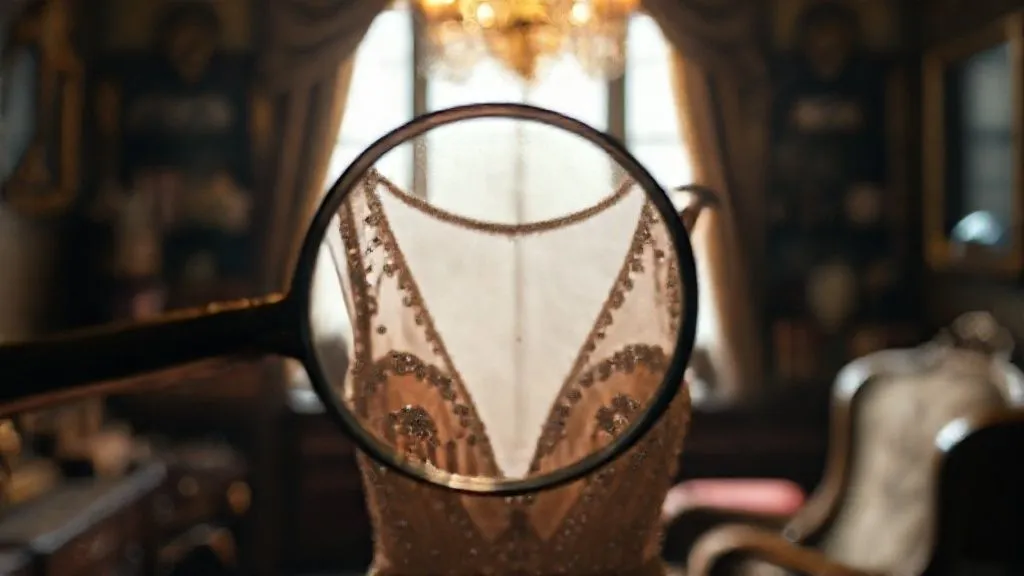
- Interfacings and Underpinnings: High-quality vintage designer garments often feature complex internal structures, such as boning, padding, or specialized interfacings, to achieve specific silhouettes. These should be expertly integrated and invisible from the outside.
- Buttonholes: Hand-worked buttonholes are a clear sign of quality. They are typically denser, more precise, and more durable than machine-made ones.
These construction elements are a direct reflection of the designer's commitment to quality and the skill of their artisans. As explored in Vogue's historical archives, the meticulous construction of garments was a cornerstone of brand identity for houses like Dior and Balmain.
4. Hardware & Fastenings: The Devil in the Details
Often overlooked, the hardware and fastenings on a vintage designer piece can be incredibly revealing. Zippers, buttons, clasps, buckles, and embellishments are not just functional; they are integral design elements chosen for their quality, aesthetic, and historical accuracy. Replicas frequently falter here, using generic or cheaper alternatives.
I’ve learned to scrutinize every metal part, every button. Is the zipper a recognized vintage brand like YKK (from a certain era), Talon, or Eclair? Are the buttons custom-made, bearing a subtle logo, or made from natural materials like mother-of-pearl, horn, or corozo? The weight, finish, and attachment method of these elements speak volumes.
Identifying Period-Appropriate Hardware
Different eras and designers favored specific types of hardware. For example, certain types of plastic buttons were popular in the 60s, while highly ornate metal buttons might signify an earlier period or a specific designer's aesthetic. High-end hardware is typically:
- Substantial: It feels weighty and solid, not flimsy.
- Well-finished: No rough edges, chips, or inconsistencies in plating.
- Securely attached: Buttons are sewn with strong, often reinforced stitching; zippers are smoothly integrated.
- Period-correct: The style and material of the hardware should align with the garment's presumed era.
Below is a table comparing typical characteristics of authentic vintage designer hardware versus common replica hardware:
| Feature | Authentic Vintage Designer | Common Replica/Fake |
|---|---|---|
| Zippers | Brands like Talon, Eclair, early YKK; specific pull tabs; metal teeth; smooth operation | Generic, flimsy plastic or metal; stiff operation; often modern YKK or unbranded with poor finish |
| Buttons | Natural materials (mother-of-pearl, horn, corozo), custom-stamped metal, intricate design, securely sewn | Cheap plastic, generic metal, inconsistent finish, often loosely sewn |
| Clasps/Buckles | Solid metal, often engraved or branded, robust construction, functional and secure | Lightweight, poor plating, easily tarnished, weak or faulty mechanism |
| Stitching for Hardware | Reinforced, consistent, often hand-sewn, strong thread | Loose, uneven, machine-only, visible imperfections, weak thread |
5. Lining & Interior: The Unseen Signature
While the exterior of a garment captures our attention, the interior, particularly the lining, offers a treasure trove of authentication clues. For me, the lining is often the unsung hero of a designer piece, and its quality and construction can be incredibly telling when authenticating rare vintage designer pieces without original labels.
High-end designers invest as much care in the interior as they do the exterior. A luxurious lining isn't just about comfort; it's about maintaining the garment's shape, facilitating movement, and adding a final touch of elegance. A poorly constructed or cheap lining in an otherwise seemingly high-quality garment is a massive red flag.
The Importance of Subtlety in High-End Interiors
Designer linings are typically made from quality materials like silk, Bemberg rayon, or fine cupro. They should feel smooth, be free of snags or pulls, and be perfectly integrated into the garment's design. Look for:
- Material Quality: Is the lining fabric of a high quality, complementing the outer fabric? Is it breathable and soft?
- Color & Pattern: Is the lining color perfectly matched or intentionally contrasted? Some designers used specific patterned linings as an internal signature.
- Construction: Are the lining seams as neatly finished as the exterior seams? Is the lining hand-stitched at the armholes or hem, allowing for ease?
- Hidden Details: Look for internal pockets, hidden weights, or designer-specific internal tags (even if not a brand label, perhaps a care or size tag with unique font).
Case Study: The Chanel-esque Jacket's Lining
I once encountered an unlabeled tweed jacket that had all the hallmarks of a vintage Chanel: the weight of the tweed, the braided trim, the specific button style. However, what truly solidified its authenticity for me was the lining. It was a heavy silk, hand-stitched to the outer fabric with a delicate chain sewn into the hem – a signature detail Coco Chanel introduced to ensure her jackets hung perfectly. This small, unseen detail, often overlooked by counterfeiters, was the irrefutable evidence that it was indeed a genuine, albeit unlabeled, piece from the iconic house. This experience highlights how crucial internal details are for authentication.
6. Odor & Patina: The Sensory Story of Age
This might sound unusual, but the sensory experience of a vintage item—its smell and the way it has aged—can provide surprisingly reliable clues. While not as tangible as stitching or fabric, these elements contribute to the overall 'story' of a piece and can help you authenticate rare vintage designer pieces without original labels.
Authentic vintage pieces, especially those made from natural fibers and high-quality materials, develop a unique patina over time. They don't smell 'new' or of cheap chemicals. They carry the subtle scent of age, of well-cared-for natural materials, or sometimes, a faint, pleasant scent of a previous owner's perfume or a dry cleaner from decades past.
The true 'smell of authenticity' isn't a specific fragrance, but rather the absence of artificiality. It's the subtle, often earthy or textile-specific scent that only time and natural aging can impart. Beware of strong chemical smells, which can indicate recent manufacturing or poor restoration.
Actionable Steps for Evaluating Patina and Odor:
- The Scent Test: Gently smell the garment, particularly in less exposed areas like the lining or inside pockets. Does it have a faint, clean, aged textile scent? Or does it smell strongly of chemicals, mildew, or an overpowering modern fragrance?
- Examine Patina: Look for natural signs of wear and age that are consistent with a vintage item. This might include a softening of leather, slight fading in areas exposed to light, or a gentle dulling of metal hardware.
- Consistency of Age: Does the aging appear consistent across the entire garment? Fake aging can sometimes look artificial or unevenly applied. For example, a leather bag might have aged exterior leather but pristine, unaged interior lining.
- Repair History: Some vintage items might have period-appropriate repairs. These should be done with a similar quality of thread and technique as the original garment, rather than crude, modern fixes.
These sensory details, while subjective, become powerful indicators when combined with the objective evidence from construction and materials. They add another layer to the narrative of a piece, helping to confirm its genuine journey through time.
7. Sizing & Fit: A Historical Lens
Another often overlooked aspect when authenticating rare vintage designer pieces without original labels is the historical context of sizing and fit. Modern sizing conventions are vastly different from those of even a few decades ago. Understanding these shifts can provide crucial insights into a garment's true age and origin.
I've seen many collectors puzzled by a small vintage size label (if present) that doesn't align with modern expectations. A size 8 from the 1950s is not the same as a size 8 today. Furthermore, the intended fit – whether it was meant to be form-fitting, oversized, or structured – was a key design element that designers carefully controlled.
Deciphering Vintage Sizing Standards
Before the standardization of ready-to-wear, and even afterwards, sizing varied wildly between designers and countries. Haute couture, by its very nature, was custom-made, making sizing less relevant for those pieces, but even then, the underlying patterns followed certain proportions typical of the era.
- Smaller Sizes: Generally, vintage garments will have smaller measurements for their stated size compared to contemporary clothing. A 'large' from the 1960s might fit a modern 'small.'
- Body Shape: Silhouettes dictated by fashion trends (e.g., wasp waists of the 50s, relaxed fits of the 70s) influenced the cut and measurements in specific areas.
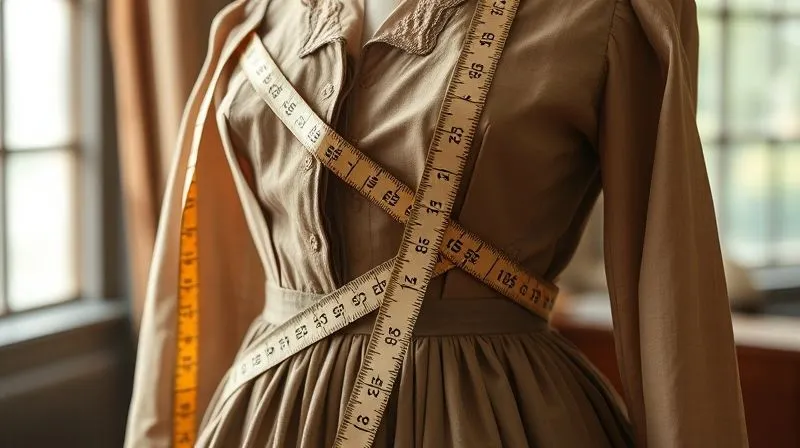
- Measurement Consistency: Measure the garment precisely and compare it against known measurements of similar designer pieces from that era. Are the proportions harmonious?
- Seam Allowance: High-end vintage often has generous seam allowances, allowing for alterations. This is a sign of quality and foresight.
Understanding the evolution of sizing and fit requires research into fashion history. Resources like FIT's Fashion History Timeline can offer invaluable context on how body ideals and garment constructions changed over the decades, helping you ascertain if the garment's proportions align with its presumed vintage period.
8. Provenance & Contextual Evidence: The Detective Work
While the physical garment provides the primary evidence, sometimes the story *behind* the piece can offer crucial contextual clues, especially when trying to authenticate rare vintage designer pieces without original labels. This is where you put on your detective hat and dig deeper.
I’ve had success with pieces that initially stumped me, only to discover their true origin through meticulous research into their history. This might involve tracking down previous owners, seeking out old photographs, or cross-referencing auction records. While not always possible, when available, provenance can be the ultimate authenticator.
Leveraging Expert Appraisals and Community Knowledge
- Previous Owners: If you know the garment's history, researching the previous owner's affiliations or social circles can sometimes link a piece to a designer. For example, if it belonged to a socialite known for wearing couture.
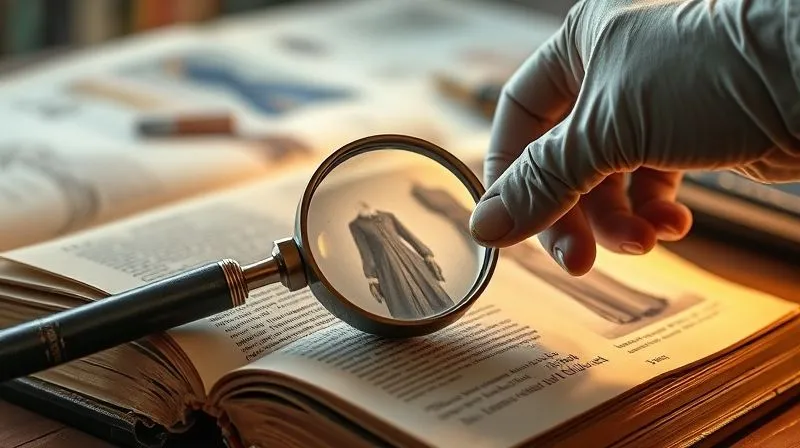
- Old Photographs/Catalogs: Sometimes, an unlabeled piece might be identifiable from old fashion magazines, designer lookbooks, or historical photographs. It requires painstaking visual comparison.
- Expert Appraisals: For truly rare or high-value pieces, a professional vintage appraiser or a specialized auction house can provide an invaluable second opinion. They have access to extensive archives and a network of specialists.
- Vintage Communities & Forums: Online communities of vintage enthusiasts and experts can be surprisingly helpful. Sharing high-quality images and details can sometimes lead to identification by someone with specialized knowledge.
Ultimately, authenticating rare vintage designer pieces without original labels is a multi-faceted endeavor. It requires patience, a keen eye, historical knowledge, and a willingness to investigate every possible angle. It’s an art as much as a science, and it’s what makes the world of vintage fashion so incredibly rewarding.
Frequently Asked Questions (FAQ)
Q: Can a vintage item truly be designer without any label or tag whatsoever? A: Absolutely. Many haute couture pieces, especially from earlier eras, were custom-made for clients and often had minimal internal labels, or labels that were removed during cleaning or alterations. Some early ready-to-wear pieces also had less robust labeling. The absence of a label alone does not mean it's not designer; it just means you need to rely on other authentication methods.
Q: What are the most common 'red flags' for a fake vintage designer piece? A: Beyond missing labels, key red flags include poor quality stitching (uneven, loose, or machine-serged on what should be a hand-finished garment), cheap or generic hardware, an inconsistent or low-quality lining, fabric that feels synthetic or cheap when it should be natural and luxurious, and a general lack of attention to detail in construction. Also, an item that looks too 'perfect' for its age can be suspicious.
Q: Is it worth paying for an expert appraisal for an unlabeled vintage item? A: For pieces you suspect might be rare or high-value designer items, an expert appraisal is highly recommended. The cost of an appraisal is often a small investment compared to the potential value of an authentic piece or the potential loss from a misidentified fake. A professional authenticator has specialized knowledge, archives, and networks that are invaluable.
Q: How can I educate my eye to better identify vintage designer quality? A: Immersion is key. Visit reputable vintage boutiques, museums with fashion exhibitions, and handle as many high-quality vintage pieces as possible. Study fashion history, focusing on specific designers and eras. Look at original designer sketches, runway photos, and detailed images of museum collections. The more you see and touch, the more intuitive your understanding of quality becomes.
Q: Are there specific designers whose unlabeled pieces are easier or harder to authenticate? A: Designers with very distinct, consistent 'DNA' across their collections (e.g., Balenciaga's architectural shapes, Chanel's tweed suits with specific internal construction, Madame Grès's draping) can sometimes be easier to identify even without labels due to their unique signatures. Designers who had a wider range of styles or whose work varied significantly over time might be more challenging.
Key Takeaways and Final Thoughts
Authenticating rare vintage designer pieces without original labels is a nuanced, intricate process that demands a blend of historical knowledge, tactile sensitivity, and keen observation. It's a journey that transforms you from a casual admirer into a true connoisseur, unlocking the hidden stories and value within each garment. Remember, the absence of a label is not a dead end, but an invitation to delve deeper into the artistry and craftsmanship.
- Embrace a Forensic Approach: Look beyond the obvious. Every stitch, every fiber, every piece of hardware tells a story.
- Become a Student of History: Research specific designers, their signature techniques, and the fashion trends of different eras.
- Trust Your Senses: The feel of the fabric, the quality of the construction, and even the subtle scent of age are powerful indicators.
- Leverage External Resources: Don't hesitate to consult experts, utilize online communities, and explore historical archives.
- Patience is Key: Authentication is often a slow, meticulous process. Enjoy the detective work!
By applying the comprehensive framework I've shared, you'll not only gain the confidence to identify genuine vintage treasures but also deepen your appreciation for the artistry and legacy of fashion's greatest creators. The thrill of discovering an unlabeled masterpiece, authenticated by your own expert eye, is truly one of the most rewarding experiences in the world of vintage fashion. Happy hunting, and may your finds be ever authentic!
Recommended Reading
- From Freebies to Fees: 7 Steps to Paid Fashion Collabs
- Best Activewear for CrossFit Beginners: Crush Your First WOD!
- 7 Ways New Streetwear Brands Differentiate in an Oversaturated Market
- Unlock Effortless Elegance: How to Master Casual Chic Style for Any Occasion
- 7 Crucial Reasons Your Beauty Influencer Sales Are Flatlining

Your email address will not be published. Required fields are marked *