


Introduction: How to turn gifted fashion brand collaborations into paid?
For over 15 years in the dynamic world of fashion blogging and influencer marketing, I've witnessed incredible talent emerge, shaping trends and influencing purchasing decisions. However, I've also observed a common, disheartening pattern: many brilliant creators get stuck in a cycle of 'gifted' collaborations, pouring their heart and soul into content without receiving monetary compensation.
This isn't just about getting free products; it's about the emotional and financial drain of constantly producing high-quality content that benefits brands immensely, while your own business struggles to thrive. The frustration of feeling undervalued, of seeing your peers secure lucrative deals while you're still accepting freebies, is a pain point I hear far too often.
This comprehensive guide is designed to empower you with the precise strategies, expert insights, and actionable frameworks needed to transition your fashion brand collaborations from gifted to genuinely paid partnerships. We'll delve into understanding your true value, mastering negotiation, and building a sustainable, profitable influencer business by answering the pivotal question: How to turn gifted fashion brand collaborations into paid?
The Fundamental Shift: From Gifting to Value Proposition
The first and most crucial step in transforming your collaborations is a mindset shift. You are not just a content creator; you are a media channel, a marketing arm, and a direct line to a highly engaged audience. Brands don't give you free products out of charity; they do it because they expect a return.
Understanding Your True Worth Beyond Followers
Your value isn't solely in your follower count. Savvy brands are looking for genuine influence, engagement, and alignment. This means understanding your audience demographics, their purchasing power, your unique aesthetic, and your content's consistent quality.
- Audience Demographics: Can you articulate who your audience is? Their age, gender, location, income level, and interests are gold to brands.
- Engagement Rate: A smaller, highly engaged audience is often more valuable than a large, passive one. Calculate your average likes, comments, shares, and saves per post relative to your followers.
- Content Quality & Aesthetic: Your visual storytelling, photography, styling, and writing skills are paramount. A cohesive, professional feed signals professionalism.
- Brand Alignment: How well does your personal brand align with the values and target market of the fashion brands you aspire to work with? Authenticity is key.
"Your influence isn't measured by numbers alone, but by the tangible impact you create for a brand. Focus on demonstrating that impact, and the compensation will follow."
Crafting an Irresistible Media Kit
A media kit is your professional resume and portfolio combined. It's your opportunity to showcase your value proposition in a compelling, data-backed format. It should be visually stunning and clearly articulate what you bring to the table.
- Professional Introduction: Start with a brief, impactful bio and your mission statement as an influencer.
- Audience Insights: Provide detailed demographics and psychographics of your audience.
- Key Performance Metrics: Highlight your average engagement rate, reach, impressions, and any conversion data.
- Past Successes: Showcase logos of previous brand partners, ideally with brief case studies or testimonials demonstrating ROI.
- Services Offered: Clearly list the types of content you create (e.g., Instagram feed posts, Reels, Stories, blog posts, YouTube videos) and any unique offerings.
- Testimonials: Include glowing reviews from past brand partners.
- Call to Action: Make it easy for brands to contact you for a discovery call or to request your rate card.
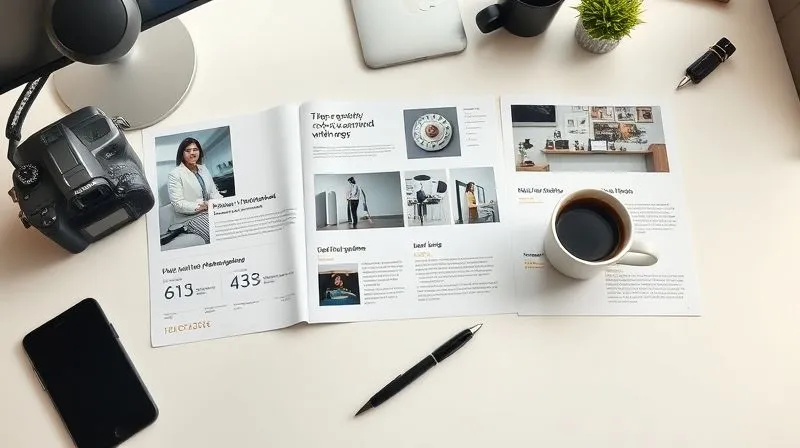
A well-structured media kit is your silent negotiator, speaking volumes about your professionalism and potential impact. Ensure it's regularly updated with your latest achievements.
| Section | Content |
|---|---|
| Introduction | Brief bio, niche, mission statement |
| Audience Demographics | Age, gender, location, interests (detailed) |
| Key Metrics | Follower count, average engagement rate, reach, impressions, CTR |
| Past Collaborations | Logos of brands, brief success stories/metrics |
| Services Offered | Types of content (IG posts, Reels, blog, YouTube), packages |
| Testimonials | Quotes from previous brand partners |
| Call to Action | Contact information, next steps |
Building a Data-Driven Portfolio: Proof of ROI
Brands are businesses, and businesses care about return on investment (ROI). To effectively answer how to turn gifted fashion brand collaborations into paid, you must speak their language: data. Your portfolio needs to be more than pretty pictures; it needs to be a testament to your ability to drive results.
Tracking Performance Metrics That Matter
It's not enough to just post content; you need to track its performance meticulously. This means diving into your platform analytics and understanding what each metric signifies for a brand's marketing goals.
- Reach & Impressions: How many unique eyes saw your content, and how many times was it seen?
- Engagement Rate: Beyond likes, look at comments, shares, and saves. These indicate deeper interaction.
- Click-Through Rate (CTR): If you include links, track how many people clicked. This is crucial for driving traffic.
- Conversion Rate: If you've ever had a trackable affiliate link or unique discount code, measure how many sales or sign-ups resulted. This is the ultimate ROI metric.
- Audience Growth: Demonstrate your ability to consistently grow a relevant audience.

Presenting these metrics clearly and concisely, perhaps in a post-campaign report, proves your professionalism and effectiveness. According to a Deloitte study on influencer marketing, data-driven strategies are key to maximizing campaign effectiveness and demonstrating value.
Presenting Success Stories (Mini Case Study)
Nothing speaks louder than tangible results. Create mini case studies from your most successful past collaborations, even if they started as gifted. This is your opportunity to demonstrate your **Experience** and **Expertise**.
Case Study: How 'StyleMaven' Secured a 5-Figure Deal
Sarah, known as 'StyleMaven' on Instagram, initially accepted numerous gifted collaborations in the affordable fashion niche. While she loved the products, she felt undervalued. For one particular gifted collaboration with a new handbag brand, she decided to go above and beyond. She not only created stunning feed posts and Stories but also dedicated a full YouTube video to styling the bag in multiple outfits, linking directly to the product.
She meticulously tracked her analytics, noting an average engagement rate of 8% on her Instagram posts (well above the industry average), and her YouTube video generated over 5,000 unique clicks to the brand's product page within a month. More importantly, using a unique UTM code provided by the brand, she could attribute $7,000 in direct sales to her content.
Armed with this data, Sarah approached the brand for their next collection, presenting a detailed report of her previous campaign's success. She proposed a paid package for a multi-platform campaign, requesting a flat fee plus a tiered commission on sales above a certain threshold. The brand, impressed by her professionalism and proven ROI, agreed to a $6,000 flat fee for the campaign, with a 10% commission on sales exceeding $10,000. This proactive, data-driven approach successfully turned a gifted relationship into a highly profitable, paid partnership.
Strategic Outreach and Pitching for Paid Partnerships
Once you have your value proposition clear and your data organized, the next step is to proactively seek out paid opportunities. This requires a strategic approach, moving beyond waiting for brands to come to you.
Identifying Ideal Brand Partners
Don't just pitch any brand. Research is paramount. Look for brands that:
- Align with Your Niche & Values: Authenticity resonates. If you're passionate about sustainable fashion, target ethical brands.
- Have a Budget for Influencer Marketing: Look at their previous collaborations. Do they work with other paid influencers? Are they running large-scale campaigns?
- Target Your Audience: Their ideal customer should closely match your audience demographics.
- Solve a Problem for You: What gaps can your content fill for them? Are they launching a new collection you can amplify?
As marketing guru Seth Godin often says, "Don't find customers for your products, find products for your customers." In this context, find brands for your audience.
The Art of the Cold Pitch Email
Your pitch email is your first impression. It needs to be concise, compelling, and clearly articulate your value. A generic email will be ignored.
- Personalize Everything: Address the specific contact person. Reference a recent campaign or product of theirs that genuinely excites you.
- State Your Value Proposition Early: Immediately highlight how your unique audience and content can benefit them. Don't just list your follower count.
- Propose a Specific Idea: Instead of asking "Do you have any opportunities?" say "I envision a Reel series showcasing your new collection's versatility for a professional woman like my audience."
- Include Key Metrics & a Link to Your Media Kit: Briefly mention your engagement rate or a past success, then link to your full media kit for details.
- Clear Call to Action: Ask for a brief call to discuss your ideas further, or inquire about their current marketing goals.
For more insights on effective outreach, check out this guide on The Art of the Cold Pitch from Forbes. Remember, the goal is to show them you've done your homework and that you're an asset, not just another influencer seeking freebies.
Mastering the Negotiation: Asking for Your Worth
Negotiation is where many influencers falter. It feels intimidating, but it's a critical skill to learn if you want to understand how to turn gifted fashion brand collaborations into paid. You are running a business, and businesses negotiate.
Researching Industry Rates and Setting Your Pricing
Never go into a negotiation without knowing what you're worth and what the market dictates. Rates vary widely based on platform, deliverables, audience size, engagement, and niche.
- Research Benchmarks: Consult influencer marketing platforms or industry reports for average rates for your follower tier and niche.
- Calculate Your Costs: Factor in your time (content creation, editing, planning, communication), equipment, software, and any assistants.
- Determine Your Value-Based Pricing: Don't just charge for time; charge for the value you deliver (e.g., brand awareness, sales, lead generation).
- Offer Package Deals: Instead of just a single post, offer bundles (e.g., 1 IG post + 3 Stories + 1 Reel) for a more attractive price point.
Resources like the Influencer Marketing Hub's Influencer Rates guide can provide a good starting point for understanding industry benchmarks.
| Pricing Model | Description | Pros | Cons |
|---|---|---|---|
| Flat Fee Per Post | A fixed rate for specific deliverables (e.g., 1 Instagram post + 3 Stories). | Clear, predictable income. | May undervalue extensive work or high ROI. |
| Campaign Package | A bundled rate for multiple deliverables over a set period (e.g., month-long campaign). | Comprehensive, better value for brands & creator. | Requires more planning & commitment. |
| Retainer | A recurring fee for ongoing content creation or brand ambassadorship. | Stable, long-term income, builds deep brand relationship. | Less flexibility, high commitment. |
| Performance-Based | A base fee plus commission on sales or conversions generated. | High earning potential if successful, attractive to brands. | Unpredictable income, requires robust tracking. |
Handling Objections and Counter-Offers
Brands will often try to negotiate down or offer gifted products. Be prepared with polite, firm responses.
- Know Your Non-Negotiables: Determine your minimum acceptable rate before entering discussions.
- Reiterate Your Value: If they push for gifted, gently remind them of the ROI you've delivered or can deliver, backed by your data. "While I appreciate the offer of product, my services are designed to deliver measurable marketing results, which requires a financial investment."
- Offer Alternatives: If their budget is truly limited, suggest a smaller package of deliverables at a lower price point, rather than going completely free.
- Be Prepared to Walk Away: This is crucial. If a brand isn't willing to pay your worth, they're not the right partner for a paid collaboration.
"Confidence in your value is your strongest negotiation tool. If you don't believe you're worth it, neither will the brand."
The Legal & Logistics: Contracts and Professionalism
Once a brand agrees to a paid collaboration, professionalism doesn't end. It intensifies. This phase is about protecting yourself and ensuring a smooth, transparent working relationship.
Understanding Collaboration Contracts
Never, ever proceed with a paid collaboration without a signed contract. This protects both parties and outlines expectations clearly.
- Deliverables: What specific content are you creating (e.g., 1 static IG post, 2 IG Stories, 1 Reel)?
- Usage Rights: Can the brand repost your content? For how long? On what channels? (This is often an upsell opportunity.)
- Exclusivity: Are you restricted from working with competitors for a certain period?
- Payment Terms: When and how will you be paid? (e.g., 50% upfront, 50% upon completion, Net 30 days).
- Disclosure Requirements: How must you disclose the paid partnership (e.g., #Ad, #Sponsored)?
- Kill Fee: What happens if the brand cancels the campaign?
Consulting legal templates or services for creatives can be invaluable here. Sites like Contract Killer offer resources for understanding and drafting influencer agreements.
Invoicing and Payment Management
Professional invoicing is non-negotiable. Use an invoicing software or a clear template that includes:
- Your business name and contact information.
- The brand's business name and contact information.
- An invoice number and date.
- A clear description of services rendered.
- The total amount due and payment terms.
- Your preferred payment method (e.g., bank transfer, PayPal).
Always send invoices promptly and follow up professionally if payments are delayed. This reinforces your business acumen and ensures you get paid on time for your valuable work.
Nurturing Long-Term Relationships for Repeat Business
The goal isn't just one paid collaboration; it's a pipeline of consistent, profitable partnerships. Building trust and delivering exceptional results will lead to repeat business and referrals, answering how to turn gifted fashion brand collaborations into paid on an ongoing basis.
Delivering Above and Beyond Expectations
Once the contract is signed, focus on exceeding the brand's expectations. This means:
- Timely Communication: Respond promptly to emails and provide updates on content creation.
- High-Quality Content: Deliver content that is not only visually stunning but also aligns perfectly with the brief.
- Meeting Deadlines: Always submit content for review and publish on schedule.
- Providing Performance Reports: Even if not explicitly requested, a post-campaign report showcasing your content's performance proves your commitment and analytical capabilities.
Proactive Follow-Ups and Value Adds
After a successful campaign, don't just disappear. Follow up with the brand a few weeks later.
- Express Gratitude: Thank them for the opportunity and express your enjoyment of the collaboration.
- Share Additional Insights: Offer any unexpected positive feedback you received from your audience, or suggest future content ideas relevant to their goals.
- Suggest Future Collaborations: Propose new concepts for their next collection or a different marketing objective.

This proactive approach positions you as a strategic partner, not just a one-off content provider. As Harvard Business Review emphasizes, nurturing relationships is far more cost-effective than constantly acquiring new ones.
Diversifying Your Income Streams Beyond Paid Collabs
While mastering how to turn gifted fashion brand collaborations into paid is crucial, a truly sustainable influencer business diversifies its income. Relying on a single source of revenue is risky.
Exploring Affiliate Marketing and Product Sales
Leverage your influence to earn commissions on sales without needing a direct brand deal.
- Affiliate Programs: Join programs like RewardStyle (LTK), Amazon Associates, or brand-specific affiliate networks. Promote products you genuinely love and use.
- Digital Products: Create and sell your own e-books, style guides, presets, or templates.
- Physical Products: Consider launching your own merchandise or a small capsule collection if it aligns with your brand.
Offering Consulting or Content Creation Services
Your expertise in fashion, content creation, and social media is valuable to others.
- Influencer Coaching: Mentor aspiring influencers on strategy, content, or monetization.
- Social Media Consulting: Offer your services to small businesses or emerging brands looking to improve their social presence.
- Content Creation for Brands: Produce high-quality photography or video content for brands to use on their own channels, without necessarily posting it on yours. This is often called 'UGC' (User-Generated Content) creation.

Diversification provides financial stability and reduces the pressure to accept every gifted collaboration that comes your way, further strengthening your position to demand paid partnerships.
Frequently Asked Questions (FAQ)
How do I know when I'm "ready" for paid collaborations? You're ready when you have a clear understanding of your audience, consistent high-quality content, and can articulate the value you bring to a brand with data (even if it's from gifted collabs). It's less about follower count and more about your ability to demonstrate ROI. Start small, perhaps with a lower paid rate or a test campaign, to build your paid portfolio.
What if a brand insists on gifted, even after I pitch for paid? Politely decline and reiterate your value proposition. You can say something like, "While I appreciate the offer of product, my current focus is on paid partnerships that leverage my audience to drive measurable results for brands. I'd be happy to explore a smaller paid campaign if that fits your budget." Be firm but gracious.
Should I ever accept gifted collabs after going paid? This is a personal decision. Many established influencers still accept gifted items for products they genuinely love and would feature anyway, especially if it's from a dream brand or a product with high personal value. However, ensure these are exceptions and don't dilute your paid efforts. Clearly differentiate between personal endorsements and paid campaigns.
How do I handle brands that ghost after my pitch? Don't take it personally. Brands are busy, and not every pitch will land. Follow up once, politely, a week or two after your initial pitch. If there's no response after that, move on. Focus your energy on brands that show interest and align with your business goals.
What's the biggest mistake influencers make when trying to go paid? The biggest mistake is not understanding or articulating their value beyond follower count. Many focus on what they *want* (free products, money) instead of what the brand *needs* (marketing results, audience reach, authentic content). Shifting your perspective to a business partner who delivers tangible ROI is key.
Recommended Reading
- The Unseen Value: Best Heritage Luxury Brands for Investment Revealed
- Unlocking Mass Digital Fashion: 7 Strategies for Scalable Production
- 7 Secrets: Why Your Smart Casual Outfits Look Sloppy & How to Fix It
- Unlock the Secrets: How to Write an Engaging Fashion Blog Post That Captivates
- The Ultimate Guide: What to Know Before Buying a Vintage Wedding Dress?
Main Points and Final Considerations
Mastering how to turn gifted fashion brand collaborations into paid is a journey that demands strategic thinking, professional execution, and unwavering confidence in your worth. It's about evolving from a hobbyist to a respected business entity in the fashion influencer landscape.
- Shift Your Mindset: View yourself as a media channel and a marketing partner, not just a content creator.
- Build a Professional Foundation: Develop a compelling, data-rich media kit that showcases your value.
- Track and Prove ROI: Meticulously collect and present data that demonstrates your ability to drive results for brands.
- Master the Art of the Pitch and Negotiation: Research, personalize, and confidently ask for your worth, backed by your data and expertise.
- Prioritize Professionalism: Utilize contracts, manage payments efficiently, and consistently over-deliver.
- Nurture Relationships: Foster long-term partnerships through exceptional work and proactive communication.
- Diversify Your Income: Explore other revenue streams to build a resilient and profitable business.
The path from gifted to paid is within your reach. It requires diligence, a willingness to learn, and the courage to advocate for yourself. By implementing these expert strategies, you'll not only secure the compensation you deserve but also build a sustainable, impactful, and respected career in fashion influencing. Your talent is valuable; it's time to get paid for it.




Your email address will not be published. Required fields are marked *