

Why do my smart casual outfits often look mismatched or sloppy?
It's a question I hear constantly from men who genuinely want to elevate their style: "Why do my smart casual outfits often look mismatched or sloppy?" In my experience, the core issue isn't a lack of decent clothing, but rather a fundamental misunderstanding of what "smart casual" truly entails and how its individual components interact. The most common pitfall, and one I've seen derail countless attempts at sophisticated dressing, is confusing "smart casual" with "anything goes." This style isn't a free-for-all; it's a deliberate blend, a bridge between formal and overtly relaxed attire. When this balance is missed, the result is often a visual clash that screams unintentionality. One of the greatest culprits behind a sloppy smart casual look is undoubtedly **poor fit**. A garment that's too baggy instantly negates any "smart" intention, making you appear unkempt and careless. Conversely, items that are too tight can look strained and uncomfortable, detracting from an otherwise polished ensemble."The single most impactful change a man can make to elevate his smart casual game is to ensure every piece he wears fits him impeccably. It’s the silent architect of sophistication."Furthermore, a significant oversight is the **disharmony of fabrics and textures**. Many men will pair a rugged, heavily washed denim shirt with a fine merino wool blazer, or a crisp dress shirt with overly casual cargo shorts. These disparate textures create visual friction, preventing the outfit from coalescing into a cohesive, stylish statement. Each fabric carries its own inherent level of formality, and mixing them without consideration is like trying to blend oil and water. Another frequent misstep lies in the **neglect of crucial details and accessories**. You might have a perfectly tailored pair of chinos and a sharp polo, but if your shoes are scuffed, your belt is worn, or your watch is an afterthought, the entire outfit's integrity crumbles. These elements are the punctuation marks of your style, and their oversight can transform smart into sloppy in an instant. Finally, a lack of **intentionality and cohesion** often leads to mismatched outfits. Smart casual isn't about throwing on a few "nice" pieces; it's about crafting an ensemble where each item contributes to a singular, harmonious aesthetic. Without a clear vision for the overall look, garments can feel like strangers awkwardly introduced, rather than a well-coordinated team.
Understanding the Root of the Problem: Why Do Smart Casual Outfits Look Mismatched or Sloppy?
In my fifteen years observing and advising men on their style, the most prevalent issue with smart casual isn't a lack of effort, but a fundamental misunderstanding of its very nature. Many view it as a relaxed version of business attire or a slightly elevated casual look, leading to outfits that lack cohesion and intentionality. It's not simply about throwing on a blazer with jeans; it's a sophisticated balancing act. A common mistake I see is men treating smart casual as a stylistic "no man's land" rather than a distinct aesthetic. They often combine items from vastly different formality spectrums without considering their inherent harmony, resulting in a visual clash that screams confusion. This isn't just about individual pieces, but how they interact on a deeper level."Smart casual isn't a default setting for 'not formal, not casual.' It's a deliberate intersection of two distinct style philosophies, requiring a thoughtful approach to bridge the gap gracefully."The primary culprit, in my experience, is the **"Formality Mismatch"**. Each garment carries an inherent level of formality, influenced by its fabric, cut, texture, and detailing. When you pair a highly structured, worsted wool blazer (inherently formal) with a faded, heavily distressed pair of jeans (inherently casual), you create a jarring juxtaposition. The eye struggles to reconcile these disparate elements, leading to a sense of "sloppiness." Another significant oversight is the **neglect of fit and fabric integrity**. Even the most stylish pieces will look sloppy if they don't fit correctly or are made from cheap, poorly maintained materials. A blazer that's too baggy or a shirt that's wrinkled and pilling instantly undermines any attempt at smartness. The fabric's drape and finish play a crucial role in how an outfit is perceived. Furthermore, many men fall into the trap of a **"Piece-Meal Approach"** to their wardrobe. They buy individual items they like without considering how they integrate into a cohesive smart casual ecosystem. This often results in a closet full of disparate items that don't mix and match effectively, forcing last-minute, ill-conceived combinations. It's like buying ingredients for a gourmet meal without a recipe. Consider these deeper issues that contribute to the problem: * **Lack of Understanding in Fabric Textures:** Smooth, refined textures (fine cotton, merino wool) signal formality, while rougher, more visible textures (linen, tweed, denim) lean casual. Mixing these without balance creates dissonance. * **Ignoring the "Third Piece" Rule:** Often, a smart casual outfit needs a unifying element beyond just a shirt and trousers. This could be a blazer, a well-chosen knit, or a sharp overshirt that ties the look together. Without it, outfits can feel incomplete. * **Underestimating the Power of Footwear:** Shoes are often an afterthought, but they dictate the overall formality of an outfit more than almost any other item. Pairing sleek leather loafers with overly casual chinos, or chunky sneakers with tailored trousers, throws off the entire balance. Ultimately, the root of the problem lies in a lack of intentionality and a superficial understanding of what "smart casual" truly entails. It requires a discerning eye for detail, an appreciation for garment harmony, and a willingness to move beyond simple categorization towards a more nuanced approach to personal style.
Confusing 'Casual' with 'Lax' Standards
From my vantage point, one of the most pervasive reasons men struggle with smart casual is a fundamental misunderstanding of the word 'casual' itself. Many confuse 'casual' with 'careless', or even worse, with 'lax' standards.
In my two decades observing and advising on menswear, I've seen it countless times: an otherwise intelligent man assumes that if an occasion isn't black-tie or business formal, then virtually anything goes. This simply isn't the case, and it's a surefire way to look perpetually underdressed and unkempt.
Think of it this way: 'casual' implies comfort and ease, but it still demands a level of respect for the occasion, your company, and most importantly, yourself. It's the difference between a meticulously maintained vintage car that runs perfectly, and a rusty clunker that barely starts.
A common mistake I see is men reaching for items that are simply too relaxed, too worn, or too unstructured. This isn't about snobbery; it's about understanding the subtle cues your clothing sends. A faded, stretched-out T-shirt or a pair of crumpled cargo shorts might be perfectly acceptable for yard work, but they are anathema to smart casual.
The essence of smart casual isn't about dressing down; it's about intentionally elevating casual elements with an acute awareness of fit, fabric, and finesse.
Here are the tell-tale signs you're veering into 'lax' territory, and how to course-correct:
-
The 'Workout' Wardrobe Creep: If an item of clothing could plausibly be worn to the gym, it likely doesn't belong in your smart casual rotation. This includes overly athletic sneakers, performance-fabric tees, or anything with prominent logos from sports brands. Your casual footwear, for instance, should be clean leather sneakers, loafers, or desert boots – not your beaten-up running shoes.
-
Disregard for Fabric & Condition: Smart casual demands fabrics with a bit more structure and refinement. Think crisp cottons, fine merino wool, or quality linen blends. Wrinkled shirts, pilled sweaters, faded polos, or trousers with frayed hems immediately signal a lack of effort. Even the most casual item, like a T-shirt, should be impeccably clean, ironed, and in pristine condition.
-
The Fit Fallacy: This is perhaps the biggest culprit. Many believe that 'casual' means 'baggy' or 'oversized' for comfort. While comfort is key, it should never come at the expense of proper fit. A well-fitting garment, even a casual one, instantly elevates your look. A baggy polo, loose-fitting chinos, or an unstructured blazer that hangs off your shoulders will always look sloppy, regardless of its quality.
-
Neglecting the Details: True smart casual is in the details. Are your shoes polished? Is your belt in good condition? Have you considered a watch that complements your outfit? The absence of these small considerations, or the presence of worn-out versions, screams 'I didn't bother'.
To truly master smart casual, you must adopt a mindset where every item, no matter how 'casual', is chosen with intent and maintained with care. This means investing in better quality basics, ensuring everything fits impeccably, and treating your casual clothes with the same respect you would your tailored suits.
Not Dressing for the Occasion or Environment
In my fifteen years observing and advising men on their style, one of the most pervasive reasons smart casual outfits fall flat is a fundamental disconnect: **not dressing for the specific occasion or environment**. Many men mistakenly treat "smart casual" as a fixed, universal uniform, when in reality, it's a dynamic spectrum that demands nuanced interpretation. A common mistake I see is men applying a blanket smart casual definition, regardless of context. What might be perfectly acceptable, even sharp, for a creative agency's Friday drinks could look woefully underdressed for a client dinner at a high-end restaurant, or conversely, overly stiff for a casual weekend brunch. It's about understanding the subtle signals. Consider the **specific occasion**. Are you attending a daytime networking event, a family gathering, a business casual meeting, or an evening social? Each scenario carries its own unspoken expectations regarding formality. A crisp Oxford shirt and tailored chinos might be ideal for a relaxed office setting, but for an evening art gallery opening, you’d likely need to elevate it with a sport coat and perhaps even more refined footwear. Equally critical is the **environment or venue**. A smart casual outfit for a rooftop bar with a vibrant, modern aesthetic will differ significantly from one suited for a traditional members' club or a rustic outdoor event. The architecture, the lighting, the general ambiance — these all play a role in shaping the appropriate dress code. Ignoring these cues is a surefire way to appear out of place. Lastly, and often overlooked, are the **people you'll be with**. Are you meeting prospective clients, your boss, close friends, or family? The expectations of your company can dictate your sartorial choices. Dressing appropriately is a sign of respect, both for the occasion and for those you're engaging with. Let me illustrate with a mini case study. I once consulted for an executive who, for a crucial business dinner with European clients, opted for dark wash jeans, a premium polo shirt, and sleek designer sneakers. While each piece was high-quality, the collective look was **too casual for the occasion and audience**. He appeared less polished and, frankly, less serious than his well-suited counterparts. The fix was simple: swap the jeans for tailored wool trousers, the polo for a button-down shirt with a subtle pattern, and the sneakers for dark leather loafers or derbies, instantly elevating the entire ensemble. On the flip side, I've seen men attend casual outdoor garden parties or relaxed pub gatherings in full blazers, dress shirts, and highly polished leather shoes. While seemingly "smart," this level of formality often makes them look uncomfortable and out of sync with the relaxed vibe, making the outfit appear less, not more, put-together. It's not just about being underdressed; being *misplaced* on the formality spectrum can also lead to that sloppy perception.To fix this, begin with **research**. If you're unsure about a venue, a quick online search can often reveal photos of the interior or past events, giving you vital clues about the expected dress code. For a new company or event, ask a trusted colleague or the host for guidance. There's no shame in seeking clarity; it shows you care about making a good impression. Secondly, embrace **versatility and layering**. A well-chosen sport coat or an unstructured blazer can be a game-changer. It allows you to instantly dial up the formality of an outfit when moving from a casual daytime setting to a more formal evening event, or vice-versa, by simply removing it. This adaptability is key to navigating the smart casual landscape. Finally, pay particular attention to your **footwear**. Shoes are often the most defining element of an outfit's formality. A pair of clean, minimalist sneakers can work in very specific casual-leaning smart casual settings, but for most occasions where you want to project polish, well-maintained leather loafers, Chelsea boots, or even smart leather derbies will serve you far better, grounding your look in undeniable smartness.In my experience, true smart casual mastery isn't about owning the most expensive clothes, but about having the wisdom to select the right pieces for the right moment. It's the sartorial equivalent of speaking the correct language for the country you're in.
Step-by-Step: A Practical Framework to Achieve Polished Smart Casual Style
In my two decades observing and advising men on their style, I've noticed a pervasive misconception: that smart casual is a nebulous, unachievable ideal. It's not. It's a framework, a set of principles that, once understood, allows for consistent, polished results. This isn't about rigid rules, but about developing an intuitive understanding of how elements work together.A common mistake I see is men approaching smart casual as merely "not formal, not sloppy." This binary thinking misses the crucial middle ground where true style resides. My framework offers a practical, step-by-step approach to navigate this territory with confidence.
"True style isn't about expensive labels; it's about the deliberate choices that convey respect for yourself, your environment, and the people around you."
Here’s the practical framework I’ve refined over countless consultations, designed to elevate your smart casual game from haphazard to consistently sharp:
-
Master the Foundation: Fit and Fabric First.
This is non-negotiable. An impeccably fitting garment, even if inexpensive, will always look better than a designer piece that's too baggy or too tight. In my experience, 90% of "sloppy" smart casual outfits can be traced back to poor fit.
-
Fit Precision: Understand your measurements. Sleeves should hit at the wrist bone, trousers should have a clean break (or no break for a modern look) and taper gently, and shirts should skim the body without pulling. A good tailor is your secret weapon; consider it an investment, not an expense.
-
Fabric Quality and Texture: Beyond fit, fabric is the next most impactful element. Opt for natural fibers like cotton, linen, wool, and their blends. These fabrics drape better, breathe well, and possess a depth of texture that synthetic alternatives simply cannot replicate.
- Example: Compare a pair of chinos made from a crisp, brushed cotton twill with those made from a thin, shiny synthetic blend. The former instantly elevates the outfit, providing a subtle visual richness and structure that signals quality and intent.
-
-
Curate Your Palette: Strategic Color and Pattern.
Smart casual doesn't mean boring. It means intelligent application of color and pattern. Think of your outfit as a canvas; you need a strong background before adding highlights.
-
Anchoring Neutrals: Start with a solid foundation of sophisticated neutrals: navy, charcoal, olive green, taupe, and various shades of white and cream. These form the backbone of a versatile smart casual wardrobe, allowing for seamless mixing and matching.
-
Intentional Color Pops: Introduce color thoughtfully. A rich burgundy sweater, a subtle forest green polo, or a muted blue blazer can add personality without overwhelming the look. The key is saturation – lean towards deeper, richer tones rather than bright, primary colors for a more refined aesthetic.
-
Subtle Patterns: When incorporating patterns, opt for subtlety. Think micro-checks, fine stripes, or a discreet houndstooth. These add visual interest without being distracting. A common pitfall is to combine too many patterns, which often leads to a chaotic rather than polished appearance.
-
-
Build Depth: The Art of Layering.
Layering is perhaps the most powerful tool in the smart casual arsenal. It adds dimension, visual interest, and practicality, allowing you to adapt to varying temperatures and environments.
-
The "Third Piece" Rule: Beyond your base (e.g., shirt and trousers), adding a third piece instantly elevates an outfit. This could be a blazer, an unstructured sport coat, a fine-gauge knit sweater, a cardigan, or even a stylish overshirt. This third layer acts as a visual anchor, tying the look together.
-
Texture Play: Use layers to introduce different textures. A crisp cotton shirt under a soft merino wool sweater, topped with a textured tweed blazer, creates a dynamic and sophisticated ensemble. This interplay of textures is a hallmark of truly polished style.
-
Consider the Weight: Ensure your layers are appropriate for the climate. Lightweight linen and cotton blends for warmer months, and wools, cashmere, or flannel for cooler seasons. Seamless transitions between layers are key to avoiding a bulky or haphazard appearance.
-
-
Refine the Periphery: Footwear and Accessories.
These are the details that separate a good outfit from a great one. They are often overlooked but carry significant weight in the overall perception of your style.
-
Footwear as the Anchor: Your shoes are the literal foundation of your look. For smart casual, move beyond tired sneakers. Think clean, minimalist leather sneakers (e.g., Common Projects style), loafers (penny or tassel), suede chukka boots, or classic leather derbies/brogues. Crucially, they must be immaculately clean and well-maintained.
- Analogy: Imagine a beautifully plated meal. If the plate itself is dirty, the entire experience is diminished. Your shoes are that plate.
-
Strategic Accessories: Less is often more. A quality watch (not a smartwatch for truly smart casual), a well-chosen belt that complements your shoes, and perhaps a subtle pocket square or a quality leather bag can add significant polish. Avoid anything overly flashy or excessive. Each accessory should serve a purpose or add a subtle touch of personality.
-
-
Embrace Intent: Contextual Awareness.
The final, and perhaps most nuanced, step is understanding that smart casual is not a monolithic dress code. It's a spectrum, and your interpretation must be informed by the specific context.
-
Read the Room: Before stepping out, consider the environment. Is it a casual office, a client lunch, a sophisticated dinner, or a weekend gallery visit? Each scenario demands a slightly different calibration of "smart" and "casual."
-
The "Overdressed vs. Underdressed" Matrix: In my experience, it's generally better to be slightly overdressed (within reason) than noticeably underdressed for a smart casual setting. This signals respect and preparedness. However, "overdressed" doesn't mean wearing a suit to a casual brunch; it means choosing a blazer over a hoodie, or leather loafers over worn-out trainers.
- Case Study: Consider "smart casual" for a Friday at a tech startup versus a casual Friday at a law firm. The tech startup might lean towards dark wash jeans, a quality t-shirt, and an unstructured blazer with clean sneakers. The law firm would likely require tailored chinos, a button-down shirt, a sport coat, and leather loafers. Both are "smart casual," but the intent and context dictate the execution.
-
By consciously applying this framework – focusing on fit, fabric, strategic color, layering, refined details, and contextual intent – you'll move beyond guesswork and start building a consistently polished smart casual wardrobe that truly reflects your discerning taste.
Step 1: Audit Your Current Smart Casual Wardrobe
Before we can even think about building a sharper smart casual wardrobe, we absolutely must understand the current landscape. In my fifteen years advising men on their style, I've found that the single most overlooked, yet most critical, first step is a thorough and brutally honest audit of what you already own. Think of it less as cleaning out your closet and more like a
forensic inventory
of your style assets.A common mistake I see is men believing they simply need to buy more. However, the true culprit often lies in the items already hanging in their wardrobe, subtly undermining every attempt at a polished look. These are the pieces that contribute to the "sloppy" perception, even when worn with good intentions.
“Your wardrobe isn't just a collection of clothes; it's a reflection of your style intelligence. An honest audit reveals where that intelligence is lacking or, more often, simply outdated.”
To truly get to the bottom of why your smart casual outfits aren't hitting the mark, you need to systematically evaluate each item. This isn't about discarding everything, but rather about identifying the specific failings that are holding you back. We're looking for the silent assassins of good style.
Here’s how to conduct your expert-level wardrobe audit:
-
The "Honest Mirror" Test: Dedicate an hour or two. Take every single smart casual item out of your wardrobe – shirts, trousers, blazers, knitwear. Try each piece on, one by one, in front of a full-length mirror. Don't just hold it up; wear it as you would for an outfit.
-
The Three-Pile System: As you try each item, immediately assign it to one of three categories:
-
Keep: Items that fit impeccably, are in excellent condition, and genuinely elevate your look. These are your true workhorses.
-
Tailor/Repair: Pieces with potential that are let down by a minor fit issue (e.g., sleeves too long, waist too loose) or a small repair needed (e.g., missing button, loose hem). These are investments worth saving.
-
Donate/Discard: Items that are ill-fitting beyond repair, heavily worn, stained, outdated in style, or simply make you feel less than your best. Be ruthless here – if in doubt, it probably belongs in this pile.
-
-
Expert Evaluation Criteria: For each item, ask yourself the following critical questions. This is where the depth comes in, moving beyond just "do I like it?"
-
Fit (The Non-Negotiable): Does it truly fit? This is the primary reason most smart casual outfits look sloppy. Are the shoulders of your blazer sitting perfectly? Is your shirt pulling across the chest or billowing at the waist? Do your trousers break cleanly at the ankle, or are they pooling around your shoes? Remember,
a perfect fit is the foundation of looking sharp
, regardless of the garment's price tag. -
Condition & Fabric Quality: Examine the fabric closely. Is it pilling, faded, or stretched? Does it hold its shape well, or does it wrinkle excessively after five minutes? A high-quality fabric, even in a casual setting, speaks volumes about attention to detail. A cheap, worn fabric, conversely, screams indifference.
-
Style Relevance & Timelessness: Is the cut, pattern, or detailing of the garment still relevant? Are the lapels on your blazer too wide or too narrow, dating the piece? Is that graphic tee still appropriate for a 'smart' casual context, or is it an artifact from your college days? We're aiming for
classic contemporary
, not fleeting trends or historical relics. -
Versatility & Cohesion: Can this item realistically be paired with at least three other distinct items in your 'Keep' pile to create different smart casual looks? If it only works with one very specific shirt or pair of trousers, its utility is limited, and it might be a closet orphan contributing to your style woes.
-
Personal Comfort & Confidence: Do you genuinely feel good and confident wearing it? If an item makes you feel self-conscious or uncomfortable, it will show. Style, at its core, is about projecting confidence, and uncomfortable clothes undermine that instantly.
-
This meticulous audit might seem time-consuming, but trust me, it’s an indispensable investment. You'll gain clarity on what truly works for you, understand the specific weaknesses in your current rotation, and prevent yourself from making similar purchasing mistakes in the future. It’s about becoming your own expert stylist, starting with the raw materials you already possess.
Step 2: Define Your Personal Smart Casual Aesthetic
In my fifteen years observing and guiding men through the labyrinth of personal style, one fundamental truth consistently emerges: the secret to truly elevated smart casual isn't about rigid rules, but about a deep understanding of *you*. A common mistake I see is men attempting to mimic trends or generic advice without filtering it through their own identity, leading directly to that 'sloppy' outcome. Smart casual is a vast, often ambiguous, category. What's perfectly acceptable for a tech founder in Silicon Valley – perhaps a premium hoodie with tailored trousers – would look entirely out of place on a creative director in a London agency. This disconnect is precisely where outfits start to feel inauthentic and, crucially, sloppy. To navigate this spectrum effectively, you must first define your personal smart casual aesthetic. This isn't about guessing; it's a deliberate process of self-reflection and environmental analysis. Consider these critical dimensions to sculpt your unique style blueprint: * Your Core Identity: What are your values? What's your profession, and what impression do you need to convey? Are you inherently more traditional, modern, rugged, or minimalist in your outlook? * Your Lifestyle & Environment: Where do you spend most of your time? Are your smart casual needs primarily for the office, social events, dates, or weekend outings? The context profoundly shapes the appropriate level of 'smartness' and 'casualness'. * Your Preferred Comfort Level: While style often demands some compromise, your smart casual should still feel natural. Do you lean towards structured garments, soft tailoring, or more relaxed silhouettes? Think of it like an architect designing a building. They don't just pick pretty features; they consider the site, the client's needs, the building's purpose, and local regulations. Similarly, your personal aesthetic considers your 'site' (your life), your 'client' (you, and those you interact with), and your 'purpose' (the impression you want to make).As I've often advised clients, "Your smart casual isn't a costume you put on; it's an extension of who you are, tailored to the context you inhabit."Once you've established this foundational understanding, you can then turn to inspiration. Browse menswear blogs, Instagram, or magazines, but do so with a critical eye. Don't ask, "Can I wear that?" Instead, ask, "How do the elements of that outfit – the color palette, the fabric texture, the fit – align with my defined aesthetic and adapt to my context?" For instance, if you're a lawyer who wants to project approachability outside the courtroom, your smart casual might lean towards a 'Refined Rugged' aesthetic: a well-fitting selvedge denim, a substantial merino roll-neck, and suede chukka boots. This is a far cry from the 'Urban Minimalist' aesthetic of a graphic designer who might opt for crisp black chinos, a crew-neck sweatshirt, and sleek leather sneakers. Both are smart casual, but their underlying aesthetics are distinct and purposeful. When you operate from a clearly defined aesthetic, every garment choice becomes intentional. Your wardrobe gains coherence, and mixing and matching becomes effortless, naturally eliminating the 'sloppy' factor. This isn't just about looking good; it's about feeling confident and authentic, which is the ultimate antidote to an unpolished appearance.
Step 3: Master the Art of Fit and Tailoring
In my two decades observing men's style, I've consistently found that the single most overlooked, yet most impactful, element in elevating an outfit from sloppy to sharp is impeccable fit. This isn't just about looking good; it's about projecting confidence and respect for your appearance.
The reality is, off-the-rack garments are designed for a generic 'average' man. Unless you *are* that precise average, which virtually no one is, your clothes will never truly complement your physique without some intervention.
This is where the often-underestimated power of a good tailor comes into play. Think of tailoring not as an extra cost, but as an essential investment in your wardrobe. It transforms a mass-produced item into something that feels custom-made for you.
“A perfectly fitted garment doesn't just hang on you; it flows with you, enhancing your natural lines and exuding an effortless elegance that no amount of brand prestige can replicate.”
When assessing fit, certain areas are non-negotiable. These are the anchor points that dictate whether an item looks tailored or ill-fitting. Getting these right is paramount for a polished smart casual aesthetic.
-
Shoulders: For blazers and structured shirts, the shoulder seam should sit precisely where your shoulder ends. If it's too wide, you'll look like a child playing dress-up; too narrow, and it will pull uncomfortably.
-
Sleeve Length (Shirts): When your arm is at rest, the cuff should meet the break of your wrist, just where it connects to your hand. This allows for a sliver of shirt cuff to show under a jacket.
-
Sleeve Length (Jackets/Blazers): The jacket sleeve should expose approximately a quarter to a half-inch of your shirt cuff. This subtle detail signals attention to proportion and precision.
-
Torso (Shirts & Blazers): Avoid excess fabric billowing around your waist or chest. A well-fitted shirt or blazer should gently follow the contours of your body without feeling restrictive, allowing for comfort and movement.
-
Trouser Length & Break: For smart casual, I advocate for a minimal or no-break trouser. The hem should just kiss the top of your shoe, creating a clean, modern line that elongates the leg and prevents fabric from pooling.
A common mistake I see is men erring on either side of the spectrum: clothes that are excessively baggy, which instantly reads as sloppy and unkempt, or painfully tight, which looks forced and uncomfortable. The sweet spot is a comfortable, flattering drape.
Don't be intimidated by tailoring; most adjustments are straightforward. Here's a practical guide to the most common alterations that will dramatically improve your smart casual arsenal:
-
Hemming Trousers: This is perhaps the most fundamental and transformative alteration. Get the length right for each pair of shoes you plan to wear them with, aiming for a clean, minimal break.
-
Waist Suppression (Shirts & Blazers): Taking in the sides of a shirt or blazer eliminates unsightly billows of fabric, creating a much sharper, more streamlined silhouette through the torso.
-
Sleeve Adjustments: Shortening or lengthening shirt and jacket sleeves to hit that perfect wrist point. This small change makes an enormous difference in overall polish.
-
Tapering Trousers: For a contemporary smart casual look, a slight taper from the knee down can refine the silhouette of chinos or dress trousers, preventing them from looking shapeless.
My advice? Find a reputable local tailor and build a relationship. They are an invaluable style asset. Discuss your preferences, your body type, and the look you're aiming for. A good tailor understands fabrics, construction, and how to make clothes work *for* you.
Ultimately, the litmus test for fit is simple: does it feel comfortable, allow for full range of motion, and look like it was made specifically for your body? If the answer is yes, you've mastered this crucial step towards impeccable smart casual style.
Step 4: Build a Cohesive Color Palette and Fabric Strategy
After decades observing and advising men on their style, I've come to understand that the true secret to a polished smart casual look isn't just about owning the right pieces; it's about how those pieces speak to each other. This communication happens primarily through your color palette and fabric strategy.
A common mistake I see is men buying individual items they like, only to find they don't harmonise. This leads to outfits that feel disjointed, or worse, sloppy, because there's no underlying cohesion. Think of your wardrobe as a symphony; individual instruments are fine, but the magic happens when they play together.
Building a Cohesive Color Palette
Your color palette forms the bedrock of your smart casual wardrobe. It's not about having every color under the sun, but about strategically selecting shades that complement each other and your skin tone.
"Many men default to black, thinking it's versatile. While useful, black can often feel too formal or stark for smart casual. Embrace the nuance of color."
In my experience, a strong smart casual palette is built upon a foundation of versatile neutrals, then accented with carefully chosen secondary and accent colors. This approach ensures your pieces are interchangeable, maximizing your outfit options.
-
Core Neutrals: These are your workhorses. I recommend building around 2-3 primary neutrals that resonate with you.
- Navy: Infinitely versatile, softer than black, and always smart.
- Various Greys: From light heather grey to charcoal, offering depth and sophistication.
- Olive Green: A surprisingly robust neutral that pairs beautifully with blues, greys, and browns.
- Khaki/Tan/Camel: Earthy tones that bring warmth and a relaxed elegance.
-
Secondary & Accent Colors: Once your neutrals are solid, introduce 1-2 secondary colors for variety and 1-2 accent colors for pops of interest.
- Secondary: Think muted blues (denim, chambray), burgundy, or deep forest green. These offer more personality than neutrals but remain easy to pair.
- Accent: This is where you can have fun with brighter shades like a subtle burnt orange, a rich mustard, or a vibrant teal, used sparingly in accessories or a single garment.
The goal is to ensure that virtually any top can go with any bottom, and any layering piece can complement the ensemble. This intentionality prevents the "throwing things on" look that often defines sloppiness.
Mastering Your Fabric Strategy
If color is the visual harmony, then fabric is the tactile and textural depth that elevates smart casual from merely "dressed down" to genuinely "smart." Overlooking fabric is a cardinal sin in menswear, leading to flat, uninspired outfits.
Smart casual thrives on texture contrast. It's the subtle interplay between different weaves and finishes that adds visual interest and sophistication without relying on formal elements like ties or crisp suits. This is where a seemingly simple outfit gains its character.
-
For Bottoms:
- Cotton Twill Chinos: The cornerstone. Look for a dense, quality weave that holds its shape.
- Wool Trousers: Not suit trousers! Think brushed wool, flannel, or a hopsack weave for a more relaxed, but still refined, feel.
- Selvedge Denim: Its rugged texture and rich indigo dye offer a fantastic contrast to softer tops.
-
For Tops:
- Oxford Cloth Button-Downs (OCBDs): The classic for good reason, offering a slightly rougher texture than poplin.
- Linen or Linen Blends: Perfect for warmer weather, providing a breathable, textured look.
- Merino Wool or Cashmere Knits: Fine gauge sweaters offer luxurious softness and drape, contrasting beautifully with cotton or denim.
- Brushed Cotton or Flannel Shirts: Introduce warmth and a softer hand for cooler months.
-
For Layering/Outerwear:
- Unstructured Blazers: Made from cotton, linen, or wool blends. The lack of padding and lining makes them inherently smart casual.
- Chore Coats or Field Jackets: Often in robust cotton canvas or waxed cotton, providing a rugged yet stylish layer.
- Suede Jackets: A luxurious texture that instantly elevates any smart casual look.
The key is to avoid mixing fabrics that are too similar in texture, which can make an outfit look one-dimensional. Conversely, avoid fabrics that clash in formality – a shiny synthetic fabric paired with a rustic tweed, for example, will always look jarring.
In essence, building a cohesive color palette and a strategic fabric approach means every piece in your smart casual wardrobe is chosen not just for its individual merit, but for its ability to enhance and complement its counterparts. This thoughtful curation is the difference between an outfit that's "just okay" and one that truly shines.
Step 5: Elevate with Intentional Accessories and Footwear
In my fifteen years observing and guiding men through the nuances of style, one truth remains constant: the most significant transformation in a smart casual outfit often comes not from the core garments themselves, but from the **intentionality of accessories and footwear**. These aren't mere afterthoughts; they are the crucial finishing touches that elevate an ensemble from merely presentable to truly polished and sophisticated.
Think of your main clothing items as the canvas. Accessories and footwear are the carefully chosen brushstrokes that define the masterpiece. A common mistake I see is men investing heavily in quality shirts and trousers, only to undermine the entire look with a worn-out belt or tired, athletic sneakers. This oversight communicates a lack of attention to detail, instantly pushing an outfit into the "sloppy" category.
A well-chosen watch, a quality belt, or a pair of impeccably maintained loafers speaks volumes about your discernment and respect for presentation, without uttering a single word.
Let's break down how to wield these tools with precision:
The Power of Accessories
Accessories are your opportunity to inject personality, texture, and a sense of completeness into your smart casual look. They bridge the gap between functional dressing and genuine style expression.
-
The Watch: This is arguably the most impactful accessory for men. Ditch the bulky digital sports watch unless you're actually at the gym. For smart casual, opt for a classic field watch, a minimalist dress watch, or a diver's watch on a leather or NATO strap. The weight and presence of a quality timepiece anchor your wrist and signal sophistication.
Mini Case Study: A client once wore a well-fitting chambray shirt, chinos, and desert boots. The look was fine, but unremarkable. Swapping his Apple Watch for a Hamilton Khaki Field Automatic on a brown leather strap instantly elevated his entire demeanor, making him appear more grounded and intentional.
-
The Belt: Often overlooked, the belt is a foundational accessory. The rule of thumb, in my experience, is to match your belt leather to your shoes in both color and finish. A casual outfit with a sleek leather belt in the same tone as your loafers instantly looks more cohesive than one with a mismatched or frayed belt.
-
Pocket Squares: Don't reserve these solely for suits. A linen or cotton pocket square, perhaps with a subtle pattern or texture, can add a touch of sprezzatura to a blazer or even a sport coat worn over a smart casual shirt. Focus on less formal folds, like the puff or casual point, to maintain the relaxed vibe.
-
Eyewear: Both prescription glasses and sunglasses are powerful style statements. Choose frames that complement your face shape and personal aesthetic. A well-designed pair of glasses can transform your perceived intellect and style, while classic sunglasses (think Persol or Ray-Ban Wayfarers/Clubmasters) add an undeniable cool factor.
-
Bags: Your bag choice profoundly impacts your overall presentation. A structured leather messenger bag, a sleek leather backpack, or a sophisticated canvas tote elevates your look far beyond a tattered gym bag or an overly casual nylon rucksack. It signals you're prepared and organized, not just hauling stuff.
Footwear: The Foundation of Your Aesthetic
Footwear is the literal grounding of your outfit. It dictates the casual-to-smart ratio and is often the first thing people subconsciously notice. Sloppy shoes equate to a sloppy overall impression, regardless of how well-dressed you are from the waist up.
Here’s the footwear spectrum I recommend for smart casual success:
-
The Elevated Sneaker: This is crucial. We're not talking about your worn-out running shoes. An elevated sneaker is clean, minimalist, often made from quality leather or suede, and features a pristine white or matching sole. Think Common Projects, Axel Arigato, or classic Stan Smiths kept in immaculate condition. They offer comfort without sacrificing polish.
Actionable Tip: Invest in shoe cleaning kits and use them regularly. Scuffed or dirty sneakers, no matter how expensive, will always look sloppy.
-
Loafers: Penny loafers, tassel loafers, or horsebit loafers are quintessential smart casual footwear. They offer an effortless blend of comfort and elegance, pairing beautifully with chinos, dark denim, or even tailored shorts in warmer climates. Suede variations add a luxurious texture.
-
Chukka Boots & Chelsea Boots: These boots strike a perfect balance between ruggedness and refinement. Chukkas, with their two or three eyelets and ankle-height cut, are incredibly versatile with dark wash jeans or chinos. Chelsea boots, with their sleek silhouette and elastic side panels, offer a more sophisticated, streamlined option that works exceptionally well with tailored trousers.
-
Derbies & Brogues (Casualized): While typically dress shoes, certain styles of Derbies or Brogues can fit a smart casual aesthetic, especially those in suede, pebble grain leather, or with less formal finishes. Avoid highly polished black oxfords; focus on brown, tan, or even navy options that feel less corporate.
The key, whether with accessories or footwear, is **intentionality**. Every item you choose should serve a purpose beyond mere utility – it should contribute to the overall message of your outfit. Before you walk out the door, take a moment. Do your accessories and shoes look like they belong, or do they look like an afterthought? That critical self-assessment is the final step in truly elevating your smart casual style.
Step 6: Practice Layering and Outfit Building
In my fifteen years observing and advising men on their style, I've found that mastering layering isn't just about adding warmth; it's the single most transformative skill for elevating smart casual outfits from slapdash to sophisticated. It provides depth, texture, and visual interest that a single-layer ensemble simply cannot achieve. The common mistake I often see is men treating layering as an afterthought, simply throwing on a jacket when it's chilly. True layering is an intentional art, a deliberate construction that adds dimension and nuance, allowing each piece to complement the others while also holding its own.Think of it like an architect designing a building: each floor and facade contributes to the overall structure and aesthetic. For your outfit, each layer should be chosen for its fabric, cut, and how it interacts with the layers above and below it. This is where the magic of outfit building truly begins.
To build effective layers, you need a strategic approach to your wardrobe.- The Base Layer: This is your foundation. Think quality t-shirts (crewneck or V-neck), fine-gauge polos, or a crisp Oxford shirt. It should fit well and be comfortable against your skin.
- The Mid Layer: This is where you introduce texture and often a pop of color or pattern. Fine-gauge merino wool sweaters, cashmere cardigans, a chambray shirt worn open over a tee, or even a lightweight denim jacket can serve this purpose.
- The Outer Layer: This completes the look and provides the primary structure. For smart casual, an unstructured blazer, a tailored chore jacket, a field jacket, or a modern shacket works wonders. Avoid overly formal blazers that clash with the casual elements.
One of the biggest pitfalls is ignoring fabric weight and drape. A heavy flannel shirt layered under a thin, unstructured cotton blazer will look bulky and awkward. Conversely, a lightweight linen shirt under a chunky knit sweater can feel off-balance. Ensure a harmonious flow where each fabric makes sense with its companions.
In my experience, the best way to practice this is through deliberate experimentation. Lay out a few core pieces – say, a pair of dark wash selvedge denim and some smart leather boots – and then experiment with different combinations of base, mid, and outer layers from your wardrobe. The goal is to create a cohesive narrative.
Consider this mini case study: Start with a simple white crewneck T-shirt. Pair it with dark indigo jeans. Now, try adding a light grey merino wool V-neck sweater over the tee. Finish with an olive green field jacket. Each layer adds a distinct element – the tee for comfort, the sweater for texture and warmth, and the jacket for structure and utility. The result is an outfit that feels considered and effortlessly stylish.
"Layering is not about adding more clothes; it's about adding more intention. Each piece, when chosen thoughtfully, contributes to a narrative of personal style that elevates the entire ensemble beyond mere functionality."
Practicing outfit building also means understanding proportion. A shorter mid-layer over a longer base layer can create an interesting visual, but it needs to be intentional. Generally, layers should either progressively lengthen or be cut in a way that allows them to stack cleanly without bunching or looking untidy. The mirror is your best friend here; scrutinize your silhouette from all angles.
Finally, invest in versatile staples. A well-fitting navy unstructured blazer, a couple of fine-gauge knit sweaters in neutral tones, and a variety of quality base shirts will give you an almost endless array of smart casual layering options. This isn't about buying more, it's about buying better and understanding how pieces interact.
Style Transformation: How One Reader Mastered Smart Casual in 30 Days
In my extensive career advising men on their style, I've observed a common frustration: the elusive nature of 'smart casual'. Many men believe it's simply a relaxed version of formal wear, often resulting in outfits that look neither smart nor casual, but rather, as the main title suggests, sloppy. This is precisely the challenge Mark faced when he first approached me.
Mark, a 34-year-old marketing professional, was a prime example. He understood the theory but struggled with execution. His default 'smart casual' involved ill-fitting chinos, stretched polo shirts, and a blazer that looked more like an afterthought than an integral part of his ensemble. He felt unconfident in client meetings and casual social settings alike. I proposed a structured, 30-day style transformation, focusing on core principles rather than just superficial changes.
What I conveyed to Mark was simple: smart casual is not about dressing down your formal wardrobe, but about dressing *up* your casual one. It's a subtle yet critical distinction. The goal was to build a versatile wardrobe that felt authentic to him, yet elevated enough to command respect.
Here’s the strategic breakdown of how Mark, and by extension, anyone can master smart casual in a month:
-
Weeks 1-2: The Foundation – Fit, Fabric, and Form.
We started with an aggressive closet audit. In my experience, 80% of smart casual failures stem from poor fit. Mark learned to assess how clothes should truly sit on his frame. This wasn't about vanity sizing; it was about understanding the architecture of good tailoring, even in casual pieces.
- Fit Mastery: Mark spent time trying on his existing clothes, identifying what was too baggy, too tight, or simply unflattering. We focused on the shoulders of jackets, the break of trousers, and the drape of shirts.
- Fabric Intelligence: I taught him to distinguish between quality fabrics. A cotton polo shirt made from a substantial pique knit feels and looks vastly different from a thin, synthetic blend. He learned to appreciate natural fibers like merino wool, linen, and quality cotton for their texture, breathability, and drape.
- Form & Structure: We identified key pieces that needed replacement or tailoring. For instance, his unstructured blazer was a good start, but it needed to fit impeccably in the shoulders and sleeve length.
“The difference between looking 'smart casual' and 'just casual' often boils down to the whisper of quality in the fabric and the silent confidence of a perfect fit.”
-
Week 3: The Elevated Staples – Building a Versatile Core.
With a newfound understanding of fit and fabric, Mark began curating his core smart casual wardrobe. This wasn't about buying many items, but about acquiring *the right* items that could be mixed and matched effectively.
- Chinos & Trousers: We upgraded his chinos to a more refined, slim-tapered fit in versatile shades like navy, olive, and stone. We also introduced a pair of wool trousers in a subtle texture, offering a step up from cotton.
- Shirts: Beyond standard polos, we explored well-fitting button-down shirts in Oxford cloth, chambray, and fine-gauge linen. Crucially, these were worn untucked but with a length appropriate for a clean, non-sloppy look.
- Knitwear & Layers: Mark invested in a fine-gauge merino wool crew neck and a cotton-cashmere blend V-neck. These instantly elevated a simple shirt, adding depth and sophistication without formality.
- Footwear Foundation: This is where many falter. Sneakers are permissible, but they must be clean, minimalist leather sneakers. We also incorporated desert boots, loafers, and even a pair of smart leather derbies or chukka boots for more polished iterations of smart casual.
-
Week 4: The Art of Assembly & Personal Refinement.
The final week was dedicated to understanding how to put pieces together, focusing on details, and internalizing the smart casual mindset. This is where the magic truly happened, transforming individual items into cohesive, impactful outfits.
- Colour Harmony & Texture Play: Mark learned to combine colours that complement, rather than clash. More importantly, he began to appreciate how mixing textures – a smooth cotton shirt with a textured wool blazer, or a sleek leather shoe with a rugged chino – adds visual interest and depth.
- Strategic Accessorizing: A quality watch, a leather belt that matches his shoes, and even a well-chosen pocket square (unusual for smart casual, but effective in a blazer) became his allies. These small touches signal intentionality and attention to detail.
- Grooming & Posture: No outfit, however well-chosen, can overcome poor grooming or slumped posture. Mark committed to a consistent grooming routine and consciously improved his posture, understanding that confidence is the ultimate accessory.
The transformation was remarkable. Within 30 days, Mark's outfits went from haphazard to harmonious. He radiated an effortless confidence, not just because his clothes fit better, but because he understood the underlying principles of dressing well. This isn't just about looking good; it's about the psychological shift that comes with presenting your best self, a lesson I've seen play out countless times in my career.
Essential Tools and Resources for Smart Casual Success
Achieving a consistently sharp smart casual aesthetic isn't about innate style; it's about strategic preparation and having the right arsenal at your disposal. In my fifteen years observing and guiding men through their style journeys, I've come to understand that success in this often-misunderstood dress code hinges on more than just buying the right clothes. It demands a suite of essential tools and resources, both tangible and intangible, that elevate your presentation from merely acceptable to truly polished.
A common mistake I see is men investing heavily in garments but neglecting the foundational elements that ensure those clothes look their best. Think of it like a master chef: they don't just buy expensive ingredients; they invest in precision knives, quality pans, and a deep understanding of culinary techniques. Your wardrobe deserves the same considered approach.
Your Essential Physical Toolkit
The following items are non-negotiable for anyone serious about mastering smart casual. They are investments that pay dividends in confidence and sartorial integrity.
-
The Skilled Tailor: Your Personal Sculptor. This is, without a doubt, the most impactful resource for transforming any outfit. Off-the-rack clothing is designed for an average body type, which, frankly, very few of us possess. A skilled tailor can take a decent blazer or a pair of trousers and make them look custom-made, instantly eliminating the sloppiness that comes from ill-fitting garments.
In my experience, even a $50 shirt can look like a $200 piece with proper sleeve length, waist suppression, and shoulder fit. Conversely, a $500 jacket that's too baggy in the chest or too long in the sleeve will always look cheap. Focus on these key alterations:
- Sleeve Length: For jackets, it should hit just above the wrist bone, allowing about a quarter to half-inch of shirt cuff to show. For shirts, it should end where your wrist meets your hand.
- Jacket Waist Suppression: A jacket should gently hug your torso, creating a subtle V-shape, not hang like a box.
- Pant Break: The slight crease where your trousers meet your shoes. For smart casual, a "no break" or "slight break" is generally preferred for a cleaner, more modern look.
-
A Robust Garment Care Arsenal: Fighting the Wrinkle War. Wrinkles, lint, and pilling are the archenemies of smart casual. A well-maintained garment speaks volumes about your attention to detail.
- Garment Steamer: Far superior to an iron for most smart casual fabrics (knits, linen, cotton casual shirts), it's quicker, gentler, and more effective at removing creases without creating harsh lines.
- Quality Iron and Ironing Board: For dress shirts, crisp chinos, or anything requiring a sharp crease, a good iron (with steam function) is indispensable.
- Cedar Hangers: Essential for jackets, blazers, and quality shirts. Cedar absorbs moisture, deters moths, and helps maintain the garment's shape, especially in the shoulders. Wire hangers are a cardinal sin.
- Lint Rollers & Fabric Shavers: Keep them handy. Lint and pilling are instant destroyers of a polished look. A fabric shaver can rejuvenate an older knit or wool item, making it look almost new.
-
The Comprehensive Shoe Care Kit: Polished from the Ground Up. Your shoes are the foundation of your outfit. Scuffed, dirty, or neglected footwear instantly undermines any attempt at smart casual sophistication.
- Quality Brushes & Polishes: For leather shoes, a good horsehair brush, a variety of polishes (black, brown, neutral), and a buffing cloth are crucial.
- Shoe Trees: Inserted after wearing, cedar shoe trees absorb moisture, maintain the shoe's shape, and prevent creasing, significantly extending the lifespan of your footwear.
- Waterproofing Spray: Protect your suede and leather from the elements, especially vital if you live in a climate with unpredictable weather.
Your Intellectual Resources & Strategic Tools
Beyond the physical items, cultivating a successful smart casual wardrobe requires ongoing learning and strategic planning.
"Style is not just about what you wear, but how you wear it, and that often comes down to knowledge and a discerning eye."
-
A Deep Understanding of Fit and Fabric: The Style Education. This is where the real expertise lies. Learn what cuts flatter your body type, understand the drape and breathability of different fabrics (e.g., how linen wrinkles gracefully vs. how cheap cotton wrinkles sloppily), and recognize quality construction.
Spend time reading reputable menswear blogs, classic style guides, and even visiting high-end stores to observe how garments are cut and sewn. This knowledge empowers you to make informed purchasing decisions, moving beyond fleeting trends to timeless style.
-
The Wardrobe Audit & Planning System: Your Strategic Blueprint. Regularly assessing your wardrobe is a critical tool for maintaining clarity and preventing impulse buys that don't align with your style goals. I recommend doing a full audit at least twice a year.
- Declutter Ruthlessly: If it doesn't fit, is damaged beyond repair, or hasn't been worn in a year, it needs to go.
- Identify Gaps: What foundational pieces are missing? Do you lack versatile layering options or a go-to pair of smart casual trousers?
- Build a Core: Focus on versatile, interchangeable pieces that can be mixed and matched to create numerous outfits. This reduces decision fatigue and ensures consistency.
-
Observation & Experimentation: The Continuous Improvement Loop. Your style journey is ongoing. Pay attention to how well-dressed individuals achieve their looks. What elements do they combine? How do their clothes fit? Then, experiment in your own wardrobe.
Don't be afraid to try new combinations or step slightly outside your comfort zone. Take photos of outfits you like and review them. This iterative process is how you refine your personal smart casual code and ensure you're always presenting your best self.
Ultimately, smart casual success isn't about chasing trends or spending a fortune. It's about a disciplined approach to fit, care, and continuous learning, supported by these essential tools and resources. Invest wisely, maintain diligently, and observe keenly, and you'll find your outfits consistently exude an effortless, polished confidence.
Frequently Asked Questions (FAQ)
Absolutely not. This is perhaps the most fundamental misunderstanding I encounter when advising clients. Smart casual is a deliberate style choice, a bridge between formal and truly casual, not a void where all rules cease to apply.
In my experience, thinking of it as a spectrum rather than a single point helps. On one end, you have your crisp button-down, chinos, and loafers; on the other, a well-fitted polo, dark jeans, and clean, minimalist sneakers. The key is always intention and polish.
“Smart casual isn't about loosening up; it's about elevating your comfort with purpose and precision.”
The sloppiness often stems from treating it as an 'anything goes' category, leading to mismatched pieces, ill-fitting garments, or items that are simply too informal for the 'smart' component. It demands thought and curation.
This is a fantastic question, and one I get constantly. The short answer is yes, you absolutely can, but with significant caveats. Not all sneakers are created equal in the smart casual realm, and the wrong choice can instantly derail your entire look.
When I advise on sneakers for smart casual, I always emphasize three critical criteria:
- Condition: They must be impeccably clean. Scuffed, muddy, or worn-out sneakers are a non-starter. Think of them as an extension of your polished outfit, not an afterthought.
- Style: Opt for minimalist, low-profile designs. Think classic court shoes, sleek leather sneakers, or canvas plimsolls in solid, neutral colors like white, black, grey, or navy. Avoid chunky athletic trainers, high-tops, or those with overly aggressive branding.
- Material: Leather or premium canvas generally elevate the look far more than synthetic meshes. A high-quality leather sneaker can often look just as smart, if not smarter, than some casual loafers.
Pairing them correctly is also crucial. They work best with well-fitting chinos, tailored trousers, or dark wash jeans, often with a blazer or a smart knit. Avoid pairing them with cargo shorts or overly baggy clothing in a smart casual context.
This is the tightrope walk of smart casual, and it's where true mastery lies. The key, in my professional opinion, is understanding the 'effort-to-impact' ratio and dressing with intention, not just throwing pieces together.
If you look like you're trying too hard, it often means an overabundance of 'smart' elements without enough 'casual' grounding, or perhaps too many trendy pieces at once. Conversely, not trying enough usually points to a lack of polish, poor fit, or overly relaxed items.
To strike that perfect balance, consider these principles:
- One Anchor Piece: Start with one strong 'smart' piece (e.g., a blazer, a crisp dress shirt) and one strong 'casual' piece (e.g., dark jeans, a premium t-shirt). Build around these, letting them balance each other.
- Texture Play: Mix different textures. A linen blazer with a cotton polo, or a merino wool sweater over a chambray shirt. This adds visual interest and depth without necessarily increasing formality.
- Fit is King (Again): An impeccably fitting outfit, even if composed of casual items, will always look more intentional and less sloppy. A well-tailored pair of jeans looks miles better than baggy, ill-fitting chinos.
- Subtle Details: Pay attention to the details that elevate without shouting. A quality watch, a well-chosen belt, or a neatly folded pocket square (if appropriate) can make all the difference.
Ultimately, confidence in your chosen outfit is paramount. If you feel good in it, and it adheres to the principles of fit and polish, you're likely hitting that sweet spot.
If I had to pick just one, after fifteen years in this industry, it would be this: Invest in impeccable fit, and get everything tailored. It sounds simple, but its transformative power is consistently underestimated.
A $50 shirt that fits you perfectly will look infinitely better and more 'smart' than a $500 designer shirt that's too baggy in the shoulders or too long in the sleeves. Sloppiness in smart casual is almost always rooted in poor fit, whether it's a blazer that's too boxy, trousers that pool at the ankles, or a shirt that billows at the waist.
“Fit is the silent language of sophistication. It communicates intention and respect for oneself and the occasion, regardless of the garment's price tag.”
Take your blazers, trousers, and even your casual button-downs to a reputable tailor. A simple dart in a shirt, a hem adjustment on trousers, or a slight take-in on a jacket can elevate your entire wardrobe from 'off-the-rack' to 'custom-made,' instantly eliminating that sloppy appearance.
What's the key difference between business casual and smart casual?
The distinction between business casual and smart casual is a perennial source of confusion for many men, often leading to outfits that miss the mark entirely. In my fifteen years advising clients, I’ve observed that the core issue isn't a lack of desire to dress well, but rather a misunderstanding of the underlying intent and context of each dress code.
Think of it this way: business casual is about professional competence with comfort, while smart casual is about refined leisure with intentional style. They both aim for comfort beyond a full suit, but their ultimate objectives and the unspoken messages they convey are fundamentally different.
Understanding Business Casual: Professionalism First
Business casual emerged as a way to soften the rigid formality of traditional office wear without sacrificing an air of professionalism. Its primary function is to maintain a respectable, credible appearance in a work environment, even if that environment is slightly relaxed.
In my experience, a common mistake is to interpret "casual" too literally here. This isn't permission for your weekend wardrobe. It's about a polished, put-together look that still communicates you're serious about your work.
Key components typically include:
- Bottoms: Tailored chinos, wool trousers, or even dark, un-distressed dress jeans (though these are often a stretch, depending on the office culture). They should always be well-ironed and neatly pressed.
- Tops: Button-down shirts (Oxford cloth, pinpoint, broadcloth), polo shirts (well-fitted, quality fabric), or fine-gauge knitwear (merino wool, cashmere). T-shirts are almost universally out.
- Layers: A sport coat or blazer is often the linchpin of a successful business casual outfit, instantly elevating a shirt and chinos. It signals authority and attention to detail.
- Footwear: Leather loafers, dress boots (Chelsea, chukka), or clean, classic leather Oxfords/Derbies. Sneakers, even stylish ones, are generally too informal for most business casual settings.
The litmus test for business casual is simple: Could you confidently walk into an unexpected client meeting or present to senior management in this outfit? If the answer is no, it's likely too casual.
Understanding Smart Casual: Style and Sophistication
Smart casual, on the other hand, is where true personal style can shine. It’s about looking effortlessly stylish and polished for social events, upscale leisure, or creative professional environments where a suit would feel out of place or overly formal. It's less about adherence to corporate norms and more about projecting a sophisticated, well-dressed persona.
The "smart" in smart casual demands a level of intentionality that goes beyond simply throwing on comfortable clothes. It requires an understanding of fit, fabric, texture, and how to combine elements harmoniously.
Common elements you’d find in a well-executed smart casual ensemble:
- Bottoms: Tailored dark-wash jeans (crucially, no rips or excessive fading), well-fitting chinos in interesting colors or textures, corduroy trousers, or even tailored shorts in warmer climates.
- Tops: Premium t-shirts (well-fitted, fine fabric like Pima cotton), polo shirts, stylish button-downs (perhaps with a more relaxed collar or pattern), sophisticated knitwear (crew necks, V-necks, cardigans).
- Layers: A less structured sport coat, a stylish denim jacket (dark wash, fitted), a bomber jacket in a refined fabric, or an overshirt. These pieces add depth and visual interest.
- Footwear: Clean, minimalist leather sneakers (white or dark), desert boots, chukka boots, loafers (penny, tassel), or stylish dress shoes. Footwear is often the biggest differentiator here, allowing for more personality.
The key differentiator is often the level of permissible personality and relaxedness. Smart casual allows for more texture, pattern, and color, and a broader range of footwear choices. It's about looking put-together and thoughtful, but without the corporate strictures.
In my view, the biggest pitfall with smart casual is mistaking it for "just casual." The "smart" part is non-negotiable. It means your clothes are clean, pressed, well-fitting, and chosen with purpose, even if they're inherently more relaxed than a business casual outfit.
Are jeans ever acceptable in a smart casual outfit?
In my fifteen years observing and advising men on their style, the question of whether jeans belong in a smart casual ensemble is perhaps the most frequently debated – and often, the most misunderstood. The short answer, unequivocally, is **yes, they can**, but with a multitude of stringent caveats that many men simply fail to grasp. The common pitfall I witness is men treating all denim as interchangeable. They see jeans as a default, rather than a carefully considered component of a sophisticated outfit. This is where the sloppiness often begins, as the wrong pair can instantly pull down the entire look, regardless of the accompanying blazer or shirt. Think of jeans as the wild card in your smart casual deck. They possess immense versatility, but if played incorrectly, they can ruin your hand. The key to their success lies in understanding that they need to *elevate* the outfit, not merely serve as a comfortable bottom half."The difference between smart casual success and sartorial disaster when it comes to jeans is not just a matter of opinion; it's a matter of meticulous selection and careful pairing."So, what makes a pair of jeans acceptable, even commendable, in a smart casual setting? It boils down to three non-negotiable pillars: **fit, wash, and condition**. * **Fit is paramount.** Your jeans should be well-tailored, offering a clean, streamlined silhouette. I always recommend a **slim-tapered** or **straight-leg** cut. Avoid anything baggy, which immediately reads as overly casual, and steer clear of overly skinny styles, which can look dated and often uncomfortable. The hem should break cleanly at the top of your shoe, or be slightly cropped for a modern touch, but never bunched up. * **The wash dictates formality.** This is where most men go wrong. For smart casual, you need a **dark, uniform wash**. Think deep indigo, charcoal grey, or black. There should be no fading, no whiskering, no distressing, and absolutely no rips or tears. These elements, while suitable for truly casual wear, instantly detract from a smart casual aesthetic, making the outfit appear unkempt. * **Condition is non-negotiable.** Your jeans must be in **pristine condition**. This means no frayed hems, no worn-out knees, no stretched-out fabric. A quality pair of dark denim jeans, well-maintained, can project an air of understated elegance that rivals even chinos or wool trousers. When styled correctly, a pair of dark, well-fitting jeans can be the anchor for a truly sophisticated smart casual look. They offer a grounded base that allows you to experiment with more refined pieces on top, such as a crisp button-down shirt, a merino wool sweater, or a tailored sport coat. The contrast between the ruggedness of denim and the polish of your upper half is what creates that desirable smart casual tension. Here's a quick checklist to ensure your jeans are smart casual ready:
- Deep, consistent color: Dark indigo, black, or charcoal.
- Clean lines: Slim-tapered or straight-leg fit, no excess fabric.
- No adornments: Zero rips, fades, whiskering, or elaborate stitching.
- Quality fabric: Heavier, structured denim that holds its shape.
- Perfect length: A slight break or neat crop at the ankle.
How can I make a simple t-shirt look smart casual?
A simple t-shirt, often perceived as the epitome of casual wear, possesses an incredible, yet frequently overlooked, potential to anchor a smart casual ensemble. In my fifteen years observing menswear trends and advising clients, I've seen countless men misuse this versatile garment, relegating it to weekend slob-wear. The secret isn't about *what* you wear, but *how* you wear it, and the deliberate choices you make around it. The journey to elevating a t-shirt begins with the garment itself. You cannot build a smart casual look on a flimsy foundation; therefore, **quality and fit** are non-negotiable. Forget the multi-pack undershirts or faded band tees; we're talking about a premium piece that commands respect. Opt for t-shirts crafted from high-grade materials like **Pima or Supima cotton**, mercerized cotton for a subtle sheen, or even linen blends for texture. A heavier fabric weight often signals better quality and allows the tee to drape elegantly, rather than clinging or showing every crease. This investment pays dividends in both appearance and longevity. Regarding fit, the ideal t-shirt should skim your body without being restrictive, and the **shoulder seams** must sit precisely at the edge of your shoulders. Sleeves should hit around the mid-bicep, and the hem should end just below your belt line, allowing for a clean tuck or an intentional untucked look. A common mistake I see is men wearing oversized tees, which instantly undoes any smart casual aspirations. Stick to **solid, neutral colors** like navy, charcoal grey, white, black, or olive green. These hues provide a sophisticated backdrop for layering and pairing with more formal elements. Avoid loud graphics, prominent logos, or anything that screams "casual Friday at a tech startup." Once you have the right t-shirt, the next step is to introduce elements that inject "smartness" into the equation. This is where **thoughtful layering** becomes your most potent tool, transforming a basic tee into a cornerstone of a polished outfit. Think of the t-shirt as the base layer, and the outer layer as the frame that elevates the picture. A well-fitting, **unstructured blazer** in materials like hopsack, linen, or a lightweight wool blend is an absolute game-changer. Alternatively, a sophisticated **overshirt**, a classic **bomber jacket** in suede or a refined fabric, or even a sleek **cardigan** can provide the necessary sartorial lift. The key is contrast in formality and texture. The trousers you choose are equally critical in anchoring the smart casual aesthetic. Pairing your elevated t-shirt with the wrong bottoms can instantly derail the entire look, pulling it back towards overly casual territory. This is where many outfits fall flat. Opt for **well-tailored chinos** in a slim or straight fit, perhaps in a subtle texture like twill, or even a pair of lightweight wool or linen-blend trousers. If denim is your preference, ensure it's a **dark wash, clean, and free of rips, fades, or distressing**. The goal is intentionality, not accidental ruggedness. Footwear is often the ultimate tell of an outfit's true intent, and it's a detail I consistently emphasize with clients. You can have the perfect t-shirt and blazer combination, but athletic sneakers or worn-out canvas shoes will invariably drag the entire ensemble down. This is where the casual often wins out over the smart. For a truly smart casual t-shirt look, consider **suede loafers, leather derbies, desert boots, or sleek Chelsea boots**. If sneakers are a must, choose **minimalist, clean leather sneakers** in white, black, or a muted color, ensuring they are pristine. Think of them as refined complements, not gym gear. Finally, don't underestimate the power of **considered accessories** to polish your t-shirt-led smart casual outfit. These are the subtle cues that signal attention to detail and elevate the overall presentation. A well-chosen accessory acts as the exclamation point to your sartorial statement. A quality **watch** with a leather strap, a perfectly matched **leather belt**, or even a contrasting **pocket square** tucked into your blazer's breast pocket can transform the perception of effort. These small details collectively communicate a deliberate, refined approach to dressing.In my experience, making a t-shirt smart casual isn't about magic; it's about meticulous selection and strategic pairing. It's the art of "high-low" dressing executed with precision, where every element, from the fabric weight of your tee to the sole of your shoe, plays a deliberate role in the overall symphony of your style.
Reading Recommendations:
- Eco-Friendly Athletic Wear: Sustainable Synthetics Unveiled!
- Unlock Profit: Balance Intricate Jewelry Design & Production Costs
- Best Sneakers for Walking All Day: Ultimate Comfort Guide
- Unlocking Transparency: The Ultimate Guide to Tracking Ethical Sourcing in Fashion
- Unlock Comfort & Style: The Ultimate Guide to Wide Feet Shoe Trends
Key Points and Final Thoughts
Having guided countless men through their style journeys over the past fifteen years, I've observed a recurring theme: the biggest misconception about smart casual isn't its complexity, but its perceived lack of rules. Many treat it as a sartorial free-for-all, leading directly to the sloppiness we've aimed to address.
The truth is, smart casual demands intentionality. It's not about throwing on whatever's clean; it's about making deliberate choices that bridge the gap between relaxed comfort and polished sophistication. Think of it like a chef creating a "casual" gourmet dish – the ingredients might be simple, but their quality, preparation, and presentation are meticulously considered.
"Your smart casual outfit is your personal brand's relaxed handshake. It should convey effortless confidence, not accidental disarray."
In my experience, the transformation from sloppy to sharp hinges on a few non-negotiable pillars. These aren't mere suggestions; they are the bedrock upon which truly effective smart casual wardrobes are built.
-
Fit is paramount: This cannot be overstated. A perfectly tailored garment, even a simple t-shirt or a pair of chinos, instantly elevates your appearance. It communicates respect for yourself and the occasion.
-
Fabric matters: The tactile and visual quality of your clothing speaks volumes. Opt for natural fibers like cotton, linen, merino wool, or refined blends. A beautiful texture adds depth and sophistication that cheap synthetics simply cannot replicate.
-
Footwear anchors the look: Often the most overlooked component, your shoes can make or break an outfit. Invest in versatile, well-maintained leather loafers, minimalist sneakers, or chukka boots. They are the punctuation mark of your ensemble.
-
Grooming is the silent statement: A sharp haircut, trimmed beard (if applicable), clean nails, and a subtle fragrance complete the picture. These details amplify the effort you've put into your clothing, projecting an image of holistic care.
A common mistake I see is men investing in individual "smart" pieces without considering their cohesive integration. It's not just about owning a blazer; it's about how that blazer interacts with your shirt, trousers, and shoes to create a harmonious narrative.
Consider a mini case study: I once worked with a client, a marketing executive, who struggled with his Friday office attire. He owned decent blazers and trousers, but his outfits felt disjointed. By simply adjusting the fit of his existing pieces, introducing high-quality leather sneakers, and emphasizing the importance of a well-ironed shirt in a refined fabric, his colleagues immediately noticed a positive shift in his presence and perceived authority.
The journey to mastering smart casual is an iterative one. Start by implementing one or two of these adjustments, observe the impact, and build from there. Pay attention to the details, be critical of your own reflection, and don't be afraid to experiment within these foundational principles.
Ultimately, smart casual isn't about conforming to a rigid dress code; it's about developing an intuitive understanding of how to present yourself with confidence and competence, regardless of the occasion's relaxed nature. It's about looking like you *chose* to look good, not that you accidentally stumbled into it.

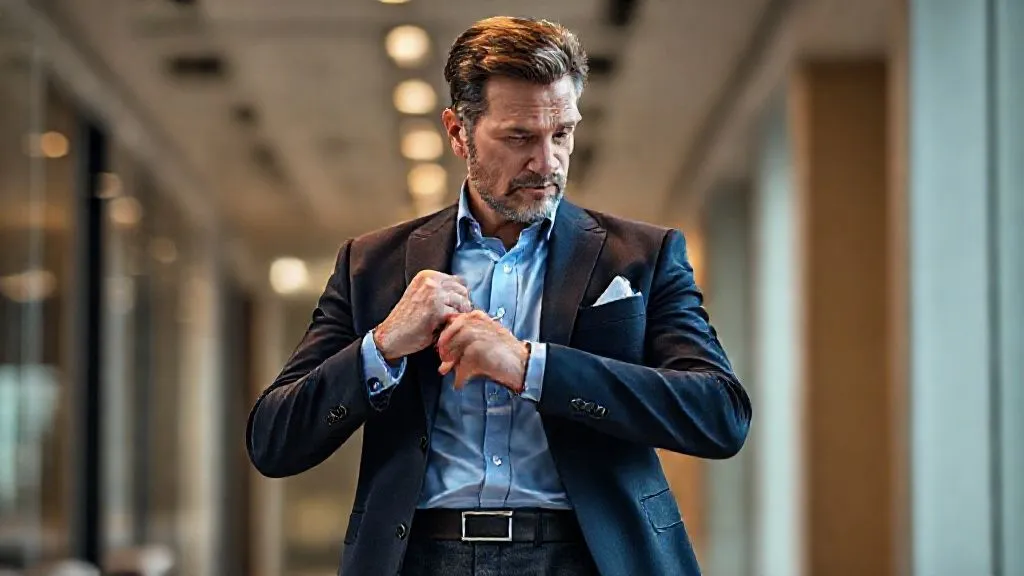


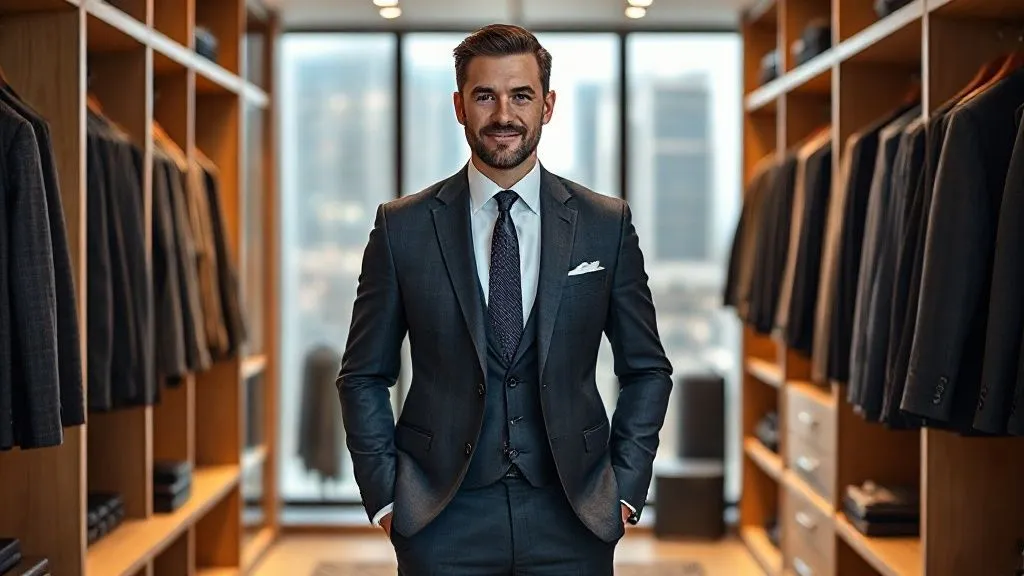
Your email address will not be published. Required fields are marked *