

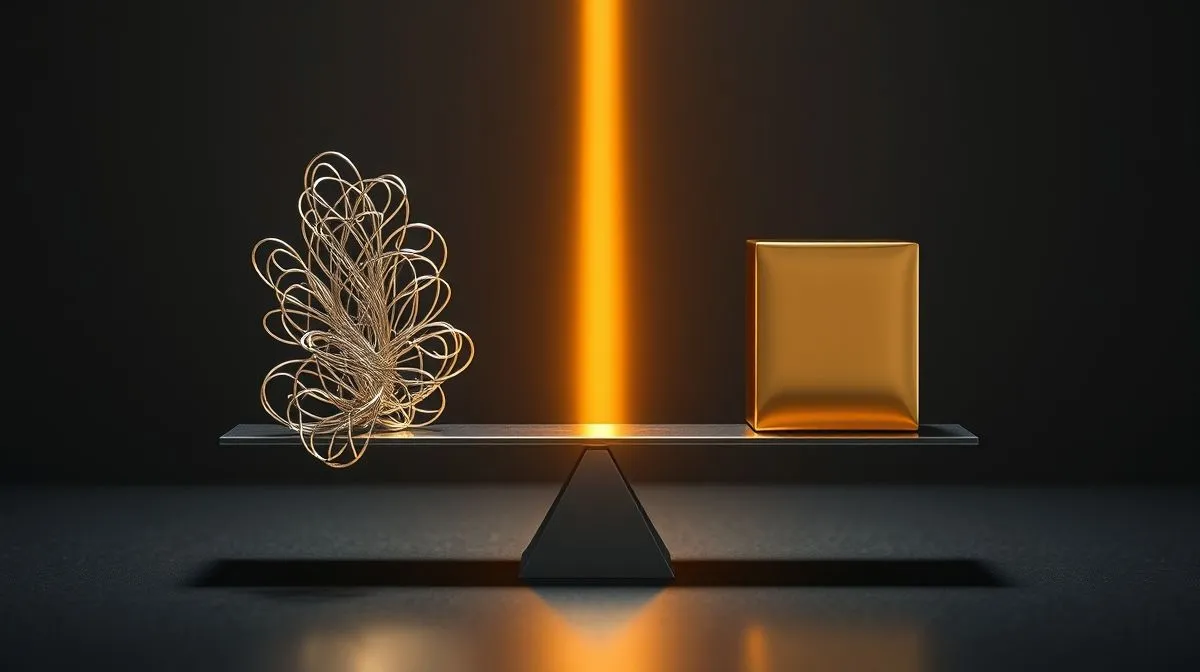
How to balance intricate jewelry design aesthetics with production costs?
In my fifteen years navigating the intricate world of jewelry design and production, I've observed that the most successful brands master a delicate equilibrium: how to fuse breathtaking aesthetics with economically viable manufacturing. This isn't just about cutting corners; it's about intelligent design and strategic production planning that starts long before the first piece is cast.
A fundamental step begins with material intelligence. It’s not simply choosing a less expensive metal, but understanding how material properties impact both design feasibility and production cost. For instance, creating hollow forms in gold can achieve a substantial look with less material, drastically reducing the raw material cost without sacrificing visual impact.
- Consider alternative alloys that offer similar aesthetics but superior workability or lower cost. Platinum, while premium, can be more challenging to work with than palladium white gold, impacting labor and specialized tooling.
- Employ selective gem setting. Instead of pavé covering an entire surface, use strategically placed stones to draw the eye, thereby reducing both stone and intensive setting labor costs.
Another powerful strategy lies in strategic simplification. Intricacy doesn't always equate to complexity in every single detail. A common mistake I see is over-designing elements that will be hidden or contribute minimally to the overall aesthetic impact, adding unnecessary production steps.
"True elegance often resides in what you choose to omit, not just what you include."
Can that filigree detail be simplified on the underside of a piece without losing its essence? Can the number of prongs be reduced from eight to four on a smaller stone without compromising security or brilliance? These choices, made early, accumulate into significant savings.
Embracing modular and repeatable design elements is a game-changer for consistency and cost efficiency. Designing components that can be reused across different pieces or within the same piece significantly reduces the need for bespoke tooling and complex setup times, especially in larger collections.
- Standardized clasps, jump rings, or even patterned segments can be mass-produced, then integrated into unique designs, allowing for intricate looks through efficient assembly.
- Developing a library of common design motifs or structural components allows for intricate looks to be achieved through assembly rather than entirely custom fabrication for each new item.
From the earliest concept, leveraging CAD/CAM optimization is paramount. Designing with manufacturing in mind from the outset can prevent costly re-designs and production hurdles. I always advise designers to think like a manufacturer when modeling, anticipating the casting, finishing, and setting processes.
For example, ensuring appropriate wall thicknesses for casting, incorporating draft angles for easier mold release, or minimizing complex support structures when designing for 3D printing can shave hours off post-processing and reduce material waste, directly impacting the final cost.
On the production side, the judicious application of advanced manufacturing technologies is key to bringing intricate designs to life cost-effectively. The era of purely manual fabrication for every detail is largely behind us for scalable, profitable production.
- 3D Printing (Additive Manufacturing): For highly complex geometries, undercuts, and organic forms, 3D printing wax or resin models (for casting) or even direct metal printing (DMLS/SLM) can be far more economical than traditional methods. It drastically reduces labor for initial shaping.
- Laser Welding: This precision technique allows for incredibly strong, clean joins on delicate components with minimal heat distortion, reducing finishing time and material loss compared to traditional soldering, which can be messy and labor-intensive.
- CNC Machining: For precise, repetitive components like bezels, settings, or intricate patterns on flat surfaces, CNC milling ensures accuracy and consistency at speeds impossible by hand, providing perfect repeatability.
Beyond technology, process streamlining in the workshop directly impacts the bottom line. The biggest cost driver in intricate jewelry is often the finishing labor – polishing, assembly, and stone setting. Minimizing these steps through thoughtful design and efficient workflow is critical.
Consider the sequence of operations: can stones be set before final polishing? Can components be polished in batches before assembly? These seemingly small decisions, when applied across a production run, add up to substantial labor savings.
Ultimately, achieving this balance is an iterative process fueled by collaboration. The dialogue between designer and production expert should begin early and continue throughout the development cycle. This isn't a linear handover; it's a dynamic partnership where both sides inform and influence the final product.
Regular prototyping and detailed cost analysis at each stage allow for adjustments based on real-world manufacturing insights. This proactive approach prevents costly surprises and ensures that aesthetic vision remains aligned with commercial viability.
"The most profitable intricate designs are born from a seamless conversation between the creative mind and the practical hand."
A common pitfall I've witnessed countless times is the failure to accurately estimate the true cost of finishing. A design might look stunning on paper or in CAD, but if it requires dozens of hours of painstaking hand-polishing in tiny crevices, or incredibly difficult stone setting due to inaccessible angles, its production cost will skyrocket, making it unsellable at a profitable margin.
Balancing intricate aesthetics with production costs is not about compromise; it’s about informed decision-making. It’s about understanding that every line, every curve, and every material choice carries a tangible cost, and that true design genius lies in creating beauty that is both captivating and commercially intelligent.
What materials offer a balance of aesthetics and affordability?
From my extensive time in the industry, one of the most critical decisions a designer faces when balancing intricate aesthetics with production costs lies squarely in material selection. It's not just about picking a cheaper alternative; it's about understanding the nuances of each material, its workability, and its market perception.A common mistake I see is designers immediately dismissing materials not traditionally associated with "fine jewelry." However, with clever design and strategic application, a wealth of options exist that can achieve a high-end look without the prohibitive cost of solid gold or platinum.
Let's delve into some key materials and strategies:“The true artistry in jewelry design isn't just about what you make, but how intelligently you leverage materials to bring that vision to life within a viable cost structure.”
-
Sterling Silver (925 Silver): This is often the first stop for designers seeking affordability without compromising on traditional precious metal aesthetics. It offers a beautiful luster, takes intricate detail exceptionally well, and is highly malleable. Its primary drawback, tarnish, can be mitigated by using alloys like Argentium Silver, which incorporates germanium for enhanced tarnish resistance and improved workability.
In my experience, elevating sterling silver involves techniques like rhodium plating for a bright, white, and tarnish-resistant finish, or selective oxidation to create dramatic contrast. For example, a heavily textured sterling silver piece, oxidized to highlight its depths and then polished on the high points, can achieve a sculptural presence that would be prohibitively expensive in gold.
-
Brass and Bronze: These copper alloys offer a warm, golden hue, making them excellent substitutes for gold in fashion or larger, sculptural pieces. They are significantly more affordable and take patinas beautifully, allowing for a vast range of finishes from antique to modern industrial. The challenge lies in their tendency to tarnish and, for some, cause skin discoloration (the "green finger" effect).
To overcome this, I've often advised clients to use clear protective coatings or plating. For instance, a substantial bronze pendant, carefully patinated and then clear-coated, can offer a powerful aesthetic statement that would be impossible to achieve at a commercial price point with precious metals.
-
Stainless Steel: For designs that lean towards modern, minimalist, or industrial aesthetics, stainless steel is an outstanding choice. It's incredibly durable, hypoallergenic, and offers a sleek, contemporary look. While its hardness makes it more challenging to work with – often requiring specialized tools for cutting, forming, and polishing – its low cost and high strength are undeniable advantages.
Consider its application in men's jewelry or bold, architectural pieces. A meticulously polished stainless steel bracelet can convey strength and sophistication that rivals more expensive metals, especially when paired with innovative design.
-
Titanium and Tungsten: These "alternative metals" have carved out a significant niche, particularly in men's jewelry and contemporary designs. Titanium is incredibly lightweight, hypoallergenic, and can be anodized to produce a stunning array of iridescent colors. Tungsten is known for its extreme hardness and scratch resistance, offering a weighty, luxurious feel that's virtually indestructible.
While fabrication is complex, often involving CNC machining or laser cutting rather than traditional bench work, their unique properties and modern appeal allow designers to create distinctive pieces that stand apart. They offer a perceived value that often exceeds their material cost, especially for consumers seeking durability and a contemporary edge.
-
Strategic Plating and Vermeil: This is where savvy design truly shines. Instead of solid precious metals, using a base metal like sterling silver or brass and applying a substantial layer of gold or rhodium plating can deliver the desired aesthetic at a fraction of the cost. Gold Vermeil, specifically, refers to a thick layer of gold (at least 2.5 microns, 10K gold minimum) plated over sterling silver, offering a more durable and higher-quality finish than standard gold plating.
The key here is transparency with your customers and ensuring the plating quality is high. A well-executed gold vermeil piece can command a premium price point, bridging the gap between fashion and fine jewelry, and allowing for designs that would be cost-prohibitive in solid gold.
-
Lab-Grown Gemstones and High-Quality Synthetics: The world of gemstones offers immense potential for cost-saving without sacrificing brilliance or color. Lab-grown diamonds, sapphires, rubies, and emeralds are chemically, physically, and optically identical to their mined counterparts but come at a significantly lower price point. For designers, this means larger, higher-quality stones can be incorporated into designs, enhancing perceived value.
Furthermore, high-quality synthetics like cubic zirconia (CZ), especially when cut and polished expertly, can provide incredible sparkle for accent stones or even larger statement pieces, dramatically reducing the overall material cost. The trick is to pair these with well-designed settings and quality metals to elevate their appearance.
Ultimately, balancing aesthetics and affordability is an exercise in informed decision-making. It requires a deep understanding of material properties, fabrication techniques, and market perception. By thoughtfully combining these materials and applying intelligent design principles, you can create intricate, desirable jewelry that resonates with your target audience and remains profitable.
How do I communicate cost constraints to my jewelry design team?
Communicating cost constraints to a jewelry design team is less about imposing limits and more about providing a crucial framework for innovation. In my experience, this dialogue is one of the most vital yet often mishandled aspects of profitability in our industry.
It's not simply about saving money; it’s about ensuring designs are commercially viable and align with the brand’s target market and price point. Without clear cost parameters, even the most exquisite designs can become unproduceable or unsellable.
The most effective approach is to integrate cost considerations from the absolute outset of the design process, not as an afterthought. This proactive strategy prevents wasted effort on concepts that are fundamentally beyond budget.
- Establish a Clear Cost-Per-Piece Target: Provide your team with a clear, actionable Cost of Goods Sold (COGS) target or a percentage of the retail price that the design's production cost should not exceed. This isn't a suggestion; it's a design parameter, akin to stone size or metal type.
- Educate on Cost Drivers: Don't just state a budget; explain why certain elements are expensive. Conduct workshops on material market fluctuations, the labor involved in specific setting techniques, or the impact of casting versus fabrication. For instance, explaining that a complex pave setting can incur significantly higher labor costs than a bezel setting can immediately inform design choices.
- Provide Material and Component Libraries with Cost Data: Create a curated library of approved materials, stones, and components, each tagged with its unit cost. This empowers designers to make informed choices in real-time, understanding the financial implications of selecting a 2mm VS diamond versus a 2mm lab-grown sapphire.
- Foster a Collaborative Brainstorming Environment: Frame cost constraints as a creative challenge. Hold regular brainstorming sessions where designers, production managers, and even sales representatives discuss how to achieve desired aesthetics within budget. This collective intelligence often uncovers innovative solutions that a single designer might miss.
- Implement Regular Cost Reviews During Prototyping: Integrate cost analysis at every stage of prototyping. After the initial CAD or wax model, conduct a preliminary cost assessment. This allows for early adjustments, such as optimizing metal weight or simplifying a complex component before significant resources are committed.
"True design mastery isn't just about creating beauty; it's about creating beauty within the parameters of reality. Cost is one of the most influential realities in jewelry."
A common mistake I see is a lack of transparency or, worse, an adversarial approach. When cost constraints are sprung on a team late in the game, or presented as a punitive measure, it stifles creativity and fosters resentment rather than collaboration.
The language you use is paramount. Frame cost challenges as opportunities for ingenious problem-solving. Instead of saying, "This is too expensive, redesign it," try, "How can we achieve this captivating effect while optimizing our material and labor costs to hit our target price point?"
Ultimately, a well-communicated cost strategy transforms what could be a limiting factor into a catalyst for smarter, more market-aligned design. It’s about building a team that understands the full ecosystem of jewelry creation, from initial sketch to final sale.
Reading Recommendations:
- Unlock Loyalty: How to Build a Thriving Fashion Blog Reader Community
- 7 Proven Ways to Diversify Your Fashion Blog Income Beyond Ads & Affiliates
- Fashion's Power: How Does It Empower Women at Work?
- 7 Proven Strategies: Attracting Luxury Buyers for Bespoke Footwear?
- The Ultimate Guide: How to Prevent Cashmere Scarf Pilling Issues Forever
Key Points and Final Thoughts
Having navigated this intricate industry for over fifteen years, I can definitively say that the pursuit of both breathtaking design and robust profitability is not a paradox, but a delicate, achievable dance. It requires a mindset shift from viewing production as a post-design headache to integrating it as a core component of the creative process itself. From my vantage point, a common pitfall is the isolation of design from manufacturing realities. True mastery lies in understanding that every curve, every setting, and every material choice carries a direct implication for cost and efficiency. This holistic perspective is where the real competitive advantage is forged. **Strategic Design Choices Are Paramount** In my experience, the most successful brands embed **Design for Manufacturability (DFM)** principles from the very first sketch. This isn't about stifling creativity; it's about channeling it towards solutions that are elegant *and* economically viable. Think about how a specific stone setting, while visually stunning, might require triple the labor compared to an equally attractive, but more efficient, alternative. * **Modular Design:** Consider creating components that can be reused across multiple collections. This allows for economies of scale in production and reduces the need for constant re-tooling. I've seen brands significantly cut costs by designing a versatile clasp or bezel that works for various pieces. * **Material Optimization:** Explore alternative materials or gauges that offer similar aesthetic appeal but at a lower cost or with easier workability. Sometimes, a slight reduction in material thickness, if structurally sound, can lead to substantial savings over thousands of units. * **Process-Aware Detailing:** Design with the end manufacturing process in mind. If you're using CAD/CAM, are your details optimized for CNC milling or 3D printing? Are there undercuts that will complicate casting or require excessive hand-finishing? I often advise clients to think beyond the initial material cost. The true cost of a design often lies in the **labor hours required for finishing, assembly, and quality control**. A design that looks simple can hide complex manufacturing challenges that inflate production expenses dramatically. **Leveraging Technology and Partnerships** The modern jewelry landscape offers incredible tools. **CAD/CAM software** is not just for rendering; it's a powerful tool for testing manufacturability, optimizing material usage, and generating precise production files that reduce human error. Similarly, **3D printing** for prototyping allows for rapid, cost-effective iteration before committing to expensive metal molds. Furthermore, cultivating strong relationships with your manufacturers and suppliers is non-negotiable. They are your partners in bringing your vision to life. Open communication about design intent versus production feasibility can prevent costly mistakes and uncover more efficient solutions."Profitability in intricate jewelry design isn't about cutting corners; it's about designing smarter, producing wiser, and understanding the profound connection between artistry and the bottom line."Ultimately, the definition of 'intricate' itself warrants reflection. It doesn't always mean complex or expensive. Sometimes, **true intricacy lies in cleverness, precision, and the masterful execution of a seemingly simple idea**. A perfect pavé setting on a delicate band can be more intricate in its execution than a bulky, multi-stone piece. It’s about perceived value and the story you tell, not just material weight. Embrace the constraints as creative challenges, not limitations. By integrating production considerations from concept to creation, you're not just designing beautiful jewelry; you're building a sustainable, profitable legacy. The most enduring brands are those that master this equilibrium, turning ambitious designs into commercial triumphs.

Your email address will not be published. Required fields are marked *