

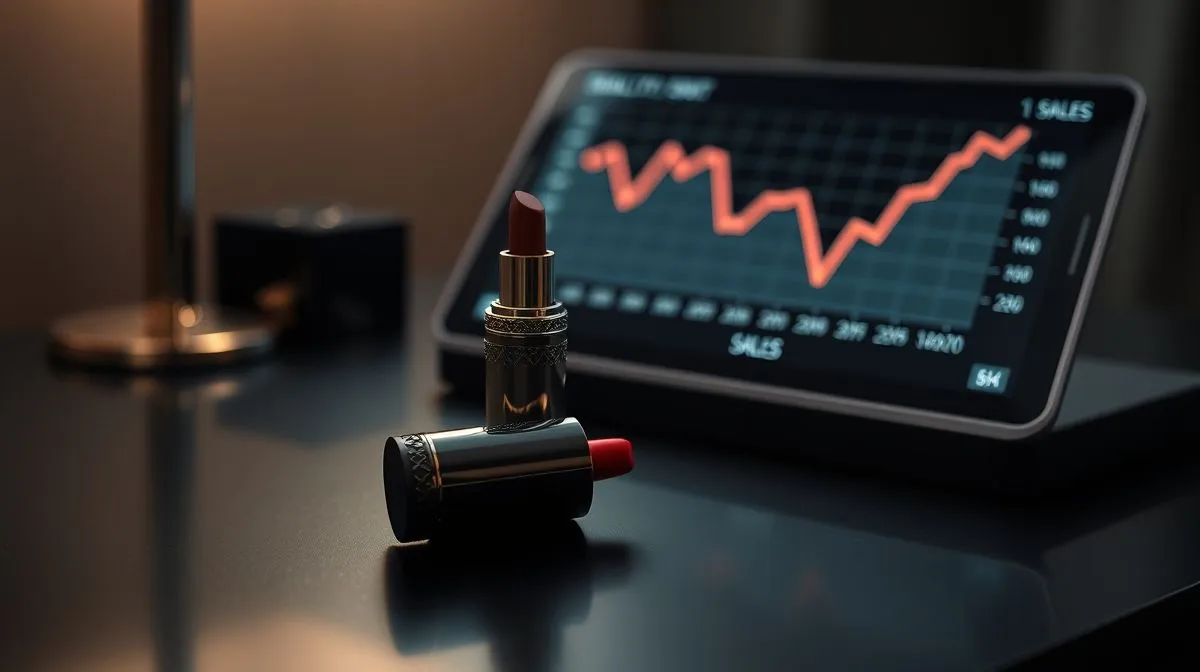
Why Aren't My Beauty Influencer Campaigns Converting Sales?
For over 15 years in the beauty fashion industry, I've witnessed countless brands pour significant resources, time, and creative energy into influencer campaigns, only to be met with a frustrating silence on the sales front. It's a common scenario: you’ve secured partnerships with top-tier beauty influencers, their content looks stunning, engagement metrics are through the roof, yet your sales dashboard remains stubbornly flat. This isn't just a missed opportunity; it's a drain on your marketing budget and a source of profound frustration.
You're not alone in asking: Why aren't my beauty influencer campaigns converting sales? The answer is rarely simple, stemming from a complex interplay of strategy, execution, and often, fundamental misunderstandings of consumer behavior in the digital age. It's not always about the influencer's reach, but rather the depth of their influence and the journey you're guiding their audience on.
In this definitive guide, I'll peel back the layers on why your beauty influencer campaigns aren't converting sales, offering you the actionable strategies, frameworks, and expert insights I've honed over years in the trenches. We'll move beyond vanity metrics and delve into the critical factors that truly drive sales, helping you transform your influencer collaborations from costly experiments into powerful revenue generators.
Understanding the Disconnect: Beyond Vanity Metrics
One of the most pervasive pitfalls I see brands fall into is an overreliance on vanity metrics. Likes, comments, and follower counts are certainly appealing, providing an immediate ego boost and a sense of progress. However, they tell you very little about actual business outcomes.
The Allure of Likes vs. The Reality of Revenue
It's easy to get caught up in the excitement of an influencer post racking up thousands of likes. But a high engagement rate doesn't automatically translate into high sales. This is a critical distinction that many beauty brands miss when trying to understand why their beauty influencer campaigns aren't converting sales.
As Forbes often highlights, true success in influencer marketing is measured by quantifiable impact on your bottom line. Are people clicking through? Are they adding to cart? Are they completing purchases? These are the questions that truly matter.
Expert Insight: "A beautifully crafted influencer post with millions of views is a work of art, but if it doesn't move product, it's a marketing expense, not an investment. Shift your focus from impression counts to conversion pathways."
To really measure impact, you need to go beyond the surface. Implement tracking links, unique discount codes, and dedicated landing pages for each campaign. This allows you to attribute sales directly to the influencer’s efforts, providing real data points instead of assumptions.
Mismatched Influencer-Audience-Brand Fit
This is arguably the most fundamental flaw I encounter. Many brands prioritize an influencer's follower count over their genuine resonance with the brand's values and target audience. A large following is useless if that audience isn't interested in what you're selling, or worse, if they don't trust the influencer's promotion of your brand.
Authenticity Over Reach
Authenticity is the bedrock of effective influencer marketing, especially in the beauty space. Consumers are savvy; they can spot a forced or inauthentic endorsement from a mile away. If an influencer's usual content is about high-fashion luxury and they suddenly start promoting an affordable skincare line without a compelling reason, their audience will notice the disconnect.
When selecting influencers, go beyond the numbers. Ask yourself:
- Do their audience demographics align with your ideal customer? This includes age, interests, purchasing power, and even geographic location.
- Is their content style consistent with your brand's aesthetic and message? A gritty, raw content creator might not be the best fit for a luxury, minimalist beauty brand.
- Do they genuinely use and love your products, or similar products? Look for signs of pre-existing affinity or a clear reason for them to be interested in your brand.
- What is their engagement quality, not just quantity? Are comments thoughtful and engaged, or just spam?
- Do their values align with your brand values? This is increasingly important for consumer trust.
Building genuine, long-term relationships with influencers who truly resonate with your brand will yield far better results than one-off transactions with creators chosen purely for their follower count. This deep alignment helps explain why your beauty influencer campaigns aren't converting sales if it's missing.
Lack of Clear Call-to-Action (CTA) and Conversion Path
Even if you have the perfect influencer and the ideal audience, a muddled or non-existent call-to-action (CTA) will leave your potential customers confused and unwilling to take the next step. It's like inviting someone to a party but not giving them the address.
Guiding Your Audience from Interest to Purchase
An effective CTA doesn't just tell someone to "Shop now." It provides a clear, compelling reason and a straightforward path to do so. In beauty, this might involve demonstrating a specific product benefit or solving a common pain point.
Consider these elements for a powerful CTA:
- Specificity: Instead of "Link in bio," try "Click the link in bio to get 20% off your first XYZ serum!"
- Urgency/Scarcity (used sparingly): "Limited stock available!" or "Offer ends Sunday!"
- Benefit-oriented: "Discover the secret to glowing skin" or "Say goodbye to breakouts."
- Clear Next Step: "Shop the collection," "Grab yours today," "Learn more."
Beyond the CTA, the conversion path itself must be frictionless. I've seen countless campaigns fail because the link led to a generic homepage, or the product was difficult to find, or the mobile checkout process was clunky.
- Dedicated Landing Pages: Create a specific landing page for each campaign that features the promoted product prominently, reiterates the offer, and has a clear "Add to Cart" button.
- Seamless Mobile Experience: Ensure your website is fully optimized for mobile. Most influencer content is consumed on phones, and a clunky mobile experience will kill conversions.
- Minimal Clicks: Reduce the number of clicks required from the influencer post to the final purchase. Every extra click introduces friction and drop-off.
- Discount Codes: If offering a code, ensure it's easy to remember, apply, and clearly visible during checkout.
Insufficient Trust and Authenticity in Content
In the beauty industry, trust is paramount. Consumers are increasingly skeptical of overly polished, obviously sponsored content that lacks genuine emotion or real-world application. If the influencer's content feels like a paid advertisement rather than a genuine recommendation, it will fail to convert.
The Power of Realism and Relatability
People buy from people they trust. This trust is built on authenticity, transparency, and relatability. If your influencer content is too perfect, too staged, or too salesy, it erodes that trust. Consumers want to see real results on real skin, hear genuine reactions, and feel like the influencer genuinely believes in the product.
Expert Insight: "In beauty, it's not just about what a product does, but how it makes someone feel. Authenticity in influencer content translates that feeling, building the emotional connection necessary for a sale."
Encourage influencers to create content that feels organic to their feed. This could include:
- Before & Afters: Genuine, unedited before-and-after photos or videos.
- Routine Integration: Showing how the product fits into their daily beauty routine.
- Live Demos/Tutorials: Applying the product in real-time, showcasing textures, scents, and efficacy.
- Personal Stories: Sharing a personal struggle the product helped them overcome.
- User-Generated Content (UGC) Style: Content that looks less like a professional ad and more like a friend's recommendation.
Case Study: How 'Glow Beauty Co.' Boosted Conversions with Authenticity
Glow Beauty Co., a burgeoning clean skincare brand, initially struggled with low conversion rates despite partnering with macro-influencers. Their campaigns featured high-production value studio shoots, but sales remained stagnant. Realizing their beauty influencer campaigns weren't converting sales due to a lack of genuine connection, they pivoted their strategy.
They shifted focus to partnering with a diverse group of mid-tier and micro-influencers, giving them creative freedom to integrate products into their daily lives and routines. Instead of scripted lines, they encouraged raw, honest reviews and demonstrations. One influencer, known for her 'no-makeup makeup' look, shared her journey using Glow Beauty Co.'s tinted moisturizer to achieve a natural glow, showcasing the product in various lighting conditions throughout her day.
This shift to authentic, UGC-style content resonated deeply with their audience. Within three months, Glow Beauty Co. saw a 45% increase in conversion rates directly attributable to these influencer campaigns, alongside a significant boost in brand mentions and positive sentiment. Their success was a clear testament to the power of trust over polish.
Ignoring the Full Customer Journey and Follow-Up
An influencer post is often just the first touchpoint in a much longer customer journey. Many brands make the mistake of treating it as the only touchpoint, expecting an immediate sale. If your beauty influencer campaigns aren't converting sales, it might be because you're abandoning the customer too early.
Nurturing Leads Beyond the Initial Click
Consumers rarely buy on the first exposure, especially for beauty products that require consideration. Your strategy must encompass what happens *after* the initial click or view. As Harvard Business Review emphasizes, understanding the full customer journey is crucial for modern marketing.
Think about how you can nurture that initial interest into a conversion:
- Retargeting Campaigns: Serve ads to users who clicked on influencer links but didn't purchase. Segment these audiences based on their engagement (e.g., visited product page, added to cart).
- Email Marketing: If you capture emails (e.g., through a pop-up on the landing page offering a discount), initiate a targeted email sequence. This could include product benefits, reviews, and usage tips.
- Social Media Nurturing: Continue to engage with interested users on social platforms. Run polls, Q&As, and showcase more user-generated content featuring the product.
- Educational Content: Provide blog posts or videos that delve deeper into the ingredients, benefits, or science behind your beauty products, building confidence and addressing potential concerns.
The goal is to stay top-of-mind and provide additional value that moves the potential customer closer to a purchase decision. This multi-touch approach is far more effective than relying on a single influencer post to do all the heavy lifting.
Flawed Measurement and Attribution Models
You can't fix what you don't measure, and you can't measure effectively if your tools and models are flawed. Many brands struggle with why their beauty influencer campaigns aren't converting sales because they lack robust attribution systems to track the true impact of their efforts.
Tracking True ROI: Beyond Last-Click Attribution
Traditional last-click attribution models, where the last touchpoint before a sale gets all the credit, severely undervalue influencer marketing. Influencers often play a crucial role earlier in the funnel, driving awareness and consideration, even if another channel (like a paid search ad) gets the final click.
To gain a more accurate picture:
- Utilize Unique UTM Parameters: For every influencer link, create specific UTM tags that identify the campaign, source (influencer), and content. This allows Google Analytics (or similar tools) to track the entire user journey.
- Implement Unique Discount Codes: Assign a distinct discount code to each influencer. This is a straightforward way to attribute direct sales.
- Explore Multi-Touch Attribution Models: Move beyond last-click. Consider linear, time decay, or position-based models that give credit to all touchpoints in the customer journey.
- Track Brand Lift: While harder to quantify directly, measure increases in brand searches, direct website traffic, and social media mentions during and after campaigns. This indicates increased brand awareness and interest.
- Survey Customers: Ask customers at checkout or in post-purchase surveys: "How did you hear about us?" This qualitative data can provide valuable insights into influencer impact.
By combining quantitative data from tracking tools with qualitative insights, you can paint a much clearer picture of how influencers contribute to your sales funnel, even if they aren't always the very last click.
Product-Market Fit and Offer Irrelevance
Sometimes, the problem isn't the influencer, the strategy, or the tracking. It's the product itself, or the way it's being positioned. If your beauty influencer campaigns aren't converting sales, it’s crucial to honestly assess if your product genuinely resonates with the audience you're targeting, and if your offer is compelling.
Is Your Product Truly Resonating with the Target Audience?
Even the best marketing can't sell a product that doesn't meet a genuine need or desire in the market. In the saturated beauty industry, product-market fit is more critical than ever.
- Market Research: Have you thoroughly researched your target audience's pain points, desires, and existing beauty routines? Does your product solve a problem or enhance an experience for them?
- Competitor Analysis: How does your product stack up against competitors? What's your unique selling proposition (USP)? Is it clearly articulated?
- Price Point: Is your pricing aligned with your target audience's perceived value and purchasing power? A luxury product won't convert if marketed to a budget-conscious audience, and vice-versa.
- Product Quality & Reviews: Are your existing customer reviews positive? Does the product deliver on its promises? Negative reviews or a lack of social proof can hinder conversions, regardless of influencer efforts.
- Offer Compelling: Beyond the product, is the *offer* compelling? Is it just a single product, or is there a bundle, a limited edition, or a clear value proposition that makes it irresistible?
If you've exhausted all other avenues and your beauty influencer campaigns still aren't converting sales, it might be time for an honest internal audit of your product and its market positioning. Sometimes, a slight tweak to the product, its packaging, or its perceived benefit can unlock sales.
Poor Campaign Briefing and Creative Control
Influencers are creative professionals, but they need clear guidance. A vague or overly restrictive brief can stifle creativity, lead to off-brand content, or result in posts that simply don't align with your conversion goals. This is a common, yet often overlooked, reason why your beauty influencer campaigns aren't converting sales.
Empowering Influencers While Maintaining Brand Integrity
The sweet spot lies in providing a comprehensive brief that outlines your objectives, key messages, and non-negotiables, while still allowing the influencer ample creative freedom to produce content that resonates with their audience naturally. Remember, they know their audience best.
A strong campaign brief should include:
- Clear Campaign Objectives: Is it brand awareness, traffic, or direct sales? Be specific about what you want to achieve.
- Key Message Points: What are the 2-3 most important things you want the audience to take away about your product?
- Product Focus: Which specific product(s) should be featured? Provide detailed information about their benefits, ingredients, and usage.
- Target Audience Profile: Help the influencer understand who they are speaking to.
- Mandatory CTAs & Links: Provide the exact links and any discount codes. Specify how and where the CTA should be placed (e.g., swipe-up link, link in bio, in-feed caption).
- Brand Guidelines (Visual & Tone): Provide examples of your brand's aesthetic, color palette, and desired tone. What should be avoided?
- Content Examples (Do's & Don'ts): Show examples of content you love and content that wouldn't fit.
- Usage Rights & Deliverables: Clearly outline what content you expect, when it's due, and how you can use it.
- Compensation & Payment Terms: Clear and transparent.
Avoid micromanaging. Once the brief is provided, trust your chosen influencer. Empower them to integrate your product into their unique content style. Their audience follows them for *their* voice and perspective, not yours. When influencers feel stifled, their content often loses its authenticity and, consequently, its ability to drive sales.
Frequently Asked Questions (FAQ)
Question: How do I know if an influencer is truly authentic and not just buying followers or engagement? Detailed answer: Beyond basic follower counts, look at their engagement rate (likes + comments / followers). A healthy rate is typically 2-5%. Check comment quality – are they generic or specific? Use influencer auditing tools that can detect bot followers and engagement pods. Most importantly, manually review their content over time to see if their audience genuinely interacts with them and if their niche aligns consistently.
Question: What's the ideal budget split for beauty influencer campaigns between payment and product seeding? Detailed answer: This varies widely based on influencer tier and campaign goals. For sales-focused campaigns, performance-based compensation (commissions on sales) combined with product gifting and a smaller base fee often works well. For brand awareness, a higher base fee might be necessary. Generally, expect to pay more for direct content creation and less for simple product reviews. There's no fixed split, but ensure compensation motivates them to drive sales, not just create content.
Question: How long should I run a campaign before evaluating results and making changes? Detailed answer: Give a campaign at least 2-4 weeks to gather sufficient data, especially for beauty products where purchase decisions can be considered. For evergreen content (like YouTube videos), the impact can be long-tail. Short-term campaigns (e.g., a 24-hour Instagram story) can be evaluated quicker, but still consider the follow-up period. Look for trends, not just immediate spikes, and be prepared to iterate based on initial data.
Question: Should I focus on micro-influencers or macro-influencers for sales conversions in beauty? Detailed answer: For direct sales conversions, micro-influencers (typically 10k-100k followers) often outperform macro-influencers (100k+). Micro-influencers tend to have more niche, engaged, and trusting audiences, leading to higher conversion rates due to their perceived authenticity and relatability. Macro-influencers are excellent for broad awareness and reach, but their large audiences can be less cohesive and harder to convert directly. A balanced strategy often includes both: macro for top-of-funnel awareness, micro for middle-to-bottom-funnel conversion.
Question: What if my product is genuinely good and has positive reviews, but still not converting through influencers? Detailed answer: If product quality isn't the issue, re-evaluate your campaign strategy from every angle. Is the offer compelling enough? Is the conversion path seamless? Are your CTAs clear? Is the influencer's audience truly a good fit for the product? Are you nurturing leads beyond the initial post? It might also be a messaging problem – perhaps the key benefit that resonates with your existing customers isn't being effectively communicated by the influencer, or the campaign isn't addressing the specific problem your product solves for that audience.
Recommended Reading
- Stop Struggling: 6 Steps to Scale Apparel Repair Profitably
- Unlock Your Best Look: Discover the Most Flattering Classic Vintage Silhouettes
- The Ultimate Guide: How to Get Your Fashion Photos Published in Top Magazines
- Unlock the Secrets: How to Care for Delicate Antique Pearl Jewelry
- 7 Proven Strategies to Boost Handmade Hair Accessory Profit Margins
Key Takeaways and Final Thoughts
The frustration of seeing high engagement but low sales from your beauty influencer campaigns is a common, yet solvable, challenge. As we've explored, the solution lies in moving beyond superficial metrics and adopting a holistic, strategic approach that prioritizes authenticity, clear pathways, and robust measurement.
- Prioritize Authenticity & Fit: Don't chase follower counts; seek genuine alignment between the influencer, their audience, and your brand's values. Authenticity builds trust, and trust drives sales.
- Define Clear Conversion Paths: Guide your audience from interest to purchase with specific, benefit-driven calls-to-action and a frictionless journey from click to checkout.
- Nurture the Customer Journey: Influencer content is often just the beginning. Implement retargeting, email sequences, and other follow-up strategies to convert interested leads.
- Measure Beyond Vanity Metrics: Invest in robust attribution models, unique codes, and UTM tracking to accurately assess true ROI, not just likes and comments.
- Optimize Your Offer & Brief: Ensure your product genuinely meets market needs and that your campaign briefs empower influencers while maintaining brand integrity.
Remember, influencer marketing is not a magic bullet; it's a powerful component of a well-orchestrated digital strategy. By addressing these critical areas, you can transform your beauty influencer campaigns from expensive experiments into highly effective sales engines, unlocking the true potential of your brand in the competitive beauty fashion landscape. Keep learning, keep testing, and watch your conversions soar.


Your email address will not be published. Required fields are marked *