

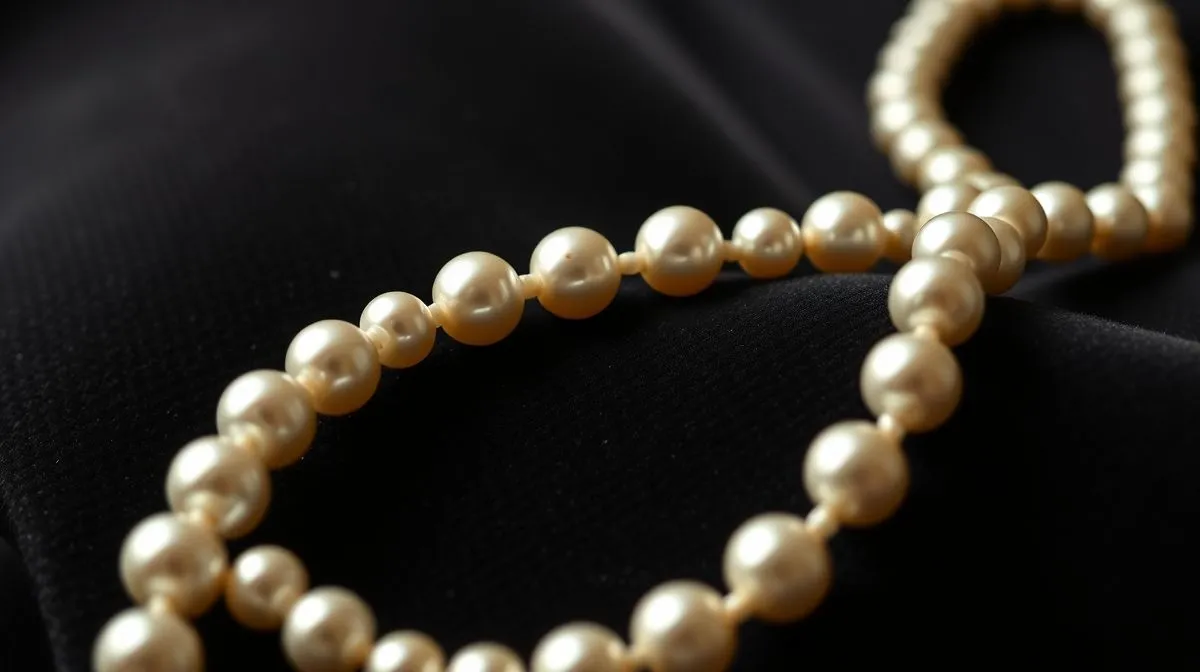
Preserving Timeless Beauty: How to Care for Delicate Antique Pearl Jewelry
Imagine holding a piece of history in your hands: a strand of lustrous pearls, perhaps worn by a great-grandmother at a grand ball, or a delicate brooch passed down through generations. These aren't just accessories; they are tangible links to the past, imbued with stories and sentiment. Each pearl, with its unique glow, holds the whispers of time, making antique pearl jewelry an extraordinary treasure.
Yet, the very qualities that make pearls so captivating – their organic nature and delicate beauty – also make them incredibly vulnerable. Unlike hard gemstones, pearls are susceptible to damage from everyday elements, chemicals, and even improper handling. Many owners of these precious heirlooms face the daunting question: how do I ensure their longevity without inadvertently causing harm?
This comprehensive guide is your definitive resource. We will demystify the intricacies of pearl care, providing you with expert, actionable advice on everything from understanding their unique composition to mastering gentle cleaning techniques, optimal storage solutions, and knowing when to seek professional intervention. By the end of this reading, you will be equipped with the knowledge to preserve the exquisite beauty and historical integrity of your delicate antique pearl jewelry for generations to come.
Understanding Your Pearls: More Than Just a Gemstone
To truly understand how to care for delicate antique pearl jewelry, one must first appreciate their unique biological origin. Pearls are not minerals mined from the earth; they are organic gemstones, formed within the soft tissue of living mollusks.
Organic Origins and Composition
A pearl begins its life when an irritant, such as a parasite or a piece of shell, enters a mollusk. As a defense mechanism, the mollusk secretes layers of a crystalline substance called nacre around the irritant. This nacre is composed primarily of calcium carbonate (aragonite or calcite) in microscopic crystalline form, bound together by a protein called conchiolin. It is these countless, microscopic layers of nacre that give pearls their characteristic iridescent luster, known as orient.
Unlike diamonds or sapphires, which are incredibly hard and durable, pearls are relatively soft. On the Mohs scale of mineral hardness, pearls typically rank between 2.5 and 4.5. This makes them significantly more prone to scratching, abrasion, and chemical degradation than most other gemstones. Their porous nature also means they can absorb substances they come into contact with, making them particularly vulnerable to harsh chemicals and even natural body oils over time.
The Nacre Layers and Their Vulnerability
The beauty of a pearl lies in its nacre, but this very structure is also its Achilles' heel. Each layer of nacre is incredibly thin, and continuous exposure to acidic substances or abrasive materials can erode these layers, leading to a dulling of the pearl's luster or even visible damage. Antique pearls, having potentially endured decades or even centuries of exposure, are even more delicate. Their nacre might be thinner, more brittle, or compromised by past improper care, necessitating an even gentler approach to their preservation. Understanding this fundamental fragility is the cornerstone of effective pearl care.
The Enemies of Pearl Perfection: What to Avoid
Knowing what harms your pearls is as crucial as knowing how to clean them. Many common household items and daily habits can irreversibly damage the delicate nacre of antique pearls.
Acids, Chemicals, and Cosmetics
The greatest adversaries of pearls are acids and chemicals. Because pearls are primarily calcium carbonate, they react readily with acidic substances, causing the nacre to dissolve or etch, leading to a dull, chalky appearance. This includes, but is not limited to:
- Perfumes, hairsprays, and lotions: These common beauty products contain alcohols, acids, and other chemicals that can severely damage pearl luster.
- Household cleaners: Ammonia-based cleaners, bleach, and even mild dish soaps not formulated for delicate jewelry can strip the nacre.
- Body oils and perspiration: While natural, prolonged exposure to the mild acids in skin oils and sweat can gradually dull pearls over many years if not properly cleaned after wear.
- Vinegar and lemon juice: Often suggested for cleaning other items, these are highly acidic and catastrophic for pearls.
Always remember the rule: "Last On, First Off." Apply all cosmetics, perfumes, and hairsprays before putting on your pearl jewelry, and remove your pearls before applying or removing makeup at the end of the day. This simple habit minimizes exposure to harmful substances.
Extreme Temperatures and Humidity
Pearls are organic, and like all organic materials, they are sensitive to environmental fluctuations. Extreme heat can cause pearls to dehydrate, leading to cracking or crazing of the nacre. Conversely, overly humid environments can promote the growth of mildew or weaken the silk thread of a necklace.
Storing pearls near heat sources, in direct sunlight, or in extremely dry conditions (like a safe with a dehumidifier meant for papers) can be detrimental. The ideal environment for pearls is a stable, moderate temperature with a slight amount of humidity, allowing the nacre to retain its natural moisture.
Abrasions and Physical Damage
Given their relative softness, pearls are highly susceptible to scratches and abrasions. Even seemingly soft materials can damage them over time. Storing pearls alongside harder gemstones (like diamonds or sapphires) or metal jewelry is a common mistake that leads to surface scratches and dulling. The silk thread of necklaces and bracelets can also fray or break if subjected to undue tension or rubbing against sharp edges.
Be mindful when wearing pearls; avoid activities that might cause them to strike against hard surfaces. Even the simple act of placing them directly on a wooden table or a rough counter can cause microscopic damage over time, diminishing their legendary glow.
The Art of Gentle Cleaning: Best Practices for Antique Pearls
Proper cleaning is paramount for preserving the luster of your antique pearls. The key word here is gentle. Aggressive cleaning methods or harsh chemicals will do more harm than good.
The Soft Cloth Method
The most fundamental and frequent cleaning method involves simply wiping your pearls with a soft, clean, lint-free cloth after every wear. This removes body oils, perspiration, and any residue from cosmetics or perfumes before they have a chance to affect the nacre. A microfiber cloth or a piece of chamois leather works perfectly for this purpose. This simple habit is the single most effective way to maintain the luster of your pearls and is crucial for how to care for delicate antique pearl jewelry on a daily basis.
Mild Soap Solutions (and when to avoid)
For pearls that appear dull or slightly soiled beyond what a dry cloth can handle, a very mild cleaning solution can be used, but with extreme caution. Under no circumstances should you use commercial jewelry cleaners, ultrasonic cleaners, or steam cleaners, as these will severely damage pearls.
Here’s the safest approach for occasional, deeper cleaning:
- Fill a small bowl with lukewarm distilled water.
- Add one or two drops of an extremely mild, pH-neutral soap (e.g., pure castile soap or baby shampoo). Avoid soaps with detergents, harsh chemicals, or moisturizing agents.
- Dip a soft, clean cloth into the solution, wring it out thoroughly so it is only damp, not dripping.
- Gently wipe each pearl. Do not submerge an entire strand, especially if it’s strung on silk, as this can weaken the thread and make it prone to stretching or mildew.
- Use a second cloth, dampened with plain distilled water (and again, thoroughly wrung out), to wipe off any soap residue.
This method should be used sparingly, perhaps once or twice a year, or only when pearls are visibly soiled. For detailed advice on pearl cleaning, the Gemological Institute of America (GIA) offers excellent resources on pearl care and cleaning.
Drying and Polishing Techniques
After a damp cleaning, it is absolutely critical to allow your pearls to air dry completely before storing them. Lay them flat on a soft, absorbent towel. Do not hang a necklace to dry, as the weight of the pearls can stretch the silk thread. Once thoroughly dry, give them a final gentle buff with a dry, soft cloth to restore their natural luster. Never use abrasive polishing cloths or chemical polishes, which can strip the nacre.
Storing Your Treasures: Creating the Ideal Environment
Proper storage is a cornerstone of preserving the beauty and integrity of your antique pearl jewelry. The wrong environment can lead to dehydration, abrasion, or chemical degradation.
Individual Pouches and Compartments
Pearls should always be stored separately from other jewelry. Their relative softness means they can be easily scratched by harder gemstones or metal settings. The ideal storage solution is a soft pouch made of silk, velvet, or another non-abrasive fabric. Many antique jewelry boxes come with lined compartments specifically designed for delicate pieces, which are perfect for this purpose.
Avoid storing pearls in airtight plastic bags or containers for extended periods. Pearls need a small amount of moisture to prevent dehydration and cracking, and plastic can sometimes trap harmful chemicals or cause the pearls to "sweat" if humidity fluctuates.
Humidity Control and Air Circulation
As organic gems, pearls thrive in environments with stable, moderate humidity. An overly dry environment can lead to the pearls losing their natural moisture, resulting in cracking or dullness. Conversely, excessive humidity can weaken the silk string of necklaces and bracelets, or even encourage mildew growth.
Store your pearls away from direct sunlight, heating vents, or extremely cold areas. A dark, stable environment, like a dresser drawer or a jewelry box in a temperate room, is ideal. If you live in a very dry climate, placing a small glass of water or a damp cotton ball (not touching the pearls) near them in a closed cabinet can provide a slight humidity boost, but be cautious not to create excessive dampness.
Avoiding Direct Light and Heat
Prolonged exposure to direct sunlight or intense heat can cause pearls to discolor, dehydrate, and lose their luster. The heat can also weaken the bond between the nacre layers, making them more brittle. This is why display cases near windows or under strong lights are not suitable for long-term pearl storage. Always choose a cool, dark, and stable location for your precious antique pearl jewelry.
When to Seek Professional Help: Restoration and Re-stringing
While diligent home care can preserve your pearls for years, some situations necessitate the expertise of a professional. Knowing when to call in an expert can save your heirloom pieces from irreversible damage.
Identifying Damage Beyond DIY Repair
There are several tell-tale signs that your antique pearls need professional attention:
- Dullness or Discoloration: If, despite proper cleaning, your pearls remain dull or show signs of yellowing or greening, the nacre might be severely compromised, requiring a specialist's assessment.
- Cracks or Chips: Any visible cracks, chips, or flaking of the nacre are serious and should be addressed immediately by a professional to prevent further deterioration.
- Loose or Wobbly Pearls: If pearls on a setting (like earrings or rings) feel loose, the setting might be compromised.
- Stretched or Frayed String: This is a critical sign that re-stringing is urgently needed to prevent the necklace or bracelet from breaking and scattering the pearls.
A professional jeweler specializing in pearls or antique jewelry can assess the damage and recommend appropriate restoration techniques, which might include polishing (if possible without compromising nacre), re-drilling, or even discreet repair of minor chips.
The Importance of Expert Re-stringing
Most pearl necklaces and bracelets are strung on silk thread. Over time, this thread can weaken, stretch, fray, or even absorb oils and dirt, becoming brittle. It is generally recommended to have pearl necklaces re-strung every 1-5 years, depending on how often they are worn. For antique pieces, this interval might be even shorter, as the original thread could be decades or even centuries old.
A professional re-stringing service will:
- Use strong, new silk thread.
- Knot between each pearl. This is crucial as it prevents all the pearls from scattering if the string breaks and prevents pearls from rubbing against each other, which can cause abrasion.
- Clean the pearls thoroughly before re-stringing.
- Inspect the clasp for security.
This service is vital for the long-term integrity and safety of your precious heirloom. For more information on the history and care of pearls, the Wikipedia page on pearls offers a good overview.
Choosing a Reputable Pearl Specialist
When entrusting your antique pearl jewelry to a professional, choose wisely. Look for jewelers or conservators with specific expertise in pearls and antique pieces. Ask for their credentials, such as GIA certification, and inquire about their experience with delicate organic gemstones. Seek recommendations and check reviews. A reputable specialist will be transparent about their processes, provide detailed estimates, and explain the best course of action for your specific pieces.
The American Gem Society also provides valuable insights into pearl care, which can help inform your decisions when seeking professional help.
Everyday Habits for Long-Term Preservation
Beyond cleaning and storage, incorporating a few simple habits into your routine can significantly extend the life and beauty of your antique pearl jewelry.
"Last On, First Off" Rule
This golden rule is worth reiterating. Always put your pearls on as the very last step in your dressing routine, after applying makeup, perfume, hairspray, and lotions. Similarly, take them off as the first step when undressing. This minimizes exposure to chemicals that can dull or damage the nacre over time. Think of your pearls as the final, delicate touch to your ensemble, not something to be worn throughout the entire preparation process.
Regular Inspections
Make it a habit to regularly inspect your antique pearl jewelry. Before and after each wear, take a moment to look closely at each pearl for any signs of dullness, discoloration, chips, or cracks. For necklaces and bracelets, gently test the string for any stretching, fraying, or looseness. Early detection of issues can prevent more significant damage down the line. If you notice any anomalies, consult a professional before they worsen.
Insurance and Documentation
For truly valuable or sentimental antique pearl jewelry, consider having it appraised and insured. An appraisal provides a professional valuation and detailed description of your pieces, which is invaluable for insurance purposes and for documenting their history. Insurance offers peace of mind against loss, theft, or irreparable damage. Keep all documentation, including appraisals, purchase receipts, and any historical notes about the piece, in a secure location. This not only protects your investment but also preserves the provenance of your cherished heirlooms.
Frequently Asked Questions (FAQ)
Can I wear my antique pearls in the shower or while swimming? Absolutely not. Water, especially chlorinated or salty water, can damage the silk string of necklaces and bracelets, causing it to weaken and stretch. Furthermore, the chemicals in tap water or pool water can harm the delicate nacre of the pearls, leading to dullness or discoloration. Always remove your pearls before showering, swimming, or engaging in any water-based activities.
How often should I clean my antique pearls? You should gently wipe your pearls with a soft, dry cloth after every wear to remove oils and residues. A more thorough, damp cleaning with mild soap should be done sparingly, perhaps once or twice a year, or when they appear visibly soiled. Over-cleaning can be as detrimental as under-cleaning.
What's the best way to store a pearl necklace to prevent tangling and damage? The best way is to store it flat in a soft, cloth-lined jewelry box or individually in a soft fabric pouch (like silk or velvet). Ensure it's not touching other jewelry that could scratch it. Storing it flat prevents stretching of the silk thread and tangling.
My antique pearls are losing their luster; can it be restored? Sometimes, if the dullness is due to surface grime or residue, a careful, gentle cleaning can restore some of the luster. However, if the nacre itself has been etched, worn away, or damaged by chemicals, the luster may be permanently lost or significantly diminished. In such cases, consult a professional pearl specialist; they may have techniques to improve their appearance, but complete restoration of deeply damaged nacre is often impossible.
Is it safe to use commercial jewelry cleaner on antique pearls? No, absolutely not. Commercial jewelry cleaners, especially those containing ammonia or harsh chemicals, are highly acidic and will severely damage the delicate nacre of pearls, causing them to dull, pit, or even dissolve. Ultrasonic cleaners and steam cleaners are also strictly forbidden for pearls, as they can cause cracking or shatter the nacre. Stick to the gentle cleaning methods outlined in this guide.
Recommended Reading
- Top Picks: Discover the Best Contemporary Urban Streetwear Brands Now!
- Haute Couture: Is Exclusive Design Investment a Smart Move?
- The Unseen Culprit: Why Does Your Activewear Still Smell After Washing?
- The Ultimate Guide: Why Do Your Belts Keep Cracking and How to Prevent It?
- Unlocking Transparency: The Ultimate Guide to Tracking Ethical Sourcing in Fashion
Conclusion
Antique pearl jewelry represents a unique confluence of natural beauty, historical significance, and sentimental value. Unlike other gemstones, pearls demand a particular kind of care, one rooted in understanding their organic fragility and respecting their delicate composition. From the daily ritual of a gentle wipe-down to the strategic choice of storage environments and the timely intervention of professional re-stringing, every effort contributes to their enduring brilliance.
By applying the comprehensive knowledge shared in this guide on how to care for delicate antique pearl jewelry, you are not merely maintaining an accessory; you are becoming a custodian of history, ensuring that the whisper of past generations continues to shine through these timeless gems. Embrace these practices, and your heirloom pearls will continue to radiate their unique, captivating glow for many more years to come, ready to tell their stories to future generations.

Your email address will not be published. Required fields are marked *