

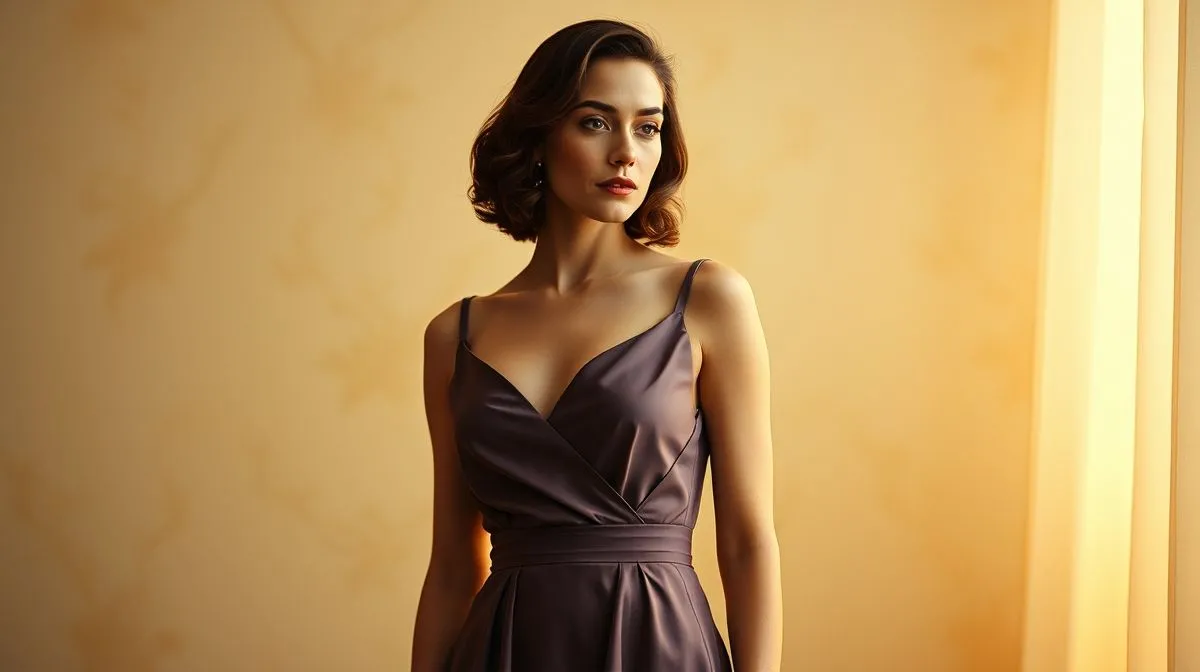
What are the Most Flattering Classic Vintage Silhouettes?
Have you ever scrolled through vintage fashion archives or watched a classic film, admiring the effortless elegance of eras gone by, and wondered: how did they always look so perfectly put together? It often seems as though vintage clothing possesses a magical quality, a way of enhancing the wearer's natural beauty that modern fashion sometimes struggles to capture. This isn't merely nostalgia; it's a testament to the masterful design principles that prioritized fit, form, and the art of accentuating the human figure.
The challenge for many today lies in translating this timeless appeal into their own wardrobe. With a myriad of styles spanning decades, from the roaring twenties to the swinging sixties, identifying which vintage silhouettes will genuinely flatter your unique body shape can feel like deciphering an ancient code. It's easy to get lost in the sheer volume of options, leading to frustration rather than the desired sartorial triumph.
Fear not, for this comprehensive guide is your key to unlocking the secrets of timeless style. We will delve deep into the world of vintage fashion, unveiling what are the most flattering classic vintage silhouettes, explaining why they work, and showing you how to incorporate them into your contemporary wardrobe to create looks that are not just beautiful, but truly transformative. By the end of this journey, you'll possess the knowledge to choose vintage pieces that celebrate your individual form, ensuring you always step out with confidence and unparalleled grace.
The Enduring Allure of Vintage Fashion
Vintage fashion is more than just old clothes; it's a narrative woven through fabric and form, reflecting societal shifts, artistic movements, and evolving ideals of beauty. Each era brought forth distinct silhouettes, born from specific cultural contexts and technological advancements in textile production and garment construction. From the flapper's dropped waist to the New Look's cinched waist and full skirt, these styles were meticulously crafted to create a particular aesthetic, often with an inherent understanding of how to sculpt and enhance the body.
More Than Just Clothes: A Story of Style
The allure of vintage lies in its uniqueness and craftsmanship. Unlike much of today's fast fashion, garments from previous decades were often made with higher quality materials and construction techniques, designed to last. They carry a story, a sense of history, and an individuality that mass-produced items simply cannot replicate. Wearing vintage is not just about adopting a trend; it's about connecting with a past era, appreciating artistry, and making a sustainable fashion choice.
Why Vintage Flattery Endures
The reason certain vintage silhouettes remain universally flattering is rooted in fundamental principles of human proportion and optical illusion. Designers of the past, often working with custom tailoring, understood how to create lines that elongate, define, or soften, playing with volume and structure to create harmonious forms. They mastered the art of emphasizing desirable features and camouflaging others, resulting in garments that didn't just fit, but truly enhanced the wearer.
Understanding Your Body Shape: The First Step to Vintage Flattery
Before diving into specific silhouettes, it's crucial to have a basic understanding of your own body shape. While every individual is unique, recognizing general proportions can guide your choices. Remember, the goal isn't to conform to an ideal, but to use clothing to create balance and highlight your best features. This foundational knowledge is key to selecting what are the most flattering classic vintage silhouettes for you.
The Hourglass Silhouette
Characterized by a defined waist, and hips and bust of roughly equal width. This shape is naturally balanced. Vintage styles that emphasize the waist are ideal.
The Pear Shape
Wider hips and thighs compared to a narrower bust and shoulders. The aim is to balance the upper body with the lower, or to gracefully skim over the hips.
The Apple Shape
Fuller midsection, with narrower shoulders and hips. The goal is often to create length and draw attention away from the waist, or to define an empire line.
The Rectangle/Athletic Build
Shoulders, waist, and hips are roughly the same width, with less waist definition. Vintage styles that add curves or create the illusion of a waist are beneficial.
The Inverted Triangle
Broader shoulders and bust, with narrower hips. The focus should be on softening the shoulders and adding volume or interest to the lower body.
Iconic Vintage Silhouettes and Who They Flatter Most
Now, let's explore the specific classic vintage silhouettes that have stood the test of time due to their inherent ability to flatter a diverse range of body types. Each offers a unique approach to enhancing the wearer's form.
The A-Line: Universal Appeal
Emerging prominently in the 1950s and popularized by Christian Dior, the A-line silhouette is characterized by a garment that is fitted at the hips and gradually widens towards the hem, resembling the letter 'A'. It can be found in dresses, skirts, and coats. Its genius lies in its gentle, flowing lines that skim over the hips and thighs without clinging. This makes it incredibly versatile.
- Flattering For: Virtually all body types. It's particularly excellent for pear shapes, as it glides over wider hips, and for apple shapes, as it doesn't emphasize the midsection. For hourglass figures, it highlights the waist if fitted there. Even rectangular shapes can benefit from the gentle flare creating an illusion of curves.
- Why it Works: The A-line draws the eye vertically and creates a balanced proportion, minimizing the lower body while accentuating the waist or providing a comfortable, elegant drape. Its simplicity allows for focus on beautiful fabrics or subtle details. For more historical context, you can read about its origins on Wikipedia's A-line page.
The Sheath Dress: Sleek Sophistication
The sheath dress is a form-fitting, straight-cut dress that typically falls to the knee or slightly below. It's designed to hug the body's natural curves, offering a sleek, sophisticated, and often minimalist look. Popular from the 1950s onwards, it became a staple of professional and evening wear.
- Flattering For: Hourglass and rectangular figures. On hourglass shapes, it beautifully showcases the natural curves. For rectangular figures, it can create a long, lean line and with strategic tailoring, can offer subtle waist definition.
- Why it Works: Its unadorned simplicity relies on impeccable fit and quality fabric to create a streamlined silhouette that exudes confidence. It highlights the natural form without excessive volume or embellishment.
The Empire Waist: Graceful Elongation
The empire waist silhouette features a fitted bodice that ends just below the bust, from which the rest of the dress flows loosely to the hem. This style was prominent in the Regency era (early 19th century) and saw revivals in the early 20th century and later decades, including the 1960s.
- Flattering For: Apple shapes, inverted triangles, and petite figures. For apple shapes, it camouflages the midsection and draws attention upwards. For inverted triangles, it balances broad shoulders by allowing the fabric to fall gently over the hips. Petites benefit from the elongated line it creates, making them appear taller.
- Why it Works: By placing the waistline at the narrowest part of the torso (just under the bust), it creates an illusion of height and slenderizes the midsection. The flowing skirt provides comfort and movement, making it a graceful choice.
The Fit-and-Flare (New Look): Whimsical Charm
Often synonymous with Christian Dior's iconic 'New Look' of 1947, the fit-and-flare silhouette features a cinched, defined waist and a full, voluminous skirt. This style emphasizes the waist-to-hip ratio, creating a dramatically feminine shape.
- Flattering For: Hourglass and rectangular figures, as well as pear shapes. Hourglass figures are naturally suited to this style, as it accentuates their defined waist. For rectangular figures, it creates the illusion of a waist and adds beautiful curves to the lower body. Pear shapes can also wear it effectively, as the full skirt skims over the hips without clinging.
- Why it Works: It celebrates femininity by highlighting the smallest part of the torso and creating a dramatic, romantic silhouette. The volume of the skirt provides balance and movement, making it incredibly charming and universally appealing for those seeking a classic, feminine aesthetic.
The Column/Shift Dress: Effortless Chic
Popularized in the 1960s, the shift dress is a simple, straight-cut dress that hangs loosely from the shoulders without a defined waistline. It's often shorter, ending above the knee, and embodies a youthful, modern aesthetic.
- Flattering For: Rectangular, apple, and inverted triangle body types. For rectangular figures, it provides a clean, unbroken line and an effortless look. Apple shapes can find comfort and style in its non-constricting nature around the midsection. Inverted triangles can balance their broader shoulders with the straight lines of the dress.
- Why it Works: Its simplicity offers a canvas for bold prints, colors, and accessories. It's comfortable, easy to wear, and projects an image of modern, understated elegance. The clean lines can elongate the body, especially when paired with complementary shoes.
The Wiggle Dress: Confident Curves
A signature style of the 1950s, the wiggle dress is a close-fitting, often knee-length dress that tapers slightly at the hem, restricting movement and forcing the wearer to 'wiggle' when walking. It's designed to emphasize every curve of the body.
- Flattering For: Hourglass and confident rectangular figures. It's the ultimate choice for hourglass figures wanting to showcase their curves. For rectangular shapes, it can create the illusion of curves where none exist naturally, offering a sophisticated and daring look.
- Why it Works: The wiggle dress is a statement of confidence and allure. It celebrates the female form by embracing its natural contours, creating a highly seductive yet elegant silhouette. It demands attention and projects undeniable poise.
Beyond the Silhouette: Fabrics, Details, and Styling for Flattery
While the basic silhouette is foundational, the nuances of fabric, construction, and styling play a crucial role in how flattering a vintage piece truly is. These elements can either enhance or detract from the overall effect, making them just as important as the cut itself when considering what are the most flattering classic vintage silhouettes.
The Role of Fabric and Drape
The material of a vintage garment significantly impacts its drape and how it interacts with your body. Stiffer fabrics like heavy cotton or brocade can hold a structured shape, ideal for A-lines or fit-and-flares. Softer, flowing fabrics like rayon, silk, or jersey are perfect for drapes, bias cuts, or more relaxed silhouettes like the empire or some column dresses. Understanding how a fabric will fall on your specific contours is vital.
- Structured Fabrics: Excellent for creating volume where needed (e.g., full skirts) or for defining sharp lines.
- Draping Fabrics: Ideal for skimming curves gracefully, elongating the body, or adding a touch of fluidity.
Strategic Embellishments
Details such as pleats, gathers, ruffles, ruching, and darting are not just decorative; they are functional elements that can sculpt and enhance the body. For example, vertical pleats can elongate, while ruching can provide forgiving camouflage or highlight a specific area. A well-placed dart can create waist definition where none existed.
- Vertical Lines: Draw the eye up and down, creating an illusion of height.
- Horizontal Lines: Can broaden, so use them strategically (e.g., at the bust to balance wide hips).
- Waist Details: Belts, peplums, and strategically placed seams can define or create a waist.
Accessorizing for Impact
Accessories are the final touch that can elevate a vintage silhouette and further enhance its flattering qualities. A wide belt can cinch an A-line dress, creating more waist definition. A long necklace can create a vertical line, elongating the torso in a shift dress. Heels can add height, improving the overall proportion of any vintage outfit.
Consider the era of the vintage piece when choosing accessories, but don't be afraid to mix and match with modern elements to create a unique, personalized look that feels authentic to you. The right accessories can truly transform how a silhouette appears on your body.
Avoiding Common Vintage Styling Mistakes
Even with the most flattering vintage silhouettes, missteps can occur that undermine their potential. Being aware of these common pitfalls can help you maximize the impact of your vintage finds and ensure your look is always polished and intentional.
Ignoring Proportions
One of the biggest mistakes is choosing a silhouette that doesn't respect your natural proportions. For instance, an empire waist on a very short torso might make you look even shorter, or an overly voluminous skirt on a petite frame can overwhelm it. Always consider how the garment's lines interact with your own.
Overdoing It
Vintage fashion is about elegance, not costume. While a head-to-toe vintage look can be stunning, it's easy to cross the line into theatricality. Often, one strong vintage piece, expertly styled with modern elements, creates a more sophisticated and genuinely flattering ensemble. Let the silhouette be the star, not every single accessory.
Neglecting Alterations
Vintage sizing can be inconsistent and often differs from modern sizing. Furthermore, bodies are unique. Even the most flattering classic vintage silhouettes may need slight alterations to truly fit perfectly. A nip here, a tuck there, or a hem adjustment can transform a good vintage find into an exceptional one, ensuring it hugs your curves in all the right places and falls beautifully.
Integrating Vintage Flattery into Your Modern Wardrobe
The beauty of understanding flattering vintage silhouettes is that you don't have to dress exclusively in vintage to benefit. These timeless design principles can inform your contemporary purchases and styling choices, allowing you to infuse your everyday look with vintage-inspired elegance and confidence.
Mixing Eras and Styles
One of the most effective ways to wear vintage is to integrate it seamlessly with modern pieces. Pair a beautifully tailored 1950s A-line skirt with a contemporary knit top. Or, wear a 1960s shift dress with modern sneakers for a chic, unexpected twist. This approach allows the vintage piece to shine without feeling dated, demonstrating your sophisticated understanding of style across eras. This fusion of old and new is a hallmark of truly personal style, allowing you to curate a wardrobe that is both unique and deeply flattering.
The Power of a Single Statement Piece
Sometimes, all it takes is one perfectly chosen vintage piece to elevate an entire outfit. A stunning 1940s structured blazer can instantly add sophistication to a simple pair of trousers and a blouse. A vibrant 1960s shift dress can be a standalone statement. Focus on finding those key pieces that resonate with your personal style and body shape, and let them be the anchor of your outfit.
The Psychology of Flattering Fashion
Beyond the aesthetic appeal, there's a profound psychological impact to wearing clothing that flatters your body. When you feel good in what you're wearing, it translates into increased confidence, improved posture, and a more positive self-image. This is a crucial, yet often overlooked, aspect of why understanding what are the most flattering classic vintage silhouettes is so valuable.
Confidence Through Clothing
Clothing is a form of self-expression and communication. When you select pieces that enhance your natural form, you're not just looking good; you're feeling good. This boost in confidence can impact how you carry yourself, how you interact with others, and even how you approach challenges. Vintage fashion, with its inherent quality and unique character, often provides an extra layer of self-assurance, as you know you're wearing something special.
Perception and Presentation
Our clothing choices influence how others perceive us. Flattering silhouettes create a polished, put-together impression, suggesting attention to detail and a discerning eye for style. This can be beneficial in professional settings, social interactions, and personal relationships. Research in fashion psychology, such as studies found in journals like the Journal of Fashion Studies, often highlights the link between clothing, self-perception, and social interaction, underscoring the power of well-chosen garments.
Frequently Asked Questions (FAQ)
What is a vintage silhouette? A vintage silhouette refers to the distinctive outline or shape created by clothing from a particular historical period, often emphasizing specific body parts or creating a characteristic overall form, such as the A-line or the empire waist.
Can all body types wear vintage styles? Absolutely! While certain silhouettes may naturally flatter specific body types more, there's a vast range of vintage styles spanning decades. With careful selection and potential minor alterations, there's a flattering vintage silhouette for every body shape.
How do I find my ideal vintage silhouette? Start by understanding your body shape and identifying which features you wish to highlight or balance. Then, experiment by trying on different vintage-inspired or actual vintage pieces. Pay attention to how the garment's lines interact with your natural form. Online style guides and vintage fashion blogs can also offer visual inspiration.
Are there vintage styles to avoid for certain body types? It's less about avoiding and more about strategic selection. For instance, if you have an apple shape, overly fitted styles around the midsection might be less comfortable than an empire waist or A-line. If you're petite, very voluminous or long silhouettes might overwhelm your frame. The key is to try on and see what feels and looks best on you.
Where can I buy authentic flattering vintage silhouettes? You can find authentic vintage pieces at local vintage boutiques, antique malls, specialized online vintage stores (e.g., Etsy, eBay with careful vetting), and even thrift stores. Many contemporary brands also offer vintage-inspired collections that replicate classic flattering silhouettes.
Recommended Reading
- Unlock Your Best Silhouette: How to Style Pear Shape Body for Flattering Looks
- Unlock Your Style: How to Build a Minimalist Casual Streetwear Wardrobe
- Sparkle Secrets: How to Clean Diamond Jewelry at Home Like a Pro
- Unlock the Secret: How to Spot Quality Vintage Items for Timeless Wear
- Iconic Haute Couture Houses: Unveiling the Secrets & History!
Conclusion
The journey to discovering what are the most flattering classic vintage silhouettes is a rewarding exploration into the art of timeless style. From the universally adored A-line to the confidently curved wiggle dress, and the gracefully elongated empire waist, these iconic shapes offer proven methods for enhancing the human form. By understanding your own body and the design principles behind these beloved styles, you gain a powerful tool for self-expression and confidence.
Embrace the rich history and inherent elegance of vintage fashion. Experiment with these silhouettes, whether in authentic vintage pieces or modern interpretations, and allow them to transform your wardrobe. Remember, true style isn't about following fleeting trends, but about cultivating a deep understanding of what makes you look and feel your absolute best. Step out with the timeless grace and undeniable allure that only truly flattering vintage silhouettes can provide.

Your email address will not be published. Required fields are marked *