


How to update my professional wardrobe without looking too trendy?
For over two decades in the menswear industry, I've had the privilege of advising countless professionals on their sartorial journeys. One of the most common anxieties I've encountered revolves around the desire to look current and polished without falling prey to the fleeting whims of fashion. It's a delicate balance, a tightrope walk between appearing dated and looking like you're trying too hard.
Many men feel trapped: they want to project an image of competence and modernity, but they're wary of investing in pieces that will feel obsolete next season. They've seen colleagues embrace bold trends only to look back at photos years later with a cringe. The fear of being perceived as out of touch, yet equally afraid of chasing every passing fad, is a significant professional wardrobe dilemma.
In this definitive guide, I will share the distilled wisdom gained from my years of experience. We'll explore actionable frameworks, real-world insights, and foundational principles that will empower you to cultivate a professional wardrobe that exudes timeless elegance and confidence, ensuring you always look sharp, relevant, and authentically you—never just a passing trend.
The Core Philosophy: Timelessness Over Trendiness
Before we dive into specific garments, it's crucial to understand the foundational mindset: prioritizing timelessness. This isn't about ignoring all fashion; it's about discerning what truly lasts and what merely flashes across the sartorial sky.
Understanding the Difference: Classic vs. Trendy
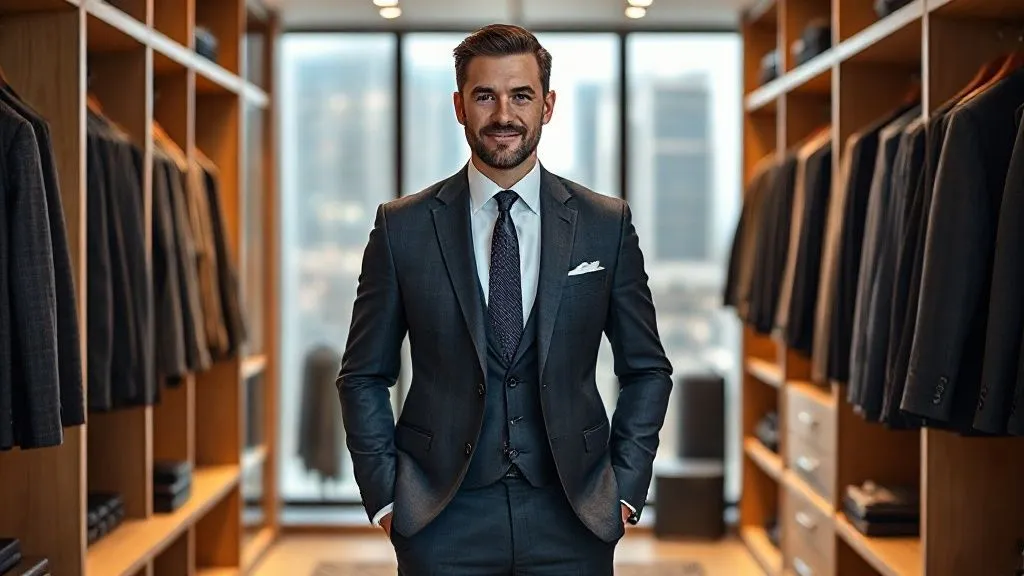
Classic pieces are the bedrock of any solid professional wardrobe. They are defined by their enduring design, clean lines, and universal appeal. Think of a well-fitted navy suit, a crisp white shirt, or classic leather oxfords. These items transcend seasons and decades.
Trends, conversely, are ephemeral. They might involve specific cuts, bold patterns, or unique color combinations that gain immense popularity for a short period. While some trends can be cleverly integrated, building your core wardrobe on them is a recipe for rapid obsolescence and wasted investment.
The true mark of a sophisticated dresser is not their ability to chase every trend, but their mastery of timeless principles, allowing them to subtly integrate modernity without sacrificing enduring style.
Building Your Foundation: The Unshakeable Staples
A strong foundation is non-negotiable. These are the workhorses of your professional wardrobe, the pieces you can always rely on to look impeccable. Investing in high-quality versions of these items is the single best decision you can make.
- The Navy Suit: Your most versatile ally. It's appropriate for nearly every professional setting, from client meetings to formal presentations.
- The Charcoal Grey Suit: A close second to navy, offering a slightly different neutral base for shirt and tie combinations.
- Crisp Dress Shirts: A collection of white and light blue shirts in various weaves (poplin, twill, oxford) forms your daily uniform.
- Quality Leather Shoes: At least two pairs of classic, well-maintained leather shoes—black cap-toe oxfords and dark brown loafers or derbies.
- Versatile Trousers: Tailored wool trousers in grey, navy, and perhaps a subtle check or stripe.
- Classic Knitwear: Fine-gauge merino wool or cashmere sweaters (V-neck, crewneck) in neutral tones for layering.
- A Timeless Outerwear Piece: A classic trench coat, a camel topcoat, or a well-structured peacoat.
Quality Over Quantity: The Long-Term Play
I cannot stress this enough: always choose quality over quantity, especially for your foundational pieces. A single, well-constructed wool suit will outlast three cheaper, less durable alternatives. Higher quality fabrics drape better, resist wrinkles more effectively, and simply look more refined.
As Forbes contributor Jessica Hullinger notes, investing in quality pays off in the long run, not just in durability but in the confidence and presence it conveys. A cheap garment often looks cheap, no matter how current its style. Conversely, a high-quality classic piece always looks expensive and sophisticated, regardless of its age. Read more about the economics of quality over quantity here.
Subtle Updates: Elevating Without Overdoing It
Once your foundation is solid, the art of updating comes into play. This isn't about discarding everything and starting anew; it's about making strategic, subtle enhancements that elevate your overall look without screaming 'fashion victim.'
The Power of Accessories: Your Personal Signature
Accessories are the easiest and most effective way to introduce modernity and personal flair without committing to trendy clothing items. They are the punctuation marks of your outfit.
- Ties and Pocket Squares: Experiment with interesting textures (grenadine, knit), subtle patterns (micro-dots, subdued plaids), or richer, deeper colors that reflect current palettes without being overtly trendy.
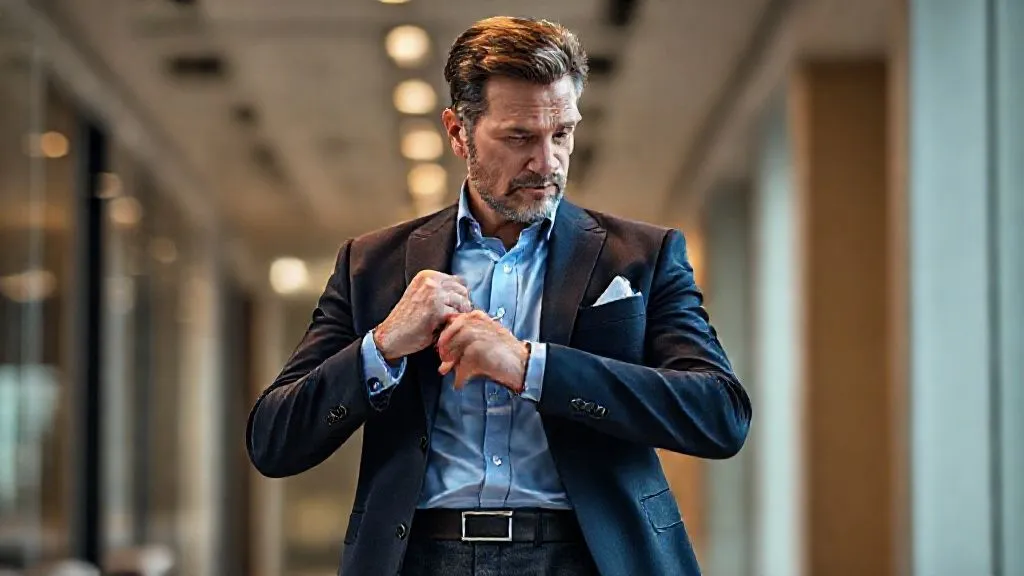
- Watches: A classic timepiece is a statement of refinement. Consider a minimalist dress watch or a sophisticated dive watch. Avoid overly large or flashy pieces that might date quickly.
- Belts: Always match your belt to your shoes in color and approximate finish. A sleek, unadorned leather belt is always in style.
- Cufflinks: For formal shirts, elegant cufflinks can add a touch of personality and sophistication.
Fit is King: The Tailoring Imperative
The single most transformative update you can make to any garment, regardless of its age or origin, is a perfect fit. Even the most expensive suit will look sloppy if it's ill-fitting, while a moderately priced suit can look bespoke with proper tailoring. This is where you truly invest in your appearance.
A perfectly tailored garment is the ultimate expression of timeless style. It signals attention to detail, respect for oneself, and a polished professional demeanor that no amount of trend-chasing can replicate.
Focus on key areas: the shoulders of a jacket, the break of trousers, and the length of shirt sleeves. These small adjustments make a monumental difference in how clothes drape and how confidently you wear them.
Incorporating Modernity: A Touch, Not a Takeover
While the core of your wardrobe should be classic, this doesn't mean you should look stuck in a time warp. The goal is to subtly integrate contemporary elements that keep your look fresh and relevant.
Strategic Color and Pattern Play
Instead of embracing neon brights or overwhelming patterns, consider incorporating modern colors in muted tones or classic patterns with a contemporary twist. For instance, a subtle windowpane check suit or a shirt in a sophisticated shade of olive green or burgundy can feel very current without being trendy. These colors often emerge as 'new neutrals' that seamlessly integrate with your existing classic palette.
Texture and Fabric Innovation
Modern menswear often plays with texture. Think about a hopsack blazer for summer, a fine-gauge merino turtleneck under a suit jacket in winter, or trousers in a subtle sharkskin weave. These textural variations add depth and interest without relying on flashy designs. They offer a tactile richness that elevates your look subtly.
Case Study: Elevating 'Evergreen Apparel Co.'
Evergreen Apparel Co., a successful mid-sized consulting firm, faced an internal perception challenge. Their senior male consultants, while highly skilled, were perceived as somewhat staid in their appearance, often opting for safe, but uninspired, traditional suits. This subtly affected their ability to connect with younger, more dynamic tech clients. I advised their leadership on a strategic wardrobe refresh. Instead of overhauling their existing quality suits, we focused on three key areas: optimizing tailoring for a more modern silhouette (slimmer but not tight), introducing a wider range of high-quality, subtly patterned ties and pocket squares, and encouraging the use of fine knitwear as a layering piece under blazers. We also suggested swapping out traditional black belts and shoes for dark brown or oxblood options when appropriate. The result? Consultants maintained their authoritative presence but gained a noticeable edge of approachable sophistication. Client feedback improved, and internal surveys showed a significant uplift in perceived 'modernity' and 'approachability' without sacrificing 'professionalism.'
The Art of Discerning Trends: What to Adopt, What to Avoid
Not all trends are created equal. As a seasoned expert, I've developed a keen eye for distinguishing between fleeting fads and emerging shifts that might eventually become new classics.
Identifying 'Micro-Trends' vs. 'Macro-Shifts'
Micro-trends are often highly specific and short-lived. Think of a particular lapel width that's suddenly everywhere, or an unusual trouser cut. These are typically best avoided for your professional core wardrobe. They have a high risk of looking dated quickly.
Macro-shifts, on the other hand, are broader movements that reflect changes in lifestyle or societal norms. The move towards more relaxed tailoring, for example, or the increased acceptance of smart casual in many workplaces, are macro-shifts. You can adapt to these shifts by opting for slightly softer shoulders on your blazers or incorporating well-fitting chinos for business casual days, but always within the bounds of classic good taste.
The Rule of One or Two: Limiting Trendy Elements
If you absolutely must incorporate a trend, do so sparingly. The 'Rule of One or Two' suggests that you limit yourself to one or, at most, two trendy elements per outfit. For example, if you wear a classic navy suit, you might choose a tie in a trending color, or a pocket square with a contemporary print. Never let a single trendy item dominate your look, and certainly don't combine multiple trends in one ensemble. This ensures that even if the trend fades, your overall look remains grounded in timeless style.
Your professional wardrobe is an extension of your personal brand. It should communicate competence, confidence, and reliability. Chasing fleeting trends can inadvertently signal instability or a lack of serious focus.
Maintenance and Longevity: Protecting Your Investment
Acquiring quality pieces is only half the battle; maintaining them ensures their longevity and continued impeccable appearance. This is a critical, often overlooked, aspect of a sophisticated wardrobe.
Proper Garment Care
Regular care dramatically extends the life of your garments. This includes proper hanging, brushing suits after each wear to remove dust and lint, and airing out clothes before putting them back in the closet. Dry cleaning should be done sparingly, only when truly necessary, as the chemicals can be harsh on fabrics.
Seasonal Refresh and Edit
At least twice a year, perform a wardrobe audit. Review your pieces for wear and tear, send items for repair or re-tailoring if needed, and consider what might need replacing. This also allows you to thoughtfully consider any new additions, ensuring they align with your timeless philosophy rather than impulse buys.
- Always hang suits and blazers on broad-shouldered hangers to maintain their shape.
- Fold knitwear to prevent stretching.
- Polish your shoes regularly and use shoe trees to absorb moisture and maintain shape.
- Store off-season clothing in breathable garment bags to protect against dust and moths.
The Psychology of Professional Dressing: Confidence and Credibility
Beyond aesthetics, how you dress profoundly impacts how you feel and how others perceive you. This isn't just about looking good; it's about leveraging your appearance for professional advantage.
Dressing for Success: Beyond Aesthetics
When you feel good in what you're wearing, your confidence naturally increases. This confidence translates into stronger presentations, more assertive negotiations, and more impactful interactions. A well-dressed professional is often perceived as more credible, capable, and detail-oriented. This is not mere vanity; it's strategic personal branding.
Research, such as studies on "enclothed cognition," indicates that the clothing we wear can actually influence our cognitive processes and how we think. For example, wearing a lab coat has been shown to improve attention. This suggests that dressing formally can genuinely enhance focus and a sense of professional responsibility. As Northwestern University's Adam Galinsky, a co-author of a significant study on this topic, has highlighted, "It's the symbolic meaning of the clothes that influences our psychological processes." Explore the concept of enclothed cognition further here. Your wardrobe isn't just fabric; it's a tool for success.
Actionable Steps: Your Wardrobe Transformation Blueprint
Ready to update your professional wardrobe without looking too trendy? Follow these step-by-step instructions:
- Assess Your Current Wardrobe: Pull out every professional garment. Be brutally honest. What fits well? What's high quality? What's dated or worn out?
- Declutter and Donate/Discard: Remove anything that doesn't fit, is damaged beyond repair, or is overtly trendy and no longer serves your professional image. Be ruthless.
- Identify Your Gaps: Based on your assessment, list the foundational pieces you're missing or need to replace with higher quality versions (e.g., a second quality suit, better dress shirts).
- Invest Strategically: Prioritize purchasing high-quality versions of your identified gaps. Think of these as long-term investments, not fleeting purchases.
- Tailor Everything: Take your existing and new garments to a skilled tailor. Even minor adjustments to sleeve length, pant break, or jacket fit can transform your entire look.
- Curate Accessories: Build a collection of versatile ties, pocket squares, and belts that complement your core wardrobe. Use these to introduce subtle, current touches.
- Practice Outfit Planning: Before major meetings or events, plan your outfits. This helps you see how pieces combine and identify any missing links.
- Maintain Diligently: Implement a regular care routine for your garments. This extends their life and keeps them looking sharp.
- Review and Refine: Periodically review your wardrobe. What's working? What isn't? This continuous process ensures your style remains timelessly current.
Frequently Asked Questions (FAQ)
Question: Can I wear smart casual to work and still look professional? Detailed answer: Absolutely. The key to professional smart casual is intentionality and fit. Opt for well-fitting dark wash jeans or chinos, pair them with a quality button-down shirt (untucked if appropriate for your workplace, but always neat), a fine-gauge knit sweater, or a sport coat. Avoid t-shirts, distressed denim, or overly casual sneakers. The emphasis remains on quality fabrics and impeccable tailoring, even in a more relaxed context. It's about looking smart, not just casual.
Question: How do I incorporate color without looking too flashy or trendy? Detailed answer: Start with muted, sophisticated shades of classic colors. Instead of a bright red, try a deep burgundy or a burnt orange. Instead of a vibrant blue, consider a rich teal or a subtle slate blue. Use these colors in accessories like ties, pocket squares, or socks. For shirts or knitwear, stick to richer, darker tones that complement your neutral suits and trousers. The goal is to add interest and depth, not to make a loud statement.
Question: What's the biggest mistake men make when trying to update their wardrobe? Detailed answer: The biggest mistake is buying into fast fashion trends without a solid foundation of classics. This leads to a wardrobe full of disjointed, quickly dated pieces. Another common error is neglecting proper fit. Even expensive garments look cheap if they don't fit well. Always prioritize quality foundational pieces and tailoring before considering any trend-driven purchases.
Question: How often should I update my professional wardrobe? Detailed answer: A 'big' update, like replacing core suits, might only happen every 5-10 years, depending on wear and tear. However, you should be making smaller, subtle updates more frequently. This includes refreshing your tie and pocket square collection annually, investing in a new pair of quality shoes every 2-3 years, and replacing worn-out shirts as needed. Regular maintenance and a seasonal audit are more important than large, infrequent overhauls.
Question: Are there any specific fabrics or patterns that are always safe bets? Detailed answer: For suits, wool (especially worsted wool) is always a safe and versatile choice. For shirts, cotton poplin, twill, and oxford cloth are timeless. In terms of patterns, solid colors are the safest, followed by subtle pinstripes, sharkskin, bird's eye, and classic checks like glen plaid or windowpane. These patterns offer visual interest without being distracting or overtly trendy. Avoid overly large or bright patterns for professional settings.
Recommended Reading
- Unveiling the Future: How Advanced Textile Technologies Are Slaying Fashion Waste
- Unlock the Secrets: Your Ultimate Guide to Commissioning Haute Couture
- Broadway Costume Design: The Ultimate Guide to Stage Magic!
- Haute Couture: Is Exclusive Design Investment a Smart Move?
- Unlock the Secret: How to Clean & Care for Your Luxury Silk Scarves
Key Takeaways and Final Thoughts
- Prioritize Timelessness: Build your core wardrobe around classic, enduring pieces that transcend fleeting trends.
- Invest in Quality: High-quality garments last longer, look better, and project a more sophisticated image.
- Embrace Tailoring: A perfect fit is the most impactful upgrade you can make to any item of clothing.
- Use Accessories Wisely: Ties, pocket squares, and watches are excellent avenues for subtle, modern updates without committing to trendy clothing.
- Be Discerning with Trends: Understand the difference between micro-trends and macro-shifts, and only incorporate one or two trendy elements at a time.
- Maintain Your Wardrobe: Proper care and regular audits ensure the longevity and continued sharpness of your investment.
- Leverage Psychology: A well-curated wardrobe not only looks good but enhances your confidence and credibility.
Updating your professional wardrobe without looking too trendy is not about being boring or stuck in the past. It's about mastering the art of enduring style, making strategic choices that enhance your professional presence, and building a collection of garments that serve you well for years to come. By focusing on quality, fit, and timeless design, you'll cultivate a wardrobe that speaks volumes about your sophistication and attention to detail, positioning you as a confident, credible professional in any setting. Embrace these principles, and watch your professional image—and your confidence—soar.



Your email address will not be published. Required fields are marked *