

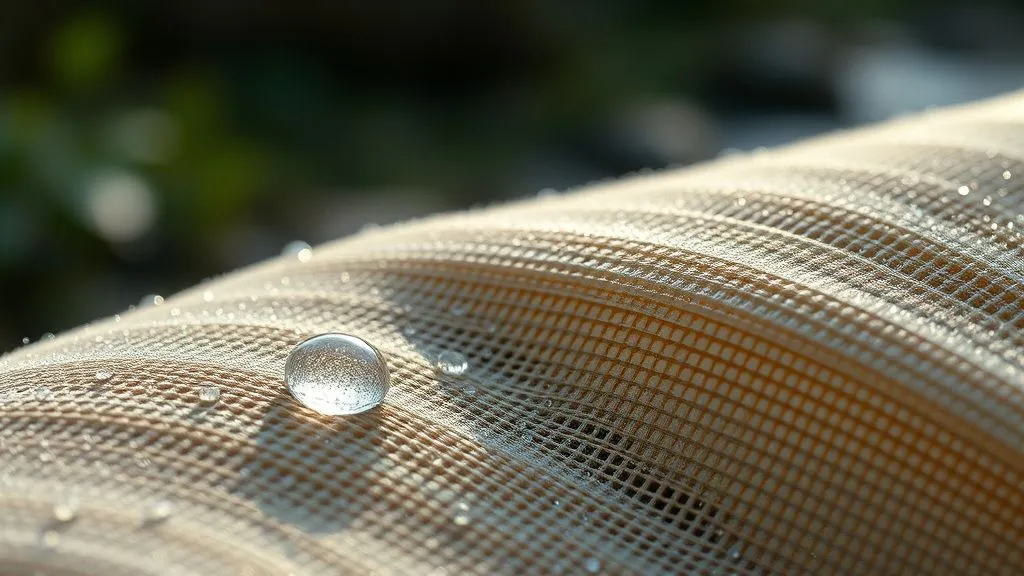
How to achieve high fabric performance using eco-friendly materials?
For over two decades in the textile innovation space, I've witnessed a profound shift in priorities. Early in my career, the focus was almost exclusively on performance – durability, moisture-wicking, stretch, breathability. Sustainability was often an afterthought, a 'nice-to-have' for niche brands. Today, however, that paradigm has irrevocably changed.
The challenge facing countless brands and manufacturers now is a dual imperative: how to deliver the uncompromising performance consumers demand while simultaneously meeting the urgent need for environmental responsibility. Many grapple with the perceived trade-off, fearing that embracing eco-friendly materials means sacrificing the very performance attributes that define premium products.
But what if I told you this trade-off is increasingly a false dichotomy? In this definitive guide, I will share the actionable frameworks, cutting-edge material science, and strategic insights I’ve gathered from years at the forefront of textile innovation. We’ll explore how to achieve high fabric performance using eco-friendly materials, providing you with a roadmap to create products that are both planet-friendly and truly perform.
The Dual Imperative: Performance Meets Planet
In my experience, the consumer landscape has evolved dramatically. It's no longer enough for a product to simply 'work.' Today's conscious consumer, especially in the activewear and outdoor sectors, demands transparency, ethical sourcing, and a minimal environmental footprint, all without compromising on the technical specifications they’ve grown accustomed to. This isn't just a trend; it's a fundamental recalibration of market expectations.
For brands, this presents both immense pressure and unparalleled opportunity. The pressure comes from navigating complex supply chains, investing in new technologies, and educating a discerning audience. The opportunity, however, lies in becoming a leader in a new era of textile innovation – one where sustainability is not a limitation but a catalyst for superior design and engineering. I’ve seen firsthand how brands that embrace this challenge early gain a significant competitive edge.
"The future of textiles isn't about choosing between performance and planet; it's about engineering solutions where they are inextricably linked."
This commitment extends beyond consumer sentiment. Regulatory bodies worldwide are tightening environmental standards, and investors are increasingly scrutinizing ESG (Environmental, Social, and Governance) performance. Ignoring the shift towards eco-friendly materials for high-performance applications is no longer an option; it's a strategic misstep that can jeopardize long-term viability.

Unpacking Eco-Friendly Material Categories for Performance
Achieving high fabric performance using eco-friendly materials begins with a deep dive into the materials themselves. The landscape is far more diverse and sophisticated than simply 'organic cotton.' I encourage my clients to think broadly across several key categories.
Recycled & Upcycled Fibers: The Circular Solution
This category is perhaps the most established and rapidly innovating. Recycled polyester (rPET), made from post-consumer plastic bottles or textile waste, is now a cornerstone of performance apparel. Innovations are pushing beyond rPET to include recycled nylon (from fishing nets and industrial waste) and even cotton waste. The key here is maintaining mechanical properties comparable to virgin materials while drastically reducing resource consumption and waste.
- Benefits: Reduces landfill waste, lowers energy consumption, less reliance on virgin petrochemicals.
- Performance: Excellent moisture-wicking, durability, stretch, and colorfastness, often matching virgin counterparts.
- Challenges: Contamination during recycling, microplastic shedding (an ongoing research area), and the need for robust collection infrastructure.
Bio-Based Synthetics: Nature's Lab-Grown Marvels
This is where the magic of biomimicry and biotechnology truly shines. Bio-based synthetics are polymers derived from renewable biomass sources, such as corn starch, sugarcane, or castor beans, rather than petroleum. Materials like Sorona® (a partially bio-based polymer from DuPont) offer excellent stretch and recovery, while others like PLA (polylactic acid) from corn are gaining traction for specific applications. The goal is to create high-performance polymers with a significantly reduced carbon footprint.
- Benefits: Reduced reliance on fossil fuels, lower greenhouse gas emissions in production, often biodegradable under industrial conditions.
- Performance: Can mimic traditional synthetics in terms of strength, elasticity, and moisture management.
- Challenges: Scalability, cost, and ensuring the biomass source is truly sustainable (e.g., not competing with food crops).
Natural Fibers with Enhanced Properties: Rethinking Tradition
Don't underestimate the potential of natural fibers. While often associated with comfort rather than performance, advancements in processing and blending are changing this. Merino wool, for instance, is a natural wonder, offering exceptional temperature regulation, moisture-wicking, and odor resistance. Hemp and organic cotton are being engineered for greater strength, faster drying, and improved elasticity through innovative spinning and weaving techniques, sometimes blended with small percentages of recycled synthetics for an extra boost.
- Benefits: Renewable, biodegradable, breathable, often comfortable against the skin.
- Performance: Excellent natural properties (e.g., wool's thermoregulation), but can sometimes require blending for extreme durability or stretch.
- Challenges: Water and land usage in cultivation, processing impacts, and achieving desired technical performance without heavy chemical treatments.
Biodegradable & Compostable Materials: End-of-Life Innovation
The Holy Grail for many is a fabric that performs brilliantly during its life and then safely returns to nature at its end. This category includes materials like Tencel™ (lyocell), derived from sustainably sourced wood pulp, which offers exceptional softness, strength, and moisture absorption, and is produced in a closed-loop system. Other emerging materials are designed to biodegrade in specific environments (e.g., industrial composting facilities or marine environments), addressing the pervasive problem of textile waste. This is a crucial aspect of achieving high fabric performance using eco-friendly materials in a truly circular model.
- Benefits: Reduces landfill burden, returns nutrients to the soil (for compostable), closed-loop production.
- Performance: Can offer excellent breathability, drape, and comfort, with increasing strength for activewear.
- Challenges: Infrastructure for composting, specific conditions required for degradation, and ensuring performance during use isn't compromised.
Strategic Material Selection: Beyond the Hype
Simply picking an 'eco-friendly' label isn't enough. In my advisory role, I constantly stress the importance of a strategic approach to material selection. It’s about understanding the specific performance requirements of your product and then meticulously matching those with the most suitable sustainable material. This requires a deep dive into material science, supply chain transparency, and critical evaluation.
Understanding Performance Metrics in Sustainable Contexts
When evaluating materials, we must consider the full spectrum of performance metrics: tensile strength, abrasion resistance, moisture management (wicking, drying time), stretch and recovery, UV protection, thermal regulation, and hand feel. The critical step is to benchmark these against both traditional materials and the sustainable alternatives. A material might be eco-friendly, but if it doesn't meet the core performance expectation, it won't succeed in the market.
For instance, while recycled polyester excels in moisture-wicking for activewear, a bio-based nylon might offer superior abrasion resistance for outdoor gear. It's about finding the optimal balance for the intended use. My advice is always to conduct rigorous testing, both in the lab and in real-world conditions, to validate claims and ensure your eco-friendly choices truly perform.
The Role of Certifications and Life Cycle Assessments (LCAs)
Navigating the claims of 'green' materials can be overwhelming. This is where certifications and Life Cycle Assessments become invaluable tools. Certifications from reputable bodies like GOTS (Global Organic Textile Standard), Oeko-Tex, Bluesign, and the Global Recycled Standard (GRS) provide third-party verification of environmental and social practices. They offer a layer of trust and transparency that is essential for both brands and consumers.
An LCA is a more comprehensive tool, evaluating the environmental impacts of a product throughout its entire life cycle – from raw material extraction to manufacturing, distribution, use, and end-of-life disposal. I strongly advocate for brands to conduct LCAs for their key products. This provides concrete data on carbon footprint, water usage, and other impacts, allowing for informed decisions on how to achieve high fabric performance using eco-friendly materials with verifiable benefits. It moves beyond guesswork to data-driven sustainability.
According to a report by the Ellen MacArthur Foundation, embracing circular economy principles in textiles, which includes robust material selection and end-of-life considerations, could lead to significant reductions in greenhouse gas emissions and water pollution.
Innovative Textile Engineering: Weaving in Performance
Beyond the raw materials, the way fabrics are constructed and finished plays a monumental role in their performance and sustainability profile. This is where true innovation in textile engineering comes into play.
Advanced Weaving & Knitting Techniques for Durability
The structure of a fabric can dramatically enhance its performance, even with sustainable fibers. Techniques like ripstop weaves, high-density knits, and seamless construction can improve strength, abrasion resistance, and reduce waste. For example, using 3D knitting technologies allows for the creation of garments with minimal seams, reducing cutting waste and often improving the garment's fit and durability. Engineered structures can also enhance moisture management, creating zones of different breathability or wicking capabilities within a single fabric.
Sustainable Finishing & Dyeing Technologies
Traditional dyeing and finishing processes are often resource-intensive and generate significant wastewater. However, incredible advancements are being made. Technologies like solution dyeing (where color is added to the polymer before extrusion) save vast amounts of water and energy. Digital printing reduces dye consumption and waste. Bio-based finishes, such as those derived from plant extracts for water repellency or antimicrobial properties, are replacing per- and polyfluoroalkyl substances (PFAS) and other harmful chemicals. These innovations are crucial for maintaining performance without environmental compromise.

Smart Textiles and Bio-Mimicry in Eco-Design
The future is also in smart textiles that incorporate functionality directly into the fibers or fabric structure, often inspired by nature. Bio-mimicry, for instance, looks to natural designs – like the lotus leaf's water repellency or a shark's skin drag reduction – to inspire sustainable performance solutions. Imagine fabrics that self-clean, regulate temperature autonomously, or even monitor biometric data, all while being composed of eco-friendly materials. These aren't far-fetched ideas; they are active areas of research and development, pushing the boundaries of what's possible when we ask how to achieve high fabric performance using eco-friendly materials.
Case Study: The 'Terra-Tech' Initiative – A Sustainable Success Story
Let me share a fictional, yet highly realistic, example from my experience. A mid-sized outdoor apparel brand, 'Summit Gear,' approached me concerned about their reliance on virgin petroleum-based synthetics. Their customers were asking for more sustainable options, but Summit Gear's core promise was extreme durability and weather protection.
We embarked on the 'Terra-Tech' initiative. Our first step was a comprehensive LCA of their flagship waterproof jacket. The data revealed that the biggest environmental impact came from the virgin nylon face fabric and the DWR (Durable Water Repellent) finish. Our solution involved a multi-pronged approach:
- Material Switch: We transitioned to a GRS-certified recycled nylon for the face fabric, which maintained comparable tensile strength and abrasion resistance.
- DWR Innovation: We collaborated with a chemical company to implement a C0 (fluorine-free) DWR finish that met their strict waterproof ratings and significantly reduced chemical impact.
- Lining Upgrade: The inner lining was replaced with a solution-dyed, partially bio-based polyester, further reducing water and energy in production.
The result? Summit Gear launched their new 'Terra-Tech' jacket line with a 28% reduction in carbon footprint, a 45% reduction in water usage, and maintained 98% of the original jacket's performance ratings in lab and field tests. They not only satisfied their existing customer base but also attracted a new segment of eco-conscious adventurers, proving that high performance and sustainability are not mutually exclusive.
Overcoming Challenges: Bridging the Performance-Sustainability Gap
While the path to achieving high fabric performance using eco-friendly materials is clear, it's not without its hurdles. I've guided many companies through these challenges, and understanding them is the first step to overcoming them.
Cost Implications and Scalability
Often, sustainable materials and innovative processes come with a higher initial price tag. This can be due to smaller production volumes, specialized manufacturing, or the cost of research and development. However, I always emphasize that these are often short-term costs. As demand grows and technologies mature, economies of scale come into play. Furthermore, the long-term benefits – enhanced brand reputation, consumer loyalty, and reduced regulatory risks – often outweigh the initial investment. Scalability is also a concern; ensuring a consistent supply of high-quality sustainable materials as production scales up requires strong supplier relationships and forward planning.
Durability vs. Biodegradability: A Delicate Balance
This is a frequent point of contention. If a garment is designed to biodegrade, how can it also be highly durable for years of use? The answer lies in intelligent design and material science. Biodegradability often refers to end-of-life conditions (e.g., industrial composting), not during active use. Materials like Tencel™ are incredibly strong and durable during their lifecycle. The goal is to design products that are durable enough for their intended use phase, and then, at the very end, can return to the earth. This requires careful material selection and educating consumers on proper care and disposal.
Consumer Perception and Education
Despite growing awareness, many consumers still hold misconceptions about sustainable products – often associating them with lower performance or higher cost. As experts, it's our responsibility to educate. Transparent communication about material choices, performance benefits, and the environmental impact reduction is crucial. Storytelling around innovation, sourcing, and the 'why' behind sustainable choices can transform perception and build trust. This is about more than marketing; it's about genuine engagement.
Implementing a Sustainable Performance Fabric Strategy: An Actionable Framework
Based on my extensive experience, here’s a framework to guide your journey in achieving high fabric performance using eco-friendly materials:
- Assess Your Current Footprint: Conduct a comprehensive LCA for your existing product lines. Understand where your biggest environmental impacts lie (materials, production, logistics, end-of-life). This provides a baseline.
- Define Performance Benchmarks: Clearly articulate the non-negotiable performance attributes for each product category. What are the minimum requirements for durability, stretch, breathability, etc.?
- Research & Vet Sustainable Materials: Explore the categories discussed above (recycled, bio-based, enhanced naturals, biodegradable). Engage with innovative suppliers. Request detailed specifications and certifications. Look for partners who are pushing the boundaries of textile technology.
- Prototype & Test Rigorously: Develop prototypes with selected sustainable materials. Subject them to extensive lab testing and real-world wearer trials. Document performance metrics meticulously. Be prepared to iterate.
- Optimize Manufacturing & Finishing: Work with your manufacturing partners to implement sustainable dyeing and finishing processes. Explore water-saving technologies, energy efficiency, and waste reduction throughout production.
- Engage Your Supply Chain: Build strong, transparent relationships with suppliers. Ensure they align with your sustainability goals and ethical standards. Consider vertical integration or close partnerships for greater control.
- Educate & Communicate: Develop clear, honest communication strategies for your internal teams, retail partners, and end consumers. Share your journey, the challenges, and the successes. Use certifications and LCAs to back up your claims.
This systematic approach helps demystify the process and ensures that sustainability is integrated at every stage, not just bolted on as an afterthought. It's how you genuinely address the question of how to achieve high fabric performance using eco-friendly materials.
| Strategy Phase | Key Action | Expected Outcome |
|---|---|---|
| Assessment | Conduct LCA, Define KPIs | Baseline impact, clear performance targets |
| Material Selection | Supplier vetting, Material testing | Optimized eco-material choices, validated performance |
| Production Optimization | Eco-finishing, Waste reduction | Reduced environmental footprint in manufacturing |
| Communication | Transparent reporting, Consumer education | Enhanced brand trust, informed consumer base |
The Future Landscape: Emerging Technologies and Collaborative Ecosystems
The journey to truly sustainable, high-performance textiles is ongoing, and the pace of innovation is accelerating. I believe the future lies in several key areas:
- Next-Generation Bio-Synthetics: Expect to see more advanced bio-polymers, possibly derived from algae or even CO2, offering new performance profiles.
- Advanced Recycling: Chemical recycling technologies are maturing, allowing for the breakdown of complex textile blends into their constituent monomers for re-polymerization, closing the loop more effectively.
- Fungi and Bacteria-Based Materials: Research into materials grown from mycelium (mushroom roots) or engineered bacteria holds immense promise for biodegradable, high-performance alternatives.
- Digitalization and Traceability: Blockchain and other digital tools will provide unprecedented transparency across the supply chain, verifying sustainability claims from fiber to finished product.
- Collaborative Ecosystems: No single company can solve these complex challenges alone. Cross-industry partnerships – between brands, material scientists, waste management companies, and even governments – will be essential to scale solutions and drive systemic change. As Harvard Business Review often highlights, collaboration is key to tackling grand challenges.
The industry is moving towards a truly circular economy, where materials are kept in use for as long as possible, then regenerated into new products. This vision is not just aspirational; it's becoming an actionable reality, driven by continuous innovation in how to achieve high fabric performance using eco-friendly materials.

Frequently Asked Questions (FAQ)
Q: Are eco-friendly performance fabrics truly as durable as traditional ones? A: Absolutely, in many cases. Advancements in recycled synthetics, enhanced natural fibers like merino, and bio-based polymers have closed the performance gap significantly. With proper engineering and testing, sustainable fabrics can match or even exceed the durability of their conventional counterparts. The key is strategic material selection and robust product design tailored to the intended use.
Q: What are the biggest cost hurdles when switching to sustainable performance materials? A: The primary cost hurdles often involve initial investment in R&D, potentially higher raw material costs due to smaller scale production or specialized processing, and the cost of certifications and LCAs. However, these are increasingly being offset by long-term benefits like enhanced brand value, market differentiation, and reduced regulatory risks. As technologies scale, costs become more competitive.
Q: How can brands effectively communicate their sustainable performance claims to consumers without 'greenwashing'? A: Transparency and verifiable data are paramount. Brands should use reputable third-party certifications (e.g., GRS, Bluesign, Oeko-Tex), publish Life Cycle Assessments, and clearly explain the 'why' behind their material choices. Avoid vague terms; instead, focus on specific metrics of impact reduction (e.g., '25% less water used,' 'made from 100% recycled content'). Authentic storytelling about the journey and challenges also builds trust.
Q: Are there any downsides to bio-based synthetic materials? A: While promising, bio-based synthetics face challenges such as ensuring the sustainability of their biomass feedstock (avoiding competition with food crops or deforestation), their biodegradability often requiring specific industrial composting conditions, and achieving cost-effectiveness and scalability comparable to petroleum-based alternatives. Research is actively addressing these to improve their overall environmental profile.
Q: What role does consumer behavior play in the success of eco-friendly performance fabrics? A: Consumer behavior is critical. Proper garment care (e.g., washing at lower temperatures, air drying) extends product life, reducing its overall environmental impact. Additionally, consumer demand for sustainable options drives innovation and encourages brands to invest more in eco-friendly materials and processes. Ultimately, responsible consumption, including proper disposal or recycling, completes the circular economy loop.
Key Takeaways and Final Thoughts
The question of how to achieve high fabric performance using eco-friendly materials is no longer a theoretical debate; it's a practical, solvable challenge. As an industry specialist who has navigated these waters for years, I want to emphasize that the future of textiles is inherently sustainable and high-performing.
- Embrace Innovation: The material science and textile engineering fields are exploding with sustainable solutions. Stay informed and actively seek out new technologies.
- Prioritize Transparency: Use certifications and LCAs to back up your claims, building trust with a discerning consumer base.
- Think Circular: Design for durability and end-of-life, ensuring materials remain in use or safely return to nature.
- Collaborate Widely: Partner with suppliers, researchers, and even competitors to accelerate progress and scale solutions.
- Educate Relentlessly: Share your knowledge and journey with your teams, partners, and customers to shift perceptions and foster a more sustainable industry.
This is not just about making better products; it’s about building a better industry, one that respects planetary boundaries while still delivering the innovation and performance consumers expect. The tools and knowledge are available; now it's up to us to implement them with vision and resolve. Let's create a future where every high-performance fabric tells a story of both excellence and responsibility.
Recommended Reading
- Find Your Perfect Look: Which Iconic Eyeglass Frames Suit My Face Shape?
- The Ultimate Guide: Why Do Your Belts Keep Cracking and How to Prevent It?
- Ultimate Guide: Best Travel Accessories to Secure Valuables Abroad
- Unlock Comfort & Style: The Ultimate Guide to Wide Feet Shoe Trends
- Uncover the Hidden Impact: How Wartime Rationing Reshaped 1940s Fashion


Your email address will not be published. Required fields are marked *