

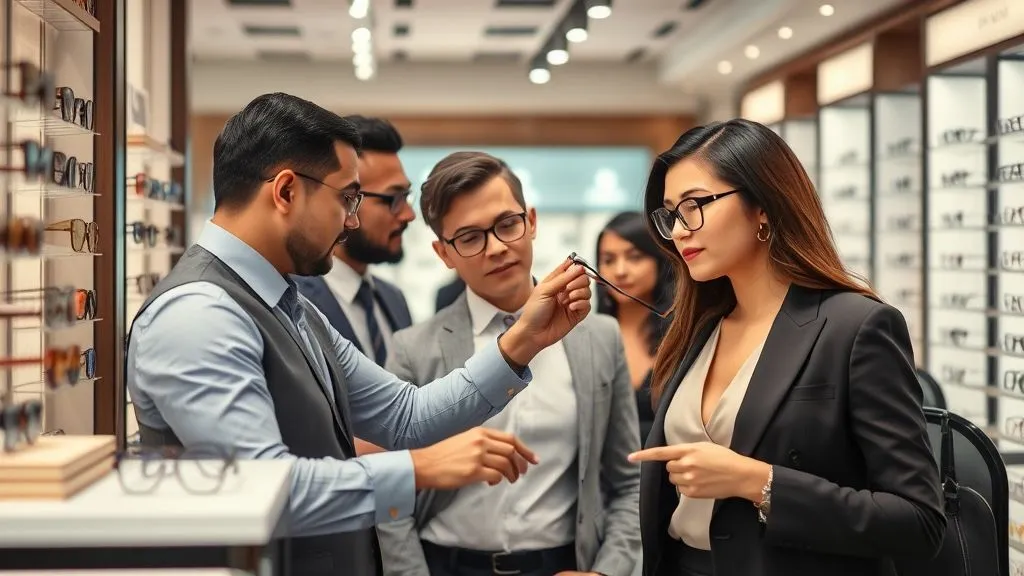
How to train staff to confidently style clients with iconic eyewear frames?
For over two decades in the dynamic world of eyewear fashion, I've observed a recurring challenge for many retailers: a disconnect between the incredible heritage and design of iconic frames and the staff's ability to truly communicate that value to clients. It’s a subtle but significant gap that often leaves both potential customers and valuable pieces of eyewear history feeling undervalued.
The problem isn't a lack of desire, but often a lack of structured, in-depth training. Staff might know the brands, but do they understand the nuanced history of a Ray-Ban Wayfarer, the engineering behind a Persol, or the cultural impact of a particular cat-eye silhouette? Without this deeper understanding, their recommendations can feel generic, failing to inspire confidence or articulate the unique story each iconic frame tells.
This article isn't just about selling more frames; it's about transforming your staff into genuine eyewear fashion connoisseurs, empowering them to become trusted advisors. I'll share a comprehensive framework, drawing from my own experience and industry best practices, to equip your team with the knowledge, skills, and most importantly, the confidence to style clients with iconic eyewear frames, elevating every customer interaction into a memorable experience.
Understanding the Legacy: Why Iconic Frames Matter
Before we can train staff to sell iconic frames, they must first understand why these frames hold such a revered place in fashion history. It’s not just about a brand name; it’s about timeless design, cultural impact, and enduring quality. This foundational understanding is the bedrock of genuine confidence.
The Allure of Heritage and Design
Iconic frames are more than just accessories; they are artifacts of design and culture. Think of the enduring appeal of the Aviator, born from military necessity, or the intellectual cool of the Clubmaster. Each has a narrative woven into its very structure, a story of innovation, rebellion, or elegance. Staff need to grasp these narratives.
- Ray-Ban Wayfarer: From Hollywood rebels to everyday chic, its bold silhouette defined generations.
- Persol 649/714: Steve McQueen's choice, known for its Meflecto stem system and distinctive keyhole bridge.
- Oliver Peoples: Epitomizing understated luxury and vintage-inspired aesthetics.
- Cat-Eye Frames: A symbol of feminine allure and sophistication since the mid-20th century.
Bridging History with Modern Style
The challenge is to connect this rich history with contemporary fashion trends and individual client needs. An iconic frame isn't a museum piece; it's a living design that continues to evolve and complement modern wardrobes. Staff should be able to articulate how a classic design remains relevant today.
“An iconic frame isn't just about its past; it's about its enduring power to shape the future of personal style. Our role is to help clients discover that connection.”
The Foundation: Building Product Knowledge Beyond the Basics
True confidence in styling iconic frames stems from an encyclopedic knowledge of the product. This goes far beyond knowing the brand name or price; it delves into materials, manufacturing, design nuances, and cultural context.
Deep Dive into Iconic Frame Anatomy and History
Your training program must include dedicated sessions on the specifics of each iconic frame series you carry. This means understanding:
- Materials: Acetate variations, metal alloys, unique hinge designs.
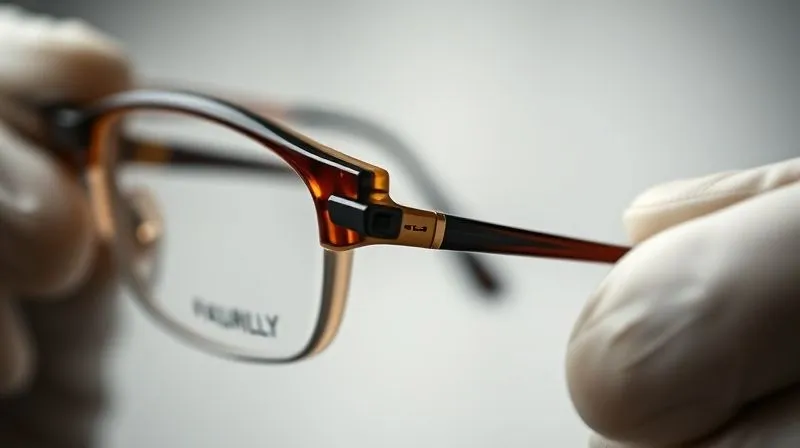
- Manufacturing: Hand-finishing, specific production techniques (e.g., Persol’s Meflecto).
- Design Elements: Bridge types, temple arm aesthetics, lens shapes, and their historical significance.
- Cultural Impact: Which celebrities wore them, what movies featured them, what social movements they represented.
This level of detail transforms a sales associate into a storyteller, allowing them to share fascinating tidbits that resonate with clients and build trust. Imagine a client asking about a frame, and your staff can not only tell them the brand but also the year it was first designed, the famous personality who popularized it, and the unique craftsmanship that makes it special.
Structured Product Knowledge Training:
- Brand Story Workshops: Dedicated sessions for each major iconic brand, focusing on their history, philosophy, and key designs.
- Material Science Deep Dive: Understanding the properties of different acetates, metals, and lens materials.
- Design Evolution Modules: Tracing the changes and adaptations of iconic frames over decades.
- Peer-to-Peer Presentations: Staff members research and present on a specific iconic frame, teaching their colleagues. This active learning solidifies knowledge.
- Manufacturer Resources: Utilize brochures, videos, and training materials provided by the brands themselves.
Mastering the Art of Face Shape Analysis and Personal Style Integration
Knowing the frames is one thing; knowing how to match them to an individual client is the true art of styling. This requires a keen eye for aesthetics, an understanding of facial geometry, and the ability to interpret a client's personal style.
Deconstructing Face Shapes and Frame Harmonies
Training should meticulously cover how different frame shapes complement various face shapes. This isn't about rigid rules but about creating visual balance and enhancing natural features. Staff need to understand:
- Oval Face: Versatile, most frame shapes work well.
- Round Face: Angular or geometric frames add definition.
- Square Face: Round or oval frames soften strong jawlines.
- Heart-Shaped Face: Wider at the top, narrower at the chin; cat-eye or oval frames work well.
- Oblong Face: Taller than wide; frames with a strong horizontal line or decorative temples can add width.
Practical exercises with diverse models (or even staff members) are crucial here. Use mirrors, drawing tools, and visual aids to help staff analyze and recommend. According to a study published by the The Vision Council, customer satisfaction significantly increases when eyewear professionals provide personalized styling advice that considers both aesthetic and functional needs.
| Face Shape | Recommended Iconic Frames | Why it Works |
|---|---|---|
| Oval | Wayfarer, Clubmaster, Aviator | Balanced proportions allow for versatility, most styles enhance natural features. |
| Round | Wayfarer, Square-shaped Oliver Peoples, Geometric Cat-eye | Adds definition and angles, creates contrast with soft facial curves. |
| Square | Aviator, Round Persol, Oval-shaped frames | Softens strong jawlines and angular features, creates harmonious balance. |
| Heart | Cat-eye, Aviator (lighter bottom), Oval frames | Balances wider forehead with narrower chin, drawing attention upwards. |
| Oblong | Wide Wayfarer, Clubmaster, Oversized frames | Adds width to a longer face, creating a more balanced appearance. |
Beyond Geometry: Client's Personality and Lifestyle
Beyond face shape, a truly confident stylist considers the client's overall persona. What's their job? What are their hobbies? What kind of impression do they want to make? An iconic frame choice is often a statement.
- The Creative: Might gravitate towards unique vintage-inspired frames or bold colors.
- The Professional: Seeks understated elegance and timeless appeal.
- The Adventurer: Prioritizes durability, comfort, and classic, robust designs like the Aviator.
- The Fashion-Forward: Interested in how iconic designs are reinterpreted in modern collections.
Training should include role-playing scenarios where staff practice asking open-ended questions that uncover these deeper client needs and preferences. This consultative approach builds rapport and ensures a recommendation that feels genuinely personal.

Developing a Consultative Selling Approach: From Transaction to Transformation
Selling iconic frames isn't about pushing product; it's about facilitating a discovery. It’s a consultative process where the staff acts as a guide, helping the client uncover the perfect expression of their style and personality.
The 5-Step Iconic Frame Consultation Protocol
I advocate for a structured, yet flexible, consultation protocol that empowers staff to lead clients through a journey of discovery:
- Engage & Observe: Greet the client warmly. Observe their current eyewear, clothing style, and demeanor. Ask open-ended questions about their lifestyle, profession, and what they're looking for. Example: "What kind of statement do you want your new eyewear to make?"
- Educate & Inspire: Introduce iconic frames not just by brand, but by their story and design legacy. "This Persol 714 was famously worn by Steve McQueen; its folding mechanism is a marvel of engineering." Use visuals or historical anecdotes.
- Analyze & Recommend: Based on face shape, skin tone, hair color, and the client's expressed style, narrow down options. Explain *why* certain frames would be a good fit, linking back to their personal style goals.
- Fit & Refine: Ensure the frame fits perfectly – bridge, temple length, overall comfort. Explain the importance of a proper fit not just for comfort but for aesthetics. Make minor adjustments on the spot if possible, demonstrating expertise.
- Close & Reassure: Reiterate the benefits of the chosen iconic frame – its timelessness, quality, and how it complements their unique look. Offer after-sales care information.
“The most confident stylists don't just sell frames; they curate experiences. They help clients invest in a piece of fashion history that becomes an extension of themselves.”
Hands-On Training: Role-Playing, Feedback, and Confidence Building
Knowledge without practice is inert. Practical application, especially through role-playing and constructive feedback, is where true confidence is forged. This is where staff move from knowing to doing.
The Power of Practical Application
Structured role-playing sessions are invaluable. Assign different staff members to play the stylist and the client, rotating roles. Use challenging scenarios, such as clients who are unsure, budget-conscious, or have very specific (and potentially unrealistic) ideas. Record sessions (with consent) for later review.
- Scenario-Based Training: "A client wants a modern look but is only drawn to classic Aviators. How do you bridge the gap?"
- Peer Feedback: Encourage constructive criticism among colleagues, focusing on communication, product knowledge recall, and styling recommendations.
- Expert Mentorship: Have experienced stylists or managers observe and provide one-on-one coaching.
Case Study: Elevating Client Experience at 'Visionary Optics'
Case Study: Elevating Client Experience at 'Visionary Optics'
Visionary Optics, a boutique eyewear store in a bustling urban center, struggled with staff confidence when it came to their premium iconic frame collection. While staff could identify brands, they often defaulted to basic recommendations, missing opportunities to upsell and truly connect with clients over the frames' heritage. After implementing a rigorous, four-week training program focused on product storytelling, face shape analysis, and extensive role-playing, their sales of iconic frames surged by 25% in the following quarter. More importantly, customer feedback scores related to 'personalized styling' and 'staff expertise' jumped by 40%. This transformation wasn't just about revenue; it was about elevating their brand's reputation as a destination for expert eyewear advice, proving how to train staff to confidently style clients with iconic eyewear frames can be a game-changer.
Leveraging Digital Tools and Trend Spotting for Continued Education
The world of fashion, including eyewear, is constantly evolving. A confident stylist is one who stays current, integrating new trends with timeless classics. Digital tools and continuous learning are essential for this.
Virtual Styling and Augmented Reality
Many brands and third-party developers offer virtual try-on tools and augmented reality (AR) apps. Train staff to use these tools not as replacements for in-person consultation, but as enhancements. They can help clients visualize options, explore different colors, and narrow down choices before trying on physical frames. This blends technology with human expertise, creating a modern and engaging experience.
Staying Ahead: Fashion Forecasting and Industry Insights
Encourage staff to actively follow eyewear fashion trends. This doesn't mean abandoning iconic frames, but understanding how they fit into the broader fashion landscape. Are oversized frames in? Are minimalist styles gaining traction? How are classic shapes being reinterpreted?
- Industry Publications: Subscribe to and regularly review magazines like Eyecare Business, 20/20 Magazine, and other fashion-specific journals.
- Fashion Weeks & Influencers: Monitor major fashion weeks and key eyewear influencers on social media for emerging styles and how iconic frames are being worn.
- Webinars & Workshops: Many manufacturers offer webinars on new collections and styling techniques.
Regular internal discussions about these trends can keep the team sharp and allow them to confidently integrate new ideas with their deep knowledge of iconic designs.
Cultivating an Iconic Eyewear Culture in Your Store
Training isn't a one-off event; it's a continuous process that thrives within a supportive culture. Your store environment and leadership play a crucial role in fostering a team that is genuinely passionate and confident about iconic eyewear.
Mentorship and Peer Learning
Establish a mentorship program where experienced stylists guide newer team members. Encourage peer-to-peer learning through regular "lunch and learn" sessions where staff share their styling successes, challenges, and new insights. This collaborative environment ensures that knowledge is continually shared and refined.
Visual Merchandising as a Teaching Tool
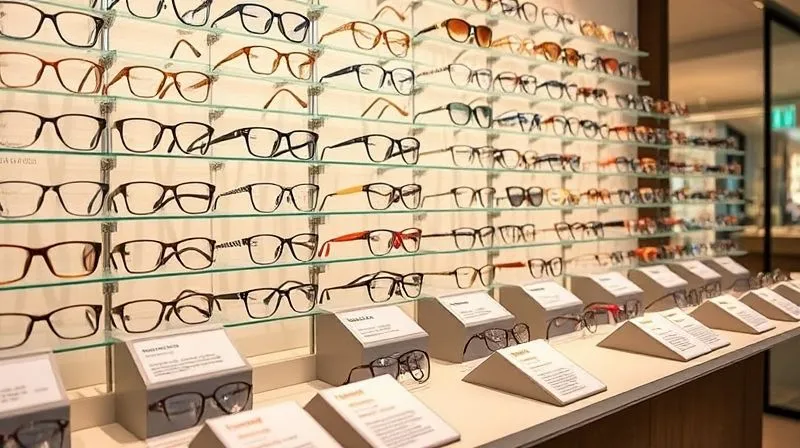
Your store's visual merchandising should reinforce the iconic status of your frames. Use historical photos, design sketches, or curated displays that tell the story of each frame. This not only educates customers but also serves as a constant visual reminder and learning aid for staff. A well-curated display can spark a conversation and allow staff to demonstrate their in-depth knowledge.
| Training Module | Frequency | Format |
|---|---|---|
| Iconic Frame History & Design | Bi-weekly (first 2 months), Monthly thereafter | Workshop, Guest Speaker, Brand Rep Session |
| Face Shape & Personal Style Analysis | Monthly | Role-playing, Client Case Studies, Peer Feedback |
| Consultative Selling & Storytelling | Bi-weekly | Role-playing, Script Development, Sales Pitch Practice |
| Trend Spotting & Digital Tools | Monthly | Discussion, Webinar Review, AR Tool Practice |
| Advanced Fitting & Adjustments | Quarterly | Hands-on Practice, Manufacturer Training |
Measuring Success: Metrics and Continuous Improvement
To ensure your training efforts are effective, you need to measure their impact and commit to continuous improvement. This isn't just about sales numbers, but also about the quality of client interactions and staff confidence.
- Sales Performance: Track sales of iconic frames specifically. Look for increases in average transaction value and unit sales.
- Customer Feedback: Implement surveys or feedback cards asking about the styling experience and staff knowledge.
- Staff Confidence Assessments: Regular check-ins, self-assessments, and manager observations can gauge confidence levels.
- Return Rates: A confident, well-informed recommendation often leads to higher customer satisfaction and lower return rates.
- Mystery Shopping: Employ mystery shoppers to evaluate the quality of interactions and styling advice.
Use these metrics to identify areas for further training and to celebrate successes. As Seth Godin often says, "The only way to get better is to get started, and the only way to get started is to get better." Continuous learning and adaptation are key to maintaining a confident and skilled team capable of styling clients with iconic eyewear frames effectively.
Frequently Asked Questions (FAQ)
How often should staff training on iconic frames be conducted? Initial intensive training should be followed by monthly or bi-monthly refreshers and updates, especially as new collections or re-releases of iconic styles emerge. Continuous learning through peer discussions and industry trend analysis should be ongoing.
What if my staff are already experienced? Do they still need this training? Absolutely. Even seasoned professionals can benefit from a structured deep dive into the historical and cultural significance of iconic frames. The goal is to move beyond basic product knowledge to expert-level storytelling and nuanced styling, which can always be refined.
How can I make the training engaging for staff with varying levels of interest? Incorporate diverse training methods: hands-on workshops, guest speakers (e.g., brand representatives), interactive quizzes, role-playing, and even competitive challenges. Allowing staff to research and present on their favorite iconic frames can also boost engagement and ownership.
My store has a limited budget for extensive training. What are the most critical elements to prioritize? Prioritize deep product knowledge of your core iconic frame offerings, followed by practical face shape analysis and consultative selling techniques through role-playing. Leverage free resources from brand manufacturers and encourage peer-to-peer learning to minimize costs.
How do I measure the ROI of this type of specialized training? Track specific KPIs such as sales volume of iconic frames, average transaction value for clients purchasing iconic frames, customer satisfaction scores related to styling expertise, and staff retention rates. A confident, well-trained staff often translates to higher sales and a stronger brand reputation.
Key Takeaways and Final Thoughts
- Deep Product Knowledge is Paramount: Go beyond brand names to understand the history, design, and cultural impact of each iconic frame.
- Master Face Shape & Personal Style: Train staff to expertly match frames to individual client features and personality, not just follow rigid rules.
- Embrace Consultative Selling: Transform interactions into discovery journeys, empowering staff to act as trusted style advisors.
- Prioritize Hands-On Practice: Role-playing and constructive feedback are essential for building genuine confidence and practical skills.
- Foster a Culture of Continuous Learning: Leverage digital tools, industry insights, and peer mentorship to keep knowledge current and vibrant.
- Measure and Adapt: Use key metrics to track success and continually refine your training programs.
Empowering your staff to confidently style clients with iconic eyewear frames isn't just an investment in their skills; it's an investment in your brand's legacy. It elevates your store from a mere point of sale to a destination for curated style and expert advice. By following this comprehensive framework, you're not just selling glasses; you're selling stories, confidence, and a piece of enduring fashion history. The transformation in your team's confidence and your clients' satisfaction will be undeniable.
Recommended Reading
- 7 Steps to Update Your Professional Work Wardrobe Post-Pandemic
- 8 Proven Steps: What to Do When Unique Jewelry Designs Get Copied by Competitors?
- 5 Critical Steps: What to Do When a Custom Bridal Gown Arrives Flawed
- Haute Couture as Art: 7 Proven Strategies for Elite Collectors
- Washable Power in Smart Apparel: 7 Best Practices for Seamless Integration



Your email address will not be published. Required fields are marked *