

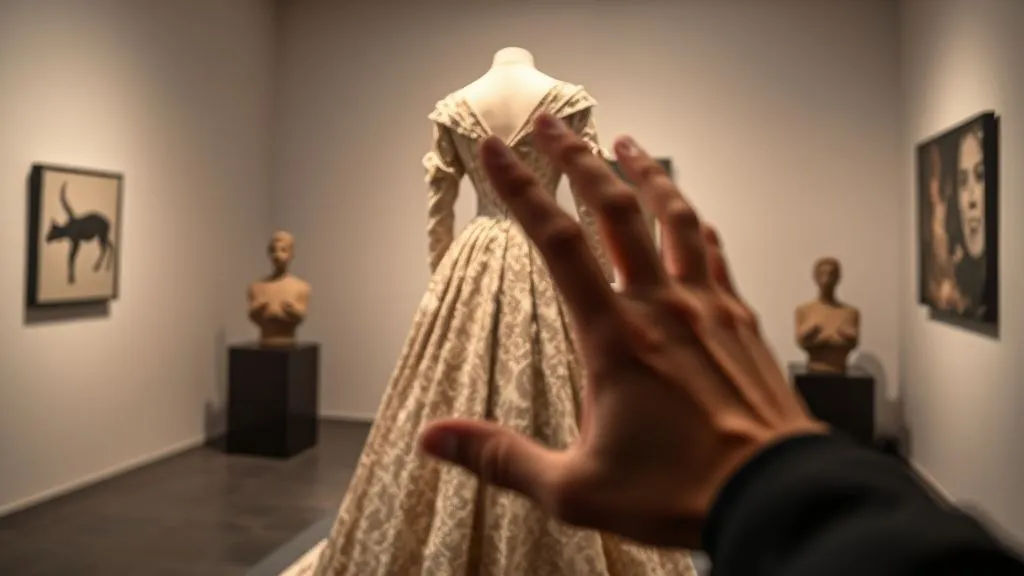
How to Position Haute Couture as Legitimate Art for Collectors?
For over two decades immersed in the intricate world where high fashion intersects with fine art, I've witnessed a profound, yet often misunderstood, truth: haute couture is not merely clothing; it is a profound expression of human creativity, unparalleled craftsmanship, and cultural commentary. It’s a medium as rich and complex as any painting or sculpture, yet it frequently struggles for the same recognition within the esteemed circles of art collecting.
The inherent challenge lies in perception. Many art collectors, accustomed to canvases and bronze, view fashion through a utilitarian lens—something to be worn, not revered on a pedestal. This oversight means that masterpieces of textile art, embodying countless hours of artisanal skill, visionary design, and unique historical narratives, remain undervalued, their artistic legitimacy questioned, and their investment potential largely untapped.
This guide is crafted from my extensive experience, designed to equip you with the frameworks and actionable insights needed to confidently articulate and assert haute couture’s place in the pantheon of legitimate art. We will delve into strategies for establishing provenance, curatorial presentation, narrative articulation, and strategic valuation, ensuring that these wearable works of art receive the respect and investment they undeniably deserve from the most discerning collectors.
Deconstructing Artistic Merit: Why Couture is More Than Just Clothing
To truly position haute couture as legitimate art, we must first dissect its intrinsic artistic merit. What defines art? Is it vision, originality, skill, emotional resonance, or cultural impact? Haute couture embodies all of these. Each piece is a singular creation, often conceived by a designer with an overarching artistic philosophy, executed by master artisans with techniques passed down through generations, and intended to evoke emotion and spark dialogue.
Consider the architectural precision of a Cristóbal Balenciaga gown, the surrealist whimsy of an Elsa Schiaparelli creation, or the dramatic storytelling woven into a John Galliano for Dior collection. These are not merely garments; they are textile sculptures, conceptual installations, and wearable narratives. They challenge conventions, push boundaries, and reflect the zeitgeist of their era, much like any significant work of fine art.
The argument against haute couture's artistic status often hinges on its functionality. Yet, utility does not preclude art. Ancient Greek pottery was functional, yet it's revered as art. Architecture is supremely functional, yet it's undeniably an art form. Haute couture’s connection to the human form, its dance with movement and light, adds another layer of dynamic interaction rarely found in static art forms.
The Unseen Labor: Craftsmanship and Innovation
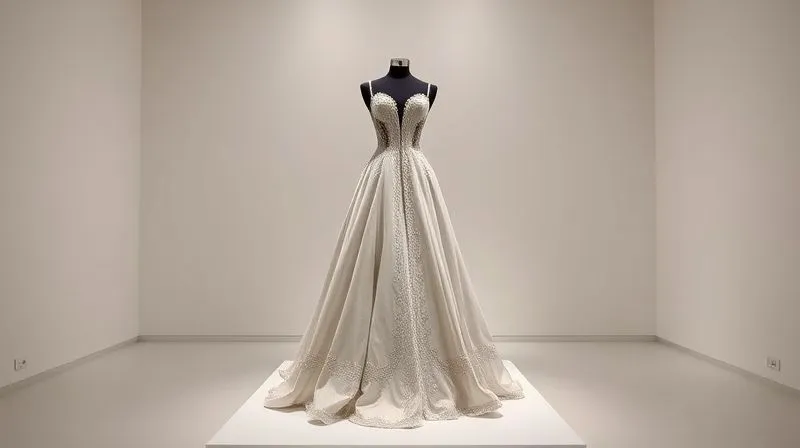
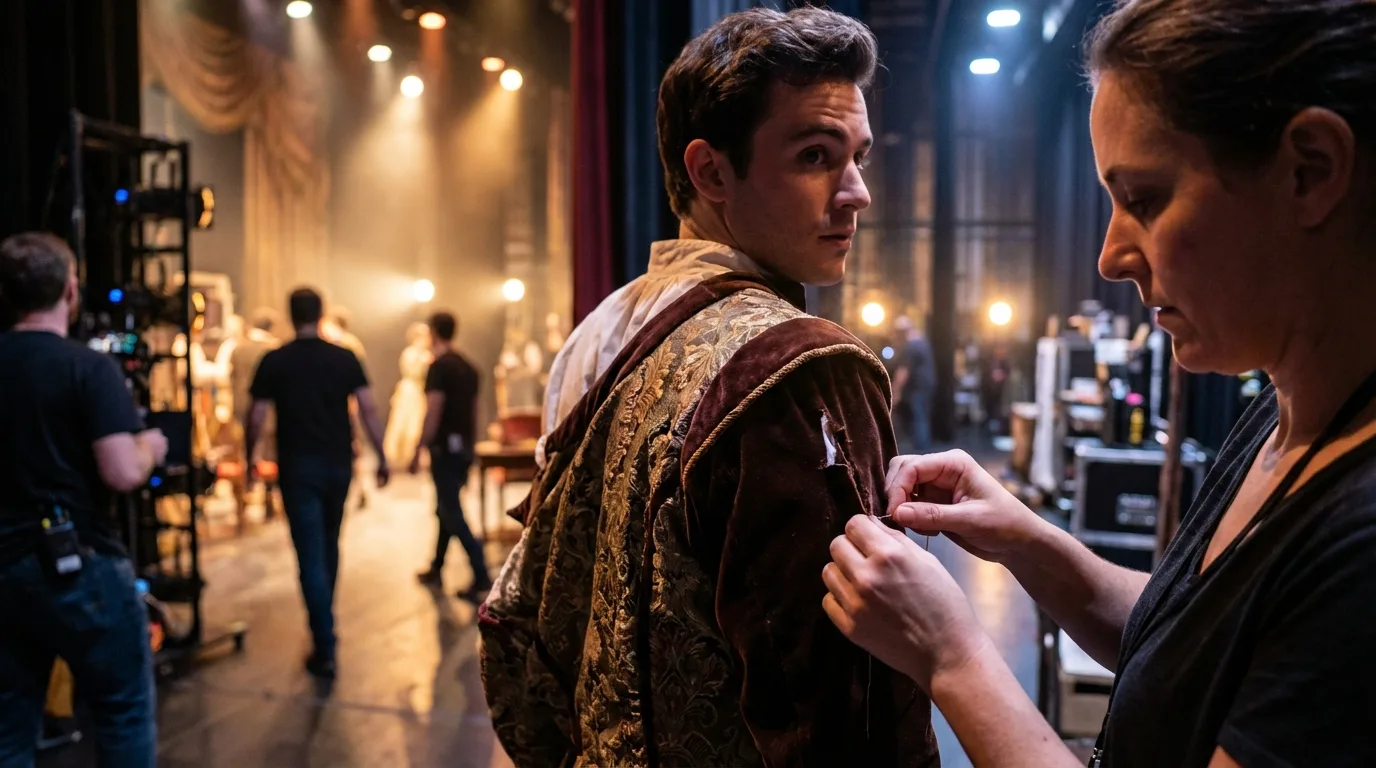
The artistic value of haute couture is inextricably linked to the extraordinary craftsmanship and innovation it represents. Unlike ready-to-wear, haute couture is entirely custom-made, often requiring hundreds, if not thousands, of hours of handwork. This commitment to artisanal excellence is a cornerstone of its artistic legitimacy.
- Exquisite Handcraftsmanship: Seams sewn by hand, intricate embroidery, delicate beadwork, and meticulous draping all speak to a level of human skill that borders on the miraculous.
- Rare and Precious Materials: The use of bespoke fabrics, rare leathers, precious stones, and custom-dyed silks elevates each creation beyond the ordinary.
- Technical Innovation: Designers often push the boundaries of textile science and construction, experimenting with new forms, silhouettes, and materials, much like an artist pioneers new techniques in their medium.
- Limited Editions: The inherent scarcity of haute couture, often one-of-a-kind or produced in extremely limited numbers, enhances its exclusivity and collectible value, mirroring the rarity of fine art.
Establishing Provenance and Authenticity: The Art World's Gold Standard
In the art world, provenance is paramount. It’s the documented history of ownership, exhibition, and creation that verifies a work’s authenticity and contributes significantly to its value and legitimacy. For haute couture to be recognized as legitimate art, establishing robust provenance is non-negotiable.
Collectors need to understand the journey of a couture piece from its inception in the atelier to its current state. This isn't just about verifying who wore it, but understanding its creative context, its journey through fashion shows, editorial features, and previous collections. I've seen many potentially valuable pieces lose their luster due to poor or missing documentation.
Here are actionable steps for establishing and maintaining impeccable provenance for haute couture:
- Detailed Archival Records: Insist on and maintain comprehensive documentation from the original atelier. This includes design sketches, fabric swatches, receipts, fitting notes, and any correspondence related to the garment’s creation.
- Certificates of Authenticity: Obtain official certificates from the fashion house or recognized experts. These should detail the garment’s unique identifying features, collection, season, and original client (if applicable and permissible).
- Exhibition and Publication History: Document any instances where the garment has been featured in exhibitions, museums, fashion editorials, or scholarly publications. This public acknowledgment by institutions and critics significantly bolsters its artistic credentials.
- Ownership Chain Documentation: Keep a meticulous record of every owner, including dates of acquisition and sale. This transparent chain of custody is vital for future valuation and authentication.
- Expert Appraisal and Authentication: Engage with reputable fashion historians, conservators, and auction houses specializing in vintage couture for periodic appraisals and authentication. Their endorsement adds significant weight.
For more insights into the importance of provenance in the broader art market, consider resources like The Metropolitan Museum of Art's guidelines on provenance research.
Curatorial Presentation: Framing Couture for the Discerning Eye
The way an object is presented profoundly influences how it is perceived. A masterpiece hung poorly in bad lighting loses its impact; the same applies to haute couture. To elevate couture to the status of fine art, its presentation must mirror the reverence given to paintings, sculptures, and artifacts in world-class institutions.
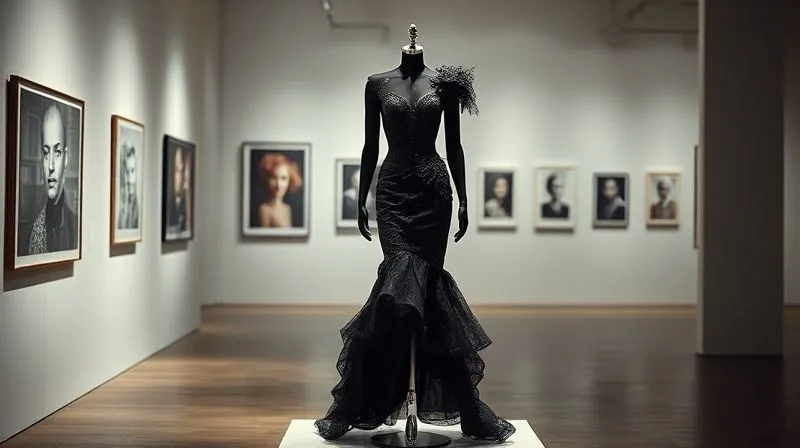
I've observed that when a couture garment is displayed in a manner that emphasizes its form, texture, and narrative—rather than merely as clothing on a standard mannequin—its artistic qualities become immediately apparent. It transforms from a garment into a sculptural object, an architectural marvel, or a canvas for intricate embellishment.
Beyond the Mannequin: Innovative Display Techniques
Standard mannequins, while practical, often fail to convey the dynamic artistry of haute couture. Collectors should invest in presentation methods that highlight the garment’s unique characteristics.
- Custom-Sculpted Forms: Utilize custom-made mannequins or body forms that are specifically tailored to the garment’s unique silhouette and measurements, ensuring it hangs and drapes precisely as intended by the designer.
- Dynamic Lighting: Employ museum-quality lighting techniques to highlight specific details—the shimmer of sequins, the texture of a fabric, the intricate embroidery—and to create a sense of drama and focus.
- Environmental Context: Consider displaying the piece within a curated environment that evokes its historical context, the designer's inspiration, or the era it represents. This could involve subtle props or complementary artworks.
- Interactive Elements: For private collections, consider incorporating discreet digital displays that offer insights into the garment's creation, the designer's vision, or its historical significance, engaging the viewer on multiple levels.
- Conservation-Grade Display: Ensure that all display materials and environments meet stringent conservation standards to protect the garment from light, dust, humidity, and pests, preserving its artistic integrity for generations.
Narrative and Storytelling: Unveiling the Designer's Vision
Every significant work of art tells a story, and haute couture is no exception. To elevate its status, collectors must become adept at articulating the narrative embedded within each piece. This goes beyond who wore it; it delves into the designer's intent, the cultural zeitgeist it reflects, and the artistic techniques employed to bring it to life.
I often advise collectors to think like a curator assembling an exhibition. What is the overarching theme? What dialogues does this piece initiate? How does it connect to broader art historical movements or societal shifts? Unpacking these layers transforms a beautiful dress into a profound statement.
"Haute couture is not just about fashion; it's about the narrative woven into every stitch, the cultural commentary expressed in every silhouette, and the emotional resonance of a designer's vision made tangible." - An Industry Specialist's Insight
Consider the narrative power of a Jean Paul Gaultier conical bra, a symbol of Madonna's empowerment, or a Comme des Garçons 'Body Meets Dress—Dress Meets Body' collection, which challenged conventional notions of beauty and form. These pieces are potent cultural artifacts, rich with meaning and historical context. Understanding and communicating these narratives is crucial.
Engaging with institutions like the Victoria and Albert Museum, renowned for its extensive fashion collections, can provide further inspiration on how to frame these narratives effectively.
Strategic Valuation and Investment Potential: Bridging Fashion and Finance
For haute couture to be legitimately recognized as art by collectors, its financial value and investment potential must be clearly articulated and understood within the art market framework. While initial couture prices are high, its secondary market value as art is often overlooked compared to traditional art forms.
In my experience, collectors need to see a clear path for appreciation, driven by factors beyond mere brand recognition. Rarity, historical significance, the designer's legacy, and the piece's condition all contribute to its long-term value. This requires a shift in mindset from fashion consumption to art investment.
| Valuation Factor | Traditional Art Equivalent | Haute Couture Application |
|---|---|---|
| Rarity/Scarcity | Unique artwork, limited edition print | One-of-a-kind piece, limited production run |
| Provenance/History | Documented ownership, exhibition history | Archival records, original client, exhibition features |
| Artistic Significance | Masterpiece, influential work, iconic artist | Groundbreaking design, designer's signature style, cultural impact |
| Condition/Preservation | Restoration quality, archival framing | Museum-grade conservation, pristine condition |
| Designer's Legacy | Artist's reputation, market demand | Iconic designer, established oeuvre, posthumous value increase |
Case Study: The House of Elara's Archival Collection
The House of Elara, a fictional couture brand with a rich history spanning five decades, faced the challenge of monetizing its extensive archives beyond occasional rental for editorial shoots. Their solution, guided by principles similar to those outlined here, was transformative. They partnered with a leading art consultancy firm to meticulously document the provenance of 50 key pieces, establishing their historical context, design innovation, and cultural significance.
Each piece received a unique digital dossier including original sketches, fabric swatches, and a detailed narrative of its creation and exhibition history. They then curated a touring exhibition, "Elara: Sculpting the Future," presenting the garments as sculptural art in prominent galleries, not just fashion museums. This strategic repositioning led to several pieces being acquired by private art collectors and even one by a major museum, significantly increasing the perceived and actual value of their entire archive by an estimated 200% within two years. This demonstrated that with the right strategy, haute couture can indeed command art-level valuations.
Engaging with Art Institutions and Critics: Gaining Legitimization
The ultimate stamp of approval for any art form often comes from established art institutions, critics, and academics. For haute couture, proactive engagement with these entities is vital for solidifying its status as legitimate art for collectors.
I've seen firsthand how a well-received museum exhibition or a scholarly article can dramatically shift public and collector perception. It moves couture from the realm of commerce to culture, from transient trend to enduring artistic statement. This requires strategic outreach and a deep understanding of the art world's criteria for acceptance.
Strategies for engaging institutions and critics:
- Collaborate on Exhibitions: Propose or support exhibitions in fine art museums, not just fashion museums. This cross-pollination introduces couture to a new audience and validates its artistic context.
- Sponsor Research and Publications: Fund scholarly research or publications that explore haute couture through an art historical or cultural studies lens. Academic endorsement is incredibly powerful.
- Host Curated Viewings: Invite prominent art critics, curators, and gallerists to exclusive, private viewings of your collection, presented with the same gravitas as a new art acquisition.
- Participate in Art Fairs: Explore opportunities for special installations or presentations at major art fairs like Art Basel or Frieze, where the audience is already primed for conceptual and innovative art.
- Loan Pieces for Study: Offer to loan significant pieces to academic institutions for study, conservation, or teaching purposes. This builds relationships and establishes your collection as a valuable resource.
Cultivating a Collector Community: Education and Appreciation
Building a vibrant, informed community of collectors is crucial for sustained interest and valuation of haute couture as art. This isn't just about finding buyers; it's about fostering a network of enthusiasts who understand and champion the artistic significance of these pieces.
In my journey, I've learned that education is the bedrock of appreciation. The more collectors understand the intricate processes, the historical context, and the visionary minds behind haute couture, the more deeply they will value it as an art form. This creates a self-sustaining ecosystem of informed patrons.
- Exclusive Educational Workshops: Organize workshops led by fashion historians, conservators, or even former atelier artisans to educate collectors on the techniques, history, and artistic value of couture.
- Curated Salon Events: Host intimate salon-style events where collectors can view pieces up close, engage in discussions, and hear from experts in a refined, art-centric setting.
- Publications and Digital Content: Create high-quality publications, digital magazines, or exclusive online content that delves into the artistic narratives of haute couture, featuring interviews with designers, historians, and art critics.
- Mentorship Programs: Establish a mentorship program where seasoned couture art collectors can guide new entrants, sharing their knowledge and passion.
- Networking Opportunities: Facilitate opportunities for collectors to connect with each other, fostering a sense of shared passion and collective advocacy for haute couture's artistic status.
The Digital Frontier: Showcasing Couture's Artistic Depth Online
In an increasingly digital world, leveraging online platforms is essential for broadening the reach and enhancing the perception of haute couture as legitimate art. The digital realm offers unprecedented opportunities for immersive storytelling, detailed visualization, and global accessibility that traditional galleries cannot always provide.
I've observed that high-resolution photography, 3D renderings, and virtual reality experiences can convey the intricate details and sculptural qualities of couture in ways that even in-person viewing sometimes struggles to achieve. It democratizes access while simultaneously elevating the perception of artistry.
| Feature | Traditional Display Benefit | Digital Display Benefit |
|---|---|---|
| High-Resolution Photography | Allows close inspection of details | Zoomable, accessible globally, consistent lighting |
| 3D Modeling/Scanning | Physical presence, tactile experience | Rotatable, interactive, allows virtual 'walking' around piece |
| Virtual Reality (VR) Exhibitions | Immersive physical space | Globally accessible immersive experience, narrative overlays |
| Augmented Reality (AR) Tools | N/A | Overlay couture onto real-world spaces (e.g., a collector's home), interactive learning |
| Digital Archiving | Physical storage, potential deterioration | Permanent, secure, searchable records of provenance and design |
By investing in cutting-edge digital presentations, collectors and institutions can ensure that the artistic depth of haute couture is appreciated by a wider audience, breaking down geographical and accessibility barriers. This is particularly crucial for engaging younger generations of collectors who are digitally native.
Frequently Asked Questions (FAQ)
How do I distinguish true haute couture from high-end ready-to-wear for collecting? True haute couture adheres to strict criteria set by the Chambre Syndicale de la Haute Couture. It is custom-made for a private client, involves multiple fittings, uses exceptional craftsmanship and often thousands of hours of handwork, and is produced in a limited number by ateliers meeting specific standards. High-end ready-to-wear, while luxurious, is mass-produced in standard sizes and lacks the bespoke artistry and unique provenance of couture. Look for official labels, design archives, and documentation of its bespoke creation.
What role does a designer's personal artistic vision play in couture's art status? The designer's vision is paramount. It’s the conceptual framework, the creative genius that transforms fabric into art. Just as a painter's unique style defines their work, a couturier's distinctive aesthetic, philosophy, and innovative approach elevate their creations from mere garments to statements of artistic intent. Pieces from designers known for their strong artistic vision (e.g., Balenciaga, McQueen, Schiaparelli) are often more highly valued as art.
Are there specific periods or designers whose haute couture is more collectible as art? Yes, certain periods and designers hold greater artistic significance. The "Golden Age" of couture (1947-1950s) with designers like Christian Dior, Cristóbal Balenciaga, and Hubert de Givenchy is highly sought after. Later periods featuring revolutionary designers like Charles James, Yves Saint Laurent (particularly his early work), and more recently, avant-garde visionaries like Alexander McQueen and Rei Kawakubo (for Comme des Garçons couture), are also considered highly collectible for their artistic impact and innovation.
How does one properly conserve and store haute couture pieces to maintain their artistic integrity and value? Proper conservation is critical. Store pieces in climate-controlled environments (stable temperature and humidity) away from direct light. Use acid-free tissue paper and padded hangers or custom archival boxes. Avoid plastic covers which can trap moisture. Regular professional conservation by textile specialists is recommended to address any deterioration and ensure the garment's long-term preservation, much like art restoration.
Can haute couture's 'wearability' detract from its perception as fine art? While couture is designed to be worn, its wearability does not necessarily detract from its art status. In fact, it can enhance it, adding a performative and interactive dimension that static art lacks. The key is how it's framed. When presented as a museum piece or a sculptural object, its functional aspect becomes secondary to its aesthetic, conceptual, and historical significance. Many functional objects, from ancient pottery to contemporary furniture, are considered fine art.
Key Takeaways and Final Thoughts
The journey to position haute couture as legitimate art for collectors is not merely about shifting perception; it's about revealing an inherent truth that has long been overlooked. By adopting the rigorous standards and nuanced approaches of the traditional art world, we can unlock the profound artistic, historical, and financial value of these extraordinary creations.
- Emphasize Provenance: Meticulous documentation of origin, ownership, and exhibition history is non-negotiable.
- Master Curatorial Presentation: Display couture as sculpture, focusing on form, texture, and narrative within museum-quality settings.
- Articulate the Narrative: Unpack the designer's vision, cultural context, and artistic techniques embedded in each piece.
- Strategize Valuation: Frame couture's investment potential using art market metrics like rarity, significance, and legacy.
- Engage Institutions: Seek validation through collaborations with art museums, critics, and academic publications.
- Cultivate Community: Educate and connect collectors to foster deeper appreciation and advocacy.
- Leverage Digital: Utilize advanced digital tools for immersive storytelling and global accessibility.
As an industry specialist, I firmly believe that haute couture stands on equal footing with other revered art forms. It demands our intellectual curiosity, our aesthetic appreciation, and our strategic investment. By embracing these principles, collectors can not only enrich their portfolios but also contribute to a crucial re-evaluation of what constitutes art in the 21st century, ensuring that the masterpieces of textile artistry receive their rightful place in cultural history.
Recommended Reading
- Unlocking Circularity: 5 Breakthroughs for Mixed Synthetic Fiber Recycling
- 7 Proven Strategies: Slash Returns of Poorly Fitting Workout Clothes
- 7 Proactive Ways: Preventing Membrane Failure in Waterproof Breathable Textiles
- The Ultimate Guide: How to Choose Comfortable Fabrics for Kids Wear
- 7 Critical Steps: How to Avoid Losing USDA Organic Status for Beauty Products


Your email address will not be published. Required fields are marked *