

How to Prevent Membrane Failure in Waterproof Breathable Textiles?
For over 15 years in the textile innovation and performance apparel sector, I've witnessed firsthand the frustration and disappointment when a seemingly robust waterproof breathable garment begins to fail. It's not just about a wet hike; it's about the erosion of trust in technology, the environmental cost of premature disposal, and the sheer inconvenience of a product that no longer performs its core function.
The pain point is universal: you invest in high-performance gear, expecting it to keep you dry and comfortable in challenging conditions. Yet, over time, the magic fades. The fabric 'wets out,' the inner lining delaminates, and suddenly, that impenetrable barrier feels more like a sieve. This isn't just wear and tear; it's often a symptom of membrane failure, a complex issue that can render even the most advanced textiles useless.
But what if I told you that many of these failures are preventable? In this comprehensive guide, I'll share expert insights and actionable strategies gleaned from years in the industry. We'll delve into everything from initial material selection and manufacturing best practices to proper care, maintenance, and even future innovations. My goal is to equip you with the knowledge to significantly extend the life and performance of your waterproof breathable textiles, ensuring they stand up to the elements as intended.
Understanding the Enemy: What is Membrane Failure?
Before we can prevent membrane failure, we must first understand what it is and why it occurs. At its core, a waterproof breathable membrane is a thin, microporous layer designed to block liquid water while allowing water vapor (perspiration) to escape. This delicate balance is key to comfort and protection. When this balance is disrupted, we see failure.
Types of Membrane Failure
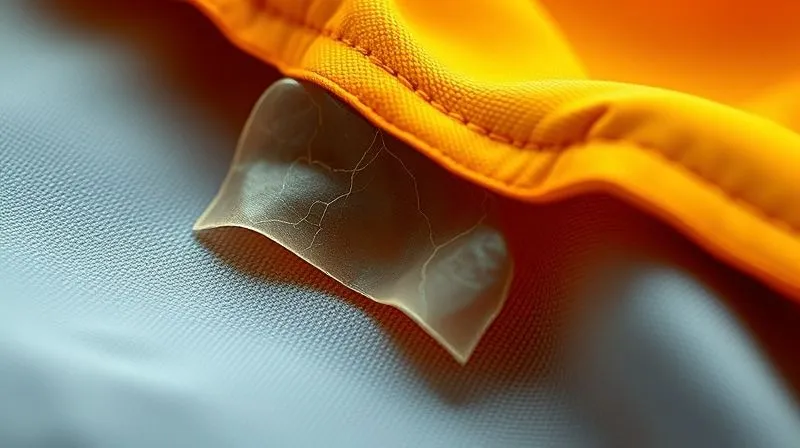
- Delamination: This is perhaps the most common and visible form of failure. It occurs when the membrane separates from the face fabric or the inner liner. You'll often see bubbling, peeling, or a crinkling sound, which compromises both the waterproof integrity and the garment's aesthetic.
- Abrasion & Puncture: Physical damage from rubbing against rough surfaces, sharp objects, or even internal friction can create microscopic holes or tears in the membrane, directly breaching its waterproof barrier.
- Chemical Degradation: Exposure to oils, dirt, sweat, detergents with harsh chemicals, or even sunscreen can slowly break down the polymer structure of the membrane or interfere with its DWR (Durable Water Repellent) coating.
- Hydrolysis: A specific type of chemical degradation where water molecules break down polymer chains, often seen in PU (polyurethane) membranes, leading to stickiness, brittleness, and loss of function over time.
"In my experience, many consumers mistakenly attribute membrane failure solely to manufacturing defects. While these do occur, a significant portion of failures stem from a lack of understanding regarding proper care and the complex interplay of materials and environmental factors."
The Foundation: Choosing the Right Textile and Membrane
Prevention starts long before a product reaches the consumer – it begins with meticulous material selection and design. As an industry specialist, I've seen how crucial these initial choices are in determining a textile's long-term durability and resistance to membrane failure.
Material Selection Criteria
When designing or purchasing waterproof breathable textiles, consider these factors:
- Membrane Type: Different polymer membranes (e.g., ePTFE like Gore-Tex, PU, Polyester, hydrophilic) offer varying levels of durability, breathability, and resistance to specific types of degradation. ePTFE is renowned for its durability and consistent performance, while PU can be more susceptible to hydrolysis but often more cost-effective.
- Fabric Construction: The face fabric (the outer layer) and the backing fabric (the inner layer) play a vital role. Tightly woven, abrasion-resistant face fabrics protect the membrane from physical damage. The backing fabric's ability to wick moisture away from the body also contributes to overall comfort and prevents internal condensation build-up.
- Laminate Construction: Is it a 2-layer, 2.5-layer, or 3-layer laminate? 3-layer constructions, where the membrane is bonded between the face and backing fabrics, generally offer superior durability and protection against delamination compared to 2-layer systems where the membrane is only bonded to the face fabric and protected by a loose liner.
- DWR Application: The quality and type of Durable Water Repellent (DWR) finish on the face fabric are critical. A good DWR prevents the face fabric from 'wetting out,' which allows the membrane to breathe effectively.
Understanding these choices is the first step in ensuring a product's inherent resilience. For an in-depth look at specific membrane technologies and their properties, I recommend exploring resources from leading textile science organizations. The Textile Institute offers excellent technical papers and industry insights.
| Membrane Type | Pros | Cons |
|---|---|---|
| ePTFE (e.g., Gore-Tex) | Excellent durability, high breathability, consistent performance | Higher cost, susceptible to oils/dirt if unprotected |
| PU (Polyurethane) | Good elasticity, often more affordable, good abrasion resistance | Can be prone to hydrolysis, lower initial breathability |
| Hydrophilic (Non-Porous) | Excellent stretch, no pores to clog, highly durable | Breathability can be less effective in high humidity, higher weight |
Manufacturing Precision: Ensuring Quality from the Start
Even with the best materials, poor manufacturing can introduce vulnerabilities that lead to premature membrane failure. Quality control throughout the production process is paramount. I've seen how minor oversights during bonding or seam sealing can create critical weak points.
Critical Manufacturing Steps for Membrane Integrity
- Lamination Process: The bonding of the membrane to the face and/or backing fabrics must be precise and consistent. Uneven bonding, insufficient adhesive, or improper temperature/pressure during lamination can lead to early delamination.
- Seam Sealing: Stitching creates holes, which compromise waterproofness. All seams on waterproof breathable garments must be sealed with a durable, flexible tape. The application of this tape requires meticulous heat and pressure control to ensure a complete and long-lasting bond.
- Fabric Inspection: Thorough inspection of raw materials for defects, inconsistencies, or contamination before and after lamination is crucial. Even a tiny pinhole in the membrane can lead to catastrophic failure in the field.
- DWR Application Consistency: Ensuring an even and durable DWR coating across the entire face fabric is vital for performance. Inconsistent application can lead to 'wetting out' in specific areas, hindering breathability and making the garment feel damp.
Case Study: How AlpineTech Minimized Delamination
AlpineTech, a mid-sized outdoor apparel brand, faced a concerning 5% delamination return rate within the first year of purchase for their premium jackets. After an extensive review of their manufacturing process, they discovered inconsistencies in their lamination line's temperature and pressure calibration. By implementing a rigorous weekly calibration schedule and investing in real-time sensor monitoring, they reduced their delamination return rate to below 0.5% within 18 months. This not only saved significant warranty costs but also dramatically improved customer satisfaction and brand reputation, demonstrating the profound impact of manufacturing precision on preventing membrane failure.
Care and Maintenance: The User's Role in Longevity
This is where the consumer plays a critical role in how to prevent membrane failure in waterproof breathable textiles. Improper cleaning and storage are major culprits behind premature membrane degradation. Many people treat their technical gear like ordinary clothing, which is a significant mistake.
Best Practices for Washing and Drying
- Wash Regularly, But Gently: Dirt, oils, sweat, and body lotions can clog the membrane's pores and degrade the DWR coating. Wash your gear more often than you might think, but always follow the garment's care label.
- Use Technical Cleaners: Avoid conventional detergents, fabric softeners, and bleach. These can leave residues that clog pores, strip DWR, and even chemically attack the membrane. Use specialized technical washes designed for waterproof breathable fabrics (e.g., Nikwax Tech Wash, Grangers Performance Wash).
- Warm Water & Gentle Cycle: Wash in warm water (around 30-40°C) on a gentle cycle. Close all zippers and Velcro fasteners before washing to prevent snagging.
- Rinse Thoroughly: Ensure at least one extra rinse cycle to remove all detergent residues.
- Tumble Dry on Low Heat (if advised): Many waterproof breathable garments benefit from a low-heat tumble dry. The heat helps to reactivate the DWR coating. If the care label permits, this is crucial. Air drying is also an option, but won't reactivate DWR.
Storage Solutions to Prevent Degradation
- Clean Before Storing: Always ensure your gear is clean and completely dry before long-term storage to prevent mildew and degradation from body oils/dirt.
- Hang, Don't Crumple: Store garments on a wide hanger in a cool, dry, well-ventilated area. Avoid compressing them tightly in stuff sacks for extended periods, as this can create permanent creases and stress points on the membrane.
- Avoid Direct Sunlight: Prolonged exposure to UV light can degrade fabrics and membranes over time.
For more detailed instructions on caring for specific types of waterproof breathable fabrics, check out guides from reputable outdoor gear care brands. Nikwax's care guides are an excellent starting point.
Re-Proofing and Repair: Extending the Lifespan
Even with the best care, the DWR coating will eventually wear off, and minor damage can occur. Knowing how to re-proof and perform basic repairs is essential for preventing full membrane failure and maximizing product longevity.
When and How to Re-Apply DWR
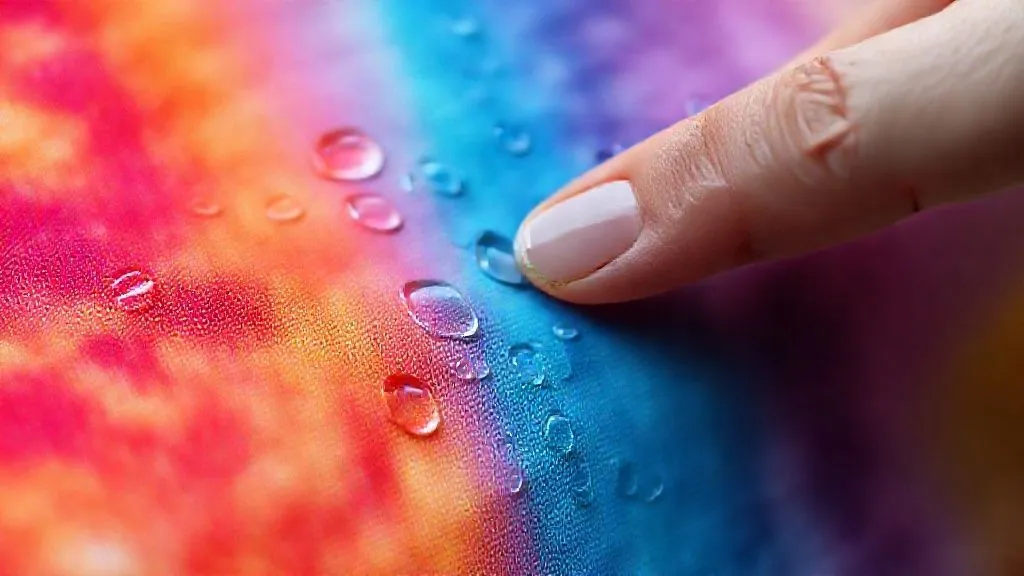
You'll know your DWR needs re-application when water no longer beads up and rolls off the fabric, but instead 'wets out' and soaks into the face fabric. This doesn't mean your membrane has failed, but it significantly compromises breathability and makes the garment feel clammy.
- Clean First: Always wash the garment thoroughly with a technical cleaner before re-proofing to ensure the DWR can bond effectively.
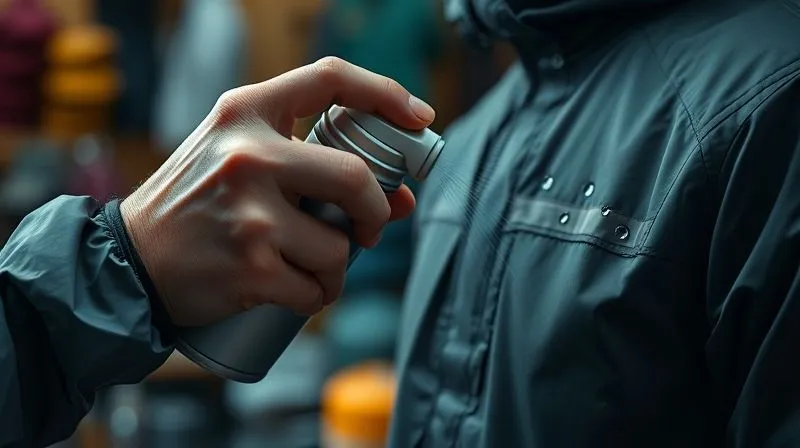
- Choose Your Method: DWR treatments come in two main forms: wash-in and spray-on. Wash-in treatments are convenient but can also treat the inner liner, potentially reducing breathability. Spray-on treatments allow for targeted application to the outer face fabric only.
- Apply Evenly: For spray-on, apply to a clean, damp garment. Spray evenly until the fabric is saturated. For wash-in, follow the product's instructions carefully for dosage and cycle.
- Heat Activation (Crucial): Many DWR treatments require heat to bond and activate. If the garment's care label allows, tumble dry on low heat or iron on a low, synthetic setting (with a towel between the iron and garment) to maximize effectiveness.
Addressing Minor Damage and Tears
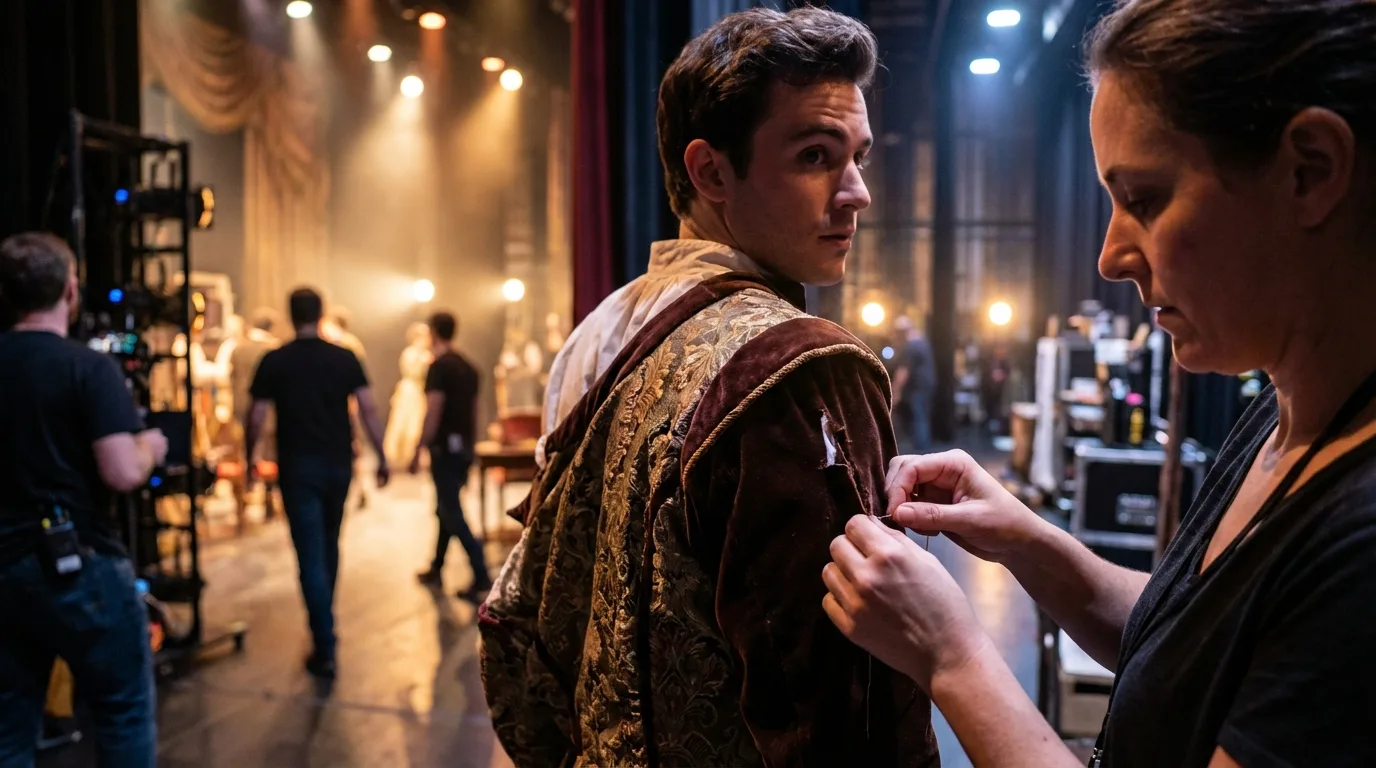
Small punctures, tears, or seam abrasions can be repaired to prevent them from becoming larger issues that compromise the membrane. Use specialized repair patches designed for technical fabrics. These are typically self-adhesive and made from durable, waterproof materials. Clean the area thoroughly, cut the patch to size with rounded corners, and apply firmly. For more significant damage, professional repair services often have the expertise and equipment to re-seal seams or replace panels.
Environmental Factors: Shielding Against the Elements
While designed for tough conditions, waterproof breathable textiles are not impervious to every environmental stressor. Understanding these factors is key to preventing membrane failure.
Understanding UV Degradation
Prolonged exposure to ultraviolet (UV) radiation from the sun can weaken the synthetic fibers of the face fabric and, critically, degrade the polymer structure of the membrane itself. This leads to reduced tensile strength, increased brittleness, and ultimately, a higher risk of delamination or tearing. Always store gear away from direct sunlight when not in use.
Chemical Exposure and Its Impact
Beyond harsh detergents, everyday chemicals can be detrimental. Insect repellents (especially those containing DEET), sunscreens, campfire smoke, and even certain tree saps can interact negatively with DWR coatings and membrane materials. Be mindful of what comes into contact with your gear. If exposure occurs, clean the affected area promptly and gently with a specialized technical wash.
"The longevity of a waterproof breathable textile isn't just about its initial quality; it's a testament to how well it's shielded from the relentless, often invisible, environmental attacks it faces throughout its lifespan."
Advanced Diagnostics: Identifying Early Warning Signs
Proactive detection is a powerful tool in how to prevent membrane failure in waterproof breathable textiles. Learning to identify the early warning signs can allow you to intervene before a minor issue escalates into irreversible damage.
Visual and Tactile Inspection Techniques
- Visual Inspection: Regularly examine your garment for signs of wear. Look for subtle bubbling or crinkling in the fabric, especially around high-stress areas like shoulders, cuffs, and the hem. Check for discoloration or fading, which could indicate UV damage.
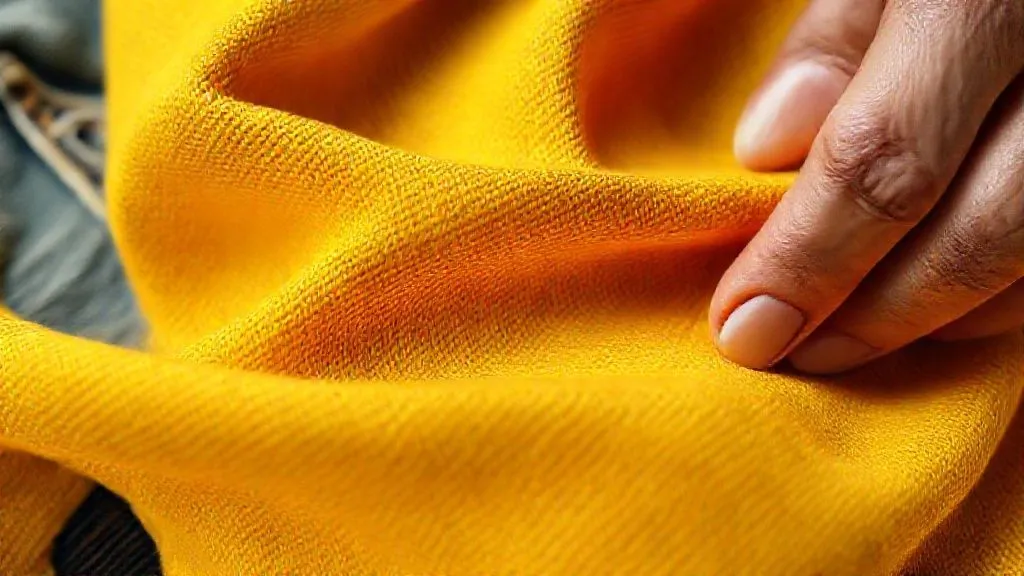
- Tactile Check: Feel the fabric. Is it becoming stiff or brittle in certain areas? Does the inner lining feel sticky or unusually smooth (a sign of hydrolysis)? Any unusual texture changes can be an early indicator of membrane degradation.
- Seam Check: Carefully inspect seam tapes for peeling, fraying, or detachment. If the tape is coming loose, water will eventually find its way through.
Simple Home Tests for Waterproofness
You don't need a lab to check your gear's performance:
- The Spray Test (DWR Check): Spray a small amount of water onto the outer fabric. If it beads up and rolls off, your DWR is still active. If it soaks in and creates dark spots, it's time to re-proof.
- The Water Pool Test (Membrane Integrity): Find a clean, flat surface. Lay a section of the garment flat, inner side up. Pour a small pool of water onto the inner lining (e.g., inside a pocket or a sleeve) and let it sit for 15-30 minutes. If the outer fabric remains dry, the membrane in that area is likely intact. If the outer fabric becomes damp, you have a leak.
Understanding these simple diagnostic steps can empower you to take timely action. For those interested in the scientific methods of textile testing, delve into academic resources. For instance, ScienceDirect provides a wealth of research on waterproof fabric evaluation.
| Sign of Failure | Possible Cause | Action |
|---|---|---|
| Face Fabric 'Wetting Out' | Worn DWR coating, dirt/oil buildup | Clean and re-apply DWR |
| Bubbling/Peeling on Interior | Membrane delamination | Professional repair or replacement |
| Sticky Inner Lining | Hydrolysis (PU membranes) | Often irreversible, consider replacement |
| Crinkling Sound/Stiffness | Membrane degradation/delamination | Monitor closely, consider replacement |
| Visible Tears/Punctures | Physical abrasion/damage | Patch repair or professional service |
The Future of Durability: Innovations on the Horizon
The textile industry is constantly evolving, and the pursuit of more durable, sustainable, and high-performing waterproof breathable materials is relentless. As an industry veteran, I'm particularly excited about several emerging technologies that promise to revolutionize how we prevent membrane failure.
Self-Healing Membranes and Bio-Based Solutions
Imagine a membrane that could repair minor punctures on its own. Research into self-healing polymers, inspired by biological systems, is showing promising results. These materials could significantly extend the practical lifespan of garments by actively mitigating small damages before they become critical failures. Furthermore, the push for sustainability is driving innovation in bio-based membranes, which aim to reduce reliance on petroleum-derived polymers while maintaining or even enhancing performance and durability. These developments, once scalable, will offer robust alternatives to current technologies, addressing both environmental concerns and consumer demand for longer-lasting products.
Another area of focus is the development of more robust DWR chemistries that are free from harmful PFAS (per- and polyfluoroalkyl substances) yet offer comparable or superior performance. These next-generation DWRs are designed to be more resistant to abrasion and chemical degradation, maintaining the textile's breathability and waterproofness for longer periods without the environmental baggage.

Frequently Asked Questions (FAQ)
Q: Is delamination always a sign of catastrophic failure, or can it be repaired? A: Delamination is a significant form of membrane failure. Minor, localized delamination might be temporarily managed with specialized fabric adhesives, but it's often a sign that the bonding agent is failing. Widespread delamination usually indicates the end of the garment's functional life, as it's very difficult to repair effectively and restore full integrity. Prevention is far more effective than trying to fix extensive delamination.
Q: How often should I re-proof my waterproof breathable gear? A: The frequency depends heavily on usage and exposure. For gear used frequently in harsh conditions, re-proofing might be necessary every 5-10 washes or once a season. For casual use, once a year might suffice. The best indicator is the 'wet out' test: if water no longer beads on the face fabric, it's time to re-apply DWR, regardless of how recently you last did it.
Q: Can regular laundry detergent damage waterproof membranes? A: Yes, absolutely. Regular detergents contain surfactants, optical brighteners, and often fabric softeners that can leave residues on the fabric. These residues can clog the microscopic pores of breathable membranes, significantly reducing breathability, and can also interfere with or strip the DWR coating, causing the face fabric to 'wet out.' Always use specialized technical washes designed for waterproof breathable textiles.
Q: What's the difference between hydrostatic head and MVTR, and why do they matter for membrane longevity? A: Hydrostatic Head (HH) measures waterproofness – the height of a column of water a fabric can withstand before leaking. A higher HH means greater waterproofness. Moisture Vapor Transmission Rate (MVTR) measures breathability – how much water vapor (sweat) can pass through the fabric over a given time. Both are crucial for performance. A high HH ensures you stay dry, while a high MVTR prevents internal condensation buildup, which can feel like a leak and degrade the membrane over time due to prolonged moisture exposure from the inside. They don't directly measure longevity, but optimal levels of both contribute to a more comfortable and durable product.
Q: Are all waterproof breathable membranes created equal in terms of durability? A: No, absolutely not. There's a wide spectrum of membrane technologies, each with different chemical compositions, pore structures, and laminate constructions. For example, expanded PTFE (ePTFE) membranes are generally known for their robust durability and consistent performance over time, while some polyurethane (PU) membranes, particularly older or lower-cost versions, can be more susceptible to hydrolysis and physical degradation. The specific design, backing material, and manufacturing quality also play a huge role. Always research the membrane technology and brand reputation when making a purchase if durability is a top concern.
Key Takeaways and Final Thoughts
Preventing membrane failure in waterproof breathable textiles is not a singular action but a holistic approach that spans from intelligent design choices to diligent user care. As an industry specialist, I can attest that understanding these principles is the most powerful tool you have to extend the life and performance of your technical gear.
- Educate Yourself: Understand the different types of membranes and their vulnerabilities.
- Choose Wisely: Prioritize quality materials and reputable manufacturers from the outset.
- Maintain Diligently: Regular cleaning with appropriate products and proper storage are non-negotiable.
- Re-proof & Repair: Don't let a worn DWR or minor tear escalate into full membrane failure.
- Be Mindful of Environment: Protect your gear from harsh UV and chemical exposure.
- Inspect Regularly: Proactive diagnostics can catch issues before they become irreparable.
By adopting these proactive strategies, you're not just preserving a piece of gear; you're investing in reliable protection, reducing waste, and ultimately, enhancing your outdoor experiences. The future of textile innovation promises even more resilient solutions, but for now, the power to extend the life of your waterproof breathable textiles largely rests in your hands. Embrace these practices, and your gear will serve you faithfully for many adventures to come.
Recommended Reading
- Mastering Kids' Activewear: 7 Designs for Rapid Growth & Perfect Fit
- 7 Secrets: How Streetwear Brands Keep Bold Prints Timeless?
- Fashion Visuals Failing? 5 Ways to Boost Campaign Conversions
- 8 Pillars: Prevent Clean Beauty Launches Failing in 2024+
- Scaling Bio-Engineered Weaves: 7 Strategies to Preserve Quality

Your email address will not be published. Required fields are marked *