

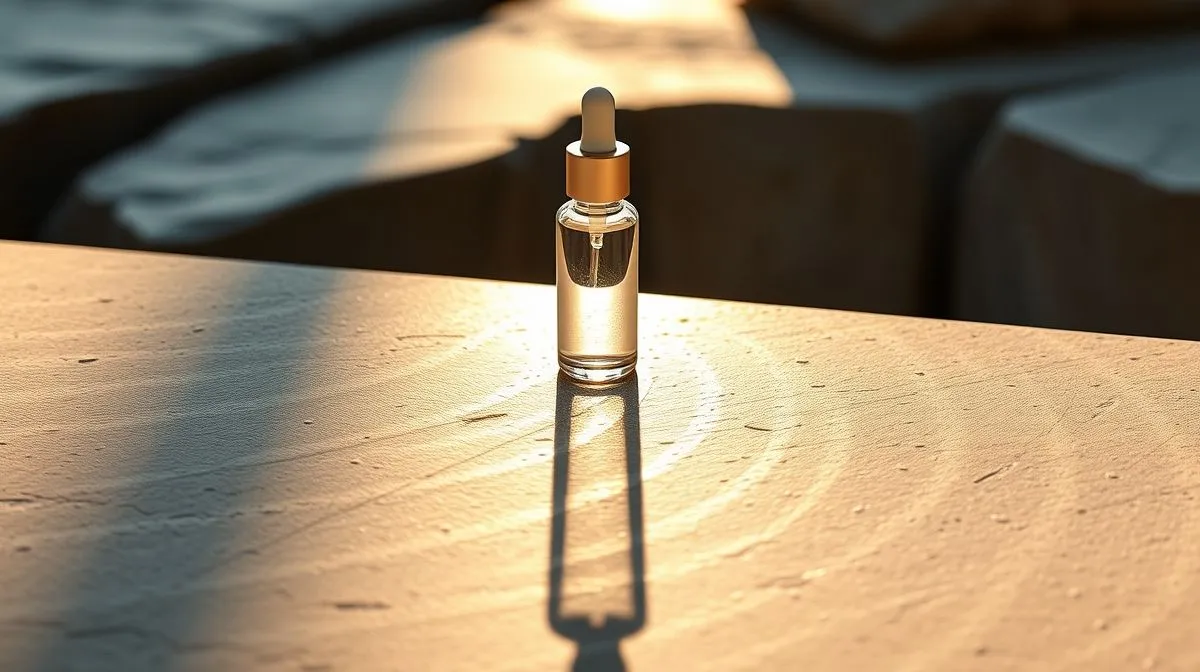
How to Prevent New Clean Beauty Product Launches from Failing?
After nearly two decades immersed in the ever-evolving world of beauty, I've witnessed countless product launches – some soaring to stratospheric success, others, tragically, falling flat despite immense potential. In the burgeoning clean beauty sector, this phenomenon is even more pronounced; a market ripe with opportunity, yet littered with the remnants of brands that couldn't quite find their footing.
The clean beauty landscape, while incredibly promising, is also a minefield. Consumers are savvier, regulations are tightening, and the sheer volume of new entrants makes standing out a Herculean task. I've seen passionate founders pour their hearts, souls, and life savings into formulas they believed in, only to be met with lukewarm reception or, worse, outright failure. It's not just about having a 'clean' ingredient list anymore; it's about navigating a complex ecosystem of efficacy, ethics, transparency, and consumer trust.
This is precisely why I've distilled my years of experience, insights from market research, and observations from working with leading brands into a definitive guide. You're about to discover not just a checklist, but a holistic framework comprising eight foundational pillars designed to give your clean beauty product the resilience and momentum it needs to not just launch, but truly flourish in this competitive arena. We'll explore actionable strategies, real-world examples, and expert perspectives that will equip you to sidestep common pitfalls and build a brand that resonates deeply with today's discerning consumer.
Pillar 1: Unassailable Product Efficacy & Formulation Excellence
In my experience, the single biggest reason promising clean beauty products fail post-launch isn't a lack of marketing budget or a poor social media strategy. It's a fundamental flaw in the product itself: it simply doesn't deliver on its promises. The 'clean' label gets you in the door, but efficacy keeps customers coming back and, more importantly, generates the vital word-of-mouth buzz that money can't buy.
Today's clean beauty consumer is sophisticated. They understand that 'natural' doesn't automatically mean 'effective.' They demand results. This means your formulation must be meticulously crafted, not just to exclude contentious ingredients, but to actively perform. Are your active ingredients present in high enough concentrations to make a difference? Are they synergistically balanced? Is the texture pleasing? Does it absorb well? Does it smell appealing, naturally?
- Invest Heavily in R&D: Don't cut corners here. Work with experienced formulators who specialize in clean chemistry. They understand how to stabilize natural ingredients, prevent microbial growth without harsh preservatives, and create elegant textures.
- Rigorous Third-Party Testing: Beyond in-house testing, engage independent labs for stability, efficacy, and consumer perception studies. Clinical trials, even small ones, can provide invaluable data and powerful marketing claims. According to a recent survey by Mintel, 68% of beauty consumers trust products more if they have scientific backing or clinical data.
- Prioritize Bioavailability: It's not just about what's in the bottle, but what the skin actually absorbs and utilizes. Research delivery systems that enhance ingredient penetration and effectiveness.
- Feedback-Driven Iteration: Before launch, conduct extensive user testing with your target demographic. Be open to critical feedback and refine your formula until it truly shines. Often, the first version isn't the final, successful one.
“Clean beauty is a promise, but performance is the proof. Without tangible results, even the purest ingredients amount to nothing more than well-intentioned water.”
Case Study: The 'Zenith Glow Serum' Debacle
Zenith Glow entered the market with a beautifully branded, minimalist line of clean skincare. Their hero product, a Vitamin C serum, was marketed as 'purely plant-derived' and 'radiance-boosting.' However, within weeks of launch, online reviews and direct customer feedback began to surface, consistently citing a lack of visible results and an unpleasant sticky texture. Despite being 'clean,' the Vitamin C used was an unstable derivative at a low concentration, and the formulation lacked sufficient humectants to counteract the stickiness. Sales plummeted, returns soared, and within six months, Zenith Glow was pulling their line from shelves. Their failure wasn't due to a lack of clean ingredients, but a critical failure in formulation efficacy and user experience.
Pillar 2: Authentic Storytelling & Radical Brand Transparency
The clean beauty space is saturated with brands claiming to be 'natural,' 'organic,' or 'eco-friendly.' What truly differentiates a successful brand is its ability to tell an authentic story and back it up with radical transparency. Consumers are tired of vague claims and 'greenwashing.' They want to know the 'who, what, where, why, and how' behind your product.
This isn't just about ingredient lists; it's about your entire supply chain, your manufacturing processes, your company values, and even your mistakes. Authenticity builds trust, and trust builds loyalty. It creates an emotional connection that transcends fleeting trends.
- Define Your 'Why': What is the genuine purpose behind your brand? Is it to solve a specific skin problem? To champion a particular ingredient? To empower a community? Your 'why' should be the heart of your brand narrative.
- Traceability & Supply Chain Transparency: Go beyond listing ingredients. Detail where your ingredients come from, how they are sourced (ethically, sustainably), and who is involved in the process. Blockchain technology is even emerging as a tool for verifiable transparency in the beauty supply chain.
- Honest Marketing & Ingredient Education: Avoid fear-mongering or making unsubstantiated claims. Educate your consumers about your ingredients, their benefits, and why you've chosen them. Explain your formulation philosophy clearly.
- Behind-the-Scenes Content: Share glimpses into your labs, your sourcing trips, your team, and your values. This humanizes your brand and builds a deeper connection. As marketing guru Seth Godin often says, "People do not buy goods and services. They buy relations, stories, and magic."
“Transparency isn't just a marketing tactic; it's the bedrock of modern consumer trust, especially in a category as personal and intimate as beauty.”
Pillar 3: Strategic Niche Identification & Precision Market Fit
One of the most common mistakes I see new clean beauty brands make is trying to be everything to everyone. In an incredibly crowded market, this strategy is a recipe for dilution and failure. Success lies in identifying a specific niche and deeply understanding its unmet needs.
Your product doesn't need to appeal to millions. It needs to passionately appeal to thousands, or even hundreds, who feel seen and served by your unique offering. This precision allows for highly targeted marketing, more efficient resource allocation, and a stronger connection with your core audience.
- Deep Dive into Market Research: Beyond general clean beauty trends, use tools like Google Trends, social media listening, and competitor analysis to pinpoint specific sub-niches. Are there gaps for sensitive skin? Teen acne? Mature skin? Specific ethnic groups?
- Identify Your Unique Selling Proposition (USP): What makes your product fundamentally different and better than existing solutions within your chosen niche? Is it a novel ingredient? A unique delivery system? A specific ethical commitment?
- Define Your Ideal Customer Avatar: Go beyond demographics. Understand their lifestyle, values, pain points, aspirations, and where they seek information. The more granular, the better.
- Test Your Market Fit Early: Before a full-scale launch, conduct small-scale pilots, focus groups, or soft launches to gauge interest and gather feedback from your target niche. This validates your assumptions and allows for necessary pivots.
Pillar 4: Smart Supply Chain & Verifiable Sustainable Sourcing
The 'clean' in clean beauty extends far beyond the ingredients in the bottle. Modern consumers are increasingly aware of the environmental and social footprint of their purchases. A truly successful clean beauty launch must account for sustainable sourcing, ethical labor practices, and eco-friendly packaging.
This pillar is not just about avoiding 'dirty' ingredients; it's about embracing a holistic approach to sustainability that permeates every aspect of your operation. It's about building a supply chain that you can proudly talk about, one that aligns with the values of your target consumer.
- Source Ethically & Sustainably: Partner with suppliers who can provide certifications for ethical labor, fair trade, organic farming, or responsible wild harvesting. Understand their practices deeply. Transparency here builds immense trust. For instance, a study published in the Journal of Cleaner Production highlights the growing importance of circular economy principles in the beauty industry supply chain.
- Eco-Conscious Packaging: Explore alternatives to virgin plastic: post-consumer recycled (PCR) plastic, glass, aluminum, biodegradable materials, or refillable systems. Minimize excess packaging. Consider the end-of-life cycle for your packaging.
- Carbon Footprint Awareness: While challenging for a new brand, consider strategies to minimize your carbon footprint, from local sourcing where possible to optimizing shipping logistics. Communicate your efforts transparently.
- Waste Reduction: Implement strategies throughout your production process to minimize waste, from formulation to filling. This not only benefits the planet but can also improve efficiency and cost.
Pillar 5: Engaged Community Building, Not Just Transactional Sales
In today's digital age, a product launch isn't just about announcing availability; it's about fostering a community. People don't just buy products; they buy into brands that align with their values and offer a sense of belonging. Especially in clean beauty, consumers often seek advice, share experiences, and look for brands that genuinely listen.
A strong, engaged community provides invaluable feedback, acts as a powerful marketing channel through user-generated content, and transforms customers into loyal advocates. This is far more sustainable and impactful than relying solely on paid advertising.
- Prioritize Dialogue Over Monologue: Use social media, forums, and your website to genuinely interact with your audience. Ask questions, solicit feedback, and respond thoughtfully.
- Empower User-Generated Content (UGC): Encourage customers to share their experiences, reviews, and photos. Feature their content prominently on your platforms. This provides authentic social proof and makes customers feel valued.
- Create Value Beyond the Product: Offer educational content, tutorials, expert interviews, or lifestyle tips that resonate with your target audience's broader interests. Position yourself as a trusted resource, not just a seller.
- Brand Ambassadors & Micro-Influencers: Instead of chasing mega-influencers, identify passionate advocates within your early customer base or micro-influencers whose values align perfectly with yours. Their authentic endorsements carry significant weight.
Pillar 6: Post-Launch Agility & Continuous Iteration
Launching a product is not the finish line; it's the starting gun. The market is dynamic, consumer preferences shift, and competitors emerge. A successful clean beauty brand must be agile, constantly listening, learning, and iterating based on real-world data and feedback.
Many brands fail because they assume their initial launch strategy is infallible and resist adapting. The ability to pivot quickly, refine messaging, or even tweak formulations based on early insights is paramount to long-term success. This is where truly expert-level brands distinguish themselves.
- Establish Robust Feedback Loops: Set up systematic ways to collect customer feedback from multiple channels: reviews, social media comments, customer service interactions, surveys, and direct emails.
- Monitor Key Performance Indicators (KPIs): Track sales data, website traffic, conversion rates, return rates, customer acquisition cost (CAC), and customer lifetime value (CLTV). These metrics provide objective insights into what's working and what isn't.
- Analyze Competitor Activity: Keep a close eye on what successful competitors are doing, but also learn from the missteps of those who fail. Identify emerging trends and consumer demands they are addressing.
- Be Willing to Pivot: If the data suggests your initial strategy isn't working, don't be afraid to make significant changes to your marketing, pricing, distribution, or even product formulation. As Forbes contributor Sarah E. Needleman notes, embracing an agile mindset is crucial for navigating market uncertainties and fostering innovation.
Pillar 7: The Critical Role of Regulatory Compliance & Ethical Claims
The clean beauty sector, while largely self-regulated historically, is facing increasing scrutiny from consumers and, importantly, from regulatory bodies. Making false or misleading 'clean' claims, engaging in 'greenwashing,' or failing to meet basic cosmetic regulations can lead to severe penalties, loss of consumer trust, and ultimately, product failure.
Navigating the complex web of local and international regulations is not optional; it's fundamental. My advice is always to prioritize compliance from day one, ensuring every claim you make about your product's purity, sustainability, and efficacy is verifiable and legally sound.
- Understand Relevant Regulations: Familiarize yourself with cosmetic regulations in your target markets (e.g., FDA in the US, EU Cosmetics Regulation 1223/2009 in Europe). These govern everything from ingredient restrictions to labeling requirements.
- Vet All Claims: Every claim on your packaging, website, and marketing materials must be substantiated. 'Dermatologist-tested,' 'hypoallergenic,' 'non-comedogenic,' 'cruelty-free' – these aren't just buzzwords; they often require specific testing or adherence to standards.
- Avoid Greenwashing: Be transparent and specific about your environmental claims. Don't use vague terms like 'eco-friendly' without explaining how. Highlight specific certifications (e.g., USDA Organic, Leaping Bunny, EWG Verified) from reputable third parties. The Federal Trade Commission (FTC) provides detailed Green Guides to help marketers avoid deceptive environmental claims.
- Legal Counsel & Expert Consultation: Especially for new brands, investing in legal advice specializing in cosmetic law and advertising claims is crucial. This proactive step can save you millions in fines and reputation damage down the line.
Pillar 8: Smart Distribution & Accessible Retail Strategy
Even the most perfectly formulated, transparently sourced, and beautifully branded clean beauty product can fail if it doesn't reach its intended audience effectively. Your distribution strategy needs to align with your brand's ethos and your target consumer's shopping habits.
The clean beauty consumer often seeks out specific retail environments – whether it's specialized clean beauty boutiques, wellness-focused online platforms, or direct-to-consumer channels that offer detailed product information. A haphazard distribution approach can lead to inventory issues, diluted brand perception, and missed sales opportunities.
- Identify Ideal Retail Channels: Will you be direct-to-consumer (DTC) only? Partner with specialized clean beauty e-tailers? Seek placement in conscious lifestyle boutiques? Or target larger retailers with dedicated clean beauty sections? Each channel has different requirements and reaches different audiences.
- Optimize Your E-commerce Experience: For DTC, your website must be intuitive, informative, and visually appealing. High-quality product photography, detailed ingredient explanations, customer reviews, and a seamless checkout process are non-negotiable.
- Strategic Retail Partnerships: If opting for wholesale, choose partners who understand and champion the clean beauty mission. Their staff should be educated on your product and brand story to effectively communicate its value to customers.
- Logistics & Fulfillment Efficiency: Ensure you have a reliable system for order fulfillment, shipping, and returns. Delays or errors can severely damage customer trust, especially for a new brand trying to build a reputation. Consider partnering with a third-party logistics (3PL) provider if scaling.
Frequently Asked Questions (FAQ)
Question: How can a small clean beauty brand compete with larger, established brands? A small brand's strength lies in its agility, authenticity, and ability to hyper-focus on a niche. Large brands often struggle with transparency and rapid innovation due to their scale. Focus on building a deeply loyal community, telling an unvarnished brand story, and excelling in a specific product category or for a particular consumer group that larger brands might overlook or serve generically. Your passion and direct connection with customers are immense assets.
Question: What's the biggest mistake new clean beauty brands make in their marketing? The biggest mistake is often relying solely on 'clean' as the selling point without proving efficacy or providing compelling reasons beyond ingredient lists. Consumers are looking for solutions to their skin concerns, not just a list of excluded ingredients. Another common error is making vague or unsubstantiated claims; this erodes trust quickly. Focus on benefits, results, and verifiable transparency.
Question: How important is packaging sustainability for a new launch? Critically important. It's often the first tangible interaction a consumer has with your brand's commitment to 'clean.' While it can be costly, investing in PCR materials, glass, aluminum, or refillable options signals your brand's true dedication to sustainability. Many consumers, especially in the clean beauty segment, are willing to pay a premium for truly eco-conscious packaging. It's an integral part of your brand identity and values.
Question: Should I launch with a full line of products or just one hero product? For most new brands, I strongly recommend launching with one or two hero products. This allows you to focus your R&D, marketing, and inventory resources, ensuring those initial products are exceptionally strong. It also simplifies your message to consumers. Once you've established efficacy, built a community, and refined your processes, you can strategically expand your product line based on market demand and consumer feedback. This minimizes risk and maximizes impact.
Question: How long does it typically take for a clean beauty product to gain traction? There's no single answer, as it depends heavily on market fit, marketing strategy, and product efficacy. However, gaining significant traction often takes 12-24 months of consistent effort. It's a marathon, not a sprint. The first 6-12 months are crucial for gathering initial feedback, iterating, and building early adopters. Don't expect overnight success; focus on sustainable, steady growth driven by product excellence and community building.
Recommended Reading
- 7 Proven Ways to Slash Toddler Outfit Returns: Sizing Solutions
- Unleash Your Style: How to Incorporate Bold Prints into Streetwear Outfits
- Unlock High-Paying Wearable Art Commissions: 7 Expert Strategies
- The Ultimate Guide: Mastering Care for Your Rare Exotic Leather Handbags
- Unpacking Cultural Appropriation in Streetwear: Your Essential Ethical Guide
Key Takeaways and Final Thoughts
- Efficacy is King: 'Clean' opens the door, but genuine product performance keeps customers coming back. Invest in superior formulation and rigorous testing.
- Transparency Builds Trust: Be radically honest about your ingredients, sourcing, and values. Authenticity is your most powerful asset.
- Niche Down for Success: Don't try to appeal to everyone. Identify a specific, underserved segment and become their go-to solution.
- Sustainability is Holistic: It extends beyond ingredients to packaging, supply chain, and ethical practices. Communicate your efforts clearly.
- Community is Currency: Foster genuine connections with your audience. User-generated content and engaged dialogue are invaluable.
- Agility is Survival: The market is fluid. Be prepared to listen, learn, and adapt your strategies based on real-world data and feedback.
- Compliance Protects: Understand and adhere to all regulatory requirements. Verifiable claims prevent costly legal battles and reputational damage.
- Strategic Distribution Matters: Choose channels that align with your brand and effectively reach your target consumer.
The clean beauty industry is not just a trend; it's a fundamental shift in consumer values and expectations. Launching a product in this space requires more than just a good formula; it demands a comprehensive, values-driven approach that prioritizes efficacy, transparency, and genuine connection. I've seen brands with immense potential falter because they missed one or more of these critical pillars. By meticulously addressing each of these eight areas, you're not just preventing failure; you're laying the groundwork for a brand that will not only survive but truly thrive, building a legacy of trust and positive impact in the beauty world. Go forth and launch with purpose and precision!



Your email address will not be published. Required fields are marked *