

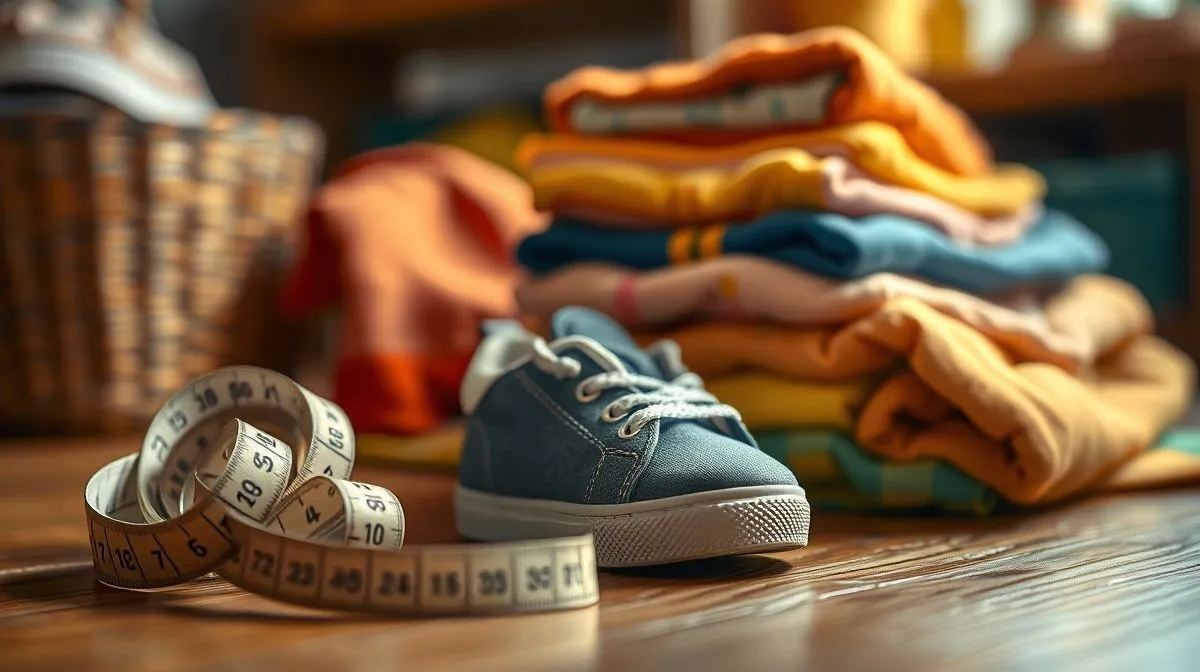
How to Minimize Toddler Outfit Returns Driven by Sizing Inconsistencies?
For over two decades in the dynamic world of kids' fashion, I've witnessed countless trends come and go, but one persistent challenge has remained a thorn in the side of both brands and parents: the dreaded toddler outfit return driven by sizing inconsistencies.
It's a frustrating cycle. Parents order what they believe is the correct size, only for it to arrive either swimming on their little one or impossibly tight, leading to disappointment, wasted time, and the inevitable return. For businesses, this translates to significant financial drain – reverse logistics, re-stocking costs, lost sales, and perhaps most damaging, a dent in customer trust and brand loyalty.
But what if I told you there are tangible, actionable strategies that can dramatically reduce these sizing-related returns? In this definitive guide, I'll share expert insights, proven frameworks, and real-world examples to help you navigate this complex landscape, ensuring happier customers and a healthier bottom line. We'll explore everything from innovative tech solutions to fundamental changes in how we communicate size.
Mastering the Measurement Matrix: Beyond Age-Based Sizing
One of the biggest culprits behind toddler outfit returns is the reliance on simplistic, age-based sizing. As I've often said in industry talks, a '2T' doesn't mean the same thing for every two-year-old, or even for every brand.
The Pitfalls of Age-Based Sizing
Toddlers grow at incredibly varied rates. You could have a tall, slender 18-month-old who wears the same size as a petite three-year-old. When brands label solely by age, they create a guessing game for parents, leading to frequent misfires.
This ambiguity is amplified when parents shop across different brands, each with its own interpretation of a 'standard' size. It's a key reason why we see so many items coming back marked 'too big' or 'too small' despite the parent ordering the 'correct' age.
Implementing Body-Centric Sizing Guides
The most effective way to combat this is to shift focus from age to actual body measurements. This means providing clear, comprehensive size charts that include specific garment dimensions or, even better, the child's body measurements that the size is designed to fit.
Key measurements to include:
- Height: From head to heel.
- Weight: A crucial indicator for overall fit.
- Chest Circumference: Around the fullest part of the chest.
- Waist Circumference: Around the natural waistline.
- Hip Circumference: Around the fullest part of the hips.
- Inseam: From crotch to ankle (for pants).
- Sleeve Length: From shoulder seam to wrist (for tops).
In my experience, brands that provide detailed body measurement guides empower parents to make informed decisions, significantly reducing the guesswork and subsequent returns. It’s about education, not just a label.
Leveraging Technology for Precision Fit
The digital age offers powerful tools to bridge the gap between online shopping and accurate sizing. From my vantage point, embracing these technologies is no longer optional; it's essential for any brand serious about minimizing toddler outfit returns.
AI-Powered Sizing Recommendations
Imagine a system that learns from millions of data points, understanding how different body types fit into specific garments. AI-powered sizing recommendation engines do just that. They can analyze a customer's past purchases, stated preferences, and even compare their child's reported measurements against a vast database of garment dimensions and other customers' fit feedback.
These tools, often integrated directly into product pages, can suggest the 'best fit' size, or even provide a confidence score for a given size. While still evolving, I've seen brands significantly reduce their return rates by adopting such systems.
3D Body Scanning & Digital Avatars
While perhaps more prevalent in adult fashion currently, the potential for 3D body scanning and digital avatars in kids' wear is immense. Imagine a parent taking a quick scan of their child at home (perhaps with a phone app) to create a digital avatar. This avatar could then 'try on' clothes virtually, showing exactly how a garment would fit before purchase.
This technology offers an unparalleled level of visual accuracy, addressing one of the biggest challenges of online shopping: the inability to physically try on clothes. As a long-time advocate for innovation, I believe this will be a game-changer for How to minimize toddler outfit returns driven by sizing inconsistencies.
For more on how AI is shaping retail, you might find this article insightful: The Rise Of AI In Retail: Revolutionizing The Customer Experience (Forbes).
Educating the Consumer: Empowering Parents to Measure
Even the most accurate size chart is useless if parents don't know how to use it. As an expert who believes in proactive solutions, I emphasize the importance of educating your customer base.
Creating Engaging Measurement Tutorials
Don't just provide numbers; show parents how to get them. This means creating simple, clear, and engaging video tutorials or step-by-step infographics on 'How to Measure Your Toddler for Clothes'.
Demonstrate proper techniques for measuring height, chest, waist, and inseam. Use a real child model to make it relatable. Make these resources easily accessible on your website, perhaps linked directly from your size charts.
Providing Printable Measurement Tapes
A simple yet highly effective tool I've seen successful brands implement is a printable, scaled measurement tape. Many parents don't have a flexible tape measure at home, and asking them to find one can be a barrier.
Offering a downloadable PDF that they can print and cut out ensures they have the right tool, calibrated to your specific sizing needs. This small gesture significantly removes friction from the measurement process.
Patience and clear instruction are key here. Parents are busy. Make it as easy as possible for them to get it right the first time.
Standardizing Across Collections and Brands
While a brand can control its own sizing, the broader industry lacks a universal standard for children's clothing. This fragmentation is a major driver of toddler outfit returns.
The Quest for Industry-Wide Sizing Standards
Unfortunately, a globally adopted, legally binding sizing standard for children's clothing remains elusive. Various regions (like EU, US, UK) have different recommendations or voluntary standards, but nothing truly unified. This means a 'size 2' in one brand can be vastly different from a 'size 2' in another.
However, leading brands can and should advocate for greater industry collaboration on this front. Participating in industry groups and sharing best practices can gradually move the needle towards greater consistency, ultimately benefiting the entire ecosystem.
Internal Consistency: Your Brand's First Line of Defense
Even without an external standard, your brand has full control over its internal consistency. Ensure that your 'size 2T' t-shirt has the same base measurements as your 'size 2T' dress, and that these measurements are consistent across seasons and manufacturing batches.
Regular quality control checks on garment measurements are non-negotiable. I've witnessed brands lose significant trust when a customer finds that two identical items, purchased at different times, fit differently. Consistency builds confidence, and confidence reduces returns.
For a deeper dive into retail standardization challenges, explore insights from major consulting firms like Deloitte or PwC. Here's a relevant piece on supply chain consistency: Digital Supply Networks (Deloitte).
Optimizing Product Descriptions & Imagery
Your product page is your digital salesperson. It must provide all the necessary information for a parent to confidently choose the right size and minimize toddler outfit returns.
Detailed Garment Dimensions (Flat Lay Measurements)
Beyond body measurements, providing flat lay garment measurements is incredibly helpful, especially for online shoppers. This means measuring the actual clothing item when it's laid flat (e.g., chest width from armpit to armpit, total length from shoulder to hem).
This allows parents to compare the item's dimensions to clothes their child already owns and fits well, providing a tangible reference point. It's a small detail that makes a huge difference in purchasing confidence.
Model Photography with Sizing Context
Show your clothing on child models of varying sizes and ages, clearly stating the model's measurements and the size they are wearing. For example: 'Model A is 2 years old, 35 inches tall, 28 lbs, wearing size 2T.'
This visual context helps parents see how the garment fits on a body type similar to their own child's, offering a much richer understanding of the fit than a static image alone. Consider showing the same garment on two different-sized children if possible.
- Include details on fabric stretch: 'This item has moderate stretch.'
- Specify fit type: 'Relaxed fit,' 'Slim fit,' 'True to size.'
The Power of Customer Feedback & Data Analytics
Your customers are providing invaluable data with every purchase and, crucially, every return. Analyzing this data is paramount to understanding and solving sizing inconsistencies.
Analyzing Return Reasons: Beyond the Surface
Don't just log 'too small' or 'too large.' Dig deeper. Is it consistently the length of pants for a particular size? Is it the narrowness of sleeves? Are certain fabric types (e.g., non-stretch denim) leading to more 'too tight' returns?
Use open-ended feedback fields in your return portal where parents can elaborate. This qualitative data, combined with quantitative trends, paints a much clearer picture of specific sizing issues.
Implementing Fit Feedback Loops
Proactively ask for fit feedback post-purchase, even if an item isn't returned. A simple email survey asking 'How did the [item name] fit your child?' with options like 'Too small,' 'Just right,' 'Too big,' and a comment box can yield rich insights.
This data can be fed back into your design and production teams to refine sizing standards, adjust patterns, or even inform future product development. It's a continuous improvement cycle.
Case Study: TinyThreads Co.'s Sizing Revolution
TinyThreads Co., a popular online retailer of organic toddler wear, faced a 25% return rate, with 60% attributed to sizing issues. By implementing a rigorous data analytics strategy, they discovered that their 3T pants were consistently returned for being too short, while their 4T tops were often flagged as too wide.
They then launched a post-purchase fit feedback survey and integrated it with their return data. Within six months, they adjusted their 3T pant pattern to add 1.5 inches to the inseam and redesigned the 4T top with a slightly narrower body. This resulted in a 12% reduction in overall returns and a significant increase in positive customer reviews regarding fit accuracy. Their experience exemplifies How to minimize toddler outfit returns driven by sizing inconsistencies through data.
For insights into leveraging customer data, consider research from academic institutions like Harvard Business Review: When Data Creates Customer Value (HBR).
Building a Robust Return Policy & Customer Service Strategy
While the goal is to prevent returns, a seamless return process can mitigate the negative impact and even build loyalty.
Seamless Exchange Processes
Make exchanges as easy, if not easier, than returns. Offer free shipping on exchanges, and if possible, allow customers to order the new size before sending the original back (within reason) to minimize the child being without the item.
Clear, straightforward instructions for exchanges reduce frustration and encourage customers to try again with a different size rather than simply abandoning the brand.
Proactive Customer Support & Sizing Consultations
Empower your customer service team to be sizing experts. Train them on your size charts, measurement techniques, and common fit issues. Offer live chat or phone consultations where parents can discuss their child's measurements and get personalized sizing advice before making a purchase.
A helpful pre-purchase interaction can prevent a post-purchase return. It's an investment in customer loyalty that pays dividends.
The Role of Fabric and Construction in Fit Perception
Sizing isn't just about measurements; it's also about how the garment drapes, stretches, and moves on a child's active body.
Understanding Stretch and Drape
A 'size 2T' cotton jersey knit t-shirt will fit very differently than a 'size 2T' woven cotton button-down. Fabric composition, weave, and stretch properties significantly impact how a garment feels and appears on the child.
Clearly communicate fabric content and stretch level in your product descriptions. Use terms like 'generous stretch,' 'no stretch,' or 'lightweight drape' to help parents anticipate the fit beyond just the numerical size.
Design for Growth: Adjustable Features
Consider incorporating design elements that allow for adjustability and growth. Roll-up cuffs on sleeves and pant legs, adjustable waistbands with elastic or drawstrings, and extendable snaps on bodysuits can dramatically increase the lifespan and perceived fit of a garment.
This thoughtful design reduces the likelihood of a garment being 'outgrown' too quickly or feeling ill-fitting, thereby reducing returns and increasing customer satisfaction. It's a hallmark of a brand that truly understands its target audience.
For more on textile properties, resources from industry associations like the American Apparel & Footwear Association (AAFA) can be valuable, although direct links to their specific guides might require membership. A general understanding of textile science is key: Textile Properties and Their Effects on Clothing (Textile School).
Frequently Asked Questions (FAQ)
Question: Why is toddler sizing so inconsistent across different brands? Toddler sizing lacks a universal industry standard, leading each brand to develop its own sizing block based on its target demographic, design philosophy, and manufacturing processes. This results in variations where a '2T' from one brand might be significantly different from another.
Question: What's the most accurate way for a parent to measure their toddler at home for clothing? The most accurate way involves using a soft tape measure to get the child's height, weight, chest, waist, and hip circumference. It's best to measure when the child is calm, standing still, and wearing minimal clothing. Always compare these measurements to the brand's specific size chart, not just the age recommendation.
Question: Should I size up or down if my toddler is between sizes on a brand's chart? As a rule of thumb, for active toddlers, it's often safer to size up if they are between sizes, especially for items like outerwear or pants. This allows for growth and ensures comfort during movement. However, for fitted items or dresses, always consult the brand's specific fit notes or customer service for tailored advice.
Question: How can brands effectively use customer feedback to improve their sizing? Brands should implement structured feedback loops, such as post-purchase surveys focusing on fit, and thoroughly analyze return reasons beyond simple labels like 'too big/small.' Deep diving into specific garment areas (e.g., 'sleeves too long,' 'waist too tight') allows design and production teams to make precise adjustments to patterns and sizing guides.
Question: Are there any industry-wide standards for kids' clothing sizes that brands should adhere to? While some regions have voluntary guidelines (like ASTM in the US or CEN in Europe), there isn't a single, globally enforced industry standard for children's clothing sizes. This is why internal consistency within a brand's own product lines and clear, detailed sizing information are crucial.
Recommended Reading
- Unlock the Secret: How to Make Unique Jewelry Designs Truly Stand Out
- Uncover the Hidden Impact: How Wartime Rationing Reshaped 1940s Fashion
- Unleash Your Style: How to Incorporate Bold Prints into Streetwear Outfits
- Unlock Your Style: How to Build a Minimalist Casual Streetwear Wardrobe
- Unlock the Secret: How to Identify Ethically Sourced Gemstone Jewelry
Key Takeaways and Final Thoughts
- Prioritize Body Measurements: Move beyond age-based sizing by providing detailed height, weight, and circumference guides.
- Embrace Technology: Explore AI-powered recommendations and the future of 3D virtual try-ons.
- Empower Parents: Offer engaging tutorials and practical tools like printable tape measures.
- Ensure Internal Consistency: Maintain uniform sizing across your own product lines and manufacturing batches.
- Optimize Product Pages: Include flat lay measurements, fabric details, and model sizing context.
- Leverage Data: Deeply analyze return reasons and implement continuous fit feedback loops.
- Foster Seamless Experiences: Design easy exchange processes and offer proactive sizing support.
Minimizing toddler outfit returns driven by sizing inconsistencies isn't a quick fix; it's an ongoing commitment to precision, transparency, and customer understanding. As someone who has dedicated their career to nurturing the kids' fashion industry, I firmly believe that by implementing these strategies, brands can build stronger relationships with their customers, reduce operational costs, and ultimately, foster a more satisfying shopping experience for parents everywhere. Your dedication to a better fit will not only reduce returns but will also clothe the next generation in comfort and confidence.




Your email address will not be published. Required fields are marked *