

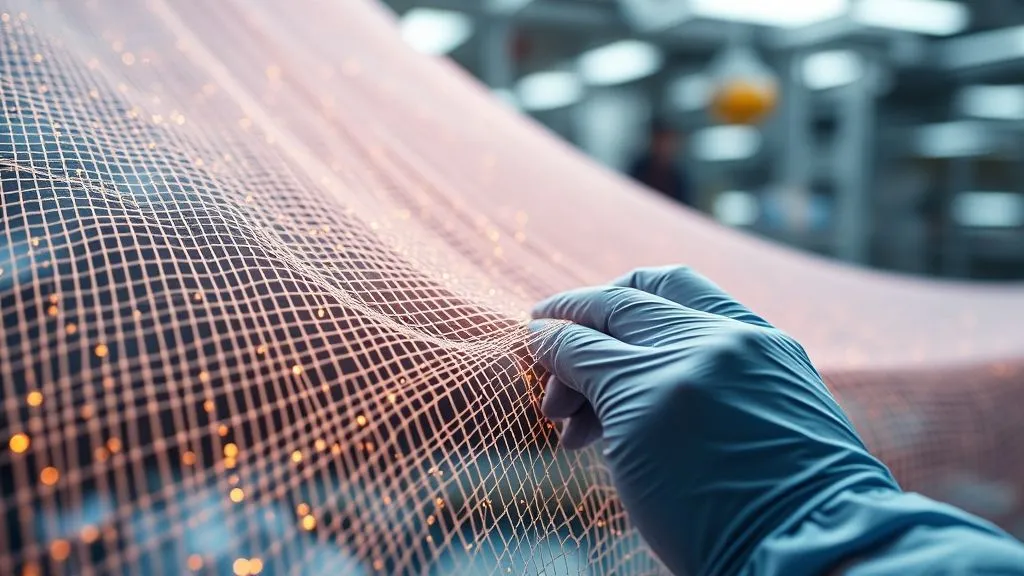
How to Scale Bio-Engineered Innovative Weaves Without Quality Loss?
For over two decades, I've had the privilege of witnessing the textile industry's relentless evolution, particularly within the fascinating realm of bio-engineered materials. What truly sets groundbreaking innovations apart isn't just their initial creation, but their ability to transcend the lab bench and thrive in industrial production. I've seen countless brilliant ideas falter at this crucial juncture, not due to lack of ingenuity, but because the complexities of scaling were underestimated.
The inherent delicacy and unique structural integrity of bio-engineered fibers, coupled with the intricate weaving patterns that often define innovative textiles, present formidable challenges. Moving from a carefully controlled prototype environment to high-volume manufacturing often introduces inconsistencies, quality degradation, and prohibitive costs. This chasm between innovation and industrialization is a significant pain point for many pioneering companies.
This deep dive is designed to bridge that gap. We'll explore seven actionable strategies, drawing from cutting-edge material science, advanced manufacturing processes, and optimized supply chain practices, all aimed at answering the critical question: How to scale bio-engineered innovative weaves without quality loss? My goal is to equip you with the frameworks, real-world insights, and expert guidance needed to ensure your revolutionary textiles maintain their exquisite quality, even as you expand to industrial volumes.
Understanding the Unique Challenges of Bio-Engineered Weaves
Before we delve into solutions, it's crucial to acknowledge the specific hurdles presented by bio-engineered weaves. These aren't your grandmother's cotton or polyester; they represent a paradigm shift in material science.
The Intrinsic Fragility of Novel Biomaterials
Bio-engineered fibers, whether derived from mycelium, algae, or bacterial cellulose, often possess molecular structures and mechanical properties distinct from conventional synthetics or natural fibers. They can be more sensitive to heat, tension, chemical treatments, and even ambient humidity during processing. I've observed firsthand how a slight deviation in temperature during yarn spinning can irrevocably compromise the integrity of a bio-fiber, leading to weaker threads and ultimately, flawed fabric.
Preserving the intended performance characteristics – be it strength, drape, breathability, or biodegradability – requires a deep understanding of the material's fundamental biology and chemistry. This isn't just about textile engineering; it's about biochemical engineering at the manufacturing scale.
Complexity in Weave Structure and Performance
Innovative weaves often go beyond standard plain, twill, or satin patterns. They might incorporate multi-axial structures, 3D weaving techniques, or integrate functional elements directly into the fabric matrix. These complex structures are inherently more demanding on machinery and require precise tension control, warp and weft alignment, and synchronized loom movements. Any inconsistency can lead to uneven tension distribution, pattern distortion, or even fiber breakage, directly impacting the final product's aesthetic and functional quality.
Strategy 1: Precision Material Sourcing and Characterization
The foundation of consistent quality in bio-engineered weaves begins long before the loom. It starts with your raw material inputs. As I always say, you can't weave gold from straw if your straw isn't consistently excellent.
Establishing Robust Biomaterial Specifications
For bio-engineered fibers, 'robust' specifications extend beyond typical denier and tensile strength. You need to define parameters for molecular weight distribution, degree of polymerization, microbial purity, residual solvent levels, and even specific bioactivity if relevant. Working closely with your biomaterial suppliers to implement strict batch-to-batch consistency protocols is non-negotiable. This might involve joint quality audits and shared data platforms.
- Define Critical Quality Attributes (CQAs): Identify the key physical, chemical, and biological properties essential for your weave's performance.
- Develop Standardized Test Methods: Ensure both you and your suppliers use identical, validated methods for measuring CQAs.
- Implement Certificate of Analysis (CoA) Requirements: Mandate comprehensive CoAs for every batch, detailing all specified parameters.
- Establish Acceptance Sampling Plans: Define clear criteria for accepting or rejecting incoming material batches to prevent substandard inputs from entering your production line.
Advanced Characterization Techniques
Beyond supplier CoAs, internal verification is paramount. Investing in advanced analytical equipment for incoming material inspection is not an expense, but an investment in quality assurance. Techniques like Scanning Electron Microscopy (SEM) for fiber morphology, Fourier-Transform Infrared (FTIR) spectroscopy for chemical composition, and Differential Scanning Calorimetry (DSC) for thermal properties provide invaluable insights.
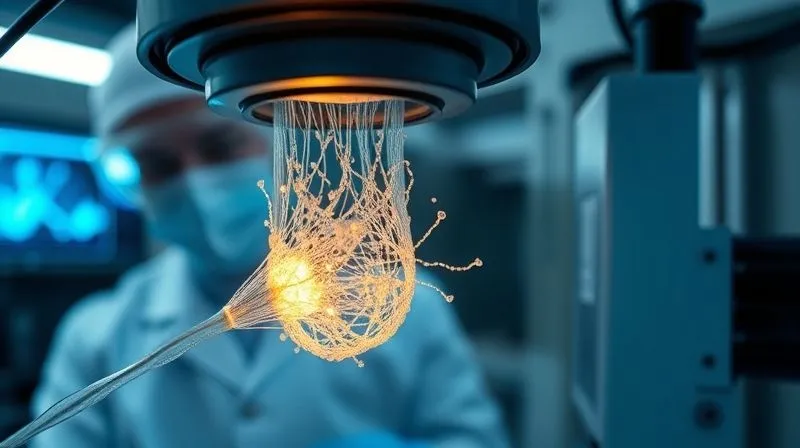
These methods allow you to detect subtle variations that might not be apparent through standard textile tests but could significantly impact the weaving process or final fabric quality. For deeper insights into biomaterial characterization, I often refer to leading academic resources such as Nature Materials.
Strategy 2: Optimized Weaving Protocols and Equipment Calibration
The transition from a prototype loom to an industrial weaving machine is where many bio-engineered textile projects face their 'make or break' moment. The sheer speed and scale amplify even minor inconsistencies.
From Lab Loom to Industrial Scale: Bridging the Gap
Industrial looms operate at much higher speeds and tensions than their lab counterparts. Bio-engineered fibers, with their potentially lower abrasion resistance or unique elastic properties, require finely tuned machine settings. This isn't a 'set it and forget it' situation. It demands iterative testing and optimization of parameters such as warp and weft tension, shedding motion, beat-up force, and take-up speed. I've learned that small adjustments, sometimes in fractions of a millimeter or grams of force, can make the difference between a perfect weave and a pile of waste.
Smart Sensor Integration and Real-time Monitoring
Modern weaving machinery can be equipped with an array of sensors to monitor critical parameters in real-time. This includes tension sensors on individual warp threads, optical sensors for detecting broken weft yarns, and even acoustic sensors to identify anomalies in loom operation. This data-driven approach is paramount to prevent quality degradation at speed.
"In the realm of innovative textiles, real-time data isn't just information; it's the heartbeat of quality control, allowing for immediate intervention and preventing systemic failures before they manifest as defects." - Industry Specialist
By continuously collecting and analyzing this data, operators can identify deviations from optimal settings instantly and make adjustments before a significant amount of faulty fabric is produced. This proactive approach is a cornerstone of how to scale bio-engineered innovative weaves without quality loss.
| Parameter | Lab Scale Target | Industrial Target | Tolerance | Monitoring Frequency |
|---|---|---|---|---|
| Warp Tension (g/thread) | 15-20 | 18-22 | +/- 2 | Continuous |
| Weft Insertion Speed (picks/min) | 50-100 | 400-600 | +/- 10 | Continuous |
| Humidity (% RH) | 55-65 | 60-70 | +/- 5 | Continuous |
| Temperature (°C) | 20-25 | 22-26 | +/- 2 | Continuous |
Strategy 3: Implementing Advanced Quality Control (AQC) Systems
Traditional quality control, often relying on sporadic manual inspection, is simply insufficient for the complexities and scale of bio-engineered textile production. We need systems that are predictive, pervasive, and precise.
Multi-Stage Inspection Points
Quality control must be integrated at every stage of the manufacturing process, not just at the end. This 'quality by design' philosophy ensures that potential defects are caught and corrected as early as possible, minimizing waste and rework.
- Incoming Material Inspection: As discussed, verifying raw biomaterial quality.
- Yarn Preparation Inspection: Checking for yarn evenness, breaks, and winding defects before weaving.
- On-Loom Inspection: Real-time monitoring during weaving for broken threads, mispicks, and pattern distortions.
- Greige Fabric Inspection: A thorough check of the woven fabric before any finishing processes.
- Finished Fabric Inspection: Final quality check after all treatments, ensuring aesthetic and performance standards are met.
AI-Powered Anomaly Detection
The human eye, no matter how trained, cannot consistently detect microscopic flaws at high production speeds. This is where Artificial Intelligence (AI) and machine vision systems become indispensable. AI-powered cameras mounted above the weaving line can continuously scan the fabric for defects, comparing real-time images against a database of acceptable and unacceptable patterns. They can identify subtle irregularities, such as slubs, broken ends, or uneven tension, with unparalleled speed and accuracy.

These systems can even learn and adapt, improving their detection capabilities over time. According to a Deloitte report on AI in manufacturing, intelligent automation can significantly reduce defect rates and improve overall product quality. This is a critical component for how to scale bio-engineered innovative weaves without quality loss.
Strategy 4: Strategic Supply Chain Integration and Traceability
In the complex world of bio-engineered textiles, your product is only as good as its weakest link in the supply chain. Quality loss often stems from inconsistent inputs or mishandling at various stages.
End-to-End Visibility for Bio-Weave Components
Establishing a transparent and integrated supply chain is crucial. This means knowing not just who your direct suppliers are, but also their suppliers, especially for the raw biological materials. Implementing robust traceability systems, perhaps leveraging blockchain technology, can provide an immutable record of every component's origin, processing conditions, and journey to your factory floor. This level of visibility allows for rapid problem identification and containment if a quality issue arises from an external source.
Case Study: BioForm Textiles' Traceability Triumph
Case Study: How BioForm Textiles Maintained Quality Through Traceability
BioForm Textiles, a startup specializing in algae-derived performance fabrics, faced initial challenges with batch inconsistency in their raw fiber supply. Different batches exhibited varying tensile strengths, leading to unpredictable weaving performance and frequent loom stoppages. Their initial scaling efforts were plagued by unacceptable defect rates.
Recognizing the need for greater control, BioForm implemented a comprehensive digital traceability platform. This system required their algae cultivation partners to upload detailed environmental data (temperature, pH, nutrient levels) for each batch, along with processing parameters (drying methods, fiber extrusion speeds). Each fiber bale received a unique QR code, allowing BioForm to track it from farm to finished fabric.
This initiative allowed BioForm to correlate specific fiber batch parameters with weaving performance. They discovered that algae grown under slightly higher pH levels produced weaker fibers. By providing this feedback to their suppliers and setting stricter pH control limits, they dramatically improved fiber consistency. Their defect rate dropped by 40% within six months, and loom efficiency increased by 25%. This demonstrated that understanding and controlling the entire supply chain is vital for how to scale bio-engineered innovative weaves without quality loss.
For more insights into managing complex supply chains, I highly recommend resources from the Harvard Business Review on Supply Chain Management.
Strategy 5: Post-Weave Treatment and Finishing Innovation
The journey of a bio-engineered weave doesn't end at the loom. Finishing processes—dyeing, printing, coating, and softening—are critical but also present new risks to quality, especially for delicate biomaterials.
Gentle Yet Effective Finishing Processes
Many traditional textile finishing methods involve harsh chemicals, high temperatures, or aggressive mechanical actions that can degrade the unique properties of bio-engineered fabrics. Developing or adopting 'gentle chemistry' approaches, such as enzyme-based treatments, low-temperature dyeing, or supercritical CO2 dyeing, is essential. Similarly, mechanical finishes might need to be re-engineered to minimize stress on the fabric. I've seen promising bio-weaves lose their integrity and performance simply because the finishing process wasn't tailored to their inherent sensitivities.
Protective Coatings and Enhancements
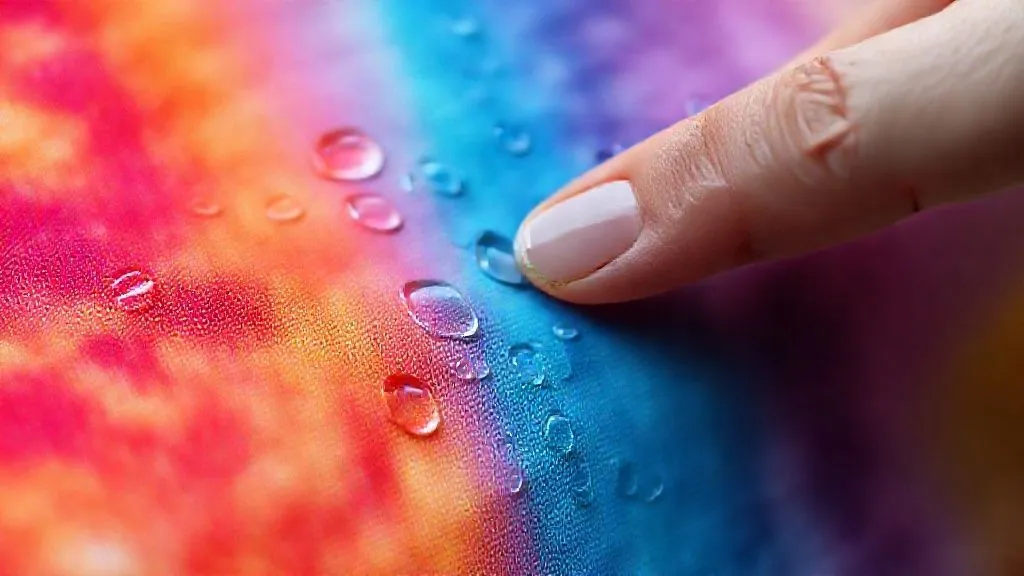
Paradoxically, some post-weave treatments can actually *enhance* the durability and performance of bio-engineered textiles, helping them withstand the rigors of scaling and consumer use. Developing biocompatible, biodegradable coatings that improve abrasion resistance, water repellency, or UV stability without compromising the fabric's core properties is a significant area of innovation. Nanotechnology and plasma treatments are showing promise in this field, allowing for functional enhancements at a molecular level.
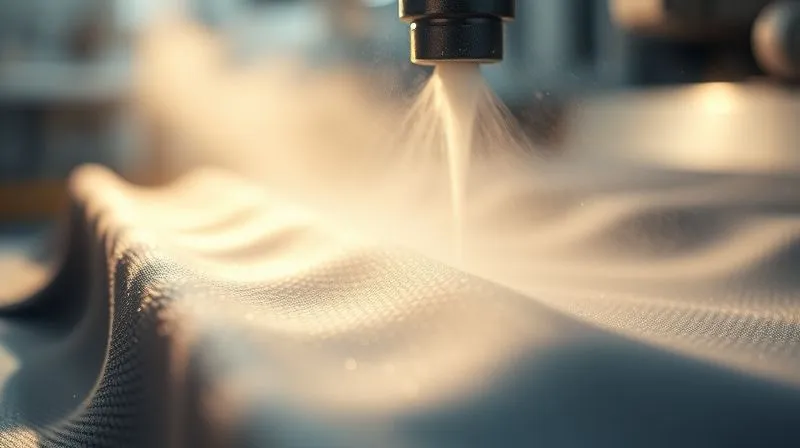
These innovations are key to ensuring that the quality you've meticulously built into the weave is maintained and even improved upon, extending the lifespan and utility of the final product.
Strategy 6: Pilot Programs and Iterative Scaling
The temptation to jump straight from successful prototyping to full-scale mass production can be overwhelming, but it's a mistake I've seen repeated too often. A phased, iterative approach is far more sustainable and less risky.
The Phased Approach to Industrialization
Implementing pilot programs allows you to test your entire production chain—from raw material to finished product—at a smaller, manageable scale before committing to full industrialization. This 'mini-factory' approach helps identify bottlenecks, fine-tune processes, and uncover unforeseen challenges without incurring the massive costs associated with a full-scale failure.
- De-risk Investment: Test assumptions and optimize processes before significant capital expenditure.
- Gather Real-World Data: Collect performance metrics under conditions closer to industrial reality.
- Refine Standard Operating Procedures (SOPs): Develop robust, detailed SOPs that are proven to work at scale.
- Train Workforce Effectively: Provide hands-on experience to operators and technicians in a controlled environment.
Feedback Loops for Continuous Improvement
Each pilot phase should be treated as a learning opportunity. Establish clear metrics for success and failure, and create robust feedback loops involving all stakeholders – R&D, production, quality control, and even early adopters. This continuous feedback informs adjustments to processes, machinery, and even material specifications, ensuring that each subsequent scaling phase is more efficient and higher quality. This agile methodology is absolutely critical for how to scale bio-engineered innovative weaves without quality loss.
"Scaling isn't a single leap; it's a series of calculated steps, each informed by the lessons learned from the last. Embrace iteration, and let data be your guide." - Industry Specialist
Strategy 7: Cultivating an Innovation-Driven Culture and Collaboration
Ultimately, technology and processes are only as good as the people behind them. Scaling innovative bio-weaves demands a culture of continuous learning, problem-solving, and collaboration.
Cross-Functional Teams: Scientists, Engineers, Designers
Break down silos between your R&D scientists, textile engineers, production specialists, and even product designers. The insights from a designer about drape and hand-feel are just as crucial as a scientist's understanding of molecular structure when optimizing for scale. Regular cross-functional meetings, shared goals, and co-located teams can foster a holistic understanding of the product and its journey from concept to consumer.
I've seen organizations thrive when their textile engineers understand the biological underpinnings of the material, and their scientists appreciate the practicalities of loom mechanics. This integrated approach ensures that decisions made at one stage consider their impact across the entire value chain.
Partnering with Academic and Research Institutions
No single company has all the answers, especially in a rapidly evolving field like bio-engineered textiles. Forge strong partnerships with universities, textile research institutes, and specialized laboratories. These collaborations can provide access to cutting-edge research, specialized equipment, and a pool of expert talent that might be too costly to maintain in-house. They can help you explore novel processing techniques, advanced characterization methods, or even new biomaterial sources.
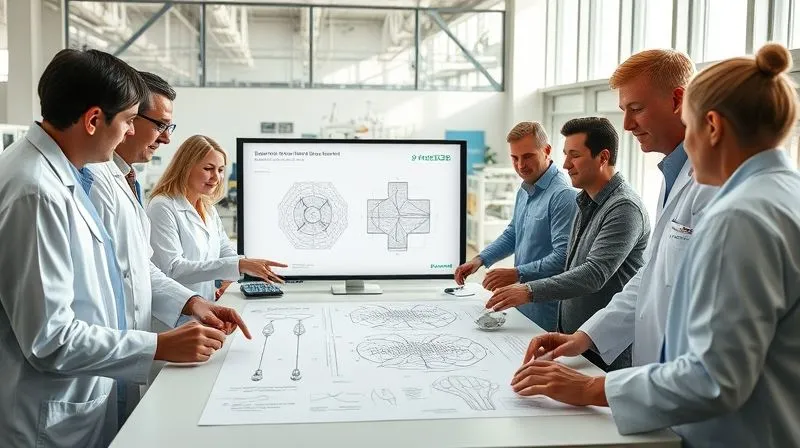
Institutions like the Wilson College of Textiles at NC State or various European textile research centers are invaluable resources for advancing the science and engineering of innovative weaves. Furthermore, collaborating with organizations focused on circular economy principles, such as the Ellen MacArthur Foundation, can ensure your scaling efforts are also sustainable and future-proof.
Frequently Asked Questions (FAQ)
What are the typical cost implications of implementing advanced quality control (AQC) systems for bio-engineered weaves? While the initial investment in AI-powered vision systems, advanced sensors, and specialized analytical equipment can be significant, the long-term return on investment is often substantial. AQC drastically reduces waste from defects, minimizes rework, improves production efficiency, and enhances brand reputation. Over time, these savings typically outweigh the upfront costs, making it a critical investment for sustainable scaling.
How can a company effectively train its existing workforce to handle the new technologies and processes required for scaling bio-engineered textiles? Effective training is paramount. I recommend a multi-faceted approach: hands-on workshops with new equipment, virtual reality (VR) simulations for complex procedures, and cross-functional shadowing programs. Partnering with equipment manufacturers for specialized training and establishing internal 'super-users' who can mentor peers are also highly effective strategies. Continuous learning modules on new material science and process innovations are crucial.
What are the most common pitfalls companies encounter when trying to scale bio-engineered weaves, and how can they be avoided? The most common pitfalls include underestimating material variability, failing to adapt machinery parameters sufficiently, neglecting comprehensive real-time quality monitoring, and trying to scale too quickly without iterative pilot programs. These can be avoided by adopting a 'quality by design' philosophy, investing in robust characterization and AQC, embracing a phased scaling approach, and fostering strong cross-functional collaboration.
Are there specific regulatory challenges unique to scaling bio-engineered textiles that companies should be aware of? Yes, depending on the specific biomaterial and its application, regulatory landscapes can be complex. This includes regulations around biodegradability, biocompatibility (especially for skin contact), sourcing ethics, novel material registration, and potential waste management protocols. Engaging with regulatory experts early in the scaling process is vital to ensure compliance and avoid costly delays or product recalls.
How long does it typically take to successfully scale a bio-engineered weave from lab prototype to industrial production without significant quality loss? There's no single answer, as it depends heavily on the complexity of the material, weave, and the existing infrastructure. However, based on my experience, a realistic timeline for a novel bio-engineered weave, moving from a stable lab prototype to consistent industrial production, often ranges from 2 to 5 years. This includes iterative pilot phases, process optimization, supply chain development, and rigorous quality validation. Patience and persistence are key.
Key Takeaways and Final Thoughts
The journey to successfully scale bio-engineered innovative weaves without quality loss is undoubtedly challenging, but it is also immensely rewarding. It demands a holistic approach, integrating scientific rigor, engineering precision, and strategic foresight. As we've explored, it's about much more than just increasing output; it's about maintaining integrity, performance, and sustainability at every stage.
- Prioritize Material Understanding: Invest in deep material characterization and stringent sourcing.
- Optimize Processes Continuously: Leverage smart technology and real-time data for weaving and finishing.
- Embed Quality Everywhere: Implement multi-stage, AI-powered quality control systems.
- Build a Resilient Supply Chain: Ensure end-to-end visibility and strong partnerships.
- Scale Iteratively: Use pilot programs to de-risk and refine before mass production.
- Foster Collaboration: Break down silos and partner with external experts.
The future of fashion and textiles hinges on these innovations. By meticulously applying these strategies, you can not only achieve industrial scale but also set new benchmarks for quality and sustainability in the rapidly evolving world of bio-engineered textiles. Your commitment to preserving quality during this crucial scaling phase will ultimately define the impact and legacy of your groundbreaking work.
Recommended Reading
- Unlock Profit: 9 Ways to Scale Your Personal Style Blog into a Thriving Business
- 7 Proven Strategies: Retaining Master Artisans for Unparalleled Couture Quality
- Bespoke Suit Lacks Leadership? 7 Proven Ways to Command Authority
- Boost Textile Recycling: 7 Proven Ways to Incentivize Garment Returns
- Haute Couture: Is Exclusive Design Investment a Smart Move?

Your email address will not be published. Required fields are marked *