

How to Incentivize Consumers to Return Garments for Textile Recycling?
For over 15 years in the sustainable fashion industry, I've witnessed countless brands grapple with the promise of circularity, often stumbling at a crucial hurdle: getting consumers to participate actively. We talk about closed-loop systems, but the reality is, the loop often remains stubbornly open because the garments never make it back to us.
This isn't just a logistical challenge; it's a profound behavioral one. Consumers, despite growing environmental awareness, face inertia, inconvenience, and often a lack of clear motivation to return their worn-out clothes for recycling. This pain point translates directly into mountains of textile waste, undermining our collective efforts towards a truly sustainable fashion ecosystem.
In this definitive guide, I'll share actionable frameworks, real-world insights, and expert strategies derived from my extensive experience. You'll learn how to move beyond token gestures and build genuinely effective incentive programs that not only encourage returns but also foster a deeper, more committed relationship with your brand and the circular economy.
Understanding the 'Why' Behind Consumer Behavior
Before we can incentivize, we must understand. What drives a consumer to act, or conversely, what prevents them from engaging in textile recycling? It's a complex interplay of psychological, practical, and perceived value factors.
Psychological Triggers for Participation
Consumers are motivated by a blend of altruism, self-interest, and social norms. While some are driven by a genuine desire to do good for the planet, many also seek tangible benefits, whether financial, social, or emotional. Understanding these underlying triggers is paramount to designing effective incentive programs.

On the flip side, barriers often include forgetfulness, the perceived hassle of returning items, lack of clarity on where and how to return, and skepticism about whether the garments will actually be recycled effectively. Addressing these barriers is just as important as amplifying the triggers.
| Factor | Impact on Returns | Strategy |
|---|---|---|
| Environmental Concern | Positive, drives intrinsic motivation | Transparent impact reporting |
| Financial Reward | Positive, drives extrinsic motivation | Vouchers, discounts |
| Convenience | Highly positive, removes barriers | Easy drop-offs, home collection |
| Brand Loyalty/Trust | Positive, reinforces participation | Consistent messaging, quality service |
| Lack of Information | Negative, creates confusion | Clear instructions, educational campaigns |
| Effort/Hassle | Negative, creates inertia | Streamlined processes, accessible points |
Financial Incentives: Beyond the Discount Coupon
While a simple discount is often the go-to, truly effective financial incentives are more nuanced. They should offer perceived value that genuinely motivates action without devaluing your brand or product.
Tiered Rewards and Loyalty Programs
Instead of a flat discount, consider integrating garment returns into your existing loyalty program or creating a new one specifically for circularity. This encourages repeat engagement and builds long-term commitment. Tiers can offer escalating benefits, from exclusive product access to higher discount percentages or even unique experiences.
Deposit-Refund Systems
Inspired by beverage container recycling, a deposit-refund system involves adding a small, refundable deposit to the purchase price of a garment. This deposit is then returned to the consumer when they bring the item back for recycling. This creates a direct, tangible financial incentive to return the item, rather than discard it.
- Calculate the Deposit: Determine a reasonable deposit amount (e.g., 5-10% of item value) that is significant enough to motivate return but not deter purchase.
- Clearly Communicate: Integrate the deposit information prominently at the point of sale and on product tags.
- Streamline Refund Process: Ensure the refund is issued quickly and easily upon return, whether as store credit, cash, or a direct bank transfer.
- Track Returns: Implement a system to track garments returned and deposits refunded to monitor program effectiveness.
- Educate on Impact: Continuously remind consumers of the environmental benefits of their participation.
Case Study: EcoThreads' Circular Credit System
EcoThreads, a mid-sized sustainable apparel brand, faced stagnating return rates for their take-back program. Their initial offering was a flat 10% discount on a future purchase. By implementing a 'Circular Credit' system, where consumers earned points for each returned garment, redeemable for exclusive discounts, early access to new collections, and even charitable donations in their name, they saw a 150% increase in garment returns within 18 months. This tiered approach, combined with transparent impact reporting, fostered a strong community of eco-conscious customers, proving that perceived value often trumps a simple one-off discount.
The Power of Convenience: Making Returns Effortless
In our fast-paced world, convenience is often the strongest motivator. If returning a garment for recycling is seen as a chore, most consumers simply won't do it, regardless of the incentive.
Strategic Drop-off Points
Brands should think beyond their own stores. Partnerships with dry cleaners, supermarkets, community centers, or even other complementary retail outlets can dramatically expand accessible drop-off locations. The easier it is for a consumer to integrate the return into their existing errands, the higher the participation rate will be.
Home Pick-up Services & Partnerships
For higher-value items or for consumers seeking ultimate convenience, offering a home pick-up service can be a game-changer. This could be directly managed by the brand, or through partnerships with local logistics companies or even ride-sharing services. Imagine scheduling a garment pick-up alongside your grocery delivery!
- Map High-Density Areas: Identify geographic areas with high customer concentration to optimize pick-up routes.
- Offer Flexible Scheduling: Allow consumers to choose convenient pick-up windows.
- Provide Clear Packaging Instructions: Make it simple for consumers to prepare items for pick-up (e.g., 'place in a sealed bag').
- Communicate Pick-up Confirmation: Send timely reminders and confirmations to reduce missed appointments.
- Integrate with Existing Services: Explore partnerships with local delivery or waste management services to leverage existing infrastructure.
"In my experience, no incentive, however generous, can overcome the barrier of inconvenience. Make it as easy as throwing it in the regular trash, but with a clear, positive alternative, and you'll see engagement soar." - Industry Specialist
Educating and Engaging: Building a Circular Mindset
Beyond tangible rewards, fostering an emotional connection and educating consumers about the impact of their actions is vital. This builds intrinsic motivation that can be more powerful and sustainable than any financial incentive.
Transparent Communication on Impact
Consumers want to know their efforts make a difference. Clearly communicate what happens to their returned garments: how much water is saved, how many new resources are conserved, or what new products are created. Use visuals, infographics, and easily digestible facts on your website, social media, and in-store.
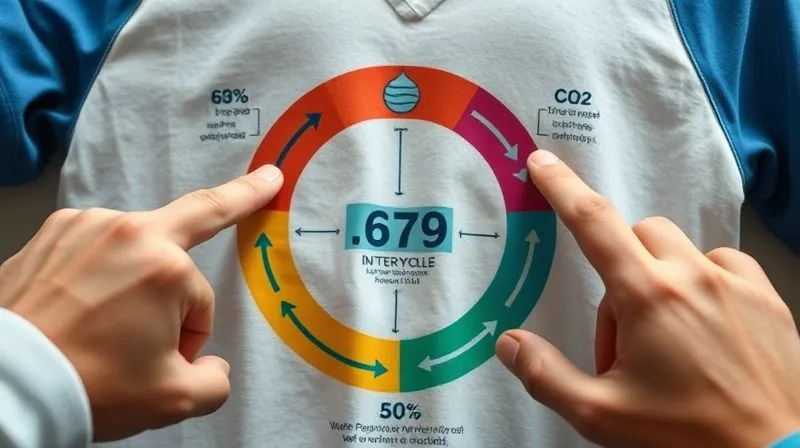
According to a 2023 study by McKinsey & Company, consumers are increasingly prioritizing sustainability, but often lack clear information on how to participate effectively. Brands have a responsibility to bridge this knowledge gap.
Storytelling and Brand Values
Share the story behind your circular initiatives. Highlight the artisans, innovators, and processes involved in textile recycling. Connect these efforts to your brand's core values. When consumers feel they are part of a larger, meaningful movement, their loyalty and participation deepen.
Leveraging Technology for Seamless Returns
Technology offers powerful tools to streamline the return process, enhance transparency, and even gamify participation, making the act of returning garments more engaging and rewarding.
Digital Tracking and Gamification
Imagine a mobile app where consumers can track the journey of their returned garments, seeing updates from collection to sorting to eventual recycling. This transparency builds trust. Add gamification elements like badges, leaderboards, or 'circularity scores' to reward repeated participation and make the process fun and interactive.
- Develop a User-Friendly App/Web Portal: Ensure the interface for logging returns and tracking progress is intuitive.
- Implement QR/Barcode Scanning: Allow consumers to easily register their returned items.
- Provide Real-time Updates: Send notifications as garments move through the recycling pipeline.
- Incorporate Gamified Rewards: Offer digital badges, unlockable content, or bonus loyalty points for achieving recycling milestones.
- Enable Social Sharing: Allow consumers to share their 'circularity achievements' on social media, fostering a sense of community.
AI-Powered Personalization
AI can analyze consumer return patterns and preferences to offer personalized incentives. For example, if a consumer frequently returns denim, they might receive a targeted offer for recycled denim products or a higher incentive for returning denim specifically. This makes incentives more relevant and impactful.
The role of technology in enabling circular economy models is rapidly expanding. As noted by experts at Harvard Business Review, digital tools are crucial for optimizing resource use and creating efficient reverse logistics.
Collaborative Models: Industry-Wide Solutions
The challenge of textile recycling is too vast for any single brand to tackle alone. Collaborative efforts can create economies of scale, standardize processes, and build more robust infrastructure, making it easier for consumers to return garments for textile recycling.
Brand Partnerships and Collective Schemes
Imagine a consortium of brands collectively funding and operating a widespread textile collection infrastructure. This could involve shared drop-off points, joint marketing campaigns, and standardized recycling processes. Such collaborations reduce individual brand costs and present a more unified, trustworthy front to consumers.
Policy Advocacy and Infrastructure Development
Brands, together with industry bodies, should advocate for government policies that support textile recycling infrastructure, such as extended producer responsibility (EPR) schemes. Investing in advanced sorting and recycling technologies at an industry level can also significantly improve the viability and scale of circular fashion.
| Aspect | Individual Brand Approach | Collaborative Approach |
|---|---|---|
| Cost Efficiency | High initial investment, limited scale | Shared costs, economies of scale |
| Consumer Reach | Limited to brand's direct channels | Wider network of collection points, unified messaging |
| Infrastructure Development | Fragmented, specialized for own products | Pooled resources for advanced, shared recycling facilities |
| Trust & Credibility | Dependent on individual brand reputation | Industry-backed, potentially higher consumer trust |
| Policy Influence | Limited individual lobbying power | Stronger collective voice for policy change |
The European Union's push for circular economy initiatives, including textile waste, provides a strong example of how policy can drive industry-wide change. More insights can be found in reports from organizations like The Ellen MacArthur Foundation, a leader in circular economy thinking.
Measuring Success and Iterating: The Data-Driven Approach
Launching an incentive program is just the beginning. Continuous monitoring, evaluation, and adaptation are crucial for long-term success. What gets measured gets managed.
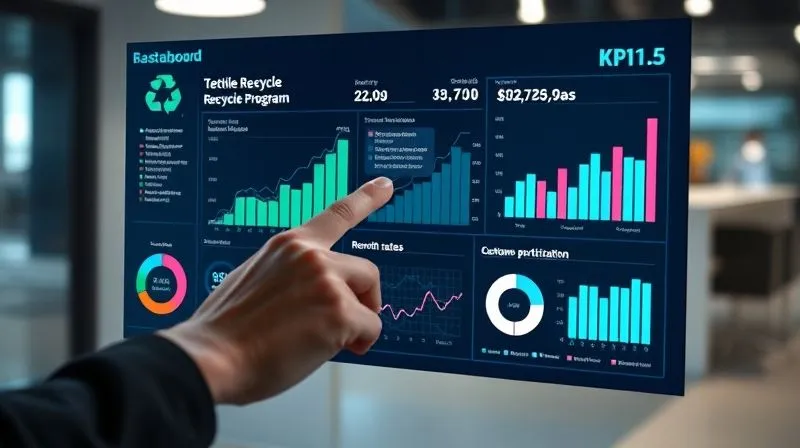
Key Performance Indicators (KPIs) for Return Programs
Track metrics such as:
- Return Rate: Percentage of garments sold that are returned for recycling.
- Customer Participation Rate: Number of unique customers participating in the program.
- Garment Quality: Condition of returned items (e.g., percentage suitable for reuse vs. recycling).
- Cost Per Return: The financial outlay for each garment successfully returned.
- Customer Lifetime Value (CLV): How participation in the return program impacts overall customer loyalty and spending.
Feedback Loops and Continuous Improvement
Actively solicit feedback from participating consumers. What worked? What didn't? Were the incentives appealing? Was the process easy? Use this qualitative data, combined with your KPIs, to refine and optimize your incentive programs. A/B test different incentive structures, communication strategies, and logistical approaches.
Overcoming Common Hurdles: Practical Solutions
Even with the best incentives, challenges will arise. Being prepared to address them ensures the longevity and effectiveness of your circular initiatives.
Addressing Contamination and Quality Control
One common issue is the return of soiled, damaged, or non-textile items. Clearly communicate acceptable return conditions (e.g., clean, dry garments only). Consider implementing a simple initial sorting process at drop-off points or offering clear guidelines on what materials are accepted.
Scaling Collection and Processing
As your program grows, so will the volume of returns. Plan for scalable logistics and partnerships with textile sorters and recyclers. Investing in automated sorting technologies can significantly improve efficiency and reduce costs in the long run.
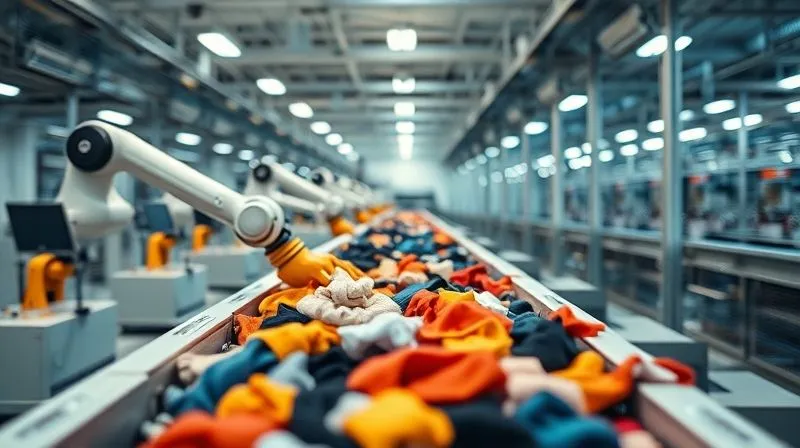
Effective textile recycling requires robust infrastructure. Insights from organizations like World Resources Institute highlight the need for comprehensive systems to handle the increasing volume and complexity of textile waste.
Frequently Asked Questions (FAQ)
Q: What's the most effective type of incentive for garment returns? A: From my experience, a blended approach works best. While financial incentives (like store credit or tiered loyalty points) are powerful initial motivators, combining them with convenience (easy drop-offs/pick-ups) and transparent impact reporting (showing the positive environmental effect) builds intrinsic motivation and long-term participation. The 'most effective' will also depend on your target demographic and brand values.
Q: How can small brands compete with larger brands in offering incentives? A: Small brands can differentiate by focusing on unique value propositions. Instead of large discounts, offer personalized experiences, exclusive access to limited-edition recycled collections, or direct contributions to local environmental causes in the customer's name. Collaboration with other small, like-minded brands for shared collection points can also leverage resources. Storytelling about your brand's commitment to circularity can be a powerful, low-cost incentive.
Q: Is a deposit-refund system viable for all types of clothing? A: While highly effective for high-volume or specific categories (like denim or outerwear), a deposit-refund system might be less practical for low-cost, disposable items due to administrative overhead. It's best suited for items where the deposit amount is significant enough to motivate return without being a barrier to purchase, and where the item has a clear recycling pathway. Consider piloting it for specific product lines first.
Q: How do I ensure returned garments are actually recycled and not just downcycled or sent to landfill? A: Transparency and strong partnerships are key. Work with certified textile recyclers who can provide clear documentation of their processes and end destinations for materials. Communicate these processes clearly to your consumers. Regular audits of your recycling partners are also crucial to maintain trust and ensure integrity in your circular claims.
Q: What if consumers return items from other brands? A: This is a common challenge. Some brands choose to accept all textile waste, viewing it as a public service and a way to build goodwill, regardless of origin. Others specify that only their own brand's items are eligible for specific incentives, especially if their recycling process is tailored to their own materials. Clearly define your policy and communicate it upfront to manage expectations. Accepting all textiles can position your brand as a broader sustainability leader.
Key Takeaways and Final Thoughts
Mastering how to incentivize consumers to return garments for textile recycling is not a quick fix; it's a strategic imperative for any brand committed to a truly circular future. It requires a multi-faceted approach that addresses both the extrinsic and intrinsic motivations of your customers.
- Understand Your Customer: Dig into their motivations and barriers.
- Innovate Beyond Discounts: Explore tiered rewards, deposit systems, and experiential incentives.
- Prioritize Convenience: Make the return process effortless with accessible drop-offs and pick-up options.
- Educate and Engage: Communicate impact transparently and tell compelling stories.
- Leverage Technology: Use digital tools for tracking, gamification, and personalization.
- Collaborate Widely: Partner with other brands and advocate for supportive policies.
- Measure and Adapt: Continuously monitor KPIs and refine your programs based on data and feedback.
The journey to a fully circular fashion industry is long, but by strategically incentivizing consumer participation, we can significantly accelerate progress. It's about building a partnership with your customers, empowering them to be part of the solution, and ultimately, creating a more sustainable and resilient future for fashion. The time for action is now; let's close that loop together.
Recommended Reading
- 7 Pillars: Build Unshakeable Trust in Body Positive Fashion Campaigns
- Haute Couture: Is Exclusive Design Investment a Smart Move?
- 7 Expert Steps: How to Transform Vintage Jewelry into Unique Modern Designs
- Evolve Your Style Blog: 7 Ways to Grow Content Without Losing Readers
- Stop Underpricing Bespoke Accessories: 7 Profit-Boosting Strategies




Your email address will not be published. Required fields are marked *