


How to Stop Underpricing Bespoke Accessories and Ensure Profit?
For over 15 years in the bespoke accessories sector, I've seen countless incredibly talented artisans and designers make a critical mistake: they underprice their exquisite creations. Their passion for craftsmanship often overshadows the crucial business acumen needed to thrive, leading to burnout, financial strain, and ultimately, the premature closure of what could have been a flourishing venture.
The pain of pouring your heart and soul into a unique piece, only to realize you've barely covered your costs – or worse, operated at a loss – is a feeling I wouldn't wish on anyone. It's a silent struggle that undermines confidence, erodes ambition, and prevents your exceptional work from reaching its true market potential. This isn't just about making money; it's about valuing your time, your skill, your unique vision, and ensuring the longevity of your craft.
In this definitive guide, I'm going to pull back the curtain on the strategies I've helped countless bespoke accessory brands implement to transform their pricing from an afterthought into a powerful profit-generating engine. We'll delve into actionable frameworks, real-world insights, and expert advice that will empower you to not only stop underpricing your bespoke accessories but to genuinely ensure their profitability for years to come.
1. Deconstructing Your True Costs: Beyond the Obvious
Many bespoke artisans focus solely on material costs and a rough estimate of their time. However, this is a dangerously simplistic approach that almost guarantees underpricing. To truly ensure profit, you must understand every single cost associated with your business.
Direct Costs: The Tangibles
These are the costs directly attributable to a specific product. It's more than just the raw materials.
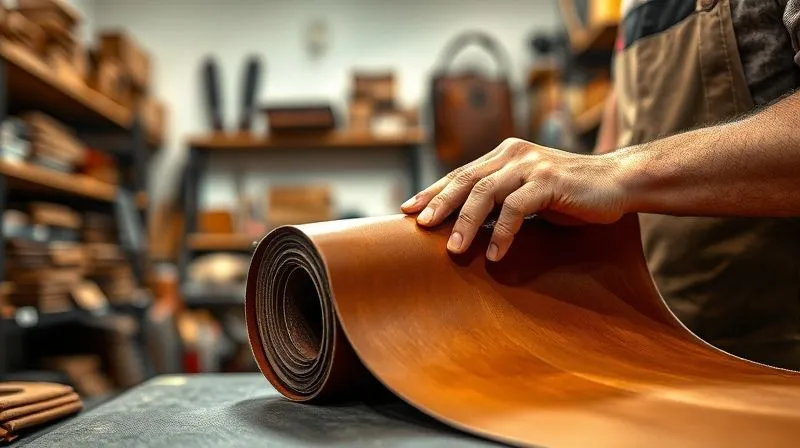
- Raw Materials: Leather, precious metals, gemstones, threads, buckles, clasps, lining fabric. Don't forget small components like adhesives, cleaning solutions, or even sandpaper used per item.
- Labor: This is your time, and it's valuable. Calculate your hourly rate (what you'd pay a skilled employee, or what you need to earn) and multiply it by the actual hours spent on design, sourcing, crafting, finishing, and packaging *per item*.
- Packaging: Boxes, dust bags, tissue paper, ribbons, authenticity cards – these are part of the direct cost of delivering the finished product.
- Shipping Materials: If you ship, factor in the cost of mailers, labels, and protective inserts.
Indirect Costs (Overheads): The Silent Profit Eaters
These are the costs of doing business, regardless of how many items you sell. Many artisans overlook these, leading to significant underpricing.
- Studio/Workshop Rent: Even if you work from home, allocate a portion of your mortgage/rent, utilities (electricity, water, internet) to your business.
- Equipment & Tool Depreciation: Your specialized sewing machine, laser cutter, jeweler's bench, or leatherworking tools have a lifespan and were an investment. Factor in their wear and tear.
- Software & Subscriptions: Design software, e-commerce platform fees, accounting software, email marketing services.
- Marketing & Advertising: Website hosting, domain fees, social media ads, photography, professional styling.
- Insurance: Business liability insurance, equipment insurance.
- Professional Development: Workshops, courses, industry events – these enhance your skill and business.
- Administrative Time: Answering emails, bookkeeping, ordering supplies, marketing – this isn't direct crafting time but is essential.
Actionable Step: Create a detailed spreadsheet. List all direct costs per item. Then list all monthly indirect costs. Divide your total monthly indirect costs by your average monthly production volume to get an 'overhead per item' figure. Add this to your direct costs.

2. The Psychology of Value: Pricing for Perception and Prestige
Bespoke accessories aren't just commodities; they are expressions of artistry, exclusivity, and personal connection. Your pricing strategy must reflect this inherent value, not just your costs.
Perceived Value vs. Actual Cost
Customers buying bespoke aren't just paying for materials and labor; they're paying for:
- Exclusivity: The knowledge that no one else has this exact piece.
- Craftsmanship: The skill, precision, and dedication that went into its creation.
- Story: The narrative behind the brand, the artisan, the materials, and the inspiration.
- Experience: The personalized consultation, the anticipation of creation, the joy of ownership.
- Quality & Longevity: A product designed to last, often becoming an heirloom.
"People do not buy goods and services. They buy relations, stories and magic." - Seth Godin. This rings especially true for bespoke accessories. Your price communicates your perceived value.
Luxury Positioning: Setting Your Price Anchor
When you price too low, you risk being perceived as cheap or of lower quality, even if your craftsmanship is superior. High-end bespoke items command premium prices because they position themselves as luxury goods. Research your competitors in the true luxury market, not just other small artisans struggling with pricing. What do similar quality, unique items sell for? Your price should align with the perceived value you want to project.
| Pricing Strategy | Pros | Cons |
|---|---|---|
| Cost-Plus | Simple, covers costs | Ignores market value, stifles profit |
| Value-Based | Maximizes profit, aligns with brand | Requires strong brand, market understanding |
| Competitive | Market relevant, easy comparison | Risks price wars, undervalues unique craft |
3. Crafting a Robust Pricing Strategy: Beyond the Simple Markup
There isn't a single 'right' way to price, but a blend of strategies often yields the best results for bespoke accessories. Let's explore the most effective approaches.
A. Cost-Plus Pricing (The Foundation)
While I advocate moving beyond *just* cost-plus, it's your starting point. You must know your absolute minimum. Calculate your total cost per item (direct + overhead). Then, add a desired profit margin (e.g., 50%, 100%, 200%).
- Calculate Total Cost (TC): Materials + Labor + Packaging + Allocated Overhead.
- Determine Desired Profit Margin (PM): As a percentage (e.g., 100%).
- Calculate Selling Price (SP): TC + (TC * PM). For instance, if TC = $100 and PM = 100%, SP = $100 + ($100 * 1) = $200.
B. Value-Based Pricing (The Profit Multiplier)
This is where bespoke accessories truly shine. Price based on the perceived value to the customer, not just your internal costs. What problem does your accessory solve? What emotion does it evoke? How much is that unique story, the exclusivity, and the personalized experience worth to your ideal client?
- Understand Your Ideal Client: Who are they? What do they value? What are their income levels?
- Highlight Uniqueness: Emphasize the bespoke nature, the rare materials, the hours of hand-craftsmanship, the personalized design process.
- Focus on Benefits, Not Features: Instead of 'genuine leather,' say 'heirloom-quality leather that will develop a rich patina over decades.'
C. Competitive Pricing (For Market Awareness)
While your bespoke item is unique, it exists within a market. Research what similar quality, unique, and branded accessories are selling for. This gives you a benchmark, but don't let it dictate your price if your value proposition is significantly higher. Use it to ensure your pricing isn't wildly out of sync with what the market expects for *luxury* or *high-end* bespoke.
4. Building a Brand That Commands Premium Prices
Your brand isn't just a logo; it's the entire experience and perception surrounding your work. A strong brand justifies and even demands higher prices.
The Power of Storytelling
Every bespoke accessory has a story. Share yours:
- Your Personal Journey: Why did you become an artisan? What drives your passion?
- The Creation Process: Show snippets of your meticulous work, the design sketches, the hands-on crafting.
- Material Provenance: Where do your exquisite materials come from? Are they ethically sourced? Rare?
- Client Testimonials: Let satisfied clients share their experience and the joy of owning your pieces.
Exceptional Client Experience
The bespoke journey for a client should be as luxurious as the final product. This includes:
- Personalized Consultations: Take time to understand their vision deeply.
- Regular Updates: Keep them informed during the creation process.
- Luxurious Packaging: Unboxing should be an event.
- Post-Purchase Care: Follow-ups, care instructions, warranty information.
According to a study published in the Harvard Business Review, customers are willing to pay more for a superior customer experience. For bespoke, this experience is intrinsically linked to the product's value.
5. Optimizing Your Production for Profitability
Even with perfect pricing, inefficient production can erode your margins. Streamlining your process is crucial for ensuring profit.
Efficiency in Crafting
Analyze your workflow. Are there bottlenecks? Can you batch certain tasks (e.g., cutting, edge finishing)? While bespoke is about unique pieces, repeatable steps can be optimized without sacrificing individuality.
- Standardize Non-Custom Elements: If certain components or processes are consistent across pieces (e.g., buckle attachments, lining installation), refine these for efficiency.
- Invest in Quality Tools: Good tools aren't just for quality; they save time and reduce waste.
- Workspace Organization: A well-organized studio reduces wasted time searching for tools or materials.
Strategic Material Sourcing
The cost of your materials directly impacts your profit. Don't compromise on quality, but be smart about sourcing.
- Bulk Discounts: If you use a material frequently, can you buy in larger quantities for a better price?
- Supplier Relationships: Build strong relationships with suppliers; they might offer better terms or first access to new materials.
- Value Engineering: Can you achieve a similar aesthetic or function with a slightly different, more cost-effective material without compromising quality or brand integrity? (Use with extreme caution for bespoke!)
6. Mastering the Art of the Consultation and Upselling
The consultation is not just about taking an order; it's your primary opportunity to communicate value, build rapport, and increase the order's profitability.
Elevating the Consultation Experience
Make the consultation a journey of discovery for the client.
- Active Listening: Understand their deepest desires, their style, their needs for the accessory.
- Educate on Craft: Briefly explain the complexity, the unique techniques, the quality of materials. This justifies your price.
- Showcase Expertise: Offer design suggestions, material pairings, and insights that demonstrate your mastery.
- Transparency on Pricing Components: Break down the investment in a way that highlights value (e.g., "The hand-stitched detailing alone adds 8 hours of dedicated craftsmanship").
Strategic Upselling and Add-ons
Once a client is committed to a bespoke piece, they are often open to enhancing it further.
- Premium Materials: Offer an upgrade to a rarer leather, a higher carat gold, or a unique gemstone.
- Personalization Options: Monogramming, custom engravings, internal pockets – these add value and can be priced accordingly.
- Complementary Items: Suggest a matching wallet for a handbag, a cleaning kit, or a custom display case.
- Expedited Service: If a client needs an item sooner than your standard lead time, offer an expedited fee.
Case Study: 'Elegance by Elara' Reclaims Profitability
How Elara Transformed Her Bespoke Handbag Business
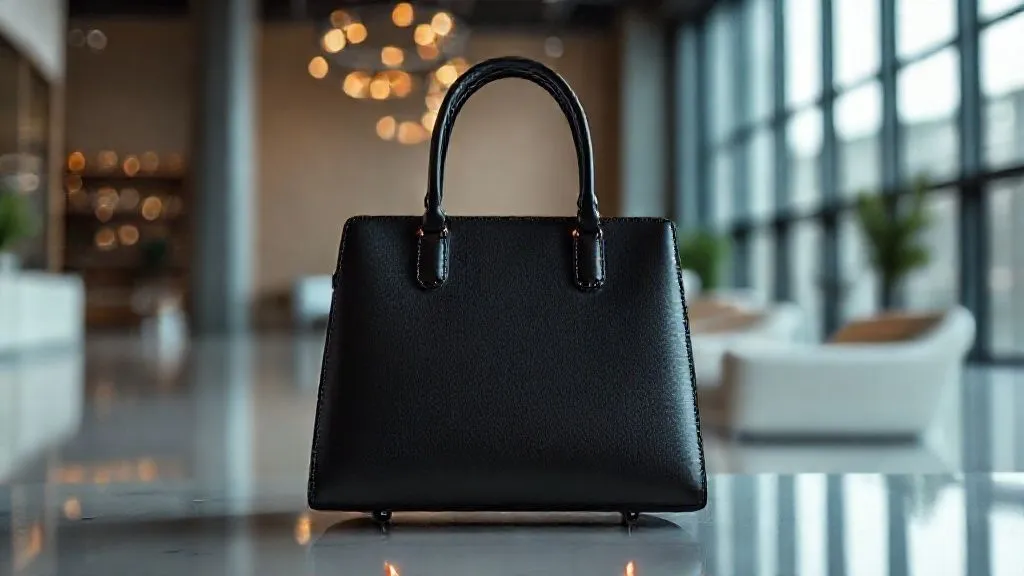
Elara, a gifted artisan specializing in bespoke leather handbags, struggled for years with underpricing. Her bags, while exquisitely crafted, barely covered her costs. Her average handbag sold for $800, but her true costs (materials, 40 hours labor at a modest $25/hr, overhead) were often $750, leaving a meager $50 profit.
By implementing the strategies discussed:
1. She meticulously tracked all direct and indirect costs, realizing her labor rate was too low and she wasn't accounting for marketing spend.
2. She redesigned her consultation process, showcasing her unique hand-stitching techniques and the ethical sourcing of her full-grain leathers, emphasizing the 'heirloom quality' and 'investment piece' narrative.
3. She introduced tiered pricing: a 'Standard Bespoke' option and a 'Signature Bespoke' option with premium leathers, custom hardware, and expedited service as standard.
4. During consultations, she actively offered monogramming and a custom-fitted dust bag as add-ons.
Within six months, Elara's average selling price for a bespoke handbag rose to $1,500. Her costs, with slightly higher material grades for the Signature line, increased to $850. Her profit per bag soared from $50 to $650, allowing her to invest in better tools, hire a part-time assistant, and finally pay herself a living wage. Her brand, 'Elegance by Elara,' became synonymous with exclusive, high-value leather goods, attracting a more discerning clientele.
7. Leveraging Data: Analyzing Sales and Adjusting Your Strategy
Pricing isn't a 'set it and forget it' task. It requires continuous monitoring and adjustment based on data and market feedback.
Key Performance Indicators (KPIs) to Track
Regularly review these metrics:
- Profit Margin Per Item: The most direct indicator of profitability.
- Average Order Value (AOV): How much is the average client spending per purchase? Upselling efforts should increase this.
- Conversion Rate: How many consultations turn into paid orders? If it's too high, your prices might be too low. If too low, your value proposition might not be clear, or prices are too high for your current brand positioning.
- Customer Acquisition Cost (CAC): How much does it cost to get one new client? Your profit per item must exceed this significantly.
Gathering Market Feedback and Competitor Analysis
Stay attuned to the market:
- Client Feedback: Ask clients (especially those who didn't purchase) about their perception of value and pricing.
- Market Trends: Are luxury material prices fluctuating? Are new bespoke brands emerging?
- Competitor Pricing: Keep an eye on what your high-end competitors are charging for comparable quality and uniqueness.
Regularly review your pricing structure, perhaps quarterly or semi-annually. Don't be afraid to adjust. As your brand grows, your expertise deepens, and your reputation strengthens, you've earned the right to increase your prices. As marketing guru Seth Godin often says, "The market will bear what the market will bear, but only if you provide the value the market is looking for."
Frequently Asked Questions (FAQ)
Question: How do I justify a significant price increase to existing clients? Justifying a price increase to existing clients requires transparency and emphasizing added value. Communicate the reasons: perhaps you've invested in new skills, higher-grade materials, or improved your client experience. You could offer a 'legacy' discount for a limited time on their next purchase, or frame it as an evolution of your brand. Focus on the enhanced value they will receive, rather than just the cost increase.
Question: What if my competitors are selling similar items for much less? This often indicates that your competitors are either underpricing themselves or targeting a different market segment. For bespoke accessories, your differentiator is uniqueness, craftsmanship, and the personal connection. Don't get into a price war with mass-produced or lower-tier items. Focus on communicating your superior value, quality, and the bespoke experience. Your ideal client isn't looking for the cheapest option; they're looking for the best.
Question: How do I factor in my 'artistic value' or 'creative fee' into the price? Your artistic value is intrinsically woven into your labor cost and the overall value-based pricing. Instead of a separate 'creative fee,' ensure your hourly rate adequately reflects your skill, expertise, and unique artistic vision. For highly conceptual or innovative designs, the 'value-based' component of your pricing strategy allows you to charge a premium that goes beyond simple cost-plus, reflecting the intellectual and creative effort involved.
Question: Should I offer discounts for bulk orders or repeat clients? For bespoke items, 'bulk orders' are rare, but for repeat clients, a small, exclusive thank-you gesture can be effective. Avoid frequent or large discounts, as they can devalue your brand. Instead, consider offering exclusive access to new collections, a small complimentary add-on, or a personalized service enhancement rather than outright price reductions. This maintains perceived value while rewarding loyalty.
Question: What's a good profit margin to aim for in bespoke accessories? While profit margins vary widely by niche and market, for high-end bespoke accessories, aiming for a gross profit margin of 50-70% (meaning your selling price is 2 to 3 times your total direct cost) is often a healthy target. This allows ample room to cover overheads, reinvest in your business, and achieve a sustainable net profit. However, this is a guideline; your specific cost structure and market positioning will dictate your ideal margin. Regularly review your financial statements to ensure you're on track. You can learn more about general business profit margins from resources like Forbes or Deloitte's industry reports.
Key Takeaways and Final Thoughts
Stopping the cycle of underpricing bespoke accessories and ensuring profit isn't just about crunching numbers; it's about a fundamental shift in how you perceive your craft and your business. It's about confidence, strategic thinking, and a deep understanding of value.
- Know Your True Costs: Account for every direct and indirect expense.
- Embrace Value-Based Pricing: Price for the perceived worth, exclusivity, and story of your unique creations.
- Build a Premium Brand: Cultivate an exceptional experience and narrative that justifies higher prices.
- Optimize for Efficiency: Streamline production and smart sourcing to protect your margins.
- Master the Consultation: Use it as an opportunity to educate, upsell, and solidify client commitment.
- Leverage Data: Continuously monitor KPIs and adapt your strategy.
Your bespoke accessories are more than just items; they are pieces of art, legacies in the making, and expressions of unparalleled skill. It's time to price them with the respect and strategic insight they deserve. By implementing these strategies, you're not just ensuring profit; you're building a sustainable, thriving legacy for your exceptional craft, allowing your passion to truly flourish.
Recommended Reading
- 7 Proven Strategies: Liquidate Unsold Bridal Gowns Quickly & Profitably
- 7 Pillars: How to Maintain Luxury Footwear Exclusivity Online
- The Ultimate Guide: How to Find Practical Kids Wear That Lasts & Grows
- Unlock Peak Performance: Why Arch Support is Crucial in Athletic Footwear
- Unleash Your Style: How to Incorporate Bold Prints into Streetwear Outfits



Your email address will not be published. Required fields are marked *