

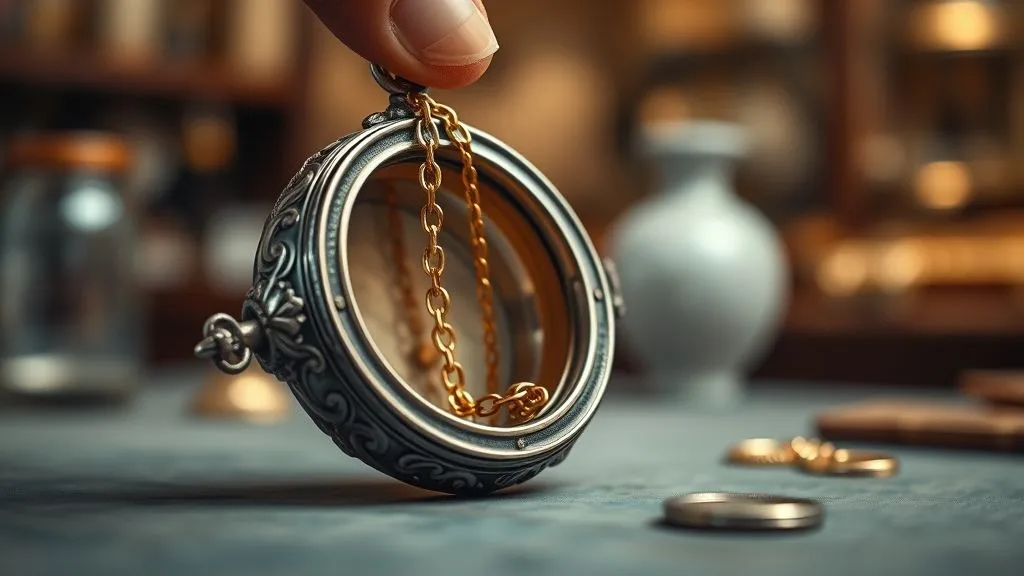
How to transform vintage jewelry into unique, modern designs?
For over two decades in the intricate world of jewelry design, I’ve witnessed countless stunning vintage pieces relegated to dusty boxes, their beauty and history overshadowed by an outdated aesthetic. The sentimental value is often immense – a grandmother's brooch, a forgotten engagement ring, a unique pendant from an antique market – yet their current form simply doesn't resonate with contemporary style.
This is a dilemma many jewelry enthusiasts and inheritors face: how do you honor the past without being stuck in it? The problem isn't a lack of appreciation for history, but rather a perceived incompatibility between intricate, often ornate vintage designs and the clean lines, versatility, and personal expression that modern fashion demands.
In this definitive guide, I will share my expert frameworks, real-world insights, and actionable steps to bridge this gap. You'll learn not just 'what' to do, but 'how' to meticulously plan, ethically execute, and ultimately transform your vintage jewelry into unique, modern designs that tell a continuous story, blending heritage with contemporary elegance. Let's unlock the hidden potential within your heirlooms.
1. Deciphering Your Heirloom: Understanding Its History and Potential
Before any transformation begins, the first and most critical step is to truly understand the piece you hold. This isn't just about its physical form, but its provenance, materials, and inherent design characteristics. A well-informed decision is the cornerstone of a successful redesign.
Researching Its Origin and Era
Every piece of vintage jewelry carries a story. Was it Art Deco, Victorian, Edwardian, or perhaps Mid-Century Modern? Identifying its era provides crucial context for its original design intent, typical materials, and construction techniques. This historical knowledge helps you appreciate its original artistry and informs how you might respectfully adapt it. For example, an Art Deco piece might lend itself to geometric deconstruction, while a Victorian piece might offer filigree elements to be highlighted.
"The true art of vintage jewelry transformation lies in respecting its past while boldly envisioning its future."
Assessing Materials and Gemstones
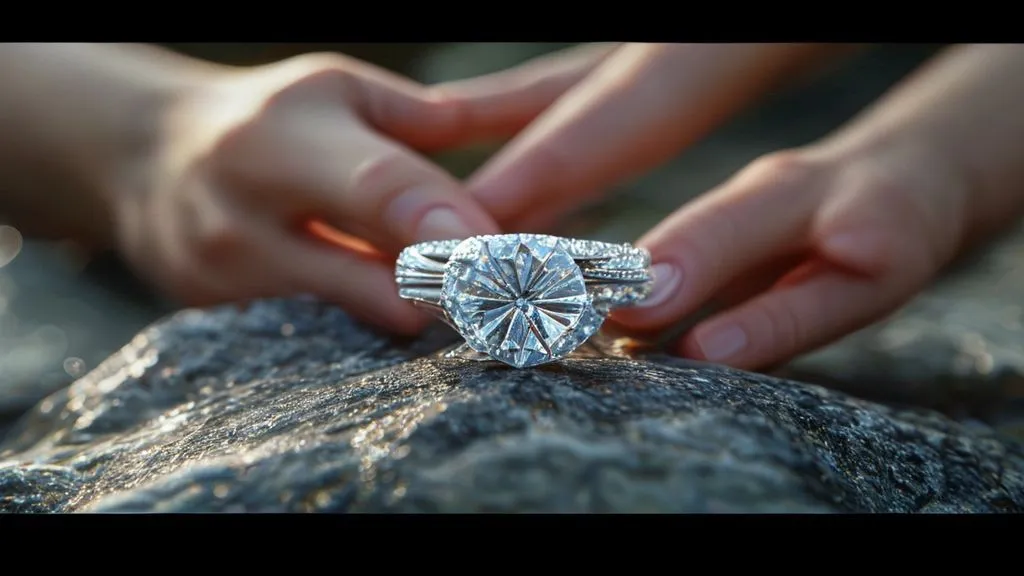
Understanding the metals and gemstones is paramount. Are the diamonds old mine cuts or rose cuts? Is the gold 10K, 14K, or 18K? Are there precious stones, semi-precious, or even paste? This assessment guides your design choices and helps in understanding the piece's intrinsic value. I always advise clients to get a professional appraisal if there's any doubt about the materials or significant gemstones, as this forms a baseline for your project's value and insurance considerations.
- Examine Hallmarks: Look for tiny stamps on the metal, often on clasps or inner bands, indicating metal purity or maker.
- Identify Gemstone Cuts: Distinguish between antique cuts (e.g., Old European, Rose Cut) and modern brilliant cuts.
- Test Metal Purity: A jeweler can perform non-destructive tests to confirm gold or silver content.
- Note Condition: Document any wear, damage, or missing components, as this impacts feasibility and cost.
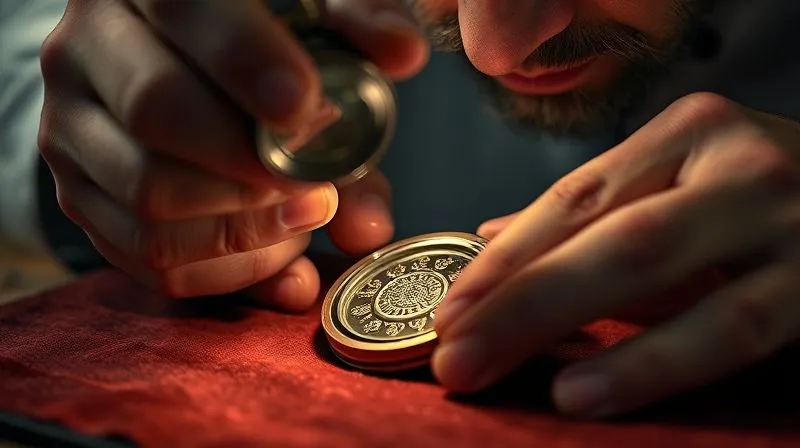
2. Cultivating Your Vision: Bridging Eras with Design Concepts
Once you understand your vintage piece, the next step is to envision its modern rebirth. This isn't about erasing its history but reimagining its essence for today's aesthetic. This phase is highly collaborative and iterative, often involving sketches and mood boards.
Defining Your Modern Aesthetic
What does 'modern' mean to you? Is it minimalist, architectural, organic, or industrial? Consider your personal style, your wardrobe, and how you intend to wear the transformed piece. Do you want it to be a daily staple, a statement piece, or something for special occasions? This clarity will guide the design process significantly. For instance, if your style is minimalist, you might opt to simplify a busy vintage design, highlighting a single gemstone or a clean line.
Inspiration Beyond Jewelry
Don't limit your inspiration to just jewelry. Look at architecture, art, nature, and fashion trends. A clean architectural line from a building could inspire a new setting for a vintage stone. The organic flow of a river might inform the sinuous lines of a new pendant. Collect images, textures, and color palettes that resonate with your desired outcome. As a mentor, I often encourage clients to explore Pinterest boards, art galleries, and even fashion magazines to articulate their vision.
"Modern design isn't just about what's new; it's about what's timelessly relevant."
Preliminary Sketching and Digital Rendering
Working with a skilled designer, you'll move from abstract ideas to concrete concepts. This often involves preliminary sketches, sometimes even 3D digital renderings. This allows you to visualize the transformation before any physical work begins, ensuring alignment with your vision. This is where the magic of "How to transform vintage jewelry into unique, modern designs?" truly takes shape on paper or screen.
| Design Approach | Characteristics | Vintage Elements to Highlight | Modern Application |
|---|---|---|---|
| Minimalist | Clean lines, single focal point, reduced embellishment | Unique gemstone, geometric shape | Sleek pendant, solitaire ring |
| Architectural | Structured, bold forms, negative space | Specific metalwork, strong silhouette | Statement cuff, geometric earrings |
| Organic | Fluid lines, natural forms, textured surfaces | Curved elements, floral motifs | Nature-inspired pendant, flowy bracelet |
3. Strategic Deconstruction and Material Integration
This is where the physical transformation begins, often requiring a delicate touch and a clear strategy. It's about deciding what elements of the vintage piece to retain, what to remove, and how to integrate new materials.
Identifying Core Elements to Retain
Which parts of the original piece hold the most sentimental or aesthetic value? Is it a specific gemstone, an engraved motif, a unique metalwork technique, or even a combination of elements? These 'core' elements will be the anchor of your new design. Sometimes, it's just a single diamond from an old ring that becomes the centerpiece of a new necklace, allowing the original metal to be melted down and repurposed.
Careful Disassembly and Material Separation
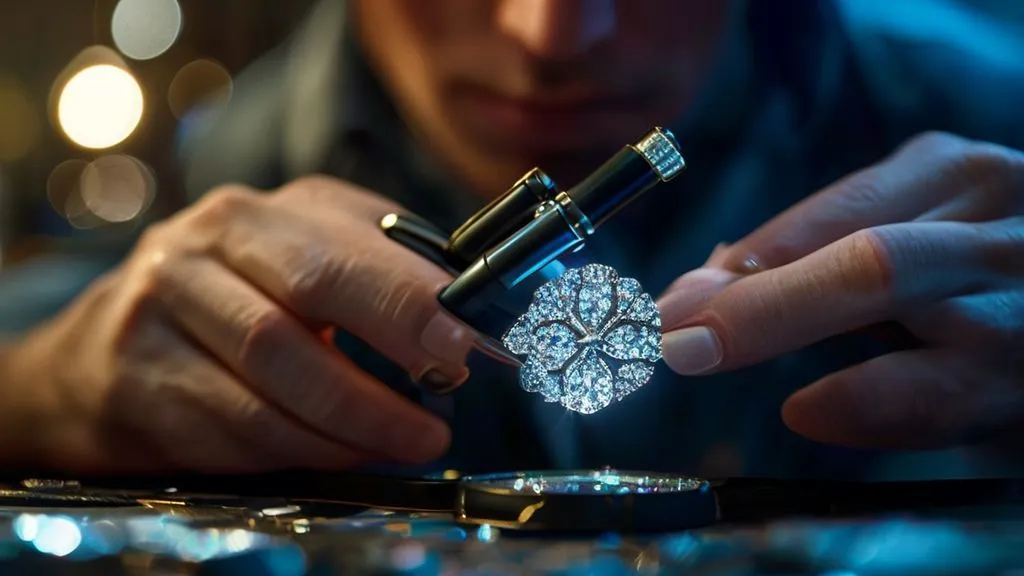
A skilled jeweler will carefully disassemble the vintage piece, separating gemstones from their settings and different metals from each other. This is a critical step to avoid damage to delicate components. The removed metal can often be refined and reused, contributing to the sustainability aspect of the project. According to a Forbes article on sustainable jewelry, repurposing existing materials is a key pillar of circular economy principles in the industry.
- Document Everything: Photograph the piece before, during, and after deconstruction.
- Handle Gemstones with Care: Use appropriate tools to remove stones without chipping or scratching.
- Segregate Metals: Keep different karats of gold or types of metal separate for potential reuse or refining.
Integrating New Materials and Components
This is where the 'modern' aspect truly comes in. You might introduce new metals (e.g., platinum or titanium), contemporary chain styles, or even different types of gemstones to complement the vintage elements. The goal is harmonious integration, ensuring the new components enhance, rather than overpower, the original beauty. For example, an antique brooch might have its central gemstone reset into a sleek, modern bezel pendant, paired with a contemporary snake chain.
4. Design Principles for a Seamless Modern Transformation
Effective modernization isn't just about adding new elements; it's about applying fundamental design principles to create a cohesive and unique piece. In my experience, neglecting these principles often leads to a 'Frankenstein's monster' of a design – parts that don't quite fit together.
Balance and Proportion
One of the biggest challenges in transforming vintage jewelry is achieving balance. Vintage pieces often have intricate, asymmetrical, or heavy designs. Modern aesthetics typically favor clean lines and balanced proportions. When redesigning, consider how the vintage element will sit within the new context. Will it be the focal point, or a subtle accent? Ensure the new setting or accompanying elements complement its size and shape without overwhelming it.
Embracing Negative Space and Simplicity
Modern design frequently utilizes negative space to create visual interest and highlight key elements. Instead of adding more, consider what can be removed or simplified. An ornate vintage cluster ring, for instance, might be deconstructed into a series of smaller, minimalist pendants, each showcasing a single stone. This approach emphasizes the inherent beauty of the materials rather than relying on heavy ornamentation. As design guru Seth Godin often implies, less can often be more impactful.
Case Study: Revitalizing 'The Empress Brooch'
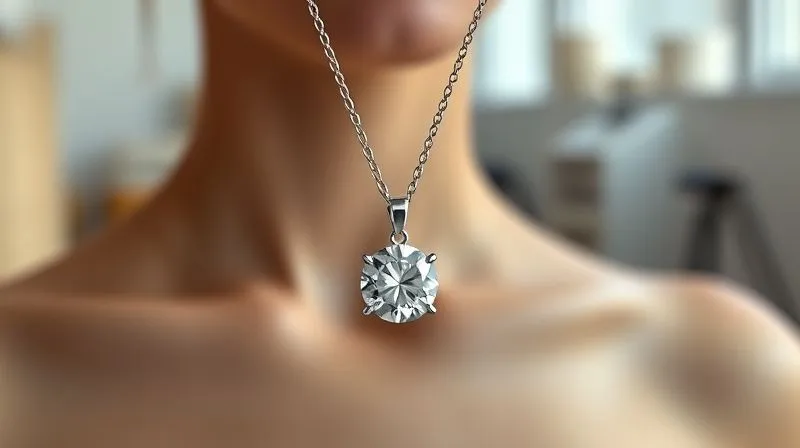
I recently worked with a client who inherited a magnificent, yet undeniably heavy and old-fashioned, Victorian brooch featuring a large cameo surrounded by seed pearls and intricate gold filigree. She loved the cameo but found the brooch unwearable. By implementing the principles of strategic deconstruction and embracing simplicity, we transformed it. We carefully removed the cameo and reset it into a custom-designed, open-back bezel pendant crafted from recycled platinum, allowing light to truly illuminate the carving. The seed pearls were repurposed into delicate stud earrings, and the gold filigree was melted down for a future project. The client now wears her 'Empress Pendant' daily, a true testament to how to transform vintage jewelry into unique, modern designs, honoring its history while making it relevant for today. This resulted in a piece that was both deeply personal and universally admired for its elegant simplicity.
5. The Artisan Partnership: Choosing the Right Jeweler for Your Project
Your choice of jeweler is perhaps the most critical decision in this entire process. A transformation of this nature requires a specific blend of technical skill, artistic vision, and sensitivity to the original piece. Do not compromise here.
Qualities of an Exceptional Redesign Specialist
Look for a jeweler who specializes in custom design and vintage jewelry. They should possess not just excellent fabrication skills, but also a deep understanding of jewelry history and material properties. Crucially, they must be excellent communicators, able to listen to your vision and translate it into a tangible design. I always recommend seeking out someone with a portfolio that showcases successful vintage transformations, not just new creations.
- Proven Experience: Ask for examples of past vintage redesign projects.
- Design Aptitude: Does their aesthetic align with yours? Can they sketch or render your ideas?
- Technical Skill: Are they proficient in working with delicate vintage materials and various setting techniques?
- Transparent Communication: Do they clearly explain the process, costs, and potential challenges?
- References: Don't hesitate to ask for testimonials or client references.
The Consultation Process: What to Expect
An initial consultation should be comprehensive. Bring your vintage piece, any inspiration you've gathered, and be prepared to discuss your budget and timeline. A good jeweler will ask probing questions, offer various design options, and provide a clear estimate of costs and completion time. They should also discuss the ethical considerations of sourcing any new materials, emphasizing recycled or ethically mined options where possible. This collaborative dialogue is essential for a successful outcome.
According to the Gemological Institute of America (GIA), the demand for custom and personalized jewelry is rapidly growing, highlighting the need for jewelers skilled in unique client collaborations.
6. Ethical Considerations and Sustainable Practices
In today's world, the journey of our jewelry is as important as its final aesthetic. Transforming vintage pieces inherently aligns with sustainable practices, but there are further considerations to ensure your project is truly ethical.
The Inherent Sustainability of Repurposing
By choosing to transform vintage jewelry, you are already making an incredibly sustainable choice. You are extending the life cycle of existing materials, reducing the demand for newly mined metals and gemstones, and minimizing environmental impact. This act of repurposing is a powerful statement against fast fashion and consumption, aligning perfectly with the growing consciousness around responsible consumption.
"Every vintage piece reimagined is a step towards a more sustainable and meaningful jewelry future."
Sourcing New Materials Responsibly
If your design requires additional materials – new gold for a setting, accent diamonds, or a different type of chain – ensure these are sourced ethically. Inquire about recycled metals, conflict-free diamonds (Kimberley Process certified at a minimum, but ideally traceable to source), or fair-trade gemstones. Many jewelers now pride themselves on their commitment to responsible sourcing, and it's a valid and important question to ask your chosen artisan.
For deeper insight into ethical sourcing, organizations like the Responsible Jewellery Council (RJC) offer certifications and guidelines for responsible practices throughout the jewelry supply chain.
7. Showcasing Your Transformed Masterpiece
Once your unique, modern design is complete, the journey isn't over. Proper care, thoughtful styling, and sharing its story are the final steps in truly appreciating your transformed heirloom.
Care and Maintenance for Your Redesigned Piece
Even though it's been modernized, your piece still contains vintage elements that might require specific care. Understand the cleaning recommendations for your specific metals and gemstones. Regular, gentle cleaning and professional check-ups (every 1-2 years) will ensure its longevity and brilliance. Store it properly to prevent scratches or damage, ideally in a soft pouch or separate compartment.
Styling Your Modern Heirloom
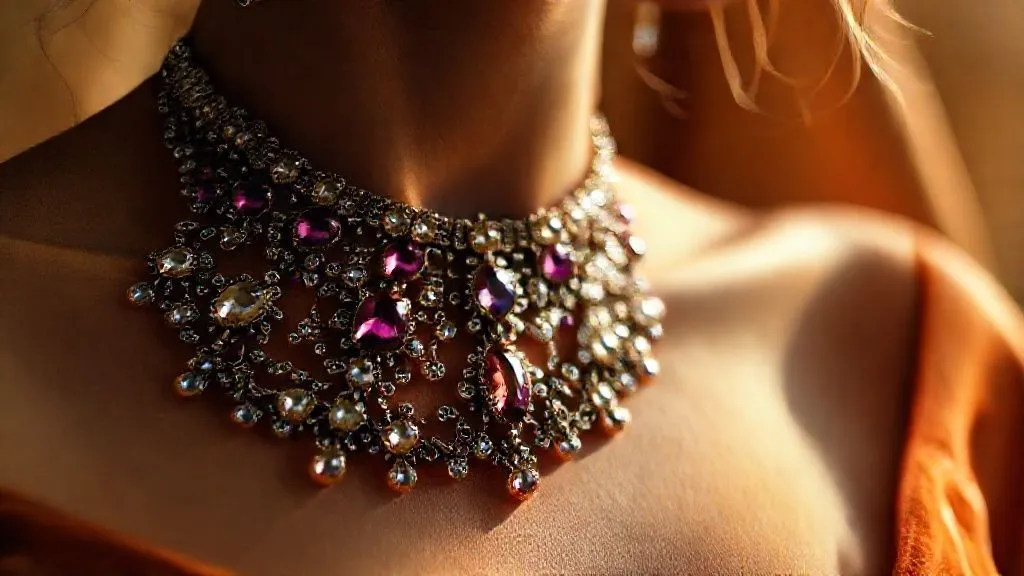
The beauty of a well-executed transformation is its versatility. Experiment with how you wear it. A modernized pendant can be layered with other necklaces, a transformed ring can be part of a stack, or a converted brooch can adorn a jacket lapel in a contemporary way. Let it be a conversation starter – a tangible link between your past and present, showcasing exactly how to transform vintage jewelry into unique, modern designs.
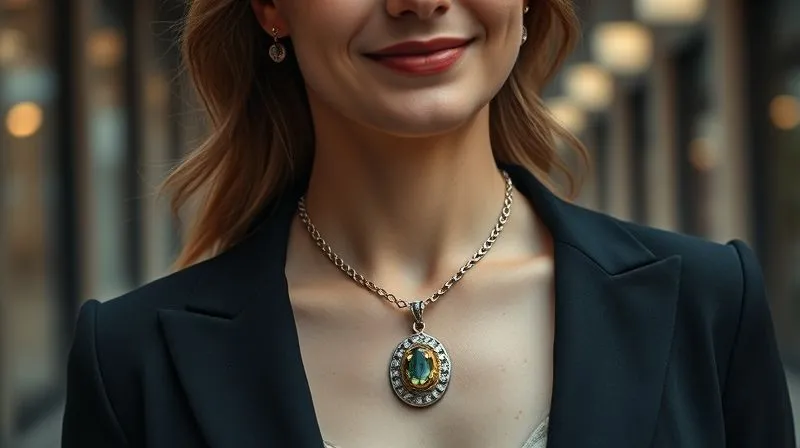
Common Pitfalls to Avoid in Vintage Jewelry Redesign
While the journey of transformation is rewarding, there are common missteps that can derail a project. Being aware of these can save you time, money, and potential disappointment.
Over-Modernizing and Losing Character
The goal is to blend, not erase. One of the biggest mistakes is stripping a vintage piece of all its original character in an attempt to make it 'new.' A good redesign finds a harmonious balance, allowing the vintage essence to shine through, albeit in a contemporary context. Don't be afraid of the patina or the unique cut of an old stone; these are part of its charm.
Underestimating Costs and Time
Custom jewelry design, especially involving vintage pieces, is a labor-intensive process. It requires specialized skills, careful handling, and often multiple iterations. Be prepared for a realistic budget and timeline. A rushed job or cutting corners on craftsmanship will almost always lead to a less-than-satisfactory result. Get detailed quotes and understand what's included.
Ignoring Structural Integrity
Vintage pieces, particularly those from earlier eras, may have inherent weaknesses due to age or original construction. A common pitfall is to ignore these structural issues during redesign. A skilled jeweler will assess and address any vulnerabilities, ensuring the transformed piece is not only beautiful but also durable and safe to wear. This might involve reinforcing settings or replacing worn clasps.
Frequently Asked Questions (FAQ)
Can all vintage jewelry be transformed? While most pieces can be redesigned, the feasibility and cost depend on the materials, condition, and complexity of the original. Very delicate or historically significant pieces might be better preserved as-is, but even then, elements can often be carefully extracted. Always consult with an expert jeweler for an assessment.
Will transforming my vintage jewelry decrease its value? Not necessarily. While the antique collector's value of the original piece might change, the sentimental and intrinsic material value (of gemstones and precious metals) remains. A well-executed modern redesign can significantly increase its wearable value and personal significance, often making it more valuable to you than its original form.
What's the typical cost range for a vintage jewelry transformation? Costs vary widely based on the complexity of the design, the materials involved (new gold, additional stones), and the jeweler's expertise. Simple alterations might start from a few hundred dollars, while complex custom designs could range into several thousands. Always get a detailed quote upfront.
How long does the redesign process usually take? From initial consultation to completion, the process can take anywhere from 4-6 weeks for simpler projects to 3-6 months for intricate custom designs, especially if 3D rendering, custom casting, or unique stone sourcing is involved. Patience is key to achieving a truly remarkable piece.
Can I use the original metal from my vintage piece? Yes, often! Gold can be melted down and refined to be reused in the new design, which is a wonderful way to maintain the sentimental connection and contribute to sustainability. However, it's crucial that the jeweler has the expertise to do this properly to ensure the integrity of the new metal.
Key Takeaways and Final Thoughts
- Understand Before You Transform: Thoroughly research your vintage piece's history, materials, and potential.
- Cultivate a Clear Vision: Define your modern aesthetic and use inspiration to guide your design concepts.
- Strategic Deconstruction is Key: Carefully identify and separate core vintage elements for integration.
- Apply Design Principles: Focus on balance, proportion, and simplicity to achieve a harmonious modern look.
- Choose Your Artisan Wisely: Partner with an experienced, communicative jeweler specializing in custom redesign.
- Embrace Sustainability: Your transformation is inherently eco-friendly; seek ethically sourced new materials.
- Cherish and Share: Care for your redesigned piece and share its unique story, connecting past and present.
The journey of transforming vintage jewelry is more than just a design project; it’s an act of storytelling, a testament to personal style, and a profound commitment to sustainability. As someone who has guided countless individuals through this process, I can assure you that the reward of wearing a piece that beautifully bridges eras, a truly unique modern design born from a cherished heirloom, is immeasurable. Don't let your valuable pieces gather dust; give them a new life, a new story, and a new place in your contemporary world.
Recommended Reading
- Unlock the Secret: How to Pick the Perfect Activewear Size for Growing Kids
- 7 Ways to Stand Out: Differentiate Your Streetwear Hoodies Online
- 7 Proven Strategies: Halting Fraudulent Chargebacks in Rare Sneaker Sales
- Unlock Boutique Doors: 7 Strategies to Partner with High-End Bridal Shops
- 7 Steps: How to Audit Fashion Supply Chains for Ethical Compliance

Your email address will not be published. Required fields are marked *