

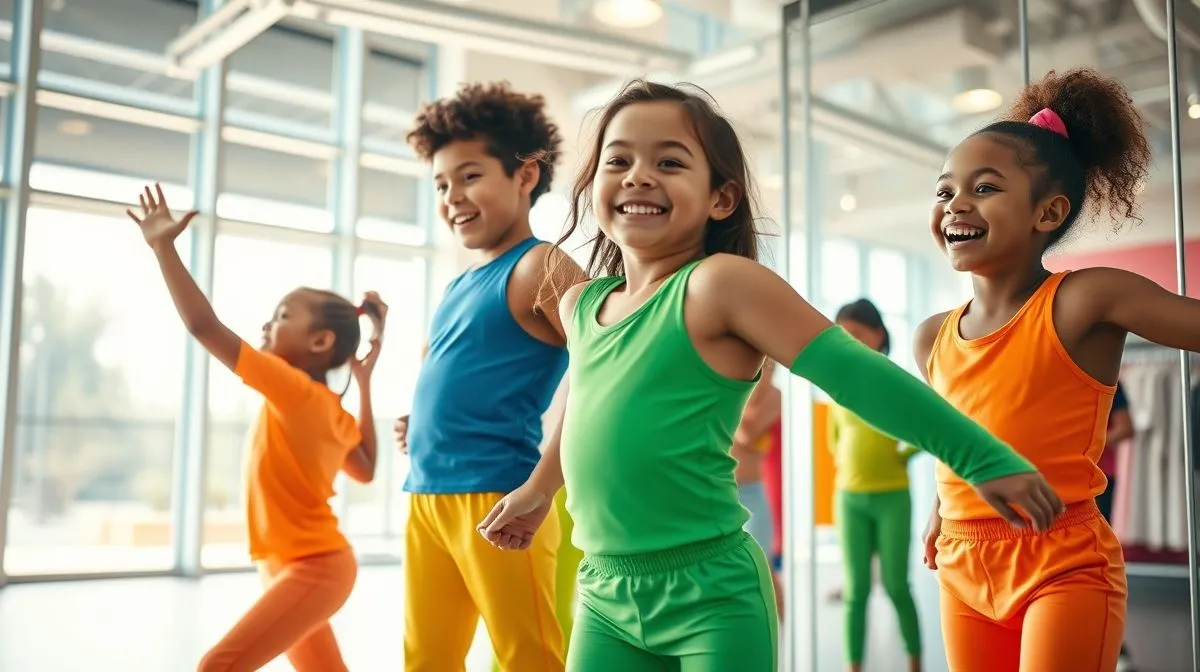
Unlocking Comfort and Performance: How to Pick the Right Size Activewear for Growing Kids?
Remember the last time your child complained about their clothes being too tight, or perhaps tripping over their own oversized shirt during play? It’s a common scene in households with active youngsters. Imagine young Leo, eager to score goals in his soccer game, but constantly tugging at his shorts because they’re riding up, or Bella, struggling to perform her gymnastics routine because her leggings are too baggy, catching on equipment. These aren’t just minor inconveniences; they can significantly impact a child’s comfort, confidence, and even their safety during physical activity.
The challenge of finding the perfect fit for children’s activewear is a puzzle many parents face. Kids grow at an astonishing rate, sometimes seemingly overnight, making previous purchases quickly obsolete. This rapid growth often leads to guesswork, buying clothes “to grow into,” or simply sticking to the same size for too long, both of which can lead to ill-fitting gear that hinders rather than helps their athletic pursuits. The problem isn't just discomfort; it's about performance, injury prevention, and fostering a love for movement.
This comprehensive guide is designed to demystify the process of selecting activewear for your ever-growing children. By the end of this reading, you will possess the definitive knowledge and practical strategies on how to pick the right size activewear for growing kids, ensuring they are always comfortable, supported, and ready to conquer any physical challenge. We will delve into measurement techniques, understanding size charts, recognizing the signs of a perfect fit, and even the importance of fabric choices, empowering you to make informed decisions that support your child’s active lifestyle.
The Crucial Role of Proper Fit in Kids' Activewear
Activewear isn't just about looking sporty; it's about functionality and support. For children, who are often more flexible and prone to falls, the fit of their athletic clothing plays a pivotal role in their overall experience. An ill-fitting garment can transform a fun activity into a frustrating ordeal, potentially leading to a disinterest in physical activity.
Beyond Just Comfort: Performance and Safety
When activewear fits correctly, it moves with the child, allowing for a full range of motion without restriction. Too tight, and it can chafe, restrict blood flow, or limit movement, especially around joints like knees and elbows. Too loose, and excess fabric can get tangled, caught on equipment, or simply get in the way, increasing the risk of trips and falls. Proper fit ensures that features like moisture-wicking properties work effectively, keeping children dry and comfortable, which is crucial for regulating body temperature during strenuous activity. It also helps in maintaining the integrity of the garment, preventing premature wear and tear.
The Psychology of a Good Fit
Beyond the physical aspects, there's a significant psychological component to activewear fit. When children feel comfortable and confident in what they’re wearing, they are more likely to participate fully and enjoy the activity. Clothes that are too big can make a child feel clumsy or self-conscious, while clothes that are too small can be distracting and irritating. A well-fitting outfit, conversely, can boost their self-esteem, making them feel like a capable athlete ready to take on any challenge. This positive reinforcement encourages continued participation in sports and physical activity, fostering healthy habits for life.
Understanding Growth Spurts and Sizing Challenges
Children's growth is anything but linear. They experience periods of rapid growth, known as growth spurts, interspersed with plateaus. This unpredictable pattern is the primary reason why activewear sizing for kids presents such a unique challenge for parents. What fits perfectly one month might be too small the next.
The Unpredictable Nature of Childhood Growth
Growth spurts can occur at different ages for different children, and they don't always involve proportionate growth across the entire body. A child might have a sudden increase in height, making their pants too short, while their waist size remains relatively stable. Conversely, they might fill out more, requiring a larger size in tops, even if their height hasn't changed dramatically. This variability means that a “one-size-fits-all” approach or simply relying on age labels is often insufficient. Understanding these growth patterns helps parents anticipate changes and plan their activewear purchases more strategically.
Why 'Sizing Up' Isn't Always the Answer
A common parental instinct is to buy activewear a size or two larger, anticipating future growth. While this might seem economical, it often backfires, especially with performance wear. Oversized activewear can be just as problematic as undersized gear. Baggy shorts can get caught, and long sleeves can interfere with hand movements. Compression wear, designed to provide support, loses its effectiveness if it's not snug. According to experts in pediatric sports medicine, ill-fitting clothing can even contribute to poor form and potentially increase the risk of minor injuries due to lack of support or obstruction. The goal is a fit that accommodates current needs while offering slight room for very short-term growth, not a garment that swamps the child.
Essential Measurements: Your First Step to Success
To truly master how to pick the right size activewear for growing kids, accurate measurements are non-negotiable. Forget the age labels; a child's unique body dimensions are the most reliable indicators of fit. This step might seem tedious, but it saves time, money, and frustration in the long run.
Chest, Waist, Hips: The Core Trio
These three measurements form the foundation for most activewear garments. For the chest, measure around the fullest part of the chest, usually under the arms. The waist measurement should be taken around the natural waistline, typically the narrowest part of the torso. For hips, measure around the fullest part of the child's bottom. Ensure the measuring tape is snug but not tight, and parallel to the floor. Having your child stand relaxed and still during this process will yield the most accurate results.
Inseam and Torso: Often Overlooked
While chest, waist, and hips are crucial, don't forget the inseam for pants and shorts, and torso length for one-piece activewear or longer tops. The inseam is measured from the crotch to the ankle bone. For torso length, it can vary by garment type, but generally, it involves measuring from the top of the shoulder to the hip or waist, or from the shoulder to the crotch for leotards. These measurements are particularly important for ensuring proper length, preventing activewear from being too short or too long, which can impede movement or cause chafing.
Tips for Accurate Measuring
- Use a flexible tape measure: Avoid using a ruler or stiff tape.
- Measure against bare skin or thin clothing: Bulky clothes can skew measurements.
- Keep the tape level: Ensure the tape is parallel to the floor for circumference measurements.
- Don't pull too tight: The tape should be snug but not compressing the skin.
- Measure regularly: Re-measure your child every 3-6 months, especially during growth spurts.
- Record measurements: Keep a small note of their current sizes for easy reference when shopping.
Decoding Activewear Size Charts
Once you have your child's precise measurements, the next step is to translate them into the correct activewear size. This is where size charts come into play, but they require careful interpretation, as they can vary significantly between brands.
Brand Variations and What to Look For
It's a common misconception that a size 'Small' from one brand will be identical to a 'Small' from another. Activewear brands often have their own unique sizing conventions, influenced by their target demographic, fit philosophy (e.g., athletic fit, relaxed fit), and even country of origin. Always consult the specific brand's size chart, typically found on their website or the product page. Look for charts that provide dimensions in both inches and centimeters, and ideally, those that offer a range of measurements rather than just a single number, allowing for slight variations in a child's build.
Age vs. Height/Weight Charts
Some size charts are primarily based on age (e.g., 6-8 years), while others use height and weight. For activewear, height and weight charts, or even better, charts that provide specific body measurements (chest, waist, hip, inseam), are far more reliable. Age-based sizing can be misleading because children of the same age can have vastly different body types. Prioritize charts that align with the detailed measurements you've taken, ensuring a more accurate and comfortable fit. If a brand offers a 'fit finder' tool, leverage it by inputting your child's specific measurements.
Understanding Fabric Stretch and Compression
Activewear fabrics are engineered for performance, often incorporating materials like spandex or elastane for stretch and recovery. This inherent stretch means that a garment might seem small initially but will conform to the body. Compression wear, in particular, is designed to fit very snugly to provide muscle support and improve circulation. When reviewing size charts, consider the fabric composition. If an item is 100% cotton, it will have less give than a polyester-spandex blend. Brands usually indicate if a garment is designed for a 'compression fit' versus a 'relaxed fit,' which directly impacts how you should interpret the size chart relative to your child's measurements.
The Goldilocks Zone: Signs of a Perfect Fit
Finding the 'just right' fit for activewear is an art. It's about balancing snugness with freedom of movement. Once you've used measurements and size charts, the final test is how the garment actually performs on your child.
What to Look For: Snug, Not Tight; Room to Move
A perfectly fitting piece of activewear should feel like a second skin, moving seamlessly with your child’s body without being restrictive. For tops, ensure the shoulders align, the sleeves reach the wrist (or desired length), and the hem covers the midriff during movement. For bottoms, the waistband should sit comfortably without digging in or gapping, and the length should not drag on the floor or ride up excessively during activity. There should be no excess fabric bunching up, nor should there be any visible strain lines indicating the fabric is stretched to its limit. Your child should be able to perform a full range of motion – stretching, bending, jumping – without feeling any pulling or constriction.
Common Red Flags: Too Big or Too Small
Identifying the signs of an improper fit is just as important as knowing what a good fit looks like. These red flags are clear indicators that the activewear is either too large or too small, compromising comfort and performance.
- Too Small:
- Fabric pulling or stretching taut, especially across the chest, hips, or knees.
- Waistbands digging into the skin, leaving red marks.
- Leggings or shorts riding up excessively during movement.
- Restricted range of motion; inability to bend or stretch fully.
- Visible chafing or irritation on the skin.
- Too Big:
- Excess fabric bunching or sagging, particularly at the crotch or knees.
- Shoulder seams extending past the natural shoulder line.
- Pants dragging on the ground or requiring constant rolling up.
- Waistbands slipping down, even with a drawstring.
- Garment shifting excessively during activity, requiring frequent adjustments.
By conducting a quick “movement test” – asking your child to run in place, jump, or touch their toes – you can quickly ascertain if the activewear is truly fit for purpose.
Material Matters: Fabric Choice and Fit Longevity
The type of fabric used in activewear significantly influences its fit, comfort, and how well it performs. Understanding material properties can help you make better choices that support your child's activities and stand the test of time, even as they grow.
Breathability and Moisture-Wicking
For active kids, fabrics that can manage sweat are paramount. Materials like polyester, nylon, and blends with spandex are popular for activewear because they are excellent at wicking moisture away from the skin. This means sweat is drawn to the fabric's surface where it can evaporate quickly, keeping your child dry and comfortable. In contrast, cotton, while soft, absorbs moisture and stays wet, which can lead to chafing and discomfort, especially during prolonged activity. Opting for breathable, moisture-wicking fabrics ensures that the activewear maintains its comfortable fit and doesn't become heavy or clingy when wet.
Durability and Stretch Retention
Kids are tough on their clothes, and activewear is no exception. Look for fabrics that are not only stretchy but also have excellent 'recovery' – meaning they snap back to their original shape after being stretched. This is crucial for maintaining the fit over time, even with repeated washing and wear. Fabrics with a good percentage of elastane (spandex) are known for their stretch and shape retention. Additionally, consider the fabric's overall durability, looking for materials that resist pilling, snagging, and fading. Investing in high-quality fabrics can mean the activewear lasts longer and maintains its proper fit through multiple washes and countless adventures, making it a more sustainable choice.
Practical Tips for Online and In-Store Shopping
Whether you prefer the convenience of online shopping or the tactile experience of in-store browsing, there are specific strategies you can employ to increase your chances of finding the perfect activewear fit for your child.
Leveraging Customer Reviews and Q&A
When shopping online, customer reviews are an invaluable resource. Many parents share their experiences regarding sizing, noting if items run large, small, or true to size. Pay particular attention to reviews from parents with children of similar age or build to yours. The Q&A section can also provide direct answers to specific sizing questions. If multiple reviews mention a consistent sizing issue, it's a strong indicator to adjust your purchase accordingly, perhaps sizing up or down. This collective wisdom can help bridge the gap between a generic size chart and real-world fit.
The Importance of Trying Before Buying (If Possible)
While online shopping offers convenience, nothing beats the in-person experience of trying on activewear. If possible, take your child to a physical store. Encourage them to move around, jump, stretch, and even do a few squats in the prospective garments. This “movement test” will immediately reveal any areas of restriction, discomfort, or excessive looseness. Pay attention to how the fabric feels against their skin and whether it allows for full range of motion. This hands-on approach is the most reliable way to confirm the fit before committing to a purchase. It's the ultimate step in ensuring you understand how to pick the right size activewear for growing kids effectively.
Extending the Life of Activewear: Care and Maintenance
Proper care of activewear not only preserves its appearance but also helps maintain its functional properties, including its fit and elasticity. Neglecting care instructions can lead to premature stretching, shrinking, or damage to performance fabrics, ultimately compromising the garment’s ability to fit correctly.
Proper Washing and Drying Techniques
Most activewear should be washed in cold water with a mild detergent. Hot water can break down synthetic fibers and elastic, leading to stretching or loss of shape. Avoid using fabric softeners, as they can clog the pores of moisture-wicking fabrics, reducing their effectiveness. When it comes to drying, air drying is often the best option. High heat from tumble dryers can damage elastic and cause shrinkage, particularly in blends. If machine drying is necessary, use a low heat or tumble dry setting. Turning garments inside out before washing can also help protect their outer surface and extend their lifespan. Following these guidelines ensures that the activewear retains its intended shape and fit for longer.
When to Pass Down or Donate
Even with the best care, children will eventually outgrow their activewear. Knowing when to transition out of a size is crucial. Look for the red flags of ill-fit discussed earlier: persistent chafing, visible stretching of the fabric, discomfort, or significant restriction of movement. Instead of discarding, consider passing down gently used activewear to younger siblings, friends, or donating to local sports charities or community centers. This not only promotes sustainability but also ensures that other children can benefit from well-fitting gear. Regularly assessing your child's activewear drawer and cycling out ill-fitting items will keep them comfortable and performing at their best.
Frequently Asked Questions (FAQ)
How often should I measure my child for activewear? It's recommended to measure your child every 3-6 months, especially during known growth spurts, to ensure their activewear continues to fit properly.
Can I buy activewear a size up to save money? While tempting, buying activewear significantly larger than your child’s current size is generally not recommended. Oversized activewear can hinder movement, reduce performance, and even pose safety risks. A slightly larger fit for very short-term growth might be acceptable, but avoid extremes.
What's the difference between regular clothing sizes and activewear sizes? Activewear often has a more specialized fit, designed to be snug and supportive. While regular clothing might prioritize comfort or style, activewear focuses on performance, flexibility, and moisture management, meaning their sizing can sometimes be more precise or “athletic fit” compared to everyday wear. Always check the brand’s specific size chart for activewear.
Are there specific activewear brands known for better sizing consistency? Many reputable activewear brands, such as Nike, Adidas, Under Armour, and Lululemon (for youth lines), often have well-developed and consistent sizing charts, but it's still crucial to consult their specific guidelines for kids’ activewear. Reading customer reviews can also provide insights into a brand’s sizing consistency.
How can I tell if compression activewear fits correctly? Compression activewear should feel like a firm hug, snug against the skin without digging in or causing discomfort. It should not restrict movement or leave deep red marks. If there are wrinkles or baggy areas, it's likely too big; if it's painful or restricts breathing, it’s too small.
Recommended Reading
- The Ultimate Guide: How to Properly Fit a Men's Formal Dress Shirt?
- Sweaty Feet? Discover the Best Shoe Materials for Ultimate Comfort!
- Eyewear for Sensitive Skin: Find Your Perfect, Irritation-Free Fit
- Eco-Friendly Shoes That Last: Find Durable & Sustainable Brands
- The Ultimate Guide: How to Properly Break In New Men's Running Shoes
Conclusion
Navigating the world of children's activewear sizing doesn't have to be a daunting task. By embracing accurate measurements, understanding brand-specific size charts, and recognizing the critical signs of a perfect fit, you can confidently select activewear that truly supports your child's active lifestyle. Remember, the goal is not just about finding clothes that fit today, but about investing in garments that enhance comfort, optimize performance, and foster a lifelong love for movement. Armed with the insights from this guide on how to pick the right size activewear for growing kids, you are now well-equipped to make informed decisions, ensuring your young athletes are always ready to play, explore, and thrive in their perfectly fitted gear.




Your email address will not be published. Required fields are marked *