


How to attract high-end bridal boutiques for accessory partnerships?
For over two decades in the vibrant, ever-evolving world of bridal fashion, I've witnessed countless accessory designers pour their heart and soul into their craft. Their creations are stunning, their passion undeniable. Yet, time and again, I've seen a common, heartbreaking hurdle: the seemingly impenetrable barrier to entry into the coveted realm of high-end bridal boutiques.
It’s a unique challenge, isn't it? You have an exquisite line of bridal accessories, perhaps handcrafted with rare materials or featuring innovative designs, but connecting with those discerning boutiques that cater to a luxury clientele feels like navigating a labyrinth. You send emails, make calls, attend trade shows, and often, the silence is deafening. Or worse, you get a polite 'no, thank you' without any real feedback.
In this definitive guide, drawn from my extensive experience and industry insights, I'm going to pull back the curtain. We'll explore not just the 'what' but the 'how' of building successful partnerships. You'll gain actionable frameworks, real-world strategies, and expert advice on how to attract high-end bridal boutiques for accessory partnerships, transforming rejection into resounding success.
Understanding the High-End Bridal Boutique Mindset
Before you even think about outreach, you must step into the shoes of a luxury bridal boutique owner. These aren't just retail stores; they are curated experiences, trusted advisors, and guardians of a bride's most important fashion decision. Their inventory is meticulously selected, not just for beauty, but for brand alignment, quality, and the story it tells.
What truly drives their decisions? It's about much more than just a beautiful product. They seek partners who understand their specific clientele, who offer impeccable quality that matches their gowns, and whose brand narrative resonates with their own. They are looking for reliability, exclusivity (where applicable), and a seamless partnership that enhances their reputation, not complicates it.
Their priorities are:
- Exclusivity and Curation: They want unique pieces their brides won't find everywhere.
- Quality Assurance: Flawless craftsmanship is non-negotiable.
- Brand Synergy: Your brand must align with their aesthetic and price point.
- Client Experience: How your product enhances the bride's journey.
- Profitability: A fair margin and sell-through potential.
- Reliability: Consistent quality, timely delivery, strong communication.
“In the luxury market, every detail matters. It's not just about selling a product; it's about selling a dream, an experience, and a promise of perfection. Your accessories must embody that promise.”
I've seen designers fail simply because they didn't do their homework. They approached a bohemian-focused boutique with highly traditional pieces, or a store known for its sustainability ethos with mass-produced items. Research is your first and most critical investment.
Crafting an Irresistible Brand Identity and Product Line
Your accessories might be exquisite, but without a compelling brand identity, they're just products. High-end boutiques buy into brands, stories, and visions. This goes beyond a logo; it's about your mission, your aesthetic, and the emotional connection your pieces evoke.
Here's how to build that irresistible foundation:
- Define Your Unique Selling Proposition (USP): What makes your accessories truly different? Is it the material source, the artisanal technique, a unique design philosophy, or a specific niche you cater to (e.g., vintage-inspired, minimalist, avant-garde)? Be crystal clear about this.
- Develop a Cohesive Collection: Your line should tell a story. Ensure your pieces complement each other and align with specific bridal aesthetics. A boutique wants to see a curated collection, not just individual items.
- Invest in Professional Photography: This is non-negotiable for the luxury market. High-resolution, aspirational imagery that showcases your accessories on models and styled shoots is paramount. Poor photography is an instant red flag.
- Craft Your Brand Story: Why do you do what you do? What's the inspiration behind your designs? Brides and boutiques alike are drawn to authenticity and passion. Weave this into your brand messaging.
- Consider Packaging and Presentation: How your accessories arrive matters. Luxury packaging reinforces the perceived value and provides an elevated unboxing experience for the bride.
As a recent article on luxury brand building by Harvard Business Review suggests, consistent brand messaging across all touchpoints is crucial for establishing trust and desirability in the high-end market. Your brand must exude the same level of quality and sophistication as the boutiques you aspire to partner with.
Mastering Your Presentation: The Lookbook & Line Sheet
Once your brand identity is solidified, your lookbook and line sheet become your primary sales tools. These aren't just catalogs; they are your brand's silent ambassadors, speaking volumes about your professionalism and aesthetic.
Your Lookbook should be:
- Visually Stunning: Featuring your professional photography, showcasing pieces on diverse models and styled in a way that aligns with high-end bridal aesthetics.
- A Storyteller: Include a concise 'About Us' section, your brand story, and perhaps inspiration behind the collection.
- Easy to Navigate: Clearly label pieces, provide brief descriptions, and indicate material details.
Your Line Sheet is your business card, detailing:
- Wholesale & MSRP Pricing: Clearly distinguish between the wholesale cost to the boutique and the manufacturer's suggested retail price for the bride.
- Product SKUs & Descriptions: Unique identifiers for each product, with accurate material and dimension details.
- Minimum Order Requirements (MOQ): Be realistic and flexible if possible, especially for initial orders.
- Lead Times & Delivery Information: How long will it take for an order to be fulfilled and shipped?
- Payment Terms: Your preferred payment schedule (e.g., 50% upfront, 50% upon shipment).
- Return/Exchange Policy: Clear guidelines for defective items or exchanges.
I cannot stress this enough: typos, pixelated images, or incomplete information will immediately undermine your credibility. Boutique owners are busy; they need information presented clearly, professionally, and beautifully.
Strategic Outreach: Beyond Cold Calls
This is where many designers stumble. Blanket cold emails or generic outreach rarely work in the luxury space. High-end boutiques receive countless inquiries. Your approach must be targeted, personalized, and value-driven.
Here’s a multi-pronged approach I recommend:
- Thorough Boutique Research: Identify boutiques that genuinely align with your brand aesthetic, price point, and client base. Visit their websites, social media, and if possible, their physical store. Note the designers they carry.
- Personalized Outreach: No mass emails. Address the buyer or owner by name. Reference specific aspects of their boutique that resonate with your brand. 'I noticed your boutique carries [Specific Designer] whose aesthetic beautifully complements my [Collection Name]...'
- Warm Introductions: Leverage your network. Have you collaborated with photographers, stylists, or planners who have relationships with these boutiques? A personal introduction is gold. Attend industry events and network strategically.
- Small, Curated Samples: For truly high-value targets, consider sending a small, beautifully packaged sample of a signature piece. This demonstrates confidence in your product and allows them to experience the quality firsthand.
- Bridal Market Participation: While costly, exhibiting at a targeted, high-end bridal market or trade show (e.g., Bridal Market in New York) can provide unparalleled access to buyers. Be prepared, professional, and follow up relentlessly.
Case Study: 'Opulent Adornments' Breaks Through
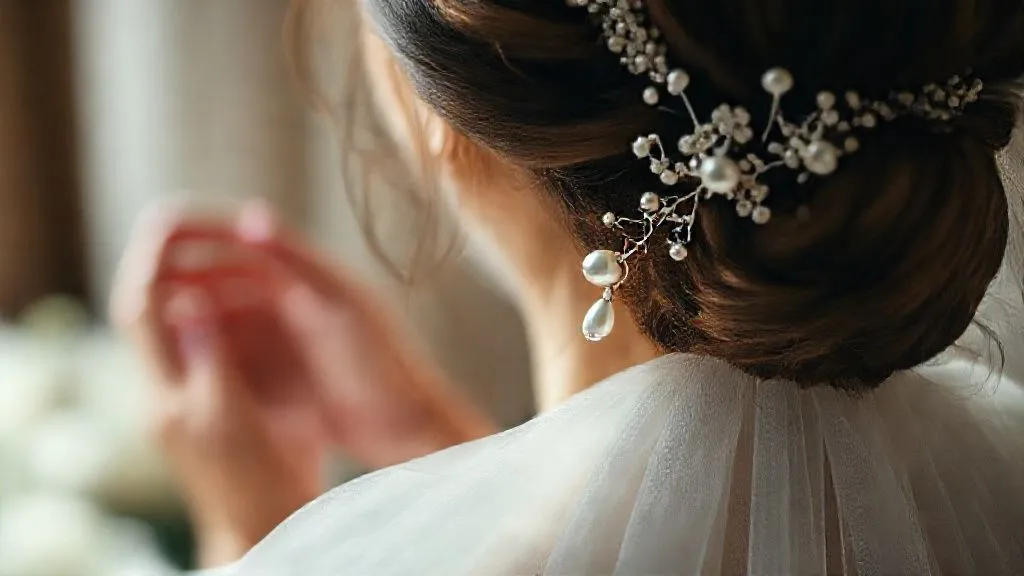
Sarah, the designer behind 'Opulent Adornments', struggled for two years to get her handcrafted, pearl-encrusted hairpieces into high-end boutiques. Her initial approach was generic emails to every store she could find. After a particularly disheartening bridal show, she approached me.
We implemented a revised strategy focusing on hyper-targeted research. Sarah identified 10 boutiques within a 200-mile radius that perfectly matched her brand's luxurious, classic aesthetic. Instead of cold emails, she sent personalized letters, each including a small, exquisitely packaged sample of a single pearl from her collection, accompanied by a link to her digital lookbook and a handwritten note referencing specific gowns or designers the boutique carried.
Within three months, she secured partnerships with two of her top five target boutiques, one of which became her largest account. Her success wasn't just about the product; it was about the respect, personalization, and strategic effort she invested in how to attract high-end bridal boutiques for accessory partnerships.
As noted by leading B2B sales strategists like those at McKinsey & Company, personalization and a deep understanding of the client's needs are paramount in high-value B2B relationships. This holds true for the luxury bridal market as well.
Nurturing Relationships: The Follow-Up Game
Getting your foot in the door is just the beginning. The follow-up strategy is crucial and often overlooked. It's about persistence, professionalism, and providing value, not just pestering.
My recommended follow-up cadence:
- Initial Thank You (within 24 hours): After an initial meeting, email a concise thank you, reiterating your appreciation and briefly summarizing your key discussion points. Attach your digital lookbook again for easy reference.
- Value-Add Follow-Up (1-2 weeks later): Share something relevant to their boutique – perhaps an article on bridal trends, a styling tip for your accessories, or an update on a new collection in development. This keeps you top-of-mind without being salesy.
- Check-In (3-4 weeks later): A polite, brief email or call. 'Just checking in to see if you had any questions after reviewing my line. I'm available for a quick chat if you'd like to discuss anything further.'
- Long-Term Nurturing: If an immediate partnership isn't feasible, add them to a 'VIP' email list for new collection announcements, trunk show opportunities, or industry insights. Stay connected on social media.
Remember, boutique owners are incredibly busy. Your follow-up should be respectful of their time, professional, and always offer clear value or a next step. The goal is to build a relationship, not just close a sale.
Negotiating Terms That Benefit Both Parties
Once a boutique expresses interest, the conversation will naturally turn to terms. This is a business relationship, and you need to ensure it's mutually beneficial. Don't be afraid to discuss specifics, but always approach it with a collaborative mindset.
Key negotiation points:
- Wholesale Pricing: Ensure your wholesale price allows the boutique a healthy markup (typically 2.0x-2.5x or more for luxury items) while providing you with a sustainable profit margin.
- Minimum Order Quantities (MOQs): Be flexible, especially for initial orders. A smaller first order can be a trial for both parties.
- Payment Terms: Net 30 or Net 60 are common, but for new partnerships, a percentage upfront (e.g., 50%) is often requested.
- Consignment vs. Wholesale: Some boutiques prefer consignment, especially for higher-priced items, to minimize their upfront investment. Understand the pros and cons for your business. Consignment means you retain ownership until the item sells.
- Exclusivity: Will you offer the boutique exclusivity within a certain geographical radius? This can be a powerful incentive for them, but weigh its impact on your overall distribution strategy.
- Shipping Costs: Clearly define who pays for shipping to and from the boutique.
“A good negotiation isn't about winning, it's about finding common ground where both parties feel valued and see a clear path to success. Be prepared, be flexible, and always be professional.”
Being well-versed in business negotiation principles, as outlined in guides from sources like Harvard's Program on Negotiation, will give you confidence. However, in the bridal industry, relationships often trump hardline tactics. Seek a win-win.
Marketing Support & Post-Partnership Success
Your partnership doesn't end when the first order is placed. To truly thrive, you need to be an active partner in helping the boutique sell your accessories. This demonstrates your commitment and builds long-term trust.
Ways to support your boutique partners:
- Provide High-Quality Marketing Assets: Offer access to your professional imagery (cut-outs, lifestyle shots), videos, and brand messaging for their website and social media.
- Co-Marketing & Social Media Shout-outs: Feature the boutique on your social media, website, or blog. Tag them in posts when their brides share photos featuring your accessories.
- Trunk Show Support: Offer to participate in or provide specific support for trunk shows. Your presence can significantly boost sales and educate their staff.
- Staff Training: Provide materials or even virtual training sessions to their sales associates on your brand story, product features, and styling tips. Empower them to sell your pieces effectively.
- Regular Communication: Keep them informed about new collections, seasonal trends, and any press features your brand receives.
- Listen to Feedback: Solicit and genuinely consider their feedback on product performance, customer preferences, and market trends. They are on the front lines.
A recent industry report by Deloitte on retail partnerships emphasizes that collaborative marketing efforts significantly increase sell-through rates and foster stronger, more sustainable B2B relationships. Your proactive support is a key differentiator in how to attract high-end bridal boutiques for accessory partnerships and retain them.
Common Pitfalls to Avoid in Luxury Partnerships
Even with the best intentions, designers can make mistakes that jeopardize potential or existing high-end boutique partnerships. Learning from common missteps can save you significant time and effort.
Beware of these pitfalls:
- Inconsistent Quality: A single faulty piece can damage your reputation irrevocably in the luxury market. Quality control must be rigorous.
- Poor Communication: Unanswered emails, delayed responses, or lack of transparency will quickly erode trust. Be prompt, clear, and proactive.
- Underestimating Lead Times: Bridal timelines are strict. If you promise a 4-week lead time, deliver on it. Delays can cause immense stress for the boutique and their brides.
- Ignoring Feedback: Dismissing a boutique's feedback on trends, pricing, or product performance is a missed opportunity. They are your eyes and ears on the ground.
- Generic Pitches: As discussed, a 'one-size-fits-all' approach screams lack of interest and professionalism.
- Lack of Scalability: If you land a large order, can you fulfill it without compromising quality or delivery times? Ensure your production capabilities can meet demand.
- Not Understanding Their Business Model: Some boutiques operate on different terms or have unique needs. Be adaptable and respectful of their established processes.
“The luxury bridal industry thrives on trust and reputation. A single misstep can undo years of hard work. Consistency in quality, communication, and delivery is your cornerstone.”
I've personally seen designers whose talent was undeniable, but their business practices were inconsistent, leading to lost opportunities. Professionalism is as vital as your artistic vision.
Frequently Asked Questions (FAQ)
How do I know if my accessories are "high-end enough" for luxury boutiques? Assess your materials (are they genuine pearls, Swarovski crystals, high-quality metals?), craftsmanship (is the finishing flawless, are stones securely set?), and design aesthetic (is it unique, sophisticated, and does it align with current luxury bridal trends?). Research the price points of accessories carried by your target boutiques. If your quality and design align with or exceed what they currently stock, you're on the right track.
Should I offer exclusivity to boutiques? It depends on your distribution strategy and the boutique's potential. For highly coveted boutiques, offering exclusivity within a specific geographic radius can be a powerful incentive and build a stronger partnership. However, for smaller boutiques or if your goal is broader distribution, you might offer limited exclusivity or none at all. Always weigh the potential sales volume against the restriction on your reach. Discuss this openly during negotiation.
What's a realistic timeline for securing a partnership? Securing high-end bridal boutique partnerships is rarely a quick process. From initial outreach to a signed agreement and first order, it can take anywhere from 3 to 12 months, sometimes longer. Building relationships, gaining trust, and aligning schedules takes time. Be patient, persistent, and consistent in your follow-up.
How important are bridal shows for attracting high-end boutiques? Bridal trade shows, especially the larger, more prestigious ones (like New York Bridal Market), can be invaluable. They offer direct access to buyers, allowing them to see and feel your product, and for you to make personal connections. However, they are a significant investment. Only attend if your brand is ready, your presentation is flawless, and you have a solid follow-up plan. For emerging brands, smaller, local luxury wedding shows might be a good starting point.
What are typical wholesale margins for bridal accessories? For high-end bridal accessories, boutiques typically aim for a markup of 2.0x to 2.5x (or more) over the wholesale price. This means if a piece retails for $500, the wholesale cost to the boutique would ideally be around $200-$250. This margin allows them to cover their overheads (rent, staff, marketing) and make a profit. You need to ensure your wholesale pricing allows for this while still being profitable for your business.
Recommended Reading
- Unlock Your Perfect Look: How Optical Shops Help Choose Stylish Eyewear
- 7 Steps: Predict Sunglasses Trends & Avoid Dead Stock Profitably
- Is Virtual Try-On Accurate for Clothes? The Surprising Truth!
- Dazzle on Your Day: Choosing the Best Jewelry for Strapless Dresses
- Scaling Textile Recycling: 7 Strategies for Circular Fashion Profit
Key Takeaways and Final Thoughts
Successfully attracting high-end bridal boutiques for accessory partnerships is an art and a science. It's about combining exquisite craftsmanship with astute business acumen. As a seasoned industry expert, I've seen firsthand that success hinges on a few core principles:
- Deep Understanding: Know your target boutiques and their clients intimately.
- Unwavering Quality: Your products and brand presentation must be impeccable.
- Strategic, Personalized Outreach: Generic approaches simply don't work in the luxury market.
- Relationship Building: Partnerships are built on trust, communication, and mutual benefit.
- Proactive Support: Help your boutiques succeed, and they will, in turn, help you.
The journey to partnership with high-end bridal boutiques can be challenging, but it is incredibly rewarding. When your beautiful creations grace the shelves of these esteemed establishments, it’s not just a sale; it’s a validation of your artistry and a testament to your strategic vision. Embrace the process, learn from every interaction, and remember that every 'no' brings you closer to a resounding 'yes.' Your dream partnerships are within reach.



Your email address will not be published. Required fields are marked *