

How to design active kids' apparel that adapts to rapid growth without sacrificing fit?
For over 15 years in the dynamic world of kids' fashion, I've witnessed a persistent challenge that frustrates parents and designers alike: the relentless pace of childhood growth. It’s a beautiful, natural process, but it wreaks havoc on activewear, leading to ill-fitting garments almost as soon as they’re purchased. I've seen countless brands struggle to balance the need for immediate fit with the inevitable reality of a child's rapid development.
The problem is clear: parents invest in activewear for durability and performance, only to find it's outgrown in months, sometimes weeks. This isn't just a financial drain; it's an environmental concern, contributing to fast fashion waste. For designers, it’s a complex puzzle: how do you create apparel that supports vigorous play and perfect movement today, yet still fits comfortably and functionally six months from now?
This isn't an unsolvable problem, but it requires a paradigm shift in design thinking. In this definitive guide, I will share the actionable strategies, fabric innovations, and modular design principles that I’ve seen successfully implemented by leading brands. We’ll delve into the science of growth, explore adaptive construction techniques, and uncover how to deliver exceptional fit and extended wear, ultimately creating genuinely valuable activewear for the next generation.
Understanding the Growth Curve: A Design Imperative
Designing for children means designing for constant change. Unlike adults, whose body measurements are relatively stable, children are in a perpetual state of flux. Ignoring this fundamental truth is, in my experience, the first mistake many designers make.
The Science of Growth: Key Milestones and Measurements
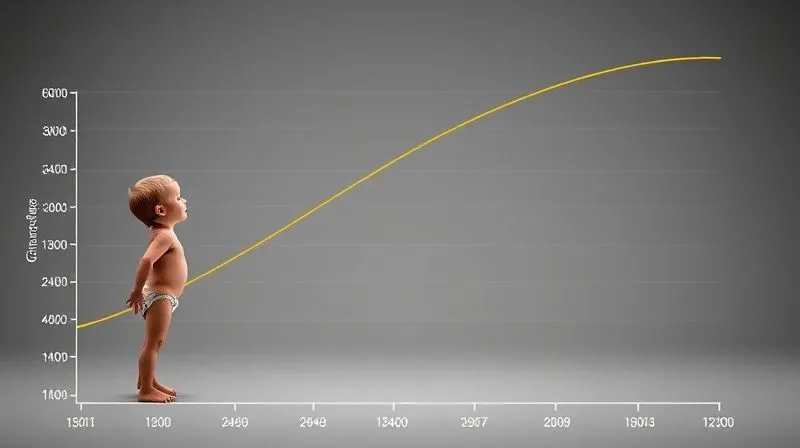
Children don't grow uniformly. They experience growth spurts – periods of rapid increase in height and weight – often followed by plateaus. Furthermore, body proportions change dramatically from infancy through adolescence. A toddler's head-to-body ratio is vastly different from a pre-teen's. Limbs lengthen disproportionately, and torso sizes fluctuate. Understanding these non-linear patterns is crucial. For instance, a child might experience significant leg lengthening before a torso growth spurt, meaning a pair of pants might become too short long before a top does.
Beyond Standard Sizing: The Flaws of Age-Based Metrics
Relying solely on age-based sizing (e.g., '2-3 years') or even simple S/M/L categories for children's activewear is inherently flawed. Age is a poor indicator of size, as individual growth rates vary widely. Two children of the same age can have vastly different heights and weights. This leads to common fit issues: waistbands too loose but length perfect, or shoulders too tight but sleeves too long. A truly adaptive design must transcend these rigid, outdated systems.
The Fabric Revolution: Engineered for Expansion and Durability
At the heart of any effective growth-adaptive activewear lies the choice of fabric. It’s not just about stretch; it’s about recovery, durability, and maintaining integrity through countless washes and wears.
Smart Stretch: Blending Performance with Longevity
The judicious use of elastane, spandex, or Lycra is fundamental. However, it's not simply about adding a percentage. It's about how these fibers are blended with base materials like polyester, nylon, or cotton to achieve optimal multi-directional stretch (4-way stretch is ideal for activewear) without compromising the fabric's original shape. A fabric that stretches but doesn't recover its form quickly will soon look baggy and worn. High-quality stretch fabrics should offer excellent memory, snapping back into place even after prolonged tension.
Reinforcement & Recovery: Maintaining Shape Through Wear
Active kids put their clothes through rigorous tests. Fabrics must be abrasion-resistant, pill-resistant, and quick-drying. Look for blends that offer inherent strength and structure. For instance, a nylon-spandex blend often outperforms a cotton-spandex blend in terms of recovery and resistance to wear and tear, making it superior for high-impact activewear. According to a study on textile performance, the structure of knitted fabrics with elastane significantly impacts their durability and shape retention.
| Fabric Type | Stretch Capability | Durability | Best Use |
|---|---|---|---|
| Cotton/Elastane Blend | Moderate (2-way) | Good | Everyday activewear, leggings |
| Nylon/Spandex Blend | High (4-way) | Excellent | Performance sportswear, swimwear |
| Bamboo Viscose/Spandex | Moderate-High (4-way) | Good (soft) | Base layers, sensitive skin |
Modular & Adjustable Designs: The Core of Adaptive Apparel
Beyond fabric, the true innovation in growth-adaptive apparel lies in its structural design. These are the tangible features that allow a single garment to span multiple sizes and accommodate growth spurts.
Extendable Hems and Cuffs: Simple Yet Effective Solutions
One of the most straightforward and effective adaptive features is the extendable hem or cuff. This can be achieved through a hidden seam that can be unpicked to release extra fabric, or clever roll-up designs secured with snaps or loops. For pants and sleeves, this can add 1-2 inches of length, significantly extending the garment's usability as a child's limbs grow.
Adjustable Waistbands and Drawstrings: Customizing the Fit
Waistbands are another critical area. Internal buttonhole elastic, allowing for multiple button adjustments, is a common and highly effective solution. Drawstrings, particularly those with child-safe toggles that are fully enclosed or breakaway, offer further customization. These features ensure a snug, comfortable fit around the waist, regardless of a child's build, preventing pants from slipping down during active play.
Convertible Features: From Shorts to Pants, Sleeves to Vests
For maximum adaptability, consider convertible designs. Zip-off legs can transform pants into shorts, ideal for changing seasons or rapid leg growth. Detachable sleeves can turn a long-sleeve top into a vest. While these features add complexity to manufacturing, they offer unparalleled versatility and extend the garment's functional life significantly.
The true genius of adaptive design lies in its ability to offer multiple fits within a single garment, extending its usability far beyond a single growth phase. It’s about designing for the future, not just the present.
Ergonomics and Movement: Prioritizing Comfort and Performance
Active kids need clothes that move with them, not against them. Adaptability shouldn't come at the expense of ergonomic design and freedom of movement. This is where smart pattern making truly shines.
Strategic Seaming and Panel Placement
Seams, while necessary, can restrict movement or cause chafing if not placed correctly. For activewear, flatlock seams are preferred to minimize irritation. Strategic paneling, using different fabrics or cutting patterns in key areas, can enhance flexibility. For example, a contrasting stretch panel under the arms or along the inner leg can provide extra give where it’s needed most.
Gussets and Articulation: Freedom in Every Move
Gussets—diamond or triangular fabric inserts—are game-changers for active kids' apparel. A crotch gusset, for instance, provides extra room and prevents tearing during squats, jumps, and climbs. Articulated knees and elbows, achieved through darting or specific paneling, allow for natural bending without fabric bunching or pulling. These small details make a huge difference in comfort and performance.
Case Study: How 'LeapKids' Apparel Solved the Growth-Fit Dilemma
LeapKids, a mid-sized brand specializing in outdoor playwear, faced consistent customer complaints about garments being outgrown too quickly, leading to a high return rate. Their design team, after engaging with my consultancy, implemented a three-pronged approach. First, they integrated internal buttonhole elastic into all waistbands. Second, they introduced a hidden 'grow-hem' feature in their pants, allowing for an extra 1.5 inches of length. Finally, they redesigned their tops with raglan sleeves and gusseted armpits for enhanced range of motion, reducing the impact of arm length growth. This holistic approach not only reduced their return rate by 20% within the first year but also significantly boosted customer satisfaction and loyalty, as parents appreciated the extended wear of their purchases.
Durability Beyond Growth: Construction for the Active Child
Even the most adaptable design will fail if the garment itself can't withstand the rigors of childhood. Durability is paramount for active kids' wear, ensuring it lasts long enough to be outgrown, not worn out.
Reinforced Stress Points: Knees, Elbows, and Seats
Kids crawl, slide, fall, and climb. This means certain areas of their clothing are subjected to intense wear. Reinforcing knees, elbows, and the seat of pants with double layers of fabric, abrasion-resistant patches, or robust stitching (like bar tacks at pocket corners or belt loops) is essential. These small but mighty construction details dramatically extend the life of a garment.
Quality Hardware and Fastenings: Built to Last
Zippers, snaps, and buttons on kids' activewear need to be exceptionally durable and child-safe. Cheap zippers break easily, leading to garment failure. Invest in high-quality hardware like YKK zippers, sturdy metal snaps, or robust, child-friendly plastic buckles. Ensure all fastenings are securely attached and can withstand constant manipulation by small hands.
Sustainable Design Principles: Extending Garment Life Cycle
In my view, designing for growth is inherently a sustainable practice. By extending the life of a garment, we reduce consumption and waste, aligning with broader ethical and environmental goals in the fashion industry.
Material Choices: Longevity and Eco-Friendliness
Opt for materials that are not only durable but also have a lower environmental impact. Organic cotton, recycled polyester, Tencel, and blends featuring hemp or bamboo are excellent choices. Beyond their eco-credentials, these materials often boast inherent strength and resilience, contributing to a longer garment life. Prioritize certifications like GOTS for organic textiles or bluesign® for sustainable production processes. As Common Objective highlights, extending garment life is one of the most impactful ways to reduce fashion's footprint.
Repairability and Repurposing: A Circular Approach
Consider how easily a garment can be repaired. Simple designs with accessible seams make mending easier for parents. Design elements that allow for repurposing—perhaps a pair of outgrown pants can be easily converted into shorts for a younger sibling—further support a circular economy model. Encourage a 'hand-me-down' culture by designing pieces that truly stand the test of time and multiple owners.
Sizing Systems Reimagined: Data-Driven Approaches
Moving beyond arbitrary sizing requires a scientific, data-driven approach. This is where designers can truly differentiate themselves and build trust with parents.
Anthropometric Data: A Deeper Dive into Children's Body Shapes
Anthropometry is the scientific study of human body measurements. For children, this data is invaluable. It provides insights into typical body proportions, growth patterns, and variations across different age groups and ethnicities. By using anthropometric data, designers can create sizing charts that are far more accurate and inclusive, better reflecting the diverse body shapes of children. This moves us away from generalized sizing to more precise, functional fits. Research from institutions like the CDC on growth charts offers a starting point for understanding typical growth patterns.
Fit-Testing and User Feedback: The Real-World Lab
No amount of data can replace real-world testing. Involve children and their parents in the fit-testing process. Conduct wear tests over several months, gathering feedback on comfort, durability, and how the adaptive features perform as the child grows. This iterative process of design, test, feedback, and refine is crucial for perfecting growth-adaptive apparel. It builds a deeper understanding of real-user needs and ensures your solutions are genuinely effective.
Marketing the Innovation: Educating Parents on Value
Even the most brilliantly designed adaptive activewear won't succeed if its unique value isn't effectively communicated to parents. This requires a shift from selling just a garment to selling a solution.
Communicating Longevity and Investment
Parents are accustomed to the cycle of outgrown clothes. Your marketing needs to break this cycle by highlighting the long-term value. Explain *how* your designs adapt to growth, using clear visuals and relatable language. Frame it as an investment: a slightly higher upfront cost for a garment that lasts two or three times longer, ultimately saving money and reducing hassle. As marketing guru Seth Godin often says, "People don't buy what you do; they buy why you do it." The 'why' here is lasting value and convenience for busy families.
Transparency in Design and Materials
Build trust by being transparent about your design choices and materials. Explain the quality of your fabrics, the engineering behind your adjustable features, and your commitment to sustainability. Parents are increasingly savvy and appreciate honesty. Showcase your fit-testing process or share testimonials from parents whose children have genuinely benefited from the extended wear of your apparel. This transparency builds credibility and helps parents understand the true innovation they are purchasing. A strong narrative about your commitment to quality and longevity resonates deeply with the target audience, as discussed in articles on consumer trust in brands.
Frequently Asked Questions (FAQ)
What are the most cost-effective adaptable design features for kids' activewear? In my experience, buttonhole elastic in waistbands and simple roll-up/extendable hems with snap closures are incredibly cost-effective while offering significant adaptability. These require minimal additional material and manufacturing complexity compared to more elaborate convertible features like zip-off legs. Focusing on high-quality, resilient stretch fabrics also provides inherent adaptability without requiring complex structural changes.
How can I ensure the safety of adjustable components for young children? Safety is paramount. For younger children (under 7), avoid loose drawstrings around the neck or hood, as these can pose a strangulation hazard. Use enclosed drawstrings, child-safe toggles that are securely fixed, and ensure any snaps or buttons are large enough not to be a choking hazard and are firmly attached. Always refer to relevant local and international safety standards, such as those from the Consumer Product Safety Commission (CPSC) in the US or EN standards in Europe, for guidance on component safety.
What's the biggest mistake designers make when designing for growth? The biggest mistake I've observed is designing for adult proportions and simply scaling them down, or solely relying on stretch fabric without incorporating structural adaptability. Children's bodies have unique proportions and growth patterns. Designers often overlook the need for specific features like gussets for mobility or adjustable waistbands, assuming stretch alone will suffice. This leads to garments that might technically fit but don't perform well or last through significant growth.
Is there a trade-off between adaptability and aesthetic appeal in kids' activewear? Absolutely not! Modern design principles allow for seamless integration of adaptive features. Hidden extendable hems, internal adjustable waistbands, and cleverly placed gussets can be invisible when not in use. The key is thoughtful design and high-quality construction that doesn't compromise the garment's clean lines or stylish appearance. In fact, well-executed adaptive features can enhance the perceived value and sophistication of a design.
How do material choices impact the lifespan of growth-adaptive apparel? Material choice is critical. Even with adaptive features, if the fabric itself degrades quickly, the garment's lifespan is limited. High-quality blends with excellent stretch recovery, abrasion resistance, and anti-pilling properties are essential. Fabrics that lose their elasticity, fade, or pill after a few washes will negate any growth-adaptive design. Investing in durable, high-performance fabrics ensures the garment can withstand repeated wear, washing, and the active lifestyle of children, truly maximizing its extended usability.
Key Takeaways and Final Thoughts
Designing active kids' apparel that truly adapts to rapid growth without sacrificing fit is not just a challenge; it's an opportunity to innovate and create exceptional value. As a specialist in this niche, I've seen firsthand how thoughtful design can transform a product from a temporary necessity into a cherished, long-lasting item.
- Embrace the Growth Curve: Understand the non-linear nature of childhood growth and design beyond static sizing.
- Leverage Smart Fabrics: Prioritize high-quality stretch and recovery fabrics that maintain shape and resist wear.
- Implement Modular Designs: Utilize extendable hems, adjustable waistbands, and convertible features for genuine adaptability.
- Prioritize Ergonomics: Ensure freedom of movement with strategic seaming, gussets, and articulation.
- Build for Durability: Reinforce stress points and use quality hardware to withstand active play.
- Adopt Sustainable Practices: Extend garment life through material choice and design for repairability.
- Use Data & Feedback: Employ anthropometric data and real-world fit-testing to refine your sizing and designs.
- Communicate Value: Educate parents on the longevity and investment benefits of your adaptive apparel.
The future of kids' activewear lies in intelligent design that respects both the child's dynamic development and the parent's desire for quality and sustainability. By integrating these strategies, you're not just creating clothing; you're crafting solutions that support active lifestyles, reduce waste, and build lasting trust with your customers. The journey requires dedication, but the rewards—in customer loyalty, brand reputation, and positive impact—are immeasurable. Let's design a future where kids can play, grow, and thrive, always in perfect fit.
Recommended Reading
- Unlock Ageless Style: How to Create Womenswear for Every Generation
- 7 Ways to Spot True Luxury Investment Pieces vs. Overrated Trends
- 5 Pillars: Crafting Streetwear Graphic Tees That Defy Trends
- Evolve Your Style Blog: 7 Ways to Grow Content Without Losing Readers
- Effortless Elegance: How to Choose Casual Menswear for Men Over 40


Your email address will not be published. Required fields are marked *