

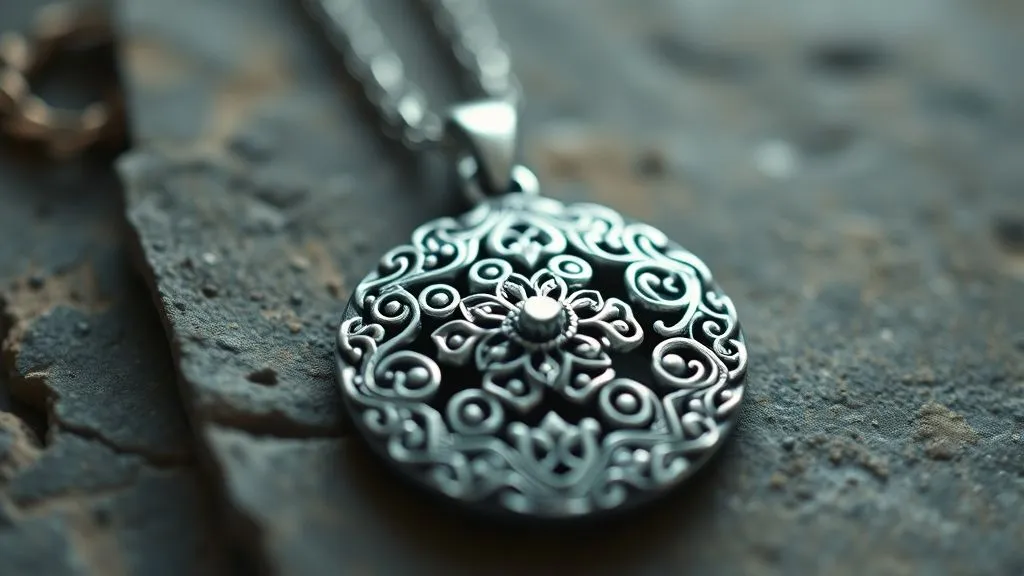
What to Do When Unique Jewelry Designs Get Copied by Competitors?
For over two decades in the intricate world of jewelry design, I've witnessed the exhilarating highs of creative triumph and the crushing lows of intellectual property infringement. I remember a client, a brilliant artisan named Anya, who poured her soul into a bespoke collection inspired by ancient Celtic knots. Her designs were truly unique, a breath of fresh air in a saturated market. Then, just months after her launch, a larger, well-established brand released a strikingly similar line. The sense of betrayal, the financial impact, and the sheer frustration were palpable. It's a scenario far too common, and one that can feel utterly devastating.
The sting of seeing your original creation, your artistic vision, blatantly replicated by a competitor is more than just a business setback; it's a personal affront. It undermines your hard work, dilutes your brand's identity, and can severely impact your market position and financial stability. Many designers, feeling overwhelmed or unsure of their rights, often retreat, allowing infringers to profit from their ingenuity. This is a mistake I've seen countless times, and it's precisely what we need to avoid.
In this definitive guide, I'll draw upon my extensive experience to provide you with a robust, actionable framework. We'll explore not just the legal avenues, but also the strategic business moves and proactive measures you can implement. My goal is to equip you with the knowledge and confidence to not only defend your unique jewelry designs when they get copied by competitors but also to strengthen your brand and prevent future infringements. This isn't just about problem-solving; it's about empowerment and protecting your creative legacy.
Understanding the Landscape: IP Protection Basics for Jewelers
Before we can effectively combat infringement, we must first understand the tools at our disposal for protecting our unique jewelry designs. Intellectual Property (IP) law offers several distinct mechanisms, and knowing which applies to your specific creation is paramount. Many designers mistakenly believe a single registration covers everything, but the reality is more nuanced.
Copyright vs. Design Patent vs. Trademark
- Copyright: This protects original works of authorship, including artistic and literary works. For jewelry, copyright can protect the aesthetic elements of a design, provided it's considered an original artistic sculpture. It arises automatically upon creation, but registration (e.g., with the U.S. Copyright Office) offers stronger enforcement rights and the ability to claim statutory damages. However, copyright generally doesn't protect utilitarian aspects or functional features.
- Design Patent: This is often the most powerful form of protection for the ornamental appearance of a functional item. A design patent protects the unique visual characteristics of a jewelry piece – its shape, configuration, surface ornamentation, or any combination thereof. It's a more rigorous and costly process than copyright, but it grants the patent holder exclusive rights to the design for a specific period (typically 15 years in the U.S. from the date of grant). This is particularly effective for truly novel and distinctive designs.
- Trademark: While not directly protecting the design itself, a trademark protects names, logos, symbols, or even distinctive packaging that identifies and distinguishes your brand's goods or services. For instance, a unique clasp design that consistently identifies your brand could potentially gain trademark protection if it functions as a source identifier in the marketplace. Protecting your brand name and logo is crucial for preventing competitors from confusing consumers with similar branding.
"Proactive IP registration is not an expense; it's an investment in your creative future. Waiting until infringement occurs is like buying insurance after your house has burned down."
Understanding these distinctions allows you to build a layered defense. For Anya, a design patent would have been ideal for her intricate Celtic knot patterns, offering robust protection against direct replication. While copyright might have offered some recourse, a design patent would have provided a clearer, stronger claim. Always consult with an IP attorney to determine the best strategy for your specific designs and business model.
The Immediate Aftermath: Assessing the Infringement and Gathering Evidence
The moment you discover a competitor has copied your unique jewelry design, your immediate reaction might be a mix of anger and panic. However, it's crucial to remain calm and methodical. The success of any subsequent action hinges on the quality and thoroughness of the evidence you gather. This isn't just about pointing fingers; it's about building an undeniable case.
Documenting the Infringement: A Step-by-Step Guide
- Identify the Specific Design: Clearly pinpoint which of your designs has been copied. Have your original design documentation ready (sketches, CAD files, production notes, date-stamped photos).
- Document the Infringing Product: Obtain clear, high-resolution photographs or screenshots of the competitor's product from multiple angles. Note any similarities in design, materials, craftsmanship, and even packaging if relevant.
- Record Purchase Details: If possible, purchase the infringing item. Keep the receipt, packaging, and any shipping information. This provides physical evidence and proof of sale.
- Date and Time Stamp Everything: Every piece of evidence – photos, screenshots, purchase receipts – should be meticulously dated and time-stamped. Use tools that can verify this information.
- Gather Public-Facing Information: Collect links to the competitor's website, social media posts, online listings (e.g., Etsy, Amazon, eBay), and any advertisements featuring the copied design. Note the dates these were published.
- Witness Statements (If Applicable): If customers or industry peers have brought the infringement to your attention, consider obtaining dated statements from them.
- Comparison Analysis: Create a side-by-side comparison of your original design and the infringing design, highlighting specific elements that have been copied. This visual evidence is incredibly powerful.
Remember, the goal is to establish a clear timeline and demonstrate that the competitor's design is substantially similar to yours, and that they had access to your design (e.g., through public display, trade shows, or online presence). Without robust evidence, even the strongest legal claim can falter.
| Evidence Type | Details | Importance |
|---|---|---|
| Original Design Documentation | Sketches, CAD files, production notes, date-stamped photos | Establishes originality and creation date |
| Infringing Product Photos/Screenshots | High-resolution, multiple angles, date-stamped | Visual proof of similarity |
| Purchased Infringing Item | Receipts, packaging, shipping info | Physical evidence, proof of sale |
| Competitor's Public Listings | Website links, social media, online marketplace URLs, publication dates | Proof of commercialization and access |
| Comparison Analysis | Side-by-side visual of similarities | Clear demonstration of infringement |
First Contact: The Cease and Desist Letter and Negotiation Tactics
Once you have gathered compelling evidence, the next logical step is often to issue a Cease and Desist (C&D) letter. This is typically the first formal communication to the infringing party, serving as a warning shot that you are aware of the infringement and intend to protect your rights. While it's a non-litigious step, its impact can be significant, often resolving the issue without further escalation.
Crafting an Effective Cease and Desist Letter
A C&D letter should be firm, clear, and professional, but not overly aggressive or threatening. It should be drafted by an attorney to ensure legal accuracy and impact. Key elements include:
- Identification of Your IP: Clearly state what IP rights you hold (e.g., copyright registration number, design patent number) and provide evidence of your ownership.
- Description of the Infringement: Detail how the competitor's product copies your unique jewelry design, referencing the evidence you've collected (e.g., specific dates, product names, images).
- Demand for Action: Clearly state what you expect the competitor to do. This typically includes: stopping all sales, manufacturing, and distribution of the infringing product; removing all marketing materials; and potentially recalling existing inventory.
- Deadline for Response: Provide a reasonable timeframe (e.g., 7-14 days) for the competitor to respond and comply.
- Consequences of Non-Compliance: Briefly outline the legal actions you are prepared to take if the demands are not met.
Case Study: The 'Aurora Gemstone' Incident
I recall a situation involving a small independent jeweler, 'Luminara Designs,' who had developed a distinctive setting for a specific cut of gemstone they called the 'Aurora Gemstone.' A larger chain began selling strikingly similar pieces. Luminara's attorney sent a well-crafted C&D, backed by design patent documentation and clear photographic evidence. The letter also offered a licensing agreement as an alternative to litigation, showcasing a willingness to negotiate. The larger chain, after internal review and realizing the strength of Luminara's IP, chose to pull their infringing line and subsequently entered into a licensing agreement for a modified version of the design. This resulted in a new revenue stream for Luminara and avoided costly litigation.
"A well-prepared Cease and Desist letter, delivered with strategic intent, can often be the most cost-effective and swift resolution to design infringement."
Sometimes, a competitor might be unaware of the infringement, especially if their design process is outsourced or if they have a large catalog. A C&D can open a dialogue for negotiation, which might involve a licensing agreement, a settlement, or simply the removal of the infringing product. Always approach this with a clear understanding of your desired outcome and be prepared for various responses. For more insights on crafting effective C&D letters, resources like the Nolo Legal Encyclopedia can offer general guidance, though legal counsel is always recommended.
Leveraging Digital Platforms: DMCA Takedowns and Social Media Monitoring
In today's digital age, much of the infringement of unique jewelry designs occurs online, whether on e-commerce platforms, social media, or independent websites. Fortunately, many of these platforms have established procedures for reporting intellectual property infringement, offering a powerful non-judicial avenue to address the problem quickly.
Digital Millennium Copyright Act (DMCA) Takedowns
The DMCA provides a framework for copyright holders to request the removal of infringing content from websites and online service providers. Most major platforms (e.g., Amazon, Etsy, eBay, Shopify, Instagram, Facebook, Google) have specific DMCA or IP infringement reporting mechanisms. While DMCA primarily applies to copyright, many platforms extend similar processes for design patent and trademark infringement claims.
- Locate the Platform's IP Policy: Navigate to the help or legal section of the platform where the infringing product is sold or displayed. Search for terms like "IP infringement," "copyright policy," or "DMCA."
- Follow the Reporting Procedure: Each platform will have a specific form or process. You'll typically need to provide: your contact information, identification of your copyrighted/patented work, identification of the infringing material (with URLs), and a statement under penalty of perjury that you are the rights holder or authorized to act on their behalf.
- Provide Clear Evidence: Just like with a C&D, attach clear, dated evidence of your original design and the infringing product. The more specific you are, the faster the platform can act.
- Monitor and Follow Up: After submitting a takedown request, monitor the status. Platforms usually provide a case number. Be prepared to follow up if the content isn't removed within a reasonable timeframe.
The beauty of DMCA takedowns is their speed. A successful takedown can remove the infringing product from public view and sale within days, significantly limiting the competitor's ability to profit from your work. However, be cautious: false or malicious takedown requests can have legal consequences. Always ensure your claim is legitimate and well-supported.
Social Media Monitoring and Engagement
Social media platforms like Instagram, Pinterest, and Facebook are hotbeds for jewelry trends and, unfortunately, for design copying. Implement a strategy for monitoring these platforms:
- Regular Searches: Use relevant keywords, hashtags, and even reverse image searches to find potential infringers.
- Brand Ambassadors/Community: Encourage your loyal customers and followers to report suspicious activity.
- Direct Reporting: Most social media platforms have a "report post" or "report user" function for IP infringement.
- Public Pressure (with Caution): In some cases, if a smaller competitor is clearly infringing, a polite public comment or direct message asking for clarification can sometimes lead to resolution. However, this should be used very carefully and only when confident in your claim, as it can also backfire.
When Negotiation Fails: Exploring Legal Avenues and Litigation
Despite your best efforts with C&D letters and digital takedowns, there will be instances where competitors refuse to comply, or the infringement is so egregious that immediate legal action is warranted. This is when you must be prepared to explore formal litigation. This path is more resource-intensive, but it offers the most definitive resolution and can yield significant damages.
Choosing the Right Legal Counsel
The first and most critical step in pursuing litigation is securing experienced legal representation. You need an intellectual property attorney who specializes in fashion and jewelry design. They will:
- Assess the Strength of Your Case: A good attorney will provide an honest evaluation of your chances of success, considering the evidence, your IP registrations, and the specifics of the infringement.
- Navigate Jurisdictional Complexities: IP law can be complex, especially if the infringer is in a different state or country. Your attorney will determine the appropriate jurisdiction and legal strategy.
- Represent You in Court: From filing the lawsuit to discovery, negotiations, and potentially a trial, your attorney will be your advocate.
- Advise on Remedies: Beyond stopping the infringement, litigation can seek various remedies, including:
- Injunctions: Court orders preventing the competitor from continuing to sell or produce the copied design.
- Monetary Damages: Compensation for lost profits, damages to your brand, and in some cases, statutory damages or the infringer's profits.
- Attorney's Fees: In certain cases, the court may award attorney's fees to the prevailing party.
Litigation is not a decision to be taken lightly. It can be lengthy, costly, and emotionally draining. However, for a truly unique and valuable design, it may be the only way to protect your market share, reputation, and creative integrity. According to a WIPO study on IP and SMEs, effective enforcement of IP rights is crucial for business growth and competitiveness, underscoring the importance of being prepared to litigate when necessary.
"Sometimes, the only language a determined infringer understands is the firm voice of the law. Don't shy away from defending your rights when all other avenues have been exhausted."
Before initiating a lawsuit, your attorney will likely engage in further settlement discussions, as many IP disputes are resolved out of court. However, having the credible threat of litigation, backed by strong evidence and legal counsel, significantly strengthens your negotiating position. This is the ultimate recourse when unique jewelry designs get copied by competitors and they refuse to back down.
Beyond Legal: Innovating Your Way Out and Strengthening Your Brand
While legal battles are sometimes necessary, they are reactive measures. A truly resilient jewelry brand understands that the ultimate defense against copying lies not just in legal protection but also in continuous innovation and robust brand building. This proactive approach can often render a competitor's copied design irrelevant even if it remains on the market.
The Power of Continuous Innovation and Differentiation
One of the most powerful responses to design copying is to out-innovate your competitors. If your core strength is unique design, then keep designing! Launching new, equally compelling collections can shift customer focus away from the copycat product and back to your brand as the true innovator. This strategy requires:
- Accelerated Design Cycles: Shorten your design-to-market timeline to stay ahead.
- Enhanced Features/Materials: Introduce new elements, superior materials, or craftsmanship that are difficult for mass-market copiers to replicate.
- Storytelling: Emphasize the narrative behind your designs, your brand's ethos, and the artisan's journey. A copy can replicate a form, but not the soul behind it.
- Personalization: Offer customization options that make each piece uniquely special for the customer, something mass producers struggle to do.
As Harvard Business Review often highlights, true competitive advantage comes from sustained innovation that creates unique value for customers. When your brand is consistently pushing boundaries, competitors who merely copy are always playing catch-up.
Strengthening Your Brand's Emotional Connection
Beyond the physical product, invest in building an unshakeable brand identity and fostering deep customer loyalty. A strong brand:
- Commands Trust: Customers trust original creators and ethical businesses.
- Creates Community: Build a loyal following that advocates for your brand.
- Justifies Premium Pricing: Originality and brand value allow for better margins.
- Is More Than a Product: It's an experience, a statement, a lifestyle.
"A copied design might steal a sale, but it can never steal the heart of a loyal customer or the essence of a truly original brand."
When customers connect with your brand's story, values, and consistent innovation, they are less likely to be swayed by cheaper imitations. They understand the difference between an original piece of art and a mere reproduction. This holistic approach ensures that even when unique jewelry designs get copied by competitors, your brand's core value remains intact and continues to grow.
Building a Fortress: Proactive Measures to Prevent Future Copying
While addressing current infringements is crucial, the savviest jewelers also dedicate significant resources to proactive prevention. Building a 'fortress' around your unique jewelry designs minimizes the chances of future copying and strengthens your position should an infringement occur. This involves a multi-faceted strategy that integrates legal, operational, and creative elements.
Developing a Robust Internal IP Strategy
- Early IP Assessment: From the initial sketch, consider the IP potential of each design. Is it patentable? Copyrightable? Does it need trademark protection? Integrate this thinking into your design process.
- Consistent Documentation: Maintain meticulous records of your design process. Date-stamped sketches, CAD files, prototypes, and photographic evidence of each stage of development are crucial for proving originality and priority of invention.
- Non-Disclosure Agreements (NDAs): When collaborating with external designers, manufacturers, photographers, or even potential investors, always have robust NDAs in place. These legally bind parties to secrecy regarding your proprietary designs.
- Employee IP Agreements: Ensure all employees sign agreements that assign all IP created during their employment to your company. This prevents disputes over ownership if an employee leaves.
- Manufacturing Contracts: If you outsource manufacturing, ensure your contracts explicitly state that the manufacturer cannot reproduce, sell, or disclose your designs to third parties. Include clauses for quality control and material sourcing.
- Regular IP Audits: Periodically review your IP portfolio. Are your registrations up-to-date? Are there new designs that need protection? Are you effectively monitoring the market?
By embedding IP protection into your operational DNA, you create a culture of awareness and safeguard your creative assets from the ground up. This diligence significantly reduces your vulnerability when unique jewelry designs get copied by competitors.
| Proactive Measure | Action | Benefit |
|---|---|---|
| Early IP Assessment | Evaluate designs for patent, copyright, trademark potential | Tailored protection strategy |
| Consistent Documentation | Date-stamp sketches, CAD, photos, prototypes | Proof of originality and priority |
| Non-Disclosure Agreements (NDAs) | Use with collaborators, manufacturers, investors | Legal protection against unauthorized disclosure |
| Employee IP Agreements | Ensure employee-created IP belongs to company | Clear ownership, prevents disputes |
| Manufacturing Contracts | Include strict IP clauses with manufacturers | Prevents unauthorized reproduction |
| Regular IP Audits | Periodically review and update IP portfolio | Maintains up-to-date and effective protection |
For detailed information on various IP protections and registration processes, official government resources like the United States Patent and Trademark Office (USPTO) website are invaluable. Familiarize yourself with their guides and consider attending their educational webinars.
The Community Aspect: Collaboration and Advocacy in Jewelry Design
You are not alone in this fight. The issue of unique jewelry designs getting copied by competitors is a widespread problem across the industry. By engaging with your peers and advocating for stronger protections, you can contribute to a more ethical and supportive environment for all designers. There's immense strength in numbers.
Joining Industry Associations and Advocacy Groups
Many professional jewelry and design associations actively work to combat intellectual property infringement. These organizations offer:
- Education and Resources: Access to workshops, webinars, and legal guides on IP protection.
- Networking Opportunities: Connect with other designers who have faced similar challenges and share best practices.
- Advocacy: These groups lobby for stronger IP laws and enforcement, both domestically and internationally.
- Mediation Services: Some associations offer mediation or arbitration services to resolve disputes between members.
- Collective Action: In some cases, associations can collectively issue warnings or even take legal action against particularly egregious infringers.
Organizations like the American Gem Society (AGS), Jewelers of America (JA), or even broader design-focused groups can be invaluable allies. Their collective voice carries more weight than individual complaints when addressing systemic issues of copying and ethical conduct within the industry.
Fostering a Culture of Respect and Originality
Beyond formal action, every designer has a role to play in fostering a culture that values originality and condemns copying. This means:
- Crediting Sources: When inspired by historical motifs or cultural designs, always acknowledge your influences.
- Educating Customers: Help your customers understand the difference between original design and mass-produced imitations, highlighting the value of craftsmanship and creative integrity.
- Leading by Example: Ensure your own design practices are ethical and respectful of others' IP.
"The strength of a creative community is measured not just by its individual brilliance, but by its collective commitment to protecting and celebrating originality."
By actively participating in the community and championing ethical practices, you contribute to an ecosystem where unique jewelry designs are celebrated and protected, making it harder for competitors to get away with copying. It's a long-term investment in the integrity of the entire jewelry design world.

Frequently Asked Questions (FAQ)
Q: How can I prove my design is unique if I haven't officially registered it? A: While registration provides the strongest proof, you can still rely on evidence of creation and public disclosure. This includes date-stamped design sketches, CAD files, production logs, emails, invoices for materials, social media posts, and exhibition records. The key is to establish a clear timeline of your creation and public availability before the alleged infringement. However, without registration, your legal remedies might be more limited.
Q: What if the competitor makes slight changes to my design? Is it still considered copying? A: This is where the concept of "substantial similarity" comes into play. Even if there are minor alterations, if the overall look and feel, or the 'total concept and feel,' of the competitor's design is strikingly similar to yours, it can still be considered infringement. An IP attorney can help assess whether the changes are significant enough to avoid infringement or if they are merely cosmetic attempts to disguise copying.
Q: Is it worth pursuing legal action against a small, overseas competitor? A: This is a complex question. While it's generally harder to enforce IP rights against overseas infringers due to jurisdictional challenges and varying legal systems, it's not impossible. Factors to consider include the scale of the infringement, the potential market impact, and the cost-benefit analysis of international litigation. Sometimes, a well-drafted international C&D or a takedown notice on a global platform can still be effective. Always consult with an attorney experienced in international IP law.
Q: Can I use social media to publicly shame a competitor for copying my design? A: While the urge might be strong, publicly shaming a competitor can be risky. It can lead to accusations of defamation, negative publicity for your own brand, or even legal action against you. It's generally more professional and effective to follow official channels (DMCA, C&D letters, legal action). If you do choose to address it publicly, stick to factual statements and avoid inflammatory language, but it's often best avoided.
Q: What's the cost of design patenting a jewelry piece, and is it worth it for every design? A: The cost of a design patent can vary significantly based on complexity and attorney fees, typically ranging from a few thousand dollars up to ten thousand or more. It's generally not practical or necessary for every single design. It's most valuable for truly novel, commercially significant, and highly distinctive designs that you anticipate having a long market life and high vulnerability to copying. Prioritize your most iconic and revenue-generating pieces for design patent protection.
Key Takeaways and Final Thoughts
Navigating the challenging waters of design infringement can feel daunting, but as an experienced industry specialist, I can assure you that with the right knowledge and proactive strategies, you can effectively protect your unique jewelry designs when they get copied by competitors. Remember, your creativity is your most valuable asset, and it deserves robust defense.
- Be Proactive: Prioritize IP registration (copyrights, design patents, trademarks) from the outset.
- Document Everything: Meticulous record-keeping is your strongest evidence.
- Act Decisively: Don't hesitate to issue C&D letters and utilize digital takedown procedures.
- Seek Expert Counsel: Engage an IP attorney for complex cases or litigation.
- Innovate Relentlessly: Stay ahead of copiers by continuously evolving your designs and strengthening your brand narrative.
- Join the Community: Leverage industry associations for support and advocacy.
The journey of a jewelry designer is one of passion, precision, and profound creativity. Don't let the shadow of infringement dim your light. By understanding your rights, acting strategically, and building a resilient brand, you can not only overcome these challenges but emerge stronger, more recognized, and more confident in your unique place in the world of jewelry design. Your originality is your power; protect it fiercely.
Recommended Reading
- 7 Proven Strategies: Stop Bot Scalping on Limited Sneaker Drops Now!
- 5 Pillars: Choosing Contemporary Menswear for Professional Impact
- Unlock Your Look: The Ultimate Guide to Choosing Glasses That Enhance Features
- Unlock Effortless Elegance: How to Master Casual Chic Style for Any Occasion
- The Ultimate Fix: Why Do Your Heels Slip Out of Women's Shoes?


Your email address will not be published. Required fields are marked *