


How to choose contemporary menswear for professional impact?
For over 15 years in the high-stakes world of professional menswear, I've witnessed firsthand the profound, often unspoken, power of an expertly curated wardrobe. It's not just about looking 'nice'; it's about strategic visual communication. I've seen countless talented individuals inadvertently cap their career progression or struggle to command respect, not due to a lack of competence, but because their attire failed to convey the authority, trustworthiness, and contemporary relevance their roles demanded.
The traditional corporate uniform has evolved, leaving many professionals adrift in a sea of confusing dress codes. The old rules of a rigid suit-and-tie every day are largely gone, replaced by a nuanced landscape where 'smart casual' can mean anything from a polo shirt to a tailored blazer. This ambiguity creates a significant pain point: how do you strike the perfect balance between modern style, personal expression, and the undeniable need to project gravitas and professionalism in today's dynamic work environments?
This definitive guide will cut through the confusion. I’ll share the frameworks, actionable steps, and insider insights I’ve honed over decades, showing you precisely how to choose contemporary menswear for professional impact. You'll learn to build a versatile, authoritative wardrobe that not only elevates your presence but also aligns perfectly with your career aspirations, ensuring you look the part of the leader you are, or aspire to be.
The Evolving Landscape: Defining Contemporary Professional Menswear
The term 'contemporary menswear' in a professional context signifies a departure from the strictly formal, often stiff, sartorial codes of the past. It embraces modern aesthetics, comfort, and versatility without sacrificing an ounce of authority. It’s about looking sharp, current, and intentional, rather than simply 'dressed up.'
Beyond the Traditional Suit: A New Paradigm
While the well-tailored suit remains a cornerstone for certain industries and occasions, contemporary professional menswear extends far beyond it. It's an intelligent blend of tailored separates, refined knitwear, sophisticated casual pieces, and an acute awareness of fit and fabric. Think less 'boardroom in the 1980s' and more 'dynamic leader navigating a globalized, tech-driven world.'
Expert Insight: "Contemporary professional impact isn't about following fleeting trends; it's about understanding the underlying principles of modern elegance and applying them to project confidence and competence in any professional setting."
This new paradigm allows for greater personal expression while maintaining a polished image. It acknowledges that professionalism can be conveyed through a variety of ensembles, from a sharp blazer with tailored chinos and loafers to a fine-gauge merino wool sweater over a crisp collared shirt.
Foundation First: Building Your Versatile Core Wardrobe
To effectively choose contemporary menswear for professional impact, you must start with a solid foundation. This isn't about buying dozens of items, but rather investing in a few high-quality, versatile pieces that can be mixed and matched effortlessly. Think of it as your sartorial capsule collection.
- The Versatile Blazer: A cornerstone. Opt for unstructured or lightly structured blazers in navy, charcoal, or a subtle check. Wool or wool-blend fabrics offer excellent drape and wrinkle resistance.
- Tailored Trousers: Move beyond baggy or overly casual. Invest in well-fitting wool or cotton-blend trousers in neutral shades like grey, navy, and perhaps a subtly textured option.
- Quality Dress Shirts: Crisp white, light blue, and perhaps a subtle stripe or check. Ensure they fit well in the neck and shoulders, with appropriate sleeve length.
- Refined Knitwear: Fine-gauge merino wool or cashmere sweaters (V-neck, crewneck, or polo style) in solid, muted colors add warmth and sophistication without bulk.
- Smart Casual Shirts: Consider high-quality Oxford button-downs, chambray, or even a well-fitting polo shirt for less formal but still professional environments.
- Versatile Outerwear: A classic trench coat, a stylish peacoat, or a minimalist car coat can elevate any professional look.
These pieces form the backbone, allowing you to adapt to various professional scenarios with ease and confidence. Investing in quality here means longevity and a consistently sharp appearance.
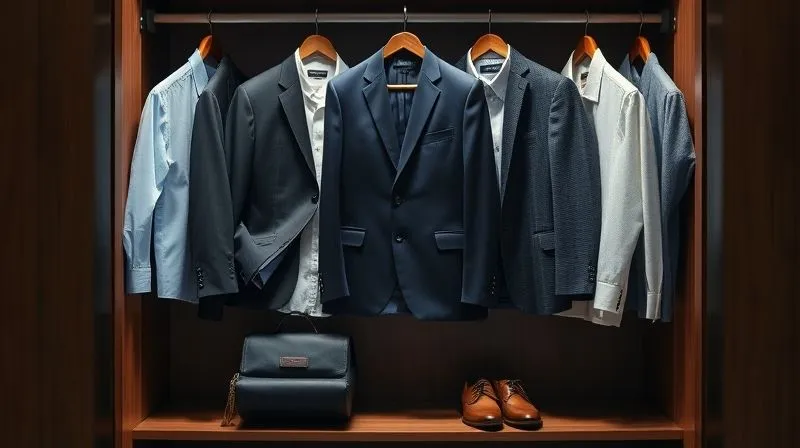
Building this core allows for endless combinations. Here's a practical checklist to guide your initial investments:
| Category | Quantity | Key Colors | Fabric Type |
|---|---|---|---|
| Blazers | 2-3 | Navy, Charcoal, Grey | Wool, Wool Blend |
| Trousers | 3-4 | Navy, Grey, Khaki | Wool, Cotton Blend, Chino |
| Dress Shirts | 4-6 | White, Light Blue, Subtle Stripe | Cotton Poplin, Oxford |
| Knitwear | 2-3 | Navy, Grey, Burgundy | Merino Wool, Cashmere |
| Shoes | 2-3 | Brown, Black | Leather (Oxfords, Loafers, Derbies) |
The Trifecta of Impact: Fit, Fabric, and Finish
Even the most expensive garments will fall flat if these three elements are overlooked. In my experience, this is where most professionals make critical errors that undermine their visual credibility. Mastering fit, understanding fabric, and appreciating finish are non-negotiable for anyone serious about professional impact.
Fit: The Unsung Hero of Professionalism
Fit is paramount. An ill-fitting garment, whether too baggy or too tight, screams amateur. A well-tailored piece, however, instantly elevates your stature. Your blazer should hug your shoulders, your trousers should break just once on your shoes, and your shirts should contour your body without pulling. Don't underestimate the power of a good tailor; it's an investment that pays dividends in confidence and perception.
Fabric: Quality That Speaks Volumes
The choice of fabric communicates quality and attention to detail. Natural fibers like wool, cotton, linen, and cashmere not only look better but also drape more elegantly and breathe more effectively. They convey a sense of discernment and sophistication that synthetic blends often lack. For professional settings, prioritize fabrics with a subtle texture and a refined hand feel.
Finish: The Details That Define
Finish refers to the small, often overlooked details: the quality of stitching, the buttons on your blazer, the sharpness of your trouser crease, the absence of loose threads. These details, though seemingly minor, collectively contribute to an overall impression of meticulousness and professionalism. A crisp shirt, well-pressed trousers, and polished shoes are non-negotiable elements of a polished finish.
Industry Secret: "A $100 shirt, perfectly tailored and impeccably pressed, will always look more professional than a $1000 shirt that's ill-fitting and wrinkled. Details matter more than labels."
Strategic Color & Pattern: Crafting Your Visual Narrative
Color and pattern are powerful, often subconscious, communicators. When choosing contemporary menswear for professional impact, selecting the right palette and subtle patterns can significantly enhance your perceived authority, trustworthiness, and approachability.
The Psychology of Professional Colors
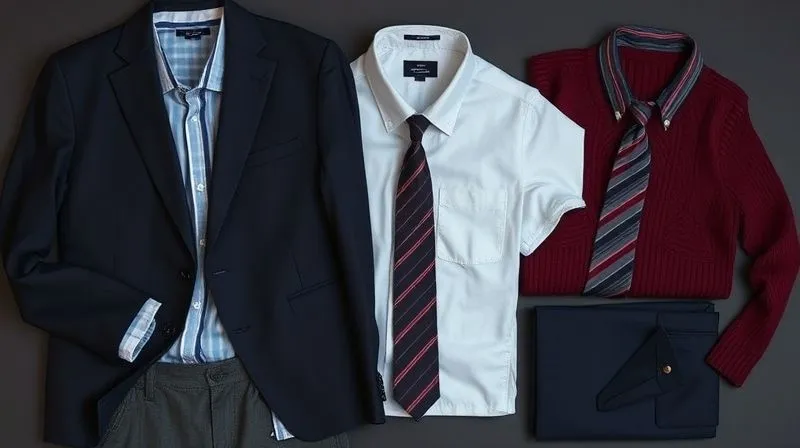
Stick to a foundation of classic, muted colors for your core pieces. Navy blue conveys trust and authority, making it an excellent choice for blazers and trousers. Charcoal grey is equally authoritative but slightly softer than black, offering versatility. Mid-grey can project approachability. For shirts, crisp white and serene light blue are timeless choices that pair well with almost anything.
Once your foundation is solid, you can introduce accent colors through knitwear, ties (if applicable), or pocket squares. Rich burgundies, deep forest greens, or even a subtle olive can add personality and depth without being distracting. These colors, when used sparingly, can make you appear more dynamic and memorable.
Pattern Play: Subtlety for Sophistication
When it comes to patterns, less is often more in a professional context. Subtle patterns can add visual interest and texture without overwhelming your overall look. Think fine pinstripes, discreet checks (like a Prince of Wales check or glen plaid), or a herringbone weave in your blazers or trousers. For shirts, a narrow stripe or a micro-gingham can work well.
Avoid overly bold or loud patterns, as they can be distracting and undermine your professional gravitas. The goal is to project confidence and competence, not to be the most flamboyant person in the room. According to studies on visual communication, subtle patterns can indicate attention to detail and a refined aesthetic, contributing positively to your professional image. Learn more about the impact of color in professional settings at Harvard Business Review.
Accessorize with Intent: Elevating Your Professional Persona
Accessories are not mere afterthoughts; they are critical elements that can elevate or detract from your professional impact. When choosing contemporary menswear, a thoughtful selection of accessories demonstrates an acute awareness of personal presentation and attention to detail.
- Watches: A classic, understated watch is a powerful statement. Opt for a quality timepiece with a leather strap or a simple metal bracelet. Avoid oversized, overly sporty, or excessively flashy watches in professional settings.
- Belts: Always match your belt to your shoes in terms of color and material. A slim, well-maintained leather belt is essential.
- Shoes: This is arguably the most critical accessory. Invest in high-quality leather shoes – Oxfords, Derbies, loafers, or refined Chelsea boots. Keep them impeccably polished and in good repair. Scuffed or worn shoes can instantly undermine an otherwise perfect outfit.
- Eyewear: If you wear glasses, choose frames that complement your face shape and project intelligence and style. Modern, minimalist designs often work best.
- Bags: A sleek leather briefcase, messenger bag, or a high-quality folio will complete your professional ensemble far more effectively than a casual backpack.
- Ties & Pocket Squares (Optional): In less formal contemporary settings, ties are often optional. If you wear one, choose slim, modern cuts in sophisticated patterns or solid colors. A pocket square can add a touch of personality and flair, but ensure it complements, rather than clashes with, your overall look.
Each accessory should serve a purpose and contribute to a cohesive, polished image. As Seth Godin often says about personal branding, every touchpoint matters. Your accessories are a silent testament to your overall approach to detail and excellence.
For inspiration on timeless accessories that blend heritage with contemporary design, explore the craftsmanship of brands renowned for their enduring quality, such as Church's Shoes or IWC Schaffhausen.
Case Study: From Overlooked to Influential – Mark's Sartorial Journey
Case Study: How Mark Elevated His Professional Presence
Mark, a brilliant software architect at a mid-sized tech firm, was consistently overlooked for leadership roles despite his exceptional technical skills. His wardrobe consisted primarily of ill-fitting khakis, graphic tees under casual button-downs, and worn sneakers. He dressed like a 'tech bro,' which, while common in his industry, was hindering his ascent to executive leadership, where a more polished image was expected to command respect from clients and senior stakeholders.
The Problem: Mark's attire communicated a lack of attention to detail and a casualness that was misaligned with the gravitas required for a leadership position. He struggled to project authority during presentations and client meetings, often being perceived as 'just another engineer' rather than a strategic leader.
The Solution: I worked with Mark to implement the principles of contemporary professional menswear. We focused on:
- Tailoring Everything: His existing blazers and trousers were taken to a skilled tailor.
- Strategic Core Investments: Purchased two new unstructured blazers (navy and charcoal), three pairs of tailored wool-blend trousers, and five high-quality cotton shirts (white, light blue, subtle stripe).
- Refined Accessories: Invested in two pairs of quality leather shoes (brown loafers, black Oxfords) and a classic minimalist watch.
- Color & Fabric Upgrade: Emphasized natural fibers and a professional color palette, moving away from bright, informal hues.
The Result: Within six months, Mark's transformation was undeniable. He felt more confident, and this radiated in his interactions. Colleagues and clients noticed the shift. He began receiving more invitations to high-level meetings and was ultimately promoted to Head of Architecture, a role that required significant client-facing and leadership responsibilities. His professional impact was dramatically amplified simply by learning how to choose contemporary menswear effectively.
| Aspect | Before Mark | After Mark |
|---|---|---|
| Blazers | Baggy, old, synthetic | Tailored, modern fit, wool blend |
| Trousers | Wrinkled khakis, jeans | Tailored wool-blend, chinos |
| Shirts | Casual, graphic tees | Crisp cotton, well-fitted |
| Shoes | Worn sneakers | Polished leather loafers/Oxfords |
| Overall Impression | Underdressed, casual | Authoritative, polished, confident |
Beyond the Garment: Personal Branding & Authentic Style
Learning how to choose contemporary menswear for professional impact isn't just about following rules; it's about integrating your personal brand with your professional aspirations. Your style should be an authentic extension of who you are, subtly reinforcing your professional identity.
Authenticity Matters: While there are guidelines for professional dress, your unique personality should still shine through. This might be in a distinctive watch, a signature scent, or a particular fabric preference. The goal is to look polished and authoritative, not like you're wearing a costume. Your clothing should feel comfortable and natural, allowing you to focus on your work, not your outfit.
Consistency Builds Trust: A consistent, well-curated professional image builds trust and reliability. When your appearance aligns with your competence and ambition, it creates a powerful synergy. This consistency should extend from your daily office wear to your virtual meeting attire, reinforcing your personal brand at every touchpoint. For more on personal branding, see this article from Forbes.

Navigating Trends: Timeless Appeal vs. Fleeting Fads
In the world of fashion, trends come and go. When you're aiming for professional impact, your focus should always lean towards timeless elegance rather than chasing every fleeting fad. This approach ensures longevity for your wardrobe investments and a consistent projection of sophistication.
Embrace the Classics: The core pieces discussed – tailored blazers, quality trousers, crisp shirts – are inherently timeless. They form a robust foundation that transcends seasonal shifts. Investing in these items ensures your professional wardrobe remains relevant and impactful for years.
Thoughtful Integration: This doesn't mean ignoring trends entirely. Instead, selectively integrate modern elements. Perhaps a contemporary cut on a classic blazer, a new fabric technology that enhances comfort, or an updated color palette for your accessories. The key is to incorporate trends in a way that enhances your established, timeless style, rather than overshadowing it.
My Philosophy: "Style is an evolution, not a revolution. Focus on building a wardrobe that whispers confidence and competence, allowing your true value to be the loudest statement."
By prioritizing enduring style over transient fashion, you build a professional image that is both current and enduring, demonstrating stability and a keen eye for lasting quality.
Frequently Asked Questions (FAQ)
Is a suit still necessary in contemporary professional settings? While not always a daily requirement, a well-tailored suit remains essential for formal meetings, presentations, and interviews. Contemporary professional settings often lean towards tailored separates (blazer + trousers) as a versatile alternative, but having a classic navy or charcoal suit ready is crucial for maximum impact when needed.
How do I choose the right fit without a personal stylist? Focus on key areas: shoulders (blazer/shirt seam should align with your shoulder bone), sleeve length (shirt cuff should show about half an inch below blazer), and trouser break (a slight crease at the front of your shoe). Don't hesitate to buy slightly larger and take it to a local tailor for adjustments; it's more affordable than a stylist and ensures a perfect fit.
What are the key differences between business casual and contemporary professional? Business casual allows for more relaxed elements like polo shirts, chinos, and even clean, minimalist sneakers. Contemporary professional, while still modern, maintains a higher level of polish and structure. It emphasizes tailored pieces, quality fabrics, and smart leather shoes, always aiming for an authoritative yet approachable aesthetic, often involving a blazer.
Can I express my personality through my professional attire? Absolutely! Personal expression is vital for authentic branding. This can be achieved through subtle details: a unique pocket square, a distinctive watch, a textured fabric, or even a sophisticated pair of eyeglasses. The key is to ensure these expressions complement, rather than detract from, your overall professional image.
How often should I update my professional wardrobe? Rather than frequent overhauls, focus on gradual, strategic updates. Replace worn-out core pieces as needed. Every 1-2 years, evaluate if your style still aligns with your career goals and current trends. Invest in 1-2 new key pieces annually to keep your wardrobe fresh and relevant, ensuring you continue to choose contemporary menswear for professional impact.
Key Takeaways and Final Thoughts
Mastering how to choose contemporary menswear for professional impact is a strategic skill, not just a superficial pursuit. It's about leveraging visual cues to convey competence, confidence, and authority in an ever-evolving professional landscape. My decades in this niche have reinforced one truth: your clothing is a powerful, non-verbal resume.
- Invest in Quality Basics: Prioritize well-fitting, versatile pieces in classic colors and natural fabrics.
- Fit is King: A skilled tailor is your secret weapon. Even affordable garments look expensive when they fit perfectly.
- Details Matter: From polished shoes to a well-chosen watch, small touches amplify your overall polish.
- Strategic Color & Pattern: Use these elements to build authority and express personality without distraction.
- Authenticity & Consistency: Let your style reflect your personal brand, consistently reinforcing your professional identity.
Remember, dressing for impact isn't about conforming; it's about empowering. By applying these principles, you're not just buying clothes; you're investing in your future, enhancing your presence, and ensuring that every time you step into a professional setting, you look and feel the part of the influential leader you truly are. Go forth, dress with intent, and make your mark.
Recommended Reading
- Safeguarding Rare Vintage Textiles: 7 Strategies to Halt Irreversible Display Damage
- 7 Proven Strategies: Turn Beauty Influencer Content into Direct Sales
- 7 Proven Strategies: Convert Celebrity Red Carpet Style into Luxury Sales Effectively?
- 7 Steps to Master Custom Jewelry Revisions & Boost Profit
- Unveiling the Past: How to Achieve Historical Accuracy in 18th-Century Fashion



Your email address will not be published. Required fields are marked *