

Preventing Irreversible Damage to Rare Vintage Textiles During Display?
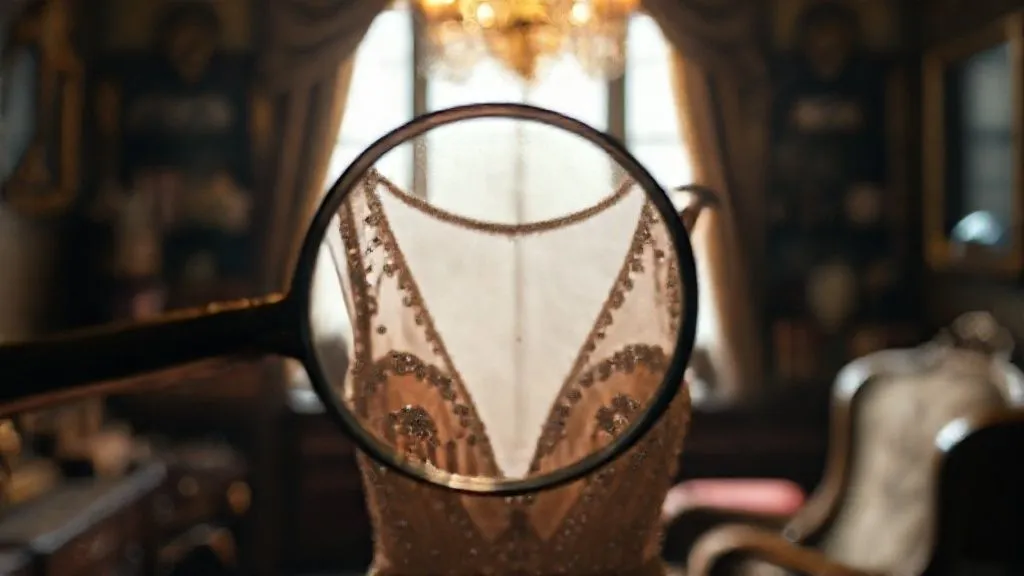
For over two decades in the vintage fashion industry, I've witnessed firsthand the heartbreaking consequences of improper display. Beautifully preserved gowns, intricate tapestries, and delicate accessories, once vibrant testaments to history, slowly succumb to preventable degradation. It's a common oversight, often born of enthusiasm rather than malice, but the results are always the same: irreversible damage to irreplaceable textile treasures.
The passion for vintage is deeply personal, and the desire to share these historical masterpieces is natural. However, these aren't just garments; they are fragile artifacts, each thread a whisper from the past, susceptible to a myriad of environmental and handling threats. The challenge lies in balancing the joy of display with the imperative of preservation, especially when dealing with rare and delicate fabrics that have already defied centuries.
This article isn't just a list of tips; it's a comprehensive framework built from years of practical experience and collaboration with leading textile conservators. I'll guide you through actionable strategies, from mastering environmental control to the nuances of handling and display case design, ensuring your cherished vintage textiles are not only admired but also protected for future generations. We will delve into the critical steps for preventing irreversible damage to rare vintage textiles during display, transforming your passion into informed stewardship.
Understanding the Silent Enemies of Textile Preservation
Before we can protect, we must understand what we're protecting against. Rare vintage textiles face a silent war waged by elements often invisible to the naked eye. Ignoring these threats is the quickest path to irreversible damage.
Light: The Unseen Destroyer
Perhaps the most insidious enemy is light. Both natural and artificial light, especially ultraviolet (UV) and infrared (IR) radiation, cause irreversible fading, embrittlement, and structural breakdown of textile fibers and dyes. I've seen vibrant silks turn to brittle shadows, and rich velvets bleach to pale ghosts, all due to prolonged light exposure. The damage accumulates over time, and once it's done, there's no going back.
Pests: The Hungry Invaders
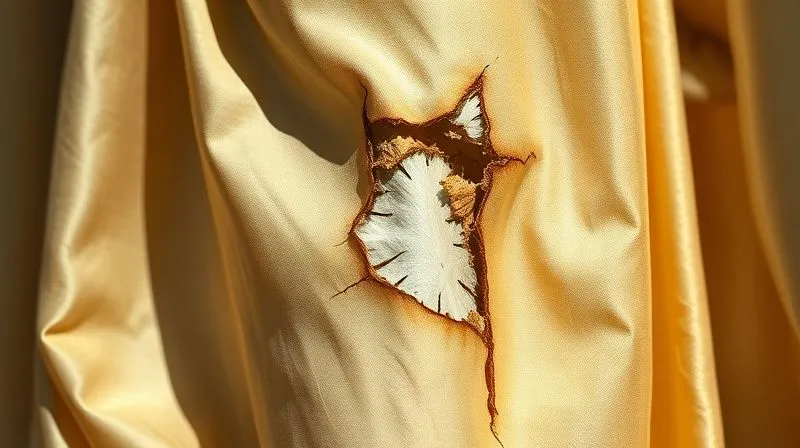
Textile pests—moths, carpet beetles, silverfish—see your rare vintage items not as historical artifacts, but as a food source. Their larvae can cause devastating, irreparable holes and tunnels through fibers in a surprisingly short amount of time. A single infestation can wipe out years of careful preservation efforts.
Relative Humidity and Temperature Fluctuations: The Environmental Stressors
Extreme or fluctuating relative humidity (RH) and temperature are major culprits in textile degradation. High humidity encourages mold growth and pest activity, while low humidity can cause fibers to become brittle and stiff. Rapid changes cause materials to expand and contract, leading to mechanical stress, cracking, and loss of integrity in delicate threads and embellishments.
Pollutants: The Invisible Corroders
Dust, soot, and airborne chemicals (like those from cleaning products, paints, or even off-gassing from display materials) can settle on textiles, causing discoloration, weakening fibers, and attracting pests. Over time, these pollutants can chemically react with the textile, leading to irreversible staining and deterioration.
Improper Handling and Support: The Mechanical Trauma
Every touch, every adjustment, every moment a textile is unsupported, introduces a risk of mechanical damage. Weakened fibers can tear, seams can burst, and embellishments can detach. Displaying a heavy garment on a thin wire hanger, for instance, is a common error that leads to shoulder distortion and stress.
The Art of Environmental Control: Light, Temperature, and Humidity
Mastering the environment is the cornerstone of preventing irreversible damage to rare vintage textiles during display. It's about creating a stable, benign microclimate that slows the natural aging process.
Controlling Light Exposure
This is paramount. For rare textiles, I recommend a maximum light level of 50 lux (about the brightness of a dimly lit room) with UV filtration. This often means displaying items in rooms without direct sunlight, using UV-filtering films on windows, or opting for museum-grade LED lighting with no UV output. Remember, even low light levels accumulate damage over time, so consider rotating items off display or limiting display periods.
"Light is the most damaging agent to textiles after fire and water. Its effects are cumulative and irreversible." - The American Institute for Conservation (AIC)
Maintaining Stable Temperature and Relative Humidity
Consistency is key. Ideal conditions for most organic materials, including textiles, are a stable temperature between 68-72°F (20-22°C) and a relative humidity (RH) of 45-55%. Fluctuations of more than ±5% RH or ±2°F (±1°C) are highly detrimental. I've seen period silks crack and disintegrate in environments with extreme swings. Investing in a good hygrometer and thermometer is non-negotiable.
Here's a general guide to environmental parameters for textile display:
| Environmental Factor | Ideal Range | Notes |
|---|---|---|
| Light Level | Max 50 lux | UV filtered, no direct sunlight |
| Relative Humidity (RH) | 45-55% | Avoid fluctuations > ±5% |
| Temperature | 68-72°F (20-22°C) | Avoid fluctuations > ±2°F (±1°C) |
| Air Quality | Low Pollutants | Use air filters, avoid off-gassing materials |
Air Filtration and Pollution Control
Beyond temperature and humidity, consider the air itself. Dust and particulate matter can abrade fibers and attract pests. Using HEPA air filters in display areas can significantly reduce airborne pollutants. Ensure that any display cases are sealed to prevent dust ingress and that materials used in construction (adhesives, paints, fabrics) are archival-quality and do not off-gas harmful chemicals.
Mounting and Support: Gentle Giants for Delicate Fabrics
The way a textile is supported during display is critical. Improper mounting is a leading cause of stress, distortion, and irreversible damage. Think of it as providing a gentle, custom-fitted skeleton for your fragile piece.
Custom Mannequins and Forms
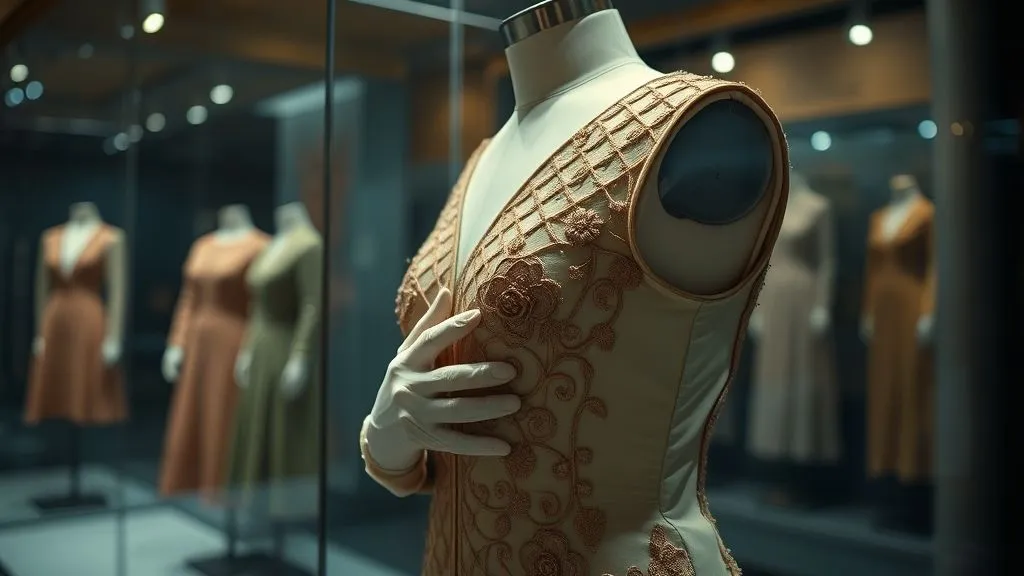
For garments, generic retail mannequins are often unsuitable. Their rigid, unpadded forms can stress seams, distort original silhouettes, and create pressure points. I always advocate for custom-padded mannequins or dress forms that precisely match the garment's measurements and shape. These should be covered with a clean, un-dyed, pH-neutral cotton fabric (like muslin) to prevent dyes from migrating.
Padded Hangers and Flat Storage
If a garment must be hung, it should be on a padded, archival-quality hanger that supports the entire shoulder area, distributing weight evenly. For very heavy or fragile garments, hanging is often discouraged. Instead, flat storage in acid-free boxes with tissue support is preferable. For textiles like shawls, flags, or tapestries, full-support mounting on a fabric-covered board or frame is essential, using conservation-approved stitching methods that distribute weight and avoid tension.
Steps for Creating a Supportive Display Mount:
- Assess the Textile's Condition: Before anything, document any existing damage, weak points, or areas of stress.
- Choose Appropriate Materials: All materials coming into contact with the textile must be archival quality: pH-neutral, un-dyed, and stable. This includes padding, cover fabrics, threads, and mounting boards.
- Custom-Fit Padding: If using a mannequin, build up padding (using polyester batting or similar inert material) to match the garment's dimensions precisely. Cover with washed, un-dyed cotton muslin.
- Distribute Weight Evenly: Ensure no single point bears undue stress. For hanging garments, broad, padded hangers are crucial. For flat textiles, ensure even support across the entire surface.
- Use Conservation Stitching: If stitching is required to secure a textile to a mount, use fine, strong, inert thread (e.g., polyester monofilament or silk thread) and employ conservation stitching techniques that are easily reversible and do not pierce historically significant areas.
- Regular Monitoring: Once displayed, periodically check the textile for signs of stress, shifting, or new damage. Adjust support as needed.
Pest Management: Vigilance Against Tiny Vandals
Pests are a constant threat to textiles. An integrated pest management (IPM) strategy is crucial for preventing irreversible damage to rare vintage textiles during display.
Identifying Common Textile Pests
- Clothes Moths (Tineola bisselliella, Tinea pellionella): Larvae feed on wool, silk, fur, feathers. Look for webbing, cases, and tiny holes.
- Carpet Beetles (Anthrenus sp., Attagenus sp.): Larvae feed on a wide range of animal fibers. Leave behind tiny fecal pellets and shed skins.
- Silverfish (Lepisma saccharina): Feed on starches, glues, and sometimes damaged cellulose fibers.
Implementing an IPM Strategy
- Regular Cleaning: Keep display areas meticulously clean. Vacuum regularly (with a HEPA filter) around display cases, paying attention to cracks and crevices.
- Environmental Control: Pests thrive in warm, humid conditions. Maintaining stable, cooler temperatures and lower humidity (as discussed) helps deter them.
- Monitoring: Place sticky traps or pheromone traps discreetly around display areas. Check them regularly (e.g., monthly) to detect pest activity early.
- Inspection: Routinely inspect textiles for signs of pests (holes, frass, larvae, adults). Pay close attention to hidden areas, folds, and seams.
- Isolation: If a new textile is introduced, quarantine it for a period and inspect thoroughly before placing it near other items.
- Professional Intervention: If an infestation is suspected, consult a professional conservator or pest management expert experienced with cultural heritage. Avoid DIY pesticide treatments, which can harm textiles.
For more detailed guidance on textile pest management, I often refer to resources from organizations like the American Institute for Conservation (AIC), which offers comprehensive guidelines.
Handling with Reverence: The Human Touch
Even the most careful hands can cause damage if proper protocols aren't followed. In my experience, mechanical damage from mishandling is one of the most common, yet easily preventable, forms of irreversible damage to rare vintage textiles during display.
The Importance of Clean Hands and Gloves
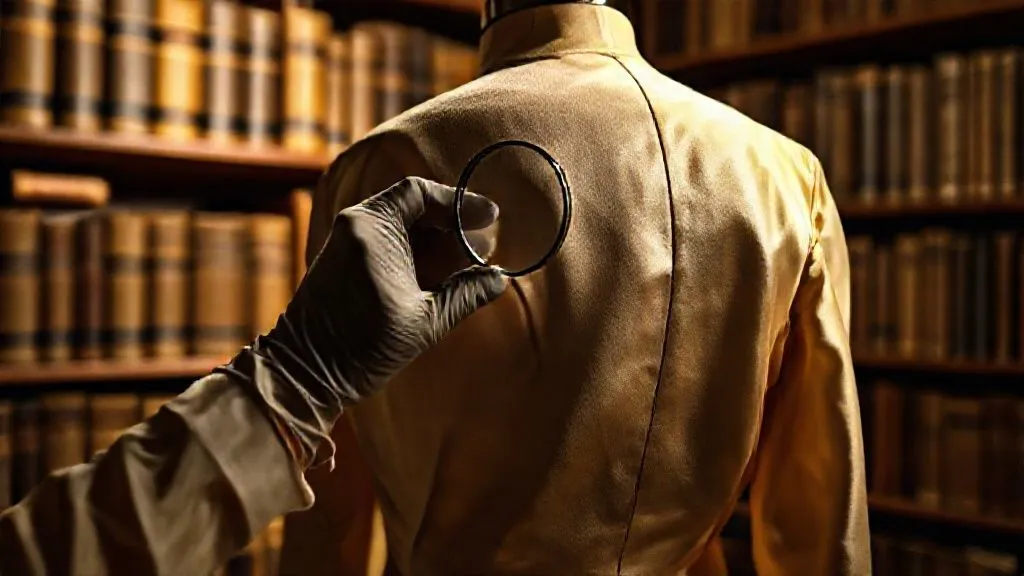
Always wear clean, lint-free cotton or nitrile gloves when handling textiles. Our hands carry oils, dirt, and salts that can transfer to fibers, causing staining and degradation over time. Even seemingly clean hands can leave residues that attract pests or accelerate deterioration.
Minimizing Contact and Movement
Handle textiles as little as possible. Every touch, every shift, every adjustment puts stress on delicate fibers. When movement is necessary, plan your actions carefully and ensure you have adequate space and assistance.
Proper Lifting and Support Techniques
Never lift a textile by a single point, such as a shoulder, sleeve, or hem. Always support the entire weight of the item. For garments, this means supporting it from underneath with both hands, or using a padded tray. For flat textiles, use an archival board or a roll to provide full, even support during transport.
Case Study: How the 'Heritage Gown' Project Avoided Damage
Case Study: How the 'Heritage Gown' Project Avoided Damage
A few years ago, I was advising a private collector on displaying a particularly fragile 18th-century silk court gown, embroidered with metallic threads. The collector initially planned to drape it over a standard dress form. We intervened, emphasizing the gown's extreme fragility. Instead, we commissioned a custom-padded mannequin meticulously sculpted to the gown's original silhouette. During transport and mounting, a team of three conservators, all gloved, carefully supported the gown from multiple points, using large, padded trays. The display case was designed with a pull-out base, allowing the mannequin to be prepared outside and then gently slid into place, minimizing direct handling of the gown within the confined space. This meticulous attention to handling and support ensured that the gown, despite its age and fragility, was displayed without a single new stress point or tear, demonstrating the power of reverent, informed handling in preventing irreversible damage to rare vintage textiles during display.
Display Case Design: Your Textile's Sanctuary
A well-designed display case acts as a micro-environment, shielding your textile from external threats. It's an investment that pays dividends in preservation.
Archival Materials and Construction
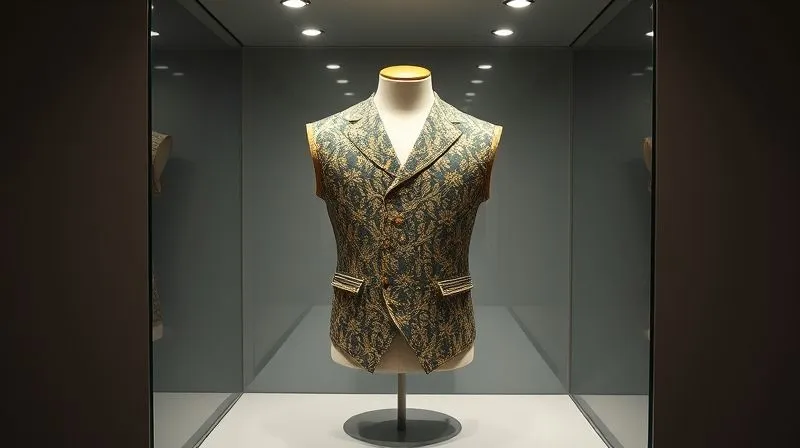
The case itself must be constructed from archival-quality materials. This means inert plastics (like acrylic, not PVC), anodized aluminum, or conservation-grade wood products sealed with appropriate barriers. Avoid materials that off-gas volatile organic compounds (VOCs), which can harm textiles. Glass is generally preferred over acrylic for its scratch resistance and UV blocking capabilities, but specialized acrylics are available with UV protection.
Sealing and Environmental Control
A good display case should be well-sealed to prevent dust and pests from entering. It should also facilitate stable environmental conditions (temperature and RH) by creating a buffer against external fluctuations. Some museum-quality cases incorporate passive or active environmental control systems to precisely regulate RH.
Material Considerations for Display Cases:
- Glazing: UV-filtering glass or acrylic (e.g., Optium Museum Acrylic) is essential.
- Frame: Anodized aluminum or powder-coated steel are inert choices. If wood is used, it must be sealed with an inert barrier coat and aged.
- Internal Fabrics: All fabrics, mounts, or backings inside the case must be un-dyed, pH-neutral cotton, linen, or polyester, and thoroughly washed to remove any sizing or finishes.
- Adhesives/Sealants: Use only conservation-grade, non-off-gassing adhesives and sealants.
Documentation and Monitoring: Your Textile's Health Record
Preservation is an ongoing process, not a one-time event. Regular documentation and monitoring are crucial for early detection of problems and for understanding the long-term health of your textiles.
Regular Inspections
Establish a schedule for inspecting your displayed textiles—monthly, quarterly, or annually, depending on the item's fragility and display environment. Look for any changes: fading, new tears, loose threads, insect frass, mold growth, or changes in the textile's drape or texture.
Condition Reports and Photography
Maintain a detailed condition report for each rare textile. This should include: date of acquisition, materials, construction, dimensions, a description of its current condition (including any existing damage), and notes on previous conservation treatments. High-resolution photographs taken at regular intervals are invaluable for tracking subtle changes over time. These visual records are vital for preventing irreversible damage to rare vintage textiles during display by catching issues early.
For comprehensive guidance on creating condition reports, the Getty Conservation Institute provides excellent resources on documentation standards for cultural heritage.
Rotation Schedules
Even with optimal conditions, prolonged display can still cause cumulative damage, especially from light exposure. Consider implementing a rotation schedule where items are displayed for a set period (e.g., 6-12 months) and then rested in dark, stable archival storage for an equal or longer period. This allows the textile to 'recover' and minimizes continuous exposure to environmental stressors.
Cleaning and Conservation: When to Call the Experts
It's tempting to want to clean or repair a beloved vintage textile yourself, but this is often where irreversible damage occurs. Knowing when to step back and call a professional is a hallmark of responsible stewardship.
The Dangers of DIY Cleaning
Vintage textiles are often fragile, and their fibers and dyes can react unpredictably to water, detergents, or solvents. What works for a modern cotton shirt can utterly destroy a century-old silk brocade or a hand-painted velvet. Shrinkage, dye bleed, fiber degradation, and permanent staining are common outcomes of improper cleaning. I cannot stress this enough: *do not attempt to clean rare vintage textiles without expert guidance.*
When Professional Intervention is Necessary
If a textile is soiled, damaged, or shows signs of active deterioration (e.g., mold, tears, pest infestation), it's time to consult a professional textile conservator. These specialists have the knowledge, equipment, and ethical framework to assess the textile's condition, identify its materials, and perform treatments that stabilize and preserve it, often using reversible methods.
Finding a Qualified Conservator
Seek out conservators who are members of professional organizations like the American Institute for Conservation (AIC) or the Institute of Conservation (ICON). These organizations maintain directories of accredited professionals. Always discuss their proposed treatment plan, expected outcomes, and costs before any work begins.
Frequently Asked Questions (FAQ)
Question: Can I display textiles near a window if I have UV film on the glass? While UV film helps significantly, it doesn't block 100% of harmful radiation, and visible light still causes fading and degradation. Even with UV film, direct sunlight or strong indirect light should be avoided for rare textiles. It's always best to display them in interior rooms with controlled lighting and consider rotating them off display periodically.
Question: What's the best way to clean a vintage textile before display? For rare and delicate vintage textiles, the "best way" is often "not at all" by an amateur. Dry cleaning chemicals can be too harsh, and wet cleaning can cause dye bleed, shrinkage, or fiber damage. If cleaning is deemed absolutely necessary by a conservator, they will conduct tests and use highly specialized, gentle methods. For collectors, gentle dusting with a soft brush and a HEPA-filtered vacuum (with a screen barrier) is usually the safest non-professional approach.
Question: How often should I rotate textiles on display? The frequency depends on the textile's fragility, light levels, and the display environment. For very rare and delicate items, a common recommendation is to display for 6-12 months, followed by 1-2 years in dark, stable archival storage. Less fragile items in very low light might tolerate longer display periods. The key is to monitor the textile for any signs of change and adjust the rotation schedule accordingly.
Question: Are all mannequins safe for vintage clothing? Absolutely not. Most commercial mannequins are made from rigid plastics or fiberglass, which can be abrasive, have uneven surfaces, or off-gas chemicals. They are rarely sized appropriately for historical garments, leading to stress on seams and fabric. Custom-padded, archival-quality mannequins or dress forms, covered in inert fabric, are the only truly safe option for rare vintage clothing.
Question: What are the signs of pest infestation in textiles? Look for small holes (especially irregular ones), silken webbing or cases (from clothes moths), tiny fecal pellets (like sand or coffee grounds, from carpet beetles), shed insect skins, or live insects (larvae or adults). Pay particular attention to folds, seams, and areas hidden from view. A musty smell can also sometimes indicate pest activity or mold. Early detection through regular inspection is crucial.
Key Takeaways and Final Thoughts
- Environmental Control is Paramount: Maintain stable light (max 50 lux, UV-filtered), temperature (68-72°F), and relative humidity (45-55%) to slow degradation.
- Support is Non-Negotiable: Use custom-padded, archival mannequins or forms, or flat storage with acid-free materials, to prevent mechanical stress.
- Handle with Care: Always wear gloves, minimize contact, and support the entire textile's weight during any movement.
- Vigilance Against Pests: Implement an Integrated Pest Management (IPM) strategy with regular cleaning, monitoring, and inspection.
- Invest in Quality Display Cases: Use archival-grade, sealed cases with UV-filtering glass or acrylic.
- Document and Monitor: Keep detailed condition reports, use photography, and consider rotation schedules to track and mitigate cumulative damage.
- Know When to Call a Professional: Never attempt DIY cleaning or complex repairs on rare textiles; consult accredited textile conservators.
Preventing irreversible damage to rare vintage textiles during display is a commitment, a blend of passion and informed practice. It's about respecting the history woven into every thread and ensuring these beautiful artifacts endure. By implementing these expert-level strategies, you're not just preserving a garment; you're safeguarding a piece of our shared cultural heritage. Your dedication today will ensure these whispers from the past continue to inspire generations to come.
Recommended Reading
- The Secret to Timeless Bridal Style: How to Pick Trends Without Looking Dated Later
- Luxury PR: 7 Digital Shifts for Declining High Fashion Print Media
- The Ultimate Secret to Effortlessly Transitioning Outfits for Busy Women
- 7 Steps to Scale Handmade Jewelry: Maintain Quality & Grow Profit
- Designing Playful Kids' Wear: 7 Steps to Sensory Comfort

Your email address will not be published. Required fields are marked *